|
As some of you may know, Washington State Authority Health Care Authority has been considering coverage for spinal cord stimulation. Other states will be doing the same. ASIPP has been working on this for quite some time, along with multiple other organizations. Dr. Amol Soin and Dr. Chris Gharibo were intimately involved. Dr. Gharibo testified on our behalf in front of the Commission. Dr. Soin wrote the public comments. Overall, Washington State Authority Health Care Authority changed its policy, and the draft policy shows they are going to cover spinal cord stimulation for post lumbar laminectomy syndrome, non-surgical low back pain, and painful diabetic peripheral neuropathy, but not for complex regional pain syndrome.
Overall, this is very good, but we will have to overcome multiple limitations included in this, such as each patient undergoing the completion of a comprehensive cognitive behavioral therapy, chiropractic, or acupuncture, which seems to be impractical or extremely difficult to achieve. We are working on these issues, as well as with other organizations.
ASIPP congratulates all those involved in this great cause, which is largely moving in a positive manner. This is a big step forward considering that it was not covered at all.
Click here to view the Spinal Cord Stimulation DRAFT findings and decision.
| |
For many patients, seeing a nurse practitioner has become a routine part of primary care, in which these “NPs” often perform the same tasks that patients have relied on doctors for.
But NPs in specialty care? That’s not routine, at least not yet. Increasingly, though, nurse practitioners and physician assistants are joining cardiology, dermatology, and other specialty practices, broadening their skills and increasing their income.
This development worries some people who track the health workforce, because current trends suggest primary care, which has counted on nurse practitioners to backstop physician shortages, soon might not be able to rely on them to the same extent.
Read More
| |
|
For the first time, a study shows simultaneous cardiovascular and cognitive health improvement outcomes of blueberry administration.
Polyphenols, especially anthocyanins (a major class of flavonoids), have gathered interest for their potential health benefits. Anthocyanins [plant pigment(s)] are found in various fruits and vegetables that have red, purple, and blue hues. Common sources include blueberries, blackberries, cherries, and red grapes. These compounds have been linked to a range of health benefits, including improved vascular function and cognitive function.
Despite growing evidence of their benefits, there is no established recommended daily intake for anthocyanins.
Read More
| |
ASIPP State Society Meetings | |
|
The CDC is asking health officials in all 50 states to continue monitoring the prevalence of influenza as H5N1 bird flu infections among poultry and livestock increase and have begun to prompt concern over the possibility of human-to-human transmission, according to a news release shared with Becker's.
As of May 21, there has only been one confirmed human infection of the current H5N1 outbreak in a dairy farm employee in Texas, but no evidence of human-to-human transmission.
The agency's Principal Deputy Director Nirav Shah, MD, and Influenza Division Director Vivien Dugan, PhD, convened with leaders from the Association of State and Territorial Health Officials, the Association of Public Health Laboratories, Big Cities Health Coalition, the Council of State and Territorial Epidemiologists, and the National Association of County and City Health Officials to discuss the H5N1 response efforts.
Read More
| |
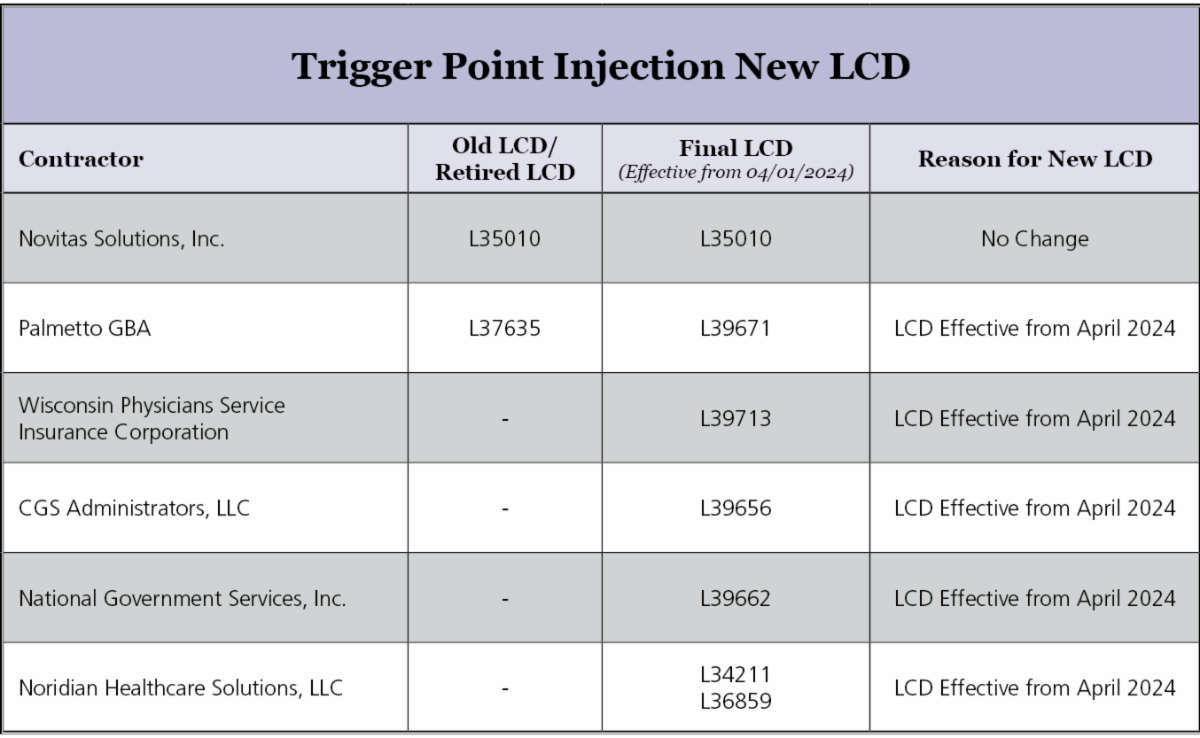
Effective from April 1st, the Majority
of MAC Will Follow Updated Guidelines
for Trigger Point Injections
| |
|
To compete with big health systems, small providers have to get bigger, expert says
What is driving consolidation in healthcare? The answer is: consolidation, Erin Fuse Brown, JD, MPH, said Tuesday.
"If all of the other competitors in the market are getting bigger, then in order to survive -- if you're a community hospital, or you're a small physician group -- you need to also join something big and powerful," Brown, who is professor of law at Georgia State University in Atlanta, said at an event here sponsored by the Georgetown University Center on Health Insurance Reforms.
"The bigger you are, the more pricing power you have in the commercial market," she continued. "That means you can command higher prices, you can get more revenue -- you're more powerful when you sit down at the negotiating table with those insurance companies ... Something that is small can no longer compete."
Read More
| |
|
Virtual
June 8, July 13, & July 27
Click here for the complete list of upcoming exams.
ABIPP Part I; ABIPP Path - Combined DCCPM/CSM virtual exam;
ABIPP Competency Exam in IPM; ABIPP Competency Exam in Regenerative Medicine;
CSM Competency Exam; DCCPM Competency Exam
In Person
October 18, 2024
ABIPP Part II - Practical Examination
Lab Venue: MERI, 44 S. Cleveland Street, Memphis, TN 38104
| |
|
Elite athletes who have run a mile in less than 4 minutes tend to live longer than the general population, according to a retrospective study.
The study adds to a growing field of research investigating the health effects of extreme exercise. Participants who ran a mile in less than 4 minutes lived an average of 4.7 years past their predicted life expectancy when matched for age, nationality, and sex (all runners were male). Previous research suggested that extreme endurance exercise may damage the cardiovascular system. Shorter, high-intensity sports are less investigated, however.
"The mile is unique," study author Mark Haykowsky, PhD, professor of nursing and research chair in aging and quality of life at the University of Alberta in Edmonton, told Medscape Medical News. Unlike long-distance endurance sports, which have been the subject of previous research, the middle-distance race requires a mix of aerobic and anaerobic fitness.
Read More
| |
Registration is open for
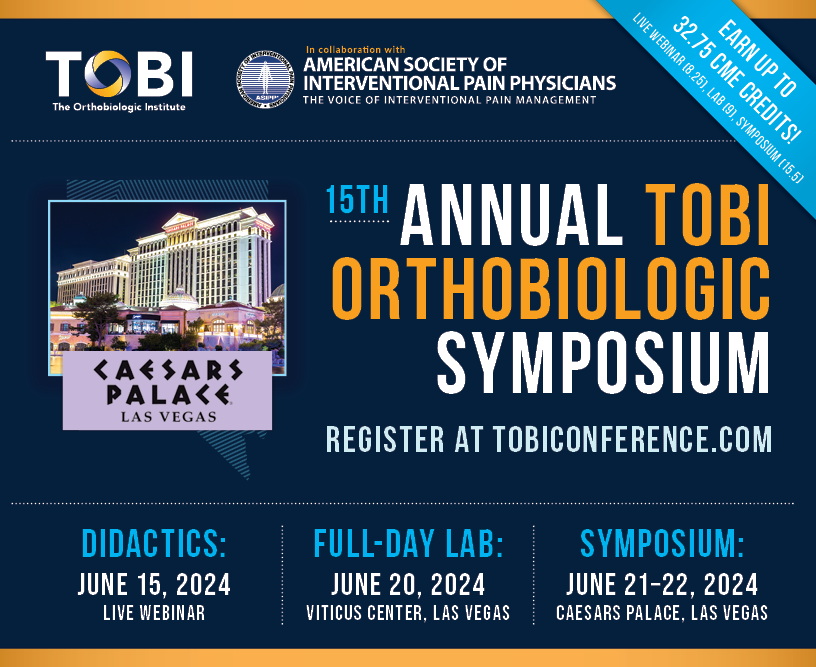
ASIPP's 2025 Annual Meeting
We would love it if you would register and join us in Orlando!
| |
|
Manufacturers of brand-name drugs will try every tack to delay generic entry, experts say
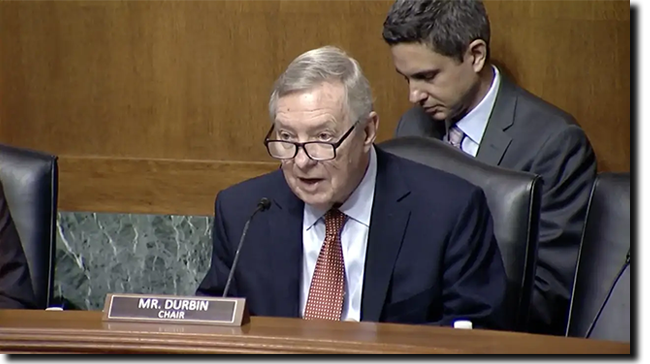
Senators and experts on Tuesday examined the range of tools that brand-name drug manufacturers have used to keep generic and biosimilar competition at bay -- from patent thickets and product hopping to "pay-for-delay" settlements -- and wrestled with how to prevent such abuses.
"Too often the prices charged by Big Pharma do not reflect a scientific advancement," argued Sen. Dick Durbin (D-Ill.), during a Tuesday hearing of the Senate Committee on the Judiciary. "Rather, they're the result of skilled lawyers manipulating the patent system and skirting our nation's competition laws."
A textbook example of this is AbbVie's adalimumab (Humira), a biologic for the treatment of rheumatoid arthritis and inflammatory bowel disease (among other conditions) that was brought to market in 2002. AbbVie "exploited intellectual property laws to build a thicket of 165 patents that allowed Humira to avoid competition," said Durbin, chair of the committee. He added that for AbbVie, this resulted in $200 billion in revenue over more than 20 years of exclusivity.
Read More
| |
The procedure offers a potential cure, but comes with a risk of early morbidity and mortality
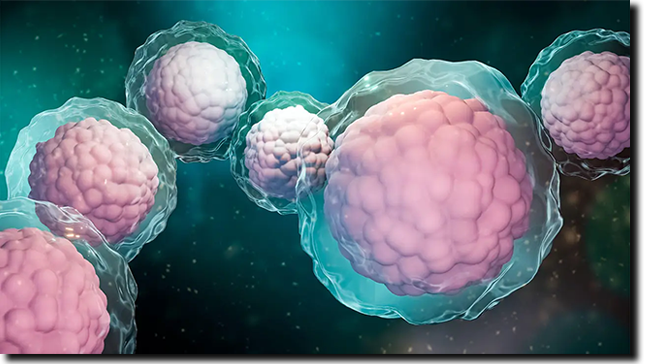
Allogeneic stem cell transplant is the only treatment that has the potential to cure myelofibrosis.
"It's very important to include stem cell transplant in 2024 -- and beyond -- in every conversation," said Naveen Pemmaraju, MD, of the University of Texas MD Anderson Cancer Center in Houston.
However, transplant is only pursued by a small percentage of patients with myelofibrosis, with experts suggesting that only 5% to 10% actually undergo the procedure.
"It's certainly a very small minority -- and it's less than should go to transplant," said Ruben Mesa, MD, of Atrium Health Wake Forest Baptist Comprehensive Cancer Center in Charlotte, North Carolina.
Read More
| |
- ASIPP Members Only Site Information - | |
-
To log in for the first time you will need to click “forgot password” at the bottom of the login window.
- Check your email and then log in as directed.
-
If you have problems logging into your account, click here.
| |
Pain Medicine Case Reports (PMCR) and Editor-in-Chief Alaa Abd-Elsayed, MD, PhD would like to invite you to submit case reports and case series to the PMCR journal. Your article will be published free of charge.
Open access journals are freely available online for immediate worldwide open access to the full text of published articles. There is no subscription fee for open access journals. Open access journals are no different from traditional subscription-based journals: they undergo the same peer-review and quality control as any other scholarly journal.
Interested in becoming a member of the PMCR Editorial Board?
Editorial board members are asked to review 2-6 manuscripts per year. Please submit your most up-to-date CV to sgold@asipp.org for consideration.
For more information or to submit your articles, click here.
| |
|
Michael Glicksman, MD, Anishinder Parkash, MD, Suresh Srinivasan, MD, Michael E. Farrell, II, MD, and Gaurav Chauhan, MD
Abstract
BACKGROUND: Complex Regional Pain Syndrome (CRPS) is a difficult-to-treat chronic pain condition. When indicated, spinal cord stimulator (SCS) therapy can serve as a solution. Rarely, intrathecal drug delivery system (IDDS) can be used with SCS to enhance analgesia. Given women’s predisposition towards CRPS, there may be an increasing co-existence of pregnancy and CRPS.
CASE REPORT: A pregnant woman presented with right lower extremity pain due to CRPS type II. Here, we present the first case of a woman who continued SCS and IDDS therapies throughout pregnancy. She had an uncomplicated pregnancy, labor, and delivery. The baby achieved all developmental milestones at one year.
CONCLUSION: Further research on the safety of SCS and IDDS during pregnancy is required to determine their effects on the mother and fetus. Until then, the decision to continue these therapies should be considered individually and with close collaboration among the patient, obstetrics, and pain management teams.
KEY WORDS: Pain management, pregnancy, refractory complex regional pain syndrome, CRPS, intrathecal pump therapy, spinal cord simulation
Read More
| |
|
Yucel Olgun, MD, Rekib Sacaklidir, MD, Serdar Kokar, MD, Savas Sencan, MD, and Osman Hakan Gunduz, MD
Abstract
BACKGROUND: Despite newly developing technologies and techniques, the use of fluoroscopic guidance in spinal interventional treatments remains popular. Therefore, it is essential to set reference standards and techniques for reducing radiation exposure in fluoroscopy-guided procedures.
OBJECTIVE: The aim of this study was is to compare the radiation doses and procedure time of the contralateral oblique (CLO) view to lateral view imaging during fluoroscopy-guided spinal procedures.
STUDY DESIGN: A retrospective study.
SETTING: Pain management unit of a tertiary care center.
METHODS: An evaluation of patients who received epidural steroid injections between May 2021 and May 2023 in a university hospital interventional pain management center was performed. This observational study was conducted with 248 patients aged 18 and older who underwent lumbar interlaminar epidural injections (ILESI) confirmed by CLO or lateral oblique imaging. The primary outcomes were the comparison of radiation dose and procedure time between the 2 groups. The secondary outcome was the comparison of complication rates.
RESULTS: There were no significant differences between the two groups in terms of age, gender, diagnosis, body mass index, procedure level, Numeric Rating Scale, and procedure time. Although the radiation dose was lower in the CLO group, there was no significant difference between the 2 groups. However, there was a significant difference between the 2 groups in terms of complications (P < 0.001).
LIMITATIONS: The study was designed in a single center and performing all the procedures with the same fluoroscopy device makes it difficult to generalize our results.
CONCLUSIONS: Although there was no difference in terms of radiation dose and duration of procedure between lumbar ILESI conducting using the CLO or lateral view fluoroscopy imaging, there was a significant difference in terms of complications. Therefore, conducting lumbar ILESI using a CLO view minimizes the complication rate.
KEY WORDS: Epidural injection, interlaminar injection, radiation dose, fluoroscopy, contralateral oblique
Read More
| |
|
Ahish Chitneni, DO, Richard Kim, DO, Zachary Danssaert, DO, and Sanjeev Kumar, MD
Abstract
BACKGROUND: Chronic low back pain is widely prevalent, and there are a range of conditions that may result in the low back pain. In general, treatment of low back pain starts with conservative management such as medications, physical therapy, and home exercise regimens. If conservative measures fail, a range of interventional techniques can be employed to manage back pain. An uncommonly recognized cause of back pain is Bertolotti’s syndrome which is a result of back pain due to lumbosacral transitional vertebrae (LSTV). LSTV is a congenital abnormality either characterized by the lumbarization of the sacrum where the first sacral bone fails to fuse with the rest of the sacrum or the sacralization of the lumbar spine where the L5 vertebra fuses with the sacrum creating a longer sacrum. In many cases, the condition can be recognized by imaging techniques such as an x-ray, computed tomography, or magnetic resonance imaging.
OBJECTIVES: To propose a treatment algorithm for patients with low back pain secondary to Bertolotti’s syndrome.
STUDY DESIGN: Case study and treatment algorithm proposal
METHODS: A treatment algorithm for patients with low back pain secondary to Bertolotti’s Syndrome which involves starting with local anesthetic and steroid injection of the pseudo-articulation, followed by radiofrequency ablation of the pseudo-articulation, and then complete endoscopic resection of the pseudo joint.
RESULTS: The proposed stepwise treatment guideline has the ability to diagnose Bertolotti’s syndrome as the cause of low back pain and provide symptomatic relief.
LIMITATIONS: Several limitations exist for the study including the fact that the algorithmic approach may not fit every patient. Additionally, there would be benefit in future research studies comparing each step of the algorithm with conservative measures to compare efficacy and long-term outcomes of the procedures.
CONCLUSIONS: Our stepwise approach to diagnosing and managing the pain resulting from Bertolotti’s syndrome is an effective method of treatment for the condition.
KEY WORDS: Chronic pain, low back pain, Bertolotti’s syndrome, pseudo joint, radiofrequency ablation, endoscopic resection
Read More
| |
|
ASIPP is now in collaboration with Curi Medical Liability Program
| |
|
Since this malpractice insurance program officially launched in November 2018, ASIPP has signed up hundreds of providers with an average savings of 30%. This is professional liability insurance tailored to our specialty and will stand up for us and defend our practices.
Curi is a full-service advisory firm that serves physicians and their practices. Their valued advice is grounded in your priorities and elevated in your outcomes. They are driven by a deep understanding of your specific circumstances in medicine, business, and life. To read a few important points to keep in mind about the program, including discounts, administrative defense, cyber coverage, aggressive claims handling, and complimentary risk management CME activities, visit our website.
| | |
|
Group Purchasing Organization Offer Better Pricing and Creates Added Value
ASIPP has formed a partnership with Henry Schein and PedsPal, a national GPO that has a successful history of negotiating better prices on medical supplies and creating value-added services for independent physicians. Working with MedAssets, PedsPal provides excellent pricing on products like contrast media that alleviate some of the financial pressures you experience today.
Learn More
| |  |
|
ASIPP, Fedora Billing,
and Revenue Cycle Management Partnership
ASIPP is now offering our members the benefit of a unique revenue cycle management/ billing service.
We have received a tremendous amount of interest in the ASIPP® billing and coding program.
Click here to learn more about the negotiated rate for practices and more!
| |
|
Like and follow ASIPP® on Facebook, X, and LinkedIn for the most
up-to-date news related to you, your practice, and your patients!
| | | | |