Fall 2025

View as Webpage

New Non-Invasive Tech Reveals Insect Heartbeats Using Smartphone Videos

Researchers in Australia have developed a groundbreaking tool that can measure insect heartbeats and physiological responses using everyday smartphone videos—no sensors or disturbance required.


This innovation opens the door to large-scale, non-invasive ecological research, tapping into citizen science and social media footage to better understand how insects respond to environmental stressors. The technology promises to help protect critical insect populations that play vital roles in ecosystems and agriculture.

Free Air Quality Sensors for Montana Schools

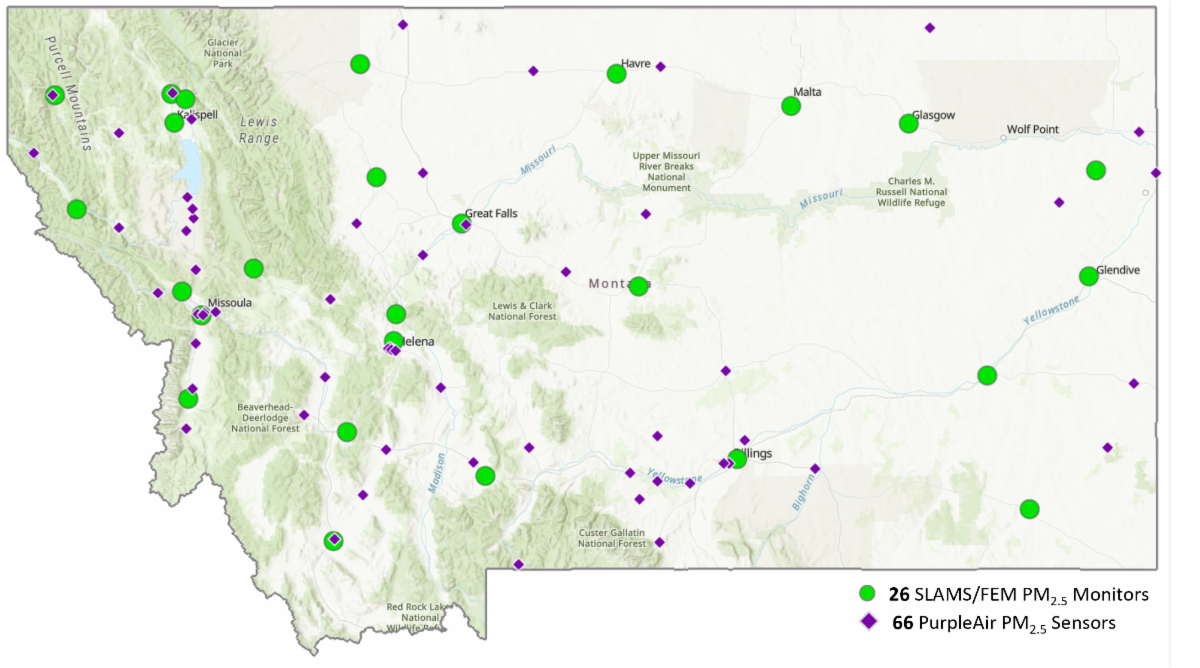
The Montana DEQ and UM’s Center for Population Health Research are offering schools two free PurpleAir sensors—one indoor and one outdoor—to monitor PM2.5, Montana’s most concerning air pollutant. Outdoor data will be publicly available via EPA’s AirNow Fire & Smoke Map and DEQ’s Today’s Air site.


Over 100 schools have joined so far, with a focus on rural and underserved communities. No reporting is required—just a chance to support student and community health.


Learn more at DEQ’s website or contact Keri Nauman (keri.nauman@mt.gov; 406-444-6698).

MSU Future Teachers Pilot Air Quality Tools Through Citizen Science

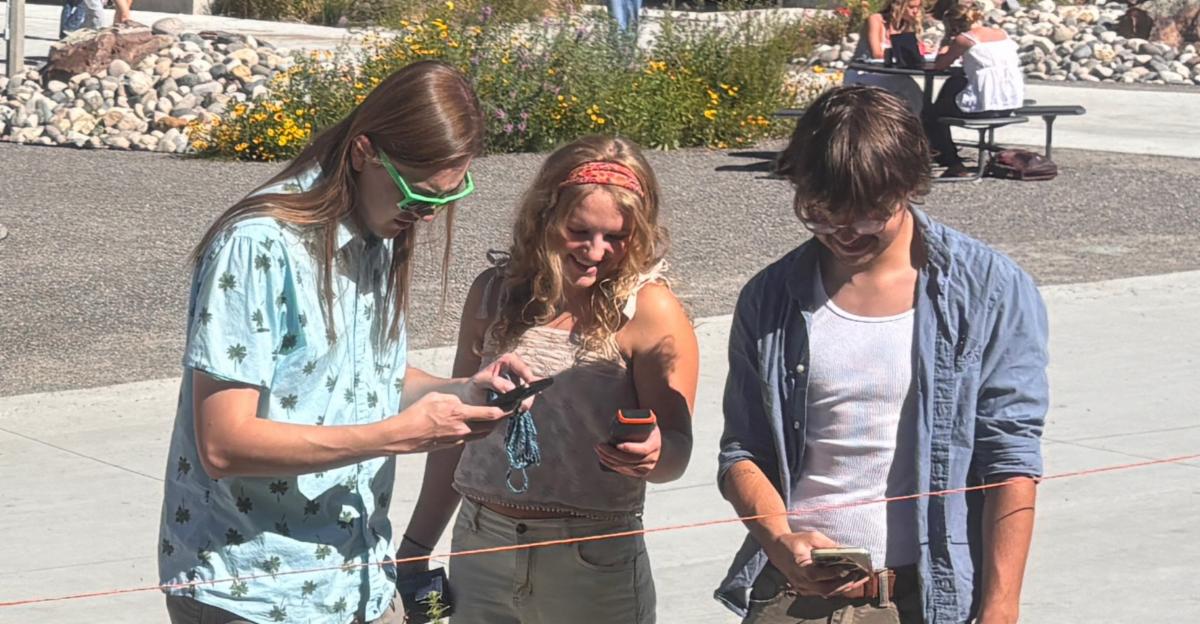
Pre-service science teachers at MSU recently explored citizen science by testing Temtop air quality monitors. These monitors will be part of the SMART FIRES Instrument Lending Library for Montana educators.


As part of their coursework, students engaged in hands-on projects like Tomatosphere, iNaturalist, and GLOBE Observer, while learning to measure PM2.5 and PM10 levels in different environments. They also provided feedback on how these tools could enhance STEM learning and student engagement across grade levels.


This initiative is supported by the Montana Citizen Science Network and Montana NSF EPSCoR.

From the Classroom to the Clouds

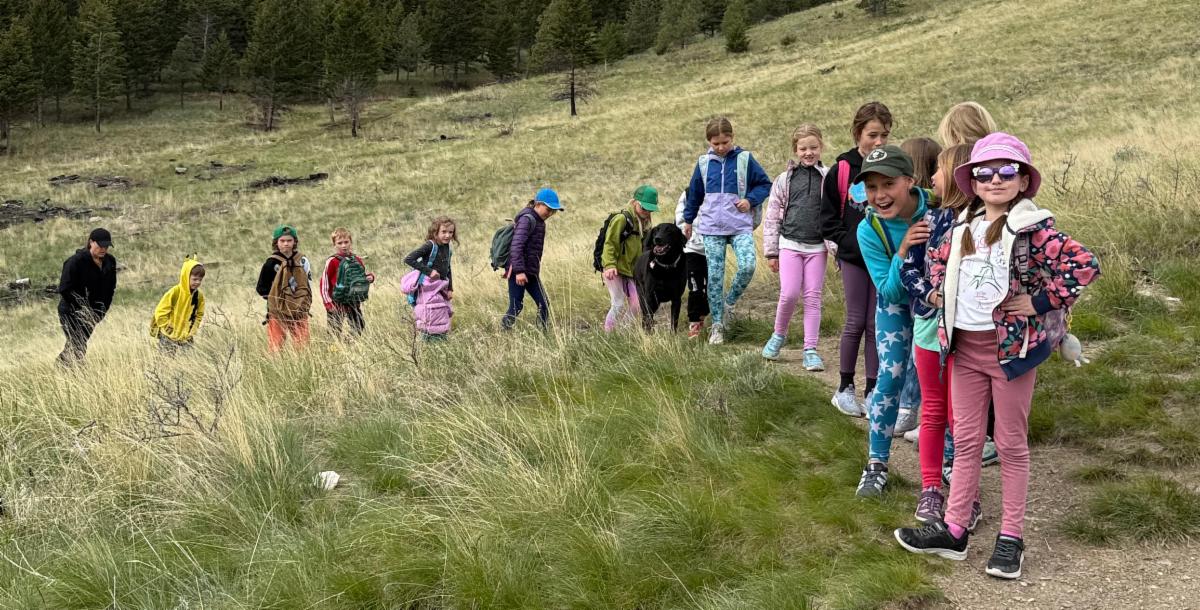
Helena elementary teacher Libby Kenney is a champion for citizen science! At the end of last school year, Ms. Kenney’s class participated in a NASA cloud observation through the GLOBE Observer program after they completed their series of Mystery Science lessons on weather. The group hiked on Mount Helena, where students not only observed the sky but also explored local plant life along the trail. 


“The cloud observation tied everything together, and the class loved it,” said Kenney, who also serves as the elementary education representative for the Montana Science Teachers Association. “We timed our observation with the satellites and received feedback from NASA.” 


When citizen scientists submit cloud observations that coincide with satellite flyovers, NASA sends a follow-up email comparing the satellite data with the students’ ground-based observations—an exciting real-world connection that brings science to life. 


This fall, Ms. Kenney launched a Nature Club for all second-grade students at her school. The club meets weekly and has already participated in Project Squirrel and nature journaling activities. 


“My hope is to reach other classes with citizen science and get those teachers excited about it too!” she said. 


Learn more about GLOBE Observer and Project Squirrel.

Plan Your 2026 Citizen Science Month Events

SciStarter invites you to join the America250 celebration and help launch 2026 Citizen Science Month (April) with a goal of 2.5 million volunteer acts of science. Learn how communities, libraries, and educators can access free tools and projects to support local priorities.

Intro to Data Science with Citizen Science Data

This free, hands-on activity by David Kirschtel of BioQUEST Project QUBES introduces undergraduate biology students to data science using real-world data from the Chesapeake Water Watch program. Students learn to download, clean, analyze, and present data—perfect for courses in ecology, environmental science, or water studies.

Citizen Science - What Topic Interests You Most?

Choose one to cast your vote (anonymously)!
 

See more on the MSU Citizen Science Network page

This newsletter is brought to you by the MSU Science Math Resource Center with support from the NASA AEROKATS and ROVER Education Network (AREN) and Montana NSF EPSCoR