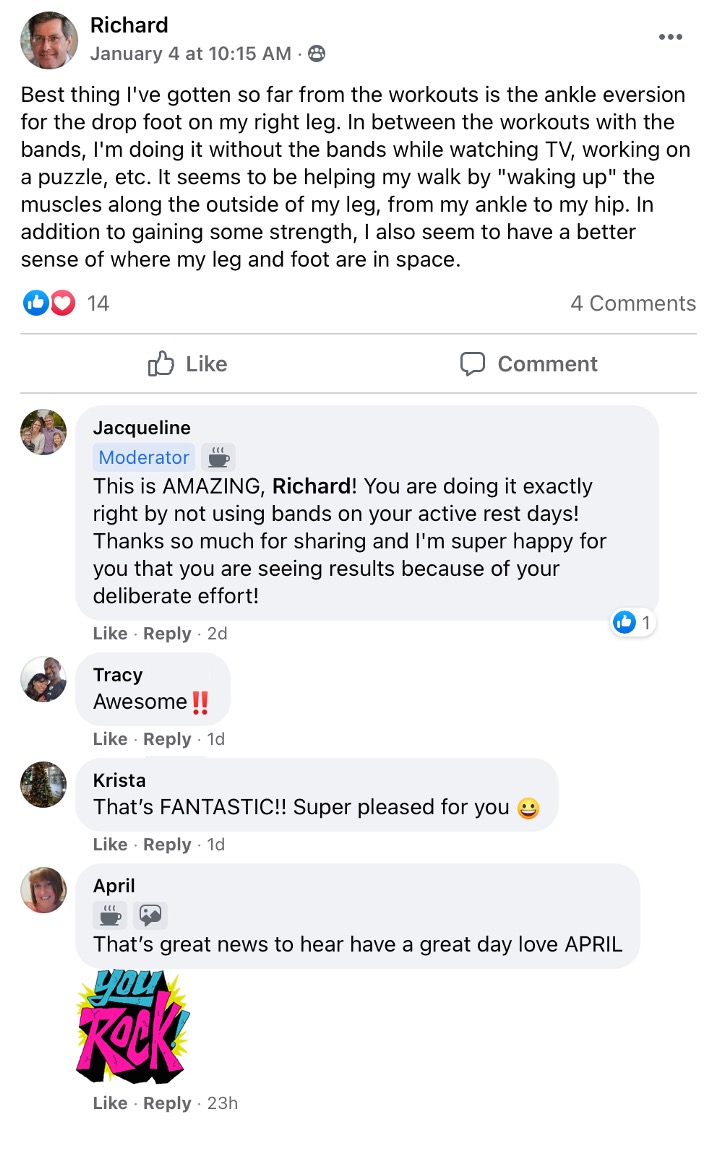
What Our Members Are Saying |
Greetings, here is your Free Exercise Video. Enjoy! |
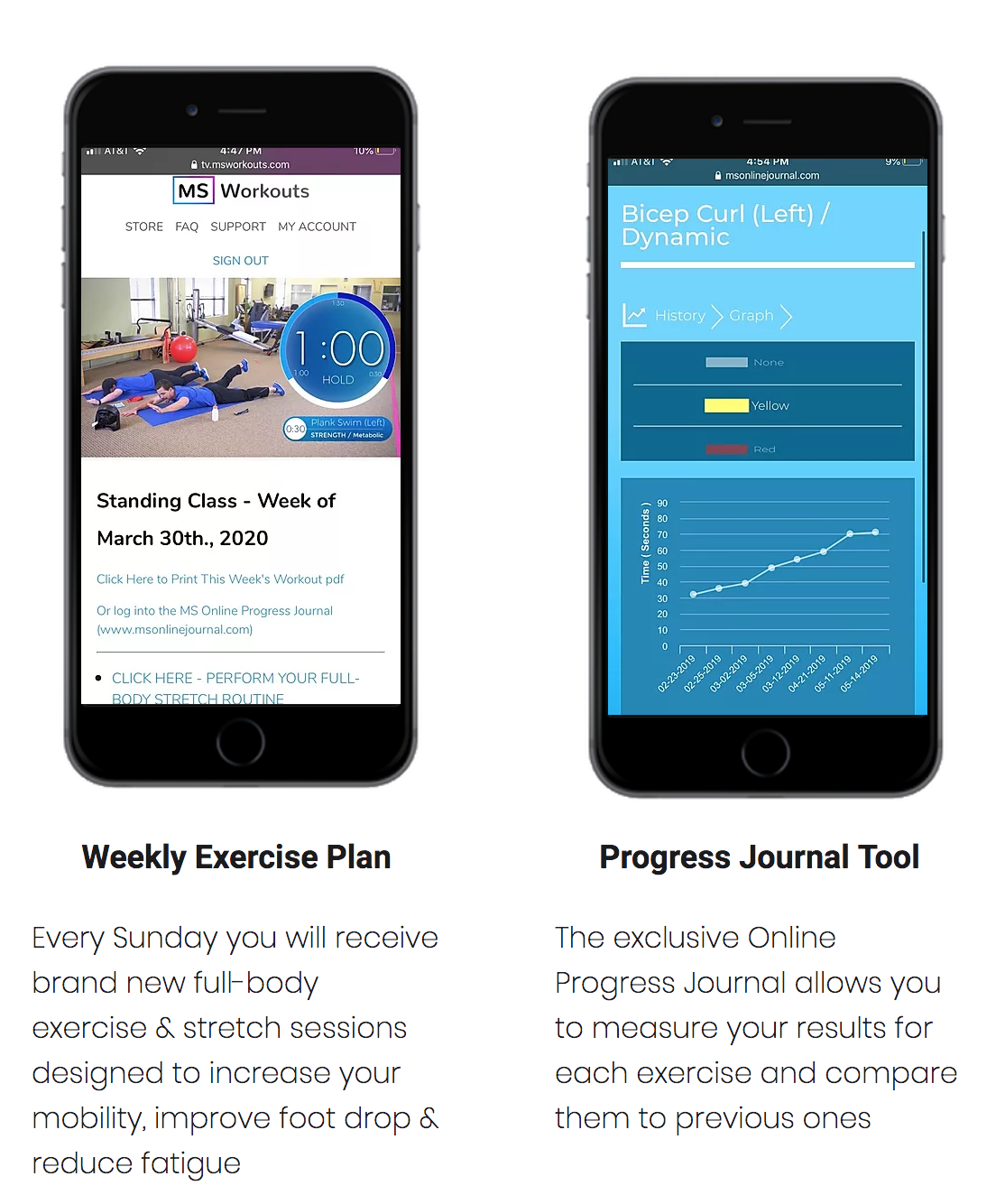
What is included with your MS Workouts Membership? |
Click Here To Join and Begin Alleviate Your MS Symptoms Today!
|
|
7 Lifestyle Tips to Balance Hormones Naturally |
|
How do you know if you’re experiencing a hormonal imbalance? Unfortunately, many hormonal imbalances have similar symptoms, which can make them difficult to distinguish from one another. Collaborating with your healthcare professional can help you figure out what’s going on, and develop an effective management plan.
Some of the most common symptoms of hormonal imbalances can include the following:
- Changes in menstruation
- Erectile dysfunction
- Unwanted changes in sex drive
- Osteoporosis
- Difficulty regulating body temperature
- Mood disturbances like depression and anxiety
- Changes in bowel habits, such as constipation or diarrhea
- Hair growth in unwanted places (for women) or decreased hair growth where it’s wanted (for men)
- Fatigue
- Memory problems
- Sleep issues
- Unintended weight changes, such as weight gain or weight loss
Whether you have already been diagnosed with a hormonal imbalance or just want to adopt a lifestyle that reduces your risk of developing one, below are some tips and habits that can help.
1. Exercise regularly
Being physically active can help keep your hormone levels stable. It may also help boost levels of hormones which retain muscles and that often decline with age. Some of these include testosterone, IGF-1, DHEA, and growth hormone. Regular exercise also keeps insulin levels down, while improving insulin sensitivity. Exercising shouldn’t be a chore, so find some ways to move that you really enjoy. This might be a mix of a few things, like hiking, jogging, walking the dog, strength training, doing yoga, dancing, or playing frisbee.
2. Maintain a healthy weight
Eating too much or too little can lead to hormonal imbalances that encourage unwanted weight gain. Stay ahead of this by practicing lifestyle habits that promote a healthy weight. Overeating has been shown to increase insulin levels and reduce insulin sensitivity, especially in people who are already overweight or obese. You might think that undereating would be an effective weight loss strategy, but it can backfire: severe caloric restriction has been shown to increase cortisol levels, which can promote weight gain while overtaxing the immune system.
When out of balance, other hormones that can influence weight gain include thyroid hormone, leptin, ghrelin (the “hunger hormone”), estrogen, and testosterone. If you find yourself frequently obsessing over food, or fear that you aren’t really in control of your food choices, you may be struggling with food addiction. Bright Line Eating has a quiz that will give you valuable insights on this, and a proven program that may help. Find out more here.
3. Stop using electronics close to bedtime
We’re all used to having screens in our faces much of the time, whether it’s for work or scrolling social media. But research shows that screens, and especially the blue light they emit, can disrupt your endocrine function, keep your brain awake when it’s time for bed, and even change your sleep patterns. Try turning off your screens at least two hours before bedtime, or use blue-light blocking glasses.
Researchers think blue light at bedtime is a problem because that light can fool your body into thinking it’s in a different time zone; it’s like you have a constant bad case of jet lag. Scientists studying yeast cells and mice have found their systems operate based on multiple circadian clocks, and surmise that humans also run on particular cycles. For example, the liver is active at night, while the salivary glands in our mouths turn in when the daylight fades.
4. Get sunlight first thing in the morning
Sunlight exposure triggers the release of serotonin, a hormone that boosts mood and enables calm focus. Having low levels of serotonin is associated with a higher risk of depression and seasonal affective disorder. Furthermore, vitamin D is created by your body in response to sunlight exposure. Vitamin D isn’t actually a vitamin, however; it’s a prohormone or substance that your body converts to a hormone. Vitamin D helps regulate other hormones, including adrenaline, noradrenaline, and dopamine production. It also helps prevent your serotonin levels from becoming depleted. Find out more about vitamin D here.
And just as a dark bedroom signals “bedtime” to your body, early morning sunlight tells your daytime cells to “rise and shine.”
5. Bring down chronic stress
Chronic stress leads to persistently elevated levels of cortisol, also known as the stress hormone. This can set us up for overeating, and ultimately, unintended weight gain. We think we stress-eat just as an emotional response, but cortisol actually pulls some levers that truly increase our hunger drive. Cortisol ramps up motivation in general, and our motivation to find and consume food in particular.
Unmanaged stress can also temporarily raise adrenaline levels, which increases your blood pressure, heart rate, and anxiety. The key here is to find ways you can proactively bring down chronic stress levels. Massage therapy, for example, has been found to not only lower cortisol levels but raise levels of good hormones like serotonin and dopamine. Even if getting a massage isn’t possible, you can reduce stress and balance hormones in DIY fashion through mindful breathing, slow movement like yoga or tai chi, and meditation.
6. Get enough sleep
Every night, we get a chance to refuel our tanks through sleep. Not only is sleep good for restoring physical energy, but it also can restore hormonal balance. Not getting enough sleep can impair your ability to keep your appetite hormones in balance, raising blood pressure, and increasing the likelihood of overeating. In fact, the hormonal imbalances triggered by lack of sleep raise your risk for obesity, type 2 diabetes, depression, anxiety, and heart disease.
It works in the other direction as well: certain hormonal imbalances can worsen your sleep. Estrogen allows your body to use serotonin to calm down, progesterone helps calm your mind and helps you fall asleep faster, insulin keeps your blood sugar under control, and melatonin and cortisol work together to regulate your wake and sleep pattern. Of course, for many people getting enough sleep is easier said than done! For our article on the top diet and lifestyle choices that can help you get deep and nourishing sleep, click here.
7. Ditch toxic chemicals
Unfortunately, many of the foods we eat and consumer products we use on a daily basis include ingredients that contain toxic chemicals called endocrine disruptors. These can increase or decrease the production of certain hormones, imitate or convert some hormones into others, inhibit signaling and production, compete with nutrients, and even tell cells to die prematurely. By cleaning up the products you choose to use and the foods you eat, you can reduce your exposure to endocrine disruptors. A few ways to do this include reducing consumption of animal products, choosing BPA-free canned goods, buying organic produce and filtered water, choosing phthalate-free cosmetics, and avoiding coated non-stick pans (more on healthy cookware here).
foodrevolution.org
|
|
| MS Workouts | 512-993-7037 | 11675 Jollyville Road, Suite 151, Austin, TX 78759 |
| msworkouts.com |
|
|
|
|
|
|
|