Webinar: Pandemia Episode 2: "The World We Live in is a House on Fire": Latinx Health & COVID-19
Descripción: "The world we live in is a house on fire, and the people we love are burning." -Sandra Cisneros. Join us for a conversation about our community's health during the COVID-19 pandemic—and how we can work together to put this fire out.
Target Audience: Everyone is welcome to attend. Please share the webinar information with your clients, co-workers, friends and family —all your network.
Date: Wednesday, December 16 at 2pm ET
|
|
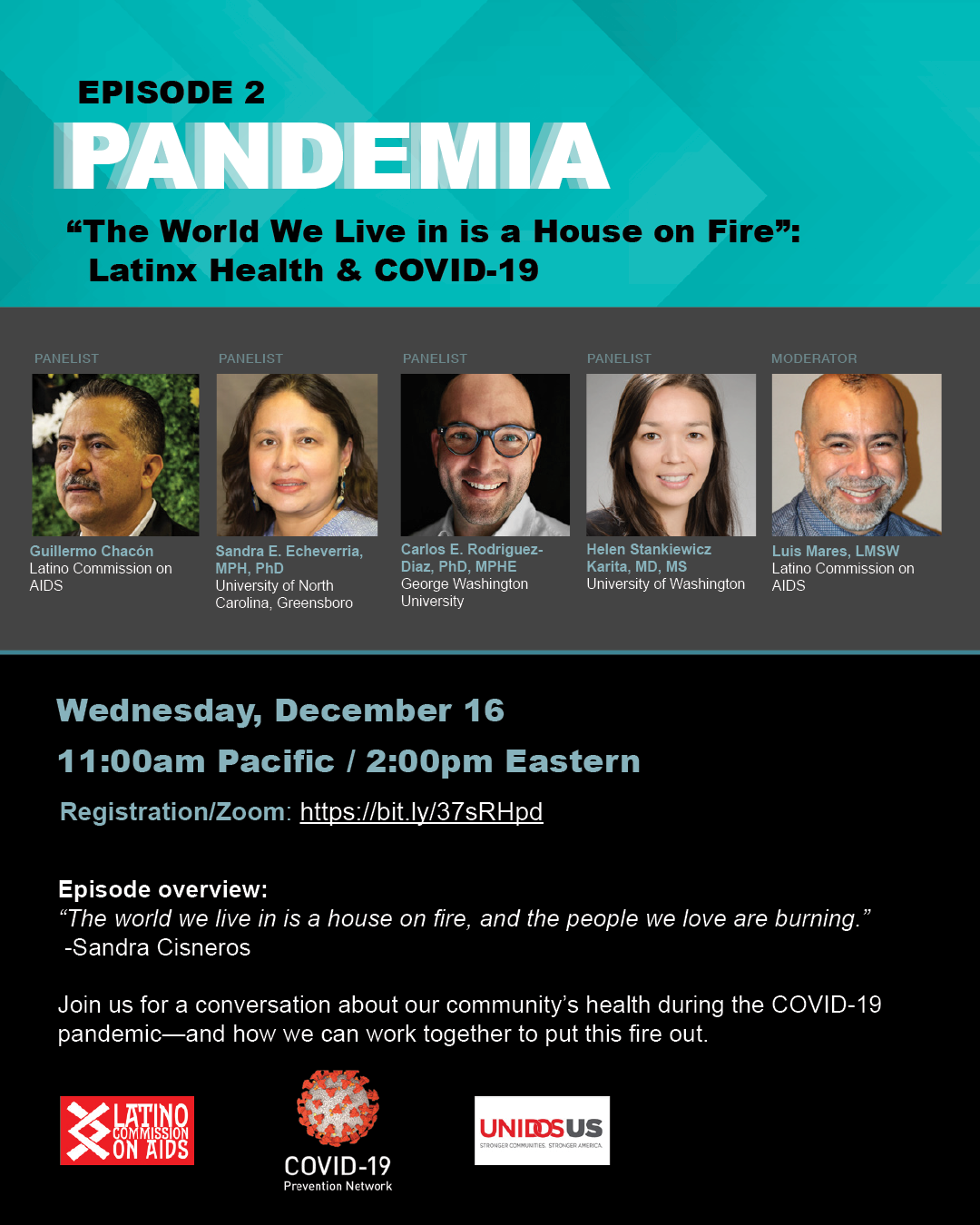
Guillermo Chacon, Latino Commission on AIDS
Since 2010, Guillermo Chacón has served as President of the Latino Commission on AIDS, where he has been a vocal advocate on the impact of HIV, viral hepatitis, sexually transmitted infections, and other chronic conditions in Hispanic/Latinx communities. Under his leadership, the Commission has invested in city, state and national community mobilization and health policy initiatives to promote HIV testing, prevention and linkage to care. Capacity-building programming at the Latino Commission on AIDS has been strengthened—with an emphasis on reaching minority communities, HIV service organizations, LGBT serving organizations, and faith-based communities. Much of his work has also focused on developing health policy agendas issues that will have an impact on the well-being and health of Hispanics. Mr. Chacón, was appointed by Mayor Bill de Blasio to serve as NYC Commissioner of Human Right in November 2019, to the HIV/AIDS Services Administration (HASA) community advisory board.studies.
|
|
|
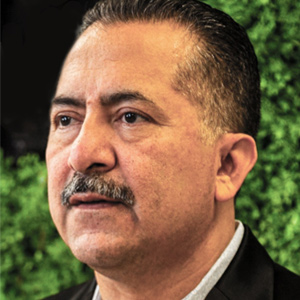
Sandra E. Echeverría, PhD., MPH, University of North Carolina, Greensboro
She is Associate Professor (tenured) in Public Health Education at The University of North Carolina, Greensboro. Dr. Echeverria earned her Ph.D. from the Department of Epidemiology, Columbia University, Mailman School of Public Health. As a social epidemiologist, Dr. Echeverria’s research examines how built environment, immigrant, and socioeconomic determinants influence cardiovascular health, particularly in Latinx communities. She has a specific interest in understanding how the social environment reinforces health behaviors such as physical activity. Her epidemiologic studies include the use of complex probability samples, multi-level and cohort data, and joint effects models that can elucidate the complex process by which social determinants pattern health. Her current projects involve examining disparities in pre-diabetes risk, longitudinal changes in physical activity across race/ ethnicity, and how broader contexts such as work setting and policy.
|
|
|
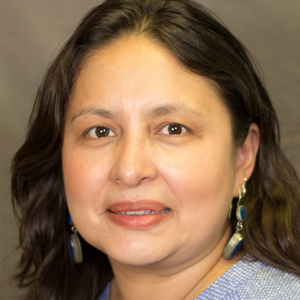
Carlos E. Rodriguez-Diaz, PhD, MPHE, George Washington University
Dr. Carlos Rodriguez-Diaz is a community health scientist with over fifteen years of experience practicing public health and conducting action research in Puerto Rico, the United States of America, and the Caribbean Region. His work has focused on infectious diseases, particularly HIV care and prevention, as well as sexual health promotion and health equity through actions on the social determinants of health. Dr. Rodriguez-Diaz is currently studying health and racial disparities during the COVID-19 pandemic. He has lead in several programs and research projects addressing health inequities among populations made socially vulnerable including people with HIV, Hispanic/Latinxs, incarcerated populations, and sexual and gender minority groups. Rodriguez-Diaz completed post-doctoral training in HIV and Global Health Research, a Ph.D. in Public Health with a major in Community Health, and an MPH in Health Education. He has also completed post-graduate training in health policy.
|
|
|
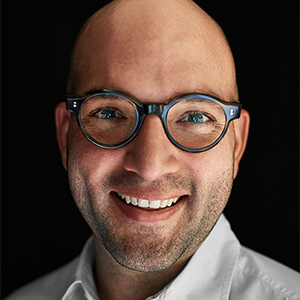
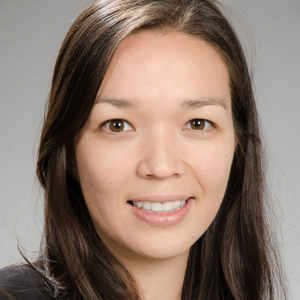
Helen Stankiewicz Karita, MD, MS, University of Washington
Dr. Helen Stankiewicz Karita is a fellow at the Division of Allergy and Infectious Diseases at the University of Washington. She completed her medical school at the Universidad Nacional del Nordeste in Corrientes, Argentina. She did her residency at the Advocate Lutheran General Hospital in Park Ridge, IL. Her research interest includes clinical research in HSV infections.
|
|
|
If you have questions about this webinar, please feel free to reach out by e-mail to Luis Mares: Lmares@latinoaids.org
|
|
|
|
|
|
|