August 2024

Dr. Mike's Top of Mind


I believe that the outcomes of most chronic diseases are greatly shaped by environmental and social factors—like upbringing, living conditions, and diet—rather than race. Race is really a social construct. Simply put we are all a mixture of different “races”. But unfortunately, the treatment individuals receive often hinges on their perceived race, whether they are Black, Asian, Latinx and so forth. This categorization can influence diagnostic and treatment decisions and history suggests “not for the better” in the United States. The health disparities faced by Black individuals in the United States reflect broader inequalities in education, job opportunities, and other areas of social interaction. But social determinants of health provide a more complete explanation for the differences in health outcomes we see among various populations.


That being said, this doesn’t discount the potential usefulness of race as a quality metric in healthcare. For instance, if a hospital tracks surgical post-operative infections and finds that 8 out of 10 patients self-identify as Black from different regions, it points to a significant concern that needs attention. The real question becomes whether the infection rate is the same across all patients affected by these social determinants. Personally, I lean toward the latter interpretation. If you're interested, we have some articles in this week's edition of the Ethnic Health Report that delve deeper into this important issue!


Stay Healthy,


Dr. Mike


If you find our Ethnic Health Reports informative and useful, please forward and share this email to your friends and family. #TogetherInThis 🙏

This Week


And Black America

  • How To Get Your Children to School Healthy and Tips You May Not Think About
  • Paying Young People to Lose Weight May Be the Way to Go
  • Bloomberg Philanthropies Supports Black Medical Education
  • Two Million Preventable Deaths in Black People in the Past 20 Years
  • How to Deal with Political Stress
  • Here Comes the Monkeypox

AAWP Programs on Air

  • Black Doctors Speak Podcast
  • AAWP Medical Minute

And Black America


How to Get Your Children to School Healthy and Tips you May Not Think About

Immunizations

The most effective way to protect children returning to school is ensuring they're up-to-date with their immunizations. With declining vaccination rates nationwide, the risk of outbreaks, like the recent case of polio in New York, is a concern. Vaccinated individuals are much less likely to experience severe illness from viruses such as COVID and influenza.If you're covered by Medicaid or CHIP, update your contact info with your state Medicaid agency to avoid coverage gaps. (Lets offer the Queenie Book in some kind of contest)


Putting Together a Health Plan 

Be sure you talk about diet and proper exercise. Make certain you have identified your providers and the hospitals you would use if you need one for your children.


Mental Health

Pay attention to your child's mental health. Encourage open conversations about their feelings in a judgment-free zone. Watch for any signs of anxiety, depression, or distress. If you own a firearm, secure it and store ammunition separately due to the increased suicide risk in homes with accessible guns.. If you're concerned about your child's mental health, consult your pediatrician or explore school mental health resources.


Discuss Appropriate Issues

Discuss racism, bullying, and kindness with your child. Teach them to seek help if they face or witness discrimination and to treat others with respect. Kindness has been shown to reduce stress and improve health.


Review your family's media plan to balance screen time with healthy activities. Guide your children in choosing quality content and recognizing misinformation. Discuss the pros and cons of social media use, given its potential impact on mental health.


By simplifying routines and focusing on open communication, we can support our children's health and well-being as they navigate school and social challenges.

Paying Young People to Lose Weight May Be the Way To Go

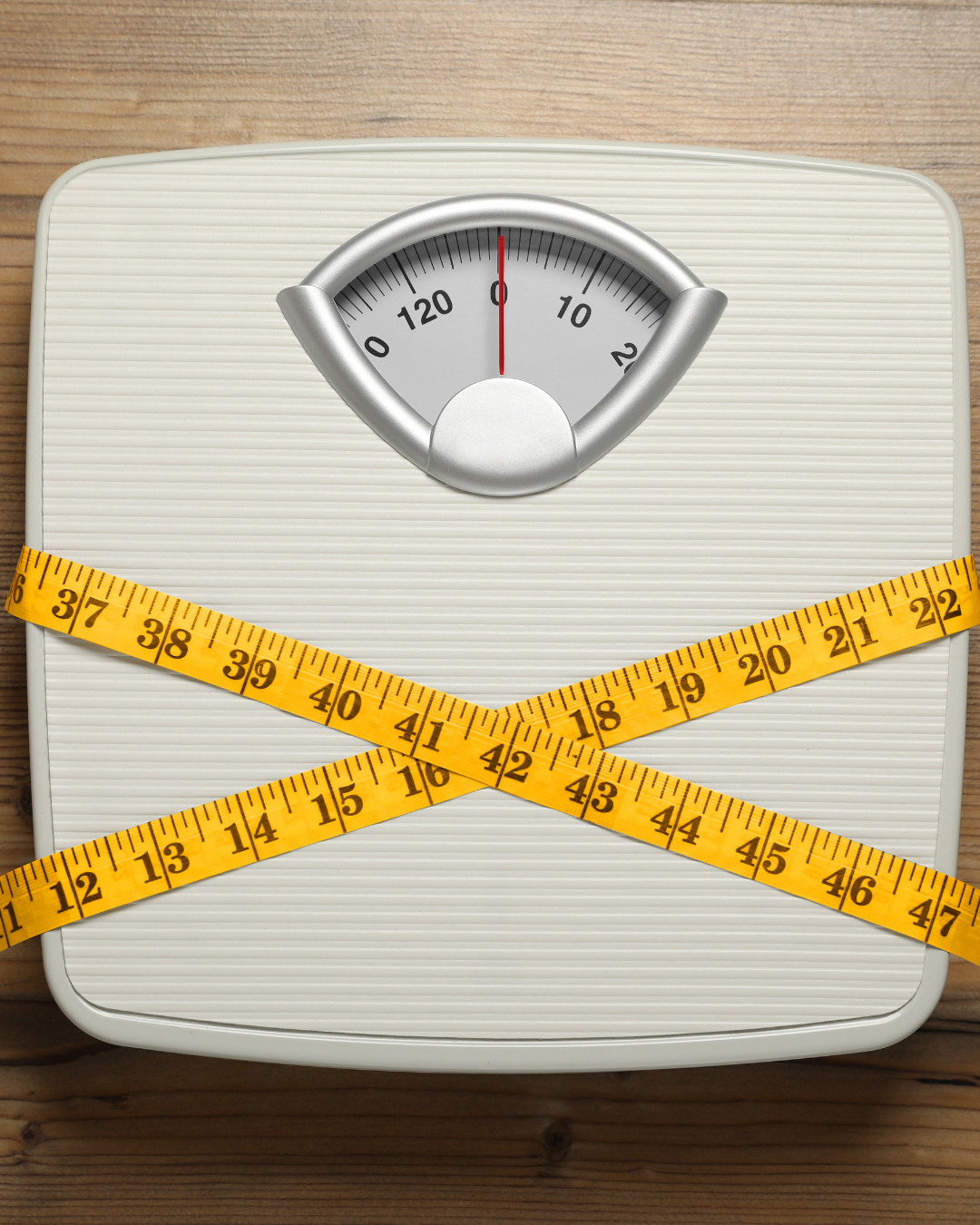
As one of many doctors treating obese adolescents, we're eager to find effective solutions for weight loss. Severe adolescent obesity often resists typical lifestyle changes, but replacing some meals with healthier options (Meal Replacement Therapy, or MRT) can reduce weight gain in the short term. Adding financial rewards could help sustain these benefits longer. However, while it didn't change eating behavior, considering the costs to society and individuals from being overweight, investing in weight loss drugs might be worthwhile.

Bloomberg Philanthropies Supports Black Medical Education

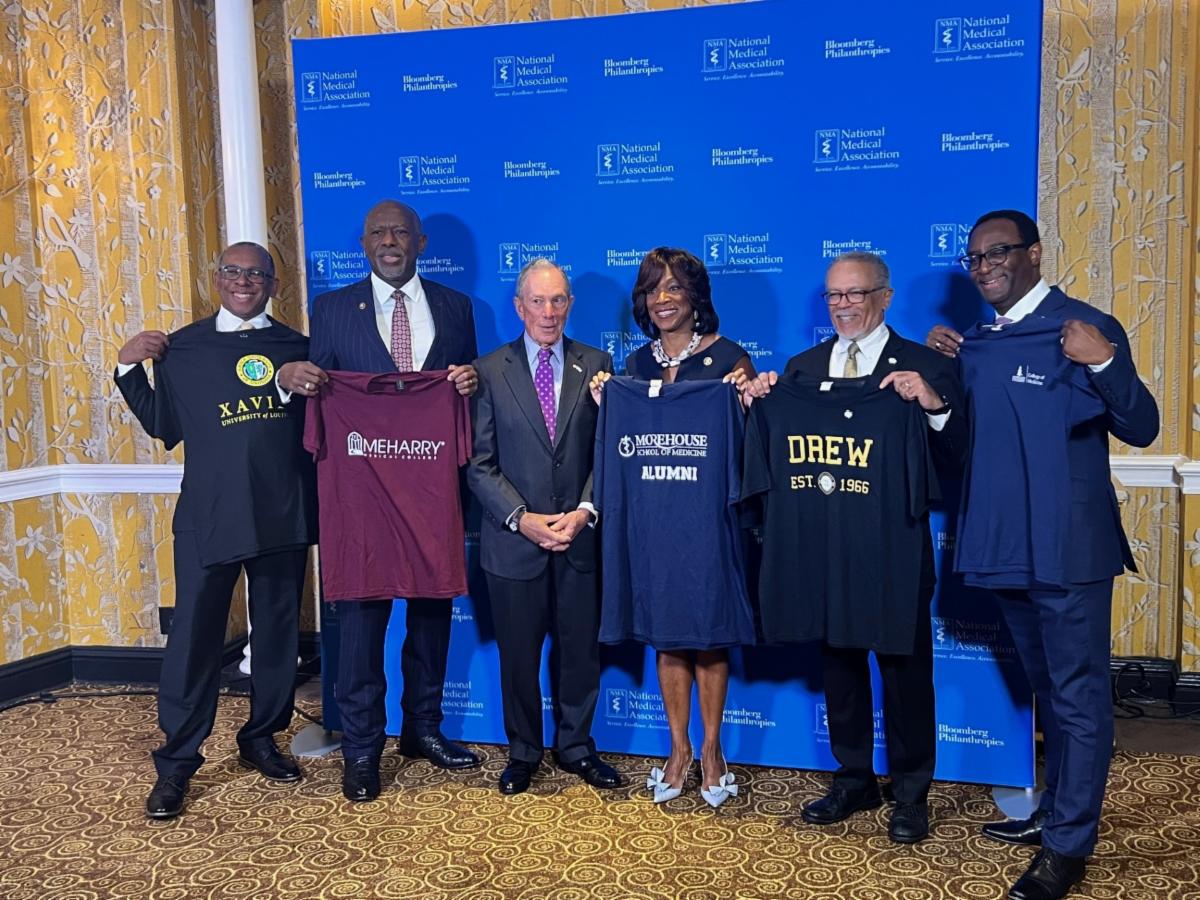
Michael Bloomberg’s organization, Bloomberg Philanthropies, has committed $600 million to the endowments of four historically Black medical schools to ensure their economic stability. Historically Black Medical Schools often struggle with funding but still provide quality education to Black students. There is a critical shortage of Black doctors in this country, and this grant may help increase their numbers, which is vital for both the nation and society. Additionally, it could enable someone in your family to pursue medical school.

Two Million Preventable Deaths in Black People in the Past 20 Years

In one comprehensive study, researchers found that the stark difference in health outcomes between racial groups led to an astonishing 80 million years of potential life lost. That’s right—these are lives that could have been saved if we had effectively closed the gap between Black and White mortality rates. This disparity highlights the urgent need for systemic changes in healthcare access and quality. Furthermore, another detailed report estimated the economic toll on society due to the lack of health equity, revealing that in 2018 alone, it cost us $238 billion, primarily attributed to premature deaths among Black individuals. This figure not only reflects the financial implications but also serves as a reminder of the human lives affected. It’s a huge wake-up call that underscores the necessity for immediate action to achieve health equity and ensure that everyone has the opportunity to live a long and healthy life.

How to Deal with Political Stress

Here Comes the Monkeypox

The World Health Organization declared MPOX, also known as Monkeypox, a global health emergency on Wednesday due to its increasing spread in Africa. Mpox, first identified in 1958 during outbreaks in monkeys, was mostly seen in individuals from Central and West Africa who had close contact with infected animal


Why is This Important: If it gets to the US we will need a large supply of vaccine so that we can vaccinate populations most at risk. This implies focusing on children, and adults in outbreak regions. Lets not get caught again. The vaccine is very effective.

AAWP Programs on the Air

Wellness Watch on Facebook Live

Black Doctors Speak Podcast

  • Addressing Domestic Violence in the African American Community
  • The Hidden Dangers of Food Allergies: A Father's Heartbreaking Story
  • Why are Black Women Still Dying at a Higher Rate During Pregnancy? What can the Black Community Do?

AAWP Medical Minute

  • KBLX - San Francisco Bay Area
  • KDEE - Sacramento
  • WVON-Chicago
  • WGIO-Atlanta

About Health on KPFA 94.1

For more information, go to our website at www.aawellnessproject.org. or listen to our podcast at Blackdoctorsspeak.org on any podcast platform.


Please consider donating to help fund programs like the Ethnic Health Report, the Black Doctors Speak Podcast, and the FB Lives & panels.

$31.25 = 1 EHR Email | $500 = 1 BDS Podcast | $5,000 = 1 FB Live/Panel

Please Help Fund the Ethnic Health Report

DR. MIKE'S ETHNIC HEALTH REPORT

Subscribe to the Ethnic Health Report

About the Editor

Dr. Michael LeNoir is just your neighborhood doc — a world-renowned allergist, a board-certified pediatrician, recognized expert on Asthma in inner cities, and the President and Founder of AAWP. Serving the Bay Area since 1977, Dr. LeNoir has dedicated his career to helping African Americans navigate a healthcare system he saw first-hand that is fundamentally build on racial biases. Read More

X Share This Email
LinkedIn Share This Email
Facebook        Twitter        Instagram