November 2026

One PAVIX application can cut winter de-icing salt use by 50% or more

November is the last practical window to protect your concrete before freeze-thaw cycles begin. Once water enters unprotected concrete and freezes, it expands by roughly 9%. That expansion builds internal pressure that causes scaling, pop-outs and delamination on bridge decks and pavements. Damage that starts this winter shows up in next spring's repair budget. Acting now, while temperatures still allow proper application, turns an unplanned repair cost into a planned and forecastable maintenance line item.


Chem-Crete® PAVIX® is a patented, water-based, dual-crystalline penetrating sealer. Depending on surface porosity, PAVIX penetrates up to 1/2 inch into the substrate. It seals pores and capillaries to form a permanent internal barrier against moisture, chemicals and environmental damage. By limiting water and vapor ingress, PAVIX reduces freeze-thaw damage at its source. It also resists de-icing salts and shields reinforcing steel from corrosion by managing water absorption.

Lower winter operating costs


PAVIX reduces ice adhesion by up to 90% and cuts de-icing salt use by 50% or more. The operational benefits add up quickly:


  • Lower material costs from reduced salt purchases
  • Fewer spreader trips and labor hours for winter crews
  • Less chloride driven into your concrete each season
  • Safer surfaces, because ice releases more readily during plowing and clearing, which lowers slip-and-fall risk for pedestrians and sliding for drivers


Your pre-freeze checklist

1. Inspect surfaces

  • Inspect bridge decks, roads, sidewalks, crosswalks, curbs and parking structures.
  • Rank surfaces by salt load, traffic volume and pedestrian activity.
  • Flag structures over waterways that require an eco-safe treatment.

2. Identify damage

  • Map cracks, spalls, pop-outs and delaminated areas.
  • Route structural damage to repair before sealing.
  • Check for rust-stained or exposed rebar and failing joint sealants.

3. Check drainage

  • Clear inlets, scuppers, gutters and deck drains.
  • Identify ponding areas where water collects and refreezes.

4. Prepare surfaces

  • Remove debris, oil, fuel and other contaminants that block penetration.
  • Complete and cure all repairs.
  • Review the PAVIX data sheet and coordinate traffic control.

5. Seal with PAVIX

  • Treat the highest-priority surfaces first: bridge decks, high-traffic roads and heavily salted sidewalks.
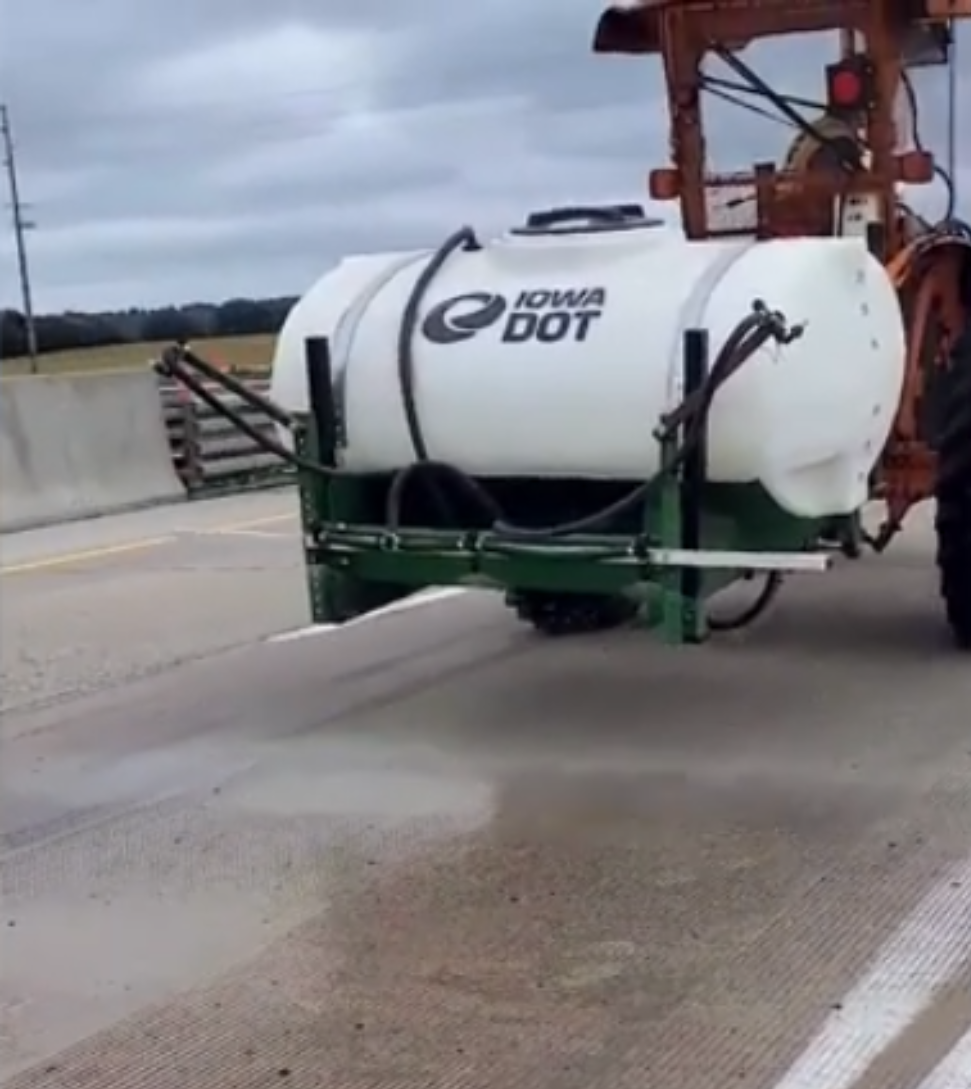
  • Apply with any LOW PRESSURE liquid sprayer.
  • Allow longer dry times in cooler conditions or low airflow.
  • Apply ahead of joint sealant work. A drier substrate improves sealant adhesion.

6. Plan winter operations

  • Adjust de-icing agent application rates on treated surfaces to capture savings.
  • Calibrate spreaders and brief crews on treated routes.
  • Set a mid-winter checkpoint to review surface condition and salt use.

7. Document treated surfaces

  • Record locations, square footage, application dates and product quantities.
  • Take before-and-after photos to establish a baseline.
  • Track salt use on treated vs. untreated routes.
  • File results to support specifications, audits and next fiscal year's funding requests.


One application, long-term value


A single PAVIX application lasts as long as the surface remains intact. That replaces recurring treatment cycles with one budgeted investment. PAVIX performs on new and refurbished concrete alike and dries in about an hour on an average 70-degree day, which keeps lane closures short. It is 100% VOC-free, non-toxic and safe for use over rivers, oceans and other environmentally sensitive waterways.

Which surfaces in your network take the hardest hit each winter? Reach out and we will help you prioritize.


4101 106th St.

Des Moines, IA 50322

Toll Free (844) 708-9048

US & Canada Sales & Marketing

(641) 757-2555


www.iccdistributiongroup.com


Facebook  LinkedIn  YouTube  Instagram

Made in U.S.A.

Proven Technology