|
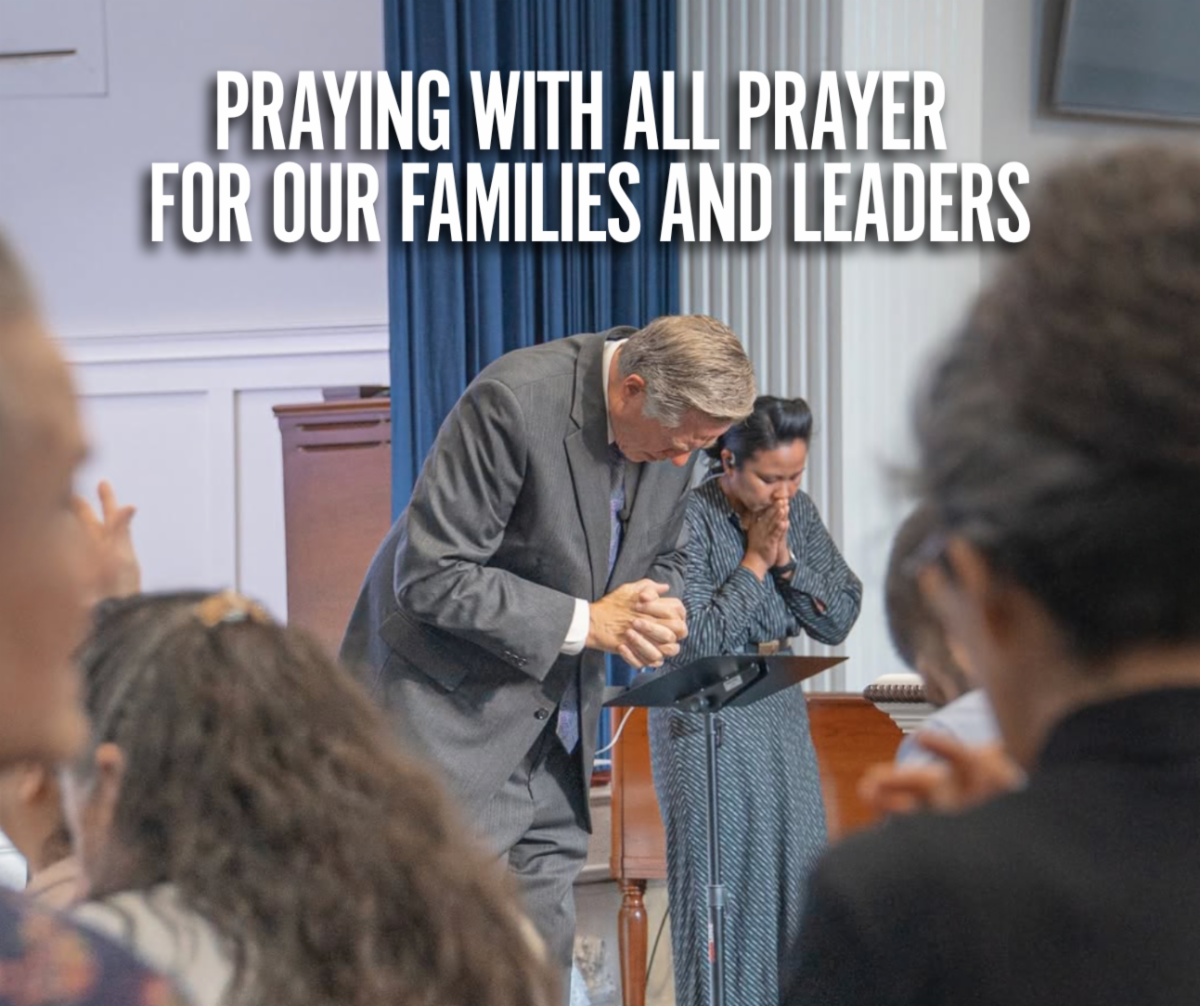
Praying With All Prayer for Our Families and Leaders
Paul instructs the Ephesian church to pray always with all types of prayer (Ephesians 6:18-19). Effectively pray these 10 types of prayers for our families and leaders.
1. Supplication: Supplication comes from the Greek word deesis and primarily means “a wanting or need.” Therefore, supplication is the act of presenting needs or desires to God (Mark 11:24; Acts 1:14).
2. Intercession: Intercession comes from the Hebrew word poga meaning “to cause to intercede (intervene on behalf of another).” Intercession is always an act of intervention, of going between others and God or others and the devil. It is otherwise known as “standing in the gap” (Ezekiel 22:30).
3. Thanksgiving: Thanks means “to speak well of or to eulogize.” It is gratitude for any good experiences or bad experiences that made us better. The prayer of thanksgiving is a faith prayer. It is usually associated with thanking God in advance for answering our prayers. Time should always be allocated in prayer for thanksgiving. During this time, we should detail everything we believe that we have received in prayer (I Thessalonians 5:18; Ephesians 5:20). Note the word “thanks” ―it is plural.
4. Praise: Praise means “to speak well of.” Praising God means more than saying, “Praise the Lord.” In prayer, it involves magnifying His attributes, character, and works. Praise is usually offered to God out of gratitude for what He has done, recognition of what He is doing, or faith for what He will do in the future. The prayer of praise is excellent with other forms of prayer. Not only does it invite the presence of God into our circumstances, it releases confusion into the enemy’s camp (Psalms 107:1-2; II Chronicles 20:20-22).
5. Praying with the Spirit: The Spirit helps us to pray by making intercession through us in a language unknown to us. When praying this way, we are praying about things in perfect harmony with the will of God. This kind of praying bypasses the human intellect/mind and is totally supernatural in character (I Corinthians 14:2, 4, 14; Romans 8:26).
6. Groanings: Groan is seen as “a brief sound, sometimes sudden and violent, sometimes repeated irregularly; expressing pain, suffering, or sometimes disapproval.” Sometimes in prayer, words will cease to be adequate and groanings will take their place. This again is the Spirit helping us in prayer. Genuine groaning cannot be brought on at will but will be the result of the Spirit overwhelming us with a burden (Psalms 38:9; Romans 8:26).
7. Weeping: Scripture clearly reveals that God hears, understands, and is acquainted with the “tear language”.Weeping for a need, as opposed to simply having a feeling for a need, is by itself a powerful form of prayer (Psalms 6:8; 30:5; 39:12; 56:8; Hebrews 5:7).
8. Warfare Praying: Warfare praying is violent praying directed against any force that opposes the Kingdom of God. This is an authoritative prayer in which commands, orders, or demands, are made/given in Jesus’ name (Matthew 11:12; II Corinthians 10:4; John 14:13-14; Isaiah 8:10).
9. Psalms: The word psalms means “songs.” Much of David’s prayer life involved singing songs to God. David simply sang his prayer rather than just saying it. Praying like this does not demand great song-writing skill or voice. Notice that most of the psalms do not rhyme. Our psalms (prayer songs) do not have to rhyme either. We simply sing our prayers from our hearts. This type of praying builds intimacy with God (Ephesians 5:19).
10. Silence: Because prayer is speaking with God as opposed to just speaking to God, time must be given for God to speak. If we do all the talking, it’s just a one-way conversation. Pausing in prayer occasionally for a period of silence and stillness will greatly improve the quality of our praying because we will learn how to have a two-way conversation with God. Furthermore, a period of silence will allow us to reflect on what we have just prayed or are about to pray. Periods of silence will allow us to become familiar with God’s voice and help us to discern between the voice of the flesh, the devil, and God. Finally, there are times when we have said all that we can say, and we’ve shed all the tears we can. Lingering silently in His presence waiting to hear from Heaven at this point is still an effective form of prayer (Psalms 46:10; I Samuel 1:12-13; Zechariah 2:13; John 10:3-4; II Chronicles 7:14).
Pastor Marvin Mullins and First Lady Nancy Mullins
Guest Writers
Northern Virginia UPCI
Herndon/Reston, Virginia
|