Dear Friends,


What is the goal of grief? What should a person be working toward after a loved one dies? Is the goal of mourning to eventually "get over the loss?" Here Larry Barber answers those questions, as well as addressing how you can help those on the grief journey.


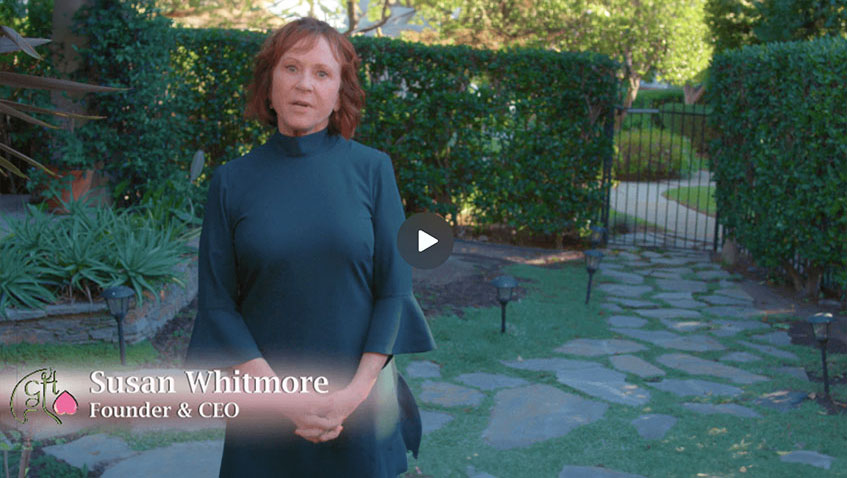
Love, Susan Whitmore, Founder and CEO

Our Death Denying

Culture

By Larry Barber, LPC-S, CT

Our death denying culture continues to send the message to mourners that the healthiness of an individual’s grief is to be measured by how quickly and proficiently the mourner “gets over” the loss and moves into a productive life.


I remember a co-worker who was supported by our employer while her husband went through months of chemotherapy to fight cancer. Once her husband died and weeks passed, she was fired because of a lack of productivity. The wells of compassion for that mourner had gone dry when her grief continued too long. Unfortunately, this example is typical of our culture and the corporate, bottom-line world. In our competitive, achievement-oriented culture, grief and mourners are seen as inefficient.


I am sorry if my views seem a little harsh and pessimistic, but too many mourners starting their life path into healthy mourning and healing have their grief short-circuited by our culture. The problem is that our society considers talk about death and grief as morbid and taboo. Living in an atmosphere where grief emotions and mourning are stifled, we mourners sometimes feel forced to carry unexpressed grief and unresolved issues concerning a loss throughout our lives, and most friends and advisors around the mourner give advice with one of two goals in mind:


1.  Well-intentioned advisors want to comfort the mourner OUT of his or her grief.


Everyone hates to see another person in pain. We naturally want to “fix” the person and make everything all right.


Mourners are not broken, and they cannot be fixed or set straight by platitudes, inspirational thoughts, and unsolicited advice.


Often mourners are in too much pain to be able to hear the comfort in these attempts to influence their grief.


Mourners want to be heard and have their stories and experiences affirmed rather than solved or judged.


2.  Advisors around the mourner actively seek to shut down the grief process.


This is because they do not understand or empathize with the mourner’s need to remember, to experience grief, to adapt to a new reality, and to heal. These advisors include the well-intentioned and the uninformed that simply do not know what to do with mourning people. These advisors also include those who do not want to be reminded of the harsh truths of dying, death, and bereavement. 


The majority of our society knows that they all will die and that they all will say good-bye to loved ones in this life. They simply do not want to be reminded of those facts. The open expression of grief reminds them of death’s inevitability.


The truth is that life lived with the end in view can lead to a more fulfilling and meaningful existence. Just ask philosophy students about existentialism, which builds upon that fact. The wisdom writings of the Old Testament talk about living life with death in mind by saying, “It is better to go to a house of mourning than to go to a house of feasting, for death is the destiny of everyone; the living should take this to heart.” (Ecclesiastes 7:2 NIV).


Experiencing the death of someone we love causes us mourners to review our beliefs and our personal understanding of death, dying, and loss. Our loss experience can cause us to prepare for our inevitable end and for the life which still lies ahead for us.


When our grief is short-circuited, we are robbed of the possibilities of navigating grief in a healthy fashion and of seeing life and death with a meaningful perspective.


Written by Larry M. Barber, LPC-S, CT in the grief survival guide "Love Never Dies: Embracing Grief with Hope and Promise" available online at Amazon, Barnes & Noble , and also available for Kindle. 

About Larry Barber, MA, LPC-S, CT


Larry Barber knows grief all too well. In May 1993 his wife Cindy and his two-year-old daughter Katie died from injuries suffered in a traffic accident in Arlington, Texas. As a widowed single parent he raised his surviving children, 9-year-old Sarah and 12-year-old Christian. He is now the proud grandfather of two grandchildren, Noah and Ember. 

Barber is a minister, a licensed professional counselor and certified in Thanatology, the study of death, dying, and bereavement, through the Association for Death Education and Counseling. He served as a hospice bereavement counselor for six years, the past director of GriefWorks and CounselingWorks at ChristianWorks of Dallas for 12 years and a grief therapist for 18 years. Barber works currently with Taylor Counseling Group in Dallas. He conducts grief support groups, grief seminars, and in-services.


A griefHaven Recommended Read

Love Never Dies: Embracing Grief with Hope and Promise


Lighten your grief burden by changing how you view grief. Love Never Dies: Embracing Grief with Hope and Promise helps mourners, caregivers and helping professionals understand that grief is the expression of love for the person who has died. Mourners do not need to be fixed, cured, diagnosed, pitied or corrected. Healthy grief embraces the loss experience. Grief serves a purpose. Avoiding grief delays healing.

Maintaining a relationship with the person who has died is healthy and healing. Mourners do not have to "let go" of their loved one in order to progress successively in their grief.


Link to Order Book: Love Never Dies

PLEASE NOTE

NEW ADDRESS


Mail: 1112 Montana Avenue, No. 701

Santa Monica, CA 90403


Office: 2450 Colorado Avenue, Suite 100E

Santa Monica, CA 90404


(310) 459-1789 * hope@griefHavenorg

The griefHaven Method™


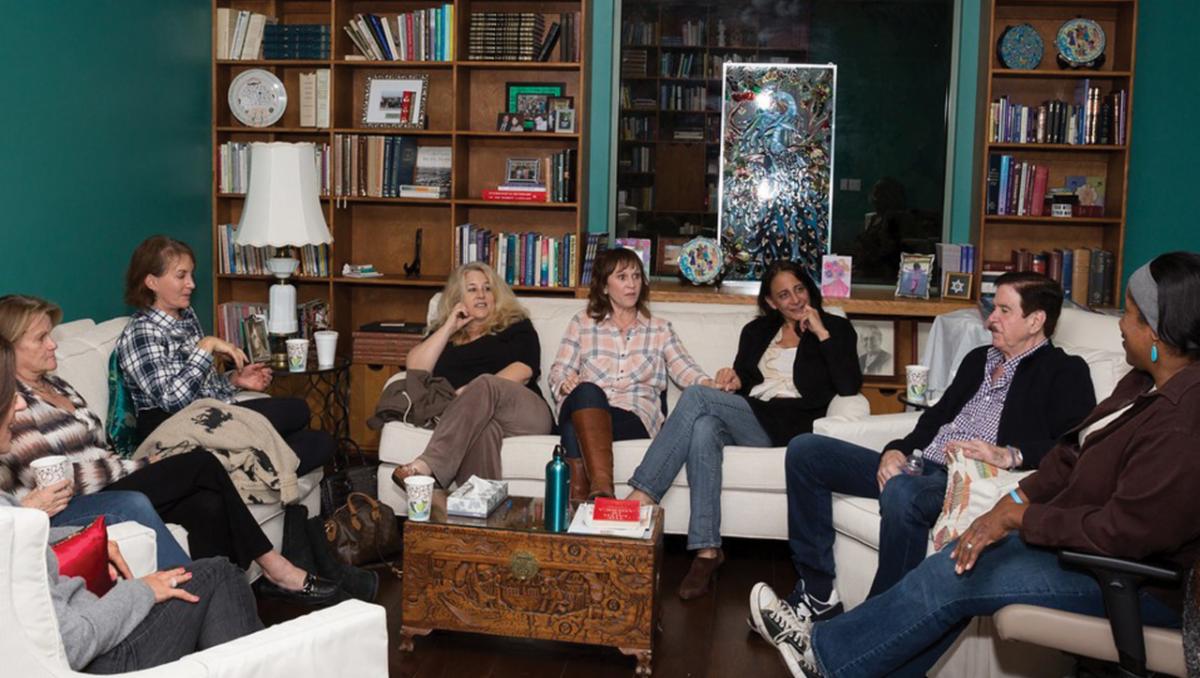
Our support groups are more than talk groups. Each group is a specialized grief “program” that provides you support in all areas impacted by your loss. You will also go through your grief journey with others who have experienced the same loss. All groups are facilitated by either licensed and/or trained professionals.


Donate to griefHaven

Without donations, griefHaven would no longer exist. We are dependent upon the generosity of those who give so that we may continue providing love, education, and support to those in need.

This is griefHaven

Who is griefHaven? What does griefHaven do? Watch this short and informative video to hear the answers.


Support Groups

Our support groups are safe, healing, and informative places to be. It doesn’t matter where you live. We provide in-person groups (Los Angeles only) and Zoom groups around the world. Private/closed groups by losses include: CHILD LOSS, SPOUSAL LOSS, SIBLING LOSS, and PARENT LOSS.


Bulletin Board


New Spousal Loss Group: New Zoom group starting on August 26 from 4 to 5:30 PM California time. Room available in this Zoom group.


New Child Loss Group: New Zoom group starting August 26 from 4 to 5:30 PM California time. Room available in this Zoom group.


Parent Loss Group New Zoom group starting in September from 4 to 5:30 PM California time. Room available in this Zoom group


Sibling Loss Group (for adult and young adult groups): Please contact us about getting on our waitlist for the next Zoom or in-person group.


To inquire about groups or other information, please contact us at hope@griefHaven.org.


Packet of Hope

Order a free Packet of Hope for yourself or someone you care about. Packet includes information for the griever and the supporter.

Portraits of Hope Documentary Film

Watch the documentary film Portraits of Hope: The Parent’s Journey.

Grief Pins

For the person who is grieving, a grief pin makes a loving gift. Or just get one for yourself. For volume discounts, email hope@griefHaven.org or call (310) 459-1789

What to Say; What Not to Say

What to Say; What Not to Say to Someone Who is Grieving.


Not sure what to say to someone who is grieving? That's okay. We've got you covered. Watch this for some guidelines.

Now You Know™

Here we provide brief, thought-provoking and useful educational information videos regarding loss, life, and ideas we feel will help you live a better life. New shows added regularly.

In Loving Memory Room 

Visit our “In Loving Memory” room dedicated to sharing your loved one with others and keeping their memory alive. Contact us if you would like griefHaven to create a special area for your loved one.

Love Wall

Visit the "Love Wall” that honors all those who have generously supported us. All griefHaven donors receive a tile. THANK YOU TO ALL OUR DONORS!

Newsletter Archive

Visit our archive of all past newsletters. We know you will discover new ways of understanding life’s ups and downs, as well as coping strategies to help you as your journey through.

Please Donate Here

Web
 
Facebook  YouTube  Email