Join the upcoming LIVE Breaking the Cycle discussion on March 22, 2023 from 6 - 7 p.m. ET, REGISTER to join. Visit the www.BreakingtheCycleFilm.org for more science, film guides, and resources.
|
|
Dear Friends,
Whether you are in the northern or southern hemisphere, I hope that the shifting season surprises and delights you. May we all be reassured that Earth will continue, with or without us, despite dominant humanity’s mistreatment and eradication of its diversity. Please support First Nation/Indigenous Peoples wherever you live—they are guarding 80% of the biodiversity on the planet.
At Evolved Nest and Kindred, we are putting together various resources for you. The Evolved Nest curriculum should be available by the time of our next newsletter, and perhaps also a new film, Reimagining Humanity. Meanwhile, please check out our new poster, Baby's Bill of Rights as well as the Kinship Worldview poster.
In the fall Lisa Reagan and I will be hosting an exploration group on the Kinship Worldview with Four Arrows. Watch for the announcement.
Peace,
Darcia Narvaez, PhD
Evolved Nest, Founder
|
|
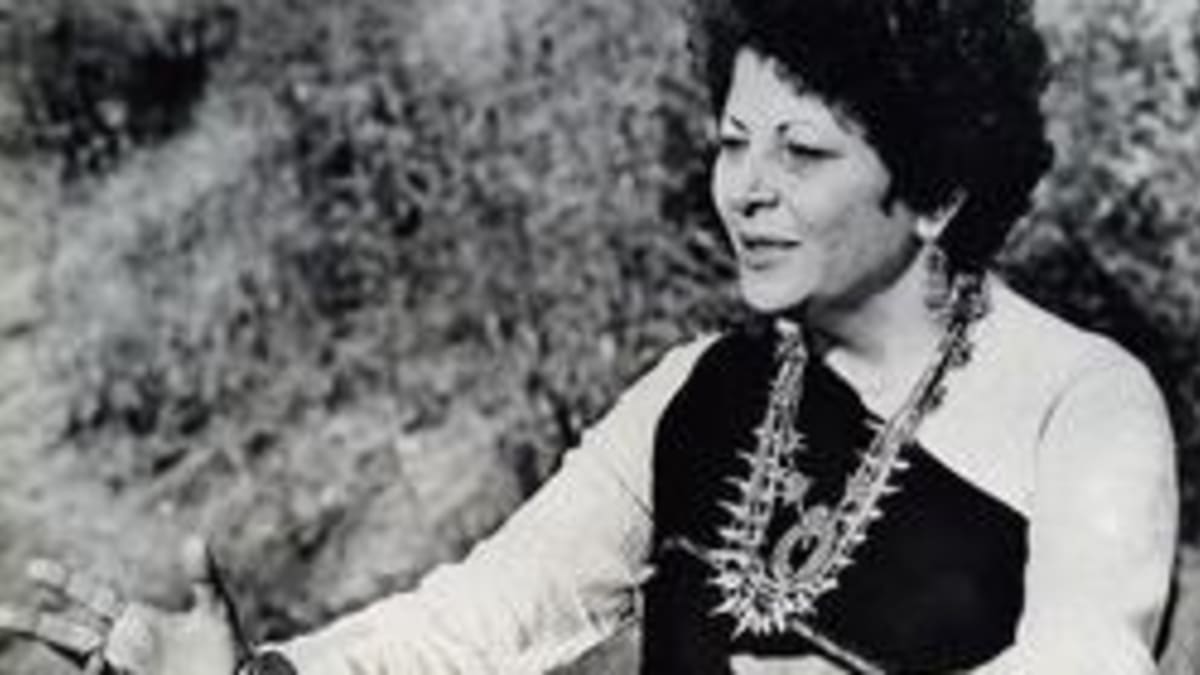
"Truth, acceptance of the truth, is a shattering experience. It shatters the binding shroud of culture trance. It rips apart smugness, arrogance, superiority, and self-importance. It requires acknowledgment of responsibility for the nature and quality of each of our own lives, our own inner lives as well as the life of the world. Truth, inwardly accepted, humbling truth, makes one vulnerable. You can't be right, self-righteous, and truthful at the same time.”
– Paula Gunn Allen, poet, novelist, Indigenous feminist historian (1939-2008)
|
|
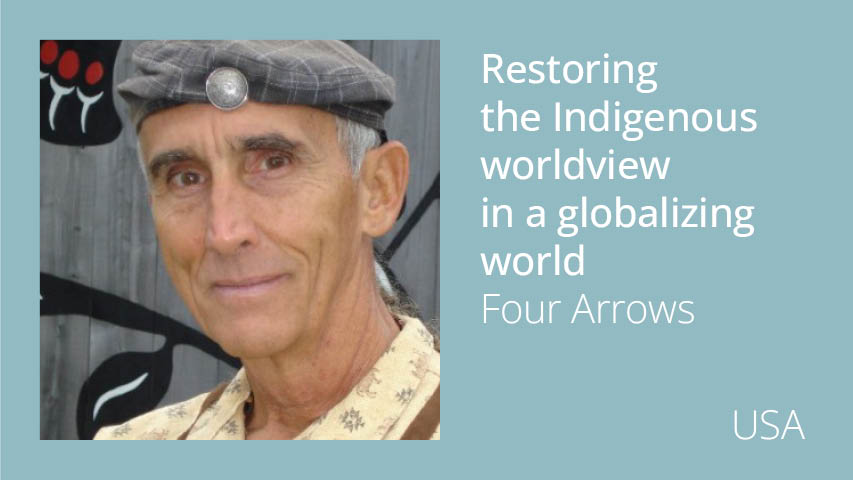
Join Four Arrows and Restoring the Kinship Worldview on Global Bildung Day! |
Starts March 21st at 8:30 p.m. ET
Join Four Arrows on Restoring the Kinship Worldview, his book with Darcia, at the international, virtual Global Bildung Day, March 21!
The Global Bildung Network promotes an approach to living for the 21st century and beyond. The term “Bildung” is a German word, popular in 19th-century German philosophy, that does not translate easily into English but refers roughly to a combination of life-long education, personal character formation, moral development, and maturation. An important aspect of the Bildung movement involves incorporating ideas, practices, and sensibilities from indigenous populations that promote harmony with nature and peaceful human relations. Twice a year on the equinoxes, the Global Bildung Network conducts an online 24-hour Global Bildung Day event that begins in East Asia and ends in the Americas. The North American session, which starts on March 21 at 8:30 PM Eastern time, 5:30 PM Pacific time, features Four Arrows, whose topic will be “Restoring the Indigenous worldview in a globalizing world.”
|
|
|
|
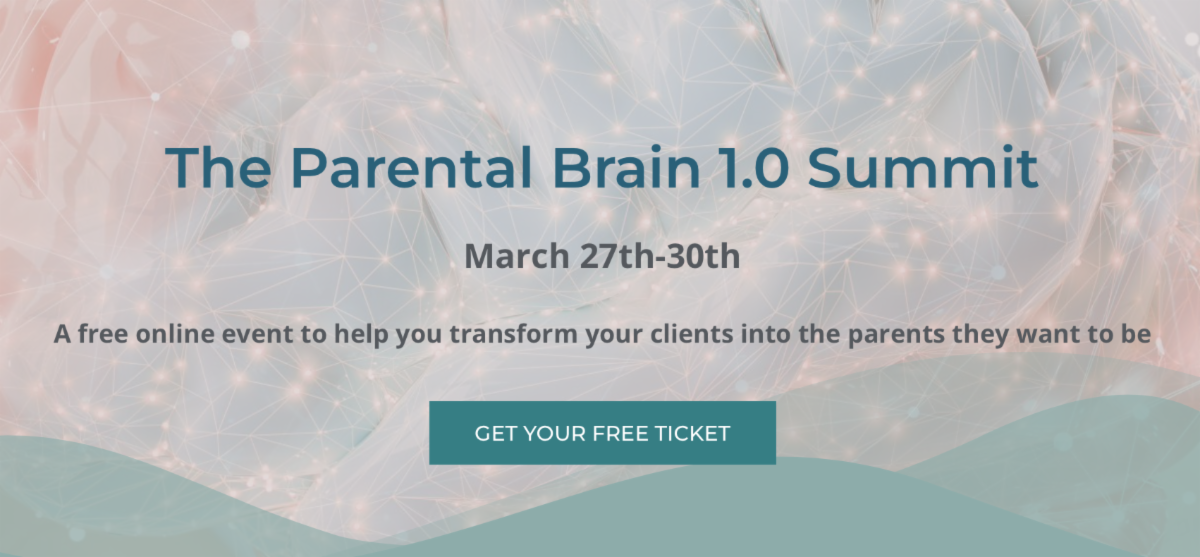
The Parental Brain 1.0 Summit |
March 27 - 30, 2023
Darcia will be presenting at this free event. This is the first ever summit focused on the parental brain and what we can do to help it thrive. Every presentation is focused on some aspect that is important in the transition to parenthood, and how to apply it to your practice.
|
|
|
|
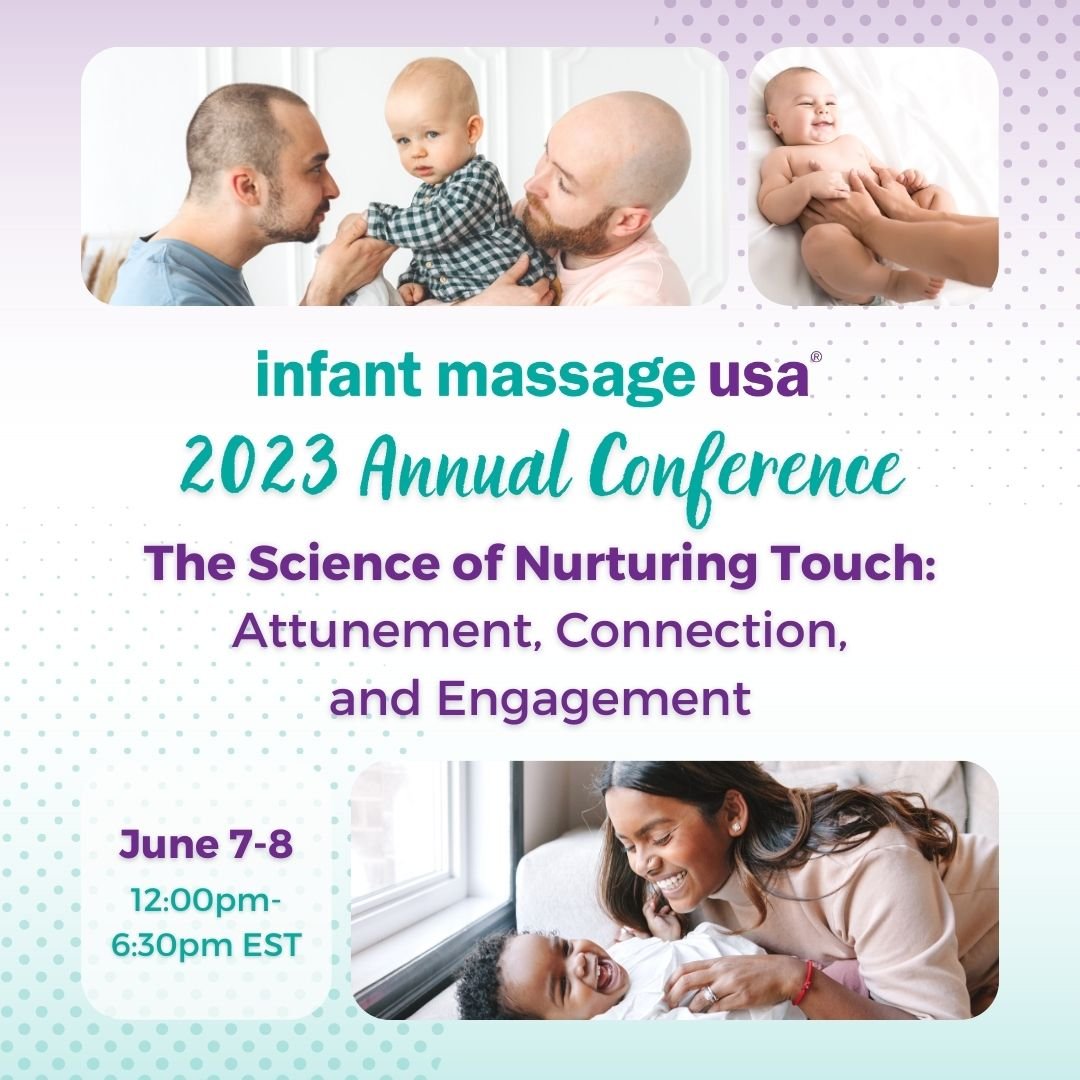
The Wellness-Informed Pathway: Our Evolved Nest and the Importance of Touch |
June 7 - 8, 2023
Darcia will be presenting at this event. Here is her abstract: Our species’ evolved nest is designed to meet the basic needs of children as part of a wellness-informed pathway. Components include soothing perinatal experience, extensive on-request breastfeeding and affectionate touch, multiple caregivers who provide responsive care and a welcoming climate, self-directed social play in the natural world, and routine healing practices. Positive touch is particularly important in the first few years of life to shape a child’s neurobiology towards a trajectory of health and wellbeing.
|
|
|
|
Oxytocin attenuates racial categorization in 14-month-old infants |
Ruth Feldman does excellent work again: "Oxytocin attenuates racial categorization in 14-month-old infants"
Abstract: Intergroup bias – the preferential attitudes one holds towards one's social group – is a ubiquitous socio-cognitive phenomenon. In fact, studies show that already in the first months of life, infants manifest a preference for members of their own social group. This points to the possibility of inborn mechanisms involved in social group cognition. Here we assess the effect of a biological activation of infants’ affiliative motivation on their social categorization capacity. In a first visit to the lab, mothers self-administered either Oxytocin (OT) or placebo (PL) via a nasal spray and then engaged in a face-to-face interaction with their 14-month-old infants, a procedure previously shown to increase OT levels in infants. Infants then performed a racial categorization task presented on an eye-tracker. Mothers and infants returned a week later and repeated the procedure while self-administering the complementary substance (i.e., PL or OT, respectively). In total, 24 infants completed the two visits. We found that whereas infants in the PL condition on the first visit exhibited racial categorization, infants in the OT condition in their first visit did not. Moreover, these patterns remained a week later despite the change in substance. Thus, OT inhibited racial categorization when infants first encountered the to-be-categorized faces. These findings highlight the role of affiliative motivation in social categorization, and suggest that the neurobiology of affiliation may provide insights on mechanisms that may be involved in the downstream prejudicial consequences of intergroup bias.
|
|
|
|
Editorial Perspective: What can we learn from hunter-gatherers about children's mental health? An evolutionary perspective |
Abstract: Humans lived as hunter-gatherers for more than 95% of our evolutionary history, thus studying contemporary hunter-gatherer populations offers insight into the conditions children may be psychologically adapted to. Here, we contrast hunter-gatherer childhoods with those of WEIRD (Western Educated Industrialised Rich Democratic) societies and consider the implications for children's mental health. Hunter-gatherer infants receive continuous physical contact and more sensitive and responsive caregiving than is typical of WEIRD societies, due to the extensive involvement of alloparents (non-parental caregivers) who generally provide 40–50% of their care. Alongside positive attachment outcomes, alloparenting likely reduces the harms of family adversity and risk of abuse/neglect. From late infancy, hunter-gatherers spend their time in mixed-age ‘playgroups’ where they learn via active play and exploration without adult supervision. This contrasts with WEIRD norms surrounding the need for adult supervision of children, as well as with the passive teacher-led classrooms, which could potentially lead to suboptimal learning outcomes and pose difficulties to children with ADHD. Based on this preliminary comparison, we consider practical solutions to potential harms arising from discordance between what children are adapted to and exposed to. These include infant massage and babywearing; increased sibling and extra-familial involvement in childcare; and educational adjustments.
|
|
|
|
The interview with Darcia – How To Be Human Again – starts at the 26 minute mark.
Useful Idiots is an informative and irreverent politics podcast with journalist Matt Taibbi and podcaster/writer Katie Halper. Join Matt and Katie as they examine important stories that have slipped through the cracks and what the media got wrong – and laugh about whatever is left to laugh about.
|
|
|
|
Forthcoming – The Evolved Nest: Nature's Way of Raising Children and Creating Connected Communities |
A beautiful resource for nature advocates, parents-to-be, animal lovers, and anyone who seeks to restore wellbeing on our planet, The Evolved Nest reconnects us to lessons from the animal world and shows us how to restore wellness in our families, communities, and lives.
Each of 10 chapters explores a different animal’s parenting model, sharing species-specific adaptations that allow each to thrive in their “evolved nests.” You’ll learn:
- How Gorillas Build an internal moral compass
- How Elephants foster a spirit of play in their children
- How Octopuses work through early life stressors and traumas
- How, when, and whether (or not) Brown Bears decide to have children
- What their lessons can teach you--whether you’re a parent, grandparent, caregiver, or childfree
Psychologists Drs. Darcia Narvaez and Gay Bradshaw show us how each evolved nest offers inspiration for reexamining our own systems of nurturing, understanding, and caring for our young and each other. Alongside beautiful illustrations, stunning scientific facts, and lessons in evolutionary biology, we learn to care deeper: to restore our innate place within the natural world and fight for an ecology of life that supports our flourishing in balance with nature alongside our human and non-human family.
|
|
|
|
The Myth of Normal: Trauma, Illness & Healing in a Toxic Culture |
By the acclaimed author of In the Realm of Hungry Ghosts, a groundbreaking investigation into the causes of illness, a bracing critique of how our society breeds disease, and a pathway to health and healing.
In this revolutionary book, renowned physician Gabor Maté eloquently dissects how in Western countries that pride themselves on their healthcare systems, chronic illness and general ill health are on the rise. Nearly 70 percent of Americans are on at least one prescription drug; more than half take two. In Canada, every fifth person has high blood pressure. In Europe, hypertension is diagnosed in more than 30 percent of the population. And everywhere, adolescent mental illness is on the rise. So what is really “normal” when it comes to health?
Dr. Maté discusses Darcia Narvaez's Evolved Nest in The Myth of Normal and has written the foreword for Darcia's forthcoming book, The Evolved Nest (see above).
|
|
|
|
The Evolved Nest AUDIO SERIES |
|
The Evolved Nest Podcast Series - Wisdom and the Baselines for Virtue
DESCRIPTION: What’s normal for human beings? Are we necessarily violent? That is not what the evidence shows. Learn why!
Primal Wisdom is about being present, being here and now, whereas Western worldviews have abandoned our connection with nature and instead advocate escaping nature and controlling it. How do these worldviews manifest in our culture today? In our way of being in the world today?
Listen to Darcia Narvaez, PhD, share foundational insights into the Evolved Nest.
|
|
|
|
The Evolved Nest Explained VIDEO SERIES |
|
Ethics of Early Life Care
Darcia Narvaez presents to practitioners at the Association for Pre and Perinatal Psychology and Health's Monday Live Lecture Series in October 2016.
Dr. Narvaez discusses the nature of the human species. Humans are unique animals with sets of basic needs: animal, mammal, social and human basic needs. Participants will learn about human rights and how babies’ rights need to be respected. Babies cannot reach their full potential without the human evolved nest.
|
|
|
|
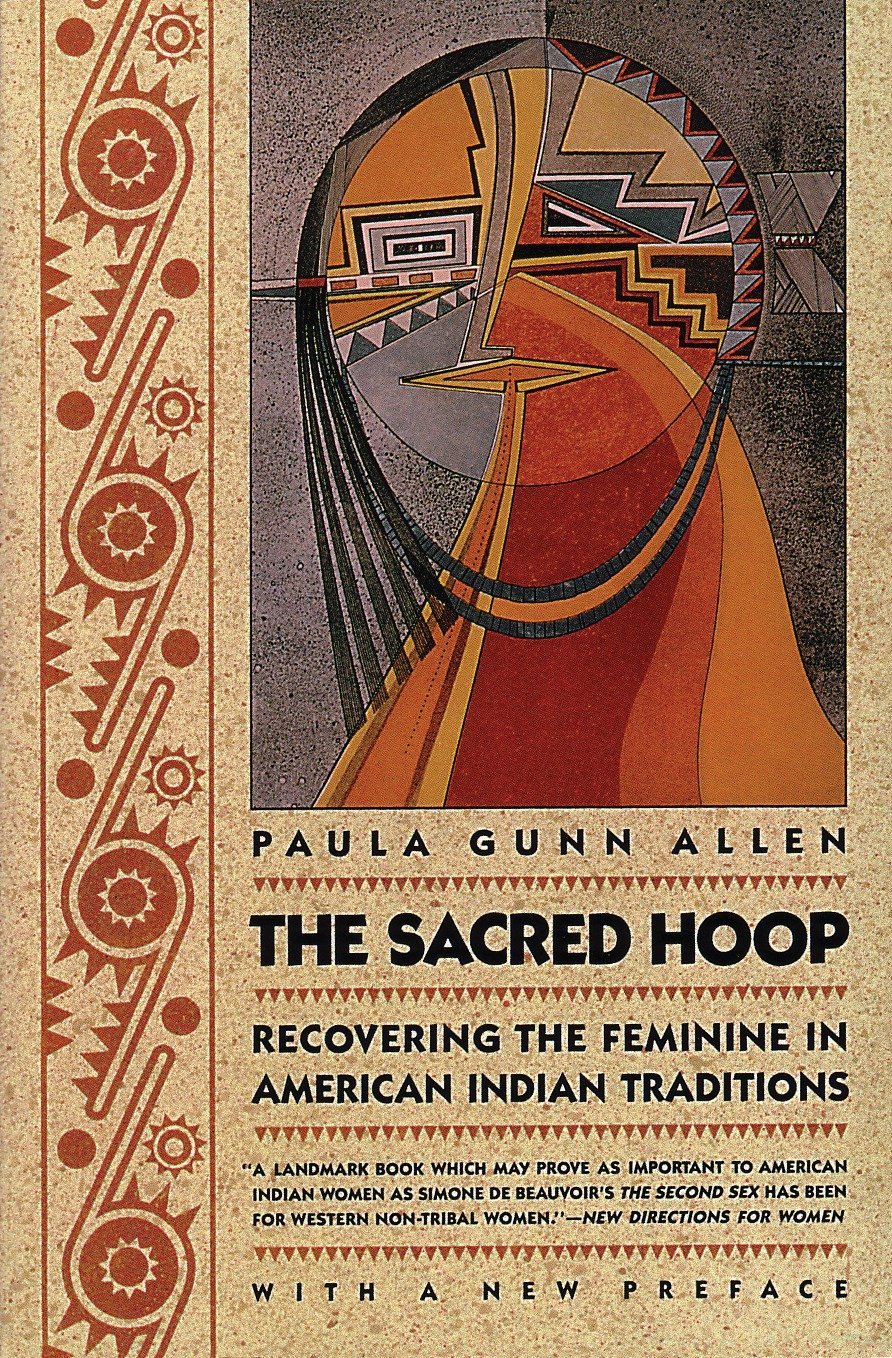
Paula Gunn Allen called us to our responsibility for our common nest, Earth. She provided the historical context for Native women's longstanding responsibility and respected power to maintain community wellbeing and traditional wisdom.
In her book, The Sacred Hoop: Recovering the Feminine in American Indian Traditions, Dr. Paula Gunn Allen writes that prior to 1800, matrifocal systems were the primary ways of ordering communities among most Native American Peoples. She describes the nature of life among these communities where the focus was on responsibility towards and acceptance of the diversity of fellow community members “rather than on denial-based social fictions to which human beings are compelled to conform by powerful individuals within the society”.
|
|
|
|
A Baby's Bill of Rights Poster - Podcast Interview |
In 1989, world leaders made a historic commitment to the world’s children by adopting the United Nations Convention on the Rights of the Child – an international agreement on childhood. It’s become the most widely ratified human rights treaty in history. However, as Darcia explains in this interview, the convention does not reflect the basic needs of babies. Baby’s rights are really basic needs for brain, immune system, and even spiritual development (nature connection). If these basic needs aren’t meet when a baby’s biology expects them to be met, there may be a lifetime of compensating for these deficiencies as adults.
In this interview, you will learn:
- Why a Baby’s Bill of Rights is needed.
- Why is the Baby’s Bill of Rights is written for communities rather than parents?
- How are baby’s developmental needs different from a child’s needs?
-
How does a Baby’s Bill of Rights contribute to the creation of a Wisdom-based, Wellness-informed Society?
|
|
|
|
How do we grow a healthy organism? We provide the kind of environment that helps the entity thrive. Whether a Ficus house plant, a Doberman puppy, fermenting homemade beer, the environment must provide what the organism has evolved to expect—if it is going to turn out well. We accept the basic needs of plant, puppy, and beer and we humble ourselves to those needs. Babies deserve the same; babies are not machines.
|
|
|
|
Your Attention Matters: Narrowly Focused Or Broad And Receptive? |
The mindset you bring to situations affects what you perceive (McGilchrist, 2009). It’s important to know the difference among mindsets so you can choose appropriately, because once you start out a situation with one mindset, it can be hard to switch. Here are three basic mindsets. (a) The active, deliberate mind is focused on forms, caught up in categories and identity. (b) The receptive mind is formless and oriented to being with others. (Brainstorming uses the receptive mode initially—letting ideas flow. But once someone starts to criticize the ideas, the mode has shifted and it is hard to get back to the creative flow.) (c) The self-protective mindset is defensive and focused on safety—whether through withdrawal, opposition, or control.
Let’s start with the one that is less developed in the modern world but central to our humanity.
|
|
|
|
A good mentor nurtures and helps the mentee or advisee. Sometimes mentors show up out of the blue, sometimes they are people you know whose guidance you suddenly need, and sometimes you have to seek out a mentor and ask them to guide you.
Here is a checklist for what a good mentor will do most of the time. You might find that different mentors offer different supports from this checklist.
|
|
|
|
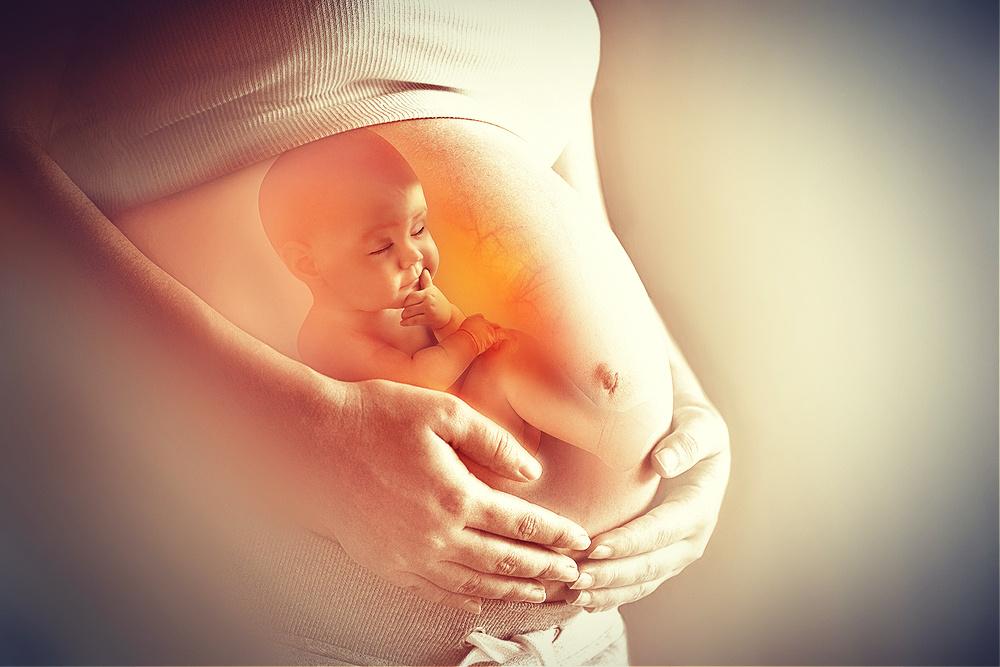
Nurturing Begins Before Birth |
Lots of people seem to think that an offspring is a bunch of genes that just have to grow up, that a baby is born with a personality and you just have to put up with the inconvenience of their immaturity till they get big and out of your hair. This is the factory model of understanding babies: everything is determined behind the doors of genetic formation. Parents just have to feed and keep safe the product. Even some researchers have regarded prenatal development only as a matter of rapid physical growth with its age-related related reflexes (Hopkins & Johnson, 2005).
As our ancestors intuited and science confirms, this is a hugely mistaken orientation.
|
|
|
|
Checkout the gallery of amazing photos showing the Northern Lights across Europe!
|
|
|
|
Join the Evolved Nest COMMUNITY |
|
Join Our Mighty Networks' Evolved Nest Community |
We are in the process of creating a safe, kind, and stimulating space to engage and connect with our Evolved Nest community through Mighty Networks!
This platform is ad-free, algorithm-free, and owned by us. You can download the app to the network and post and stay up-to-date with group discussions, research, and upcoming events.
Many organizations are charging a membership fee for these Mighty Networks' platforms, but we are opening up our group to you for free.
|
|
|
|
DONATE and Support the Evolved Nest! |
|
Read 88 Five-Star Reviews of Our Work and Kindred World! |
The Evolved Nest is an educational initiative of Kindred World, an American 501C3 nonprofit that has Served the Re-Generation Since 1996. Darcia Narvaez, PhD, is the founder of the Evolved Nest and the current president of Kindred World.
Learn more about what we've learned in a quarter century of exploring the creation of a wisdom-based, wellness-informed society, here.
Read our 99 five-star reviews here.
Our gratitude to everyone who has supported The Evolved Nest's work over these past four years.
|
|
The Evolved Nest - www.EvolvedNest.org |
|
|
|
|
|
|
|