The Flock Newsletter
 

January 16, 2026

REMINDER: YOUR SUBMISSIONS ARE ENCOURAGED

Overview for this week.

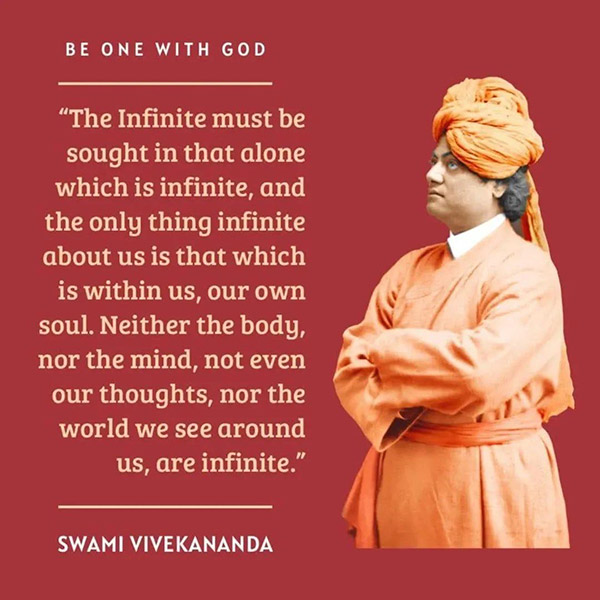
1. Bindu’s Corner: Bindu has offered new words of wisdom this week, including another verse from Swami Vivekananda.


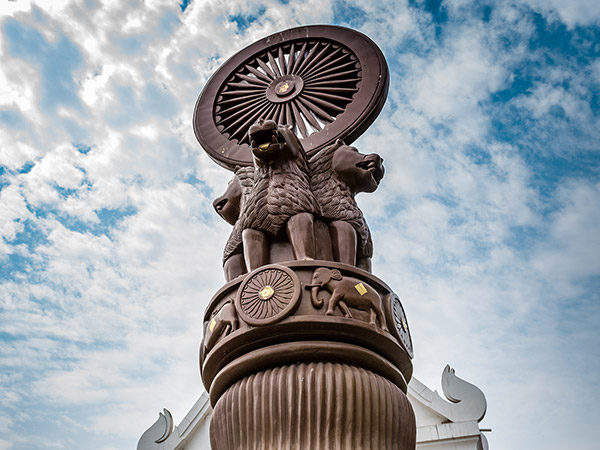
2. Religion: Bindu’s posts have also inspired me to to do a deeper dive into the Dharmic traditions that have inspired the spirituality and religions that originated and thrive on the Indian subcontinent.


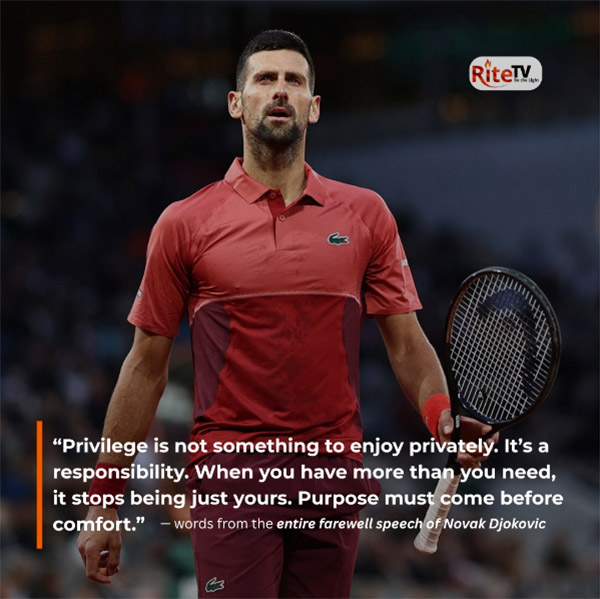
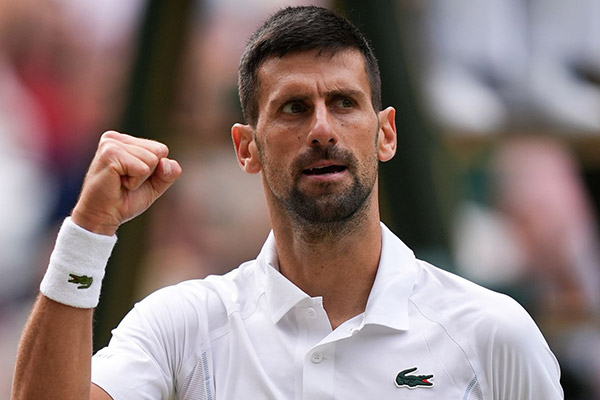
3. Artificial Intelligence: Artificial Intelligence: There is a meme floating around social media that, while depicting Novak Djokovic in a positive light, is still a deepfake created entirely with AI.


4. Philanthropy: The real-life story of Novak Djokovic and the humanitarian works of The Novak Djokovic Foundation is greater than anything AI could ever produce.


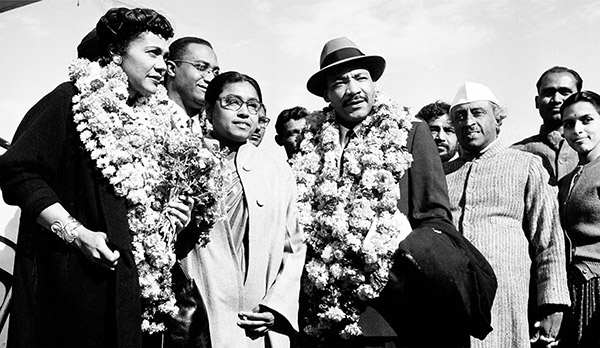
5. Martin Luther KIng Jr. Day: Mahatma Gandhi was an inspiration to Dr. King’s implementation of nonviolent resistance as a successful strategy to fight oppression.


6. Pet’s Corner: Checking in with Fern.


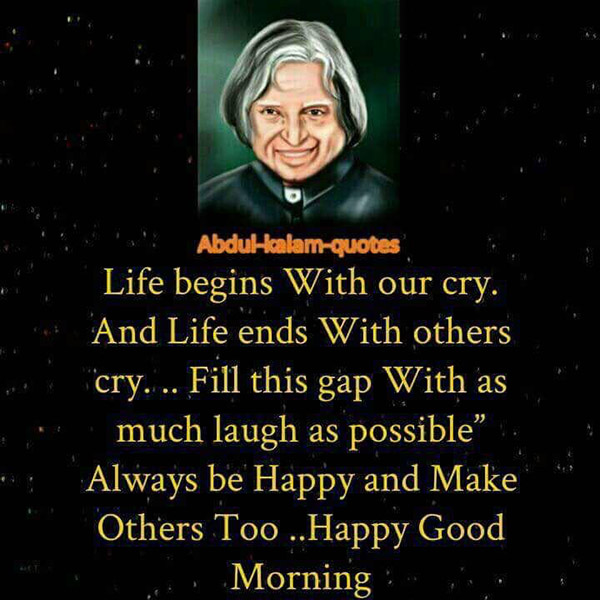
7. A Closing Thought: I end this week with a quote from aerospace scientist, statesman, and former president of India, Abdul Kalam.

A Note From Beth

I hope you will pick and choose, and enjoy your reads.

Please feel free to share the Flock.

Now, to this week's Flock.


1. Bindu's Corner: New Words of Wisdom

Here is more wisdom to contemplate from our dear friend Bindu.

2. Religion: Spiritual Traditions of the Indian Subcontinent

Makar Sankranti, the Hindu mid-winter harvest festival that I posted about last week, was celebrated on this past Wednesday by hundreds of millions of people in South Asia and around the world. That, and Bindu’s additions to the Flock, have inspired me to take a deeper dive into the spirituality and religions that follow Dharmic traditions and originated on the Indian subcontinent.

The Dharma Traditions of India

From: Dharma Civilization Foundation

Among the religious and spiritual traditions of the world, the traditions born in the Indian sub-continent, belong to a family. They were all born from the great mother tradition called “Sanatana Dharma” that can be translated as “Eternal Dharma”. In fact the word “Religion” itself is a category of thought that is of Western origin and does not capture the nature of the Indic traditions adequately. Modern understanding of India’s spiritual and religious traditions stems from applying the Western category of thought called Religion on India i.e. it involves viewing Indic traditions through a Western lens. When viewed through such a western lens, it may appear that India has four major religions i.e. Hinduism, Buddhism, Jainism and Sikhism, all of which were born and evolved in the Indian soil and mind. Indeed this has become the established understanding about India, and is actually subscribed to by many Indians themselves. There is however, an alternate way of grouping together and understanding the Indic traditions, freed up from the limitations of a Western interpretational lens i.e. through the phrase “The Dharma Traditions of India”.


The central distinction is as follows: When we speak of the Religions of India, i.e. Hinduism, Buddhism, Jainism and Sikhism, we are privileging a western category of thought called “Religion” whereas, when we speak of the Dharma Traditions of India, i.e. Hindu Dharma, Buddha Dharma, Jaina Dharma or Sikh Dharma, we are privileging an Indian category of thought called Dharma…

5 things Dharmic faiths have in common

From: Hindu American Foundation, By: syama Allard, january 28, 2022

From the Latin religio, meaning to bind or connect, religion, at its heart, is supposed to be a great uniter that enables all who participate to seek and experience the ultimate truth. 


Sadly, there have been many people over the years — thinking their tradition has a monopoly on this truth — who have performed great atrocities in the name of faith, thus embedding in the minds of cynics a divisive narrative of religion that runs completely contrary to its true intention.


For such cynics, the fact that India has given birth to four major world religions, namely Hinduism, Buddhism, Jainism, and Sikhism, might seem like a red flag, signaling the country to be an obvious hub of historical, present, and future faith-based violence and conflict.


The reality, however, is very different. Hinduism — India’s oldest religion — is commonly referred to by Hindus as sanatana dharma, a term denoting India’s various philosophical structures that guide a person towards spiritual progress and attainment of the ultimate truth in harmony with a particular time, place, and circumstance.


This “truth,” as described in the Vedas (India’s oldest spiritual texts), is one, but spoken of in various ways by the wise. As such, dharma is inherently pluralistic, and has always been open to dialogical discourse as a way of expressing different perspectives and ideas on spiritual reality. Hence, India has given birth to a religious and cultural syncretism that embodies the ability for traditions to coexist and exhibit a myriad of commonalities, even amidst their differences. This can be seen through:


1) History

Though Buddhism, Jainism, and Sikhism have been categorized and conveyed as distinct and separate religions, because they are ultimately schools of thought that came from India, they are also considered to be part of the country’s wider tradition of sanatana dharma.


Both Jainsim and Buddhism emerged around the same time (roughly the fifth century BCE), and both rejected Hinduism’s primary scriptures during a time when the ritualism of the Vedas was being emphasized more than the actual spiritual teachings the rituals were supposed to have been based on.


Sikhism, on the other hand, was founded much later (the 15–16th century CE), during a period of religious and social reform in India led by saints who emphasized devotion to God and, like the leaders of Buddhism and Jainism before them, criticized the over-ritualization of religion.


Not only did Hinduism’s culture of pluralism allow these burgeoning religions to grow and prosper in their own rights, such a culture allowed for a healthy atmosphere of interfaith discourse that has actually been essential to keeping dharmic values alive throughout the centuries.


And because so many of these values are ultimately the same among the four faiths, Hindus, Jains, Buddhists, and Sikhs have much in common when it comes to the fundamental aspects of their philosophies and practices.


2) Concepts

Perhaps the most fundamental and overarching philosophical concepts that characterize and provide a window into the dharmic tradition’s plurality of viewpoints, are karma, samsara, and moksha.


According to Hindu thought, every being in this world is eternal and spiritual in nature but, lacking proper knowledge, is stuck in a cycle of reincarnation called samsara. Karma, the idea that every thought and action has a corresponding reaction, is the ethical framework that determines the kinds of bodies beings are born into, and the quality of life they lead. From one lifetime to the next, beings experience the results of their karma, until they’ve made enough spiritual growth to attain moksha, or liberation from samsara.


Though the dharmic traditions differ on what the ultimate aim of liberation is, they all agree that a being’s condition of life is determined by that being’s karma, that such conditioning extends through the cycle of samsara, and that moksha is the release of said conditioning.


As such, their cultures mix incredibly well, as the practitioners of all strive for goals that have inevitable overlaps.


3) Symbols

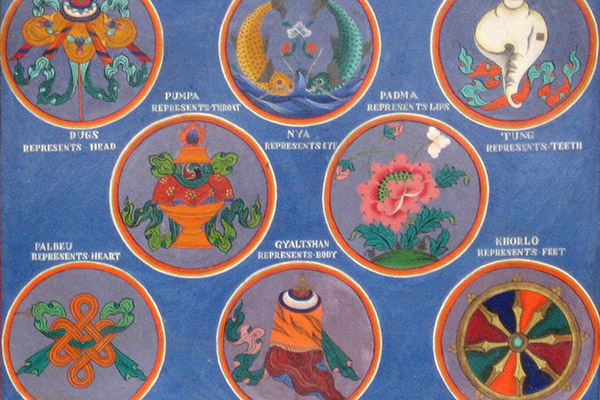
The dharmic traditions — specifically Hinduism, Buddhism, and Jainism — share much in regards to symbols. The ashtamangala, or “eight signs of auspiciousness,” are especially endemic to the three traditions…


4) Families

The dharmic traditions have existed so long in India, with so many similarities in philosophies and practices, that they have been able to coexist even on a familial level.


The culture of Hindus and Jains, for example, are so intertwined that it is often difficult to identify boundaries within families, as many often practice both religions at the same time. 


Cultural bonds between Hindus and Sikhs have also been very close, as many traditional Hindu families in Punjab — feeling gratitude towards Sikhs for their defence of Hindus against oppression by 17-century Muslim rulers — continue to encourage one of their sons to embrace the teachings and practices of Sikhism.


5) Festivals

It will come as no surprise that there are several festivals in India that are celebrated by more than one of the dharmic traditions.

3. Artificial Intelligence: Not all Deepfakes are Malicious

There is a meme floating around social media recounting a “Djokovic Farewell Speech" given to an auditorium packed full of elite members of society from high tech, sports, and entertainment business communities at a red-carpet gala award ceremony last month in Los Angeles. The theme of the speech is an uplifting, impassioned admonition to the more fortunate to give back and support the less fortunate. You can see the post here on Instagram. As a big fan of tennis and Djokovic's career on and off the courts, one thing in the post jumped out at me and triggered my skepticism: Novak Djokovic has not retired and has no reason to say farewell. In fact, he has been vocal about his plans to continue playing on the professional circuit and to compete in the 2028 Olympics in Los Angeles. This compelled me to think back to the Flock post on AI deepfakes from two weeks ago, Determine Credibility (Evaluating) Deepfakes. After some digging online, I was able to confirm that the entire Instagram post was an AI-generated fake. This shows that not every deepfake is malicious to its target, and you need to take what you see on social media with a grain of salt.

"Djokovic Farewell Speech"

From: Instagram (Deepfake)

It is not what we GATHER but what we SCATTER, that tells what kind of life we have lived.


Novak Djokovic, one of the greatest athletes of all time and a global symbol of discipline, resilience, and purpose, has left the world’s wealthiest and most powerful figures stunned, not with a trophy, but with a decision that may redefine legacy itself.


At an ultra-exclusive red-carpet gala in Los Angeles on December 20, attended by tech billionaires, Hollywood executives, global a prestigious Lifetime Impact Award. The atmosphere was celebratory, polished, and predictable, until Djokovic chose a different path


He didn’t smile for the cameras. He didn’t recap Grand Slams. He didn’t glorify his career.


Instead, Novak stood still, looked out at the room filled with unimaginable wealth and influence, and spoke with the calm intensity of a man who knows exactly why he was given a platform.

4. Philanthropy: Novak Djokovic

What made the Djokovic Farewell Speech deepfake so believable is the great humanity and social responsibility Novak Djokovic has displayed throughout his career. He spent his childhood in war-torn Belgrade, Serbia, in a household of modest means. After achieving international fame and wealth as an elite professional tennis player, he has used his success to benefit others. Through his charity foundation, the Novak Djokovic Foundation, which he founded with his wife Jelena in 2007, the foundation's primary goal is to invest in early childhood development, aiming to provide preschool access to every child in his home country of Serbia. His foundation has also partnered with other charitable groups to provide medical equipment and aid during the COVID-19 pandemic, as well as relief to victims of flooding in Serbia and Italy. He has also supported Miami's Centro Mater and Melbourne City Mission for disadvantaged youth, the UEFA Foundation for Children's "Path of a Champion" program, and launched the Djokovik Science and Innovation Fellowship at Harvard University.

The Novak Djokovic Foundation

From: The Novak Djokovic Foundation

What We Do

We were founded in 2007 by Novak and Jelena Djokovic and tasked with the mission to transform the world by investing in early childhood development.


By making long-term investments in early childhood development, we are investing in everyone’s future. More importantly, we are investing in dreams. In hope. In change. In victory. It’s that simple.


Through our programs and projects, we provide the means, methods, and materials necessary to reach our end goal: to enable every child in Serbia to attend early years programs.

5. Holidays: Martin Luther King Jr. Day

This Monday, January 19th is Martin Luther King Jr. Day. To honor the day in past issues of the Flock, I’ve posted video of Dr. King’s “I Have a Dream” speach along with a short anecdote from a Flock reader and dear friend of mine, Peter Siris, who had a chance meeting with Dr. King shortly before he was scheduled to speak and learned that with encouragement from Mahalia Jackson Dr. King had decided to deviate from his prepared speach and improvise the famous speech. This year, I am posting the following artical about Mahatma Gandhi’s influence over Martin Luther King Jr.’s adoption of nonviolent resistance to fight for civil rights.

How Martin Luther King Jr. Took Inspiration From Gandhi on Nonviolence

The civil rights leader realized the power in Gandhi's approach to standing up to oppression with "truth-force."

From: Biography, By: Becky Little, January 19, 2021

Mahatma Gandhi inspired people all over the world, including one of the United States’ most famous civil rights leaders, Martin Luther King Jr.


Though the two men never got a chance to meet (King was 19 when Gandhi was assassinated), King learned about Gandhi through his writing and a trip to India in 1959. King drew heavily on Gandhian principle of nonviolence in his own civil rights activism, writing that “while the Montgomery boycott was going on, India’s Gandhi was the guiding light of our technique of nonviolent social change.”


“Nonviolence” is a more than simply agreeing that you won’t physically attack your enemy. Gandhi referred to his form of nonviolence as satyagraha, meaning “truth-force” or “love-force.” Practicing satyagraha means a person should seek truth and love while refusing, through nonviolent resistance, to participate in something she believes is wrong. This principle guided Gandhi’s activism against the British Empire, helping India win independence in 1947.


King connected Christianity to Gandhi's teachings

King first learned of Gandhi’s concept of nonviolence as a seminary student. As a Christian, he connected the Hindu thinker’s words to the Biblical appeal of Jesus to “love your enemies and pray for those who persecute you.”


“I came to see for the first time that the Christian doctrine of love operating through the Gandhian method of nonviolence was one of the most potent weapons available to oppressed people in their struggle for freedom,” King later wrote.


King was already familiar with peaceful civil disobedience through American writers like Henry David Thoreau, and he liked Gandhi’s idea that oppressed people could use truth or love as weapons in their struggle for justice. But he didn’t find a practical application for how to put it to use until he became involved in the Montgomery bus boycott of 1955 and ‘56.

6. Pet's Corner: Fern Checks in From Aspen

When we last checked in with Fern, she was getting her last mousing in before the late autumn snows in Aspen. Now she just wants spring to come so she can get back outside and get to mousing.

Fern waits for springtime with a mid-winter stretch.

7. A Closing Thought

Abdul Kalam , the president of India from 2002 to 2007, 
was a statesman, academic, and aerospace scientist.

Sandhill cranes wintering on the playa outside Wilcox, Arizona.


These Flock regulars are always here for you:

Cita Scott for paintings, photography, and culinary art. Cita will be in and out of town all summer. Don't hesitate to give her a jingle. (520) 404-1551

Kimberly Gomer, MS, RD/LDN

Registered and licensed Dietitian/Nutritionist. Find me on my website at KimberlyGomer.com for information about nutrition coaching.

Sarah Smallhouse & Make Elections Fair ArIzona

– Sign the petition here

Sensitive & Specific: The Testing Newsletter by Mara G. Aspinall and Liz Ruark. Mara is always here to help in understanding testing knowledge and how it's being applied.

Kyria Sabin of Fletcher Pilates,

(520) 323-7070

The Fabric Jeanie!

Tap to learn more. 

(520) 245-0589

Linda Collazo, mezzo-soprano

for piano and voice lessons

Andres Valbuena, drum selection, drum basics, and more.

Dr. Hayward M. Fox, Ph.D.

The institute of Personal andTranspersonal Knowledge

Tucson Village Farm:

Vegetaable growing in the summer heat.

The Physio Shop,

Elite physical therapy services and more.

Icebox Cryotherapy,

Icebox Tucson’s unique enhancers allow you to be your best version! 

nathan anderson

Nathan Anderson of Catalina Acupuncture

(520) 999-0080


Don't Be Shy: Share Your Stories!

I'm looking forward to sharing more of your personal stories - oral, written, or otherwise, as we enter our third year. I'd so love to present them to The Flock, hit a mailbox below to share your story.


Subscriptions & Idea Submissions Reminder: Your submissions are always welcomed.


Past Issues

Feel free to forward this email to a friend. If this was forwarded to you and you would like to receive your very own Flock Newsletter, you can sign up here. If you have any questions or suggestions for future Flock resources, don't hesitate to contact me.


Your fan and friend,


Beth


Holualoa Ed Fit Wellness & Culture 2

520-818-4433


View as Webpage

The information and materials contained or referenced in this newsletter are for informational purposes only and not intended to be a substitute for professional medical advice, diagnosis, or treatment. Always consult a physician or other qualified medical professional with any questions you may have regarding a medical condition or treatment and before beginning a new health care regimen. Do not disregard professional medical advice or delay seeking medical advice or care based on anything contained in this newsletter.