Faulkner County Agriculture Update
October 30, 2026
| | |
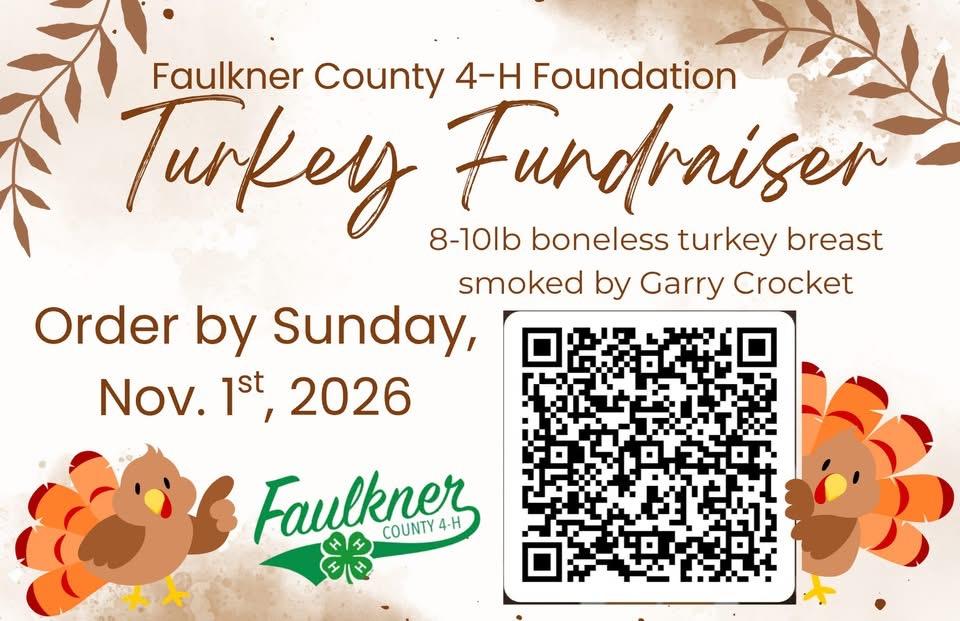
Faulkner County 4-H Foundation Turkey Fundraiser
It is time for the annual smoked turkey fundraiser from the 4-H Foundation. We need orders by November 1, so get your orders in soon because November will be here before you know it.
| | |
Weather
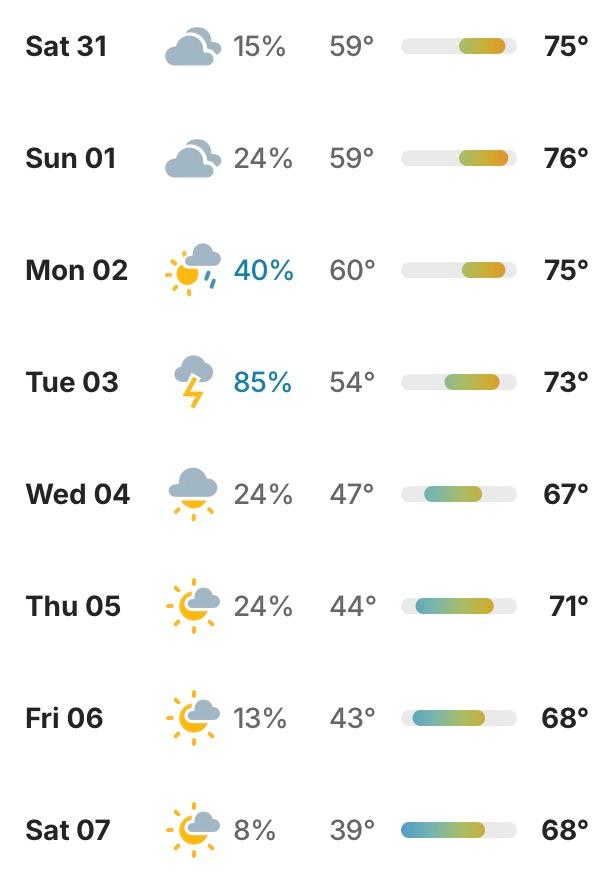
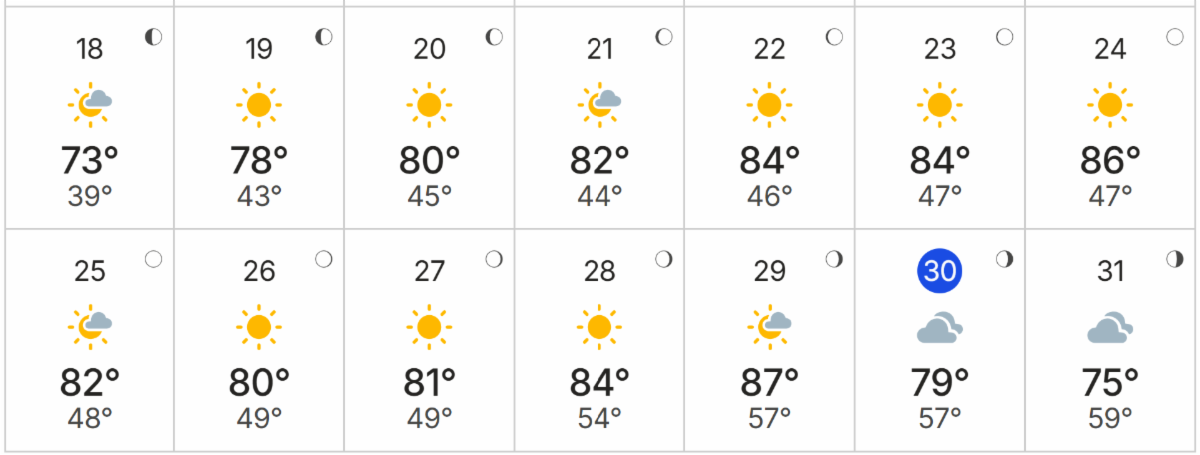
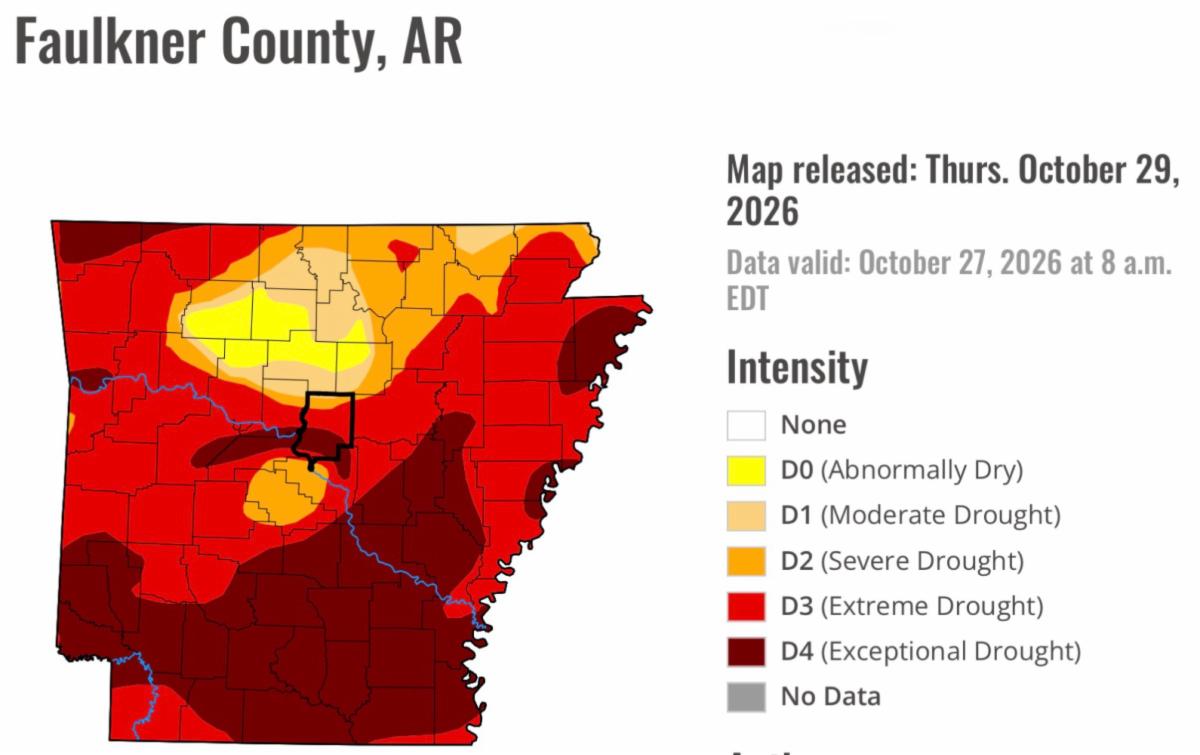
Another week with the same temperatures and the same dry weather. I honestly feel like it is groundhog day around here. The chances for rain finally return to our forecast this week. The chances for what was supposed to be a first round of rain tomorrow has already started going down, and things are already changing for what was supposed to be the big rain next Tuesday. We need this rain because as I expected, we have finally moved into D4 drought status in Faulkner County. I can't remember us ever being that dry and it is getting worse. Hopefully the rain will come through and at least calm the dust.
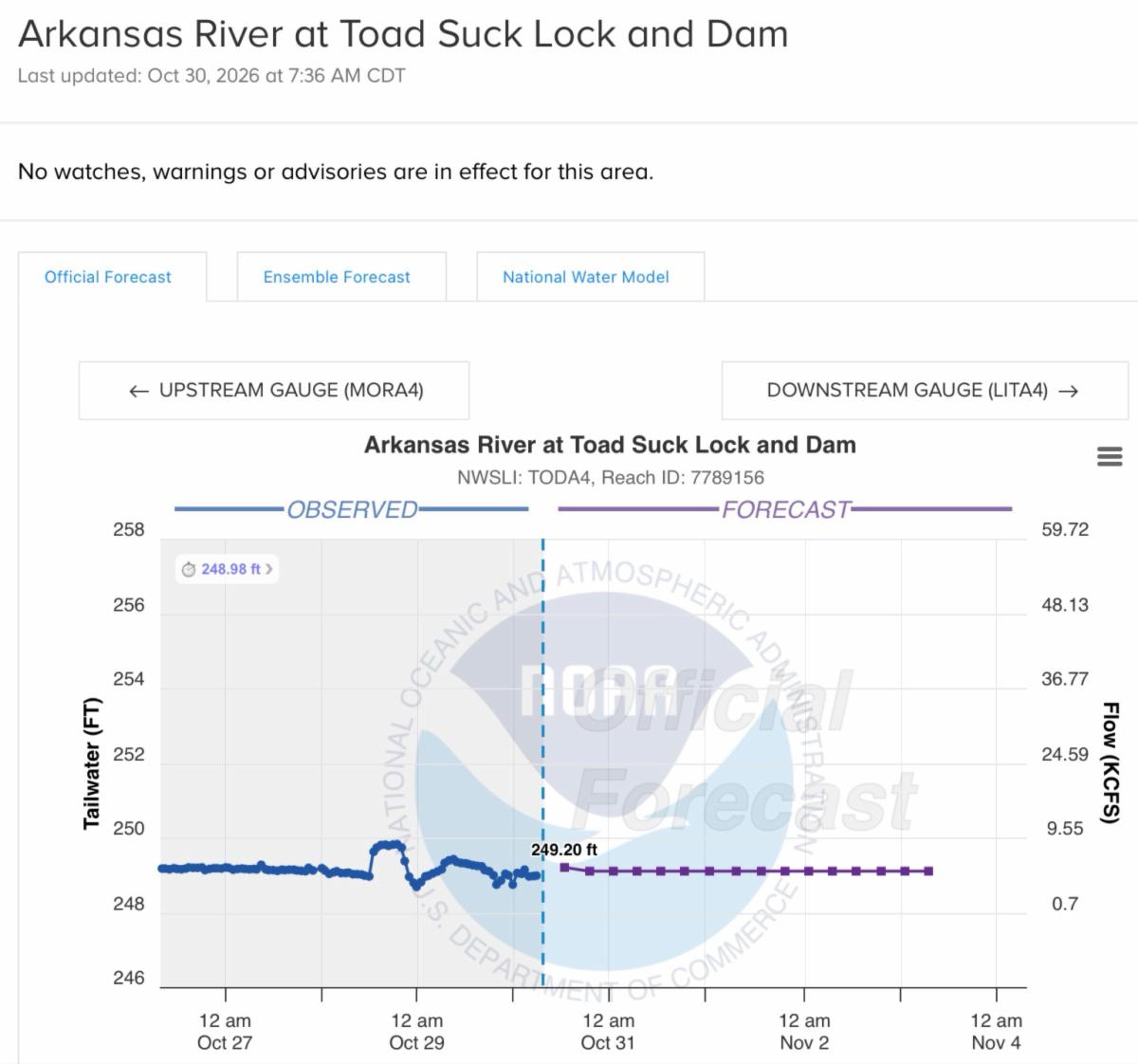
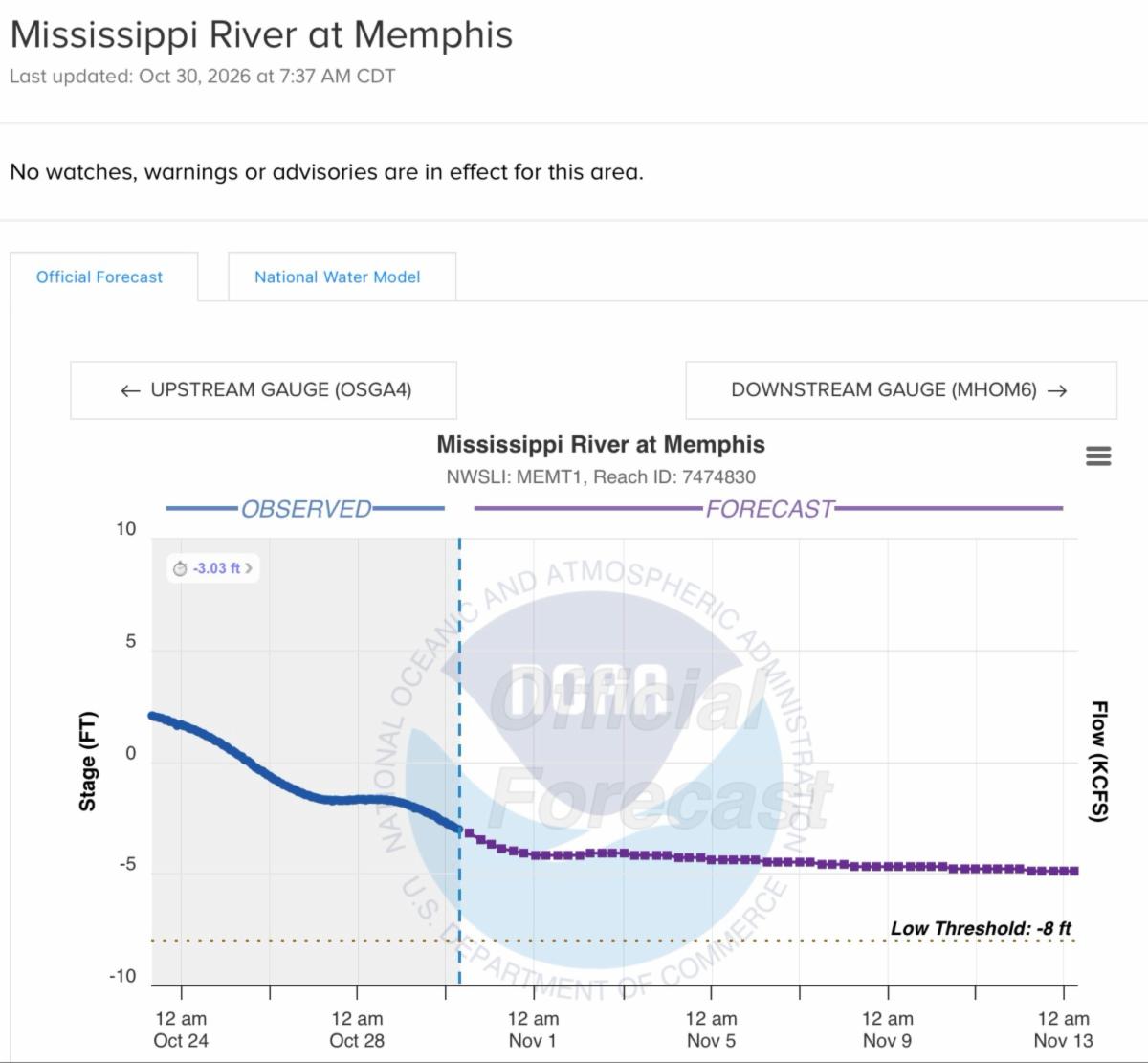
| | | Arkansas and Mississippi River | | Soil-Test Potassium Levels | | |
The Arkansas Soil Fertility Team has started up a new blog. I have a link to the new blog below and the first entry is about soil-test potassium.
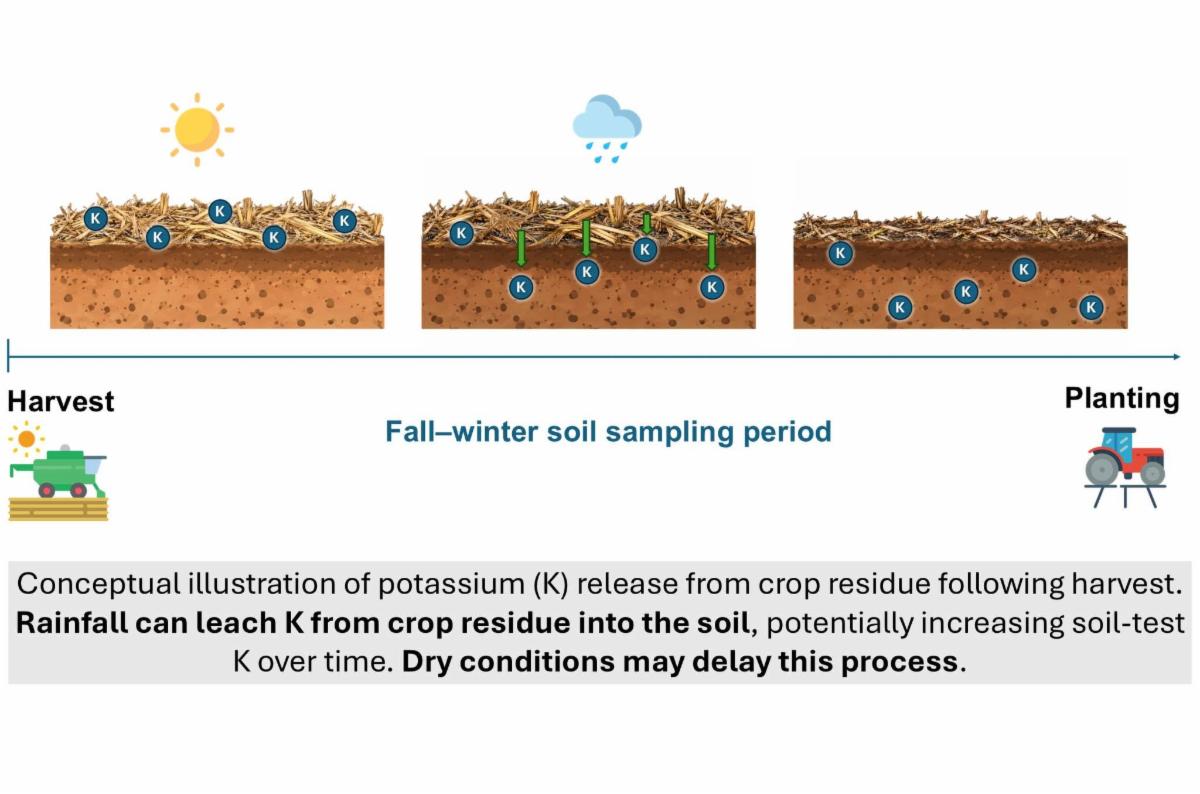
Soil-test potassium (K) levels can change throughout the year, with rainfall playing an important role.
Given the recent dry conditions in Arkansas, our latest blog discusses factors affecting soil-test K and considerations when making fertilizer decisions this fall
https://www.uaex.uada.edu/.../posts/soil-test-potassium.aspx
Key Takeaways from our blog:
- Soil-test potassium (K) concentrations can change throughout the year. Seasonal fluctuations can impact fertilizer recommendations.
- Crop residue and rainfall matter. Rainfall can release K from crop residues after harvest, but dry conditions may delay this process.
- Keep soil sampling consistent. Sample at a similar time each year and maintain the recommended sampling depth across samples.
-
Investigate unexpected results before changing fertilizer rates. Soil moisture and clay minerals can influence soil-test K. Compare results with previous soil tests, recent weather, crop history, and fertilizer applications before making substantial adjustments. Using a history of soil test values (multiple years to track trends in soil-test K) will help prevent over- or under-fertilization.
| | |
Variety Trial Information
All of the Faulkner County variety trial results can be found on our website listed below.
| | |
Winter Production Meetings
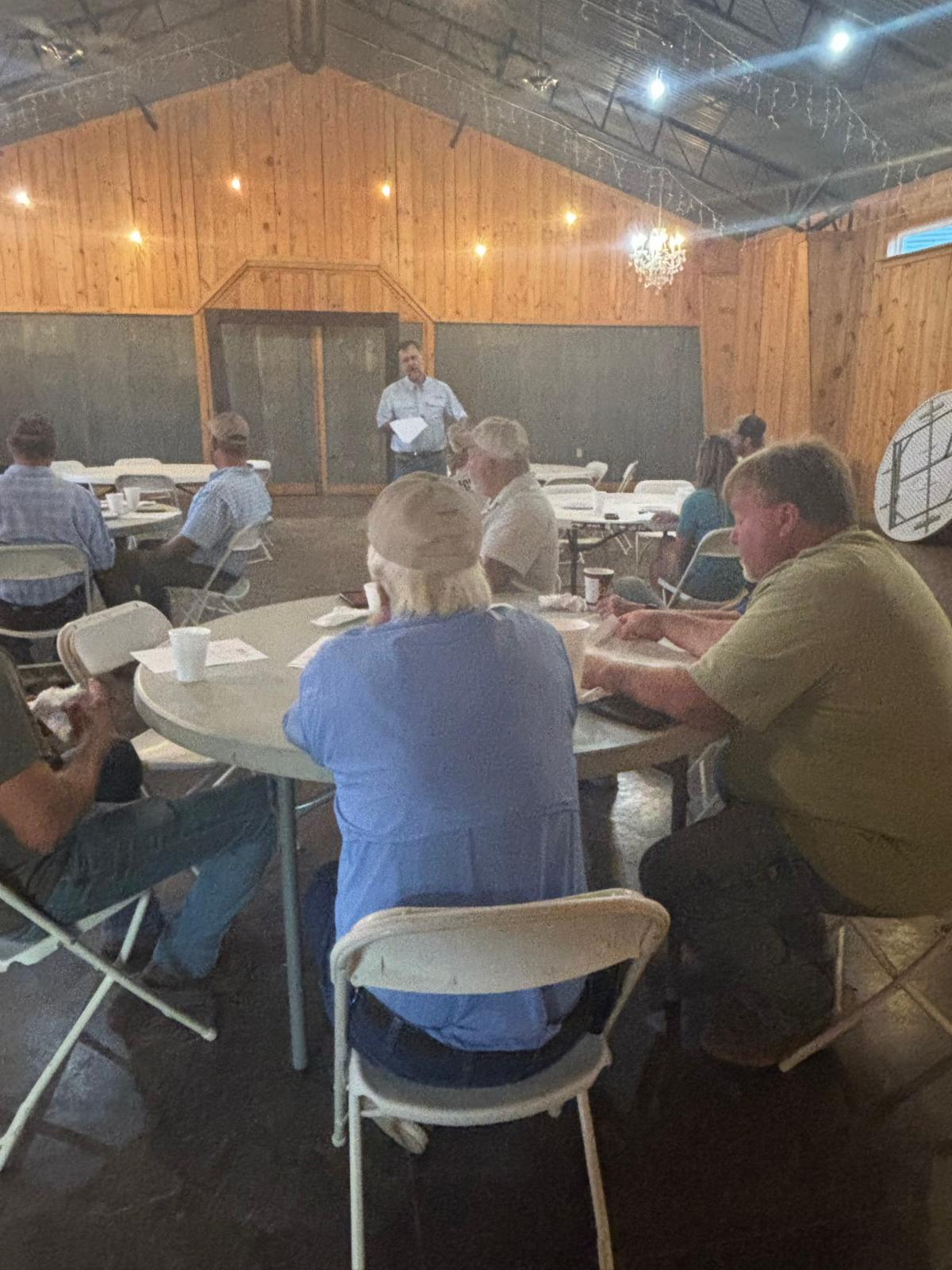
Save the dates for our upcoming Winter Production Meetings.
Soybean & Corn - January 29 will be at the Conway County Extension Office
Rice - March 4 - Place TBD
| | |
Preliminary Rice Cultivar Report
by Jarrod Hardke, Rice Extension Agronomist
Preliminary results from the 2026 Arkansas rice cultivar testing program are available at the below link. Data is not finalized and may appear differently in final publication. Final publication typically occurs in November or early December. Thanks to growers, research station staff, and county Extension agents for their support of these trials. Also, thank you to the rice growers of Arkansas for their support via the Arkansas Rice Check-Off program administered by the Arkansas Rice Research & Promotion Board that make these projects possible.
| |
2027 Wheat Quick Facts
by Dr. Jason Kelley – Extension Agronomist – Wheat and Feed Grains
Chris Elkins – Program Associate – Soybean and Wheat Verification Program Coordinator
The 2027 Arkansas Wheat Quick Facts publication is now available! This quick reference guides provides up to date information on seeding rates, planting depth, weed and pest control, disease management and more.
| |
El Niño and Brazil’s Second-Season Corn: Should We Be Concerned?
Bruno Pinto, Teaching Assistant Professor, University of Arkansas, Agricultural Economics and Agribusiness,
It is not news that Brazil is a powerhouse in agricultural production, especially in soybeans and corn. What may be news for some is that these two crops are strongly linked in Brazil through double cropping. About 80% of Brazil’s corn production happens as a second season corn crop, known as safrinha, immediately after the first crop (usually soybeans) is harvested. However, corn being planted as a second crop is more exposed to weather risk in the most sensitive growth stages of the plant (flowering and grain filling), so it is crucial that it is planted within the low-risk window, and that the first crop is harvested on time. With a record El Niño forming, the question for 2027 is whether the safrinha will be planted on time.
In Mato Grosso (Brazil’s largest corn-producing state), soybeans are planted mostly from mid-September through October and harvested mostly in January and February. However, the low-risk window to plant safrinha, defined by Brazil’s official agricultural climate risk zoning (ZARC), ends between early February and mid-March, depending on the region and the soil.
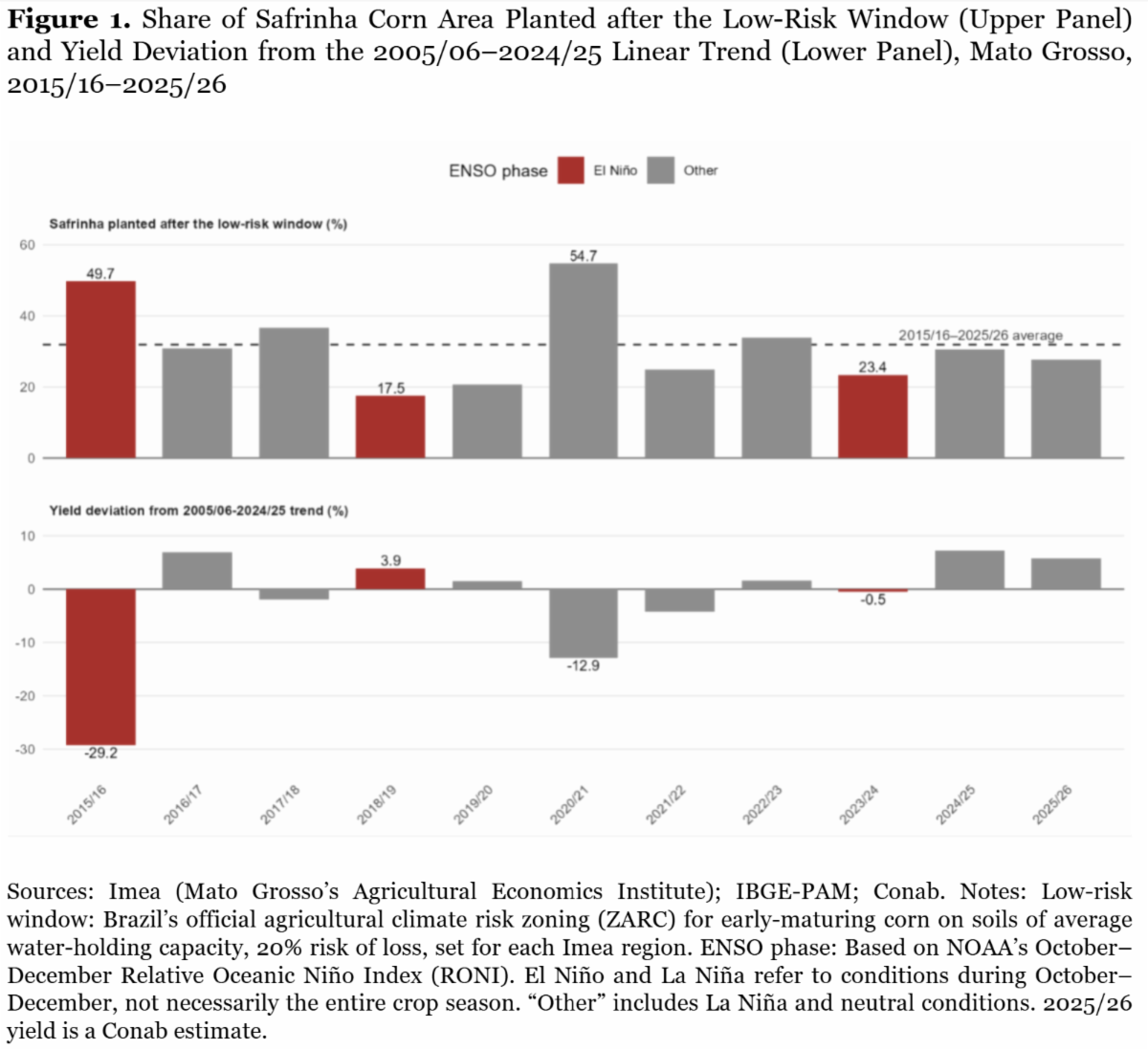
According to the National Oceanic and Atmospheric Administration (NOAA), there is a 75% chance that the current El Niño will be the strongest recorded since 1950 for the October through December period, which coincides with Brazil’s soybean planting. If the consistency of rainfall is affected by this phenomenon, it can delay soybean planting, especially because most of the soybean area in Brazil is rainfed. If soybean planting is delayed, it may push safrinha corn planting to later dates, which could be after the low-risk window closes. Figure 1 shows the share of safrinha area planted after the low-risk window and the yields compared with the trend for each season in Mato Grosso.
In a typical season, about 3 in 10 hectares of safrinha in Mato Grosso are planted after the low-risk window (Figure 1). In the 2015/16 season, the last very strong El Niño, almost half of the safrinha area was planted after the window. Planting was also heavily delayed in 2020/21, a La Niña year: almost 55% of the area was planted after the low-risk window. In both years, we had a significant decrease in yields compared with the trend: a 29% reduction in 2015/16, and almost 13% in 2020/21. In the other nine seasons, yields stayed near the trend. In 2015/16, El Niño also affected the growing season, which may have compounded the effect of delayed planting: rains that usually last until late May stopped in April, when most of the corn in Mato Grosso was flowering and filling grain (Agrolink, 2016a, 2016b).
However, El Niño does not always delay the safrinha. In 2018/19 and 2023/24, weaker El Niño seasons, only 18% and 23% of the area, respectively, were planted after the window, and yields were at or above the trend. What matters is whether the rains start late, which El Niño makes more likely, but does not guarantee.
| | If the 2026/27 El Niño affects the soybean planting and harvesting time, pushing safrinha to be planted after the low-risk window, Brazil may have lower yields again. This can impact global prices and quantities as most of Brazil’s corn exports come from the safrinha, which competes directly with U.S. corn in the second half of the year. If the El Niño effects last for more than just the soybean season, reaching the safrinha growing season, the effect may be even larger. It is still too early to say what the effects of this El Niño will be, but three numbers are worth watching: soybean planting in Mato Grosso by October 31 (in 2015/16 and 2020/21, it was below 60%), the soybean harvest by February 20, and rainfall in April, when the safrinha is flowering. | | Beef, Small Ruminants, & Forages | | |
Recapturing Body Condition in the Cowherd
Mark Z. Johnson, Oklahoma State University Extension Beef Cattle Breeding Specialist
In 2026, drought-stressed pastures and intense heat could easily result in cows that are thinner than normal at weaning this fall. Beef cows follow a normal (and predictable) fluctuation of Body Condition Scores (BCS) across the annual production cycle. As a result of lactation, cows typically drop to their lowest BCS at weaning, then regain weight (and BCS) during the dry period from mid to late gestation, when nutritional requirements are lower. The target BCS at calving is 5 – 6. This prepares cows for the spike in energy requirements at the onset of lactation, and adequate fat stores ensure a timely return to heat and staying on track for a 365-day calving interval.
The Body Condition Scoring System
The BCS system used for beef cattle ranges from 1 to 9. A score of 1 indicates cows that are thin and emaciated, cows of BCS 9 are fat and obese. Pictures and definitions of the BCS system can be found in Chapter 20 of the 8th edition of the OSU Beef Cattle Manual. Typically, late summer/early fall (when cows are slicked off and in the 2nd trimester of pregnancy) is the most accurate and best time of the management cycle to evaluate BCS. Weaning time or at fall pregnancy checks is realistically the most convenient time of the annual management cycle to capture a weight on cows. If cows need to be fed and managed to have adequate BCS by the start of calving season, managing for a target weight gain can be effective.
When condition scoring cows, producers should look beyond age, frame size, depth, length pregnancy status and hair coat. The condition scoring system is intended to provide a consistent system to quantify relative fatness regardless of these other factors that create differences in cow appearance. There is a strong relationship between weight and BCS. For each unit of change in BCS, cows should gain or lose approximately 7% of their BCS 5 weight. For example, a cow that weighs 1,200 lbs. at a BCS 5 should reach a BCS of 6 at 1,284 lbs. or drop to a BCS 4 at 1,116 lbs.
If you find your cowherd in need of recapturing some flesh prior to the anticipated start of spring calving a few months down the road, take action now to reach optimum BCS by the start of your calving season. Short breeding seasons, short calving seasons and uniform calf crops in the future are the result of intentional nutritional management of the cowherd during this time-frame of production.
| |
|
Brucellosis Vaccinations
Faulkner County’s Brucellosis (Bang’s) Vaccination Program will be held Wednesday November 11.
Even though it’s no longer a state law, it is highly recommended to have your heifers vaccinated between the ages of 4 and 12 months against Brucellosis to keep brucellosis eradicated in Arkansas.
A representative from the Livestock & Poultry Commission and the Faulkner County Cooperative Extension Service will offer an on-farm vaccination program at no cost to all Faulkner County cattle producers. If you are interested please CALL the office at 501-329-8344, by Monday November 9 to be added to the schedule. After the registration deadline, a schedule will be put together and producers will be notified.
Producers must have a premise ID. You can apply for a premise ID at the Livestock & Poultry website.
The Livestock & Poultry Commission has stated that each farm where cattle are to be vaccinated MUST have a chute or squeeze chute with a head gate where cattle can be subdued. Even with good facilities, the chances of someone getting hurt are possible. If the proper facilities are not available or safe, the vaccinator has the right to refuse to vaccinate your calves. Calves will not be vaccinated unless the owner or someone representing the owner is present.
| |
Winter Annuals
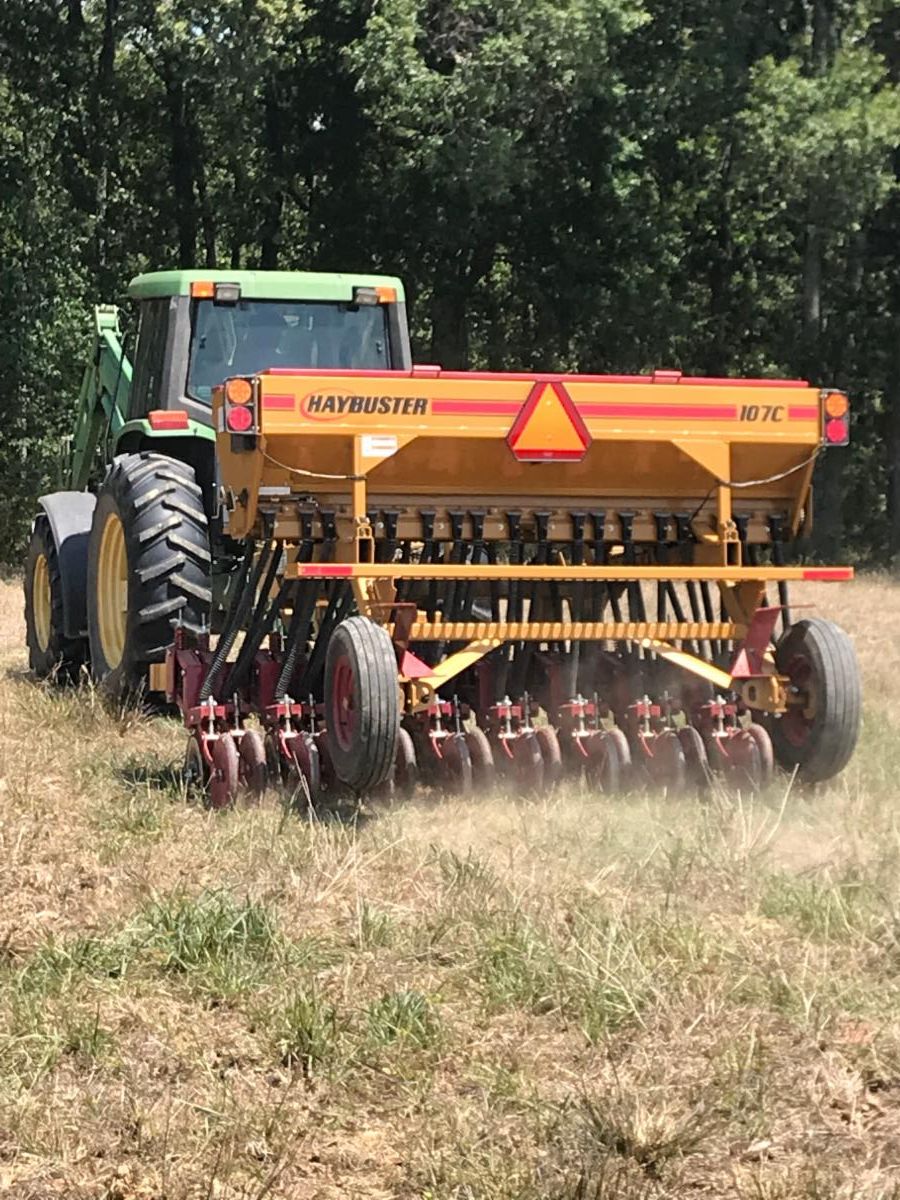
If we do get rain early this week, next weekend will be your last best chance to plant winter annuals for this fall. If it doesn't rain, or you can't get them planted in the next week, I would switch to spring planting.
| |
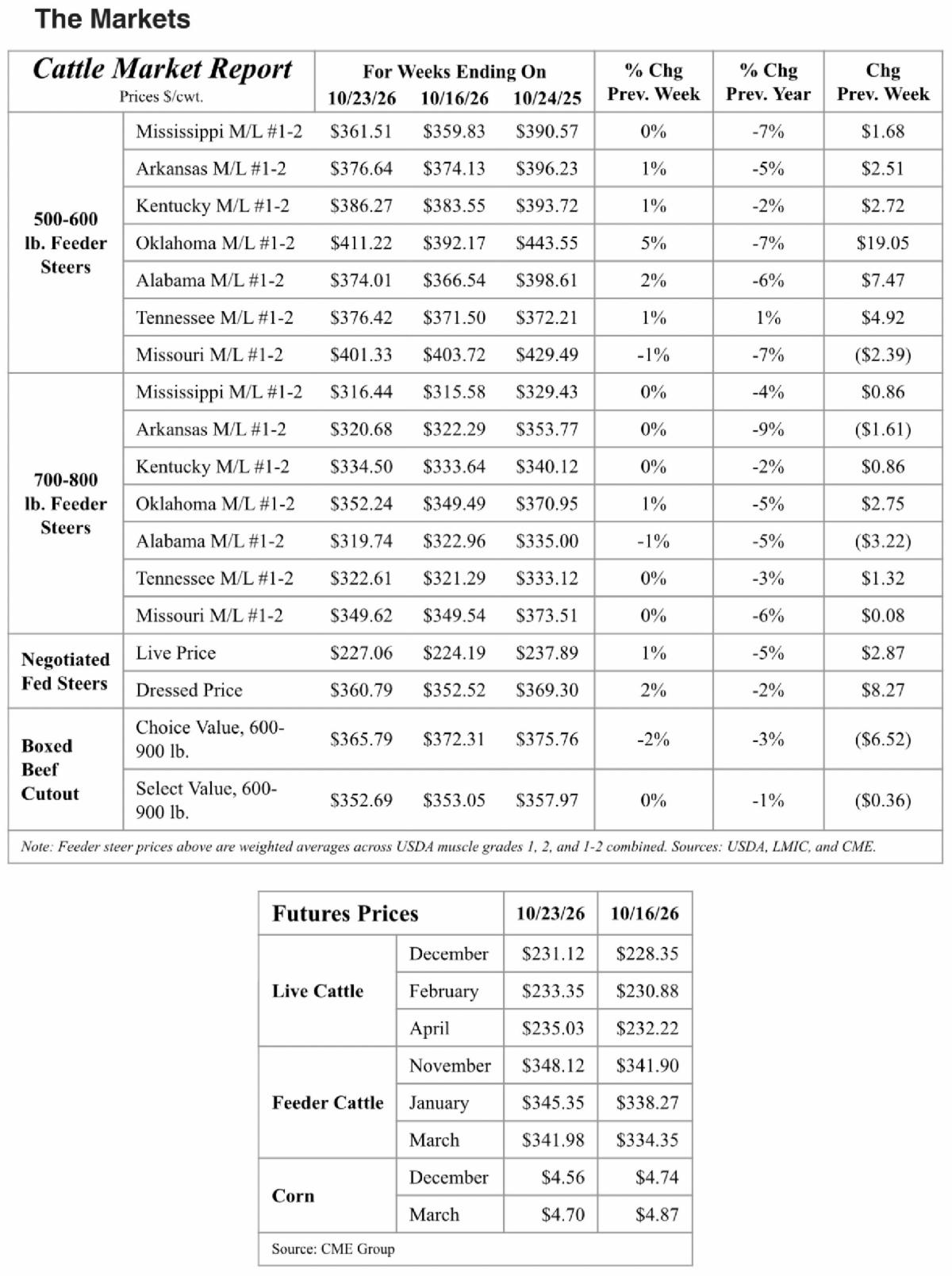
Here is this weeks Cattle Market Notes Weekly | | |
Pesticide Applicator Trainings
There will be no more in person Pesticide Applicator Trainings until this winter. If you need a license you can still do the training online. There is a link below for the online training and a link to check your license status.
| | |
Livestock Market Report
The following links are for the weekly livestock market report from the Arkansas Department of Agriculture website and the Livestock Auction Dashboard from USDA. Both sites have marketing data for all livestock sold at Arkansas Sale Barns.
| | |
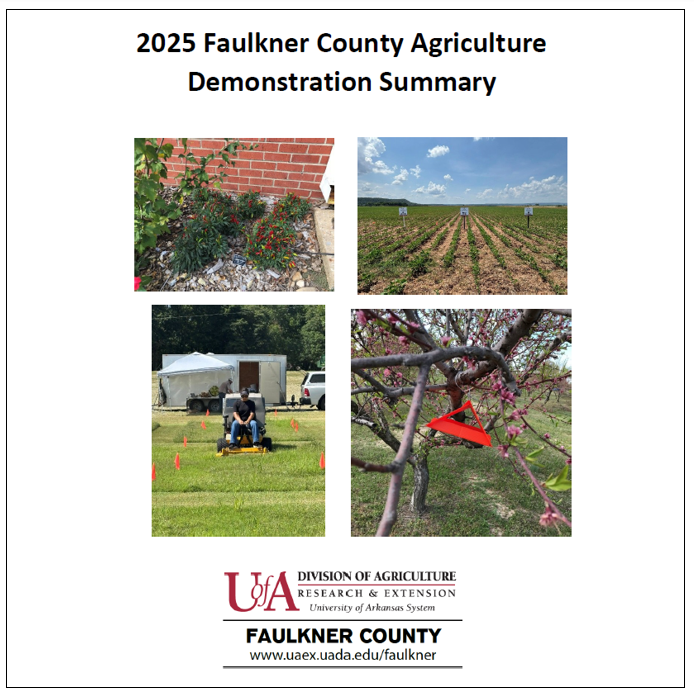
2025 Faulkner County Agriculture Demonstration Summary
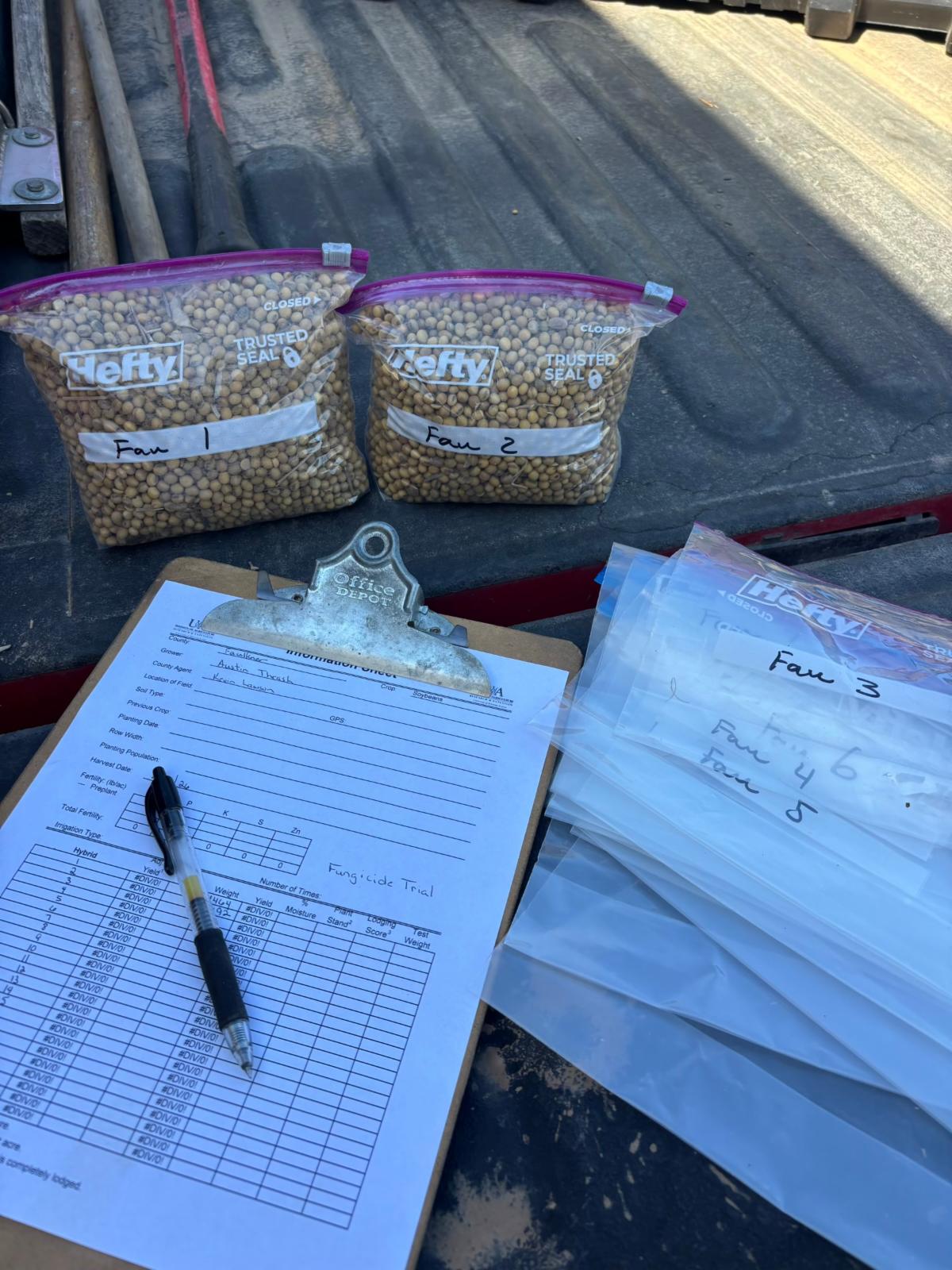
The 2025 Faulkner County Agriculture Demonstration Summary is now available at the link below.
The 2025 Faulkner County Demonstration Summary is a collection of on-site demonstration results conducted in Faulkner County by local County Agents. Demonstrations are the cornerstone of the University of Arkansas System Division of Agriculture Cooperative Extension Service’s mission which is:
“We strengthen agriculture, communities, and families by connecting trusted research to the adoption of best practices.”
On-site demonstrations allow producers and homeowners to see firsthand how Extension recommended varieties and best management practices work in their counties and surrounding area.
| | |
Sign up for Text Alerts
You can now sign up for text alerts from me throughout the year. I have two areas you can sign up for which includes Faulkner Livestock or Faulkner Ag (Row Crop Updates). To sign up you can follow one of these links or use the QR Codes below.
| | Pursuant to 7 CFR § 15.3, the University of Arkansas System Division of Agriculture offers all its Extension and Research programs and services (including employment) without regard to race, color, sex, national origin, religion, age, disability, marital or veteran status, genetic information, sexual preference, pregnancy or any other legally protected status, and is an equal opportunity institution. | | | | |