Wednesday | February 10, 2021
|
|
COVID-19 transmission mitigation efforts instituted since the start of the pandemic have far-reaching effects across the country and through all aspects of our lives. Unfortunately, some pain clinicians believe people with chronic pain could be especially susceptible to unintentional negative consequences brought on by these preventive measures.
Three posters presented at PAINWeek’s 2020 Live Virtual Conference highlight the particular challenges faced by providers of pain management and their patients.
|
|
Mortality stems mainly from illicit drugs, often combined with opioids
Cocaine-, methamphetamine-, and amphetamine-involved death rates doubled about every 4 years since 2010, an analysis of death certificates showed.
The mortality rate involving all stimulants, medical and illicit, rose from 2.913 deaths per 100,000 population in 2010 to 9.690 in 2017, reported Joshua Black, PhD, of Denver Health's Rocky Mountain Poison and Drug Safety division in Colorado, and co-authors.
Mortality rates increased for methamphetamine (annual rate ratio 1.278, 95% CI 1.261-1.295), cocaine (ARR 1.234, 95% CI 1.222-1.245), and amphetamine (ARR 1.118, 95% CI 1.082-1.155), they wrote in a JAMA Internal Medicine research letter.
|
|
Device that counted each drop of hand sanitizer used was of little help
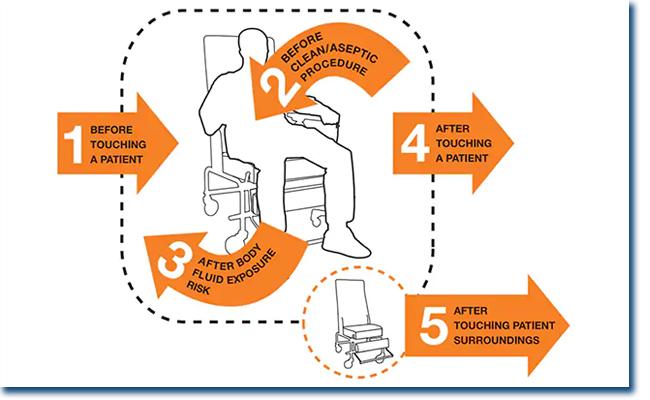
Hospital workers did not improve their compliance with hand hygiene guidelines as a result of a quality improvement intervention using a novel electronic wearable device, a cluster randomized, stepped-wedge clinical trial showed.
Crude compliance with the World Health Organization's "5 Moments" hand cleaning scenarios actually dipped from 66.6% at baseline to 62.9% during the intervention period, though the difference did not reach statistical significance upon adjustment, according to Didier Pittet, MD, of University of Geneva Hospitals in Switzerland, and colleagues.
|
|
Pain Medicine Case Reports (PMCR) and Editor-in-Chief Alaa Abd-Elsayed, MD, PhD would like to invite you to submit case reports and case series to PMCR journal. Your article will be published free of charge.
Open access journals are freely available online for immediate worldwide open access to the full text of published articles. There is no subscription fee for open access journals. Open access journals are no different from traditional subscription-based journals: they undergo the same peer-review and quality control as any other scholarly journal.
Interested in becoming a member of the PMCR Editorial Board?
Editorial board members are asked to review 2-6 manuscripts per year. Please submit your most up-to-date CV to sgold@asipp.org for consideration.
For more information or to submit your articles, click here.
|
|
Abstract
Background: Shoulder pain is a common condition, often refractory to treatment. Peripheral nerve stimulation (PNS) of the suprascapular nerve (SSN) can be efficacious in providing relief of shoulder pain while improving pain-related quality of life (QOL). The objective of this case report is to demonstrate the effectiveness of a minimally invasive wireless PNS in the treatment of chronic shoulder pain.
Case Report: This 94-year old man presented with severe shoulder pain. He suffered from poliomyelitis as a child affecting his left leg, forcing him to use crutches to be ambulatory. He developed progressive right shoulder pain and was subsequently diagnosed with right glenohumeral osteoarthritis. The patient was treated semiannually for 4 years with corticosteroids injections and pain medication with minimal relief (7 out of 10 on the Visual Analog Scale [VAS]). A suprascapular block with lidocaine 2% resulted in significant pain reduction (1 out of 10 on the VAS). As a result, the patient opted for wireless PNS of the SSN via a minimally invasive procedure. Two weeks post implant, the patient reported no postoperative pain, and his chronic pain was rated 0 out of 10 even during movement. Reports of reduced pain were sustained throughout the 6 months of observation with subsequent improvements in QOL and functionality.
|
|
Join the 2021 Annual Meeting in New Orleans,
June 24-26, for the first on-site, COVID-Compliant Meeting
|
|
The 23rd annual meeting will be educational (providing much need CME credits), exciting, and will offer the long-awaited ability to leave our homes and attend meetings in person in a safe and responsible manner.
We are working on making the program highly relevant for our changing healthcare system and environment. We will also bring you cutting-edge lectures on exciting new technology, world-renowned speakers, and much, much more. Registration is now open. Topics will include: COVID-19, economics, burnout, social media, metabolic health, regulatory issues, scientific advances in IPM, and much more!
|
|
DOJ accused Athenahealth of proffering luxury trips, referral fees to prospects and clients
Electronic health record (EHR) company athenahealth will pay $18.25 million to settle charges that it paid illegal kickbacks to sell its products, the Department of Justice announced.
The DOJ alleged that athenahealth violated the False Claims Act and the Anti-Kickback Statute in three marketing programs aimed at generating sales for its EHR product athenaClinicals.
First, the company invited prospective and existing customers to sporting and entertainment events like the Kentucky Derby and the Masters Tournament, doling out free travel and luxury accommodations, meals, and alcohol, the department said. The firm agreed to the settlement without admitting guilt.
|
|
Roger needed no convincing that taking a statin could prevent his early death. At age 52 years, he had mixed lipidemia, severe peripheral vascular disease, obesity, fatty liver disease, and a previous femoral artery occlusion. But as he explained to the investigators of the SAMSON (Self-Assessment Method of Statin Side Effects or Nocebo) trial, he’d already tried 3 different statins and discontinued each one due to the dreadful muscle pain he felt while taking them.
“He was totally gobsmacked when we unblinded the results of SAMSON and showed him that his worst months—including muscle pain so bad he couldn’t get out of bed—were from placebo,” said cardiologist James P. Howard, MB BChir, clinical research fellow at Imperial College London and co–first author of the SAMSON report published in the New England Journal of Medicine. After discovering that he reported feeling fine during the months of the trial that he received a statin, Roger resumed statin therapy with no symptoms for the 4 years since receiving his personal results.
|
|
Abstract
Background: Transforaminal epidural injections have been used since the late 1990s to treat lumbar radicular pain. They have been the subject of considerable attention, with varying conclusions from systematic reviews as to their efficacy. Transforaminal injections have been associated with rare but major complications. Further, the use of transforaminal injections has increased since the passage of the Affordable Care Act. Finally, with the SARS-CoV-2 pandemic, there has been heightened concern regarding the risk associated with steroid injections.
Objectives: To evaluate and update the effectiveness of transforaminal injections for 4 indications: radicular pain; from spinal stenosis; from failed back surgery syndrome; and for axial low back pain; and to evaluate the safety of the procedure.
Study design: A systematic review and meta-analysis of the efficacy of transforaminal injections.
|
|
ASIPP® is pleased to announce the publication of the Comprehensive Evidence-Based Guidelines for Epidural Interventions in the Management of Chronic Spinal Pain. In preparation of the guidelines, an extensive literature review was performed. The 210-page guidelines contains 33 figures, 48 tables, 1,345 references and has 60 authors.
In addition to the review of multiple manuscripts in reference to utilization, expenditures, anatomical and pathophysiological considerations, pharmacological and harmful effects of drugs and procedures, for evidence synthesis, we have included 47 systematic reviews and 43 RCTs covering all epidural.
|
|
Vaccine 'Hunger Games'
Americans are crossing state lines to get vaccines, and health officials often don't stand in the way, the New York Times reports.
Given that states have different eligibility rules, patients are making appointments wherever they can get them -- and they're often notified by "vaccine hunter" groups that crowdsource and broadcast appointment availability on social media.
|
|
In facilities where 24/7 intensivist care was not available, outcomes were better when care was delivered by "tele-intensivists" versus traditional care models, researchers reported.
Among patients treated at one of nine hospitals within the Cleveland Clinic Health System, those who received ICU telemedicine were 18% less likely to die and were released from the hospital an average of 2 days sooner than patients who received traditional ICU care, without round-the-clock on-site intensivist care.
|
|
After reading the 2021 Abstracts & Poster Presentations guidelines, please complete the form along with the presenter's CV by clicking here. Questions can be directed to Savannah Gold at 270-554-9412 x 4219 or sgold@asipp.org.
- Selected manuscripts will be presented in electronic poster presentation.
-
Top 25 will be published in the Pain Physician journal.
- Top 10 will be selected for abstract presentation at meeting.
- Top 3 will receive cash prizes.
A $50 submission fee is required, and will be collected at the end of this form.
Proposals will be accepted until April 14, 2021
|
|
FDA in 2018 released its Medical Device Safety Action Plan and draft guidance on cybersecurity considerations for premarket submissions. However, since then, the agency has made little progress on the cyber regulatory front, especially last year as FDA's medical device priorities were disrupted by the COVID-19 pandemic.
Making matters worse, cyber experts contend the chaos of the coronavirus public health crisis has created the perfect storm for hackers to exploit medical device vulnerabilities, which are potentially easy targets for cybercriminals who see them as entry points into hospital networks.
|
|
up-to-date news related to you, your practice, and patients!
|
|
Since this malpractice insurance program officially launched in November 2018, ASIPP has sign up hundreds of providers with an average savings of 30%. This is a professional liability insurance that is tailored to our specialty and will stand up for us and defend our practices.
Norcal Mutual is 'A' Rated by AM best and is license in all 50 states. To read a few important points to keep in mind about the program, including discounts, administrative defense, cyber coverage, aggressive claims handling, and complimentary award-winning risk management CME activities, click here.
|
|
ASIPP has formed a partnership with Henry Schein and PedsPal,
a national GPO that has a successful history of negotiating better prices on medical supplies and creating value added services for the independent physician. Working with MedAssets, PedsPal provides excellent pricing on products like contrast media that alleviate some of the financial pressures you experience today.
|
|
All sessions from the September 2020 meeting are available through June 2021 for a reduced fee. On-demand registration also provides access to all of the great resources available in the exhibit hall.
*Recorded sessions are not eligible for CME credits.
|
|
ASIPP is now offering our members the benefit of a unique revenue cycle management/billing service. We have received a tremendous amount of interest in the ASIPP billing and coding program. Click here to learn more about the negotiated rate for practices and more!
|
|
|
|
|
|
|