Faulkner County Agriculture Update
September 25, 2026
| | |
2026 Faulkner County Farm Family of the Year
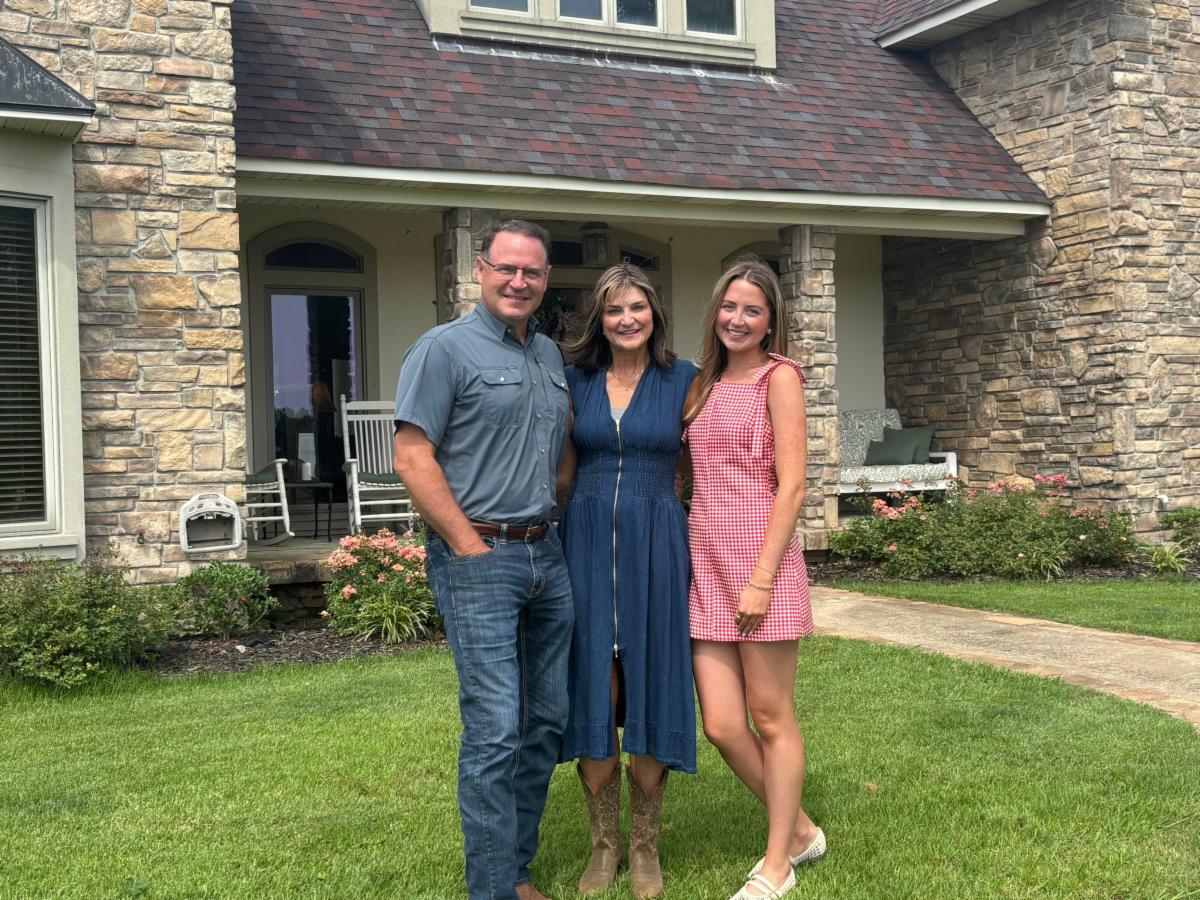
The 2026 Faulkner County Farm Family of the Year are the Jeremy and Kristen Riddle Family. Their Ranch name is Cornerstone Ranch and it is located in Springhill.
Jeremy and Kristen have three children, Payton, who graduated from Arkansas Tech as a Mechanical Engineer and works for Harrison Energy Partners in Springdale, Preston, who graduated this year from the University of Arkansas with an Ag Business Degree and Sydney, who just finished up her Sophomore year at the University of Arkansas as a Pre-med major. The Riddles have been farming for 45 years.
Jeremy and Kristen farm cattle and hay on about 1100 acres. They custom bale hay on their farm and average about 3.2 tons of hay per acre annually. They maintain approximately 250-300 head of steers at various stages of conditioning. They are initially conditioned on their farm and then finished out at Ward Feed Lot in Kansas. In addition to the steers, for the last two years they have purchased a pot load of heifers in the spring at 500lbs and placed 3 to 4 bulls in the pasture once the heifers reach 850 to 900 lbs. They then sell them as bred heifers when they reach the third trimester.
Quality of forage has been a main focus for the Riddles. When they started, the ground was very poor and no cross fencing in place. The first thing they did was get a contract with the NRCS to provide cool season and warm season grasses, cross fence and install water tanks. They were able to create 14 paddocks that allows them to keep the steers off a paddock for 28 days before regrazing. Soil Samples are taken every other year.
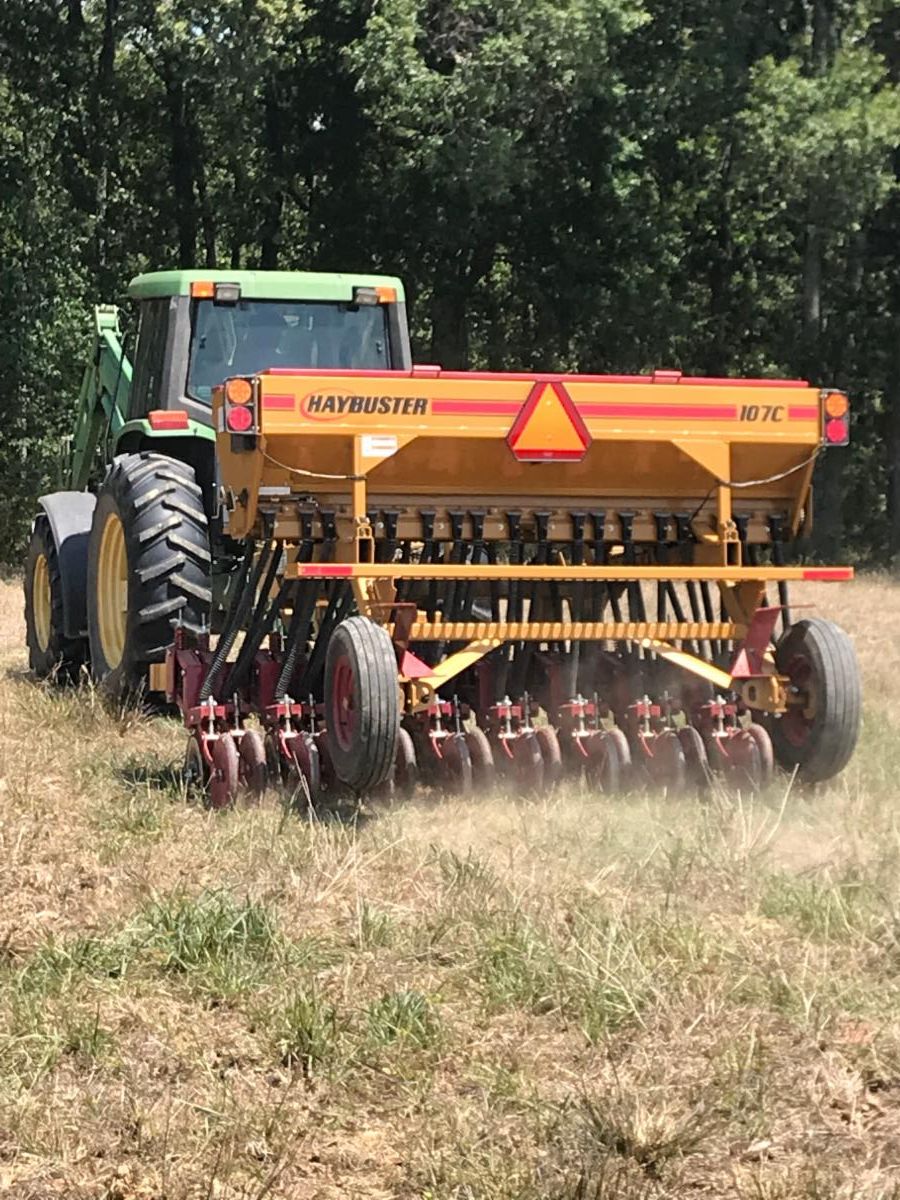
Jeremy serves on the board of directors for the Faulkner County Conservation District. He stores all of the equipment the FCCD rents to local farmers on their farm, including 3 No-till Drills, a sprayer, a litter spreader, a tree saw, a 8’ three point disc and cattle scales. When producers come to pick up the equipment they’ve rented he has the privilege of getting to know them and learn about their operations and lessons that either worked or didn’t. It’s been a true joy.
This year, the Arkansas Grazing Lands Coalition in cooperation with the University of Arkansas Division of Agriculture Cooperative Extension Service established a demonstration to show producers of Faulkner County the best way to establish a crabgrass stand. The demonstration was established on their farm. Treatments included drilled versus broadcasted planting in three different environments. The two planting methods were established in suppressed sod, non-suppressed but bushhogged sod, and no suppression or bushhogging. Jeremy hosted a Pasture Walk and a Cattlemen’s meeting to look at the demonstration.
Jeremy serves as Chairman of the Board for Soaring Wings Ranch. It is a Christian organization that helps single moms and their kids get back on their feet with counseling and life training. This is a working cattle ranch that he has helped establish. His goal is to take the same conservation concepts that have worked so well on their farm and begin implementing them on the ranch’s 200 acres. He has just started to build their herd of black angus cattle with the help of some very generous donors. The ranch has 15 head of mommas and a loaner registered black angus bull. With cattle prices being so high these last couple of years it has allowed the ranch to have the funds to start improving pastures with hopefully more cross fencing in the near future.
Kristen, is currently serving as the President of the National Community Pharmacists Association. This is a 14 year commitment and she is in year 13. It’s an 18,000 member association. This has been a huge responsibility. They have traveled the world representing community pharmacy’s in the United States. When she has time she also works at their pharmacy, American Home Pharmacy, located in Clinton, AR.
Congratulations to the Jeremy and Kristen Riddle Family!
| | |
Weather
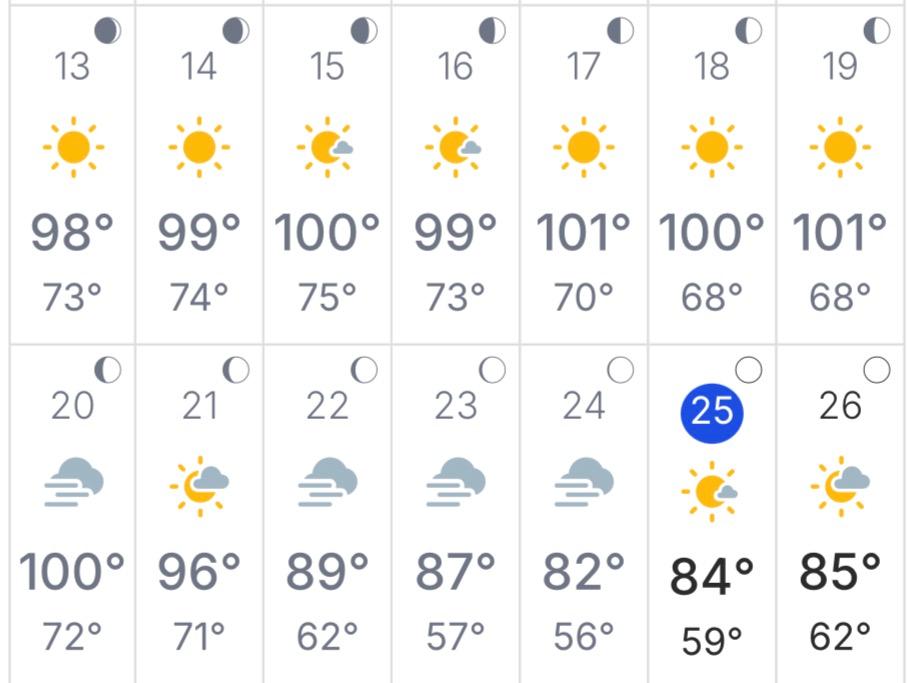
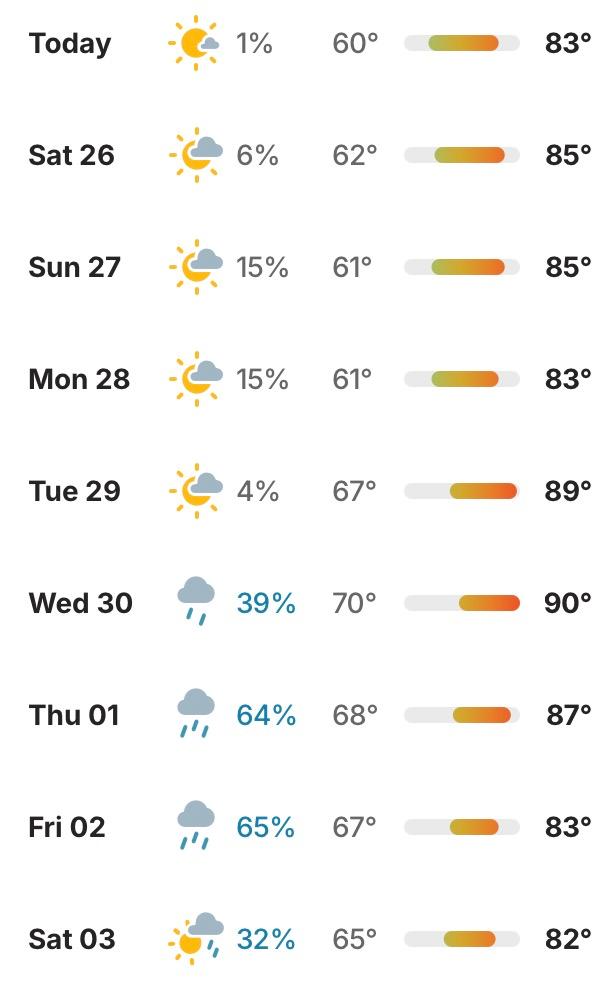
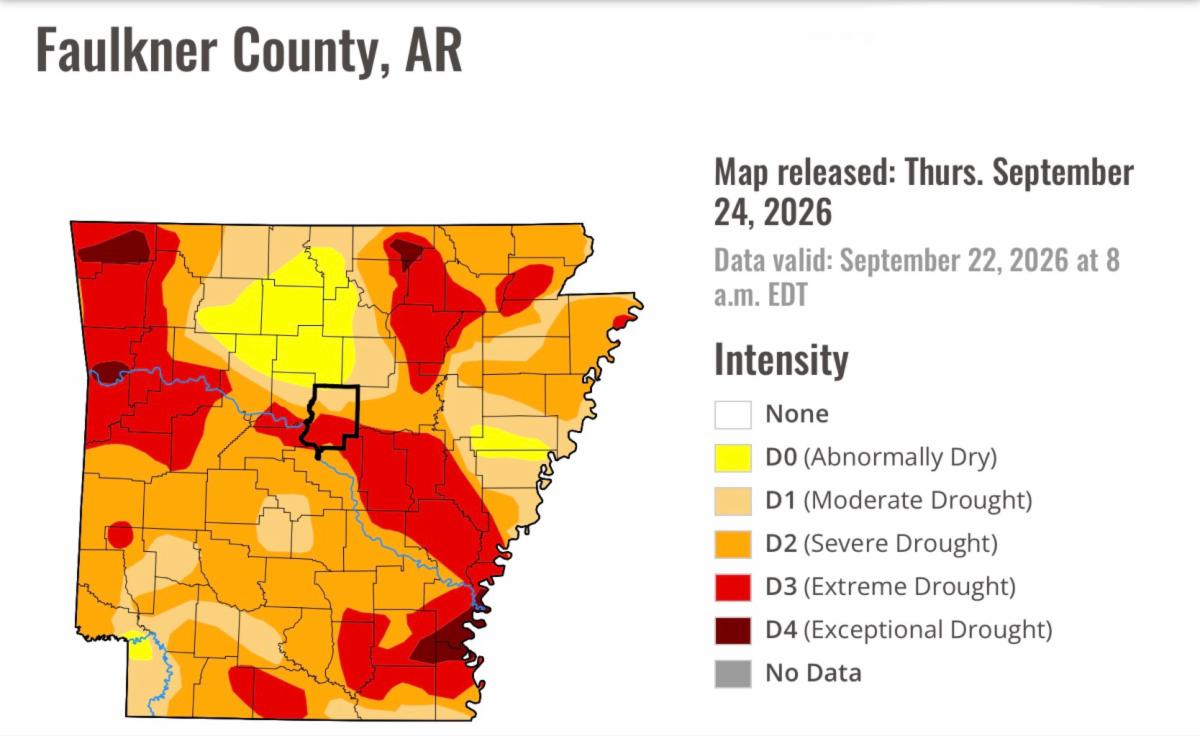
We finally got a break in the heat with a week of temperatures in the 80's. It was really nice especially with the fair going on this week. It looks like we will keep those temperatures into next week with our first really good chance of a rain in several weeks. Hopefully we will get a significant rain.
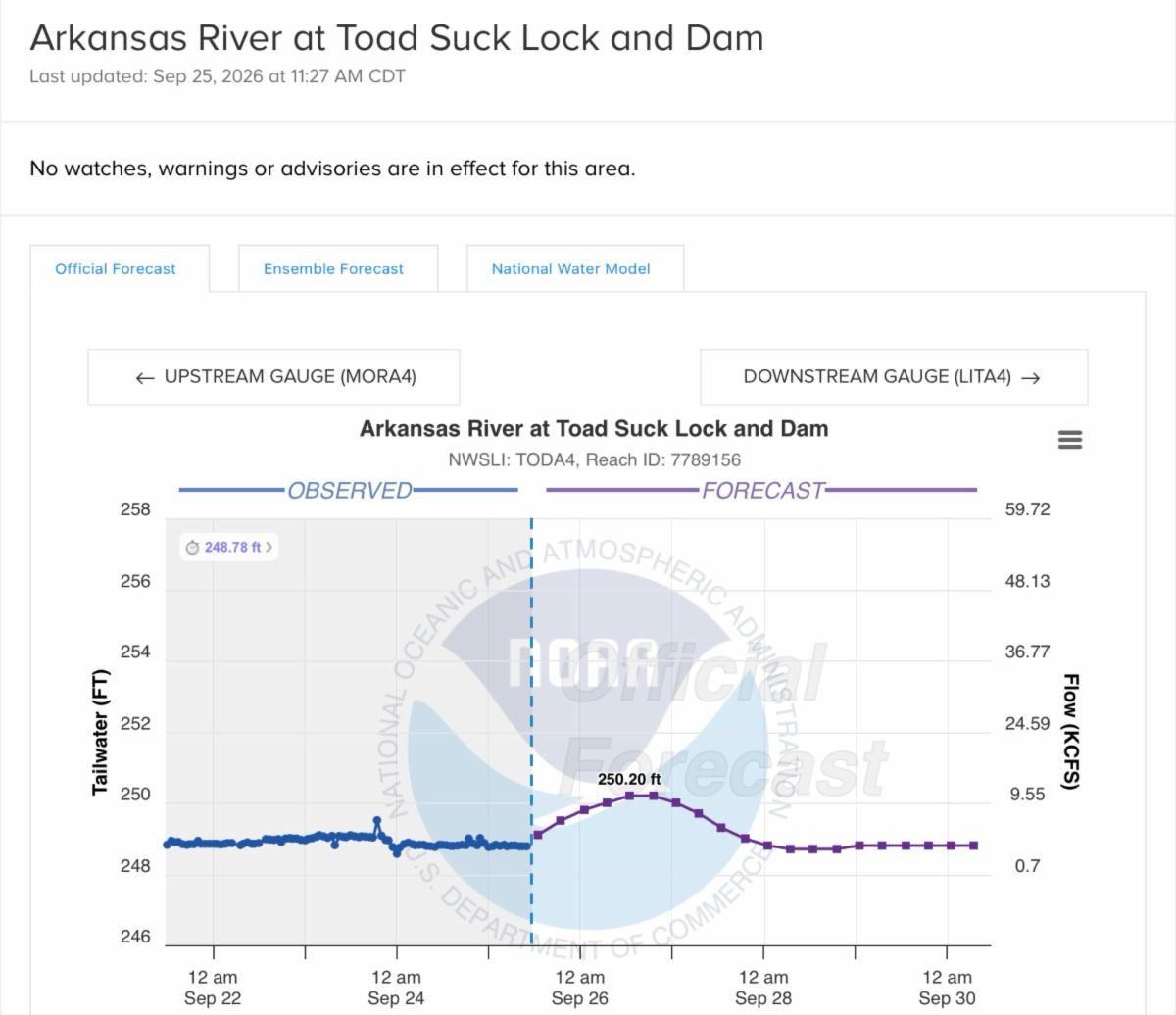
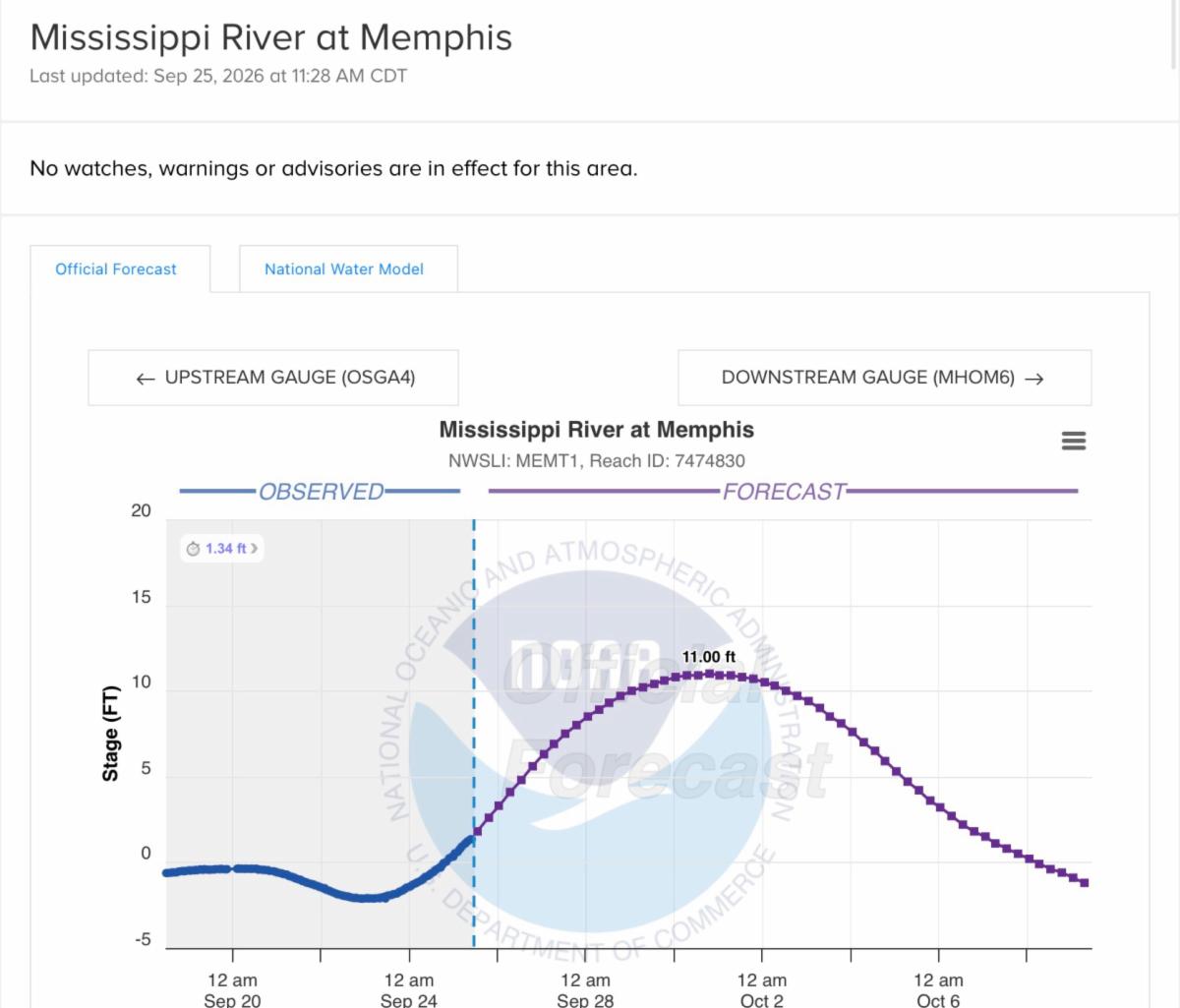
| | Arkansas and Mississippi River | | |
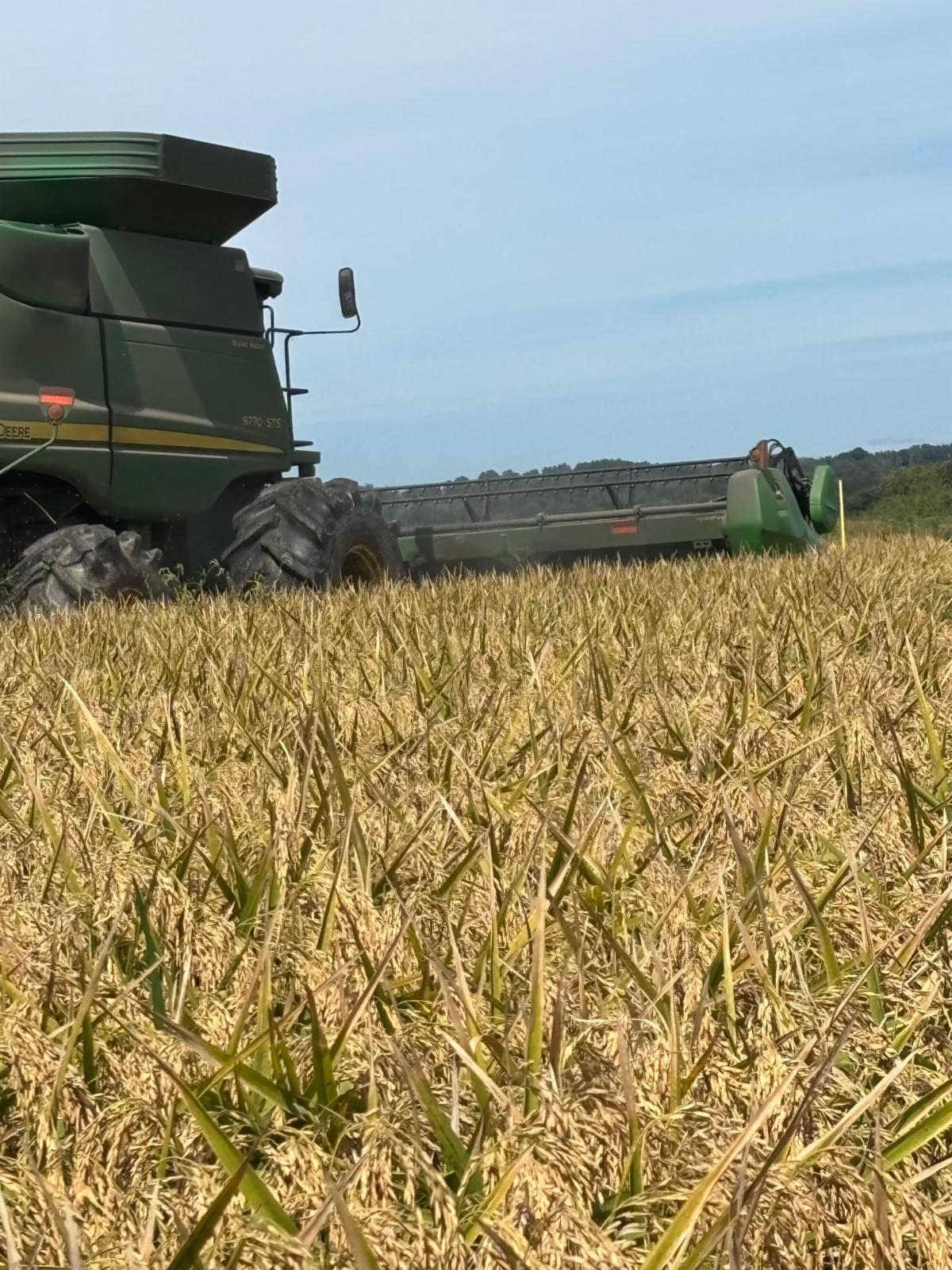
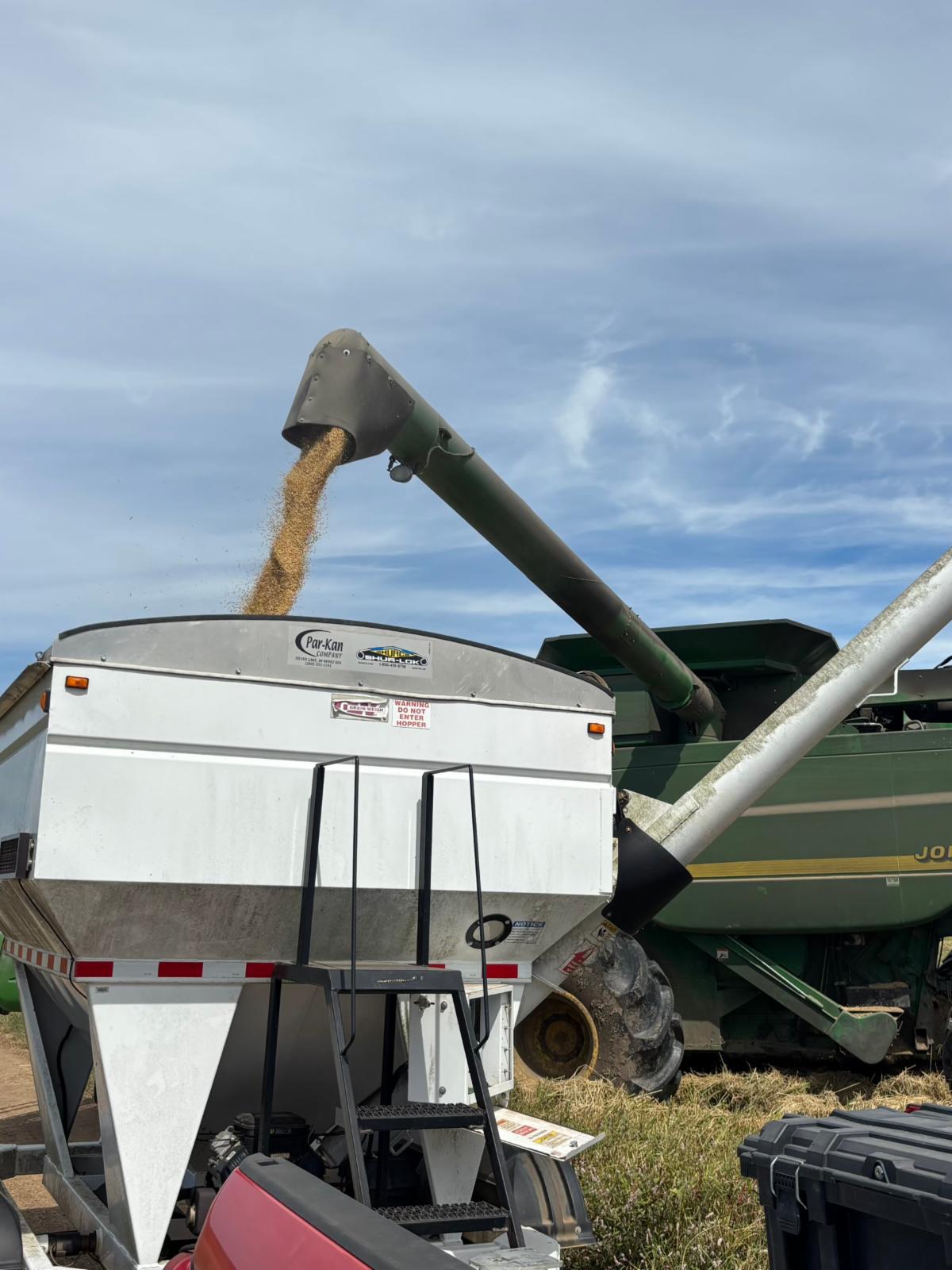
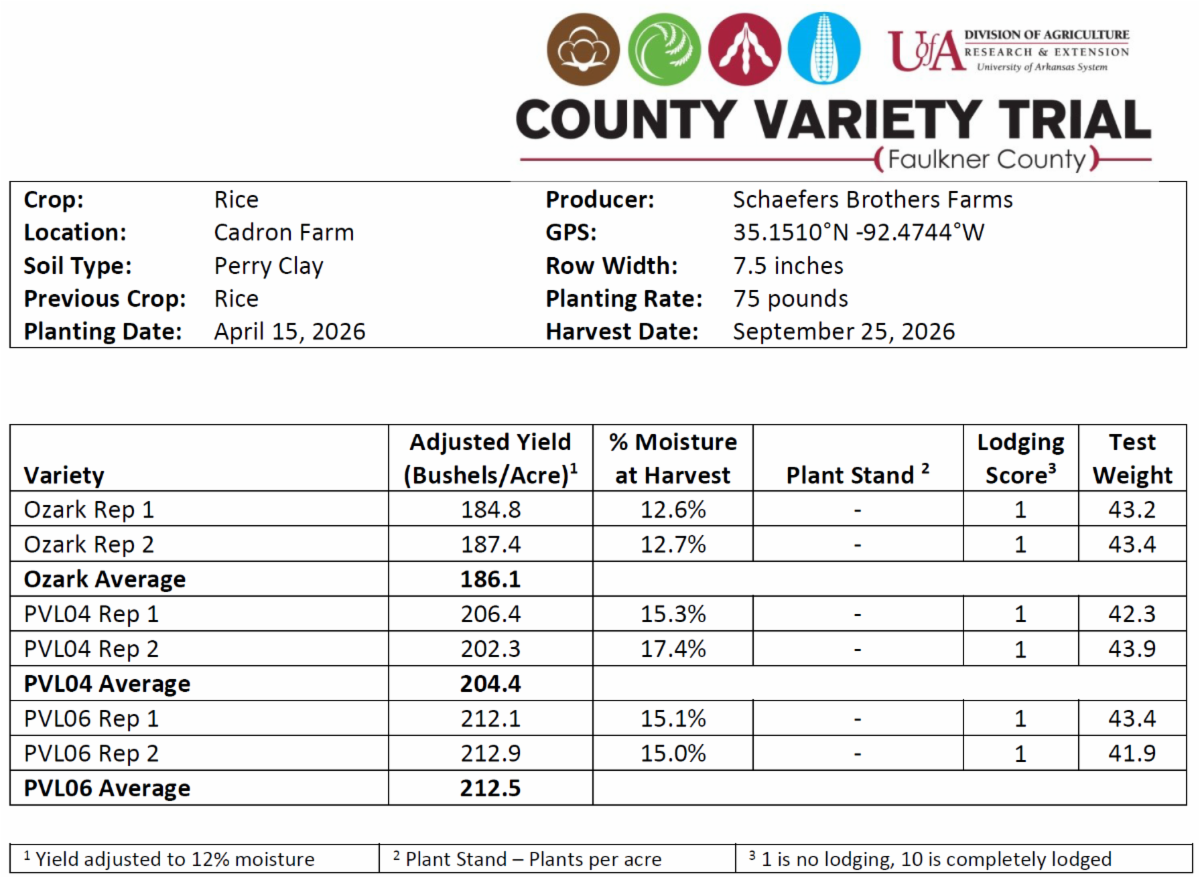
Rice harvest is just about to wrap up in Faulkner County for 2026. We have one field left to finish up then we will be done. Overall it sounds like yields were good, but milling may be another story.
We harvested our Provisia variety trial this week and the PVL06 did well. We harvested two strips out of each plot and averaged the numbers together. Samples were taken out of each plot and sent off for milling. Once we get the milling back I will put out a complete report.
| | Dr. Jarrod Hardke's Rice Update | | |
Soybeans
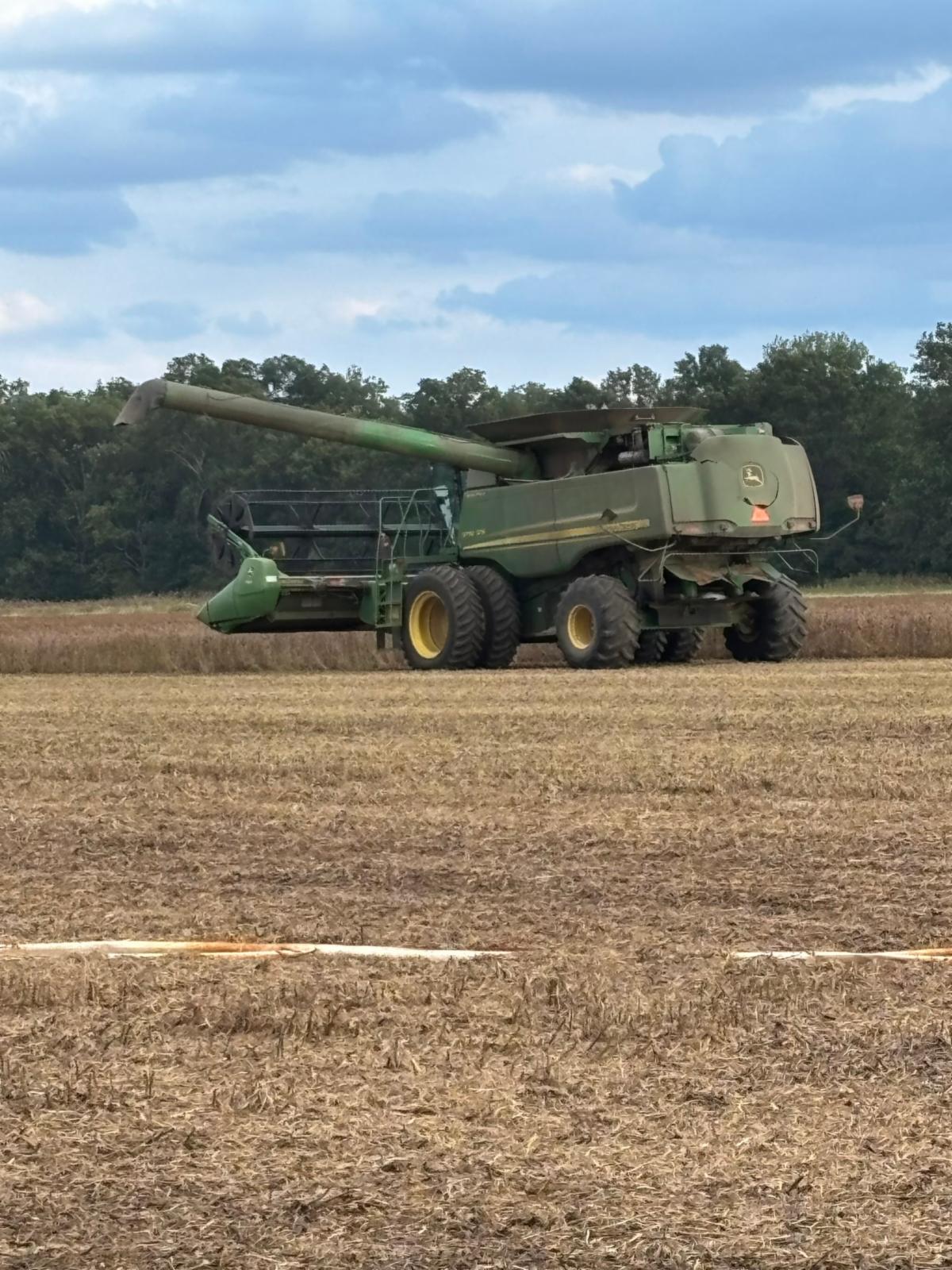
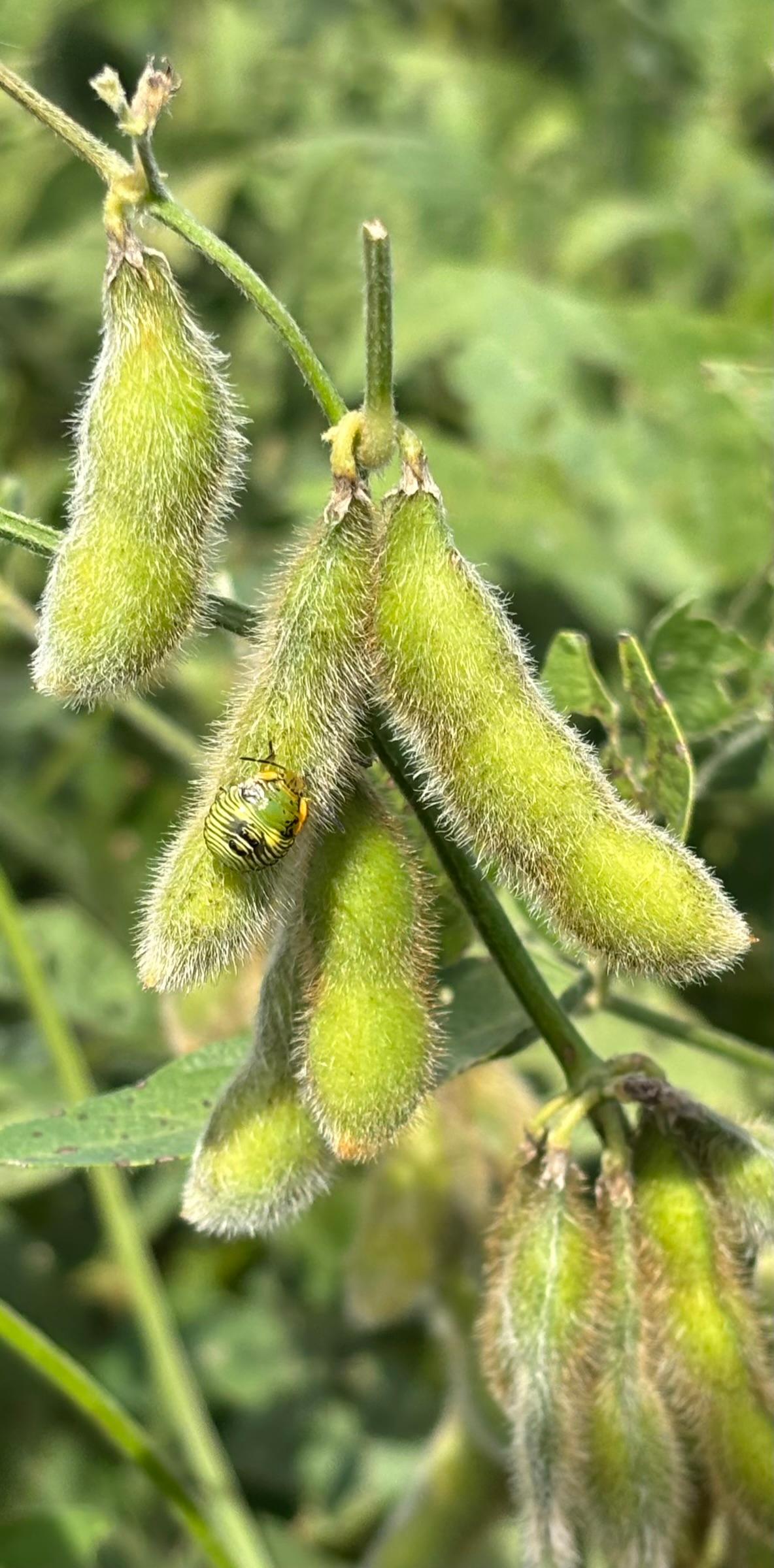
Soybean harvest has started with the first field getting finished up today. Yields sound good, but quality has me worried. Looking at fields I am not sure how good things are going to turn out this year.
I have had some questions on paraquat as a harvest aid. We have fields that are trying to pop out and they still have green leaves and stems. Apply 10 ounces plus a surfactant when 1/2 the leaves have dropped and the other 1/2 are yellow.
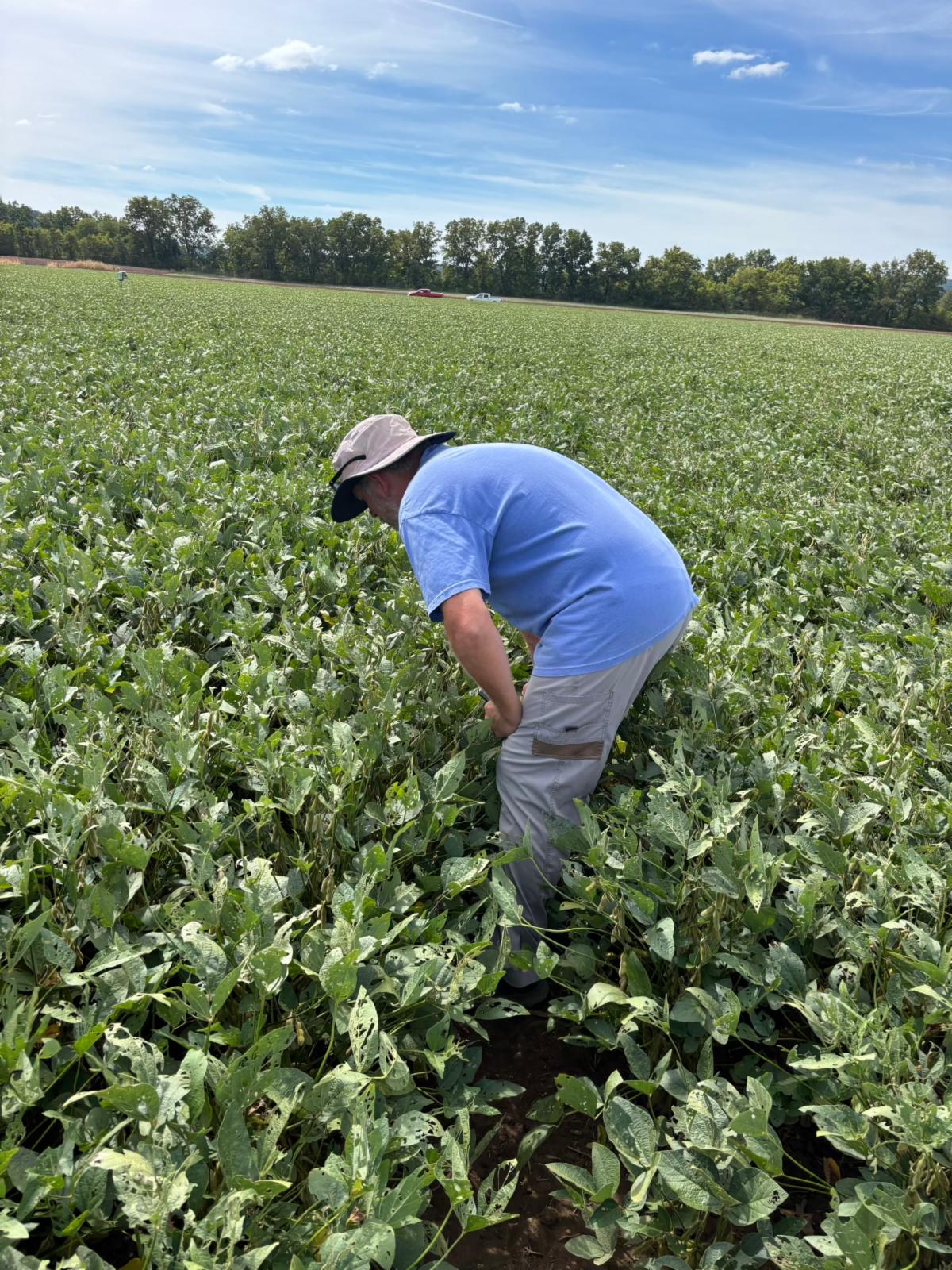
We also rated the fungicide research trial this week. Dr. Terry Spurlock came up and rated the plot for frogeye. The results look good. He will get the data summarized and I will have it for our row crop meeting this winter.
| | |
Corn
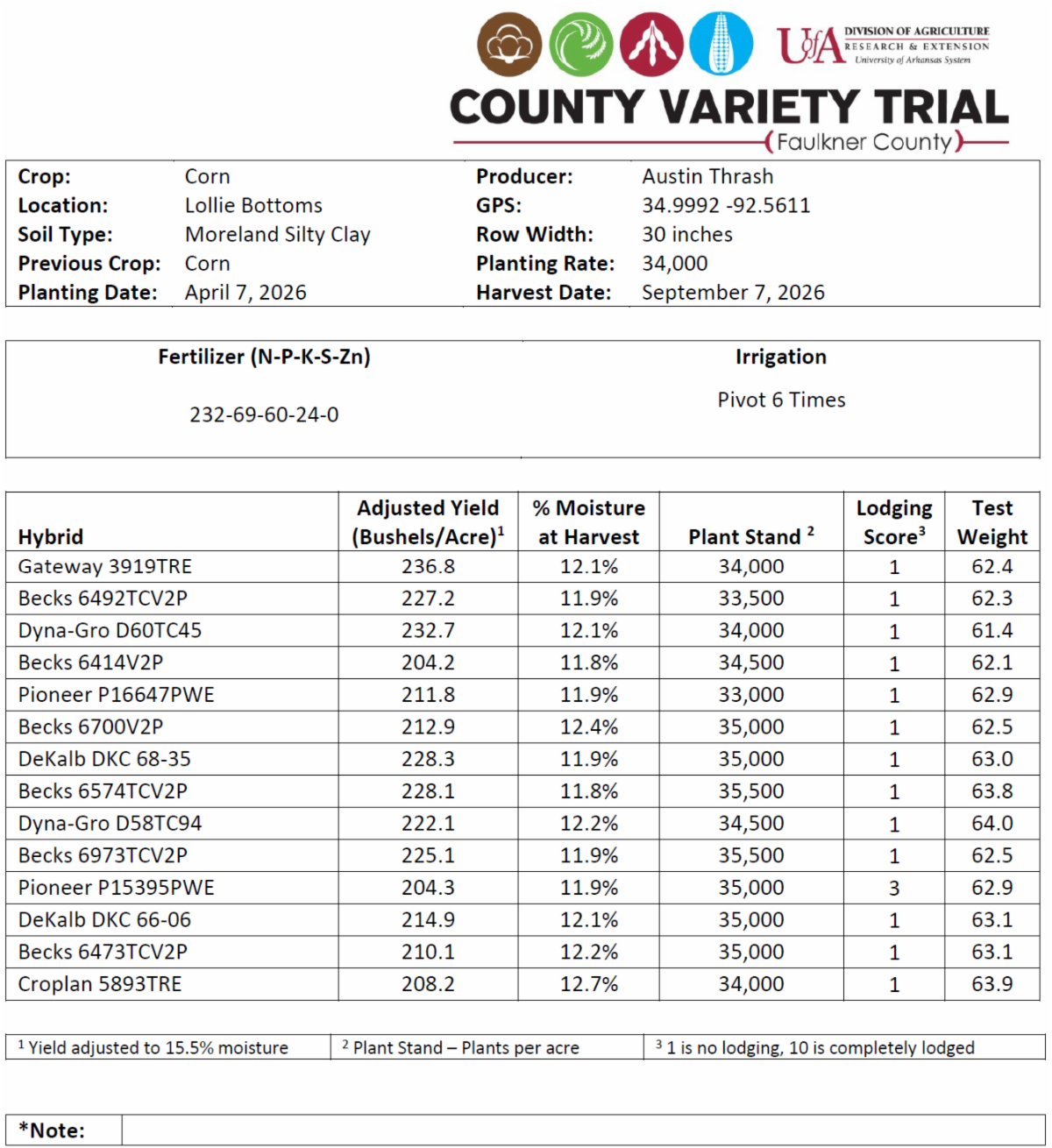
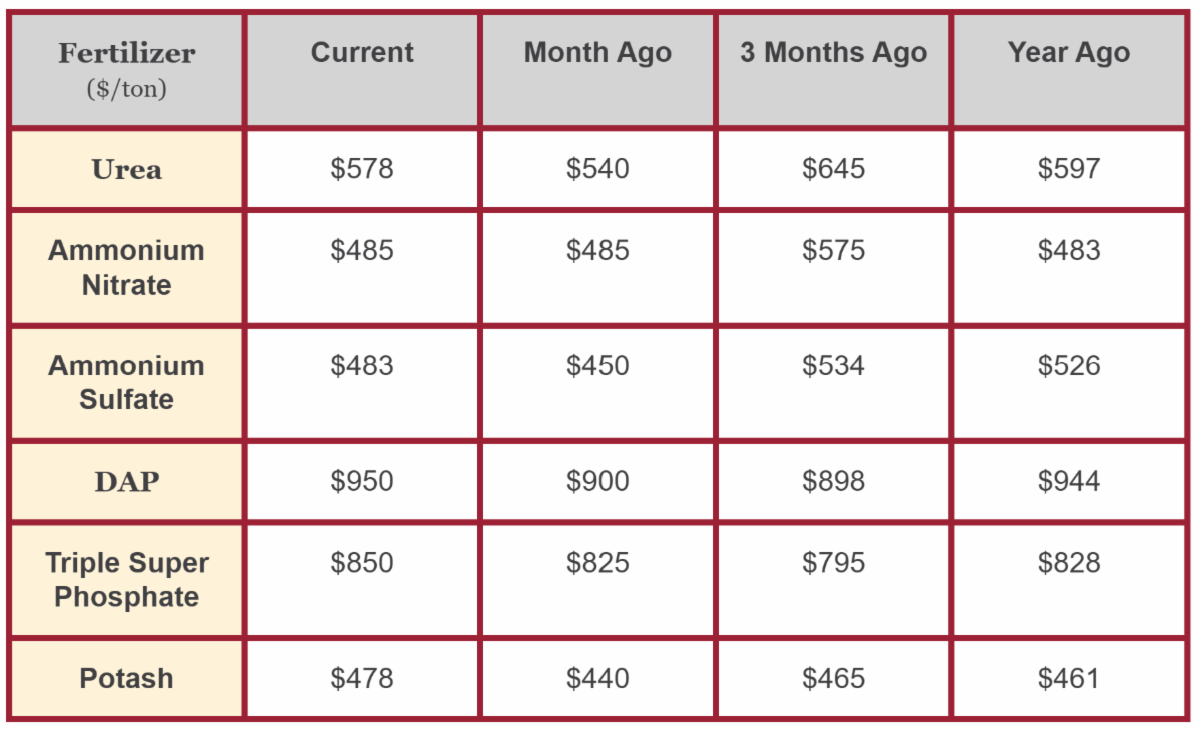
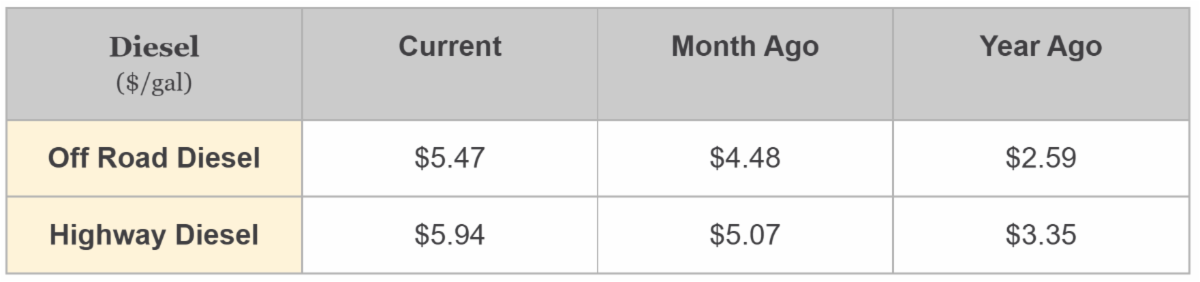
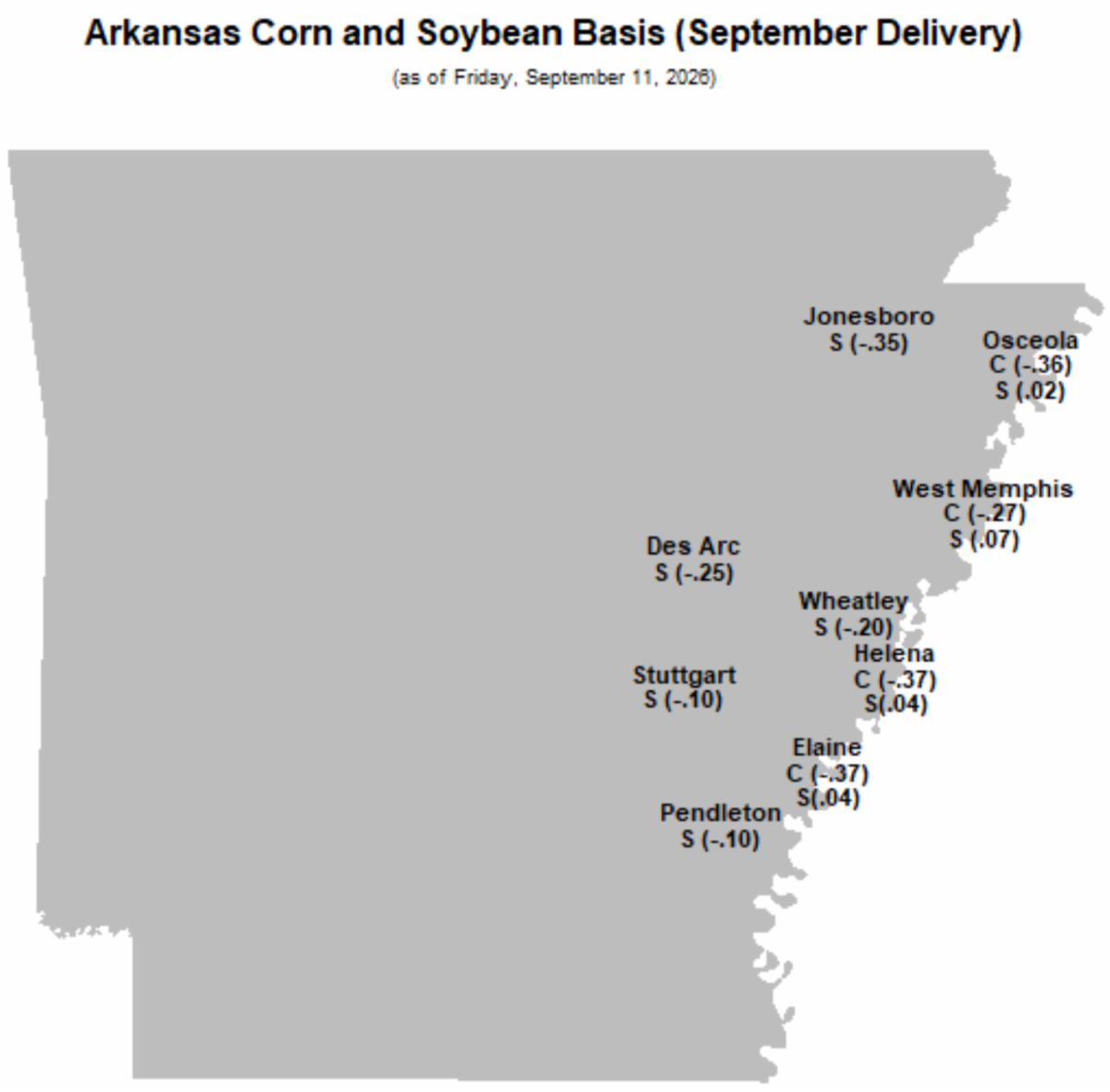
I will keep this up a couple more weeks for producers that are starting to book seed.
| | |
September WASDE Tightens Stocks for
Corn, Soybeans and Cotton;
Improved Price Outlook
H. Scott Stiles, Extension Economist, University of Arkansas
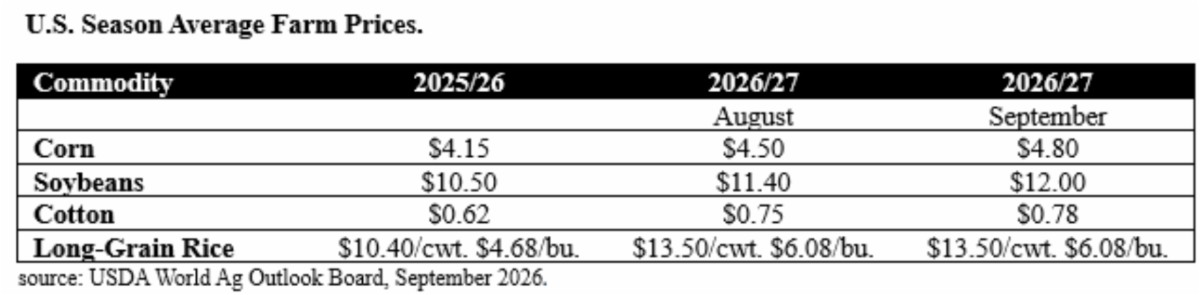
The September USDA WASDE revealed tighter U.S. corn, soybean and cotton balance sheets, while long-grain rice stocks increased slightly. On tighter stocks in the 2026/27 marketing year, this month’s report offered aggressive upward revisions in season-average farm prices for corn, soybeans and cotton. The 2026/27 price outlook for long-grain rice was unchanged.
| | |
U.S. Corn Balance Sheet Tightens on Lower Production
The domestic outlook for 2026/27 U.S. corn points to significantly smaller supplies. The USDA lowered the national average corn yield by 2.2 bushels to 178.5 bushels per acre, reducing production by 213 million to 15.80 billion bushels. Total supply was further tightened by a 23-million-bushel reduction in beginning stocks due to an increase in old crop exports. On the demand side, the USDA absorbed part of this supply cut by trimming 150 million bushels from feed and residual use, bringing it down to 5.95 billion bushels. Exports and ethanol use were both unchanged at 3.275 and 5.6 billion bushels respectively. Ultimately, ending stocks fell by 86 million bushels month-over-month to 1.567 billion bushels, dropping the stocks-to-use ratio to 9.7%; the lowest since 2022. On the tighter carryout, the projected season-average farm price for corn was bumped up 30 cents to $4.80 per bushel.
Record Soybean Crop Absorbed by Strong Export Demand
For U.S. soybeans, the 2026/27 balance sheet features slightly higher production and exports, resulting in tighter ending stocks. The USDA edged the national average yield up 0.1 bushels to 52.8 bushels per acre, resulting in a record production estimate of 4.535 billion bushels. However, this was offset by a 25-million-bushel increase in exports, pushing total projected exports to 1.685 billion bushels on strong sales to China. With export demand outpacing the small production bump, projected ending stocks were trimmed by 10 million to 310 million bushels. The stocks-to-use ratio now sits at 6.78% and the lowest level since 2022. The USDA increased the 2026/27 season-average farm price for soybeans by 60 cents this month to $12.00 per bushel; the highest since 2023.
Cotton Production Reduced by Southwest Drought
The U.S. cotton outlook this month included lower production, weaker domestic mill use, and notably tighter ending stocks for 2026/27. Due to deteriorating crop conditions in the Southwest region, the USDA lowered the national average yield by 3% (22 pounds) to 776 pounds per harvested acre. This reduced production by 400,000 bales to 13.20 million bales. Beginning stocks were also trimmed slightly by 50,000 bales to 4.15 million. As for demand adjustments, the USDA lowered domestic mill use by 100,000 bales to 1.50 million, while leaving exports steady at 12.30 million bales. These shifts pulled ending stocks down by 10% to 3.60 million bales. In response, USDA increased the season-average farm price for upland cotton by 3 cents to 78 cents per pound; the highest since 2022.
Long-Grain Rice Production Dips While Price Holds Firm
The U.S. long-grain rice balance sheet saw a sharp production decline that was more than offset by higher beginning stocks. Long-grain production was trimmed by 3.2 million hundredweight (cwt) this month to 103.5 million cwt. This would be lowest U.S. long-grain production since 1993. The sharp cut was driven by modest acreage reduction in Louisiana and Mississippi as well as a 200 pound per acre reduction in the U.S. average long-grain yield. As a counterweight, beginning stocks were revised upward by 4.6 million cwt based on the latest NASS Rice Stocks data. There were no changes to imports. Domestic consumption and exports also held steady. Long-grain ending stocks were revised 1.1 million higher to 21.4 million cwt. and 49% below last year’s 41.8 million cwt. The projected season-average farm price for long-grain rice was unchanged at $13.50 per cwt, maintaining a healthy recovery over last season's $10.40 average.
The complete September WASDE report can be found at this link: September 2026 WASDE Report
The next WASDE will be released October 9th.
| | Beef, Small Ruminants, & Forages | | |
Pasture to Plate Show
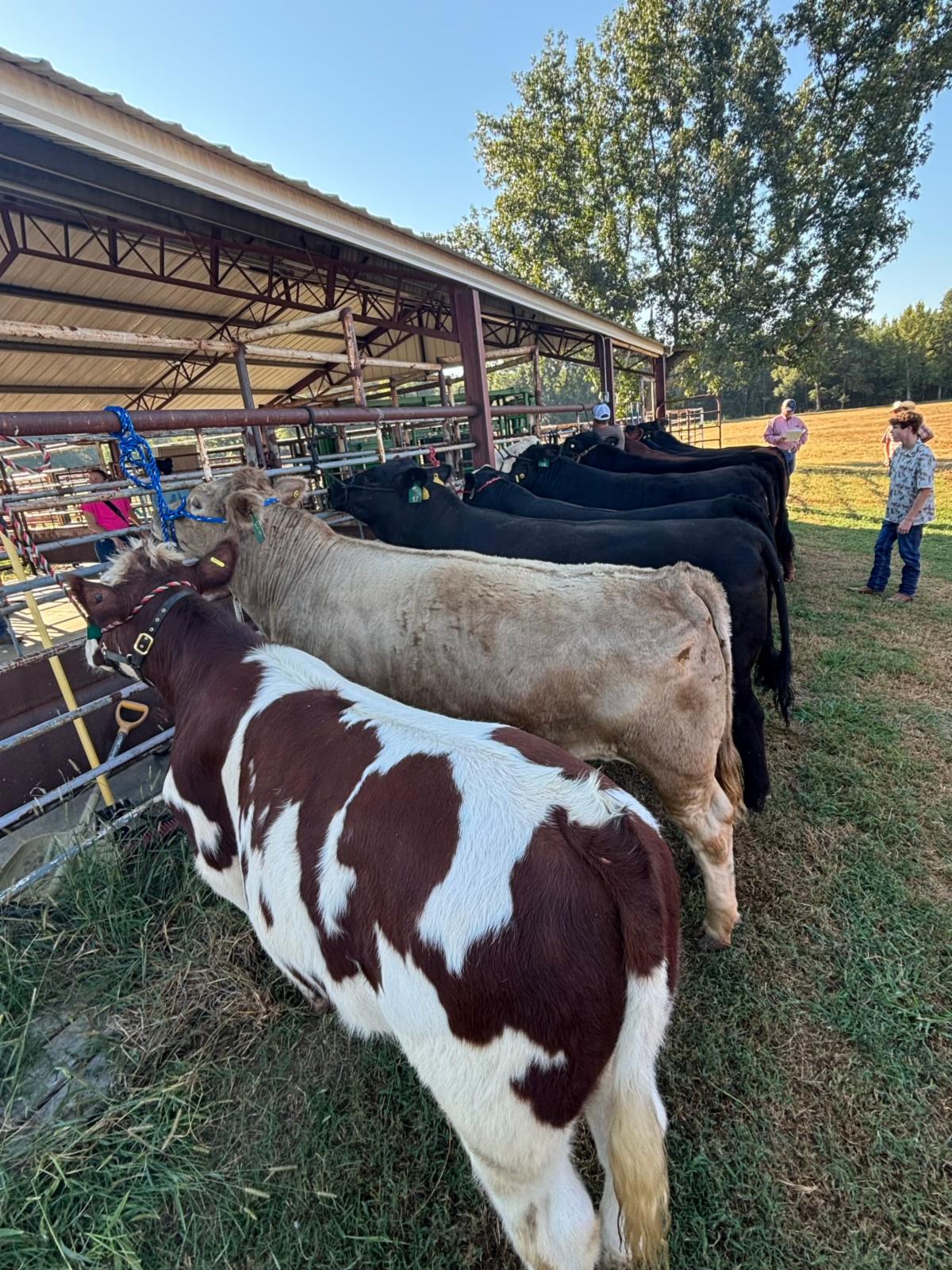
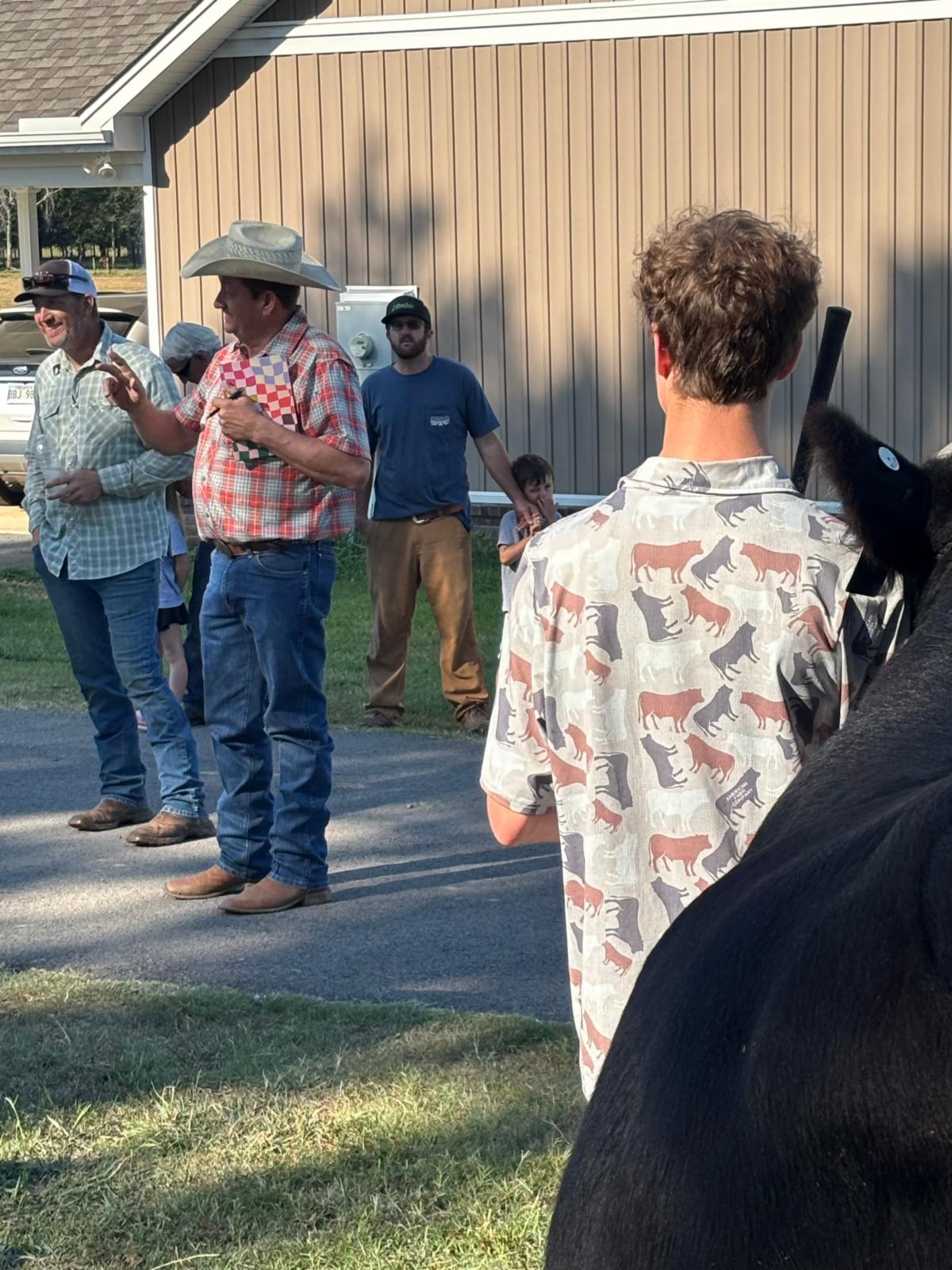
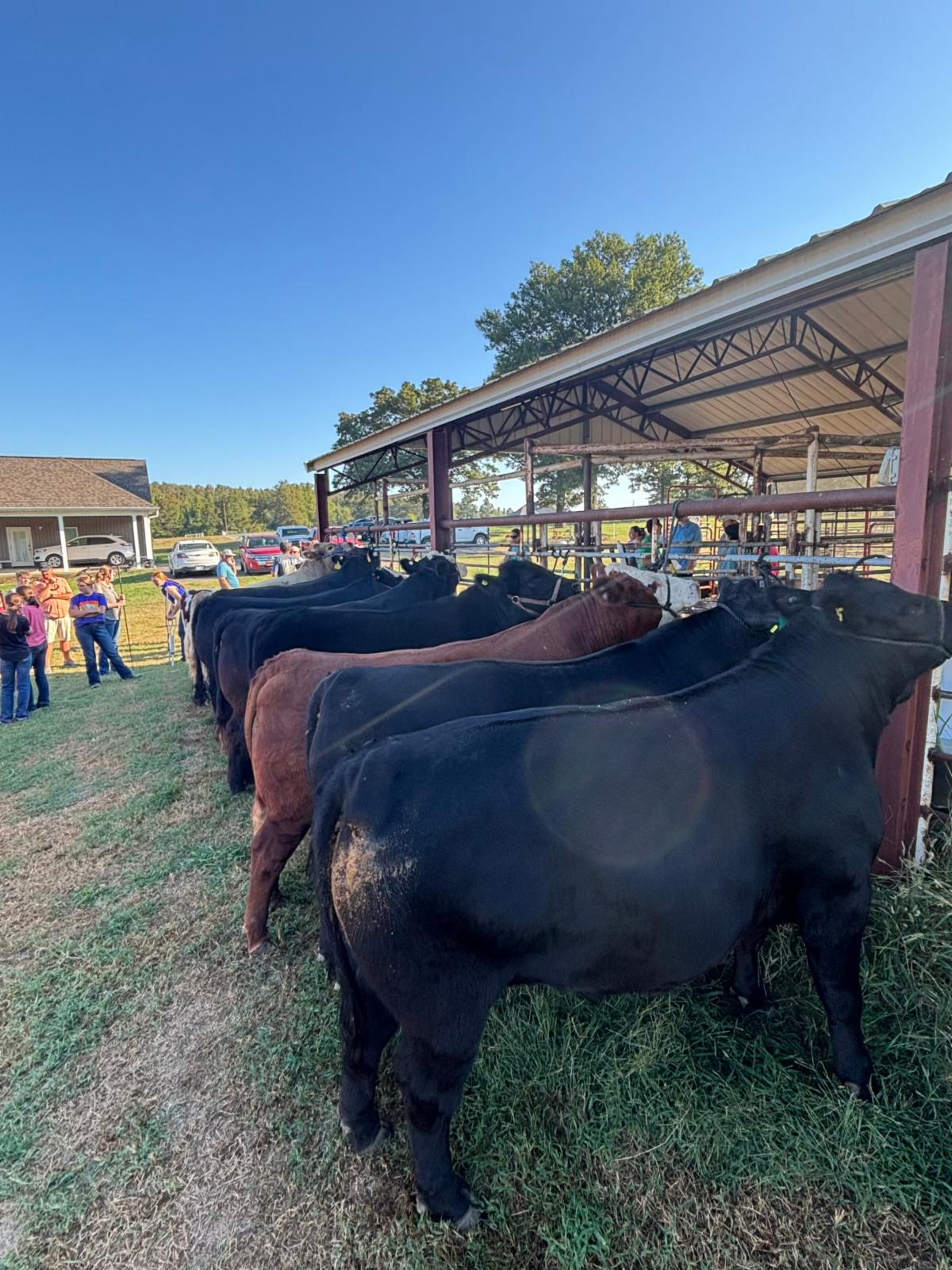
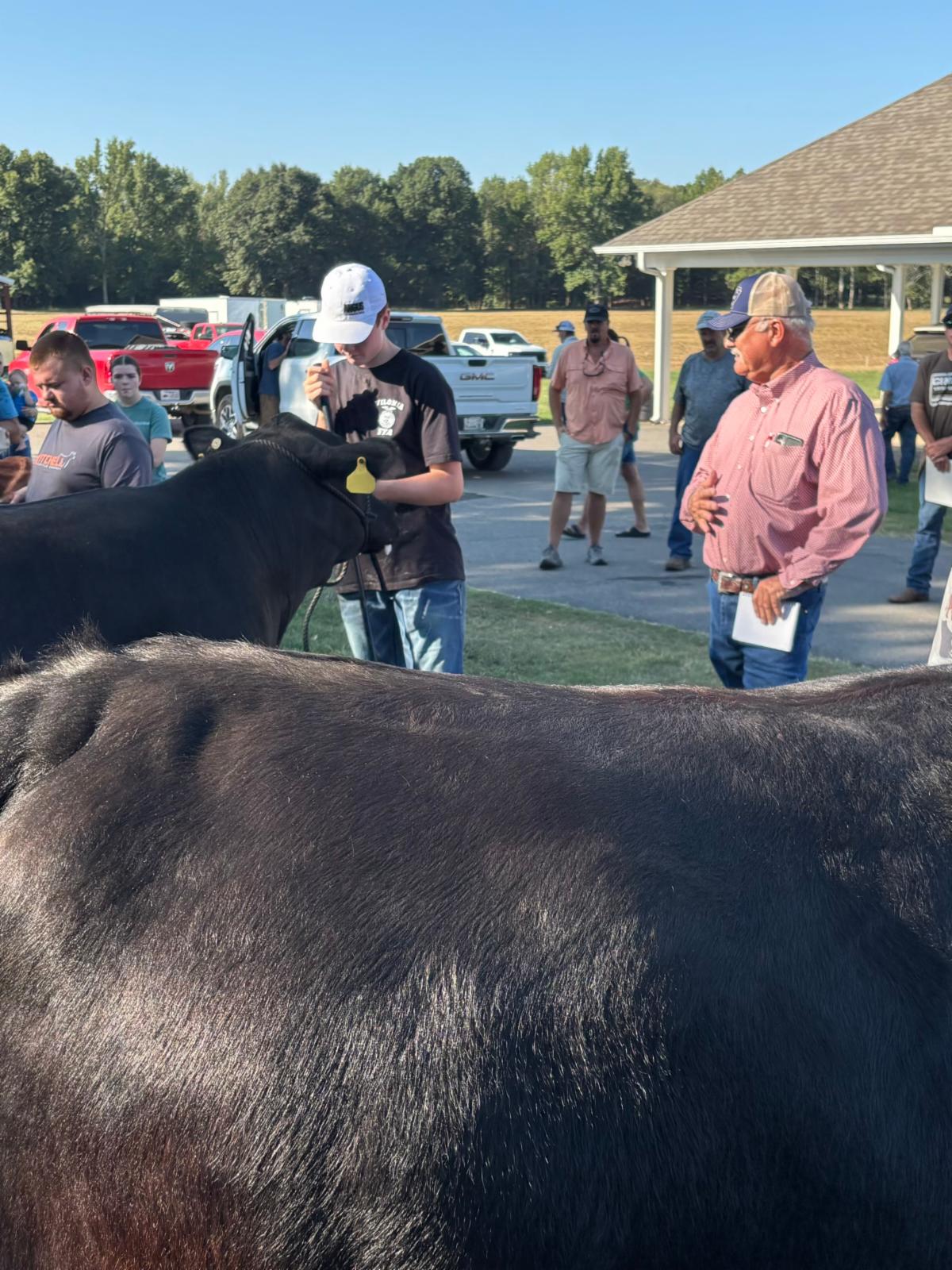
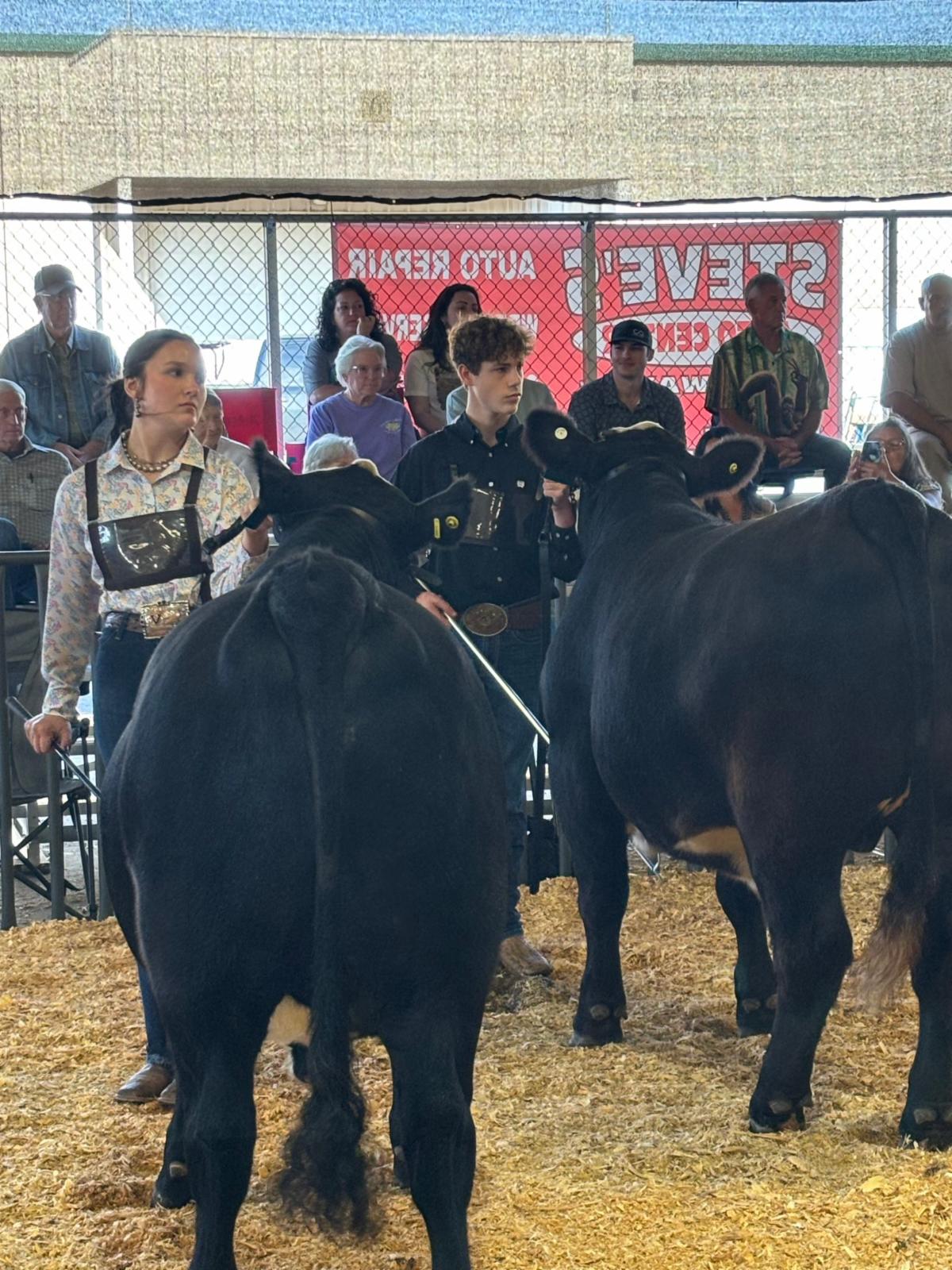
The Pasture to Plate youth got to show off their steers this past week. On Saturday September 19 we had our final weigh in and got the average daily gain. The steers were on feed for 189 days and averaged a little over 3 pounds of gain a day. Randy Goodman and Rocky Vess came out to the weigh in and served as judges for the first part of our steer show. They worked with the youth and placed the animals 1-9.
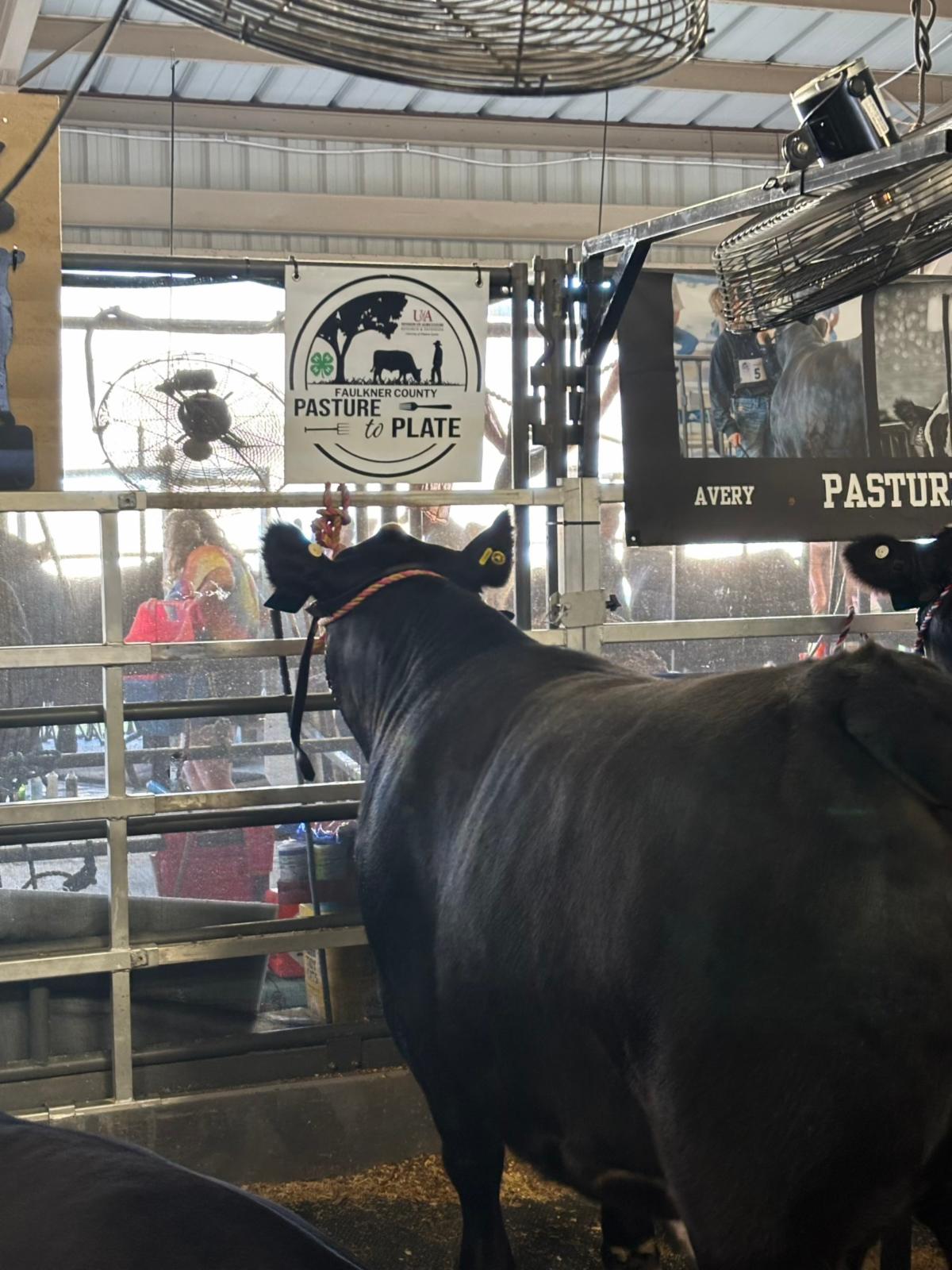
The youth brought the steers into the fair on Tuesday September 22 and the Pasture to Plate show was on Thursday September 24. The beef judge was our third judge and after we averaged the placings together, we came out with the winners of the show portion of the project.
Next is carcass judging. These steers will head to Cypress Valley on Tuesday then on October 6, Janeal Yancey from the University of Arkansas will come in and judge the carcasses, and the youth will come out and get to see their animals on the rail.
Thank you so much to Randy and Rock for coming out and working with our youth!
| | |
Forages
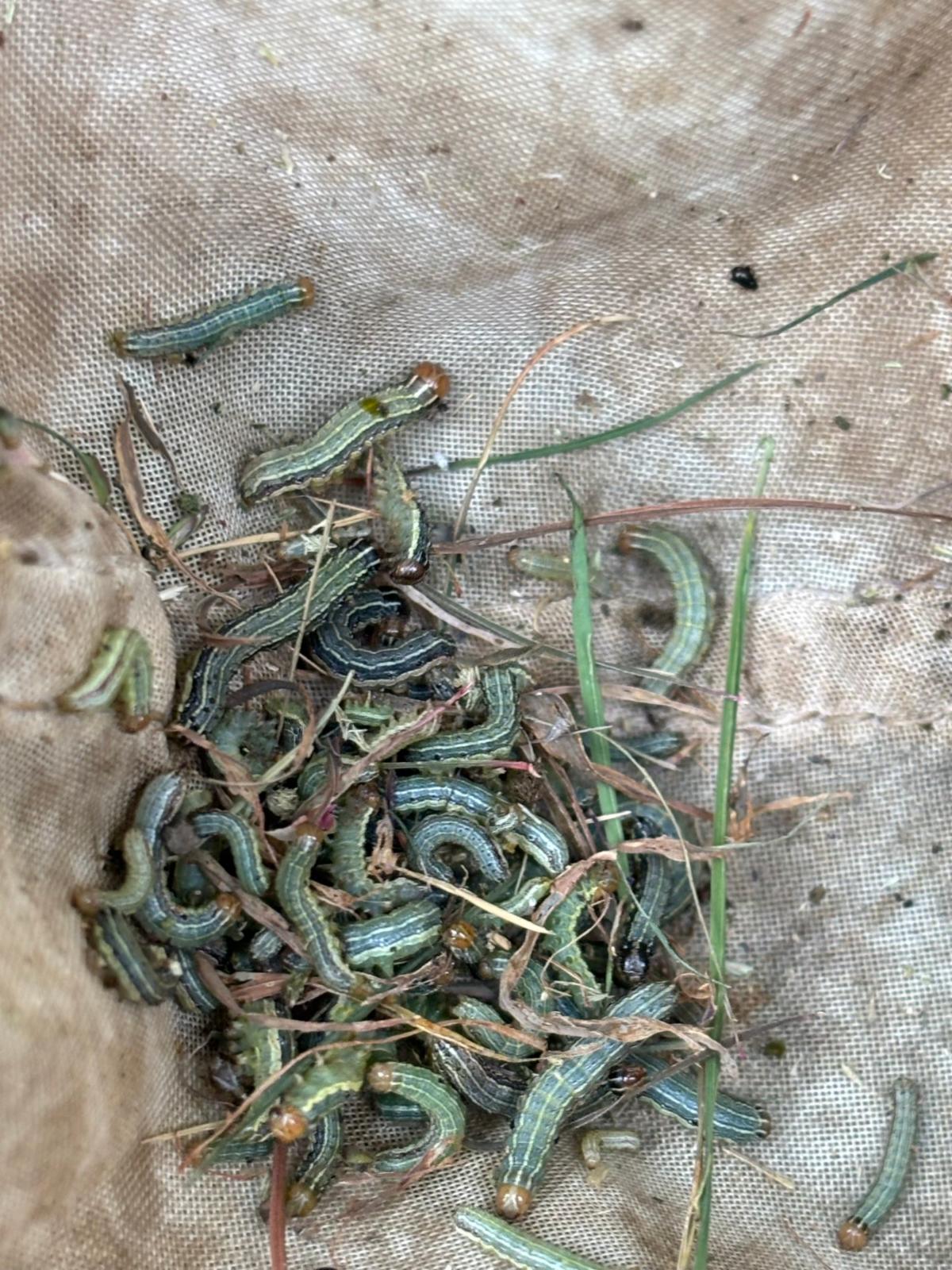
The picture here shows the armyworms I found in a wildlife food plot of millet yesterday. The were small and not doing a lot of damage, but they noticed crows landing in the field so when I swept I found a ton of them. They caught it in time, but I am worried about food plots that aren't looked at a lot and our winter annuals. If you have anything planted and it is just coming up, make sure you keep an eye on it. If it does rain later this week, really pay attention, because they can show up after a rain.
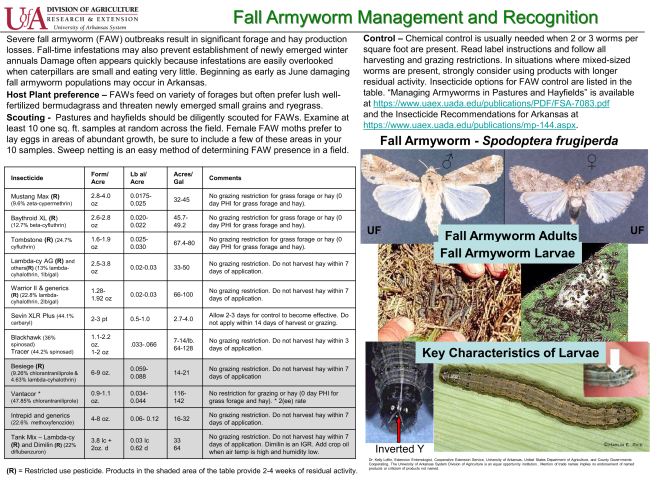
Here are some options for controlling armyworms.
chlorantraniliprole = Vantacor - 1.2 oz, OR Shenzi/Exceliprole 1.8 oz
chlorantraniliprole + lambda cy = Besiege 6 oz
diflubenzuron + 2lb lambda cy = Dimilin 2 oz + 2lb lambda cy 2 oz
diflubenzuron + 1lb lambda cy = Dimilin 2 oz + 1lb lambda cy 4 oz
With the chance of rain coming in, it is a good time to get those winter annuals planted. You can either plant before and hope for a rain, or wait and plant after. Most of the producers I have talked to are waiting for this rain first. We still have a little time, but if you want any fall grazing, they need to get in the ground and get up fast.
| | |
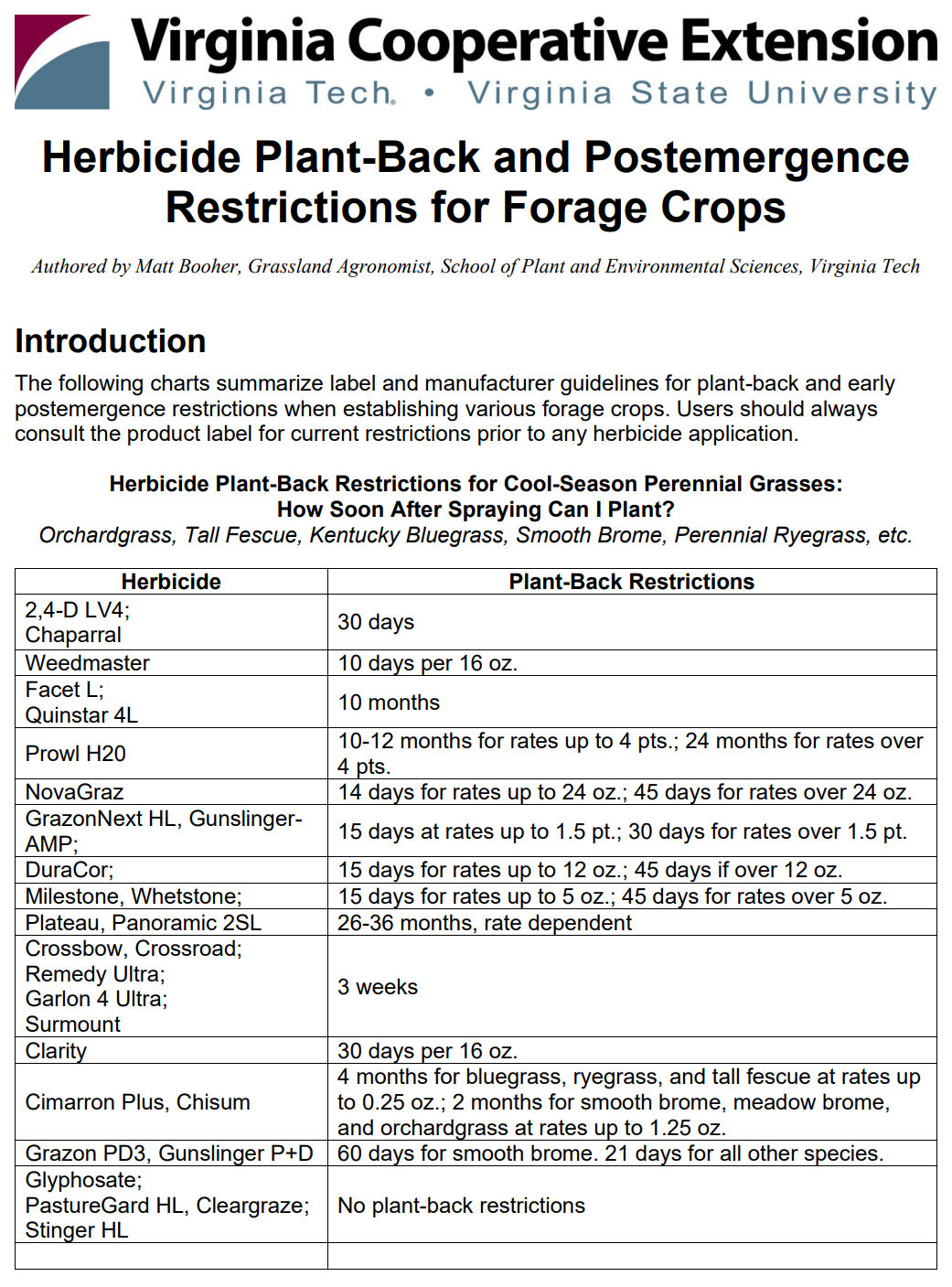
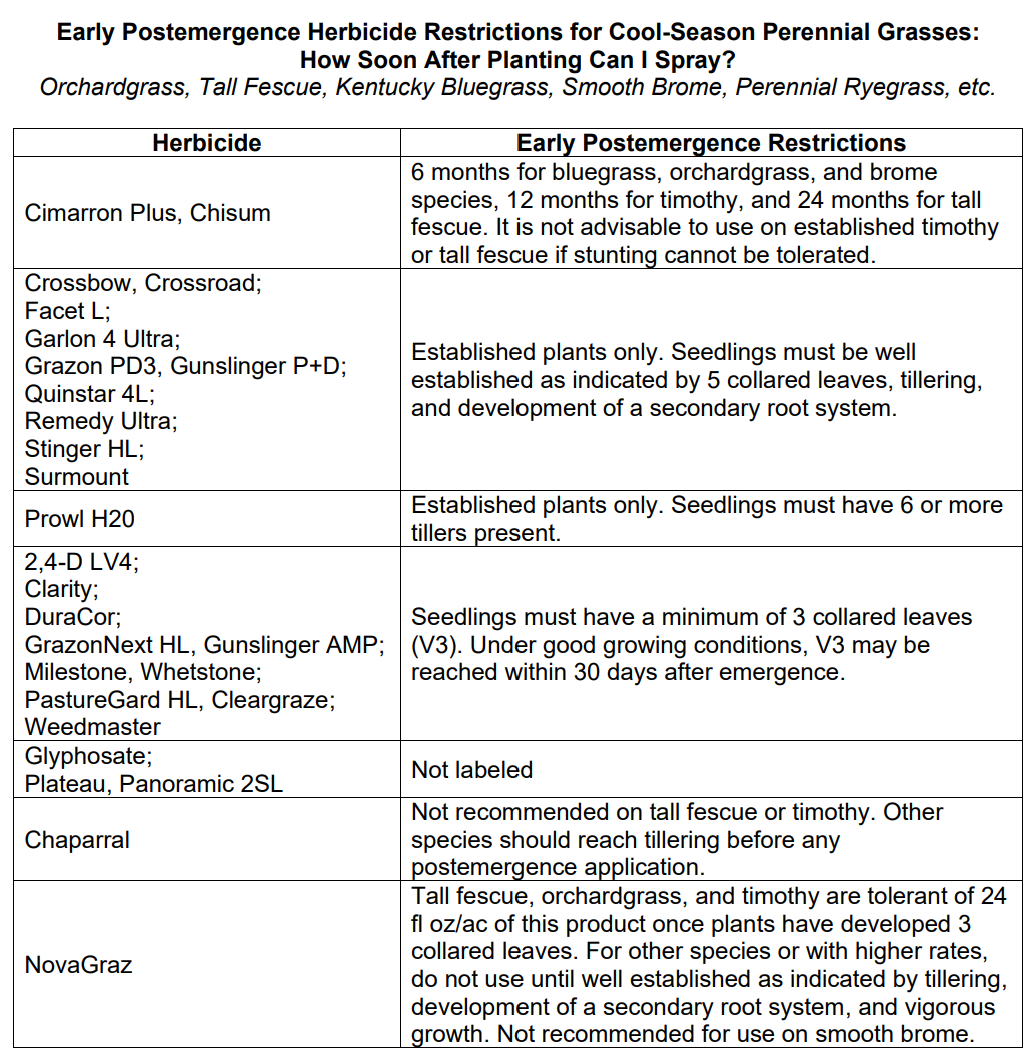
Plant Back Restrictions for Forage Crops
I have attached a good publication from the Virginia Cooperative Extension Service that shows the plant back restrictions for planting our winter annuals and also when can you spray once your winter annuals are up. With so little rain this last month or so I would be real careful with these plant backs, especially on things that contain 2,4-D. If you have any questions feel free to give me a call.
| |
|
Cattle Reproductive Workshop
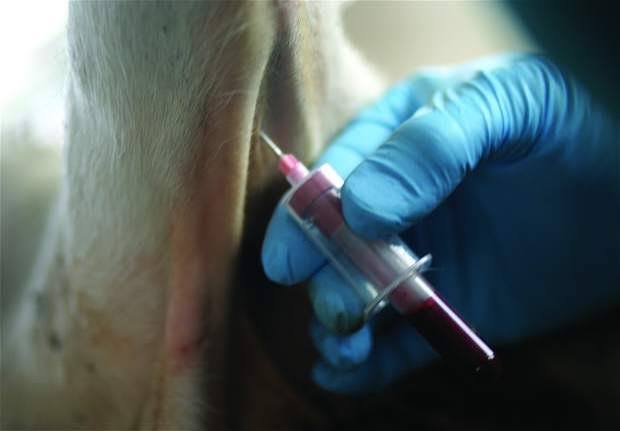
We will have a shoot side cattle reproductive workshop on October 7 starting at 9 am at the Kenny Simon Farm. Dr. Ramiro Oliveira, Assistant Professor - Beef Cattle Production will discuss the different ways to check to see if your cattle are pregnant and also go over evaluating heifers for reproduction. We only have room for 15 participants so please call the Extension Office asap at 501-329-8344 to get on the list.
| |
ArFGC Fall Forage Conference
“Recovering forage systems”
Has drought got you down? Figure out your next steps! Pastures provide essential forage for livestock; however, severe drought has negatively impacted production throughout the state. The 2026 Arkansas Forage and Grassland Council Fall Forage Conference, themed “Recovering forage systems” will be at the CrossRoads Cowboy Church in El Paso on October 30th. Doors will open at 8am, with the program starting at 8:30.
This year’s conference will focus on practical strategies to reduce these impacts with sessions designed to address the unique challenges facing forages in Arkansas. Educational topics include weather outlook, reviving drought stressed pastures, drought mitigation strategies, as well as reporting local conditions.
You will hear from Arkansas meteorologists, university experts, as well as local producers. Attendees will also have an opportunity to hear from Tim Schankenburg, University of Missouri Southwest Region Field Specialist in Agronomy.
These conferences bring producers, agencies, organizations, and private industry together to promote and advance forages in agriculture. The conference is recommended for forage and livestock producers seeking to mitigate drought impact.
Early registration by October 19 is encouraged for planning purposes.
The pre-registration fee is $40 per person. Students who pre-register may attend at no cost. Registration will be available day of the event $45/person and $20/student. Registration is payable by cash, card, or check.
To pre-register, scan the QR code or contact: Addie Stamps at addie.stamps@arfb.com or 501-607-8978.
Crossroads Cowboy Church is located at 3071 Highway 5 in El Paso, AR 72045.
| |
Mixer Demonstration
4M Equipment and Vermeer will have a feeder mixer demonstration on October 2 starting at 10:00 am at Flying "C" Ranch. They will demonstrate one of their mixers and our Extension Specialist Dr. Ally Krumsiek will discuss total mix rations.
| |
Winter Annuals
I will leave this winter annual section in for a few weeks as we get ready to plant. The links below are some good information if you think you want to plant some annuals for fall and winter grazing.
| | |
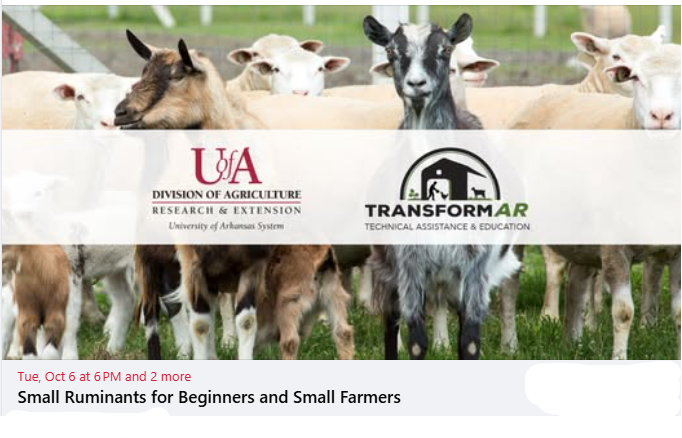
Small Ruminants for Beginners and Small Farmers
Join us for an introduction to small ruminant production for beginning and small-scale farmers. Topics include an overview of the industry, breed and genetic improvement, reproduction, health management, facilities, pasture management, nutrition, marketing, and the production of meat, milk, and fiber. October 6, 13, and 20, 2026, 06:00 PM (Central Time).
Registration: https://uada.zoom.us/.../register/WN_rOqHFbpXTbmII6X3u-KPSQ
Speakers:
Dr. Dan Quadros, University of Arkansas, Small Ruminant Specialist, Department Of Animal Science - UA
Dr. Kirsten Midkiff
University of Arkansas, Animal Health & Wellbeing Specialist, Department Of Animal Science - UA
Dr. Ian Daniel
University of Arkansas Pine Bluff, Livestock Specialist, School of Agriculture, Fisheries and Human Sciences
Tanya Feagin
President of the Arkansas Shepherds Association - Sheep Community (www.arshepherds.com)/Owner of Rocking TLC Farms LLC (https://rockingtlcfarms.com/).
Leigh Brandon
President of the Arkansas Goat Producers Association (www.argoatproducers.com)/Owner of Happy Bottoms Farm (www.happybottomsfarm.com).
Dr. Sibtain Ahmad
Fulbright Research Scholar, University of Arkansas/Associate Professor at the University of Agriculture, Faisalabad, Pakistan.
Dr. Andrew Milsom
Former Postdoctoral Research Associate, University of Arkansas/PhD Lincoln University, New Zealand.
Emily Reynolds
Master's Degree candidate, University of Arkansas, Animal Science.
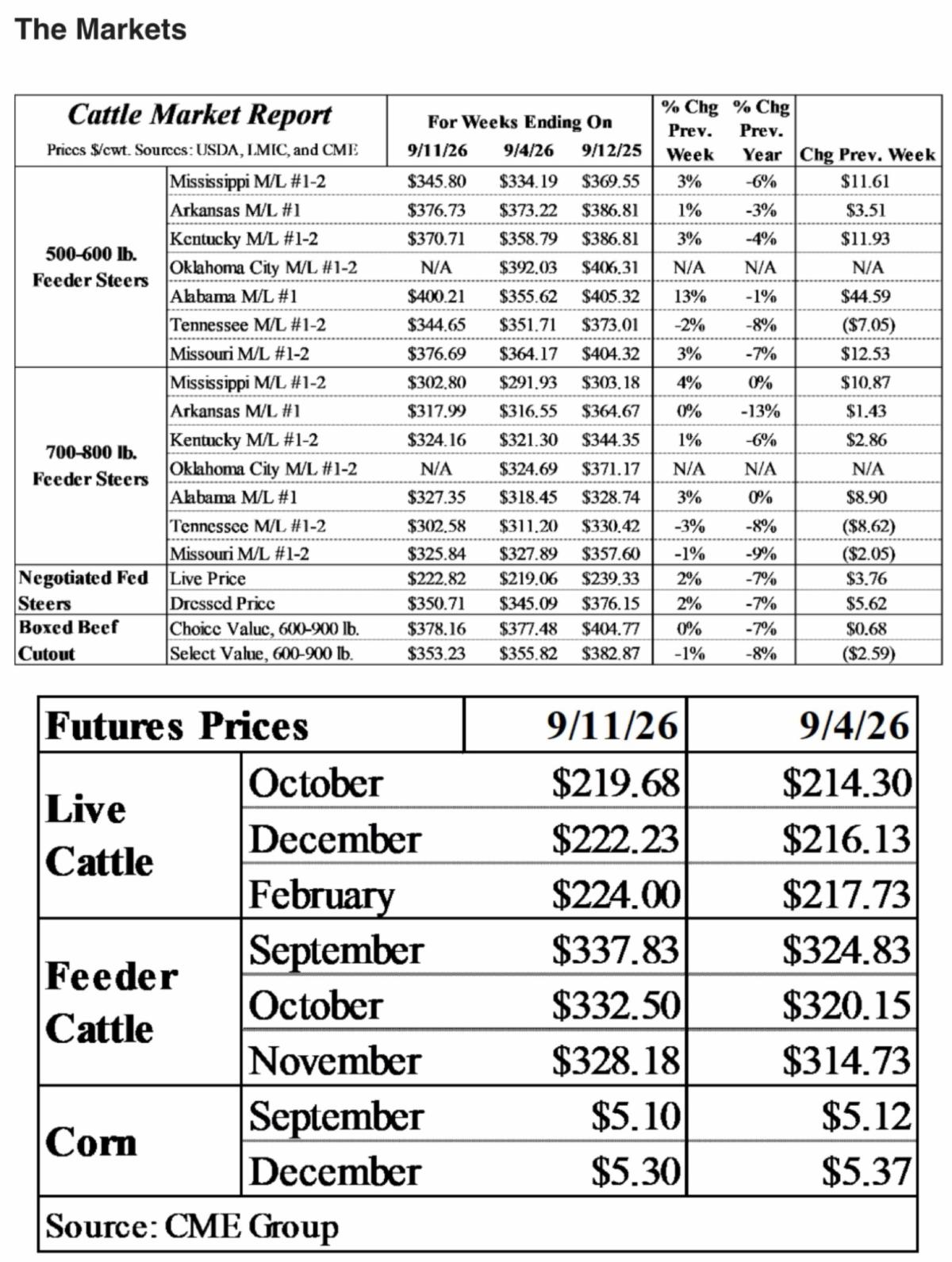
| Here is this weeks Cattle Market Notes Weekly | | |
Pesticide Applicator Trainings
There will be no more in person Pesticide Applicator Trainings until this winter. If you need a license you can still do the training online. There is a link below for the online training and a link to check your license status.
| | |
Livestock Market Report
The following links are for the weekly livestock market report from the Arkansas Department of Agriculture website and the Livestock Auction Dashboard from USDA. Both sites have marketing data for all livestock sold at Arkansas Sale Barns.
| | |
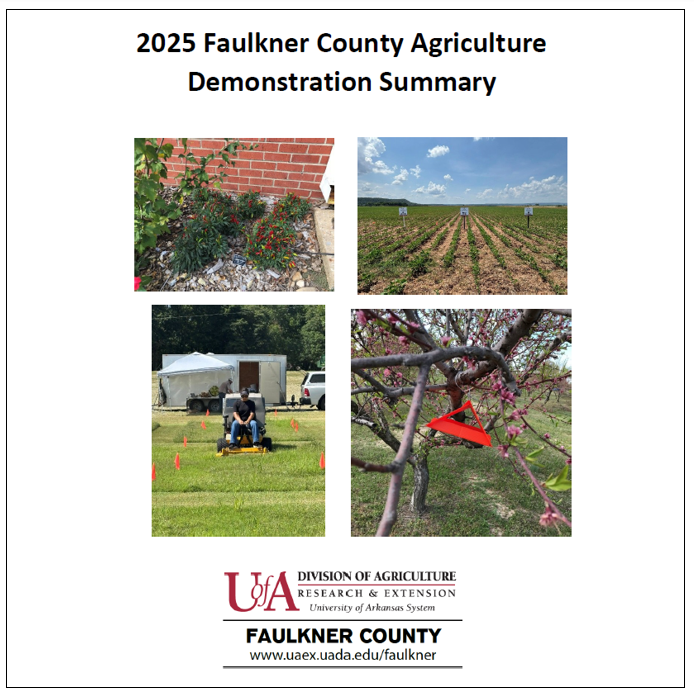
2025 Faulkner County Agriculture Demonstration Summary
The 2025 Faulkner County Agriculture Demonstration Summary is now available at the link below.
The 2025 Faulkner County Demonstration Summary is a collection of on-site demonstration results conducted in Faulkner County by local County Agents. Demonstrations are the cornerstone of the University of Arkansas System Division of Agriculture Cooperative Extension Service’s mission which is:
“We strengthen agriculture, communities, and families by connecting trusted research to the adoption of best practices.”
On-site demonstrations allow producers and homeowners to see firsthand how Extension recommended varieties and best management practices work in their counties and surrounding area.
| | |
Sign up for Text Alerts
You can now sign up for text alerts from me throughout the year. I have two areas you can sign up for which includes Faulkner Livestock or Faulkner Ag (Row Crop Updates). To sign up you can follow one of these links or use the QR Codes below.
| | Pursuant to 7 CFR § 15.3, the University of Arkansas System Division of Agriculture offers all its Extension and Research programs and services (including employment) without regard to race, color, sex, national origin, religion, age, disability, marital or veteran status, genetic information, sexual preference, pregnancy or any other legally protected status, and is an equal opportunity institution. | | | | |