Hello!
Our practice has been working around the clock to continue to establish an integrative, multi-disciplinary, supportive, results-driven Eating Disorder Treatment and Recovery Program for our communities. Scroll down to learn more about the dangers of ARFID, a less commonly known eating disorder.
This month, we also decided to re-visit one of the most commonly asked parenting questions: "How much technology time is too much?" Times keep changing, and it's important to consider the pros and cons of tech time, while setting boundaries. Read on for more info!
Thank you for staying connected with us! Happy Spring!
Dr. Pam McCaskill
734-416-9098
|
|
McCaskill Family Services Newsletter
Term: Spring | Issue 39| March 31st, 2023
|
|
How much is too much?
How to put the limits back on technology usage.
Technology is a major part of our lives as it has become a neccessary avenue for keeping us connected. Our kids rely on video games and social media to make and keep friends, it allows us therapists to provide you telehealth services, and many of us find comfort in working from home. How thankful we are to have technology! However, how do you instill balance with the tech world and the real world?
"But, Mom! I need my I-Pad for school!"
"But, Dad! There's nothing else to do. I'm bored!"
"All my friends are playing video games together right now! It's so fun!"
As a parent, these comments from your kids can leave you feeling guilty, stuck, and frustrated, especially when there is truth behind them, as virtual world and gaming IS our kids reality. How should parents balance this truth? How do we effectively integrate the ongoing need for technology with proper mental and physical health?
Dr. Pamela McCaskill shares her top tips on how to help your family navigate their way to healthy tech time and social media usage. Read below!
|
|
We know that this past year has been challenging for adults, kids, families and teens! If you or someone you know could benefit from our services, please contact us. Our clinicians are trained in empirically-based techniques, and would be happy to promptly schedule an appointment in person or via tele-health. We can be reached by phone at 734-416-9098 or by email at office@mccaskillfamilyservices.com.
|
|
The Pros & Cons... Important Facts |
|
-
The CDC recommends limiting your tech time to 2 hours per day, not including the time necessary to do homework/work.
- Children and teens (ages 8-18) spend approximately 7.5 hours a day on technology for entertainment purposes.
- 4-5 of these hours, on average are spent watching TV or Youtube videos.
- Spending more than 3 hours a day on technology has been linked to higher rates of mental health disorders (e.g., anxiety, depression, etc.)
|
|
The Pros:
- Platform for expression & creativity
- Immediate access to supports
- Keeps us socially connected to others
- Access to information/knowledge
- Real-time life updates
- Networking opportunities
- Inspiration to new activities and experiences (e.g. travel, hobbies)
- Virtual learning can more easily accommodate different learning styles
- Potentially motivating
|
|
|
|
|
The Cons:
- Can leave us feeling left out or lonely: FOMO
- Over usage linked to mental health disorders
- Cyberbullying and harassment
- Expectation to always be available
- Disrupts sleep
- Pressure to be popular and appear perfect
- Mindless scrolling = major time waster
- Sedentary activity
- Inaccurate & misleading information
|
|
Social Media Checklist for Mental Health |
|
|
|
We "check" our social media several times a day, but when was the last time you stopped to actually "check" your content? Is it balanced? Is it accurate? Is it uplifting?
Taking a moment to analyze what you are exposing your mind to multiple times a day, could lead to some very big changes in how you feel and think about your world.
Repetition to positive content can help re-wire our brain's natural tendencies to lean towards the negative, and help us to refocus on the good!
Here's a checklist from clinician Jaclyn Rink, MSCP, LLP to help you get started.
Click below for the full & downloadable list!
|
|
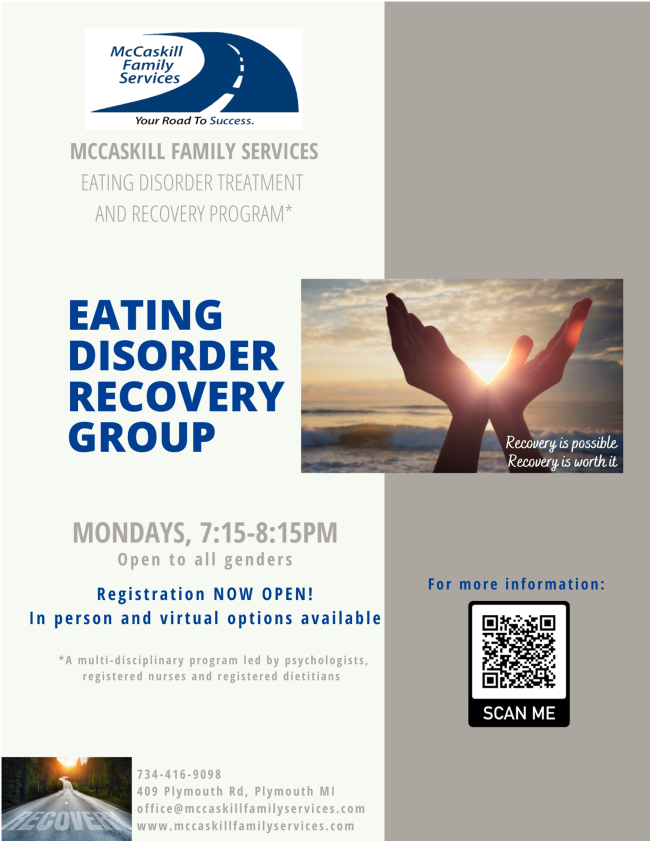
Eating Disorder Recovery Group |
|
Do you find yourself or your child avoiding certain foods, even if it means missing out on a meal with friends or family? While picky eating can be frustrating, it is not always a cause for concern. However, for some people, avoiding certain foods goes beyond just being picky – it is a mental health condition known as Avoidant/Restrictive Food Intake Disorder (ARFID), which if ignored, can lead to serious consequences. Click the link to check out a blog by McCaskill's registered nurse, Kim Hesano, RN-BSN to learn more! |
|
|
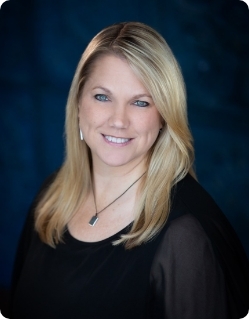
Kim Hesano is our primary staff nurse in our Eating Disorder Treatment and Recovery Program.
Kim has over 25 years of experience and enjoys working with patients of all ages and their families and has a gift of connecting with teens who may be more anxious or resistant to treatment. Kim’s warm, comforting style, combined with her relaxed sense of humor, puts patients and their families at ease.
In addition to her work in our Eating Disorder Program, Kim sees our MFS patients for other concerns including:
Medication Management
Pill Swallowing
Teaching patients/caregivers how to administer shots to themselves/others
Vitals/weight check-ins
Diabetic management/education,
Support for parents/guardians as a liaison between the school and student
Health counseling on new or current medical issues
Teaching health courses to businesses/schools such as first aid for seizures, trauma injuries (tourniquet use), allergic reactions, strokes and heart attacks.
|
|
If you and/or someone you know could benefit from working with Kim, please contact our office at
|
|
Newsletter Editor's Notes |
Social media and technology are powerful constructs of our daily lives. They shape the way we see the world around us, how we relate to others and how we feel about ourselves. When we come in contact with something every single day, over and over, we want to make sure it's healthy for us. Our social media "diet" should be just as nutritious and balanced as our physical diet.
As a practicing clinician who works mostly with teens, I see the significant impact social media and technology have on their world. One reason they often struggle with insecurity is because they frequently compare their real lives to the selective moments that others share on social media. Not to mention, this content is often intentionally filtered and edited, resulting in a very misleading message. Believe it or not, people can even pay for likes to look more popular!
To balance this skewed playing field, I created the Social Media Checklist to help consumers clean up the content of their social media platforms. Download the checklist in the article above and you'll be on your way to healthier (and happier) social media consumption. Yum!
Don't get me wrong, social media has a lot to offer! Personally, I find oodles of inspiration and motivation from my scrolling. The catch is: How many hours do you spend online watching other people, saying "I want to do that!" instead of getting out there and actually doing that?! The secret to social media is to spend more time experiencing your own life, rather than watching others live theirs. Re-read that.
|
Active participation in your own life leads to less depression and anxiety and more joy, more fulfillment. And remember, just because you didn't post it, doesn't mean it didn't happen. Being mindful in the moment to truly enjoy the experience, is much more rewarding than finding the perfect picture to post for others. Your life is for you. Try taking a few days off from social media if you feel like you're getting too caught up in it. Studies have show that breaking away from it for as little as 7 days can boost happiness and reduce feelings of loneliness and anger. No posting, no liking, just living. -Jaclyn |
Hello everyone! I'm a masters level clinician at McCaskill Family Services who specializes in the treatment of OCD, anxiety, self-harm and eating disorders for all ages. I co-run the McCaskill Family Services DBT groups for teens and adults, and specialize in psychological assessment. I am also our monthly newsletter co-editor and social media manager!
I'd like to personally thank you for staying in touch with our practice, and hope you find this newsletter inspirational and informative. If you or someone you know would like to schedule an appointment with me, please contact our office at 734-416-9098 or email us at office@mccaskillfamilyservices.com. I look forward to working with you!
|
|
409 Plymouth Road, Suite 250, Plymouth, MI 48170 • 734.416.9098
|
|
|
|
|
|
|
|