Sustainable Cambridge

What This Winter Reveals About Climate Change in Cambridge

Climate change is generally expected to make winters shorter, warmer, and less severe on average. But it may also include bouts of intense and severe cold and snow — particularly in our region.


“I think this winter could be the poster child for how climate change can lead to more severe winter,” MIT climatologist Judah Cohen said.


In our short video, we look at why climate change can sometimes contribute to harsher winter weather — and what that means for how we prepare and keep ourselves safe.


Cambridge City Council Endorses the Plant Based Treaty

Cambridge has joined a growing global movement of cities supporting sustainable, plant-based food systems in order to combat climate change and promote public health.


The City Council unanimously endorsed the global Plant Based Treaty, following Los Angeles and 64 other cities around the world.


The resolution directs City departments to support policies that reduce food-based greenhouse gas emissions and to continue integrating and expanding plant-based food choices in municipal operations, events, and public education.


“This idea already has very fertile ground in Cambridge. This is an easy win,” said Cambridge Climate Chief Julie Wormser.


Black History Month:

Three Cantabridgians in Environmentalism — Past and Present

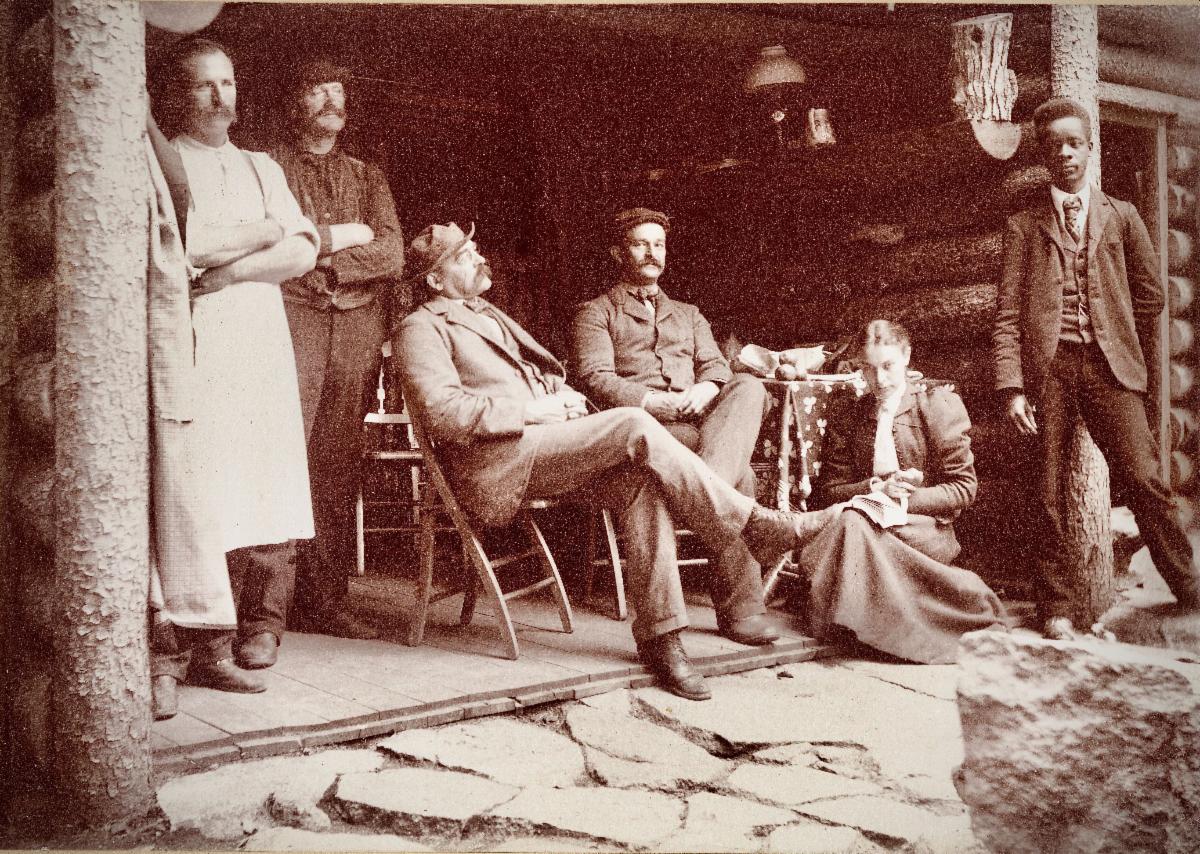
Robert Alexander Gilbert lived in Inman Square. At a time when Black Americans were largely shut out of the sciences, he worked alongside William Brewster, the first president of Mass Audubon.


In the late 1800s and early 1900s, experts believe Gilbert took more than 2,000 photographs once credited to Brewster. His images helped document bird species and habitats across the region.


Read a Mass Audubon story about Gilbert here, and another by James Spencer of the Cambridge Black History Project here.


Watch our short video to also learn about two current environmental leaders: Lyn Huckabee, a long-time Cambridge Climate Committee member who works for the Massachusetts Department of Energy Resources, and Conrad Crawford, who serves as chair of the Cambridge Redevelopment Authority and has been part of many efforts to shape a more sustainable and equitable region.


Cambridge Sees Record Bike Use


The Cambridge Department of Transportation's 2025 "Biking in Cambridge" Report shows the count of people biking in 2024 was the highest ever — 21,000. Other key findings:


  • Locations with separated bike lanes saw the biggest growth in use, as the total lane-miles of bikeways more than doubled between 2004 and 2024.


  • Between 2014 and 2024, the number of children on bikes at the regular counting locations has increased by 283%.


  • One in 10 Cambridge residents bike to work.


  • Fewer people are biking on sidewalks.


  • More people are using Bluebikes, with 2.2 million trips in 2024.


  • The Citywide annual bike crash rate has declined 41% since 2004.

Cambridge Community Electricity Prices Decrease


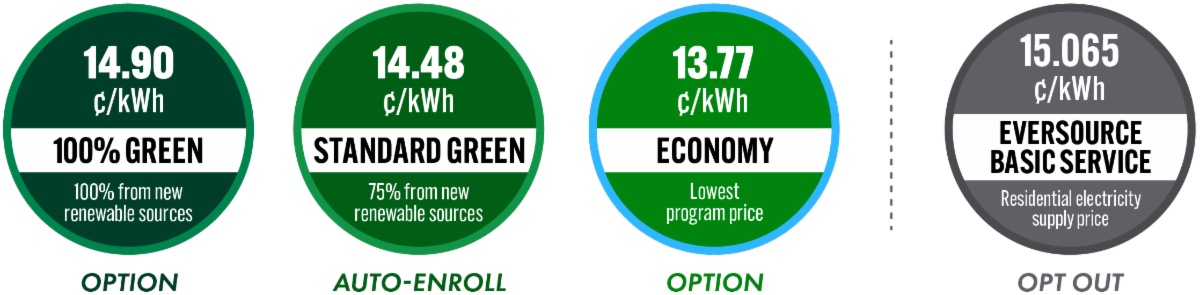
Cambridge Community Electricity, the default electricity supplier for all residential and commercial electricity accounts in Cambridge, recently lowered its prices and increased the amount of renewable energy offered through the program.


All electricity accounts are automatically enrolled in the Standard Green program option, providing 75% of the electricity from renewable energy sources. Customers are also able to opt-up to 100% Green to use all renewable energy or choose the Economy option to pay the lowest price.


All three Cambridge Community Electricity program options are less expensive than the current Eversource basic service rate and prices will not change again until January 2029. Due to Eversource's prices changing every 6 months, future savings cannot be guaranteed.


Make sure you're enrolled by checking the electricity supplier on your electric bill. If the supplier is listed as "CAMBRIDGE COMM ELEC DIRECT ENERGY", then you are enrolled. To enroll or change your program option, call 844-379-9934 or visit www.cambridgema.gov/enrollCCE. 

Some of What We've Been Doing


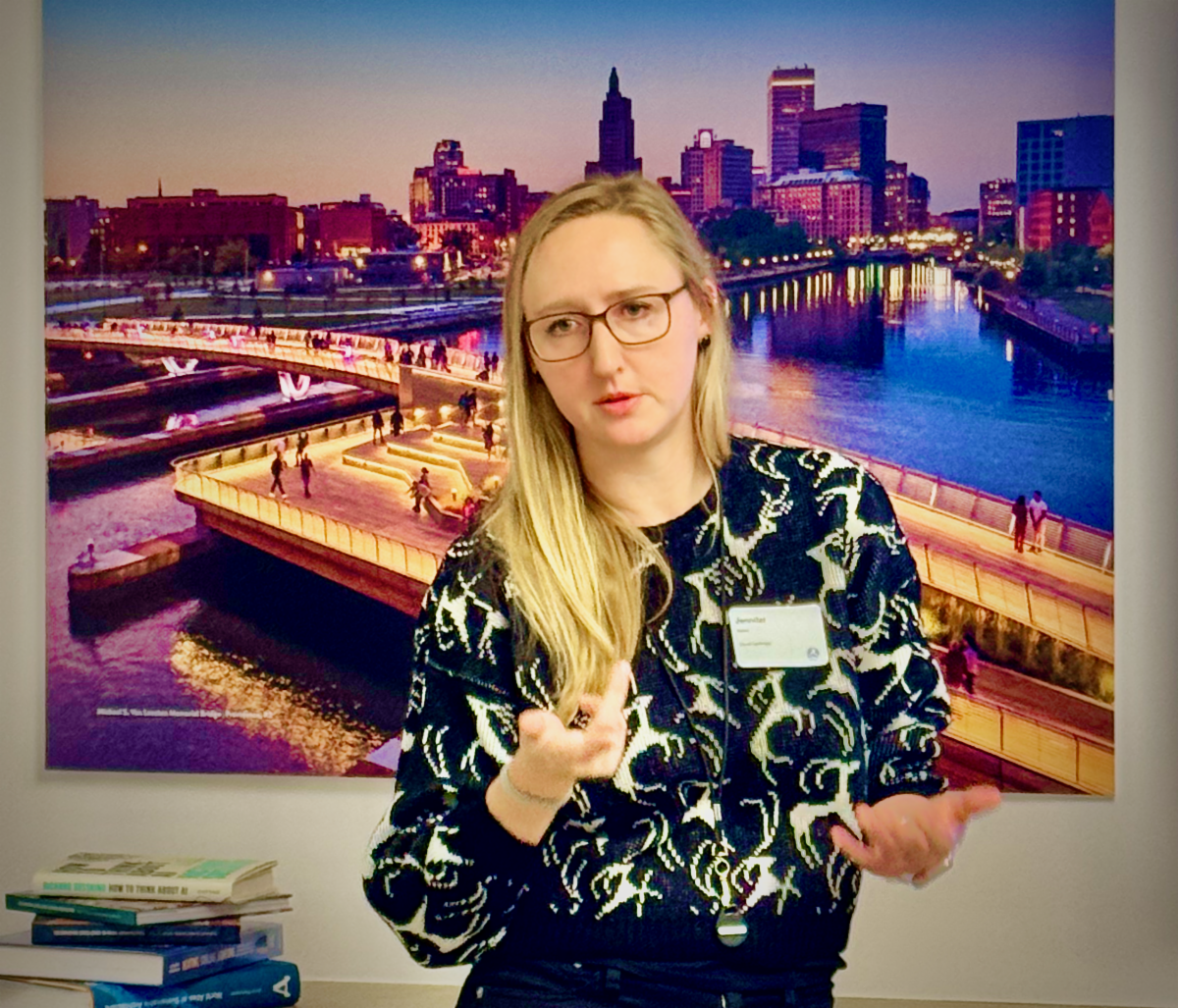
Cambridge Building Decarbonization Policy Manager Jennifer Ballew joined I2SL New England for an event about "demystifying BERDO & BEUDO." BERDO is Boston's Building Emissions Reduction and Disclosure Ordinance, and BEUDO is Cambridge's Building Energy Use Disclosure Ordinance. Jen discussed BEUDO requirements, compliance strategies, decarbonization tactics, and real-world project lessons.

What We're Reading


  • Commonwealth Beacon reports that the Massachusetts House has passed a proposal to cut $1 billion from Mass Save's $4.5 billion budget. Mass Save is the state’s energy efficiency initiative that offers home weatherization and heat pump installations at low or no cost. 


  • The Boston Globe summarized a state report that found Massachusetts has made progress toward goals to reduce greenhouse gas emissions, but it has not met several targets, in part because of actions by the Trump administration. At the same time, the state has made strides in land conservation and by installing heat pumps in at least 100,000 homes between 2020 and 2025.


  • Harvard's annual Town Grown report on its local development and sustainability initiatives detailed how the University will reach fossil fuel neutrality by the end of 2026, with the ultimate goal of being fossil fuel-free by 2050, according to the Harvard Crimson.


  • The Maine Morning Star reports that lawmakers there have advanced a climate bill that would hold fossil fuel companies accountable for natural disasters. The legislation would create a superfund for companies to pay for infrastructure repairs, resiliency efforts and other costs in the rural and low-income communities disproportionately affected by flooding and other impacts of extreme weather.

Cambridge In The News


Upcoming Events


Send this newsletter to a friend and ask them to be a part of Sustainable Cambridge!

Facebook  X  Instagram  LinkedIn