REMINDER: YOUR SUBMISSIONS ARE ENCOURAGED | | |
1. Bindu's Corner: This week, we have an excerpt from a 1894 lecture on Hinduism by Swami Vivekananda.
2. Nature: A springtime swarm of Blister Beetles has been spotted at Tucson's Catalina State Park.
3. Flock Friends: This week, I'm catching up with Divya Shroff's two daughters, Janaki and Nithya, who shared photos and videos of their Holi and Navaratri celebrations this spring.
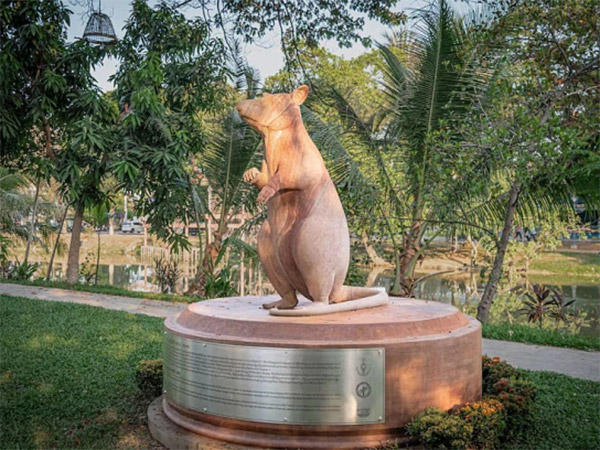
4. Readeer Submission: Last year, I posted about 'HeroRats' trained to sniff out landmines; recently, one of these four-legged mine-sniffers was honored with a stone statue in Cambodia.
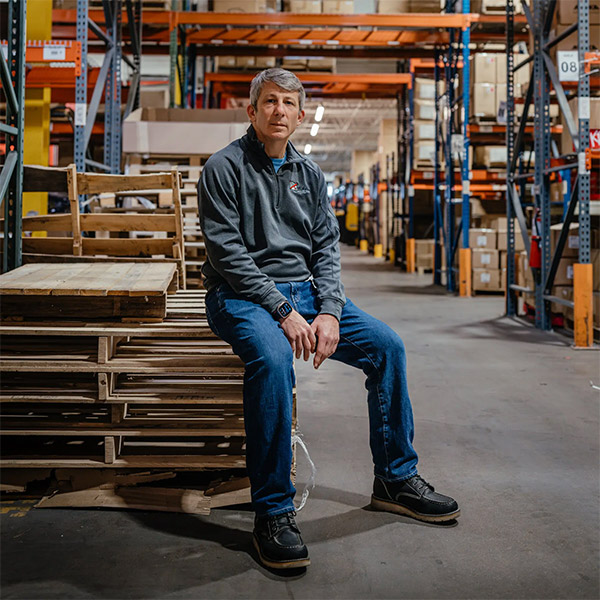
5. The Next Gen: William George has been keeping busy, staying on top of the effects of tariffs on global shipping and trade, as well as shipping issues resulting from the current conflict in the Middle East.
6. Wellness: This week, I have seven benifits of positive thinking brought to us by Dr. Mimi Guarneri of Pacific Pearl la Jolla.
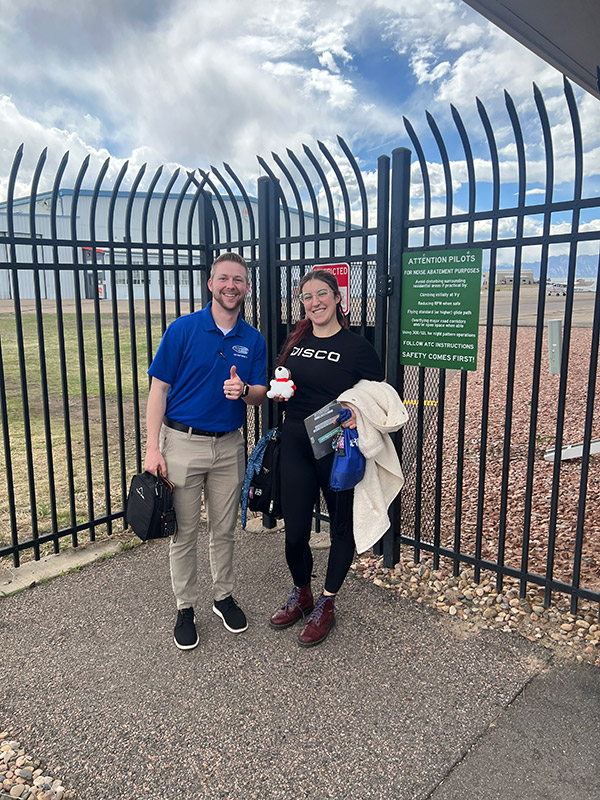
7. Bragging Rights: I have a trifecta of brags this week, one of the first youth entrepreneurs I featured in the Flock is well on her way to becoming an aviator, Flock contributor and friend Dr. Puneet Shroff was mde a full professor at the University of Arizona, and i'm including a picture of myself on my son Mikey G's shoulders from the conclusion of th Lavaman Triathlon.
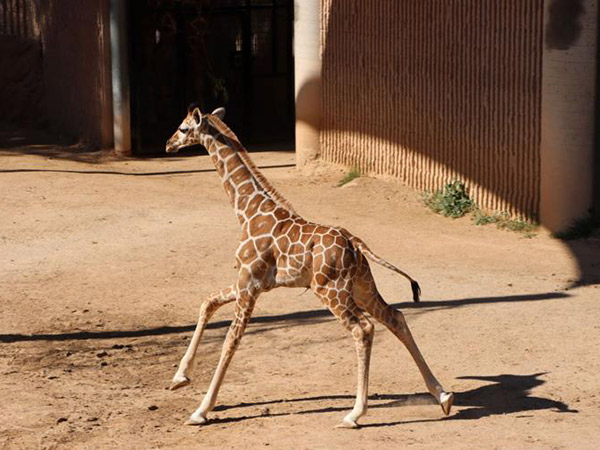
8. Reid Park Zoo: Three weeks ago the Reid Park Zoo announced a competition to name the baby giraffe born at the zoo in February. THis week, they have announced the winning name.
9. Hayward M. Fox, Ph.D.: Read the latest post from Dr. Fox's blog
| | Now, to this week's Flock. | | 1. Bindu's Corner: Why Should the Soul Need a Body? | | This week, Bindu has given us a quote from a 1894 lecture on Hinduism by Swami Vivekananda, delivered to a meeting of the Brooklyn Ethical Association at the Pouch Mansion in Brooklyn, New York. | |
2. Nature: Blister Beetles
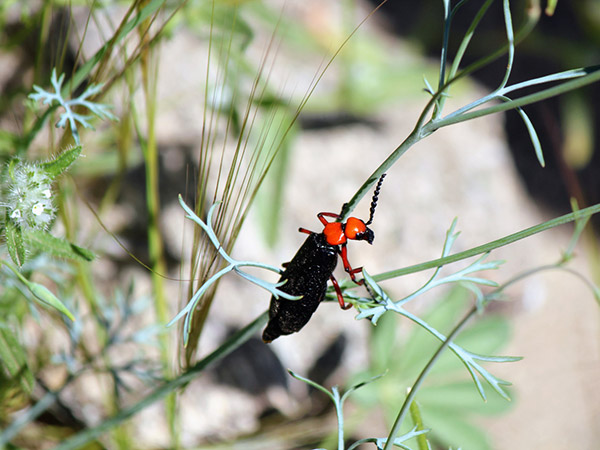
| | One of my favorite places to go for a hike around Tucson is Catalina State Park on Tucson's northwest side. This past week, parts of the park have been swarmed by master blister beetles, another desert dweller that is best left alone when encountered. They are not agressive, but if handled roughly or crushed they can secrete a blistering agent called cantharidin that burns skin and can be poisonous to animals if eaten. If you run across any blister beetles on the trail, don't try to pick them up; just let them be. | | Hands off: Catalina State Park swarm signals start of blister-beetle season | From: Tucson.com, By: Henry Brean, April 5, 2026 | |
Judging by a recent swarm spotted at Catalina State Park, it's blister-beetle season in Southern Arizona. And as the name of the bug suggests, it's best to look but not touch.
Arizona is home to almost 150 different species of blister beetles, and they all share one unpleasant characteristic: a toxic defensive chemical called cantharidin in their blood that can cause severe skin irritation and blistering.
The ones now being seen at the state park on the eastern edge of Oro Valley are an orange-and-black variety commonly known as master blister beetles or desert blister beetles.
“You're most likely seeing the mating swarms that happen this time of year,” said entomologist Gene Hall, who manages the University of Arizona’s massive insect collection.
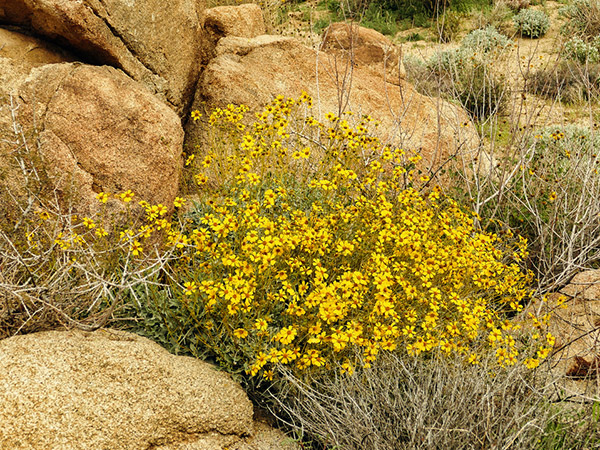
Master blister beetles typically emerge in spring to find mates and feed on brittlebush and other native flowers. They can grow to as much as two inches long, with bright red-orange coloring on their heads, legs and upper thoraxes and textured black shells over their wings.
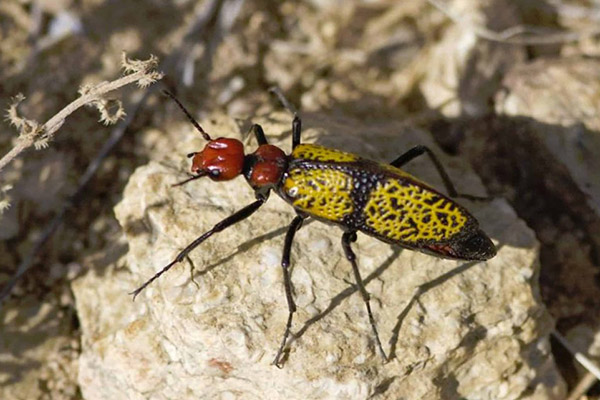
| | The other species most commonly seen in the Tucson area is the iron-cross blister beetle, which runs slightly smaller than the master and is easily distinguished by its red head and yellow back marked by a black cross. | | iron-cross blister beetle | | |
According to Hall and other U of A researchers, master blister beetles mostly stick to the desert and don’t often turn up in agricultural fields, but the adult bugs can do some damage if enough of them invade a garden or a crop.
The bigger risk they pose is by contaminating food and forage products during harvesting. If enough of the beetle’s toxin is ingested, it can cause illness or death, especially in horses, though instances of such poisoning are rare and usually the result of hay bales with dead beetles in them.
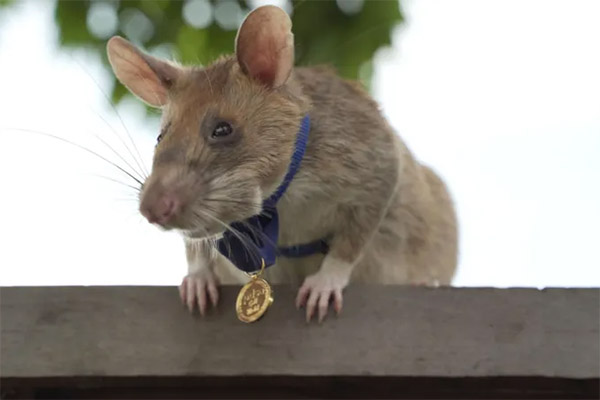
| | 3. Flock Friends: Janaki & Nithya | | Looks like the girls had fun celebrating Holi. | | Last fall, I checked in with Flock friends Divya Shroff and her family when Divya and her girls Janaki and Nithya attended the Fleurs de Villes exhibit at the Cheekwood Estate and Gardens in Nashville, Tennessee. The whole family shared a photo dressed in their holiday best for Diwali in October. This week Divya has shared photos and videos of the girls from this spring's Holi and Navaratri festivals. | | Nithya and Janaki dressed to dance at a Navaratri celebration. | | Janaki and Nithya are lined up in the left row. | | Here, Janaki and Nithya are the second staggered pair from the left. | | 4. Reader Submission: Statue erected to honor HeroRat | | Last May, in the Flock's Philanthropy section, I posted about the Belgian charity APOPO, which trains African giant pouched rats in Tanzania to sniff out landmines. A Flock reader browsing the BBC website had read that post and alerted me about this story. One of the APOPO 'HeroRats,' named Magawa, was recently honored in Cambodia with a statue commemorating his contributions to public safety by sniffing out over 100 landmines. | | Cambodia unveils statue to honour famous landmine-sniffing rat | | From: BBC, By: Claire Keenan, April 4, 2026 | | |
A famous mine-clearing rat, who was awarded a gold medal for his heroism, has been commemorated with the world's first statue dedicated to a landmine-detecting rat.
Magawa, who lived to eight years old, sniffed out over 100 landmines and other explosives in Cambodia during his five-year career that started in 2016.
A statue of the rodent carved from local stone by artists was unveiled in Siem Reap, Cambodia on Friday, in time for the International Day for Mine Awareness on 4 April.
Landmines remain an ongoing risk to Cambodia, and more than a million people continue to work and live on land contaminated by mines and unexploded ordnance, according to the United Nations.
| | Magawa was pictured in 2020 with his PDSA medal for gallantry - sometimes described as the George Cross for animals. | | |
Magawa, an African giant pouched rat, was trained by the Belgian charity Apopo before moving to Cambodia to begin his bomb-sniffing career in 2016.
Using his acute sense of smell and training to detect a chemical compound within explosives, Magawa would then alert human handlers of mines that could be later safely removed.
During his time, Magawa cleared more than 141,000 square metres (1,517,711 sq ft) of land - the equivalent of 20 football pitches – and could search a field the size of a tennis court in just 20 minutes.
| |
5. The Next Gen: William George is on a Roll
| | The Flock's favorite shipping and trade data analyst, William George, Research Director for ImportGenius, is on a roll, with his work recently cited in the New York Times and his insights featured in an interview with CGTN America. | | ‘Definitely a Sham’: As Tariffs Climb, Trade Fraud and Accounting Tricks Proliferate | | U.S. imports from China have shrunk drastically. But billions of dollars of the change appear to be the result of accounting gimmicks and outright fraud. | | “We know with certainty, because it’s public record, that our competitors are using incorrect tariff numbers,” said Bradley Handelman, the president of Strikeforce Bowling, which sells bowling balls, shoes and accessories | |
As President Trump’s stiff tariffs on China went into effect, a curious thing happened to the metal containers carrying Chinese goods to the United States.
The average value of the products in a 20-foot container plunged nearly 40 percent from January 2025 to February 2026, according to data compiled by ImportGenius, a trade data provider. Yet the average value of a container headed to the United States from elsewhere in the world remained relatively flat.
The reason? Experts say companies most likely began finding ways to reduce the value of the goods they were sending to the United States. Lowering the value of the toys, couches and other products headed for America’s shores meant that companies could also reduce the amount of tariffs they had to pay for those imports.
Some firms turned to new suppliers outside China to lower their tariff bill, setting up factories in Vietnam, Mexico and other nations that faced lower U.S. tariffs. Others have found ways to substantially reduce the recorded value of their Chinese shipments without finding new factories, using tactics ranging from legal accounting tricks to outright fraud.
| | Fate of ‘Liberation Day’ tariffs still uncertain | |
6. Wellness: Benefits of Positive Thinking
| | I've been a friend and follower of Dr. Mimi Guarneri of Pacific Pearl La Jolla for many years, and I'm proud to be called one of her "Pearls". Of all the wellness practitioners that I've worked with, Mimi's simply the best! Her Pacific Pearl newsletter was the inspiration for the Flock. You can sign up for the Pacific Pearl Newsletter here. | | 7 Health Benefits of Positive Thinking | | |
Looking on the bright side not only boosts your mood but may also improve your health.
The phrase "just think positive" might seem like simple encouragement, but research shows that positive thinking can benefit your overall well-being. It's about focusing on what you can control, staying hopeful. and finding silver linings in difficult times. Here are seven ways that positive thinking may help improve your physical and mental health.
1. Reduces stress: Positive thoughts can help your body respond more effectively to stress, keeping you calmer and reducing tension, headaches. and blood pressure.
2. Strengthens your immune system: Hopeful people tend to get sick less often becausepositivity supports their body's defenses.
3. May lower heart disease risk: Optimists often recover better and takebetter care of their health, with positive emotions helping to protect the body.
4. May help manage pain: while positive thinking doesn'teliminate pain, it can make it more manageable and reducefeelings of being overwhelmed.
5. May improve mental health: Positivity is linked to lower levels of anxietyand depression, helping youbounce back from setbacks.
6. Encourages healthier habits: Believing in the possibility of improvement motivates better eating, exercise, and adherence to medication.
7. May extend lifespan: An optimistic outlook is associated with longer life partly due to the health benefits it fosters.
While positive thinking isn't a cure-all and can be challenging at times, incorporating some optimism into your life can bring significant health advantages. consider writing down things you're thankful for, spending time with positive people, and reminding yourself that tough days will pass.
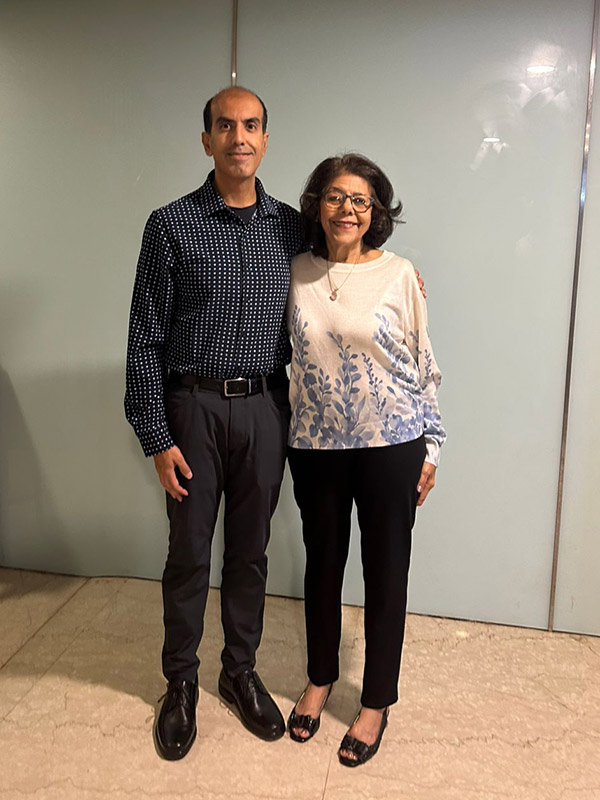
| | 7. Bragging Rights: Much to Brag About this Week. | | I first featured sisters Ana and Zoe Crimmel as two of my youth entrepreneurs with their pet training business and contributions to Aspen Tennis programs in the first months of the Flock. Since then, I've followed both girls' tennis progress and Zoe's blog, Where in the World is Zoe. This week, I'm very proud to post this photo of Ana, who is well on her way to becoming an aviator! | | I am very proud to announce that Dr. Puneet Shroff, son of the Flock's weekly spiritual advisor, Queen Bindu Shroff, has been made a full professor at the University of Arizona! | | I've been participating in the Lavaman Triathlon for 27 years, usually with family! A parting photo of me sitting on my son Mikey G's shoulders after my team finishes the race has become a tradition I first posted to the Flock after the 2023 race. Violet has always been our 5-star cheer squad. | |
8. Reid Park Zoo: Baby Giraffe Update
| | The baby giraffe born at the zoo in February has a name! | | And the Giraffe Calf’s Name Is… | | |
The reticulated giraffe calf born at Tucson’s Reid Park Zoo has been lovingly dubbed “Ndizi” in a community poll that received more than 9,000 votes. “Ndizi” was the top choice for 41.6% of voters.
In his first weeks of life, Ndizi has grown about a foot and is currently measuring just about 7 feet tall. He is mostly nursing, but has been interested in browse and pellets. Ndizi is most often visible to the public first thing in the morning, but has been exploring the habitat for more extended periods recently.
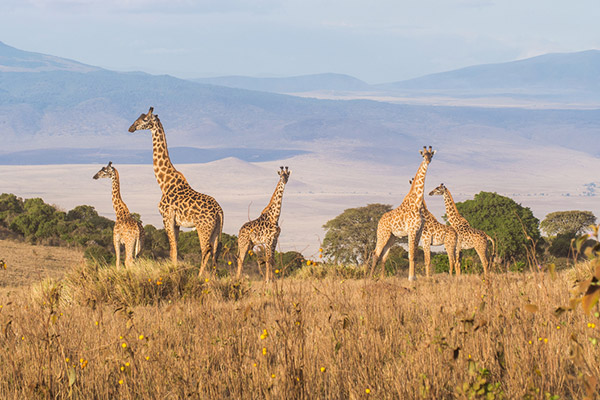
| | And the Giraffe Calf’s Name Is… | | What Is a Group of Giraffes Called? | | |
What Is a Group of Giraffes Called? Exploring the Towering World of Giraffe Collective Nouns
A group of giraffes is most commonly called a tower—a term that fittingly captures the majesty and stature of the world’s tallest land animals. However, this isn’t the only term used to describe them. Depending on their activity or context, giraffes might also be referred to as a journey, a herd, or even a kaleidoscope. Each collective noun reflects unique aspects of giraffes, from their physical appearance to their social behavior. Let’s dive deep into what makes these terms so apt and what they reveal about these incredible creatures.
| |
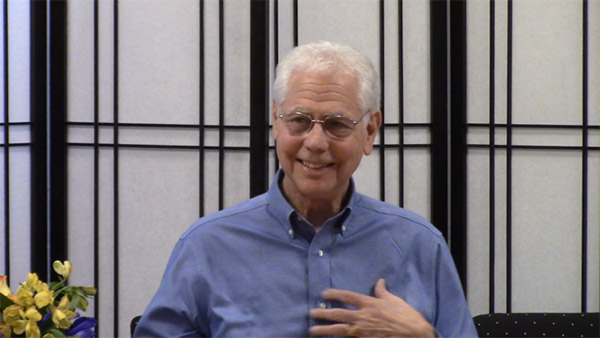
9. Hayward M. Fox, Ph.D.: From Dr. Fox’s Blog
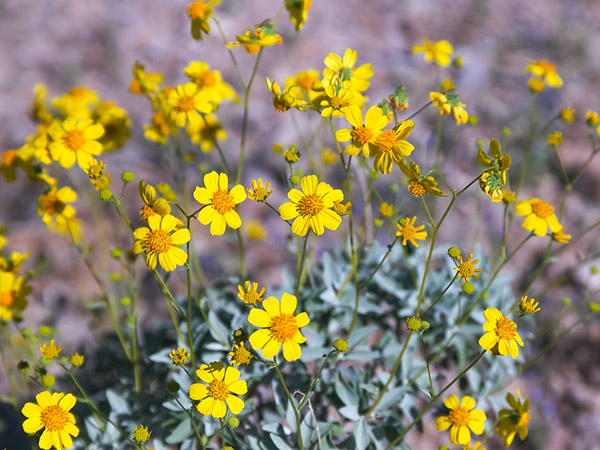
| | I have a new blog post from Dr. Fox's Institute of Personal and Transpersonal Knowledge. Give it some thought, and please visit his site to try some of his guided meditations during these uncertain times. | | yellow brittlebush flowers | | These Flock regulars are always here for you: | | Don't Be Shy: Share Your Stories! | | I'm looking forward to sharing more of your personal stories - oral, written, or otherwise, as we enter our third year. I'd so love to present them to The Flock, hit a mailbox below to share your story. | | Subscriptions & Idea Submissions
Reminder: Your submissions are always welcomed. | | |
Feel free to forward this email to a friend. If this was forwarded to you and you would like to receive your very own Flock Newsletter, you can sign up here. If you have any questions or suggestions for future Flock resources, don't hesitate to contact me.
Your fan and friend,
Beth
| | | The information and materials contained or referenced in this newsletter are for informational purposes only and not intended to be a substitute for professional medical advice, diagnosis, or treatment. Always consult a physician or other qualified medical professional with any questions you may have regarding a medical condition or treatment and before beginning a new health care regimen. Do not disregard professional medical advice or delay seeking medical advice or care based on anything contained in this newsletter. | | | | |