|
I think every farmer who looks up from their fields to find they are abruptly at the end of October believes that the last 10 months have been the most challenging of their life. It's a good moment to briefly reflect on our successes, and recognize some of our shortcomings.
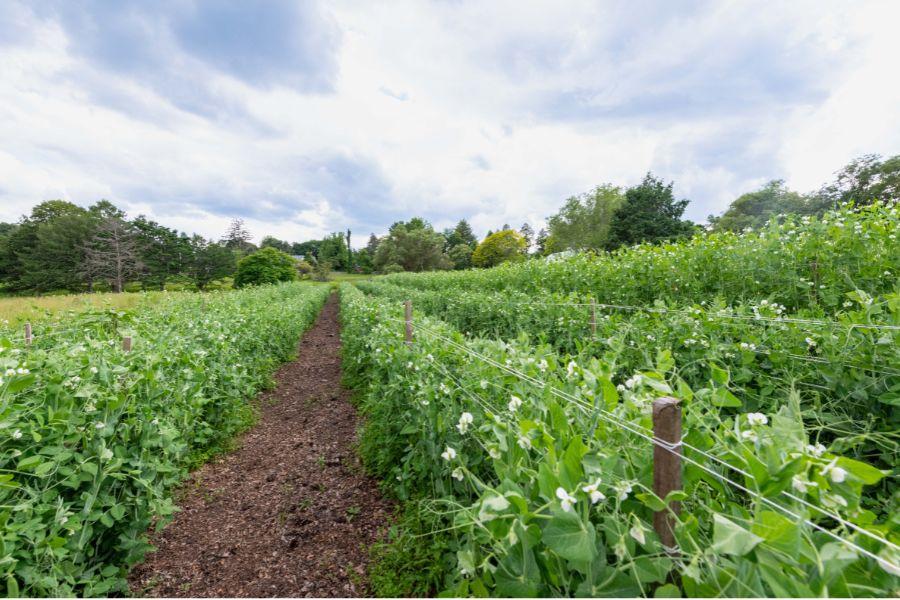
Back in the Spring, we had a lovely, temperate window for opening the fields, with well-timed and well-proportioned rains to sustain our early plantings. A late frost reduced early bean and pea plantings, but most crops escaped unscathed. June and July brought excessively hot and windy weather patterns, aligned with some of our larger planting windows. Crops like winter squash, sweet potatoes, and sweet peppers suffered significant mortality, while onions thrived on mulched metallized plastic (utilized to deter thrips). I am grateful to the stellar farmers who carried the brunt of the harvest and produce washing and hand-scale minutia of the farm during the summer.
After the Solstice, we prioritized proactive field work on fall crops. Slowly, amid cool nights and some rainy days, all of the cabbage and cauliflower and broccoli, and kohlrabi and carrots and kales have bulked on some beautiful and delicious mass.
Though we may have a shorter growing season here in New England, I believe we are uniquely blessed with our autumns, and their gradual chilling effect, which perfectly sweetens a wealth of local cole crops and greens.
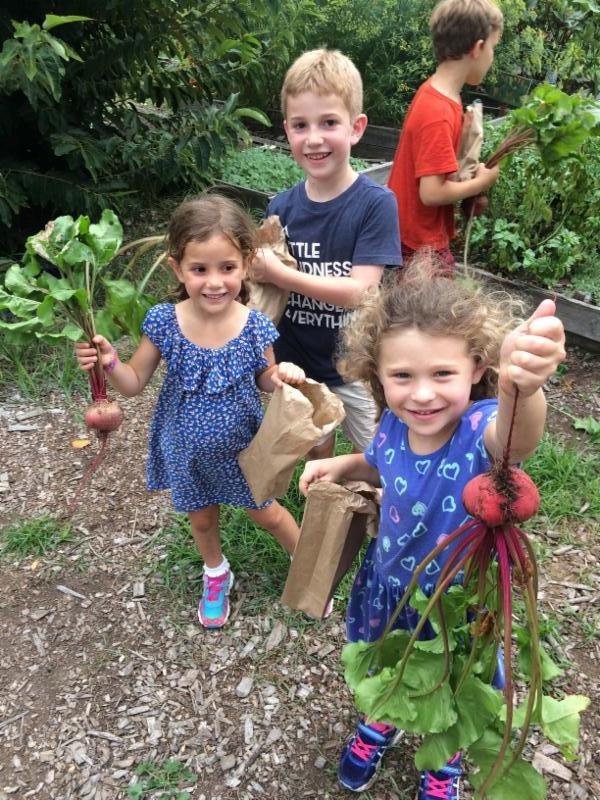
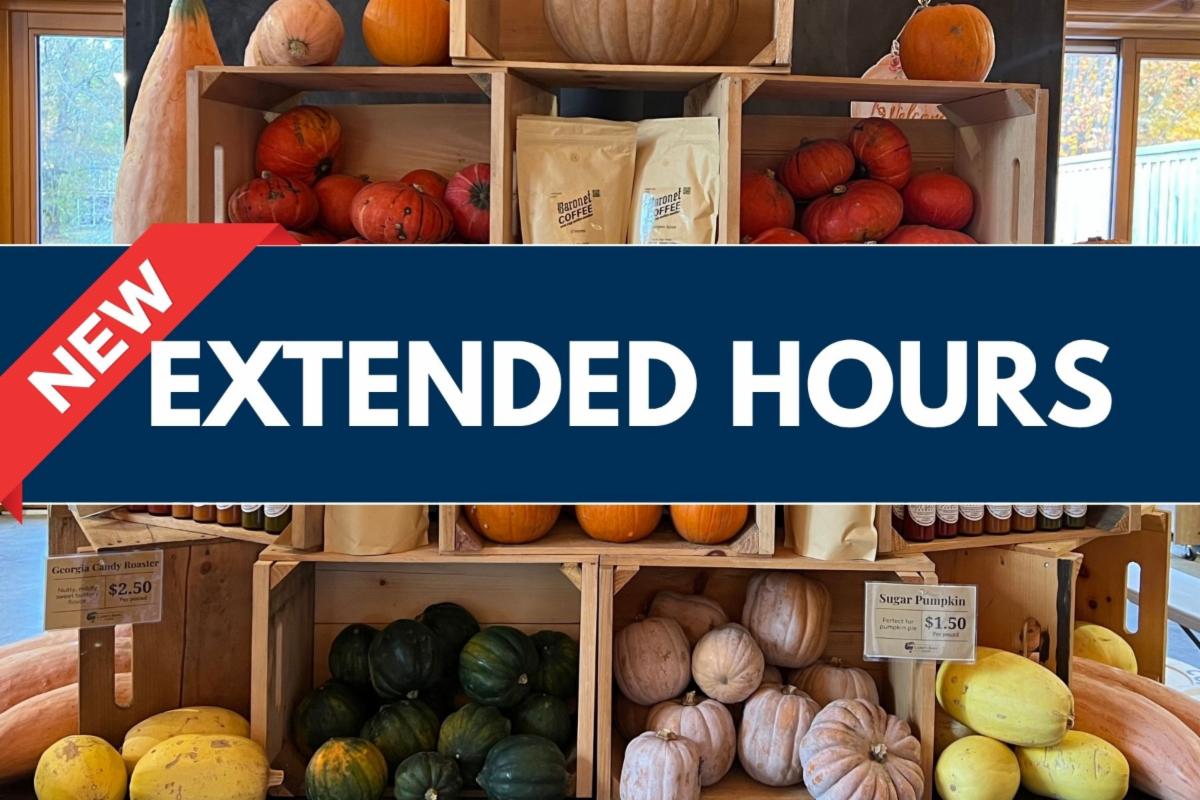
We still have a lot of produce yet to harvest and enjoy, including celeriac, parsnips, winter radishes, turnips, Brussels sprouts, more cabbages, lots of beets, spinach, and more! Everyone can enjoy the bounty through the farmstand, which will remain open through the winter.
|