WEATHERING CHANGE:
Local Solutions for Strong Communities
2019-20 Webinar Series
Impacts of a Changing Climate on Wetland Ecosystems
Thursday, April 16, 2020 - 12:00 - 1:15 PM ET
This webinar will review the potential impacts of a changing climate on wetland ecosystems, with a focus on the glaciated northeast. The presentation will review three types of wetlands: vernal pools, peatlands and tidal marshes with an eye to the vulnerability and potential resilience of such systems to the current and projected changes in temperature, precipitation and atmospheric carbon dioxide content. Response of these ecosystems to such disturbances will be considered through different spatial scales.
Webinar Presenters:
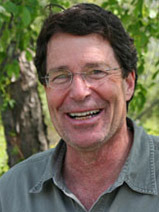
Prof. Michael Simpson has graduate degrees from both Dartmouth College and Antioch New England Graduate School, where his focus of studies was wetlands ecology and economics. He has been a senior environmental scientist, and partner, for two environmental consultant firms in the Northeast. He has also worked for both the NH Dept. of Environmental Services and the MA Dept. of Environmental Protection.

He is a licensed wetlands scientist with over thirty-years of experience in wetland and riparian corridor assessments. He has also designed created-wetlands to mitigate both wastewater and non-point source pollution. These projects have been accompanied by economic cost/avoided cost analyses related to decisions regarding resource utilization and conservation.

Currently, he is the Director of the graduate Resource Management and Administration program, within the Environmental Studies Dept at Antioch University New England, and Co-Director of the Center for Climate Preparedness and Community Resilience. Within the department, he has taught graduate level courses in wetlands ecology, watershed management, environmental site assessment and principles of sustainable systems. His research has ranged from impacts to springs, seeps and wetlands from large groundwater withdrawal to multi faceted analyses of the vulnerability of stream-road crossings for both peak flow conveyance and aquatic organism passage. Research, funded by NOAA and the US EPA, focused on assessing the vulnerability of riparian corridors from a changing climate within the context of a changing landscape.
Want to learn more about financing climate response initiatives?
Register for our next 4-week online course:
Climate Response: Cost and Financing

May 3 to May 30, 2020
Registration Deadline: April 28, 2020
Instructor: Michael Simpson

Already communities are being impacted by a changing climate: the flooding of communities along the Eastern Seaboard and Gulf Coast due to sea-level rise, the long-term droughts in the South and Upper Midwest, the wildfires and subsequent landslides in the West and the hospitalization and associated deaths from extreme temperatures in cities due to extreme temperatures. In responding to such climate-mediated impacts there are three leading criteria in choosing a response strategy: effectiveness of any specific recommendation, ease of implementation and costs. 

This course provides the tools to analyze the associated costs analyses that should accompany any on-the-ground response to projected climate impacts. Marginal cost analysis will be covered, as well as dollar-based valuation approaches, including avoided damage costs, replacement costs and substitution costs. The issue of financially discounting the future in light of inaction will be addressed. Finally, existing funding sources and financing strategies will be introduced.

Please help us share this information with all who may be interested by forwarding this email to your networks.