MEFTI catalyzes a social impact network focused on farm to institution in Maine to build a healthy and sustainable regional food system.
|
|
What's Inside?
- Maine Farm to Institution Updates
- Transforming Culture
- Updates from MEFTI Innovation Grant Recipients
- Leadership Team Spotlight
- COVID-19 & Local Food
- Funding & Training opportunities
- Webinar Opportunties
|
|
Maine Farm to Institution Updates |
|
Maine Food Convergence Project Regional Dialogues were a success! |
Throughout the month of August five Regional Dialogues were held across the state to discuss food issues and opportunities that are important to Maine communities. There was a high level of participation and many exciting and meaningful conversations. Stay tuned for key take aways from the dialogues to come.
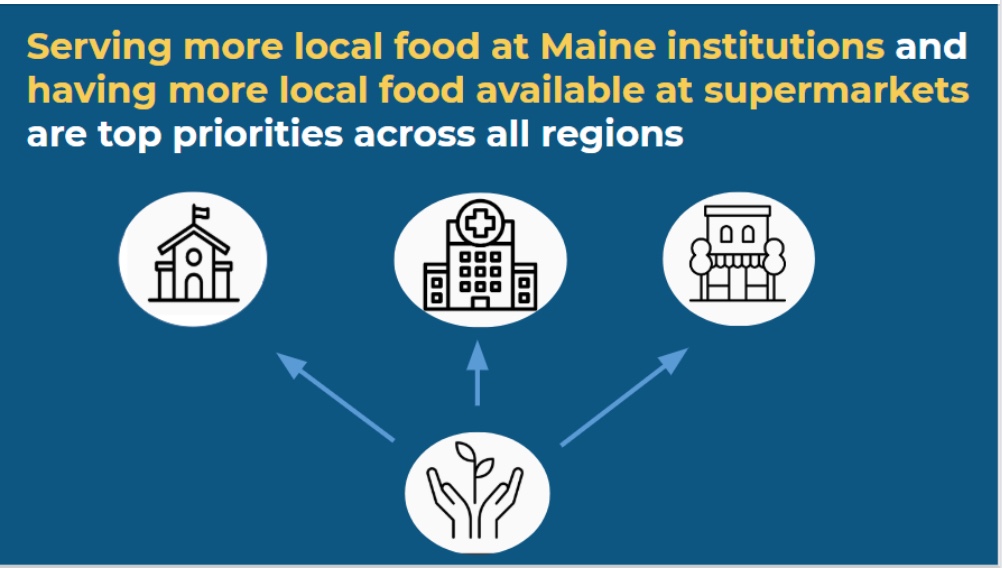
Additionally, preliminary results from the Maine Food Convergence survey show that building strong farm to institution relationships are a top priority for Mainers.
|
There's still time to make your voice heard by taking the Maine Food Convergence Survey by September 30th.
|
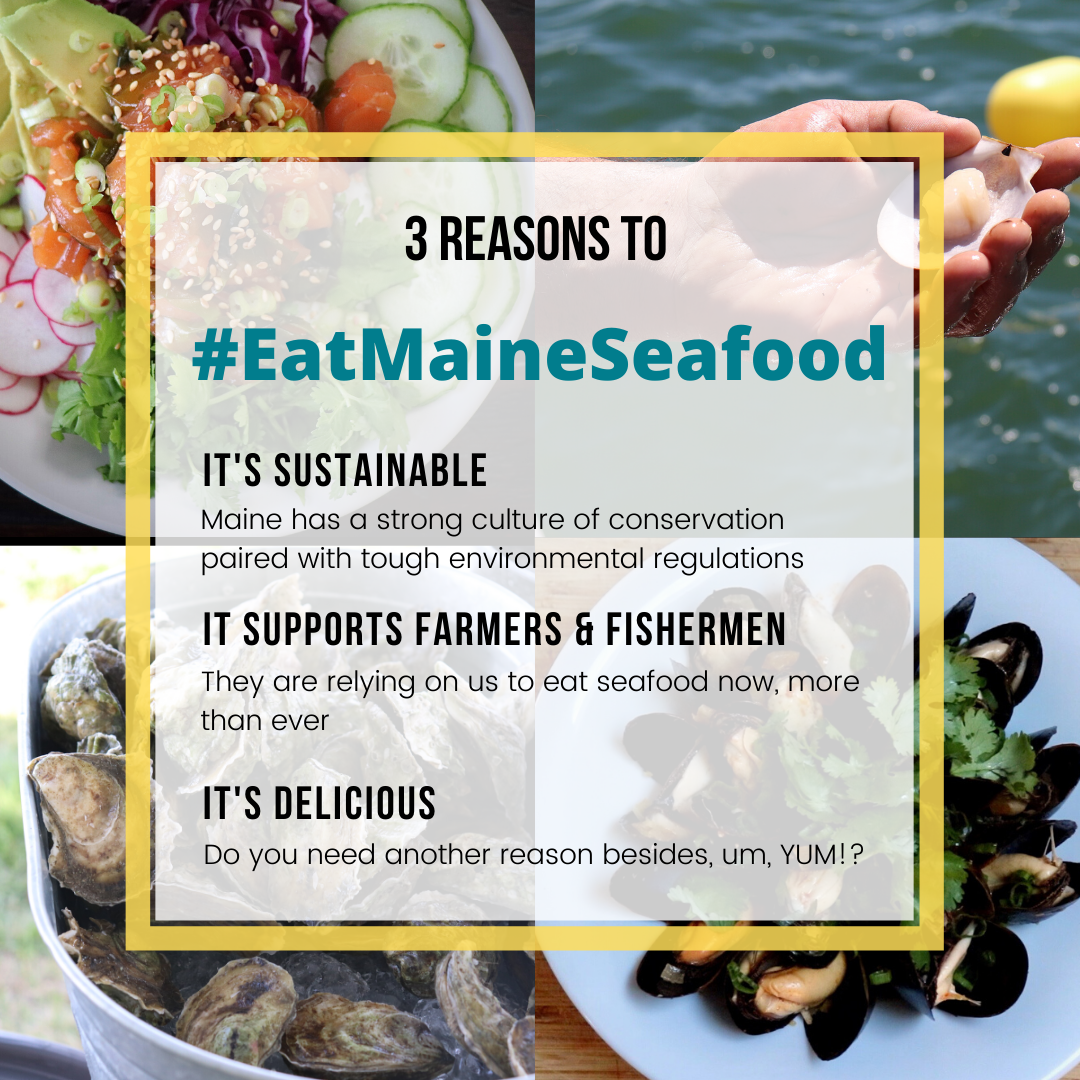
Wondering where to purchase Maine Seafood?
|
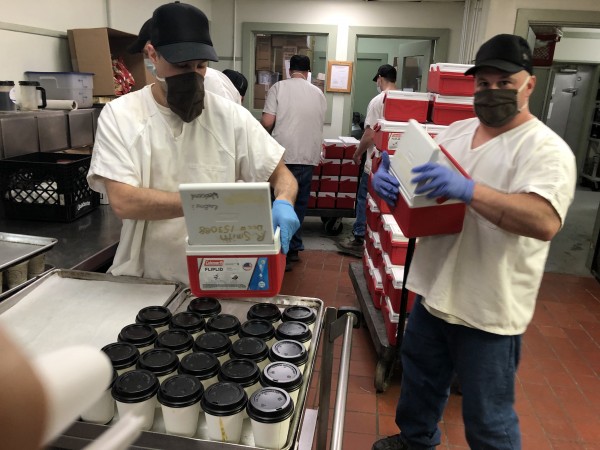
Feeding Incarcerated People in a Pandemic: How One Maine Prison Is Adapting
"As part of FINE's work on how COVID-19 is impacting institutional food systems, this blog highlights how the COVID-19 virus has profoundly disrupted food operations in prisons and jails. Mark McBrine, Food Service Manager at the Mountain View Correctional Facility, shares how the Maine Department of Corrections has adapted their protocols to protect against the virus while demonstrating the benefits of sourcing local quality food."
|
|
|
|
Support Latinx Farmworkers in our communities |
|
|
|
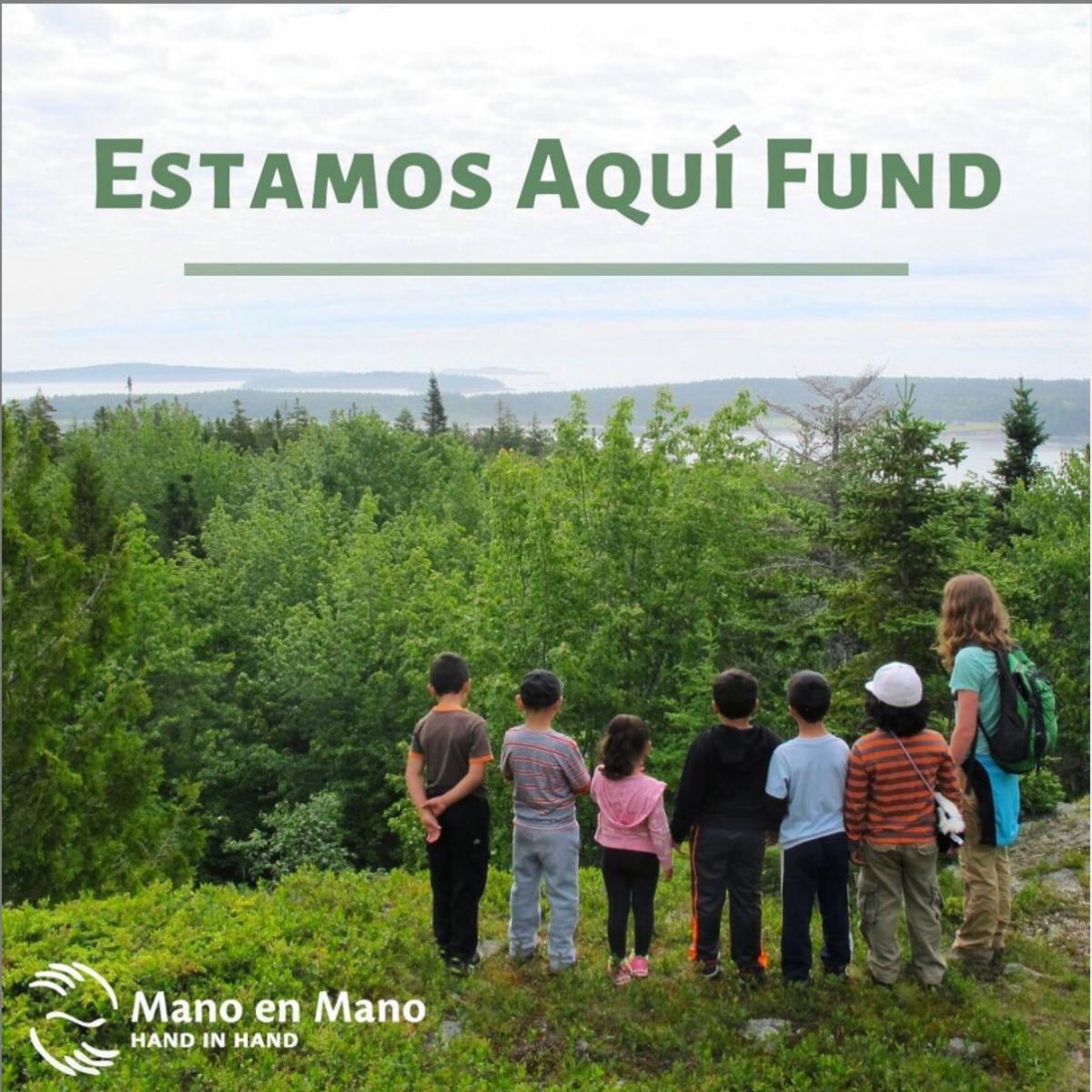
Mano en Mano's Estamos Aquí Fund is a mutual aid fund to support immigrants and farmworkers in Maine with financial challenges associated with COVID-19, especially those who are not eligible for government support right now. Community members can request and receive direct funds for whatever immediate needs they are facing including housing, utilities, food, and more.
|
|
Maine Grains and SBCA Launch Liberation Farms Cornmeal
|
|
|
|
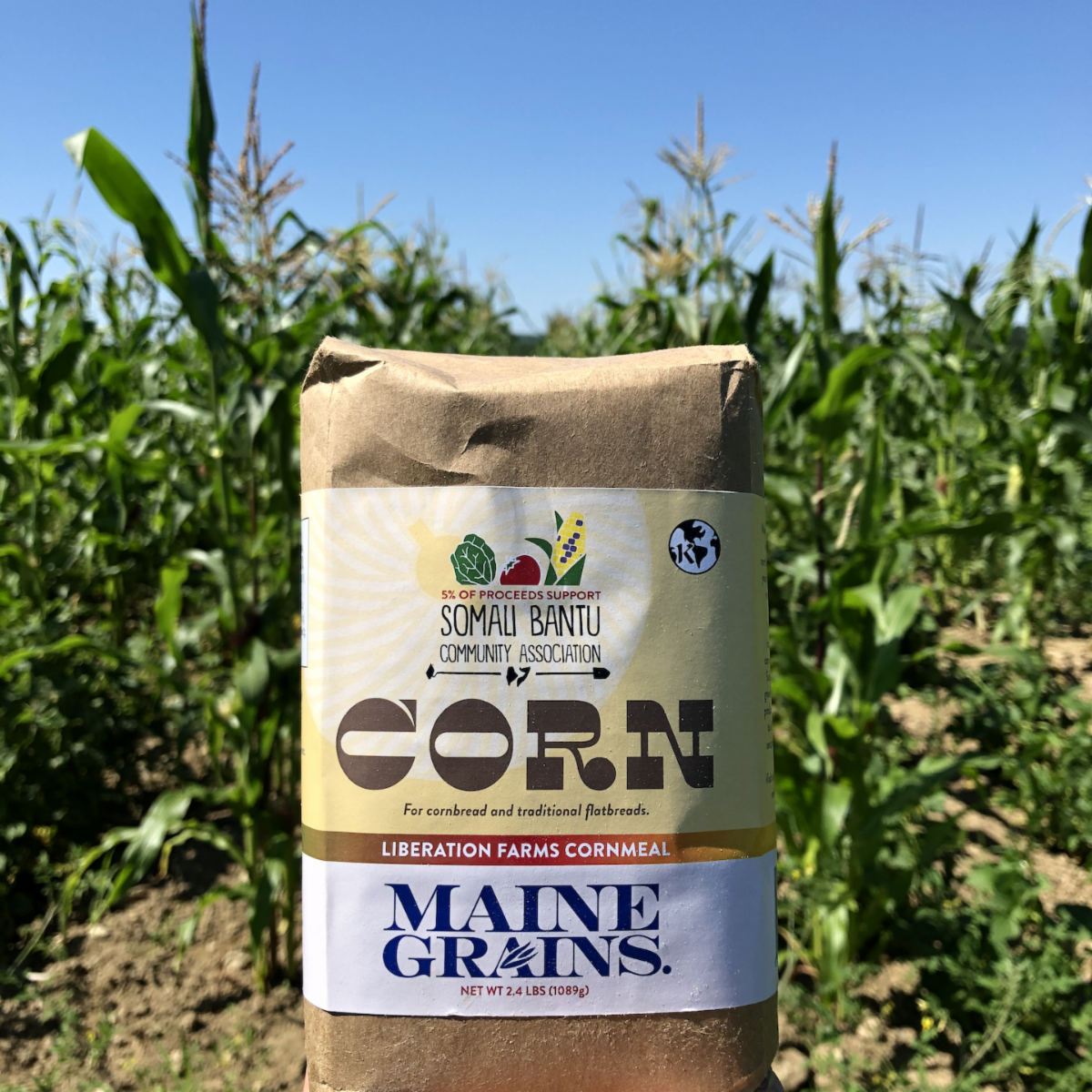
5% of the total proceeds from every purchase will be reinvested into SBCA’s community programs, so be sure to stock up or ask your local market or grocer to stock it. You can buy Liberation Farms Cornmeal online, learn where to buy, and look into bulk orders for your restaurant, bakery, or grocery store at MaineGrains.com.
|
|
Updates from MEFTI Innovation Grant Recipients |
The Maine Farm to Institution Network in collaboration with the Maine Farm to School Network offered small grants to grassroots initiatives surrounding local food procurement. The grant awardees engaged in a democratic shared gifting process, where they decided together how much to allocate to each project based on each project’s needs. Each month we will highlight a project update from one of the grantees.
|
Project title: Incubating Learning: Increasing Portland Public Schools Procurement from Somali Bantu Community Association’s Incubator Farming Program (Liberation Farms)
|
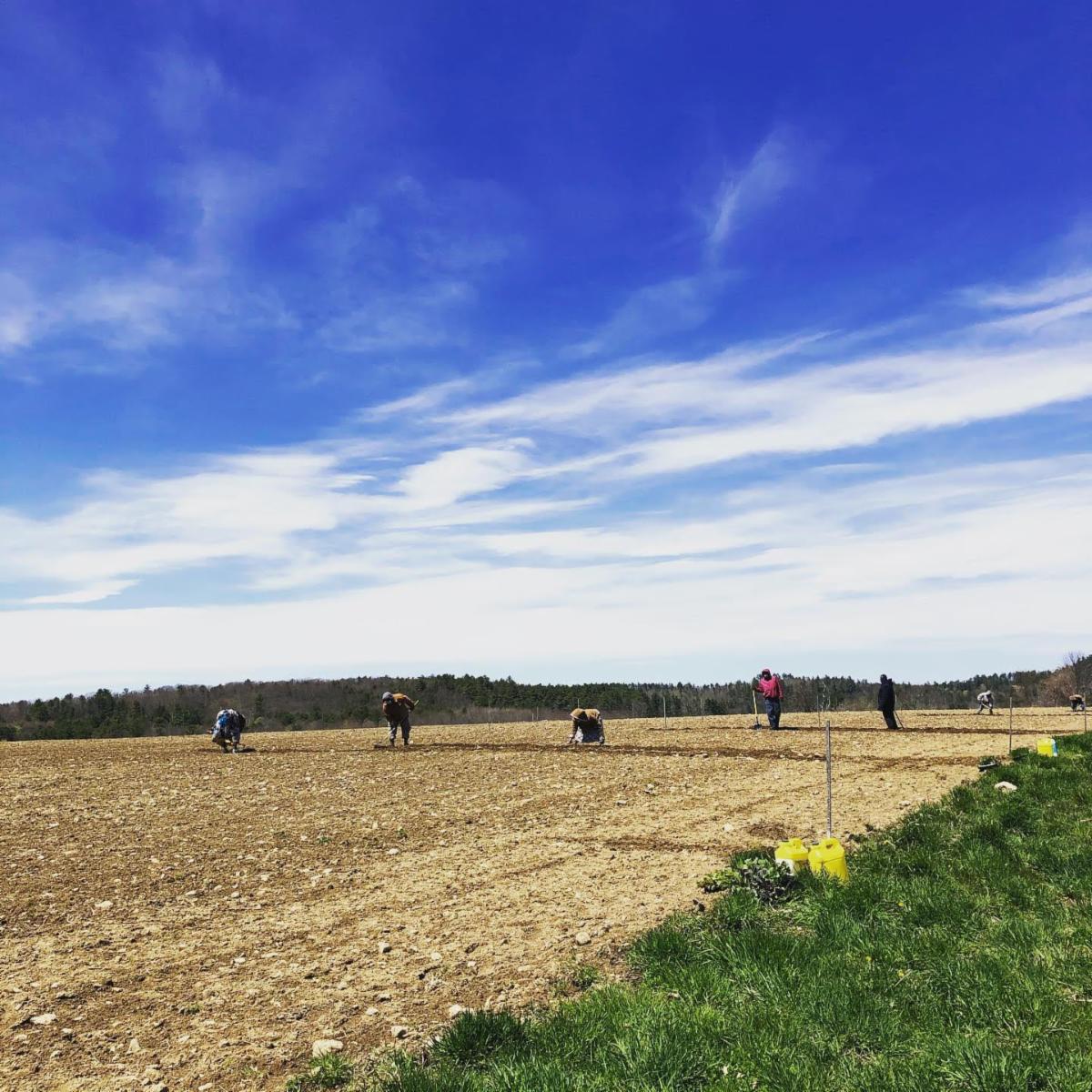
The MEFTI Innovation Grant has supported Liberation Farms in purchasing infrastructure to support production of paste tomatoes for Portland Public Schools. We were able to invest in stakes and trellising materials to increase the productivity and health of our tomato plants. We have seen much higher numbers of yield this year due to this financial support. So far, we have sent over 6,000 pounds of tomatoes to Portland Public Schools for their scratch-cooked marinara sauce. Moving forward, we are excited to build on this momentum and find ways to further increase the yield of our plants while making key soil fertility investments. Liberation Farms is incredibly grateful for the partnership with Portland Public Schools and looks forward to finding ways to continue building this relationship with Central Kitchen and their students! |
|
|
|
Leadership Team Spotlight
Maine Farm to Institution Network welcomed a new cohort of leaders this past fall to guide the future of the farm to institution movement in Maine. Each month we will highlight a Leadership Team member and the ways they've been involved with farm to institution work.
|
|
What's an exciting Farm to Institution project you are working on?
In the last couple of months, I have stepped into a leadership role facilitating the MEFTI Food Policy working group. I spent the better part of the last decade working in government, so it's refreshing to be able to continue similar work with amazing partners, but this time in my own capacity. We have been following a few bills that, if passed, would make a significant impact on Maine's food and ag economy. LD 1531, in particular, is a bill that would provide the blueprint to organize Maine's food system, leveraging positive outcomes we all know are possible.
What have you found to be the biggest barrier to local procurement?
It has been particularly rewarding to work with partners here in Maine, as I think our farm, food, aquaculture, and seafood industry folks have done a great job contributing to our economy and community resilience. It's an honor to be in Maine at a time when we have so much momentum towards increased collaboration and even more meaningful partnerships. The most valuable resource in Maine's farm to institution work is our human capital. I believe the biggest opportunity in reaching our goal of increasing local food procurement in Maine-based institutions is through collaboration. Maine has a plethora of organizations offering support services to food system stakeholders, and we can further leverage those resources through strategic alignment. Right now, the biggest barrier is a lack of financial capital needed to enable basic backbone support for this kind of project.
What's your favorite local food?
My favorite local food is whatever is in season (right now it's jalapeños, peaches, and tomatoes that keep me going)- I still experience deep joy eating food grown or produced on the land I live near, in my neighbor's gardens and farm fields. And, now that I've found my way back to a coastal community, I can add seafood to that list of seasonal delights.
|
|
Coronavirus Food Assistance Program Expands to include crops such as maple sap (for maple syrup) and cut flowers
|
Colleges Adapt During a Pandemic: New Ways COVID Will Change Campus Dining
|
Join Farm to Institution New England (FINE) on September 17th, 2020 for their open forum on Institutional Food & COVID-19
|
FINE's resource library has a wealth of farm to institution resources as well as relevant COVID-19 information.
|
Maine Farm and Seafood Products Directory details what local food is available across the state and what alternative pick-up options producers are using during COVID-19. |
Maine specific COVID-19 resources for farmers and fishers can be found on our website. |
Call for Papers on COVID-19 & Food System: "The Journal of Agriculture, Food Systems, and Community Development (JAFSCD) announces a call for papers and essays for a special issue on COVID-19 and the Food System to fully understand the system's resiliency and impact on the community."(FINE). Deadline: September 30, 2020
|
And Now for Some Good News: 20 Inspiring Food and Agriculture Stories
"Despite the headlines, people nationwide are working together with compassion, ingenuity, and solidarity to solve problems across the food system."
|
|
|
|
Funding & Training Opportunities |
|
Funding
Deadline: November 17, 2020
"Farmer Grants are for commercial producers who have an innovative idea they want to test using a field trial, on-farm demonstration, marketing initiative, or other technique."
Accepted on a rolling basis
GENYOUth is providing grants of up to $3,000 per school to supply much-needed resources for meal distribution and delivery efforts.
Trainings
"The MAMP provides alternative dispute resolution through mediation to farmers, their lenders and others directly affected by the actions of certain USDA agencies, neighbor disputes, and workplace and family disagreements that affect the farm."
Deadline: October 1, 2020
"This program is designed for commercial farmers who grow vegetables and/or small fruit, and agricultural advisors who work with vegetable/small fruit farms. Participants will enhance their knowledge of climate change and green house gas mitigation, experiment with or evaluate adaptation management practices, and encourage other farmers to explore farm-specific climate change adaptation measures through this peer-to-peer curriculum."
|
|
Local
September 2, 2020 5:00 p.m. | Hosted by MOFGA
September 1, 2020 7:00 p.m | Hosted by MOFGA
September 3, 2020 6:00 p.m. | Hosted by University of Maine Extension
September 21, 2020 3:00 - 4:00 pm | Hosted by School of Food and Agriculture, University of Maine
September 25-27, 2020 | Live programming | Hosted by MOFGA
October 5, 2020 3:00 - 4:00 pm | Hosted by University of Maine
November 2, 2020 3:00 - 4:00 pm |Hosted by University of Maine Sea Grant
Regional
September 1, 2020 12:00pm ET | Several listening sessions will be held | Hosted by Agralytica (which is working under contract for USDA’s Risk Management Agency)
September 22, 2020 6:00 - 7:30pm | Hosted by NESAWG
November 12th & 13th, 2020 | Save the date | Hosted by The Farm to Plate Network
National
August 19, 2020 3:00 PM EDT | Hosted by USDA
Webinar Recordings| Hosted by USDA
Weekly Broadcast and Webinar Recordings| Hosted by A Growing Culture (AGC)
|
|
|
|
Maine Farm to Institution Network is supported by the Elmina B. Sewall Foundation |
|
|
|
is the Fiscal and Staffing Home to the Maine Farm to Institution Network
|
|
|
|
|
|
|