|
Men die younger than women. About five years younger in this country, and the gap holds across almost every cause on the list. Heart disease, diabetes, certain cancers, all showing up earlier and hitting harder.
Some of that is biology. A lot of it is what men have been taught about food.
Think about what gets marketed to men. Protein, in quantities nobody needs. Meat as proof of strength. Portion sizes framed as a challenge. The supplement wall. Almost none of it points toward vegetables, and almost none of it comes from anyone asking what a man's body actually needs at fifty or sixty.
Then there's what happens at the doctor. Men are less likely to go, less likely to ask questions when they get there, and far less likely to be handed anything about food. So the first real conversation about diet often arrives after a diagnosis, when it's framed as a restriction instead of a tool.
Here's what the research actually supports.
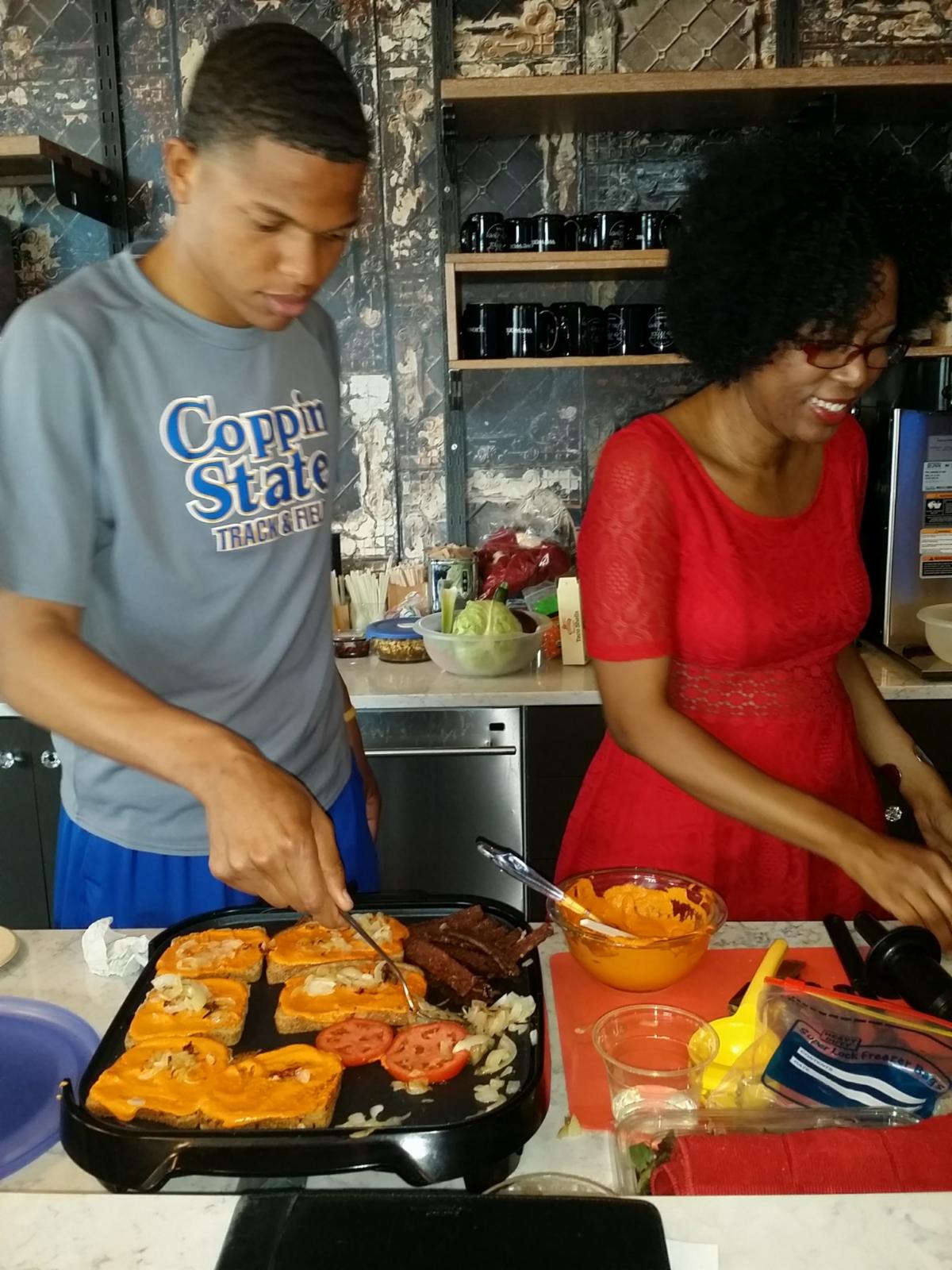
Fiber, which almost no one gets enough of, feeds the gut and helps regulate blood sugar and cholesterol. Cooked tomatoes deliver lycopene, and heat makes it more absorbable, which matters because the prostate research on lycopene is some of the most established out there. Beets support blood flow through nitrates, and circulation drives more of men's health than most men realize. Walnuts, flax, and pumpkin seeds bring the omega-3s that keep inflammation in check. Leafy greens do quiet work across all of it.
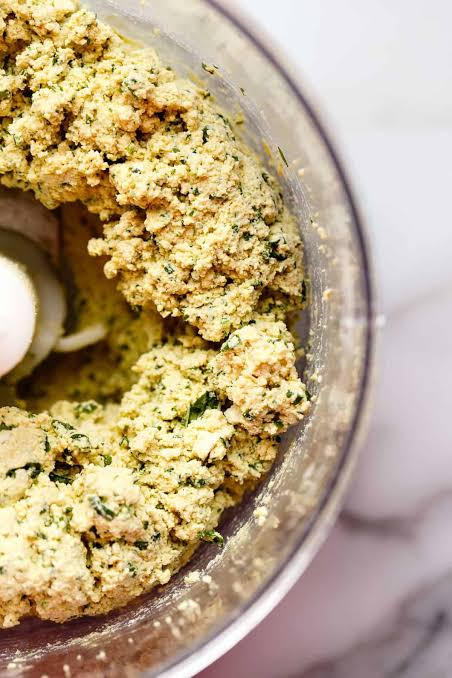
And soy deserves its own word here, because men have been told to avoid it for years based on a myth. Soy does not lower testosterone or raise estrogen in men. The research is clear on that. What it does offer is complete protein, fiber, and isoflavones, with some of the strongest data we have connecting soy intake to lower prostate cancer risk. Tofu, tempeh, edamame, and soy milk all belong on the table.
Knowing what to buy is one thing. Knowing what to do with it once it's home is another, and that's where a lot of men get stuck.
|