|
|
Click on the picture for a digital map
|
|
Home Of Austria's
Finest Wines
|
|
Greetings!
WHAT MAKES THE WINE FROM RÖSCHITZ SO SPECIAL?
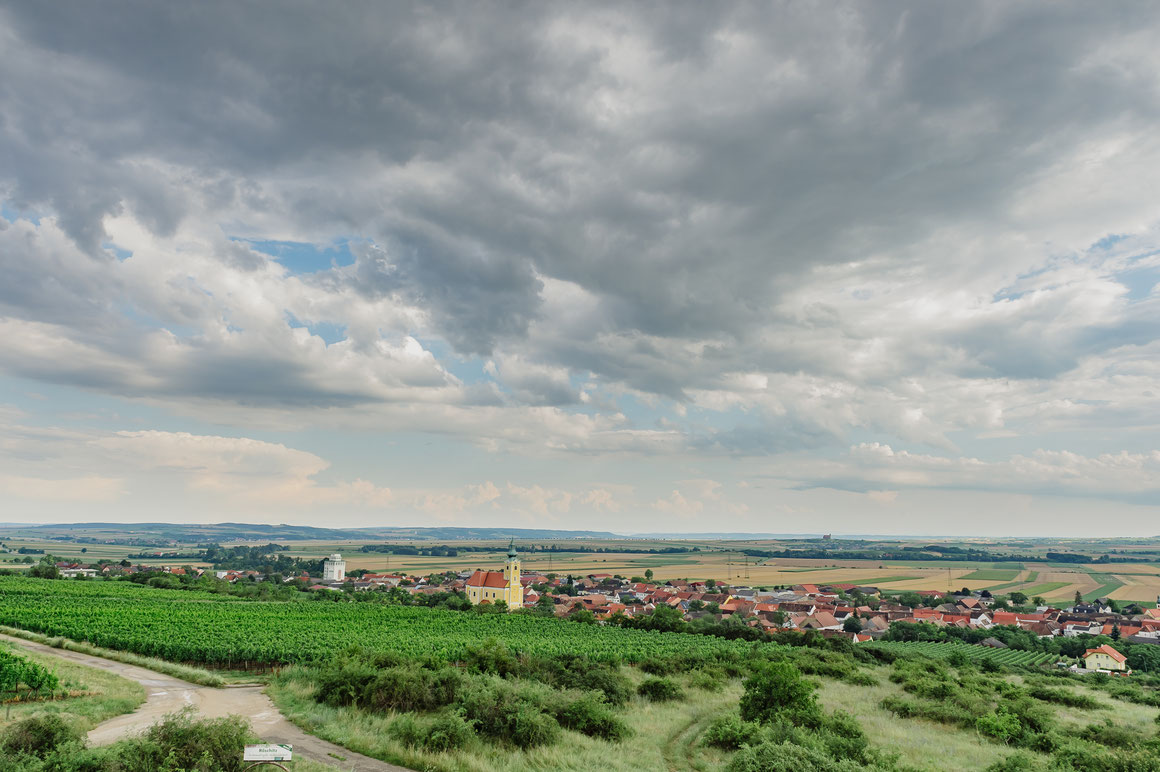
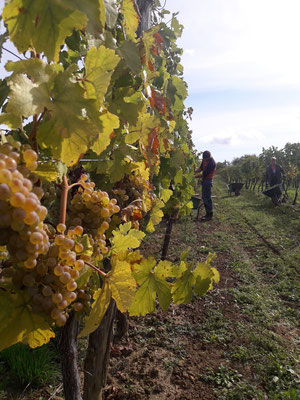
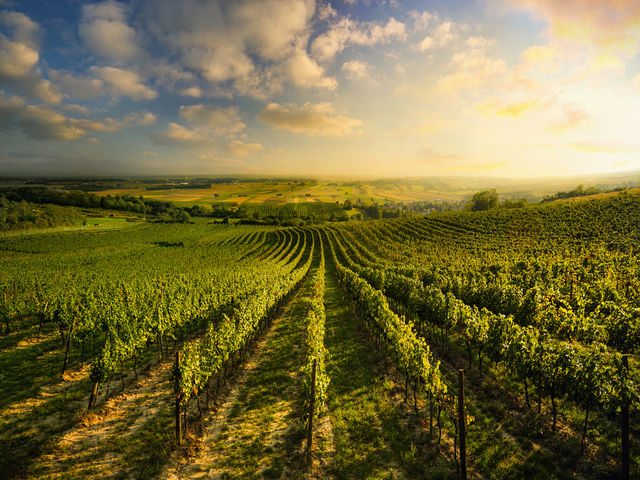
The vineyards at the transition between the Weinviertel and Waldviertel benefit from the special micro-climate with warm daytime temperatures and cool nights. The fruitiness of Röschitz wines is the result of these unique climatic conditions. This micro-climate also offers space for rich flora, fauna, and birdlife. The deep loess soil produces fragrant, creamy, and dense Veltliner, while the primary rock soil particularly expresses the spicy, peppery, and mineral note. The Grüner Veltliner thrives on both loess and primary rock soils.
|
|
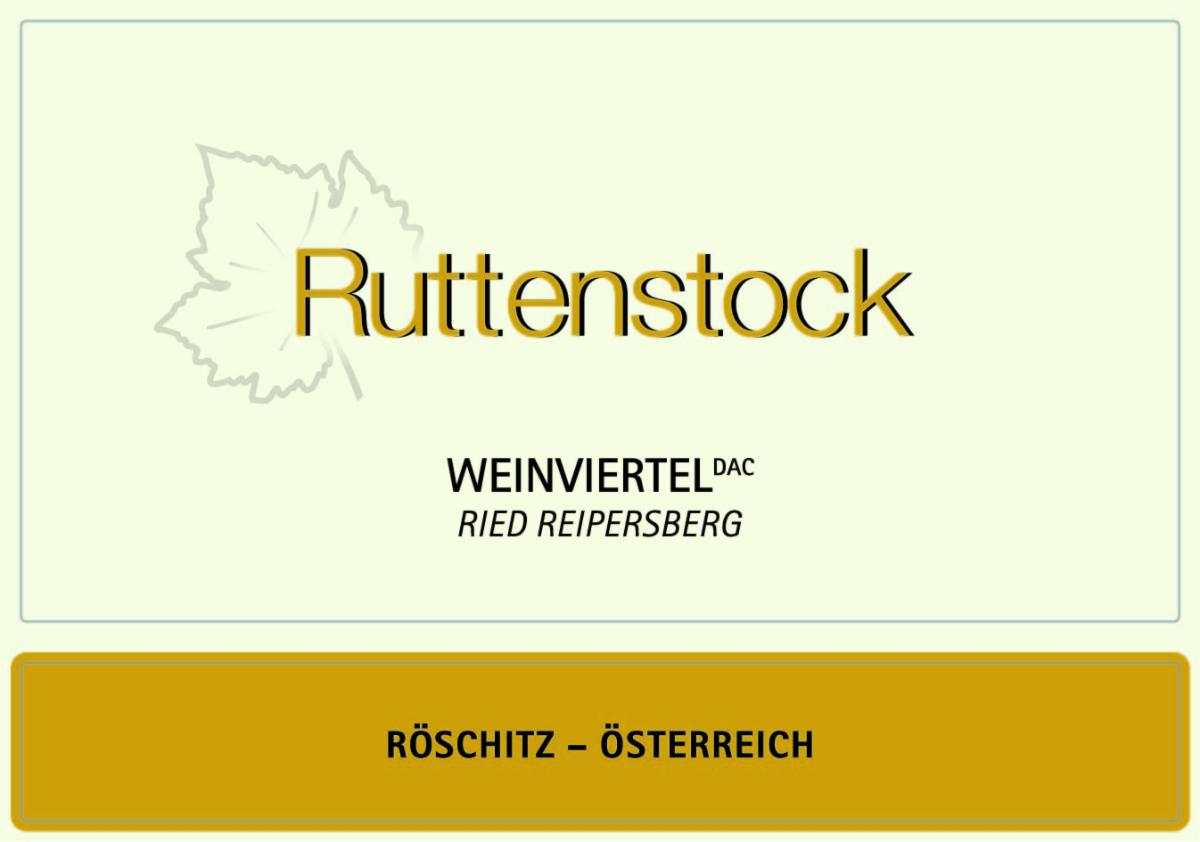
Ried Reipersberg Grüner Veltliner
2020
Weinviertel
Ried Reipersberg lies in the north-west of Röschitz.
This vineyard, which primarily faces south-east, also has some south-facing parts. It is bordered to the west by the neighboring village of Groß Reipersdorf and to the north, partly by acacia forests which provide some shelter. In places, the acidic biotite granite of the Thaya Batholith crops out with sandy, gritty, dry and non-calcareous soils. Over significant areas of the Ried, the vines are rooted in the calcareous, powdery loess that covers the granite. In a few places, however, a pale lime sandstone peeps out from under the loess.
|
|
|
Soil: Primary rock (Urgestein).
Reipersberg is one of the top vineyards in Röschitz. The soil is primary rock, which cools off very fast in the evening because of the cool winds from the Waldviertel and adds to the extreme temperature variations of this region, which enhances the aromatic nuances of this wine. Plus the primary rock adds minerality on the finish.
Elevation: 985 feet above sea level
Age of vines: 54 years
Vinification & Yield:
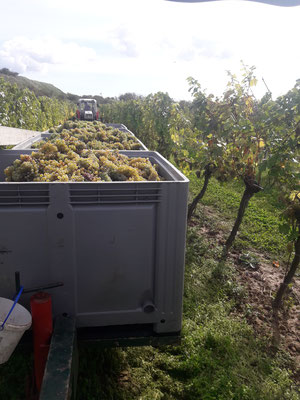
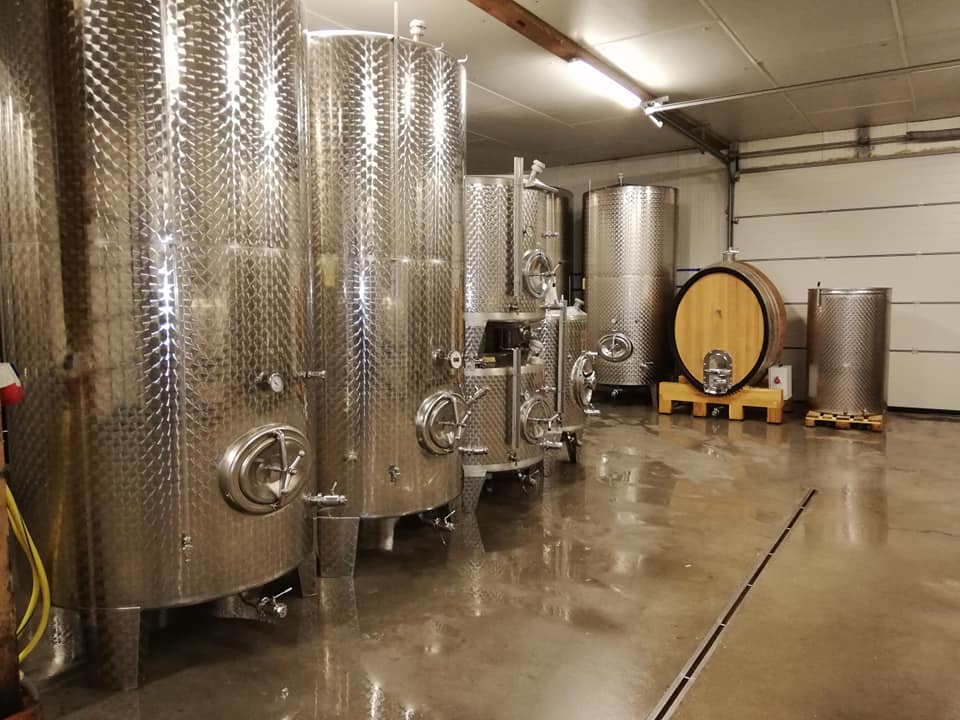
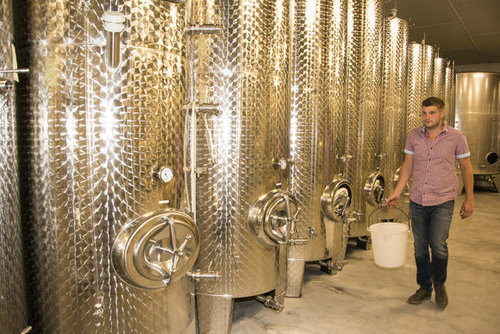
"After the harvest, we put our grapes without pumping straight into the press, and there they are carefully processed. This method is especially important for the grape. 24-hour maceration. After slow fermentation in temperature-controlled stainless steel vats, the new wines mature on the yeast for three months." Mathias Ruttenstock
Tasting Notes:
From one of the older Grüner Vineyards in the Weinviertel, the Reipersberg has “Urgestein” and shows wonderful complexity and minerality. On the nose a touch of pear, spice, dried fruits with a lot of exotic aromas. Elegant and lively on the palate with a classic white pepper finish.
|
|
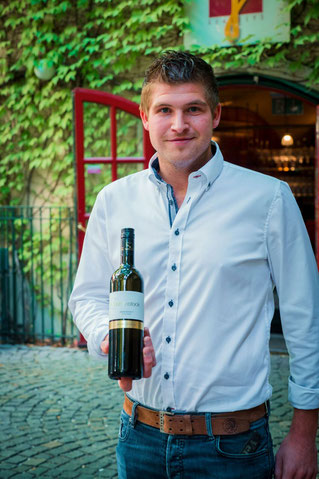
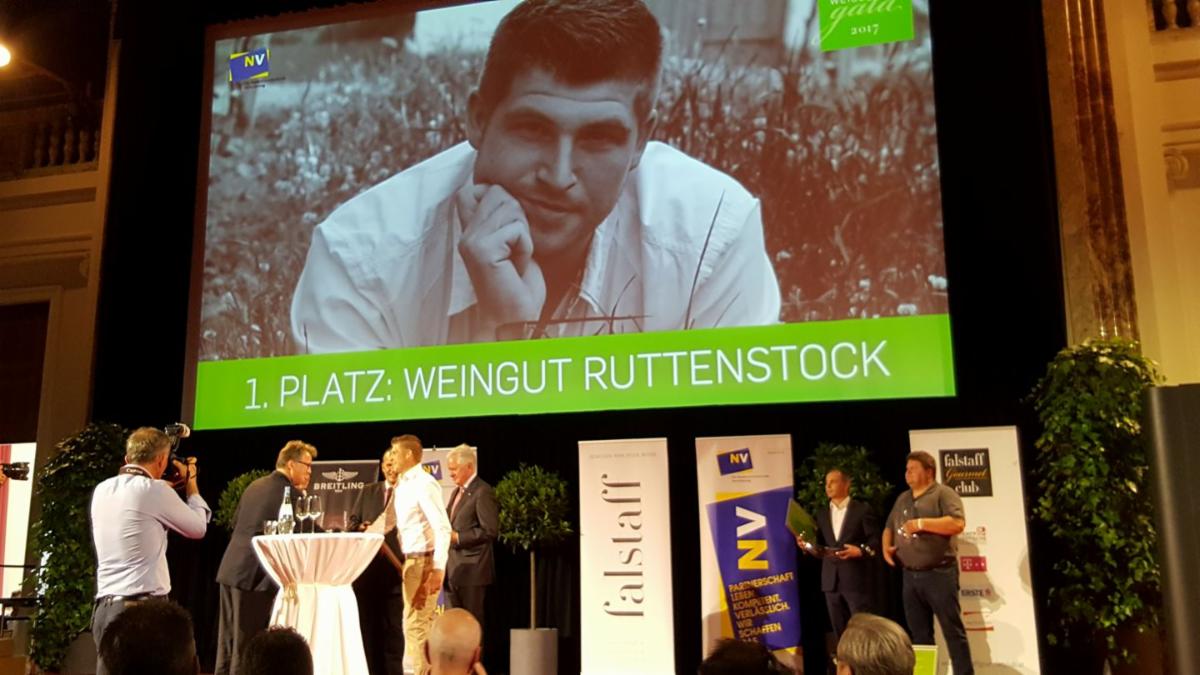
Mathias Ruttenstock is a 4th generation winemaker in Röschitz in the Weinviertel region of Austria. He has been in charge of the winery since 2011, following in the footsteps of his father, grandfather, and great grandfather. Mathias gained his experience by working with Anton Bauer in the Wagram and through internships at Roman Pfaffl und Julius Klein.
"The vineyards are located at the foothills of the Manhartsberg. Typical for this terroir are the primary rocks and loess soils. As a result of the remarkable geological conditions, there is a unique climate in the western "Weinviertel". Sunny warm days and cool nights influence the character of the wines. The primary rock soil and the distinct aroma are reflected in the great variety of our different wines. By sensitive and careful care in the vineyard, we try to use the power of nature optimally and manage sustainably. In our wine-growing region, we do not use insecticides. Annually we add new plantings of grass between the rows and fertilize exclusively with organic fertilizer. The respectful and ecological treatment with natural resources is very important to us - this is the only way to produce elegant and fine fruit-driven wines. The total size of our vineyards is 42 acres and almost 80% are planted with Grüner Veltliner with a total production of 80,000 bottles." Mathias Ruttenstock
The vast Weinviertel stretches from the Danube valley in the south to the Czech border in the north, and from the Manhartsberg in the west to the border of Slovakia in the east. The Weinviertel is mostly known for Grüner Veltliner and the first DAC in Austria. If the label reads Weinviertel DAC it is always 100% Grüner Veltliner. A highlight of the western part of Weinviertel is the area around the historic wine-trading town of Retz, with its labyrinth of underground wine cellars.
Wines available:
|
|
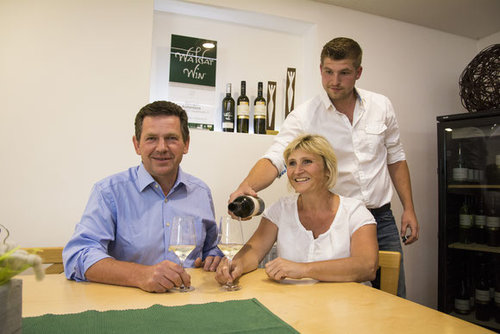
Karl, Regina, and Mathias Ruttenstock tasting the new vintage |
|
Austria’s largest specific wine-growing region (14,001 hectares) is home to a wide range of varieties, but Grüner Veltliner clearly stands out. These wines have a strong regional character that includes a marked spicy, peppery nose. In 2003, Grüner Veltliner from the Weinviertel was the first Austrian wine to gain DAC status.
|
|
CULINARY TIP
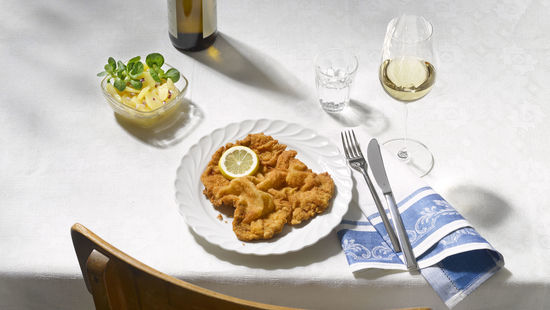
The Weinviertel DAC is an ideal wine to serve alongside many dishes from the classic Austrian repertoire – from cold cuts in the wine-tavern to pasta with ham, cheese and onions – and of course with Wiener Schnitzel. It also shines with many bistro classics and dishes with a Mediterranean twist. Reserve wines, on the other hand, will also go perfectly with sophisticated and creative dishes, as well as spicy recipes from the Asian cookbook.
|
|
2 wines with 97 points
Anton Bauer "Artist" Blaufrankisch and
Steininger Ried Steinhaus Riesling
plus many more with 90+ ratings......
|
|
|
|
in their Buying Guide
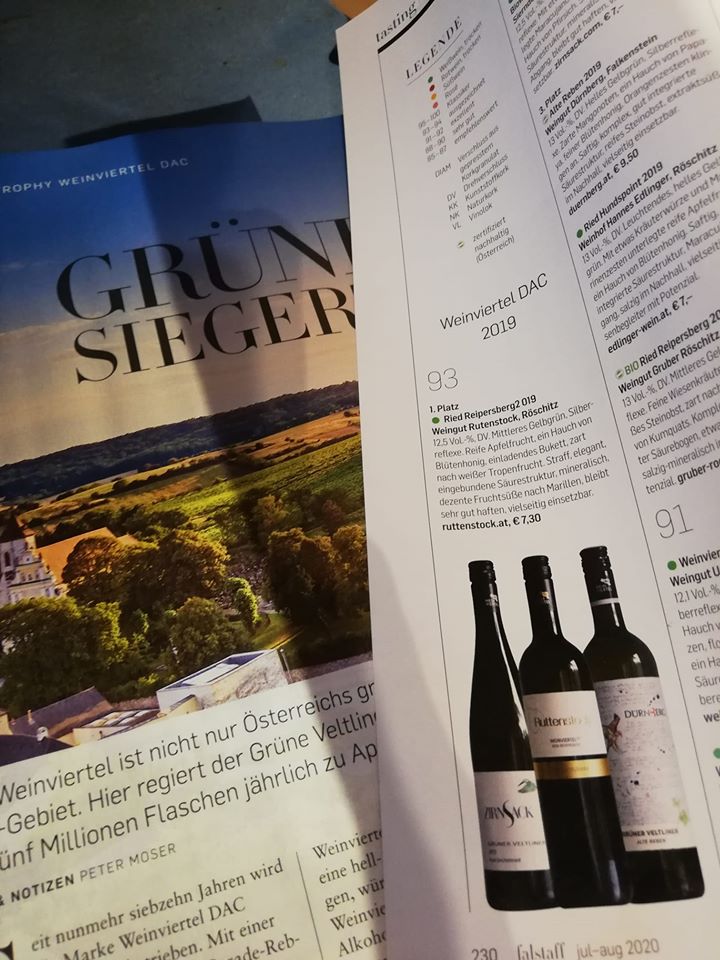
3 wines are listed in the printed issue with labels
|
|
Our Address:
14000 Willard Road,
Chantilly, VA 20151
|
|
|
|
|
|
|
|