HHI Humanitarian Update: Impacts of U.S. Foreign Aid Cuts on Global Crises
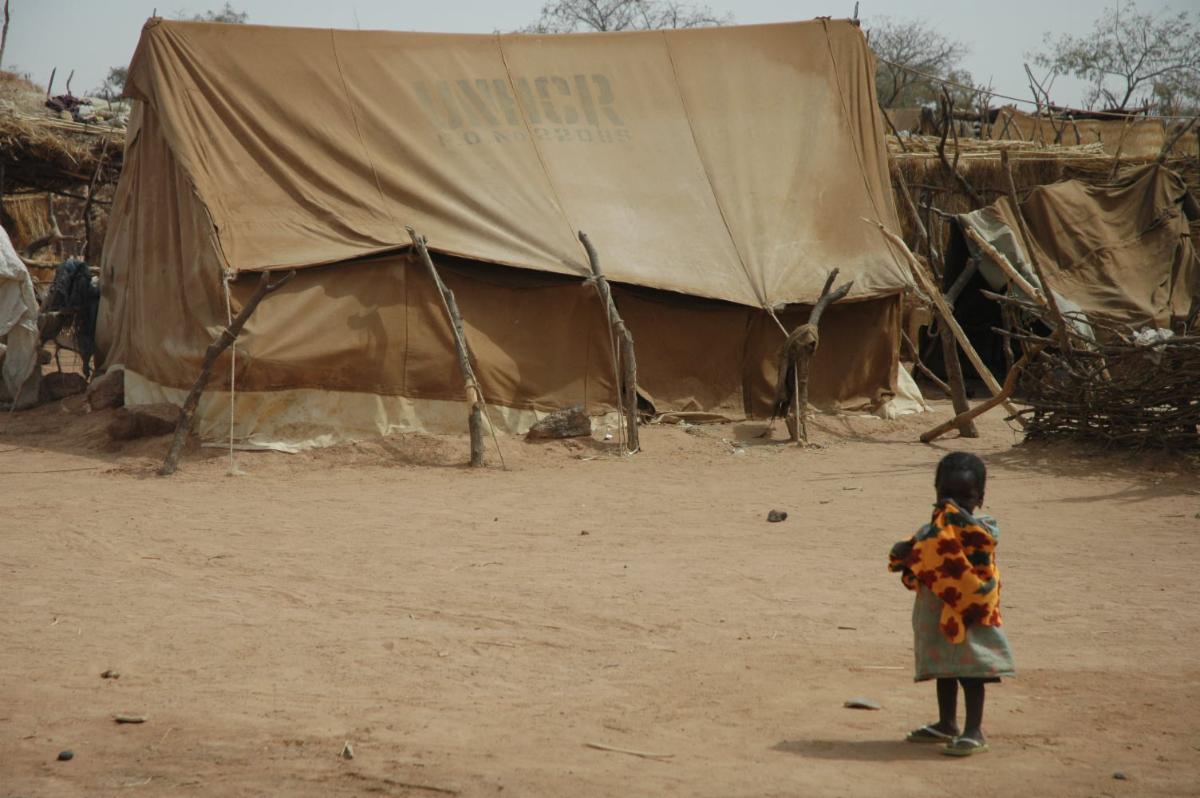
The recent executive orders issued by the United States Government on January 24, 2025, and the subsequent dismantling of USAID paused nearly all U.S. foreign aid and created waves of concern globally. Health, diplomacy, national security, and mortality risks caused by the cessation of critical foreign aid will be devastating and long-term. We estimate that this funding pause and dismantling of USAID will threaten global health, exacerbate humanitarian crises, destabilize fragile regions, and undermine decades of progress in development. At Harvard Humanitarian Initiative, we are closely monitoring the ever-evolving news and will continue our work in training and educating humanitarians around the world who are committed to humanitarian principles and the improvement of the lives of communities in crisis everywhere.
| |
The Current State of Humanitarian Aid
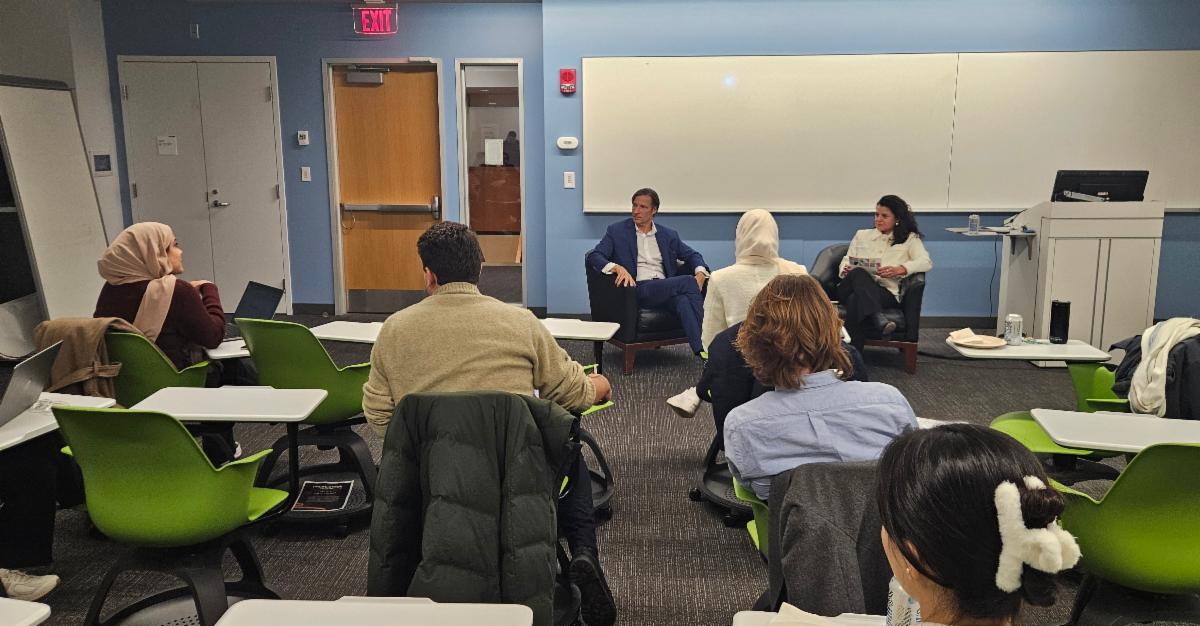
The Harvard Humanitarian Initiative hosted an important discussion at the Harvard T.H. Chan School of Public Health on the recent U.S. foreign aid freeze and its impact on humanitarian efforts globally. Our Director, Dr. Michael VanRooyen, shared key insights, while our Executive Director, Dr. Irini Albanti, led the conversation. The discussion explored the immediate risks resulting from the cessation of critical foreign aid, including its effects on health, security, and mortality, as well as the shifting role of the United States as a global humanitarian leader.
| | | |
|
Humanitarian Geoanalytics Program
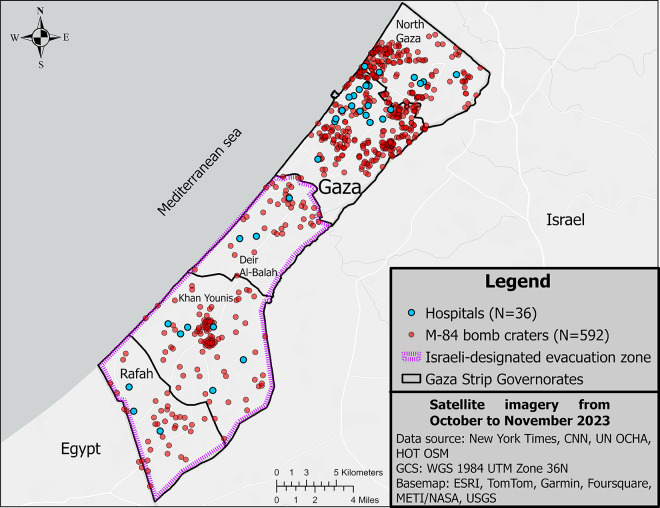
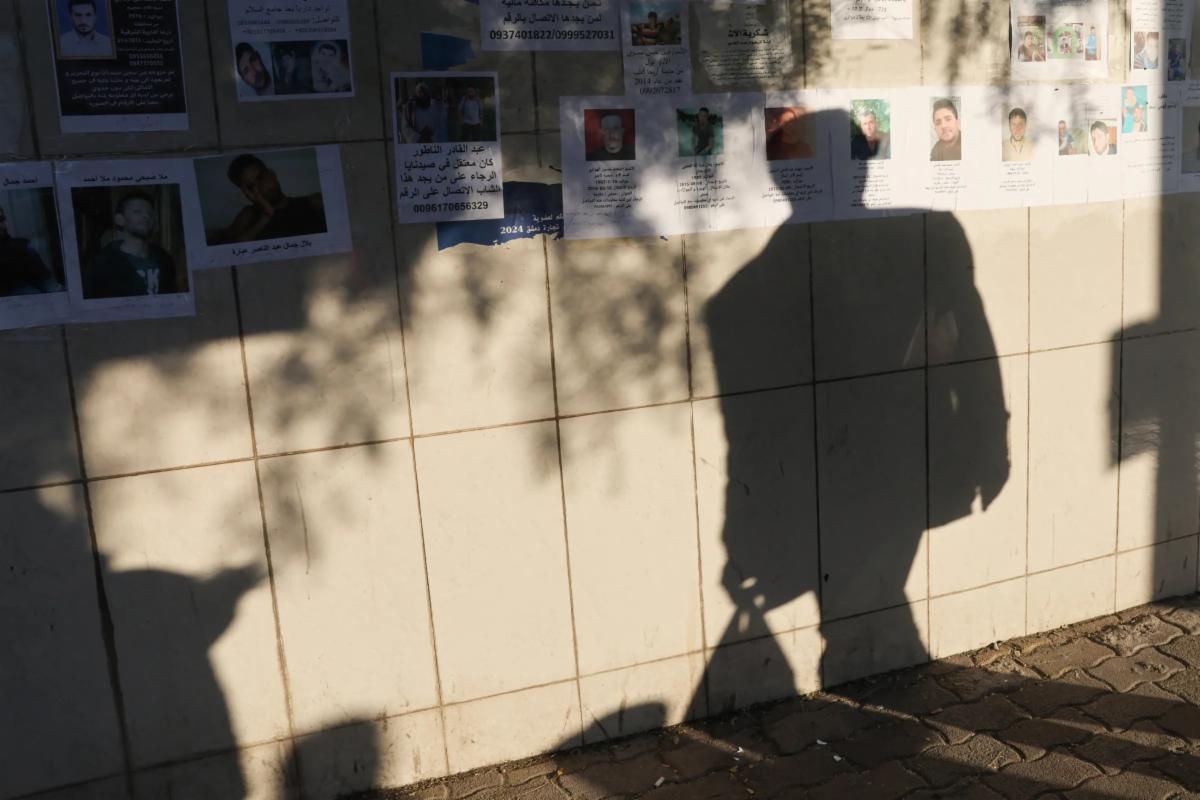
Are hospitals collateral damage? Assessing geospatial proximity of 2000 lb bomb detonations to hospital facilities in the Gaza Strip from October 7 to November 17, 2023
PLOS Global Public Health
This study leverages geospatial data to examine the proximity of M-84 bomb detonations to hospital infrastructure in the Gaza Strip between October 7 and November 17, 2023. Mark-84 bombs (M-84s) are 2000 lb air-dropped explosive munitions with the capacity to damage infrastructure and kill or cause severe injury hundreds of meters away. The results of this study suggest indiscriminate bombing in dangerous proximities to hospital infrastructure, which is afforded special protection under international humanitarian law.
| | | | |
|
Transitional Justice Program
In Syria, Moving Forward Means Looking Back
Foreign Affairs
This article explores the crucial role of transitional justice in post-conflict Syria, drawing from global research on accountability and reconciliation. It outlines how inclusive justice mechanisms can help address past atrocities and lay the foundation for long-term stability.
| | | | |
|
Emergency Health Systems Program
Designing, implementing and evaluating multidisciplinary healthcare training programmes in the wartime humanitarian context of Ukraine
BMJ Journals
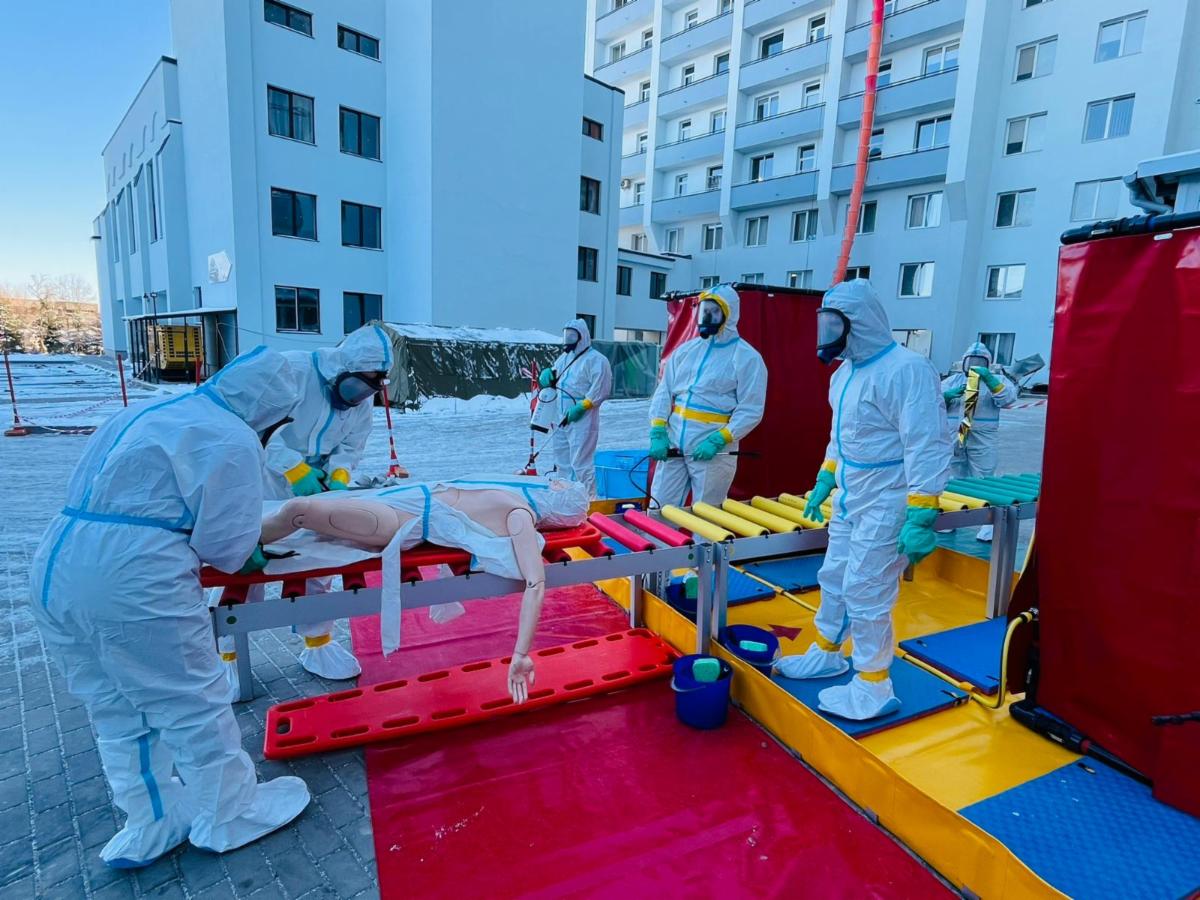
HHI's Emergency Health Systems Program has recently concluded the Ukraine Trauma Care Response Program in collaboration with IMC. This study explores how the team developed and adapted seven in-person training courses to ensure Ukrainian medical providers and civilians are prepared to address the increasing needs for trauma care, mass casualty management, and Chemical, Biological, Radiological, Nuclear, and Explosive (CBRNE) preparedness in the face of the ongoing conflict.
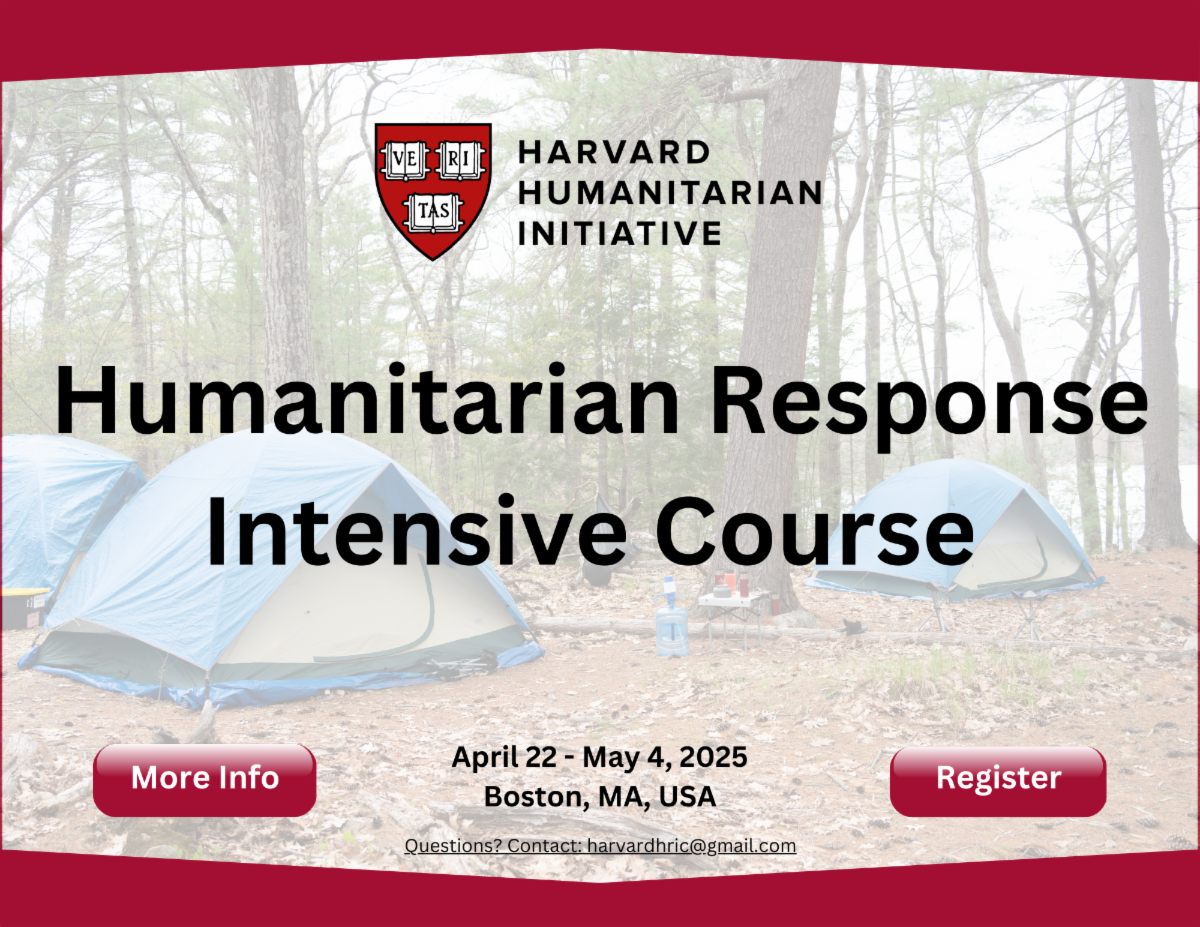
| | | | Humanitarian Responsive Intensive Course 2025 | | Registration for the Humanitarian Response Intensive Course (HRIC) is still open. The course will be offered in-person from April 22 – May 4, 2025. The course will be held in Boston, MA and, as before, include a three-day fully immersive humanitarian simulation. | | Monitoring and Evaluation for Humanitarian Programs Workshop | | Registration for the Monitoring and Evaluation for Humanitarian Programs Workshop is now open. The course will be offered in-person from June 9 – June 13, 2025 in Cambridge, MA. This course covers key principles and methodologies for program monitoring and evaluation, with a focus on practical application for humanitarian researchers and practitioners. Participants will explore mixed-methods frameworks, impact assessment, program monitoring, and data visualization tools to enhance their evaluation skills. | |
|
Signal Program
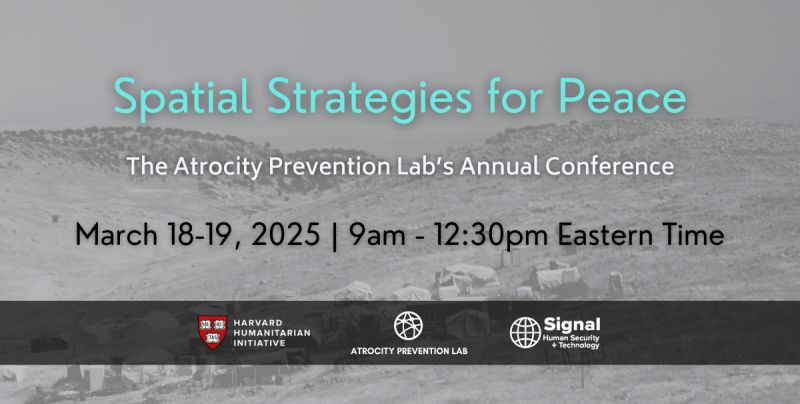
Spatial Strategies for Peace, the annual conference of the Atrocity Prevention Lab at the Harvard Humanitarian Initiative, will be held virtually on March 18 – 19, 2025. This conference presents an exciting and accessible opportunity for practitioners, policymakers, technologists, and academics in the fields of atrocity and conflict prevention to engage with one another, share insights, and explore how spatial methods can drive more effective atrocity prevention efforts.
| | | |
|
Emergency Health Systems Program
Program Updates
-
The Emergency Health Systems Program, in collaboration with International Medical Corps and the Ukraine Ministry of Health, hosted a working group discussion in Kyiv in November on a set of Standard Operating Procedures to guide the operational management of emergency departments during both everyday operations as well as in response to CBRNE and other mass casualty incidents.
-
The Emergency Health Systems Program travelled to Lviv in December to implement a training on the operationalization of Standard Operating Procedures (SOPs) for the operational management of emergency departments and response to CBRNE incidents. This four-day workshop held in conjunction with the Lviv Regional Hospital, Lviv Regional Emergency Medical Services, the Ministry of Health of Ukraine, and International Medical Corps was followed by a full-scale scenario which put participants' ability to implement the SOPs and work together as a team to the test.
Partner Feature
-
The Emergency Health Systems Program has been working with H1 Connect to bridge the gap between qualified medical professionals and the increasing humanitarian needs of conflicts and crises all over the world. H1 Connect is partnering with leading NGOs to build a global network of physician volunteers in a communal 'ready reserve' with 8,500+ healthcare practitioners from 119 countries already.
| | | |
| | |
Miriam Krimmer, MD, MPH (Cand)
A German-trained doctor, Miriam is currently a graduate student at Harvard T.H. Chan School of Public Health, where she is pursuing a Master of Public Health in Health Management with a concentration in Public Health Leadership. As the founder of the Self-Defense Student Association, she is also involved in building community resilience and safety across campus.
| | | | Follow Us for More Updates | | | | |