๐Ÿ“ฌ Welcome to this weekโ€™s

Social Coaching Scoop!

๐Ÿ“ 657 Hill Road, Boxborough MA

๐Ÿ“ž 978-413-1965

โœ‰ dshea.peterpancenter@gmail.com

๐Ÿ“‚ In This Issue:


๐Ÿง  Coaching Corner

๐ŸŽ’ Weekly Social Groups

๐Ÿ’ฌ Individual & Family Coaching

๐ŸŽค Workshops & Presentations

๐Ÿ“š Featured Resource

๐ŸŽ“ Academic Tutoring

โค๏ธ Closing Thought

๐Ÿก Peter Pan Coaching Library

๐Ÿง  Coaching Corner

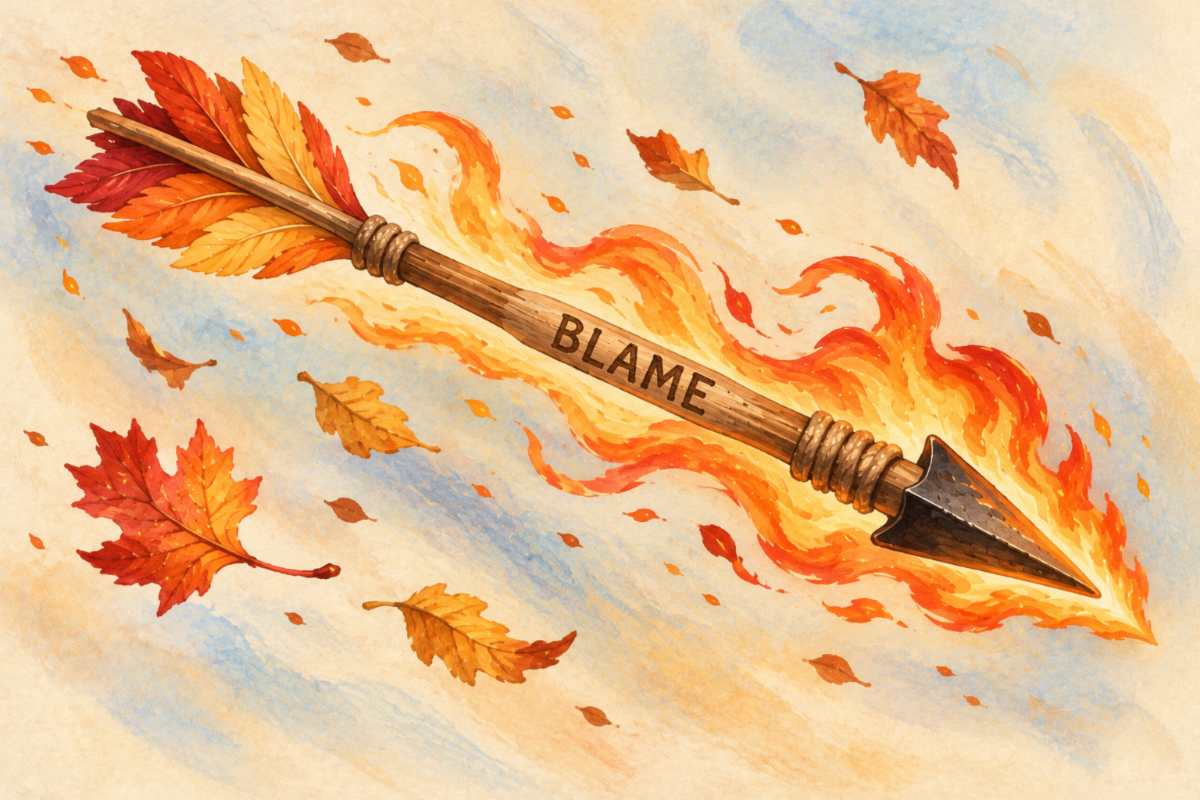
The Blamethrowers: When Everything Is Somebody Else's Fault


We've all met a blamethrower.


The kid who loses a game because somebody cheated. The one who gets in trouble because another kid made them mad. The child who trips over something and immediately blames whoever left it there.


Nothing is ever their fault.


And if we're being fair, we probably know a few grown-up blamethrowers, too. ๐Ÿ˜Š


In psychology, we sometimes talk about externalizing and internalizing. Some people tend to look outward for the cause of their problems, while others turn that blame inward.


Today, we're talking about the outward-looking crowd.


Here's what's interesting about blamethrowers. They aren't necessarily trying to be dishonest or difficult. Sometimes blaming something or someone else is a way of protecting themselves from an uncomfortable feeling.


It's easier to say, "That game is stupid!" than to admit you're disappointed you lost.


It's easier to say, "He made me mad!" than to acknowledge that you lost your temper.


And it's certainly easier to blame the chair you bumped into than to admit you weren't watching where you were going.


Blame gives us somewhere to put the frustration.


The trouble is, when everything is somebody else's fault, we don't leave ourselves much room to learn, make repairs, or do something differently next time.


And that can become a real problem in friendships.


Other kids get tired of always being the reason something went wrong. They don't want to play with someone who can't lose gracefully, acknowledge a mistake, or take responsibility for their part in a disagreement.


So how do we coach this?


First, we don't need to argue about whose fault it was. That can turn into a pretty exhausting back-and-forth.


Instead, we can acknowledge the feeling without automatically agreeing with the blame.


"I can see you're frustrated that you lost."


"You were really upset when he grabbed the ball."


"That must have hurt when you tripped."


And then we can gently shift the conversation.


"What part of this was in your control?"


Maybe another child really did something unfair. Maybe the rules weren't clear. Maybe someone genuinely contributed to the problem.


We don't have to dismiss any of that.


But we can help kids recognize the difference between what happened to them and what they chose to do in response.


Because here's an important distinction:


Fault and responsibility aren't always the same thing.


Something can happen that isn't your fault, and you can still have some responsibility for what happens next.


You didn't choose to lose the game. But you can choose whether to congratulate the winner or storm away.


You didn't choose to feel angry. But you can learn what to do with that anger.

And sometimes? Nobody did anything wrong. Something just didn't go the way we wanted.


That's worth learning to live with, too.


The goal isn't to turn our blamethrowers into kids who think everything is their fault.


It's to help them recognize that taking responsibility for their own choices isn't the same thing as taking the blame for everything.


And perhaps the most useful question we can teach them is:


"Okay, that happened. What can I do now?"


Because once we stop looking for someone to blame, we can start looking for something that helps.

๐ŸŽ’ Weekly Social Groups

Our fall social groups are underway, and we have a few openings for children who would benefit from real-world friendship practice and social coaching!


๏ปฟAt the Peter Pan Center, kids learn through play, connection, and coaching right in the moments when social challenges happen. We help children navigate friendships, handle frustration, build flexibility, and develop confidence with peers.


Curious whether a group might be a good fit for your child? I'd be happy to help you explore the options, including a complimentary try-out visit.


Learn More About Weekly Groups:

๐Ÿ‘‰ https://peterpancenter.com/social-skills-programs/

๐Ÿ’ฌ Individual & Family Coaching

Sometimes kids need a little more support than a group setting can provideโ€”or a chance to work through something specific one-on-one.


Individual coaching can help children and families develop practical strategies for managing anxious thoughts, navigating friendships, handling frustration, building flexibility, and developing confidence.


Together, we identify whatโ€™s getting in the way and work on tools your child can actually use in everyday life, one small brave step at a time.

๏ปฟ

Sessions are available in person or virtually.

๐ŸŽค Workshops & Presentations

๏ปฟWorkshops are available for schools, parent groups, and professional teams looking for practical, real-world strategies to support kids socially and emotionally.


Topics include relationship-based, real-time social coaching, behavior, friendship skills, anxiety, and practical strategies that translate directly into everyday interactions with children.


Presented virtually or in person.

๏ปฟ

๏ปฟโžก๏ธ Explore Donna's Workshop Catalog


๐Ÿ“– Featured Resource:

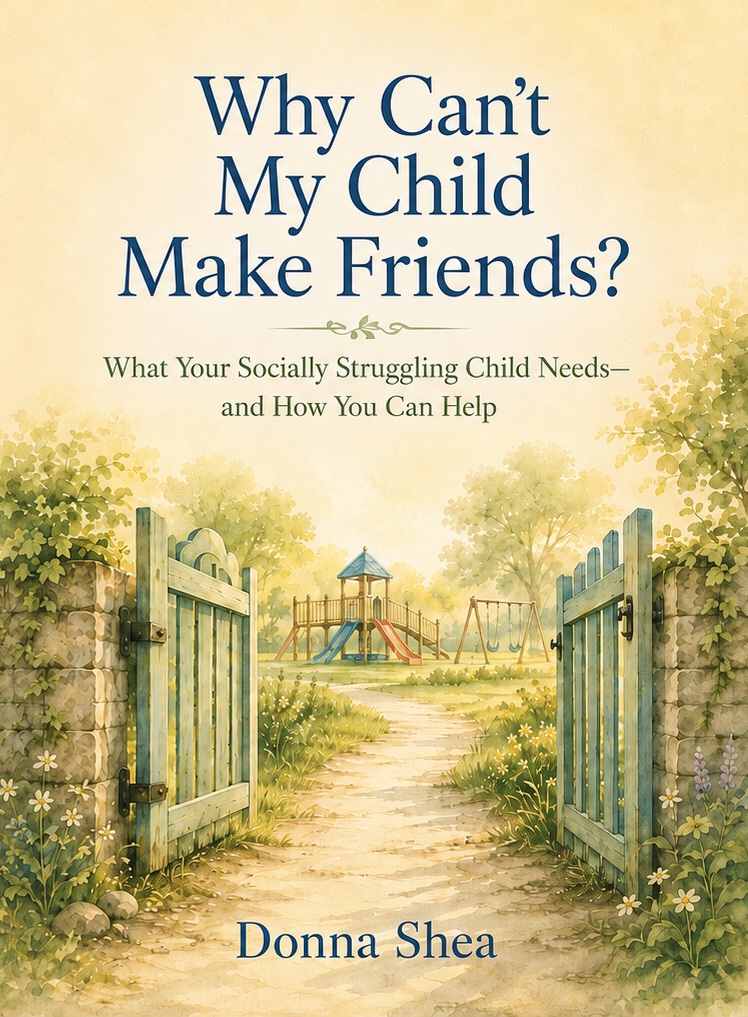
Why Canโ€™t My Child Make Friends?

If your child wants friends but struggles with joining in, reading social situations, handling conflict, or figuring out what to do when friendships get complicated, this short parent guide can help.

๏ปฟ

Why Canโ€™t My Child Make Friends? offers practical, real-world strategies for helping kids build friendship skills without trying to change who they are.


๐Ÿ“– Available on Amazon in Kindle and paperback.


๐ŸŽ“ Academic Tutoring Services

Confidence in Skills โ€” and in Social Communication


For families who need academic support alongside social coaching, I highly recommend working with Megan โ€” someone I trust to support both learning and how kids express what they know.


Meganโ€™s Kโ€“5 academic tutoring supports both neurotypical and neurodivergent learners with:


โœ… Reading, writing, and math

โœ… Executive functioning and organization

โœ… Gentle coaching around classroom communication and self-advocacy


Using a strengths-based, multimodal approach, Megan helps kids build confidence โ€” not just in their skills, but in how they participate, communicate, and show up in the classroom.


๐Ÿ“š Contact Megan directly to learn more or schedule a session.


Neuro Nurture Education

Tutoring for all kinds of minds


Megan Livingstone, M.Ed.

๐Ÿ“ž 508-631-8261

โœ‰ milv3415@gmail.com

โค๏ธ Closing Thought

Sometimes the hardest part of growing up is learning that not everything is someone else's fault. And sometimes, nobody is at fault at all.


When we help kids move past blame and toward problem-solving, we're giving them something far more useful than someone to point a finger at.


We're helping them discover that even when they can't control what happens, they can learn to choose what happens next. โค๏ธ

โ€Š

Peter Pan Coaching Library


๐Ÿ“š Children & Parent Books


๐Ÿ–จ๏ธ Printable Coaching Resources

X Post
LinkedIn Share
โ€Š

It is never my intention to send unwanted emails. If you do not wish to receive emails from me, please use the unsubscribe feature at the bottom of this email.