Follow us on Facebook and LinkedIn to read our articles as they are published! |
|
|
|
In the Spring Newsletter: |
|
Rigging in a Music Performance Studio by Michael Parrella, ASTC
Balcony Rails - Not Just a Pretty Face by Paul Sanow, ASTC
Now Hear This...Monitor and Paging for Performing Arts by Robert Davis, FASTC
The Winners of the ASTC-USITT Challenge 2021 are... by Kent Conrad, ASTC
|
|
ASTC Elects New Board Officers by Paul Sanow, ASTC
Did You Know - Follow Spot Rooms by Robert Shook, FASTC
Did You Know - Creative Solutions in Theatre Technology by Robert Long, FASTC
|
|
 |
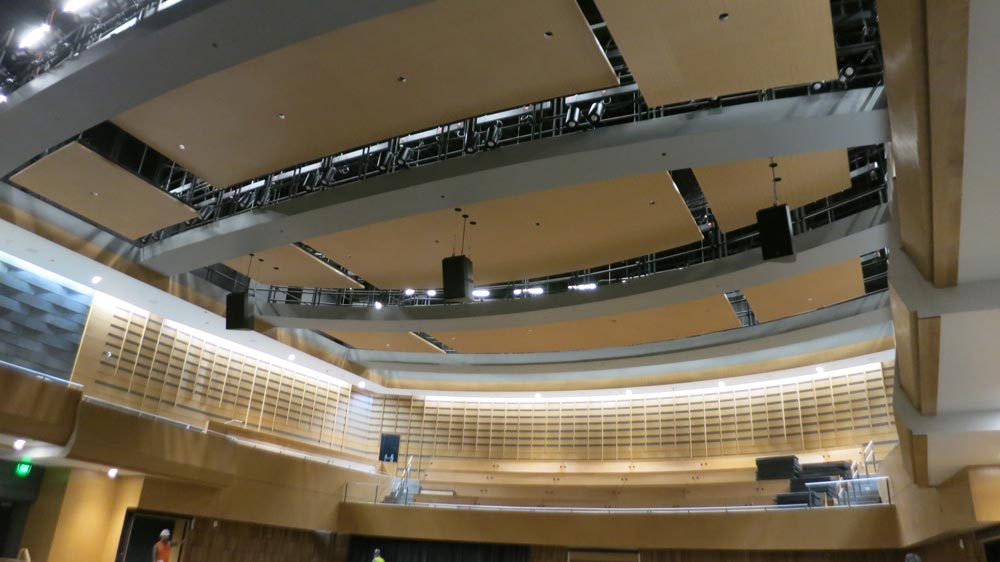
Catwalks at the ceiling of a concert hall with architecturally integrated panels beneath (shown in grey), and coordinated between adjustable acoustic ceiling reflectors. |
|
|
|
Studio spaces by their nature do not have the fly tower found with a proscenium stage. Commonly there is a fixed room volume, but lighting and other equipment overhead must still be mounted and serviced. We examine some options here, considering a music performance studio space.
|
|
|
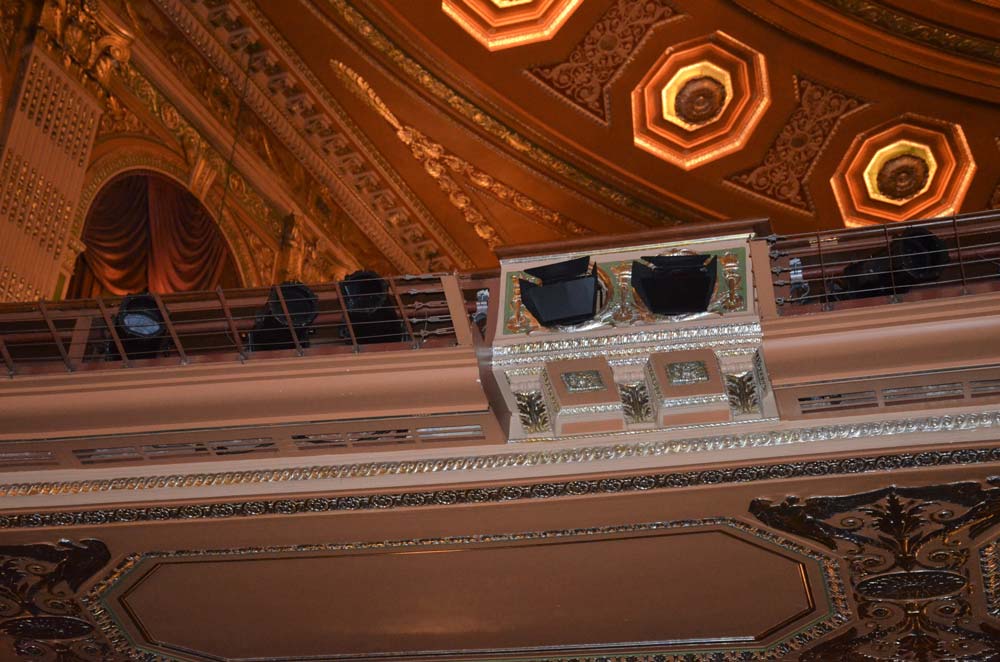
Balcony Rail in a historic theatre. Note lights integrated into the fascia detail, though recently the barndoors were added. The wire rope below the lights may offer some protection for falling objects. Photo by author. |
|
|
|
Performing arts spaces with balconies allow more of the audience to be close to the action. The balcony fascia also provides valuable space for performance technology and to reinforce the appearance of the room. Aesthetics, function, performance, and structure must be carefully planned.
|
|
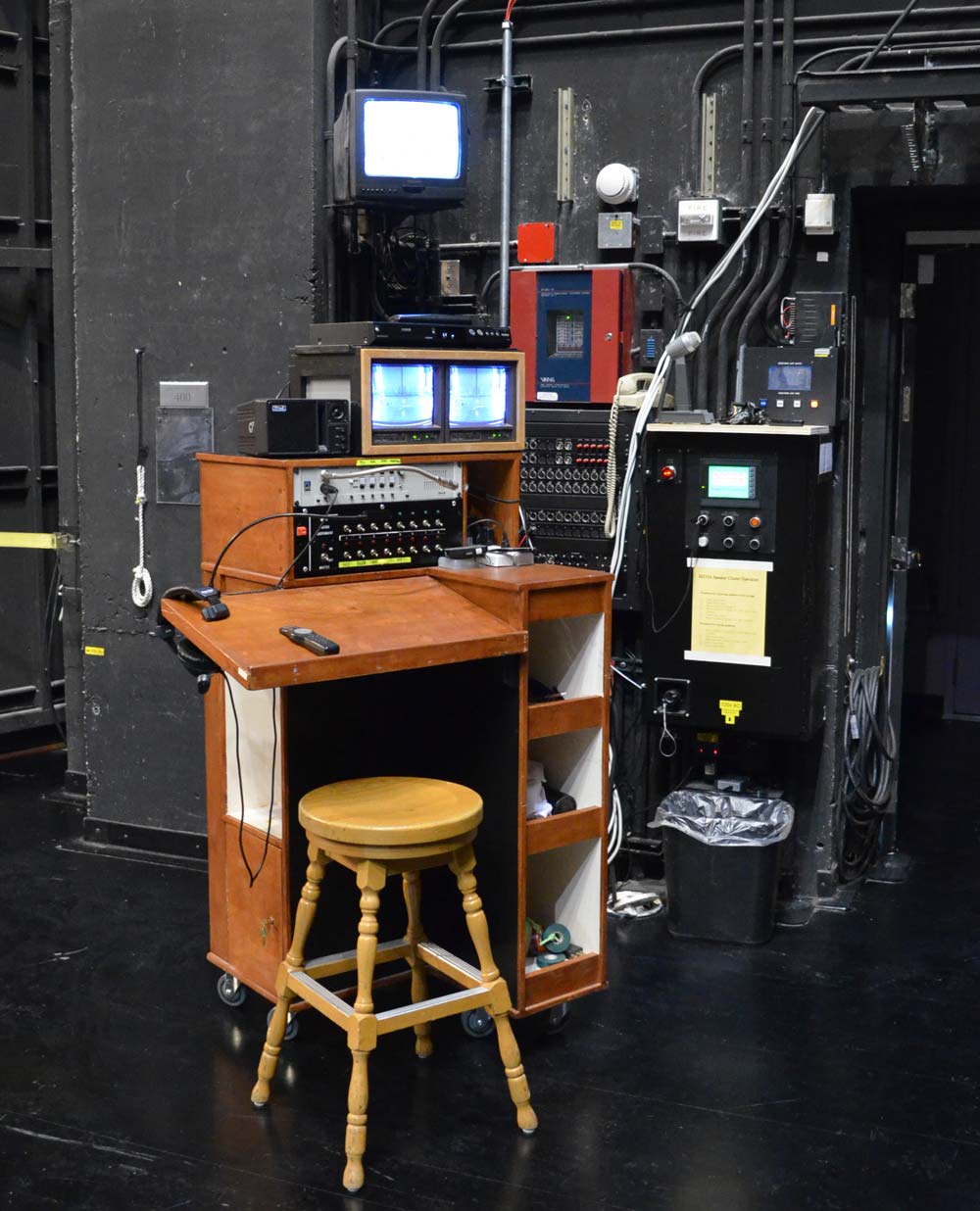
The Stage Manager’s position in a professional theatre. Note all the communications above the prompt desk shelf. Photo by Paul Sanow, ASTC. |
|
Back stage communications systems are critical to the use of most performance spaces. Performers need to know what is happening on stage and when they are needed for their entrance. These systems are designed by audio system designers, but the function should be of interest to the design team for a successful building.
|
|
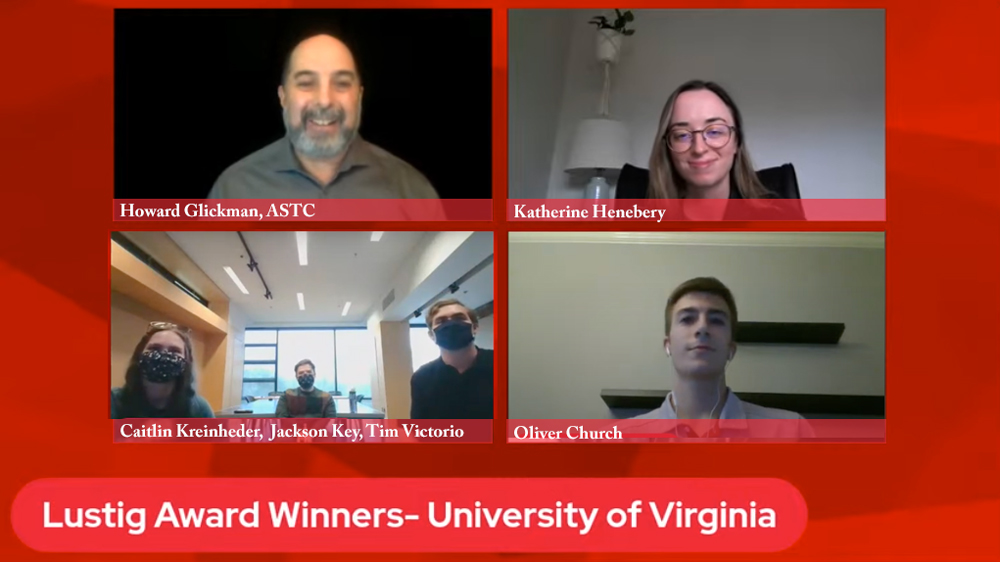
Participants were: Oliver Church, Katherine Henebery, Jackson Key, Caitlin Kreinheder, Tim Victorio. Faculty sponsor: Steven Warner. ASTC mentor: Kimberly Corbett Oates. |
|
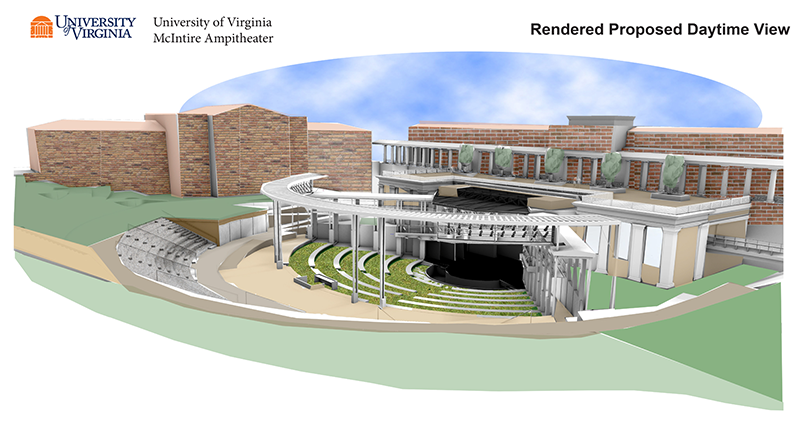
Three university student teams presented wildly different types of projects for the 2021 ASTC-USITT Venue Renovation Challenge competition. The subjects included a university circus school, a stately underused classic campus amphitheater, and a university theatre building.
|
|
|
|
The Board of Directors of the American Society of Theatre Consultants (ASTC) selected new officers during their April meeting. Heather McAvoy was unanimously elected to president by the Board after serving as vice president for three years. Grace Gavin Rhodes was elected vice president.
|
|
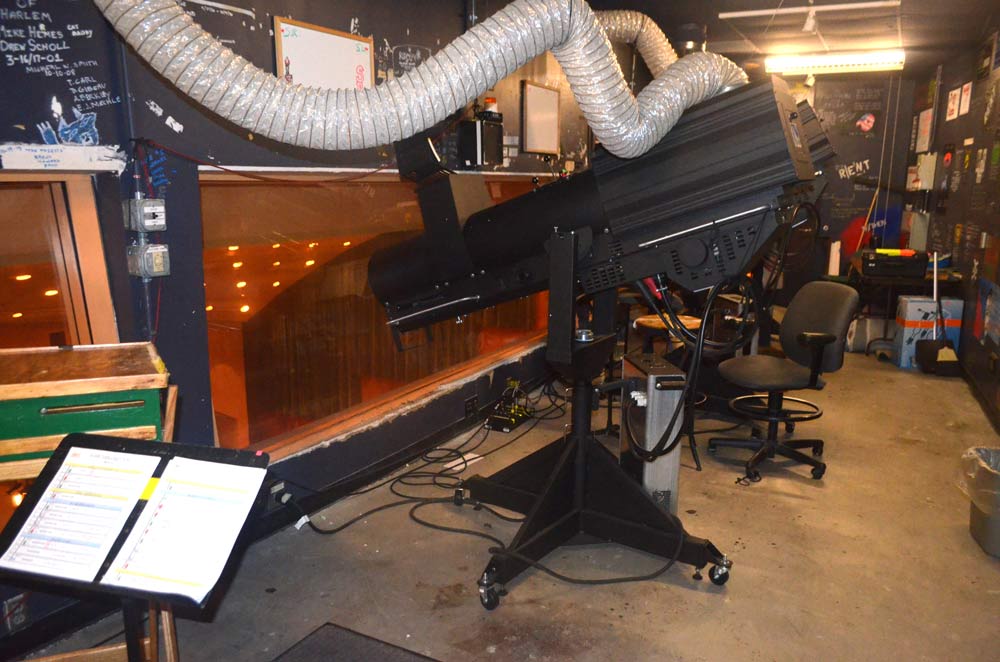
Follow Spot booth in a large proscenium theatre. Photo by Paul Sanow, ASTC |
|
Places for follow spots are an important consideration in the design of most performing arts theatres. It is easy to overlook an area many people do not see, yet they see the results of a well-designed location for manually operated follow spots.
|
|
|
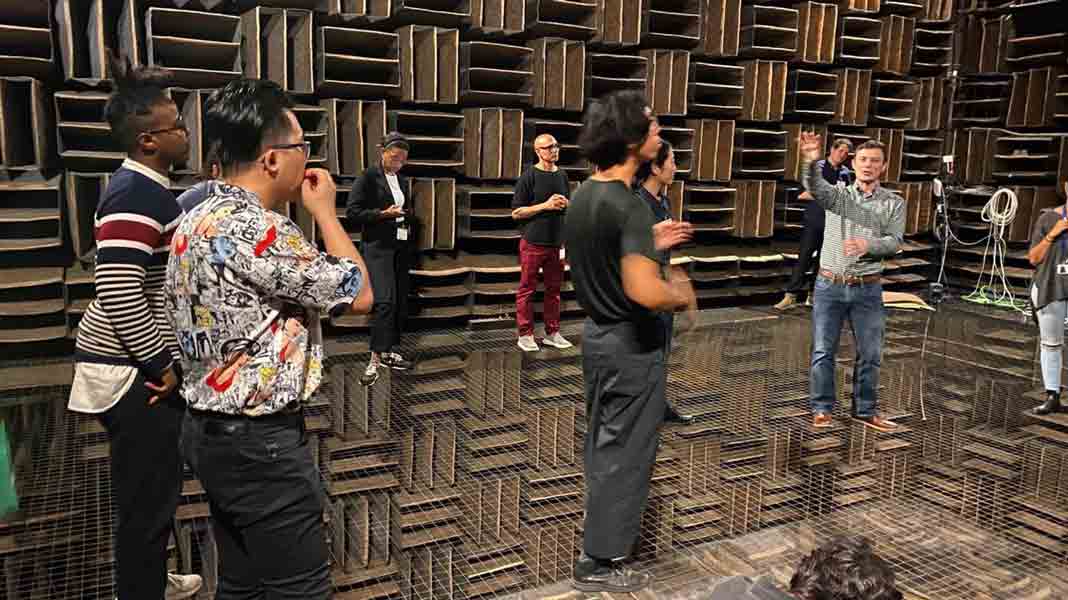
Tension Wire Grid in an anechoic chamber. Permission to publish photos provided by Nokia Bell Labs Experiments in Art and Technology (E.A.T.)”. |
|
|
|
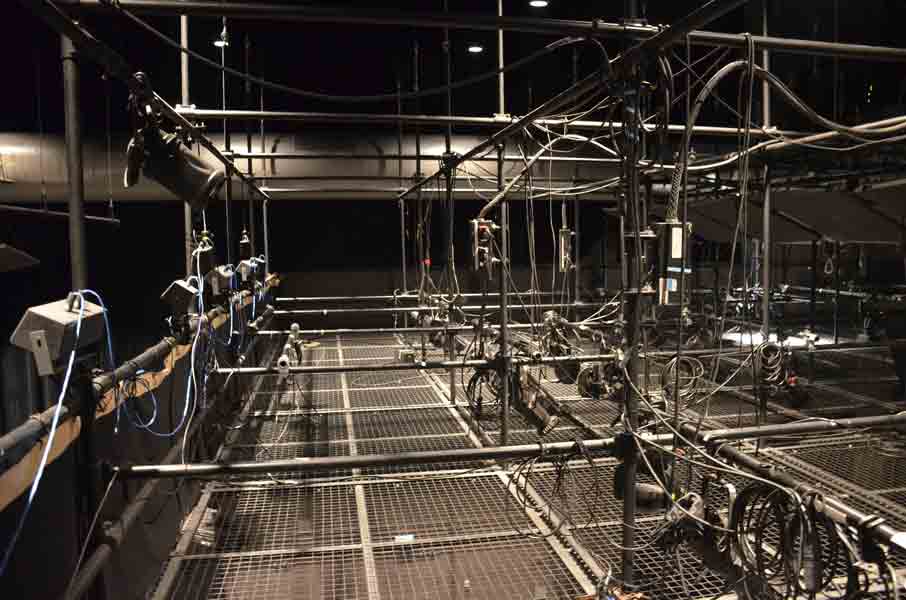
A Tension Wire Grid allows the users to mount lighting wherever they like and project through the wire mesh. Photo by Paul Sanow, ASTC. |
|
|
|
People involved in technical theatre are well known for their resourceful use of all kinds of technology. It’s not just the people working backstage, but the designers of new buildings. Robert Long, FASTC provides a few examples in this edition of Did You Know?
|
|
Helpful ASTC website pages:
|
|
|
|
|
|
|