|
Winter warmers ...
Putting safety first
Soups and stews are in demand during winter, so food needs to be cooled, stored and reheated correctly.
Remember when rapidly coolling cooked foods, to keep them at 5°C or below, label and date prepared food, and reheat meals to at least 75°C before serving. These measures can prevent harmful bacteria such as Clostridium perfringens and Listeria monocytogenes from growing.
Cool tips
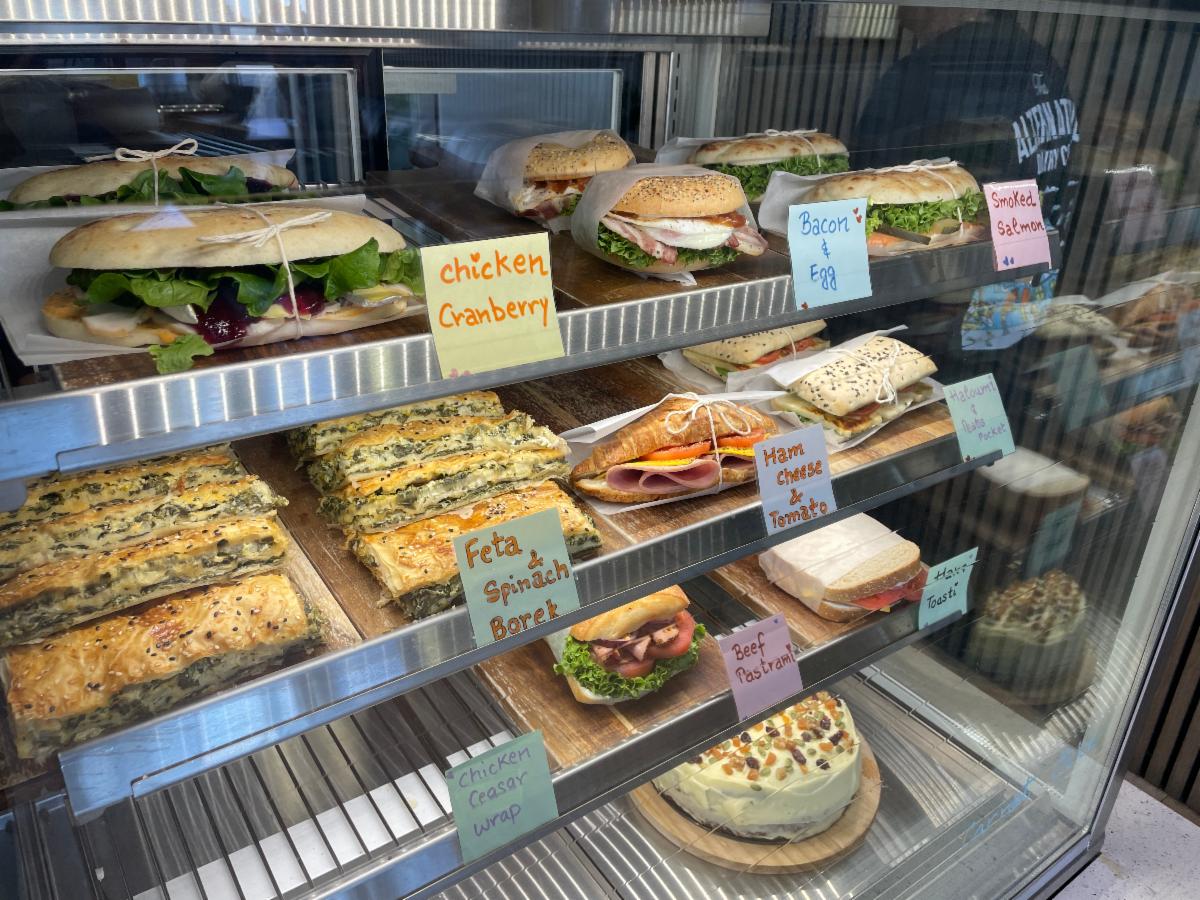
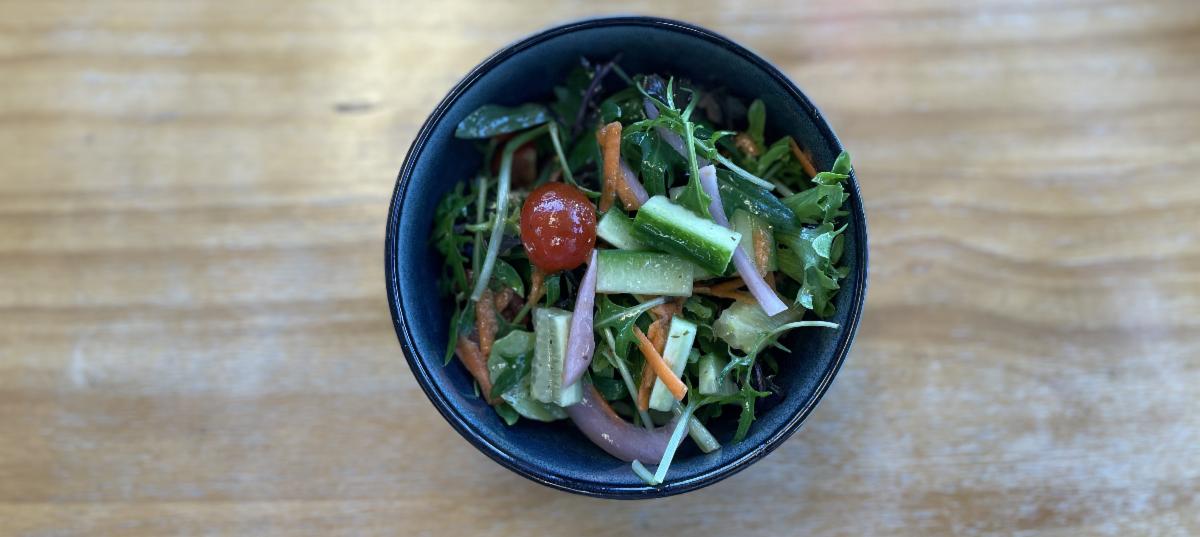
Store ready-to-eat food, such as cooked meats, dairy, salads, and leftovers, on the fridge’s top shelves, with packaged foods in the middle, and raw meat, poultry, and seafood on the bottom shelves in sealed containers. Fruit and veges belong in the crisper drawers, while condiments and drinks are best stored in the fridge door.
Avoid overloading shelves and remember to keep fridges at 5°C or below.
What a pest
The temperatures might be cooler, but pests are still around and can contaminate food, packaging and surfaces. Any signs of pests should be dealt with quickly, and if they can’t be managed effectively, contact a professional. Document pest control measures and ensure staff know how to spot and manage pests.
|