|
WEDNESDAY, JANUARY 10, 2024
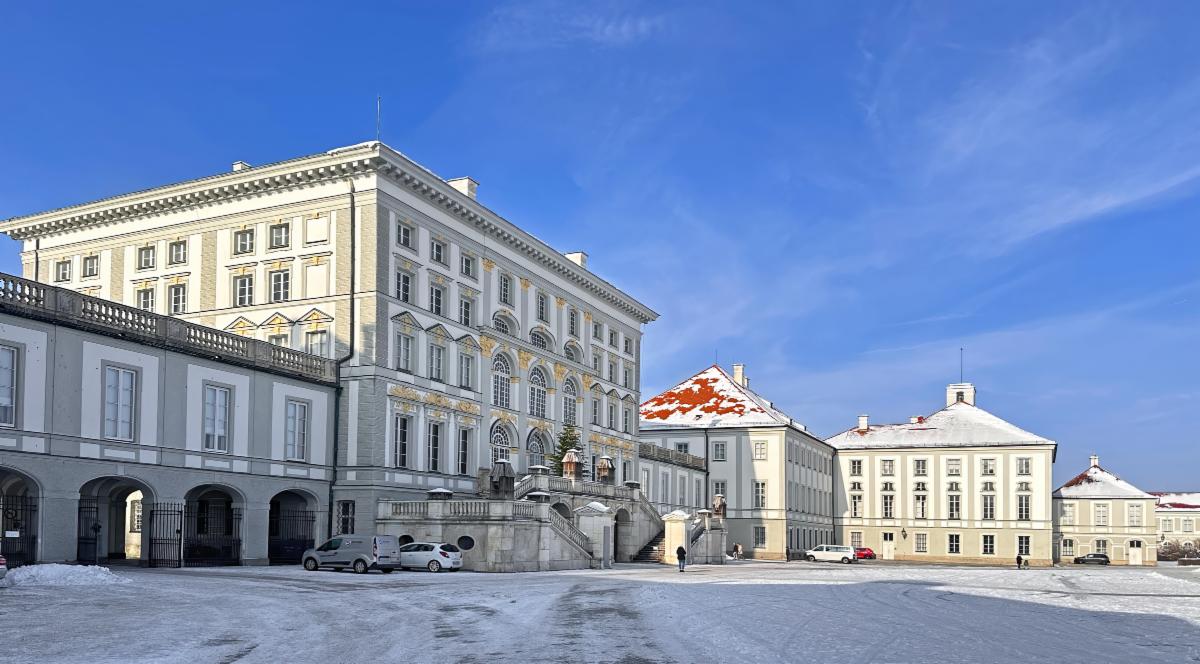
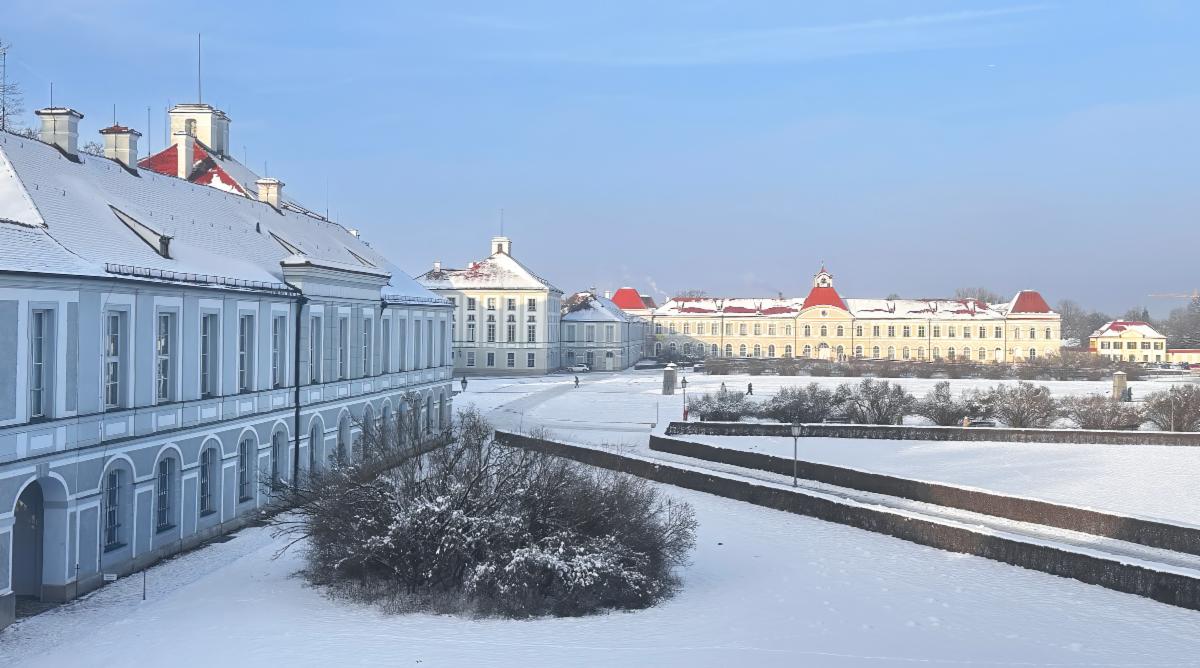
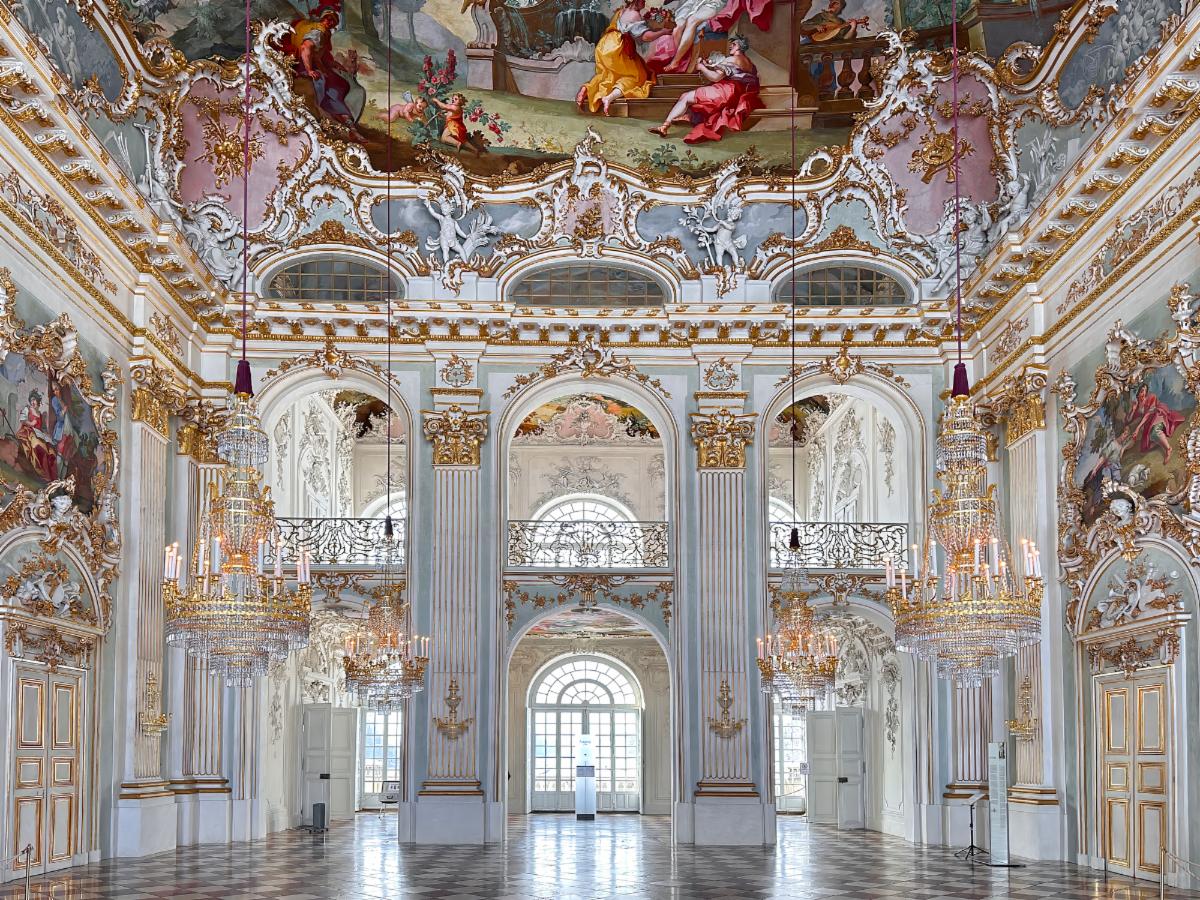
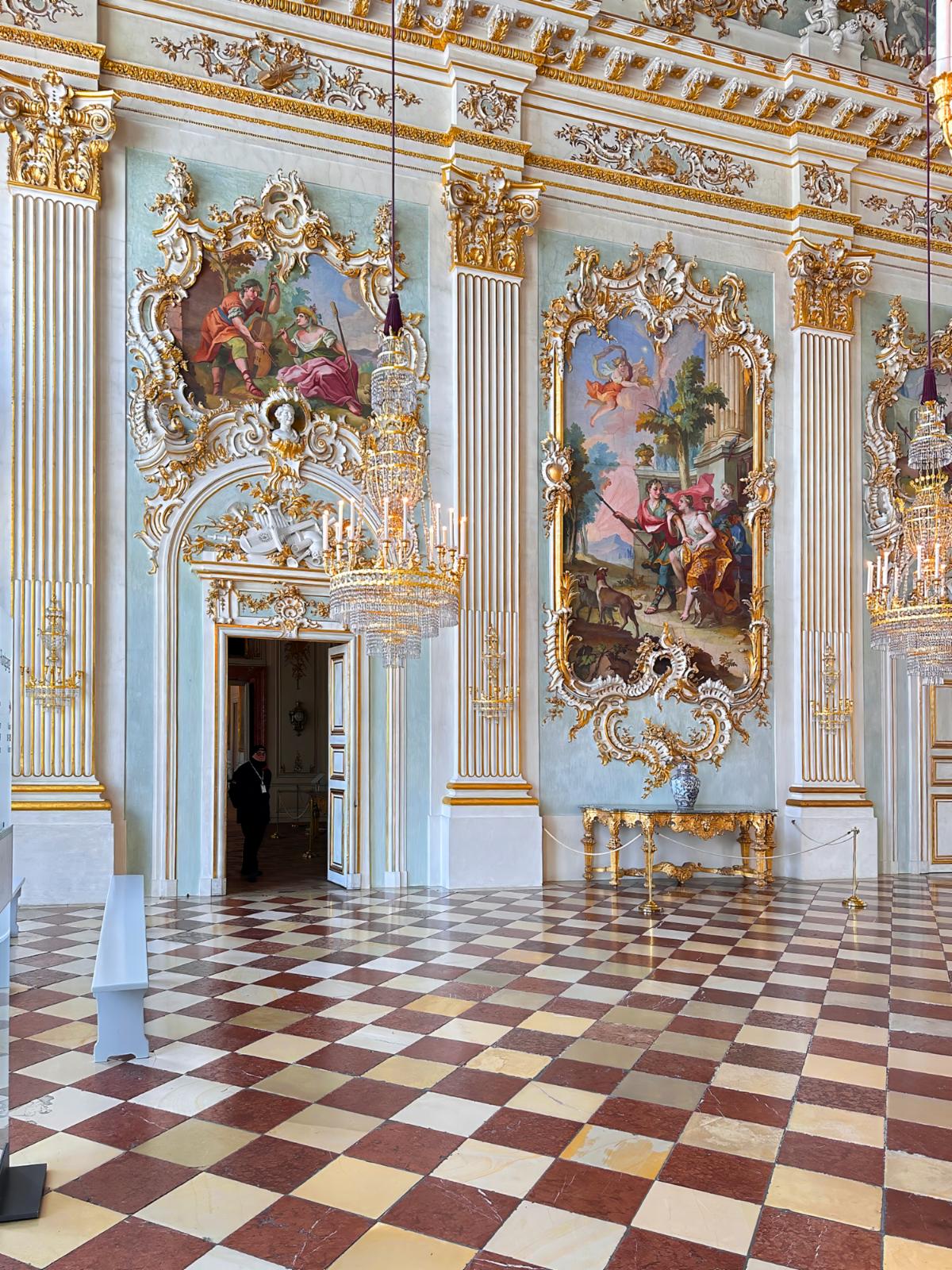
SCHLOSS (Palace) NYMPHENBURG
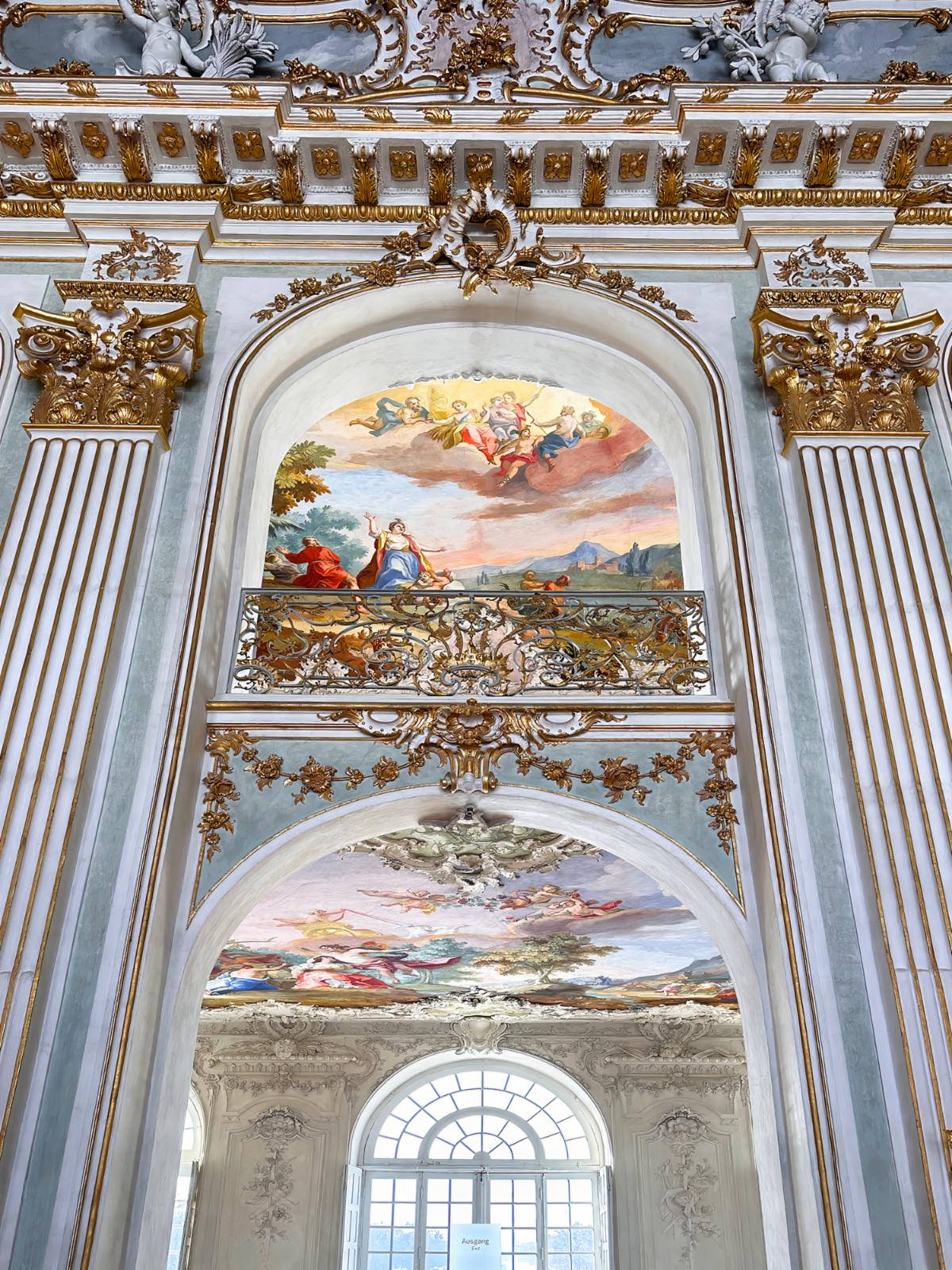
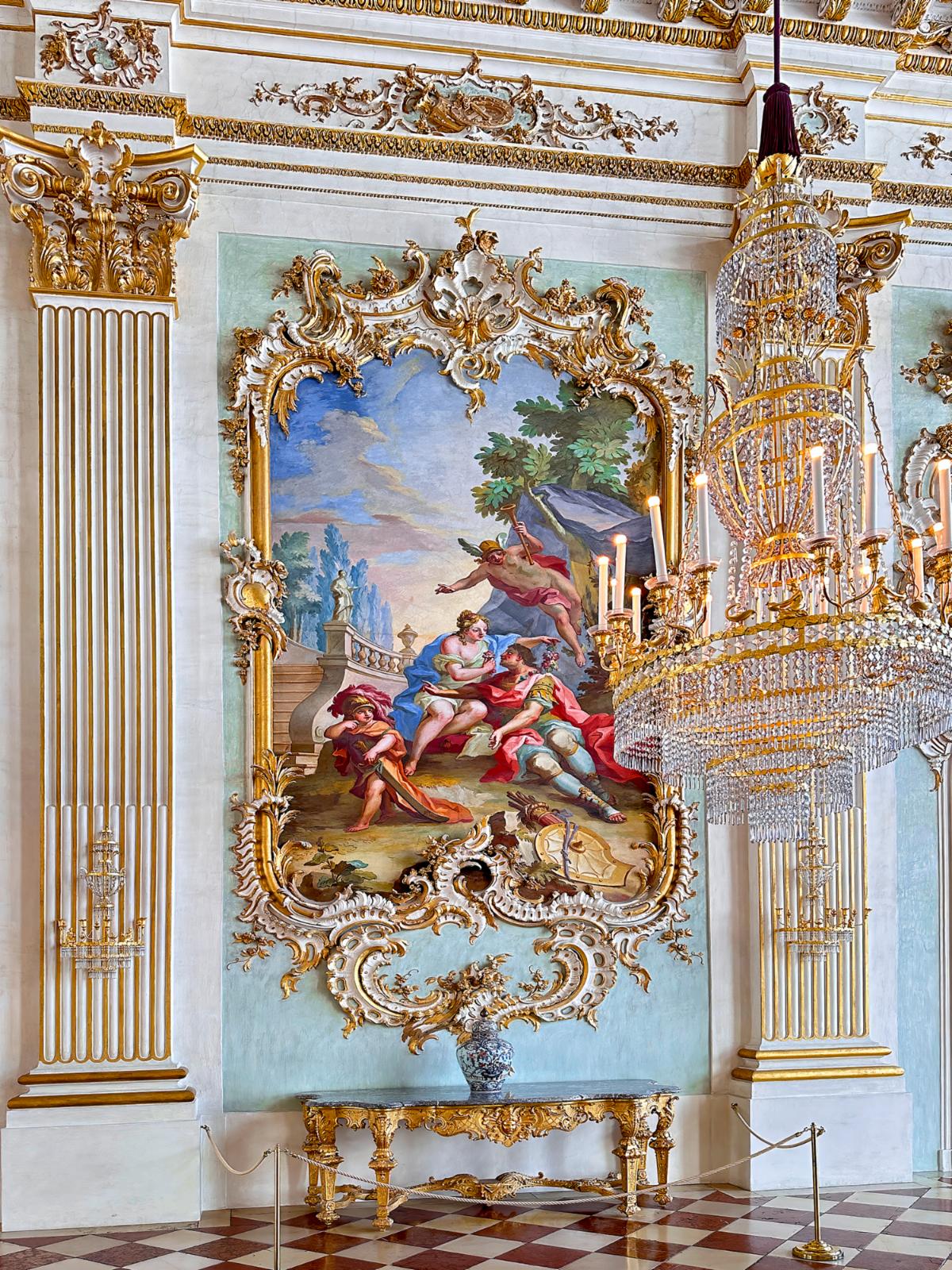
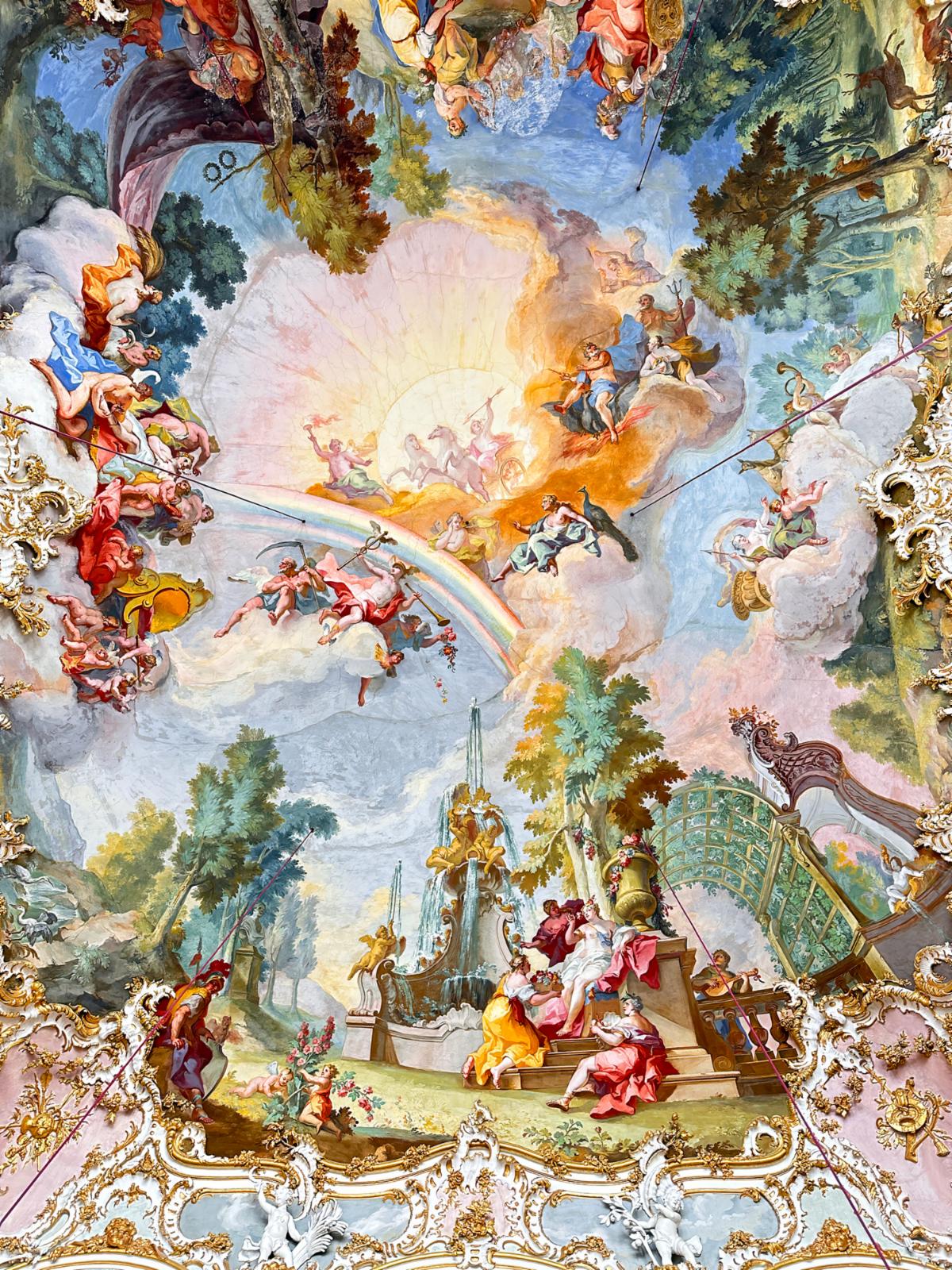
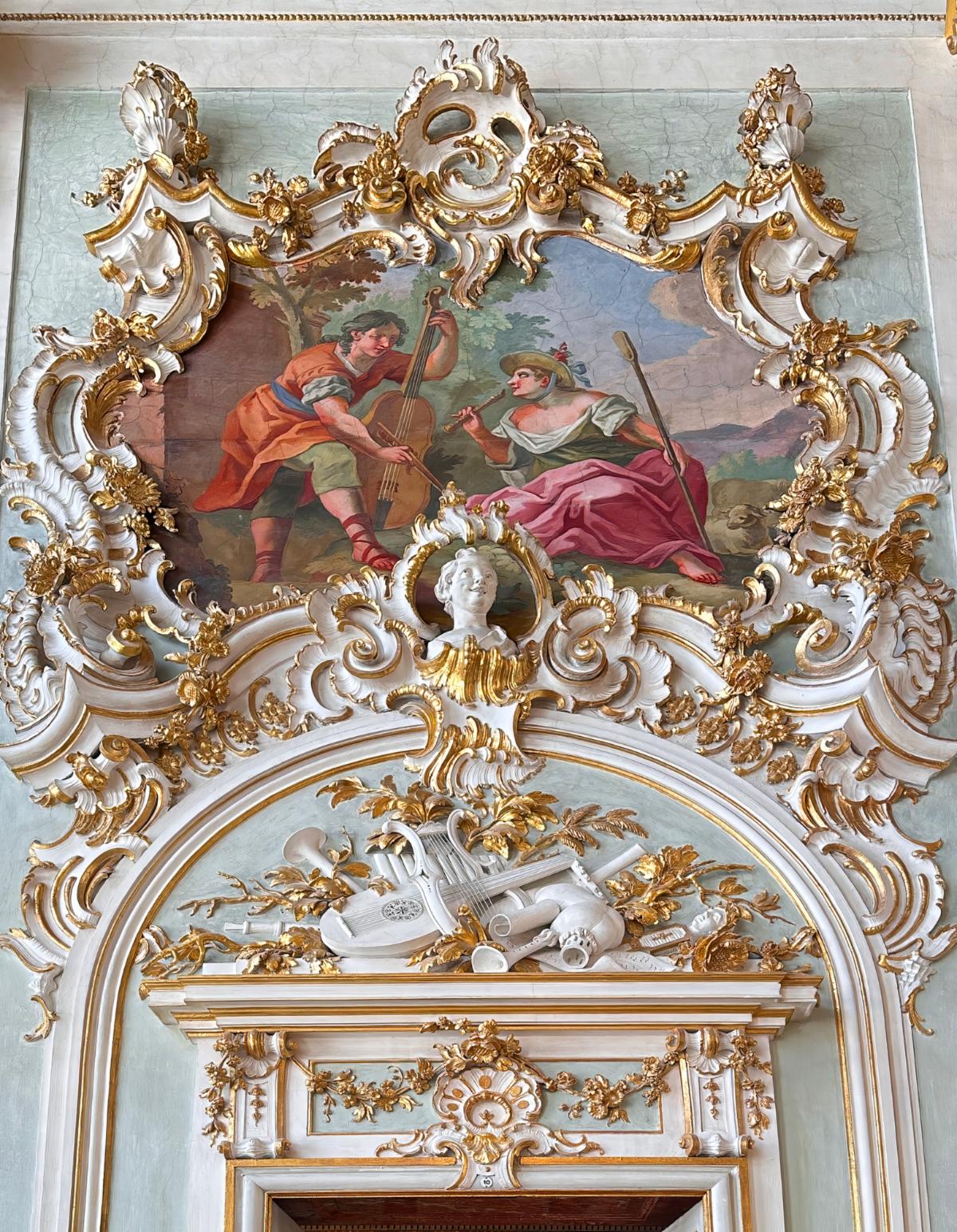
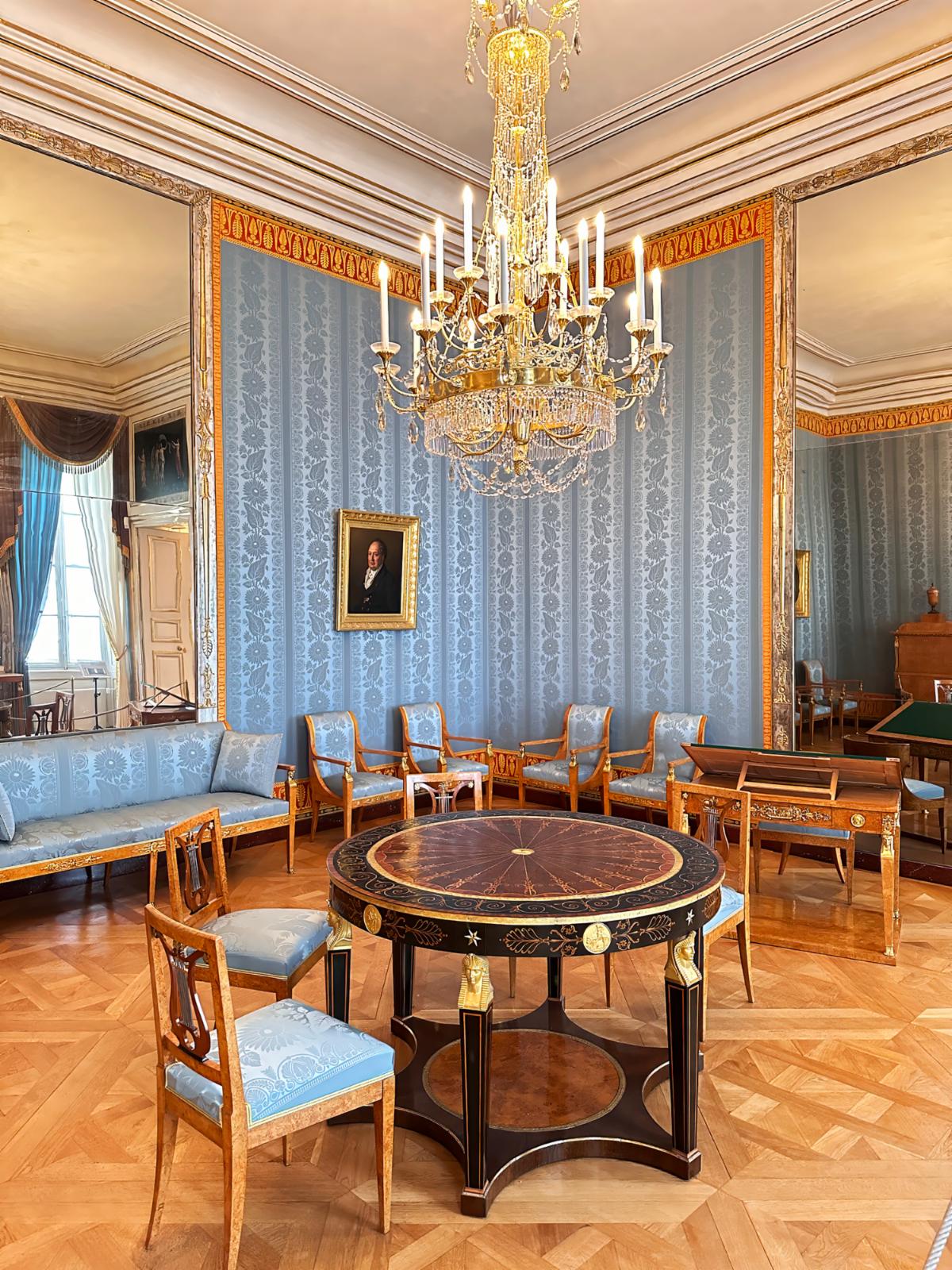
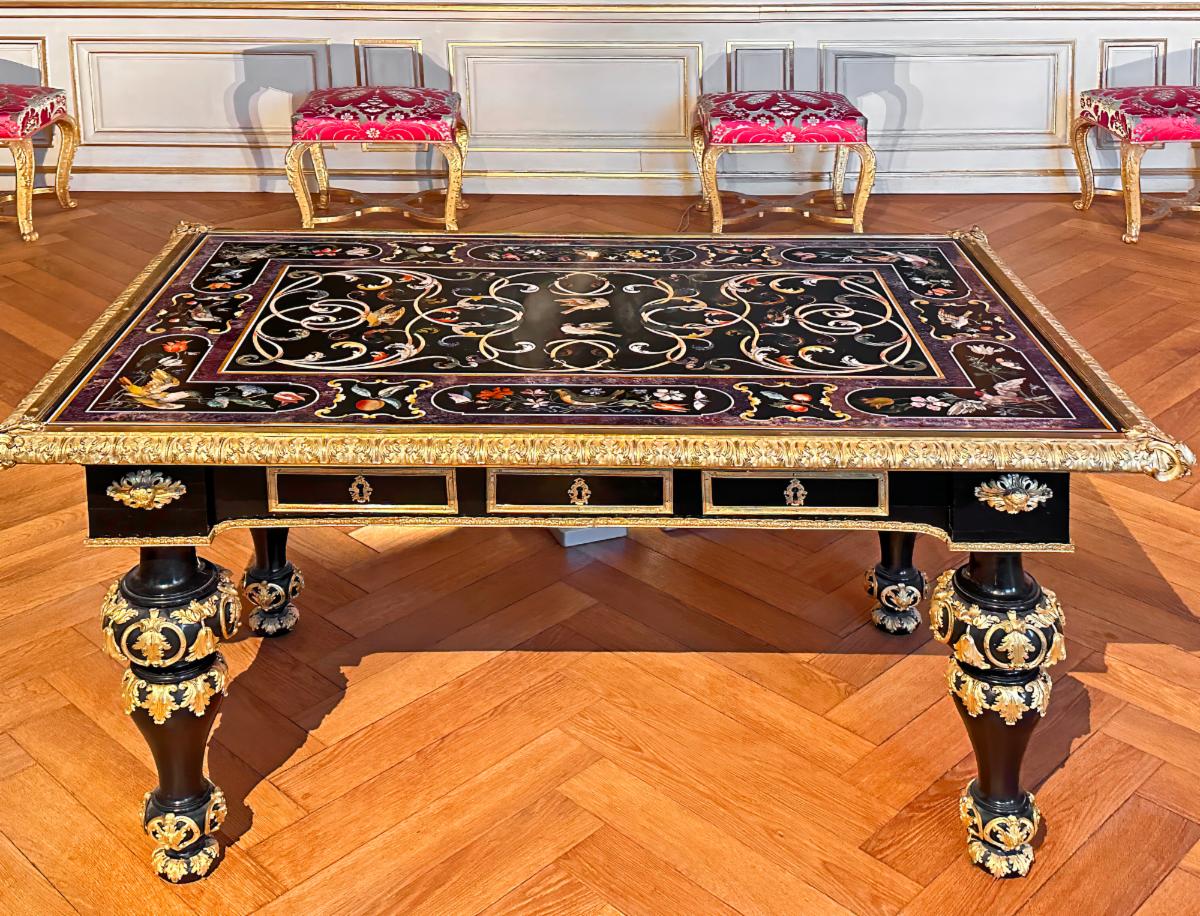
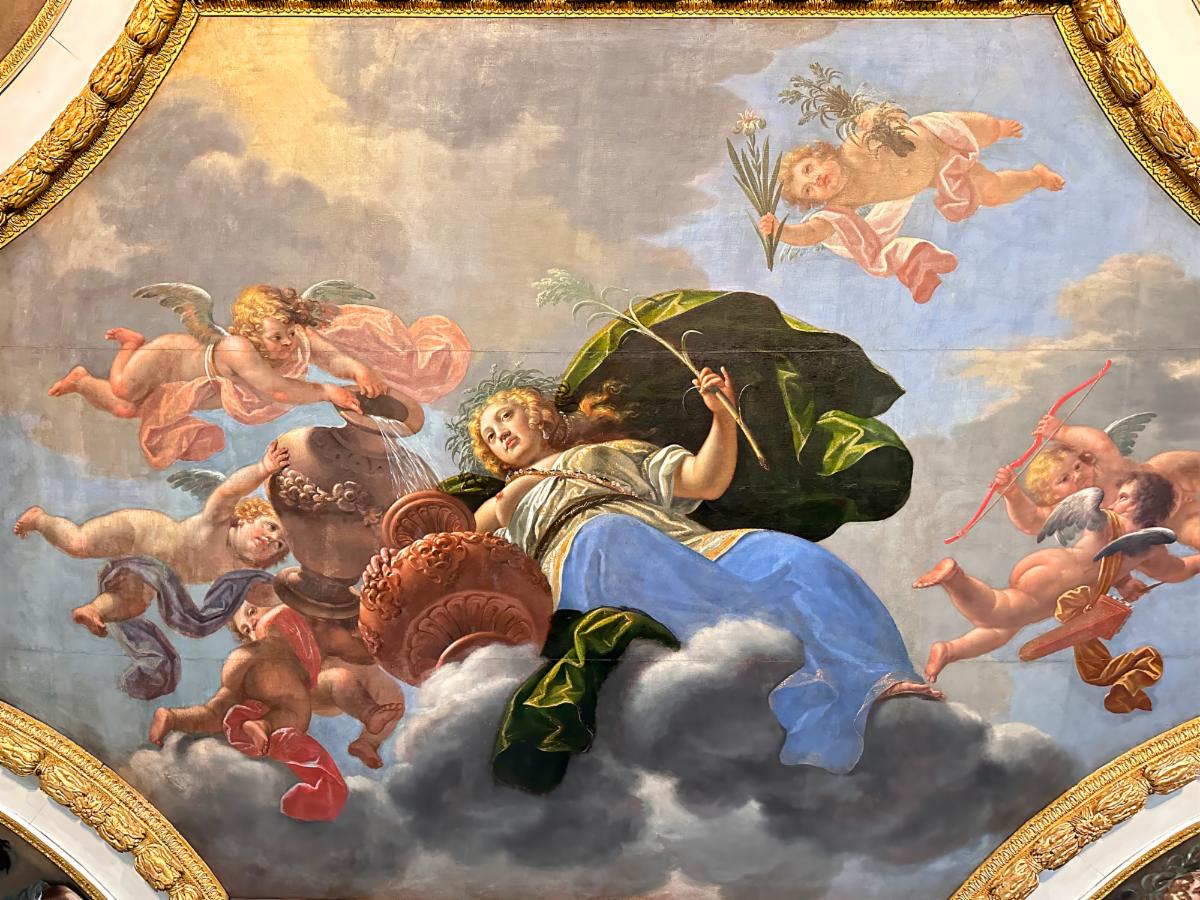
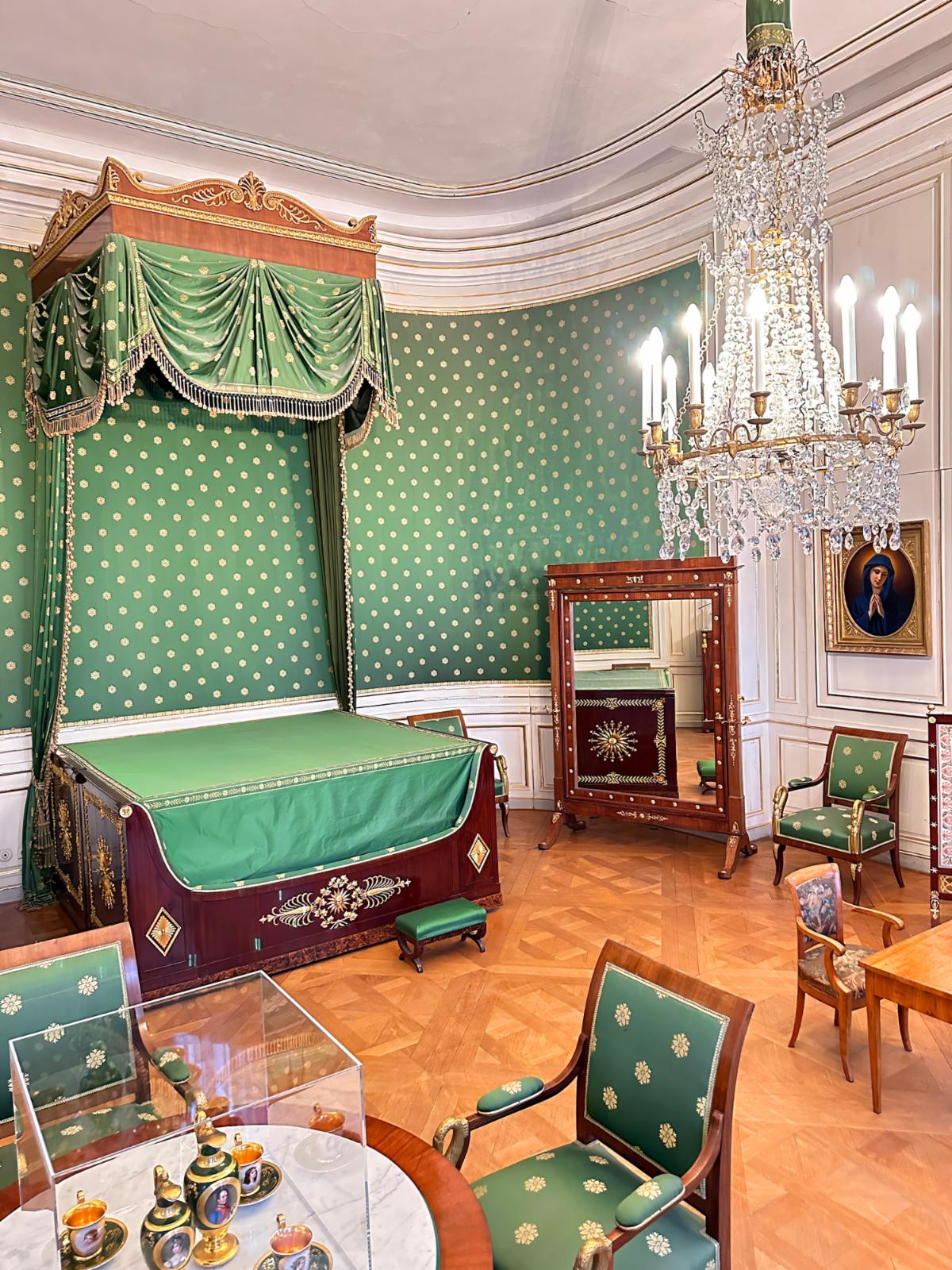
The Nymphenburg Palace was the primary summer residence for the House of Wittelsbach, the former rulers of Bavaria. The Wittelsbach family ruled Bavaria, either as Dukes, Electors, or Kings, from 1180 until 1918, after the defeat of Germany in World War I. The Palace is located on the outskirts of Munich. It is now a museum, and we decided to check it out.
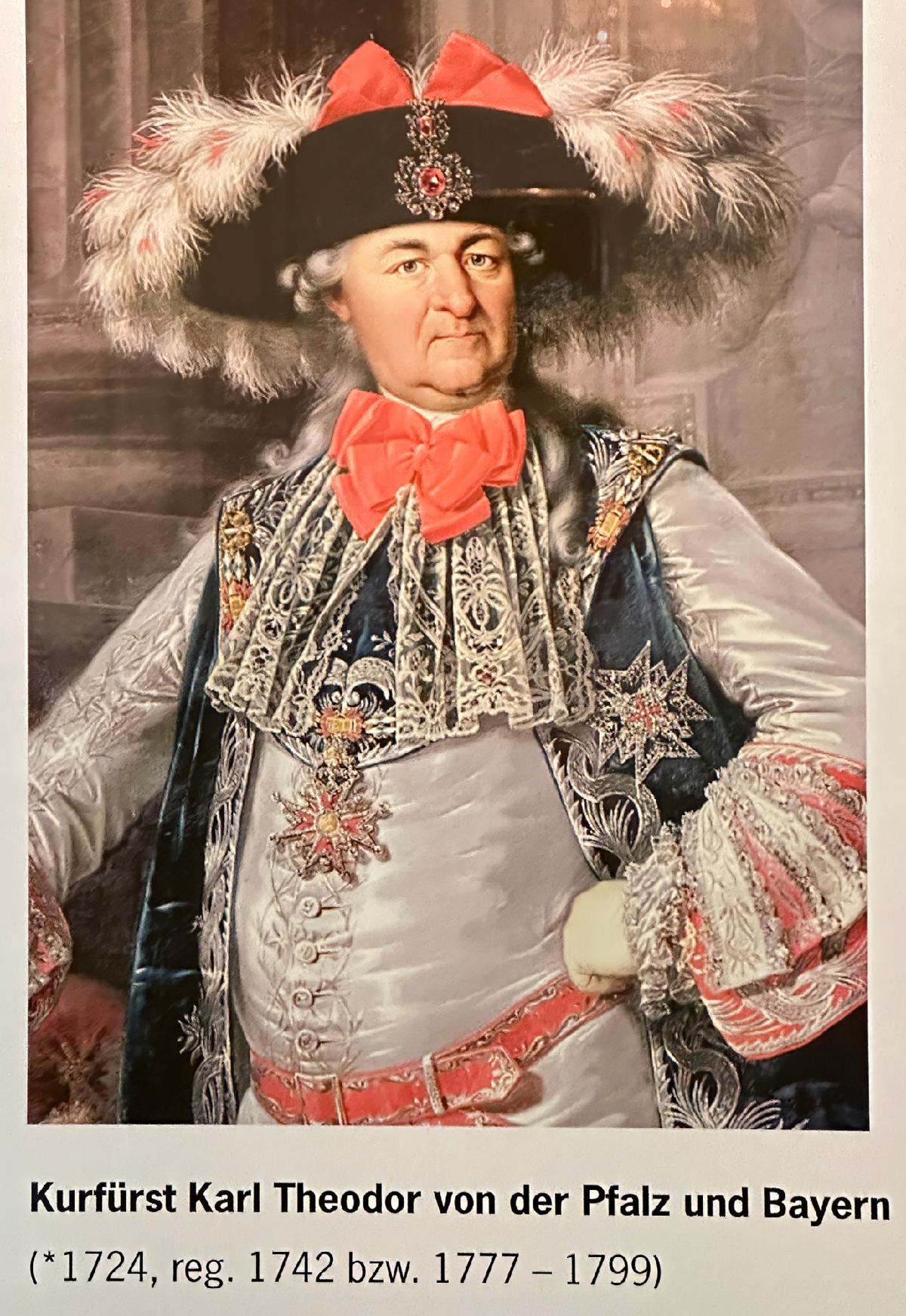
The most famous of the Wittelsbachs was King Ludwig II (1845 - 1886), who built many impressive castles, theaters, and gardens. However, he did not construct the Nymphenburg Palace. Construction of the palace started in 1664 at the direction of Elector Ferdinand Maria. (At that time, rulers of Bavaria were called Electors).
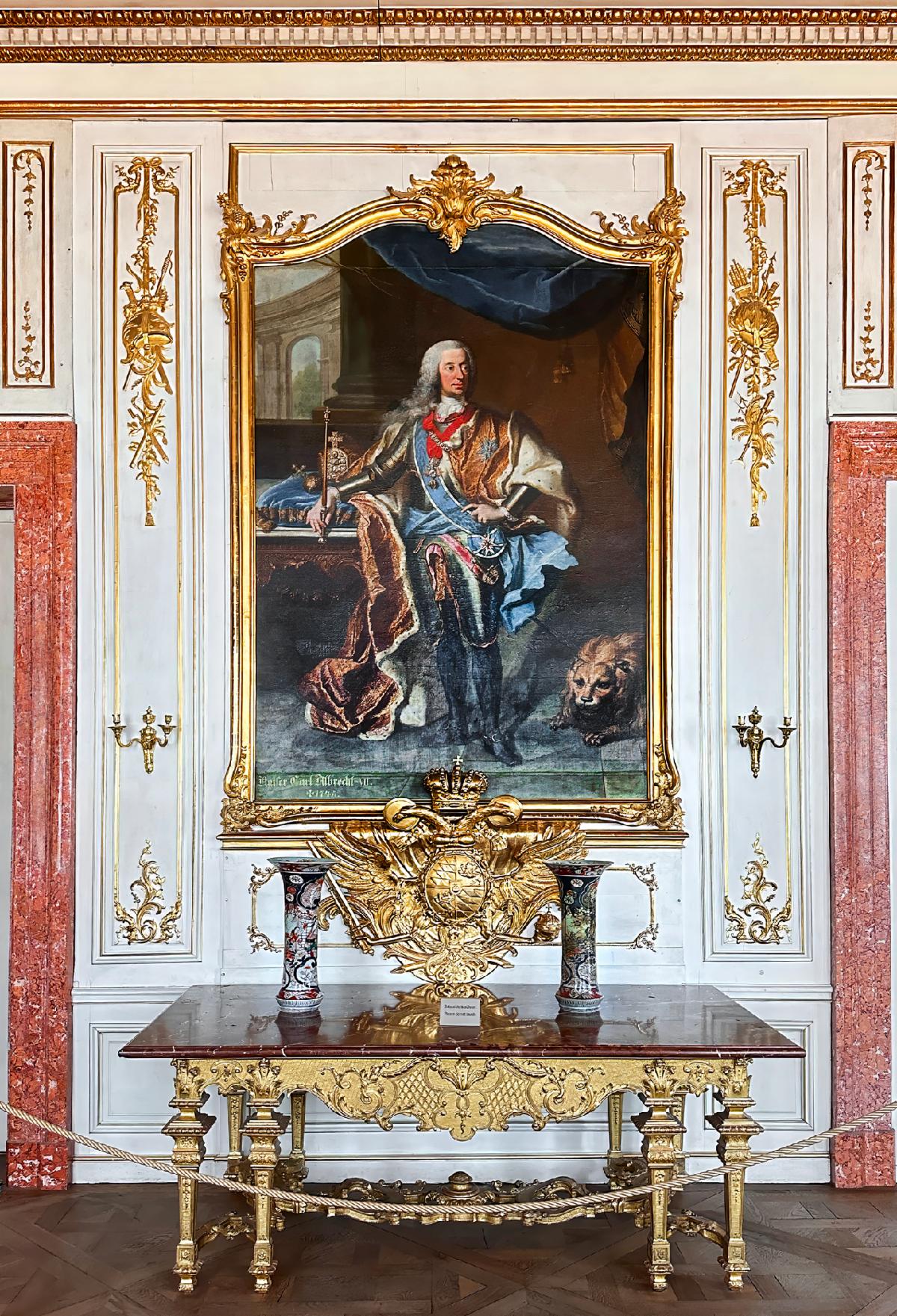
During the reign of Ferdinand’s son, Elector Max Emanuel (1680 to 1726), Nymphenburg Palace acquired its current dimensions. But each succeeding ruler added buildings, gardens, remodeled rooms, collected furnishing, commissioned paintings, etc, starting with Elector Karl Albrecht (ruler of Bavaria from 1726 to 1745). Albrecht held many titles, including Emperor Charles VII of the Holy Roman Empire and King of Bohemia.
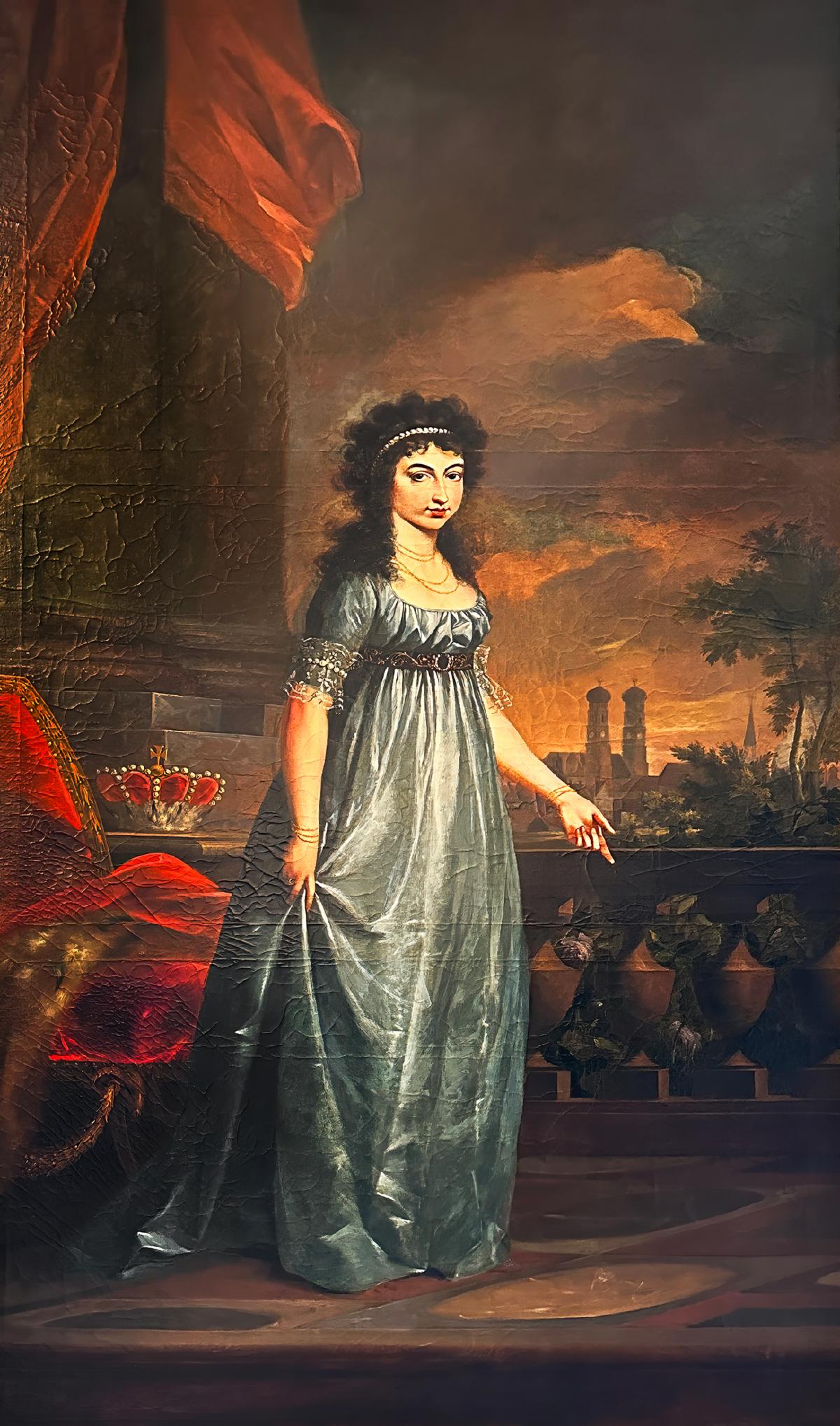
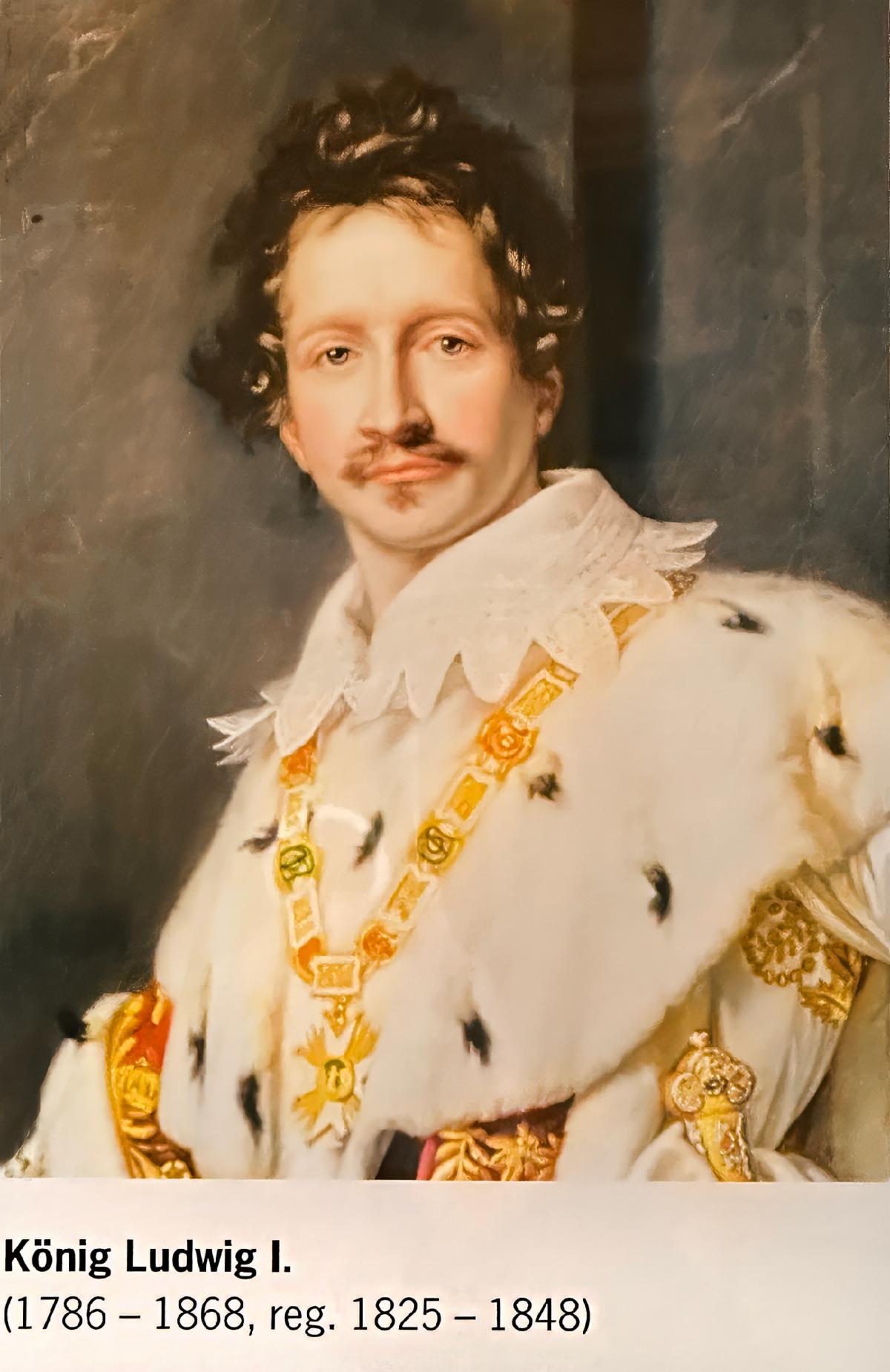
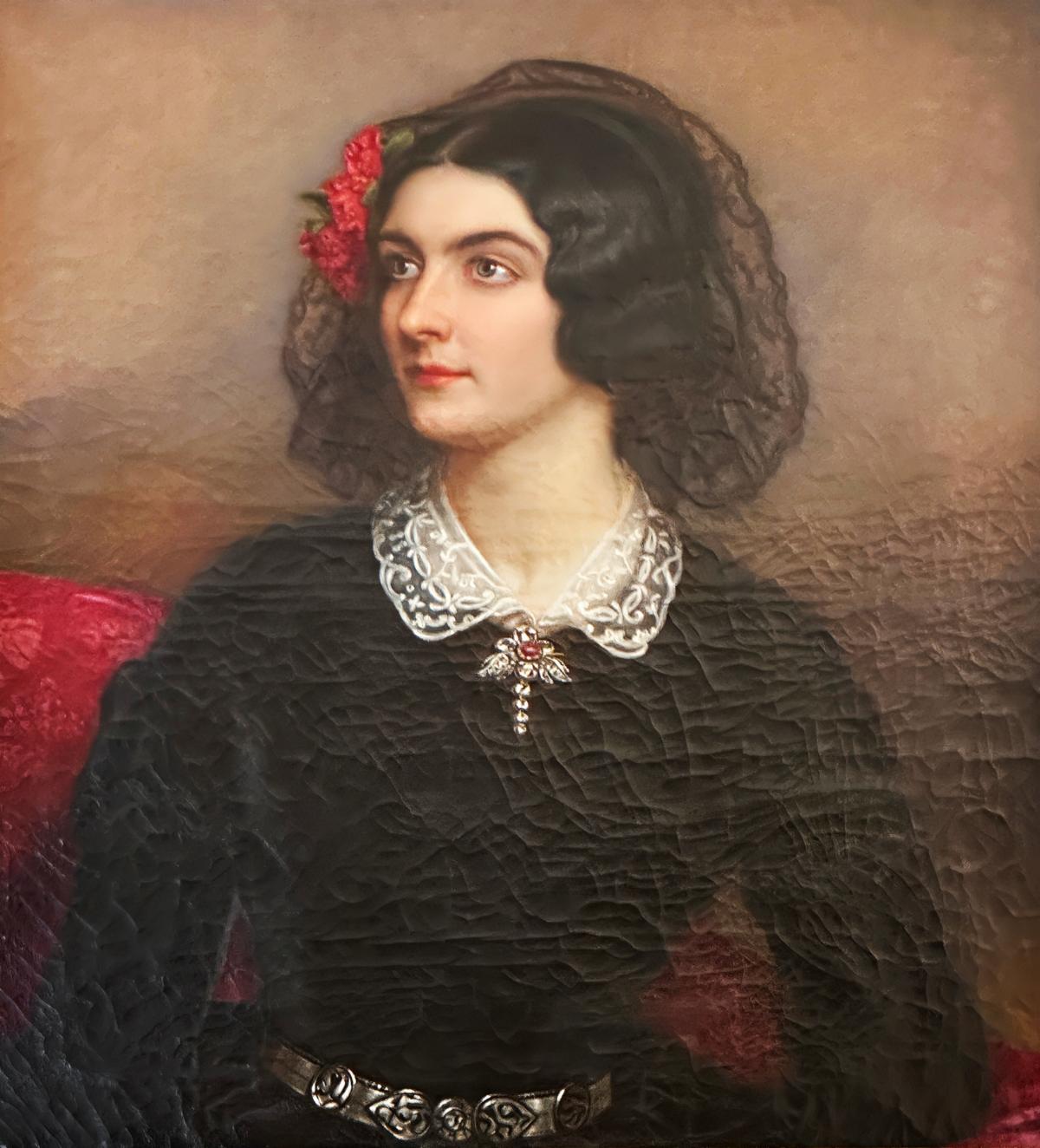
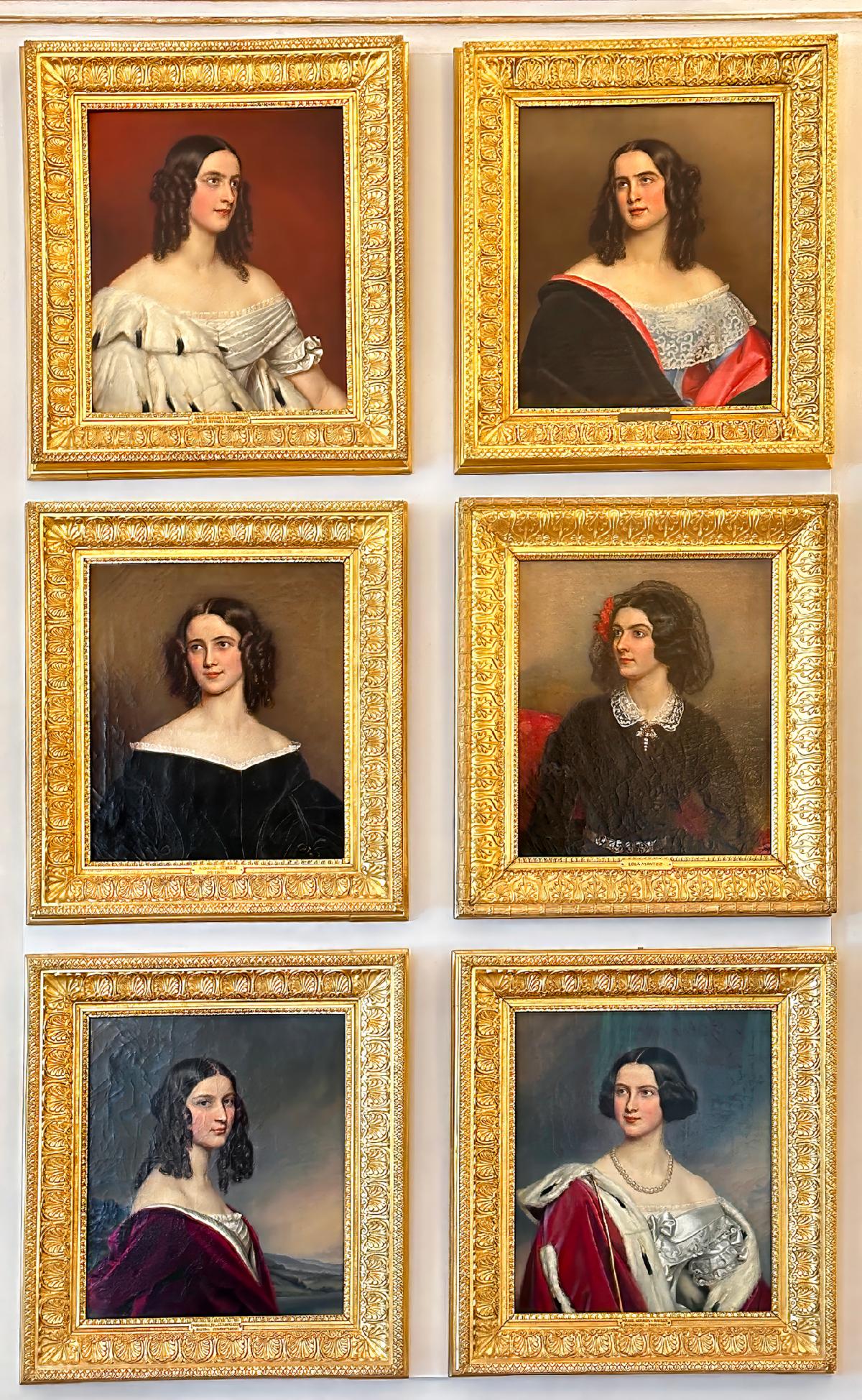
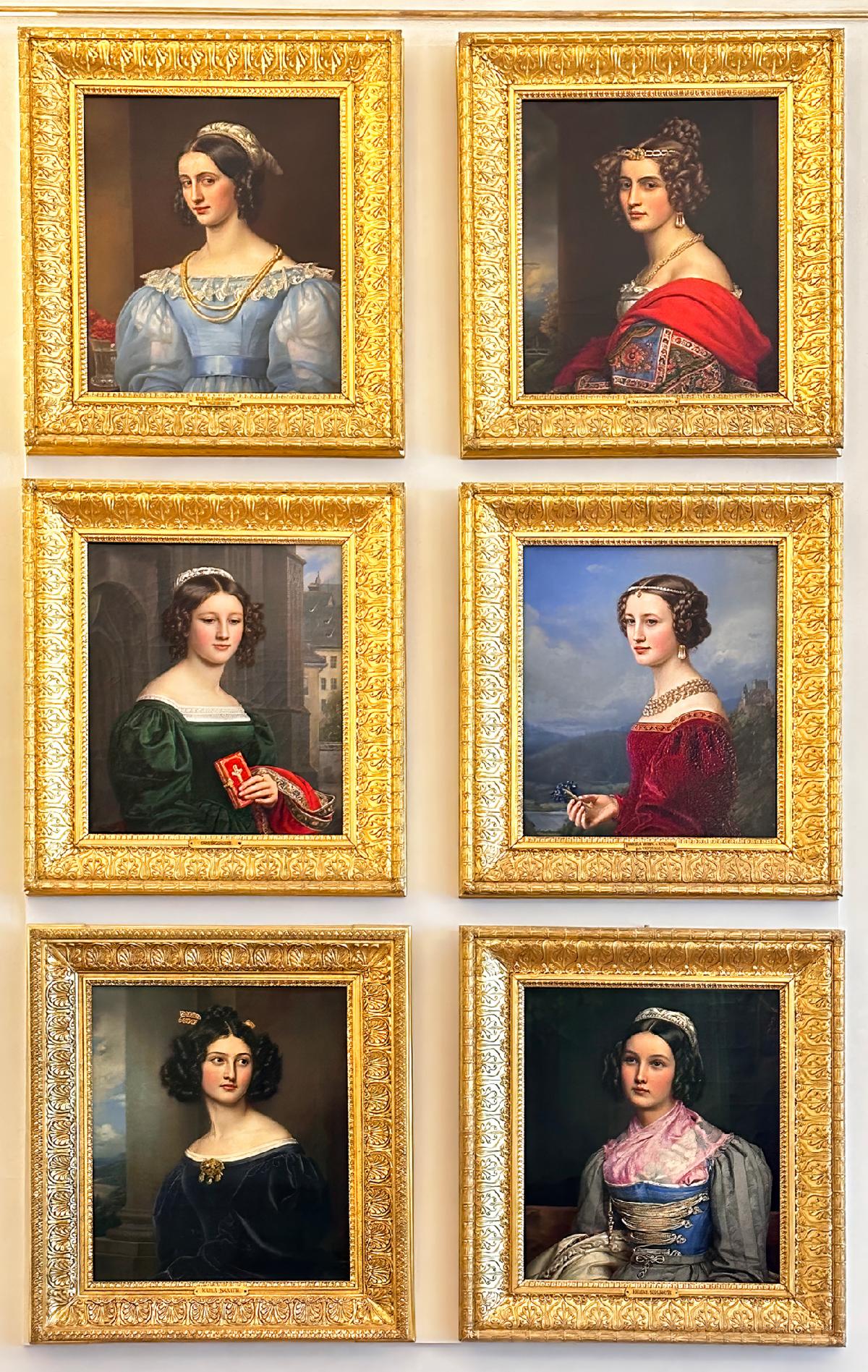
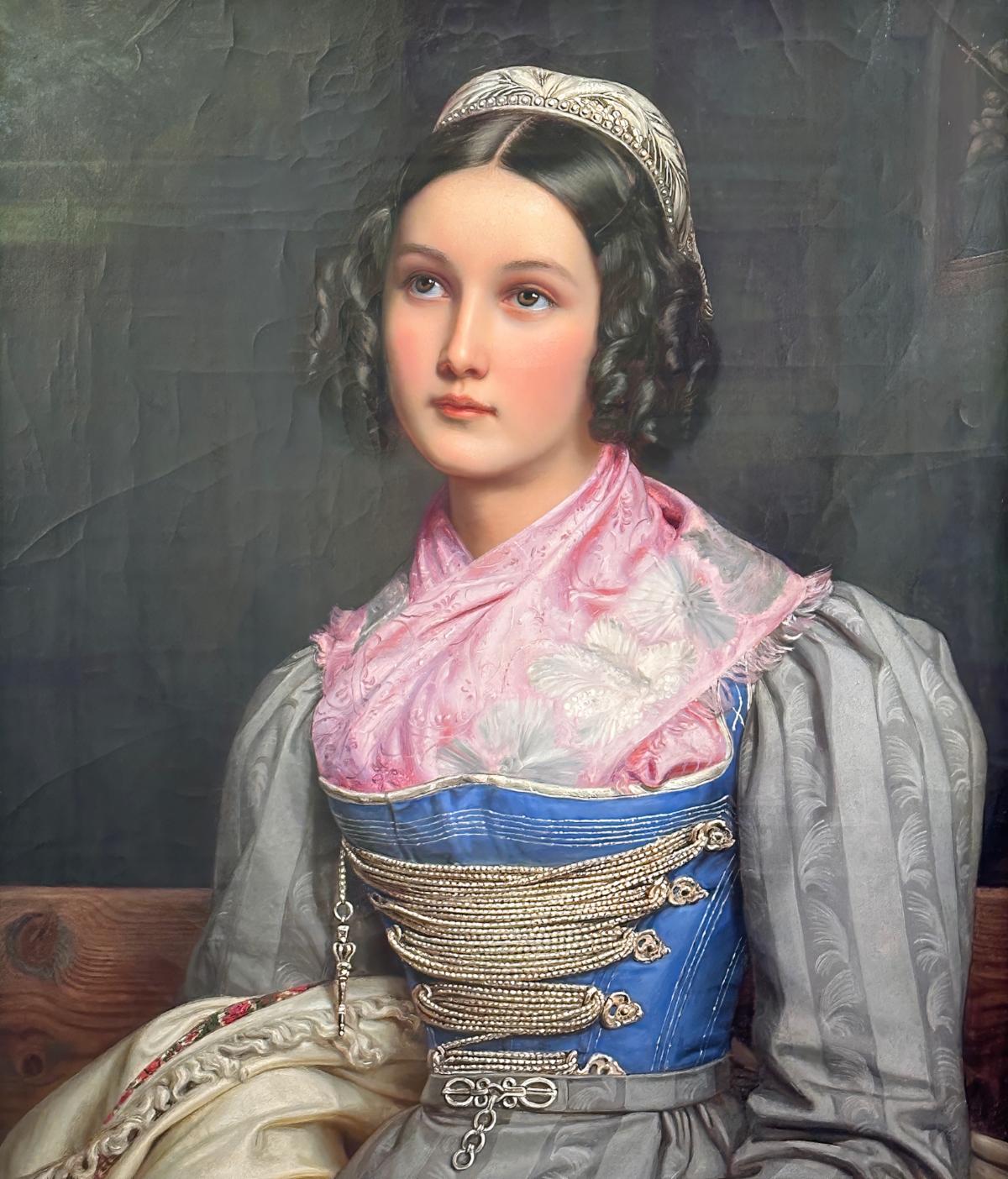
Maximillian I was the first Elector to be given the title of King in 1806. He reigned until 1825. King Ludwig I ruled from 1825 until 1848, when he abdicated. Ludwig I had a fascination for very young, beautiful women. One huge palace room was devoted to paintings of young women deemed Bavaria’s Beauties. He had many extramarital affairs, including one especially long-term scandalous affair with the dancer Lola Montez. As a reward for her attentions, so to speak, Ludwig made her a Countess and a Baroness. She had sway over public policies, and the Bavarian people resented her. She was part of the reason that Ludwig I abdicated in 1848.
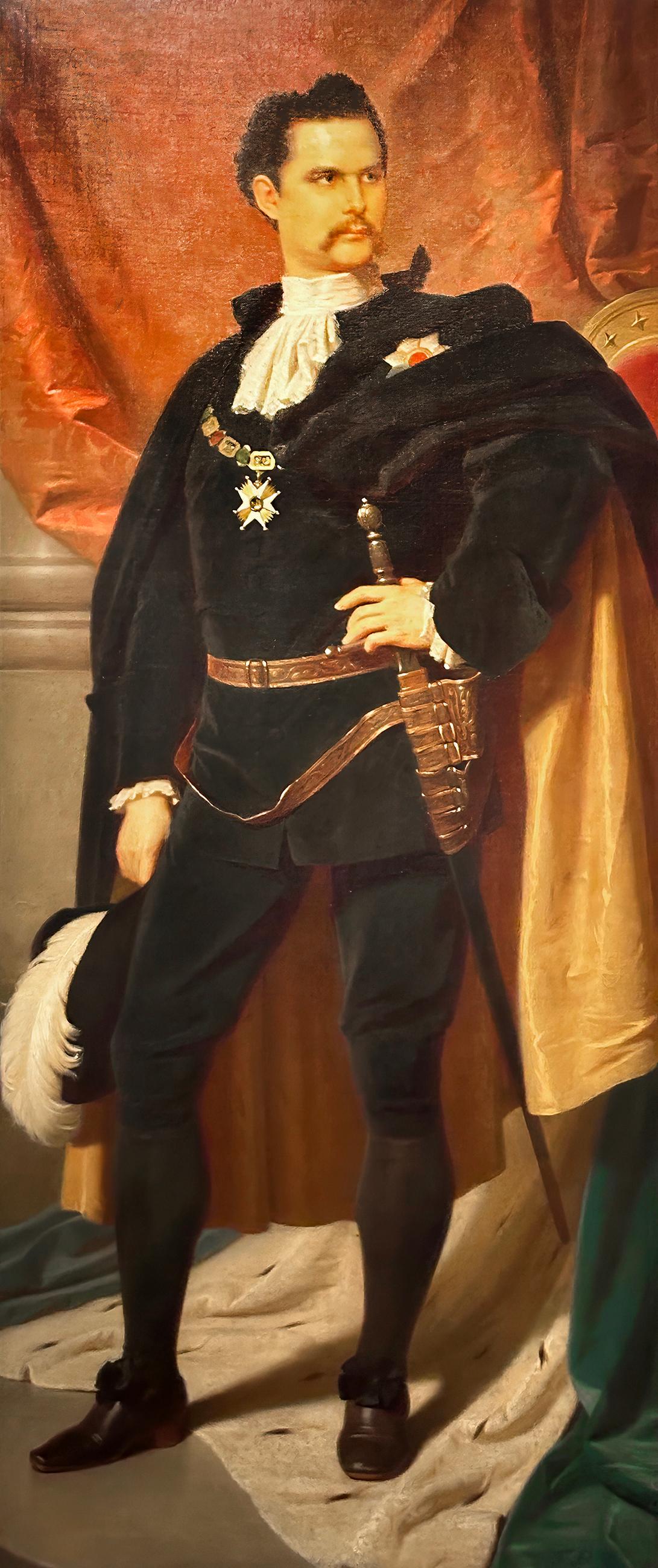
Ludwig’s son, Maximillian II, took over the monarchy from 1848 to 1864. Then, from 1864 to 1886, the most famous and most excentric Bavarian King, King Ludwig II, ruled. Ludwig II wasn’t interested in politics. He loved art, music, architecture, and all the finer aspects of life. He nearly bankrupted Bavaria with his extravagant projects.
During his reign, in 1870, the independent German states united into one nation-state. This had more to do with Bismarck than Ludwig II. Ludwig II lost prestige as the Prussian King Wilhelm I became the first so-called Emperor of Germany.
Ludwig II died suspiciously. Initially, it was called a suicide by drowning, but foul play was almost certainly the cause.
Ludwig II was gay, never married, and had no heir. Consequently, he was succeeded by his brother Otto. Otto was considered to be mentally ill. His uncle, Luitpold, became Otto’s regency, or defacto ruler until Luitpold died in 1912. Luitpold’s son took over as regent until 1913 when he deposed King Otto and declared himself King Ludwig III of Bavaria. That lasted until 1918, when monarchy in all of Germany ended.
|