|
DAY 9 – Sunday, February 11, 2018
CHICHEN ITZA
We had heard that the famous Mayan ruins at Chichen Itza, about 25 miles away from Valladolid, become crowded around noon when the Cancun tour buses arrive. The trick is to get there right when it opens at 8 am giving you two or three hours of uncrowded viewing. Therefore, we were up and out of the Airbnb to find a colectivo to take us to Chichen Itza by 6:45 am.
It took about 15 minutes to find a colectivo (actually, the colectivo more or less found us gringos walking around downtown with a camera and a map), but it took another 30 minutes before the colectivo filled up. The driver, a friendly guy that spoke decent English, bought us a wedge of cream cheese cake from a pastry truck.
The trip cost 40 pesos each and took about 40 minutes to deliver us to Chichen Itza’s front gate exactly 5 minutes before opening. The strategy worked out great, as we enjoyed a nice tour of the ruins without throngs of people. We did notice that as we were finishing up around noon, the crowd was picking up dramatically.
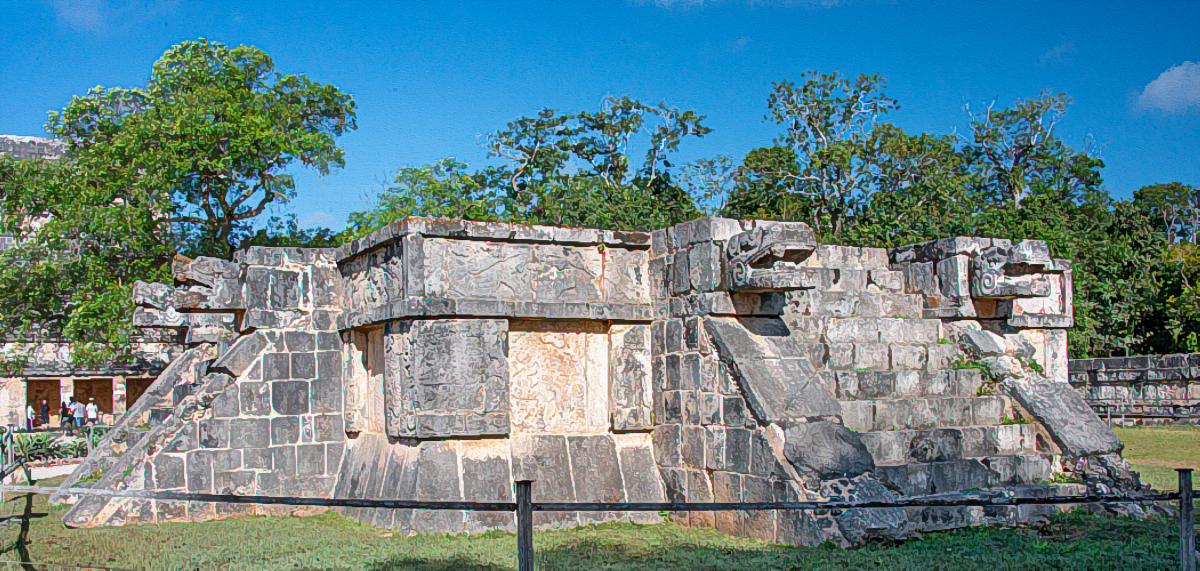
Chichen Itza rose to prominence around 600 AD, and became a major regional capital by 900 AD when it reached its completed form. Chichen Itza is one of the Seven New Wonders of the World, and rightly so. Sadly, Chichen Itza's slow decline began around 1100 AD.
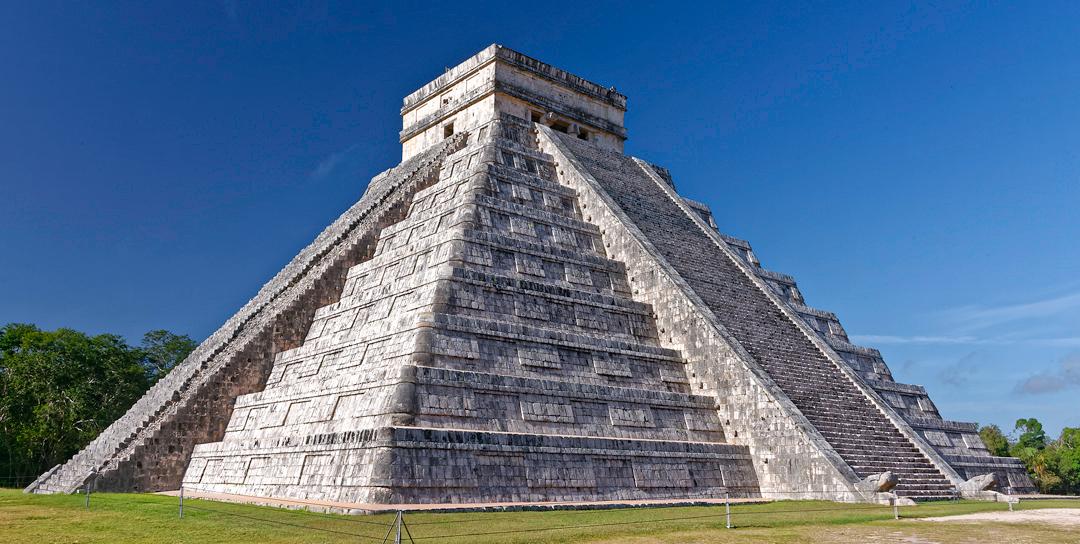
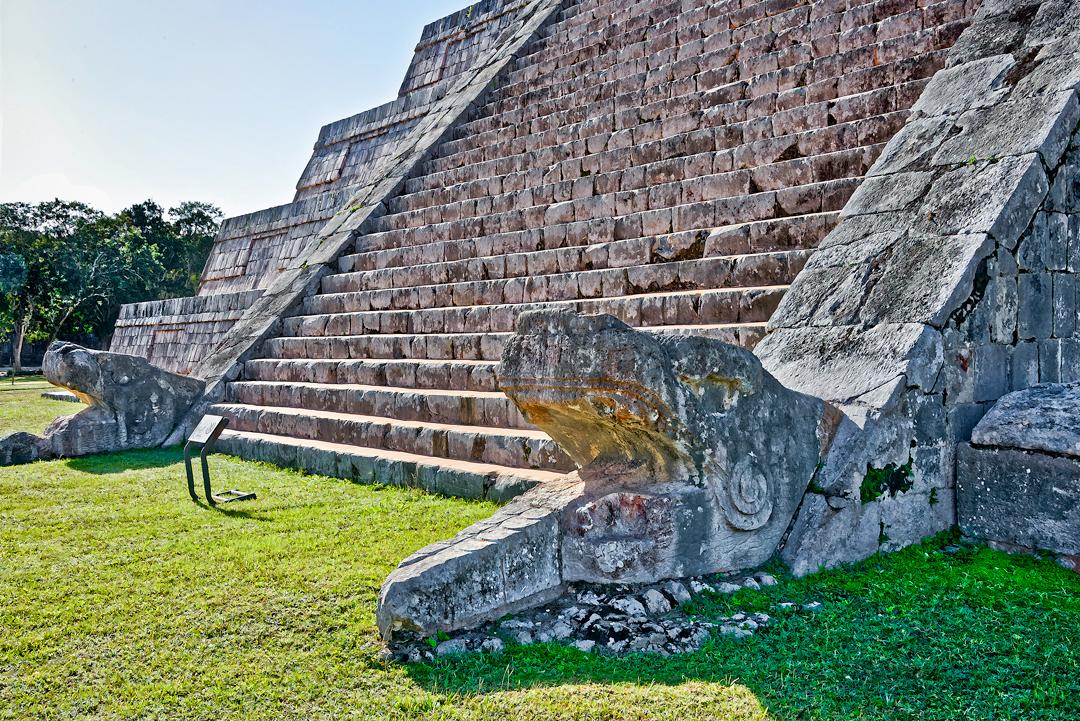
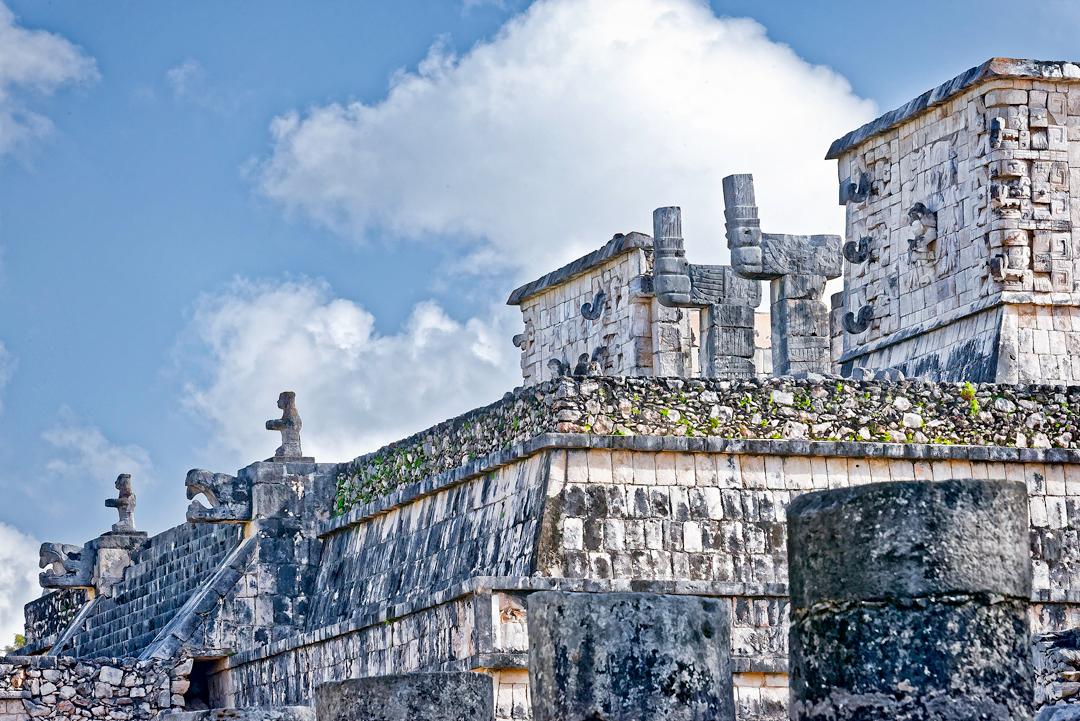
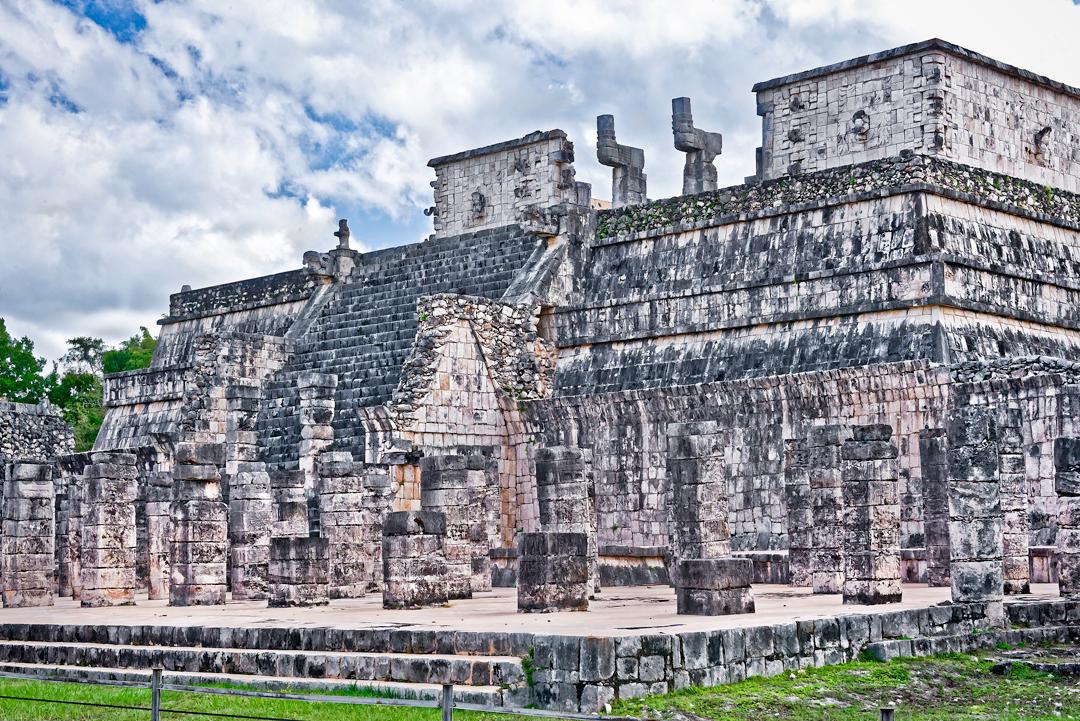
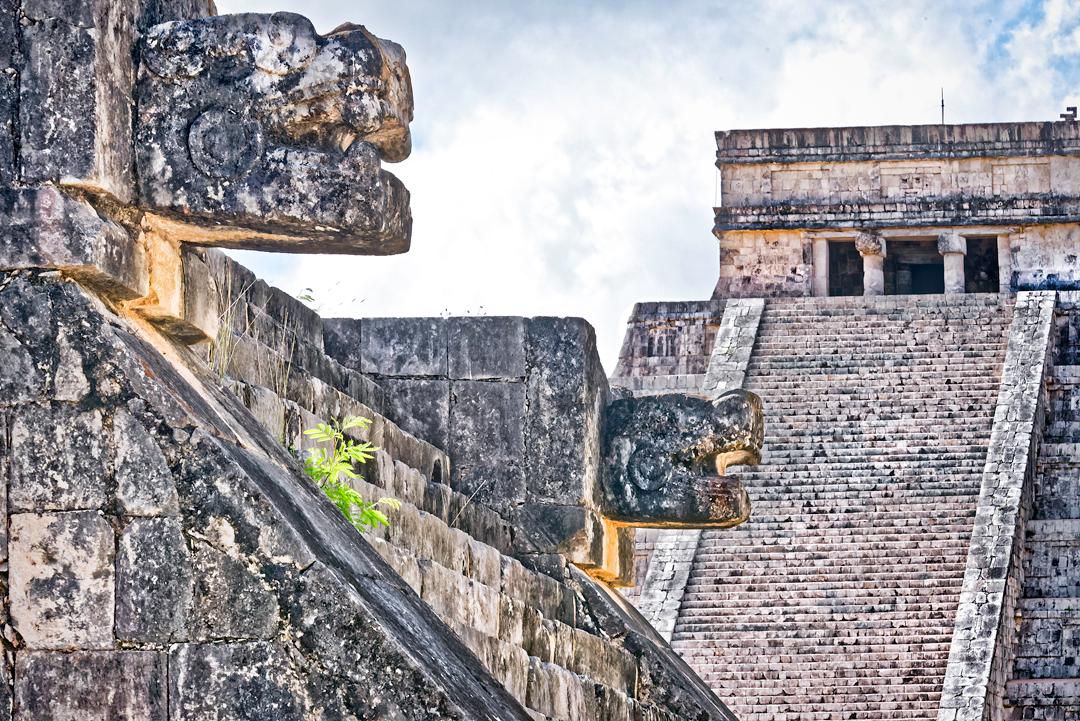
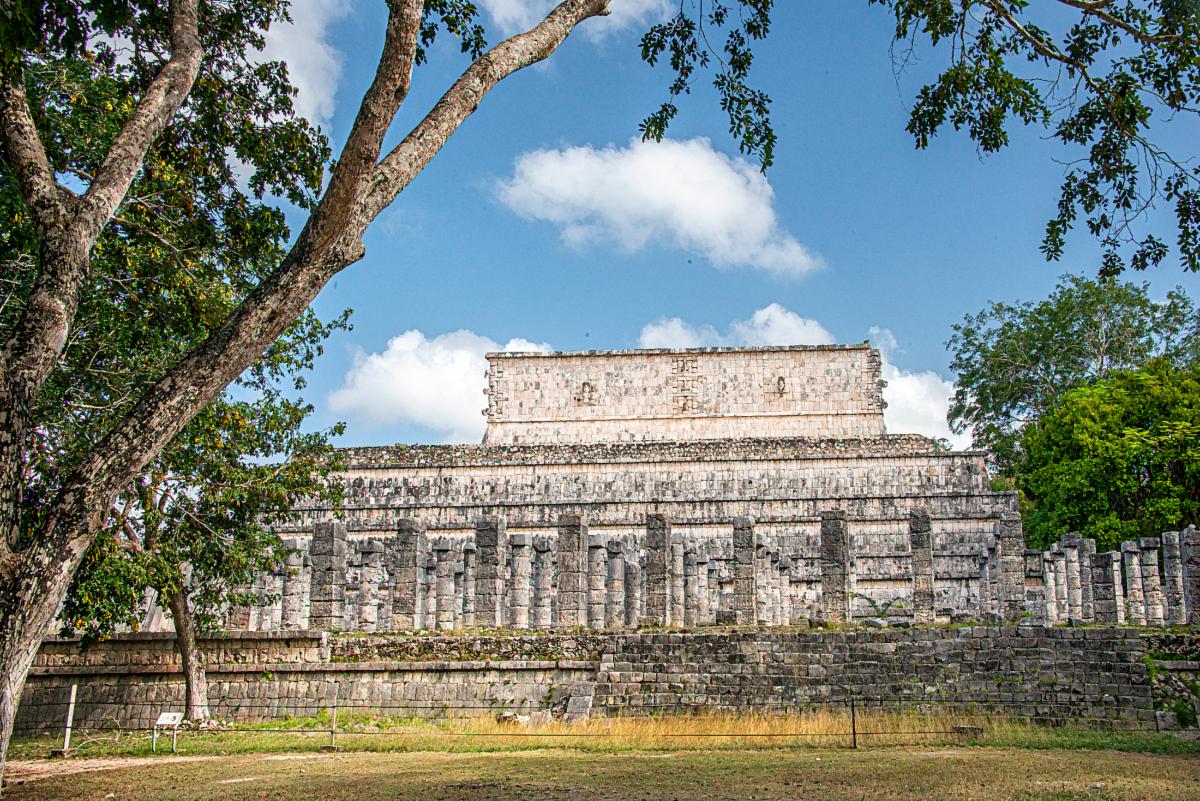
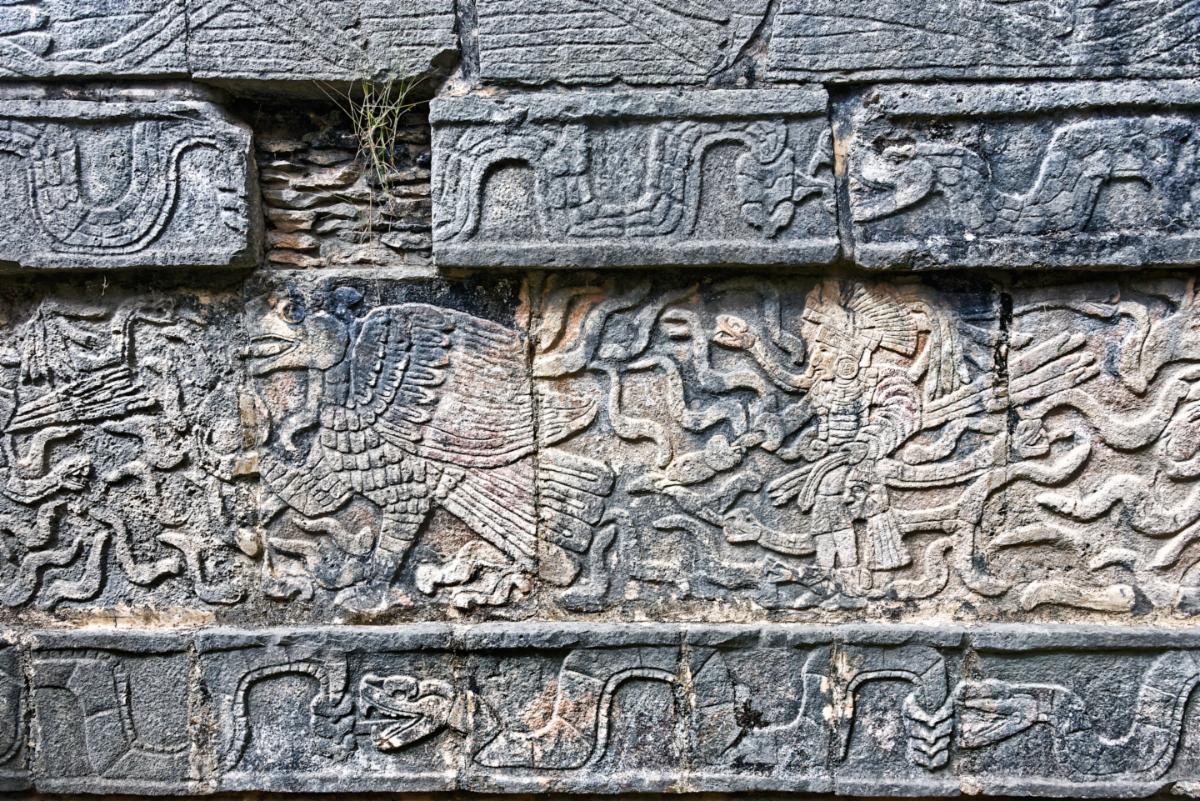
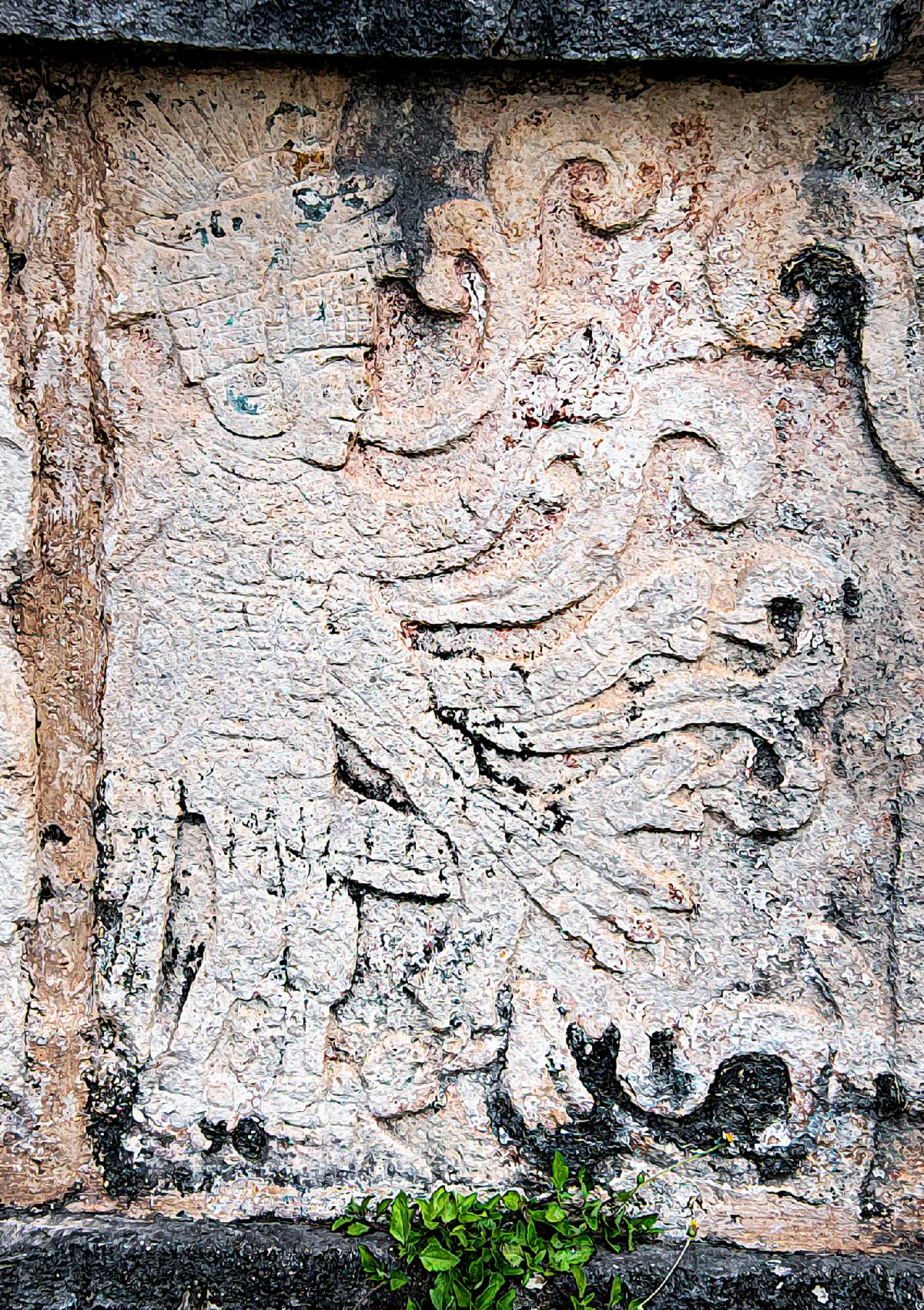
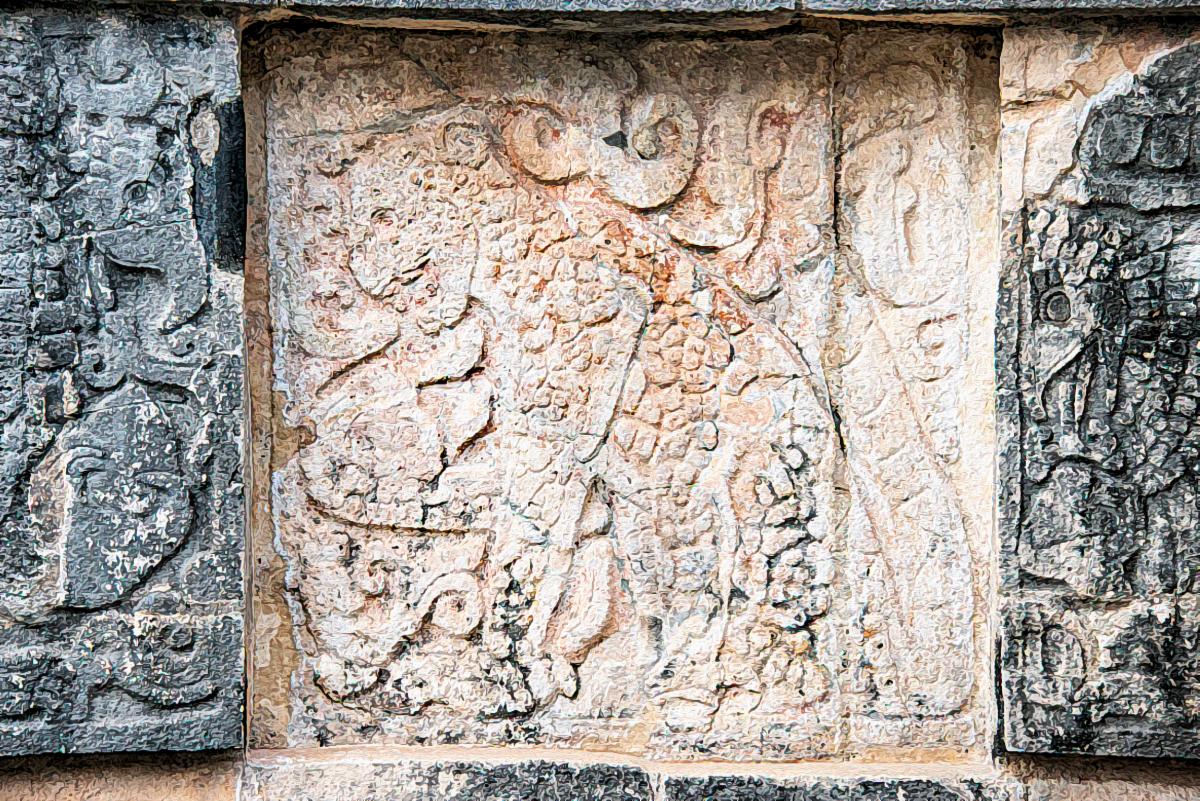
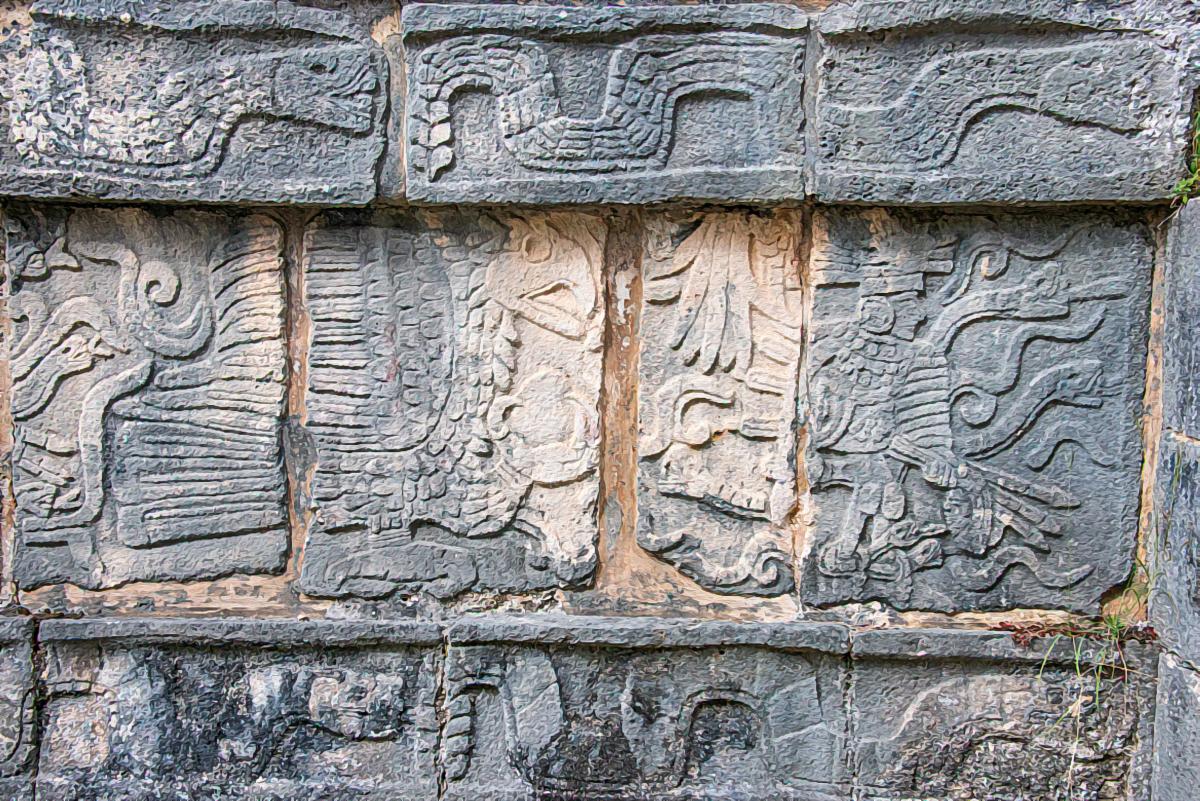
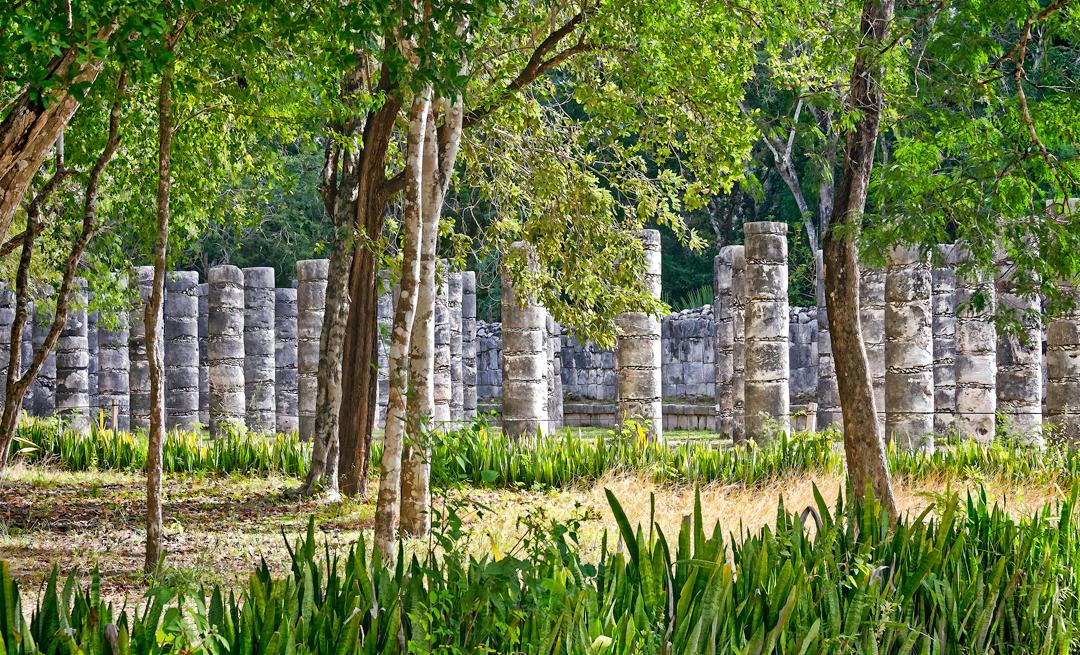
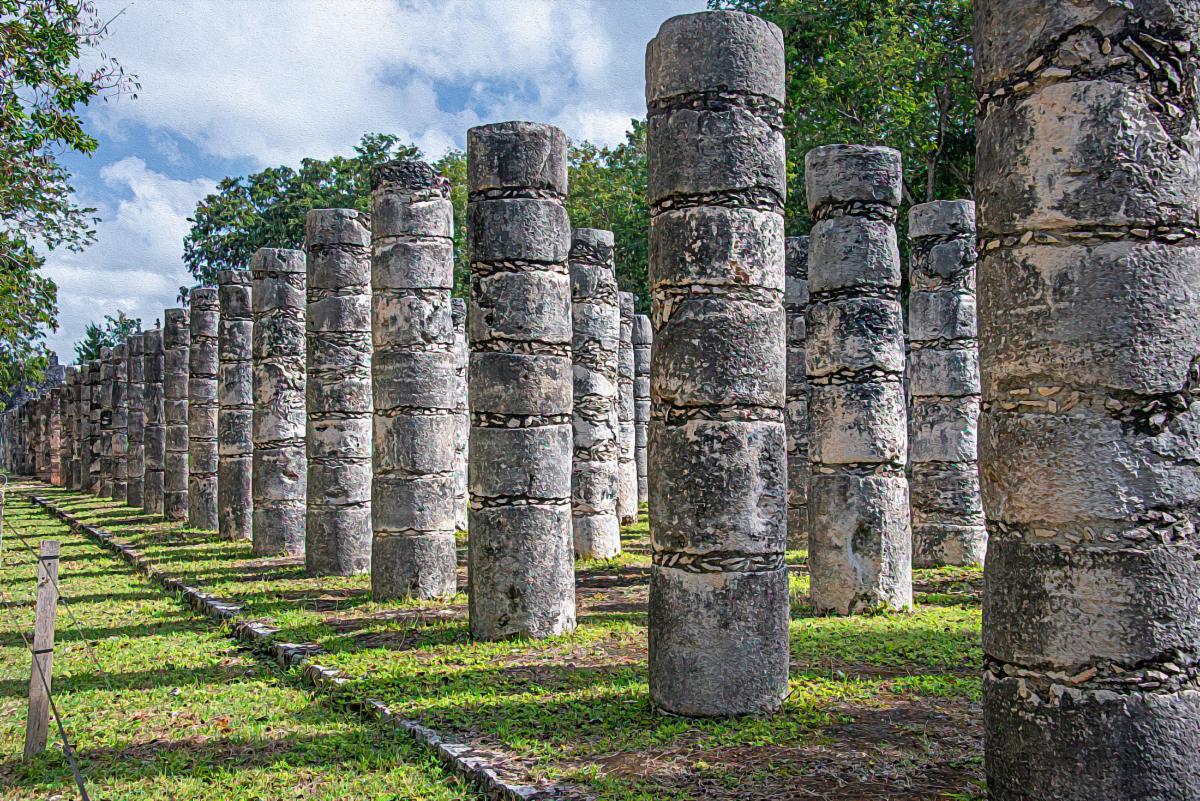
The primary pyramid, Temple Kukulcán, is a well-preserved iconic beauty. It is a huge four-sided structure that takes your breath away. Nearby are long rows of Romanesque columns, the Temple of Warriors, planted on tall stone platforms. At one time, the columns held up roofs made of wood or thatch, according to an info plaque. This long narrow building lined a gigantic ancient plaza in the middle of the city. It was thought that it was some kind of marketplace.
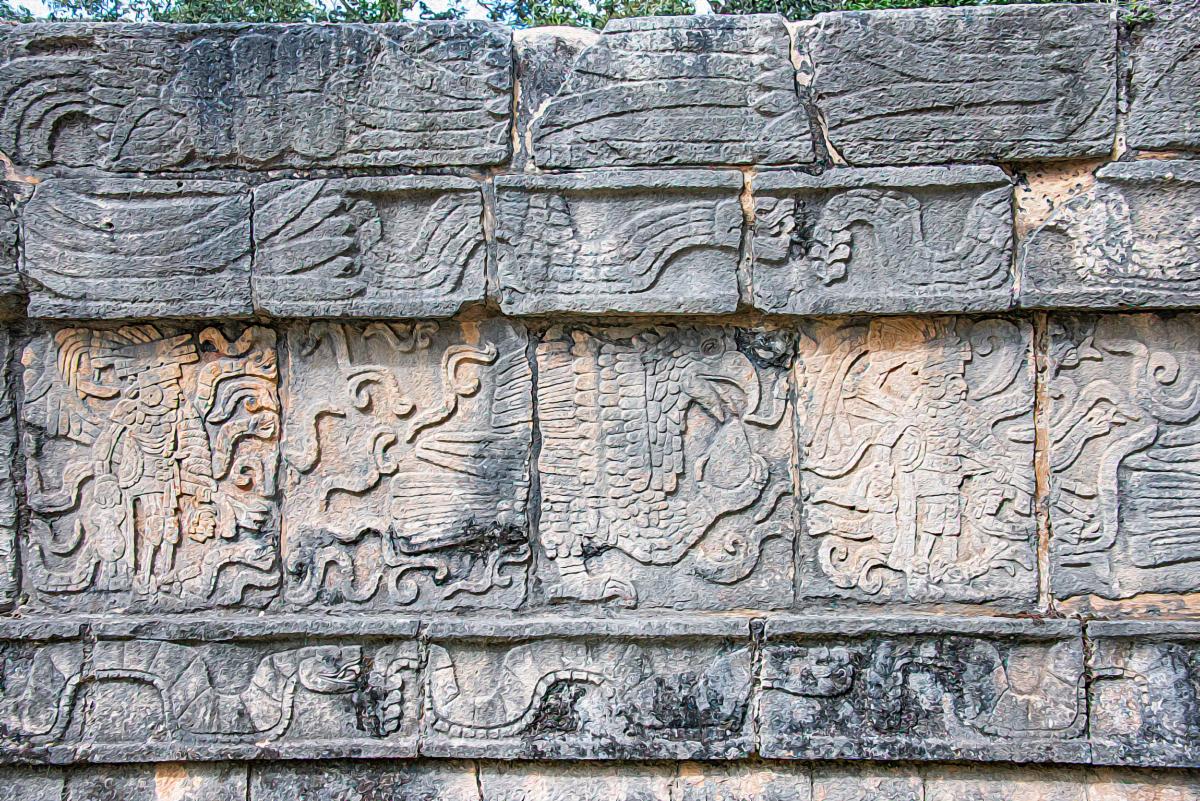
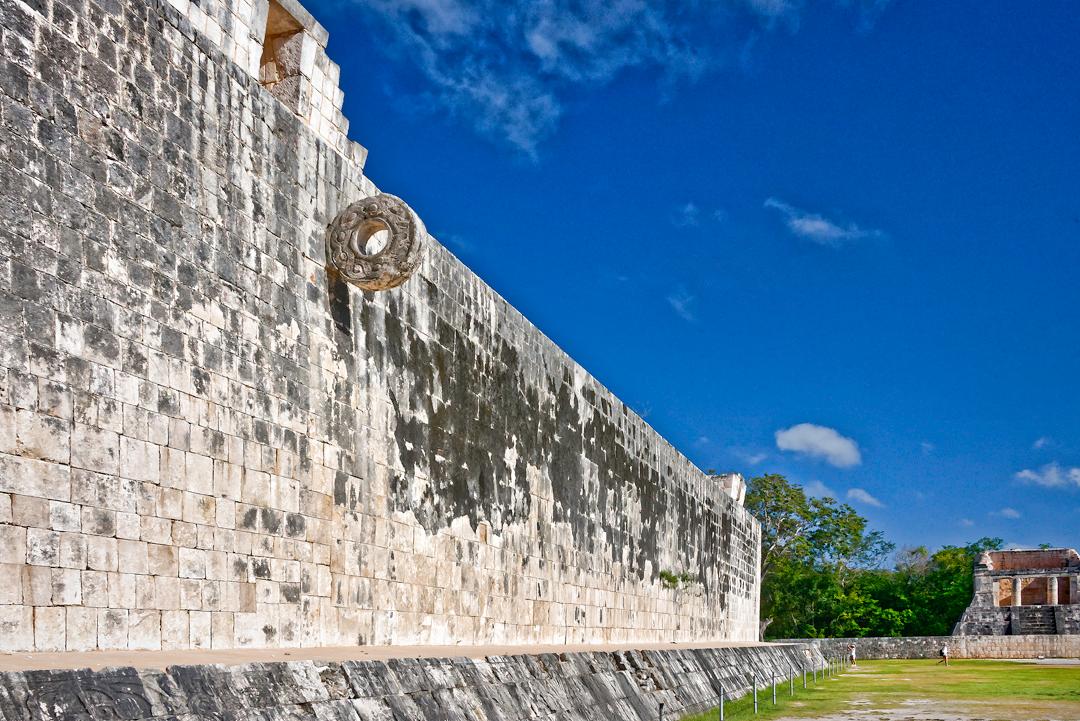
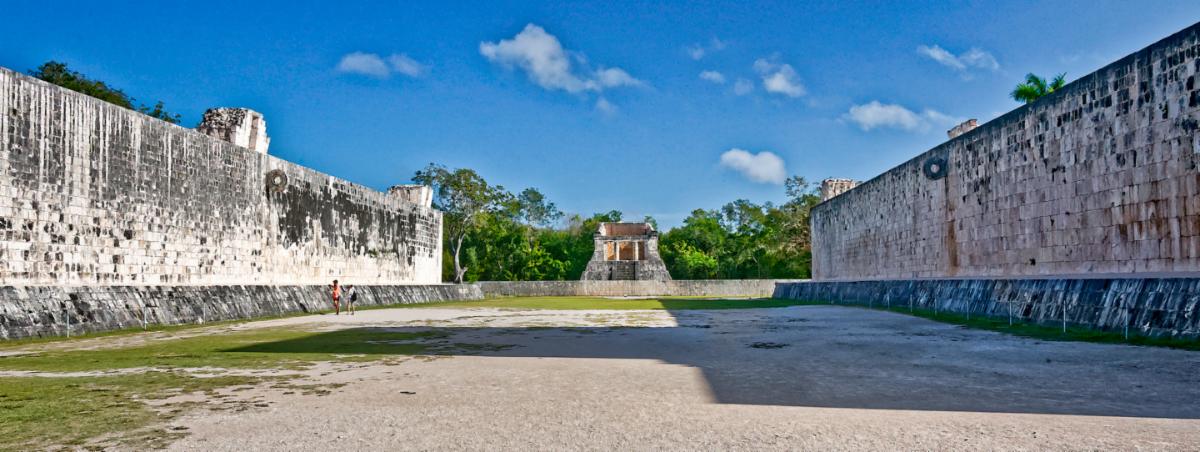
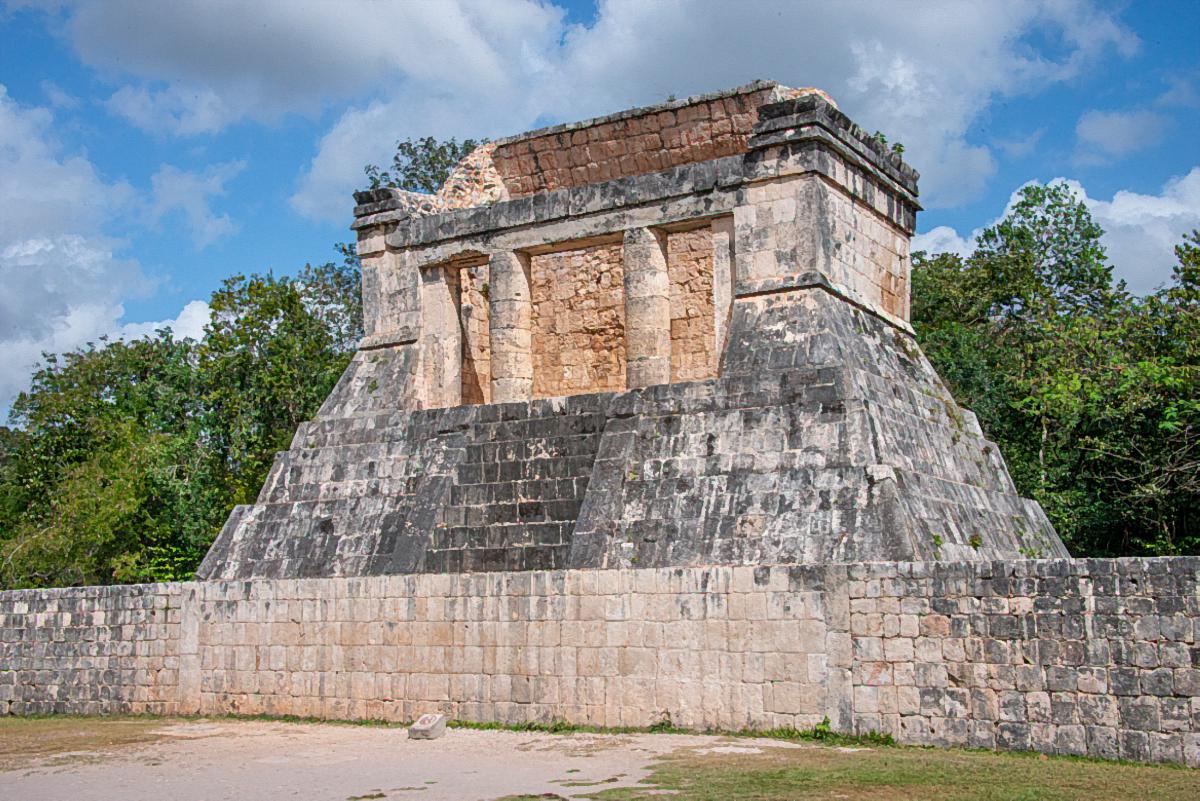
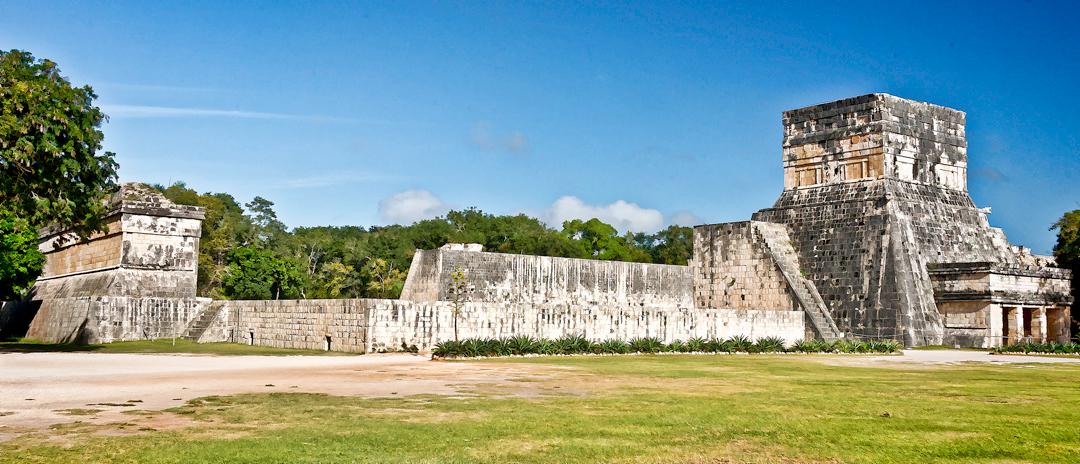
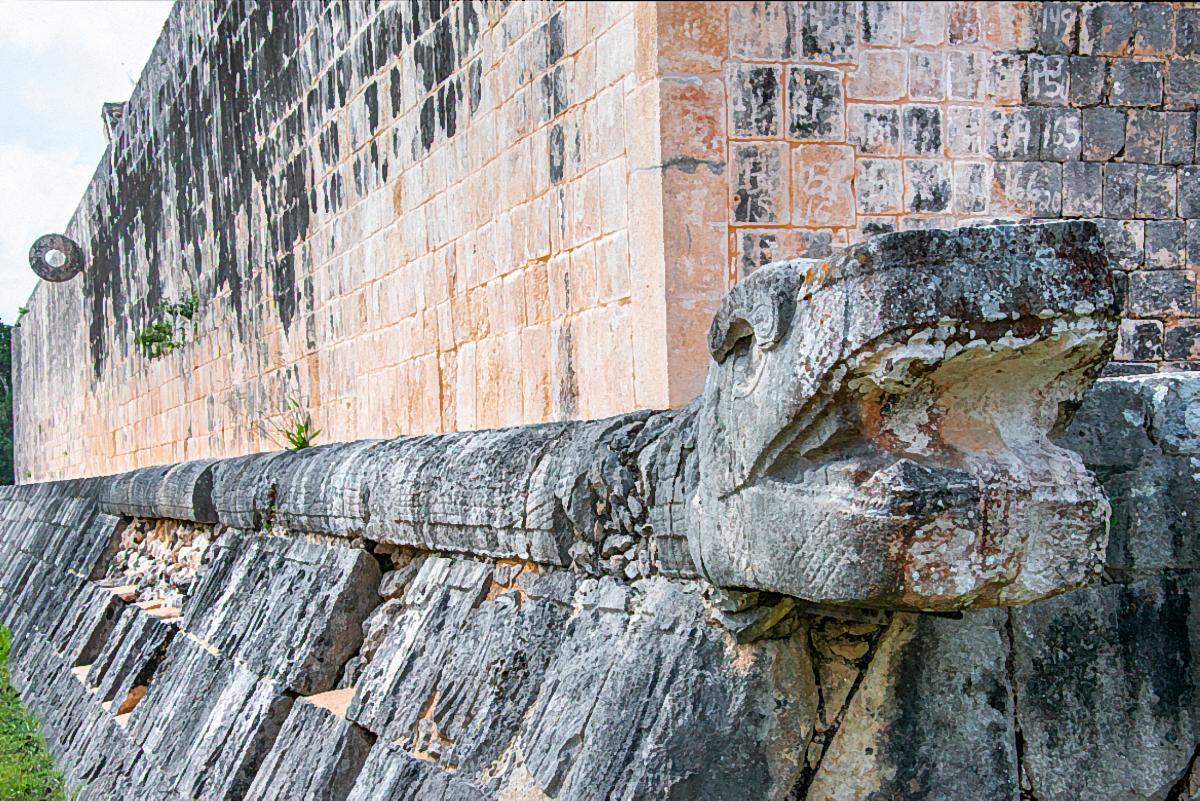
The great ball game court is the largest ball game stadium in the Mayan empire and was indeed impressive. The ball game courts at Coba were cool but small and intimate. This was a stadium with a field the size of a football field. It had been believed that the captain of the losing team was sacrificed after the games. However, this has been recently rethought. The gods didn’t want losers – the current thought is that only a winning captain would be worthy of sacrifice. If that is true, I bet those games lasted for a long time, with each team captain desperately sabotaging their team’s efforts.
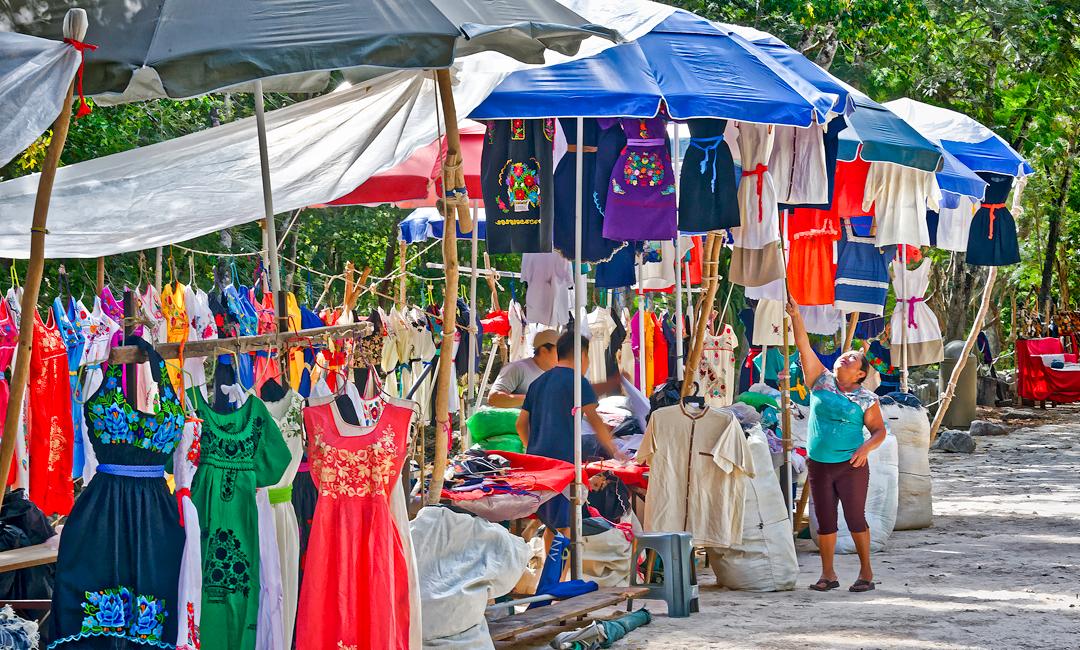
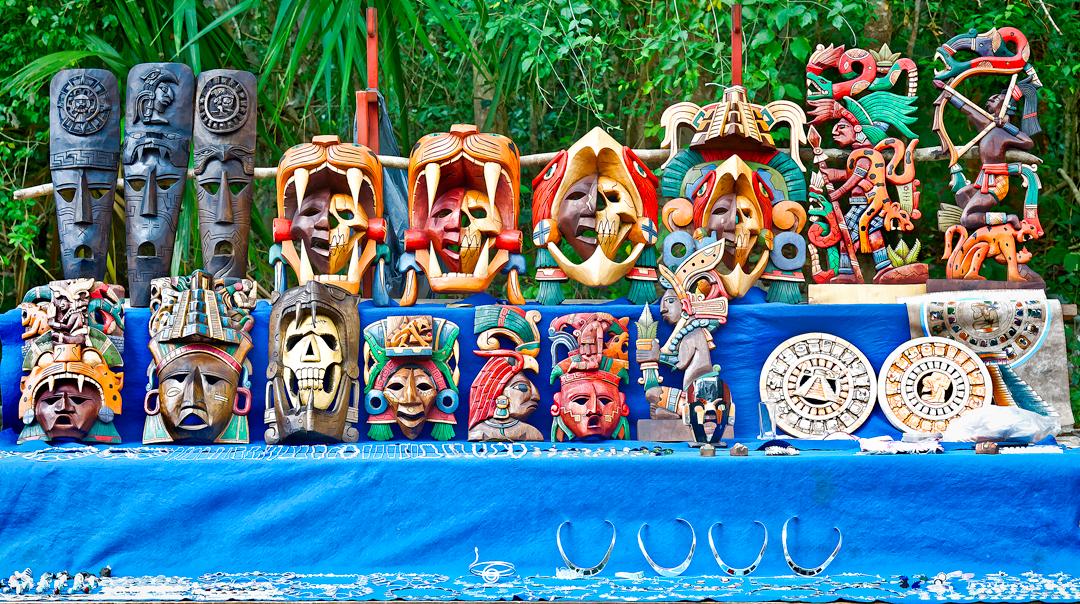
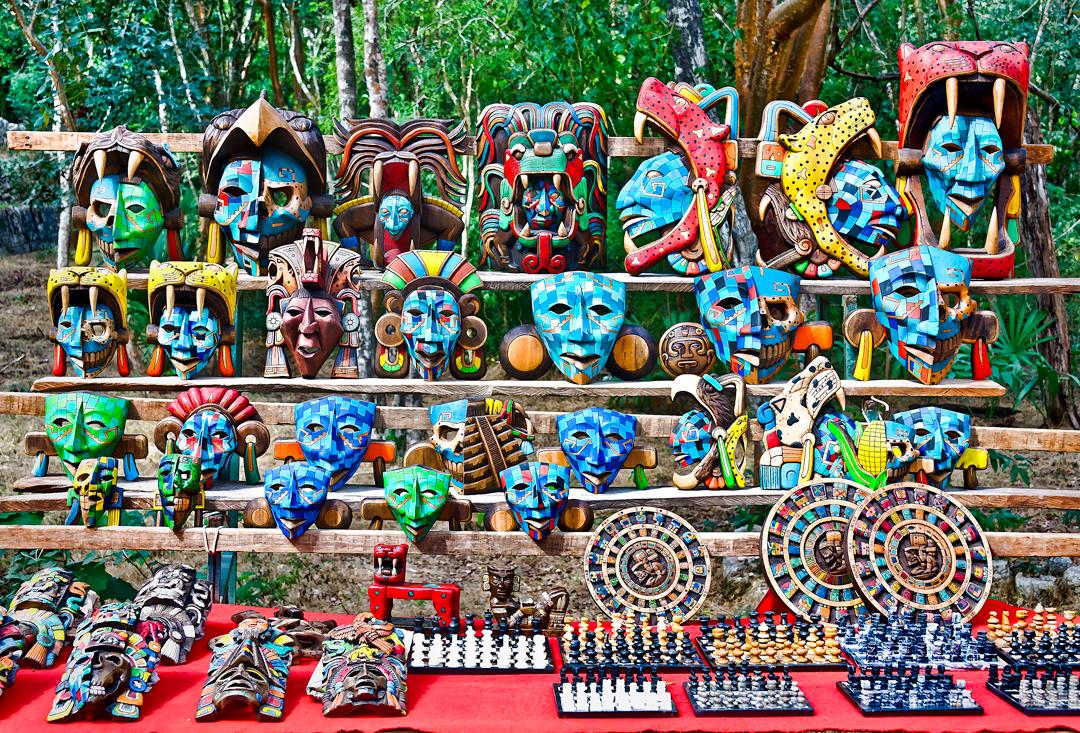
By the time we were ready to leave, about 20,000 vendors had set up tables along every sacbe, trail, and narrow passageway. It was like walking a gauntlet to get to various areas of the site, with every vendor clambering for your attention and dollar.
|