|
|
University of New Mexico
METALS
Superfund Center
Metals Exposure and Toxicity Assessment on Tribal Lands in the Southwest
|
|
|
Welcome to our August 2024 Newsletter! |
|
Research Spotlight: BP COMM
Biomarkers and mechanisms of metal and mixed metal exposures
Co-leads: Drs. Debra MacKenzie and Laurie Hudson
The goals of this project are to better understand how metal exposures may relate to health effects, and use this information to find ways to reduce toxicity. We approach these goals through controlled, experimental studies and population studies in partnership with communities affected by mining waste.
Ongoing experiments led by team members Dr. Dashner-Titus and Dr. Schilz are identifying distinct effects of exposure to the environmental metals/metalloids arsenic, uranium, vanadium and cadmium in kidney cells. Differential cell responses to specific metals and combined metals are expected to generate important clues to help link specific metals to different toxic responses.
Studies continue to address the mechanisms by which zinc may modify effects of exposure and reduce toxicity based on competition by arsenic and uranium for binding sites in key zinc-binding proteins. The Thinking Zinc clinical trial addressing the potential efficacy of dietary zinc supplementation to mitigate toxicity was initiated in Phase 1 of the UNM METALS Center with the partnering communities of Redwater Pond Road and Blue Gap-Tachee. This year the community of Manuelito joined the study. The initial, preliminary analyses of the Thinking Zinc clinical trial suggest that the zinc supplementation leads to reduced measures of oxidative stress and DNA damage. These findings have been reported to the Navajo Nation Human Research Review Board and further data analysis is underway. There is national and international interest in Thinking Zinc—we were invited to submit a review article entitled “Zinc as a Mechanism-Based Strategy for Mitigation of Metals Toxicity” (under review) and present at the 36th Annual Conference of the International Society for Environmental Epidemiology in Santiago, Chile in August, 2024.
Metals measurements in the Thinking Zinc trial occur over a 9-month period, and we’ve learned that for some people, the concentration of metals in their samples fluctuate over time. We are working with Drs. Luo and Beene of the Data Management and Analysis Core to determine whether local wind patterns or other weather conditions may contribute to these fluctuations. Understanding how and why metal levels change over time may help identify strategies to reduce exposure. Our work is also revealing metal exposure differences between community sites. This highlights the importance of understanding local exposures in relation to health outcomes and will inform more relevant experimental studies of metal mixtures. This information will help refine study design as we continue to work toward initiating biomonitoring and biomarker studies in partnership with the communities of Laguna Pueblo located in close proximity to one of the world’s largest open-pit uranium mines.
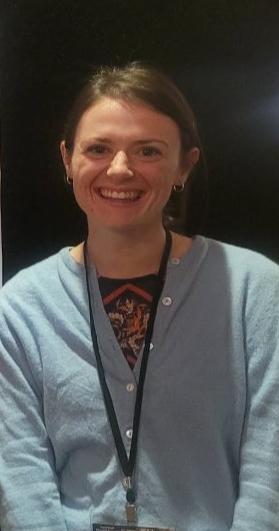
And lastly, the UNM METALS team is supporting a K.C. Donnelly Externship Recipient, Dr. Irene Martinez Morata, from Columbia University Mailman School of Public Health and the Columbia University Northern Plains Superfund Research Program. She is focused on learning more about conducting community involved research, return of results to community, and the impact of zinc on toxicity mechanisms. Dr. Martinez traveled to UNM to participate in a Thinking Zinc community enrollment event in early April 2024. She is working with Mallery Quetawki, Community Engagement Core (CEC) co-director, as well as Tamar Ginossar (NM INSPIRES Community Engagement Core director) to develop material for return of results of biomonitoring information as well as educational material on the potential beneficial effects of zinc. Dr. Kathrin Shilling from Columbia provided her expertise to our analytic team to develop a urinary zinc assay. This new analytic capacity will further expand our ability to examine the relationships between metals exposures, zinc levels and cellular toxicity.
|
|
Mary Paige Haley
Congratulations to Mary "Paige" Haley for defending her M.S. Thesis titled "Chemical and Physical Properties of Fine Fractions from a Village Proximate to a Uranium Mine: Insights about Soil Health" on June 18th, 2024. Paige's study investigates the physical and chemical properties of the fine fraction (<20 microns) of metals in soil to quantify the effect of heavy metal bearing particulates on the soil health in the village and the mine close to the Jackpile Mine in New Mexico.
Paige is a M.S. student in the Nanoscience and Microsystems Engineering Program, co-advised by Dr. Eliane El Hayek and Dr. José M. Cerrato. She conducts research under the NIEHS of the NIH and is a trainee of the UNM METALS Superfund Research Center. Paige will stay in the NSMS program for her PhD and will continue to be advised by her mentors.
|
|
Andreanna Roros
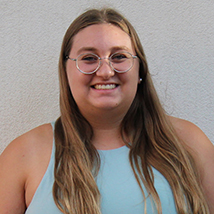
Congratulations to Andreanna Roros for defending her M.S. Thesis titled "A Chemical and Morphological Characterization of Airborne Particulate Matter at the Jackpile-Paguate Mine, Pueblo of Laguna, New Mexico: Implications for Potential Metals Exposure on July 8th, 2024.
Andreanna has recently moved to Arizona to pursue her doctoral degree in Soil, Water, and Environmental Science at the University of Arizona. She is working with Dr. Mónica Ramirez-Andreotta, Associate Professor in Environmental Science and the Principal Investigator for the Superfund Research Program’s Research Translation Core at the University of Arizona. Andreanna's research will focus on developing environmental monitoring tools for public engagement, investigating the fate and transport of contaminants, and enhancing strategies for effective report-backs to impacted communities.
|
|
Maycee Hurd
Congratulations to Maycee Hurd for defending her M.S. Thesis titled "Degradation of Polystyrene Plastics Used for Food Packaging After Waste Incineration" on June 12th, 2024. The objective of her work is to identify the mechanisms of degradation of polystyrene (PS) plastic used for food packaging before and after simulated waste incineration.
Maycee completed her M.S. under co-advisement of Dr. Eliane El Hayek and Dr. José M. Cerrato in the Department of Civil, Construction, and Environmental Engineering. She is a trainee of the UNM METALS Superfund Research Center and has conducted research under the UNM College of Pharmacy Center for Native Environmental Health Equity Research. Maycee will be beginning her PhD program at Carnegie Mellon University under Dr. Gregory Lowry in the Fall of 2024.
|
|
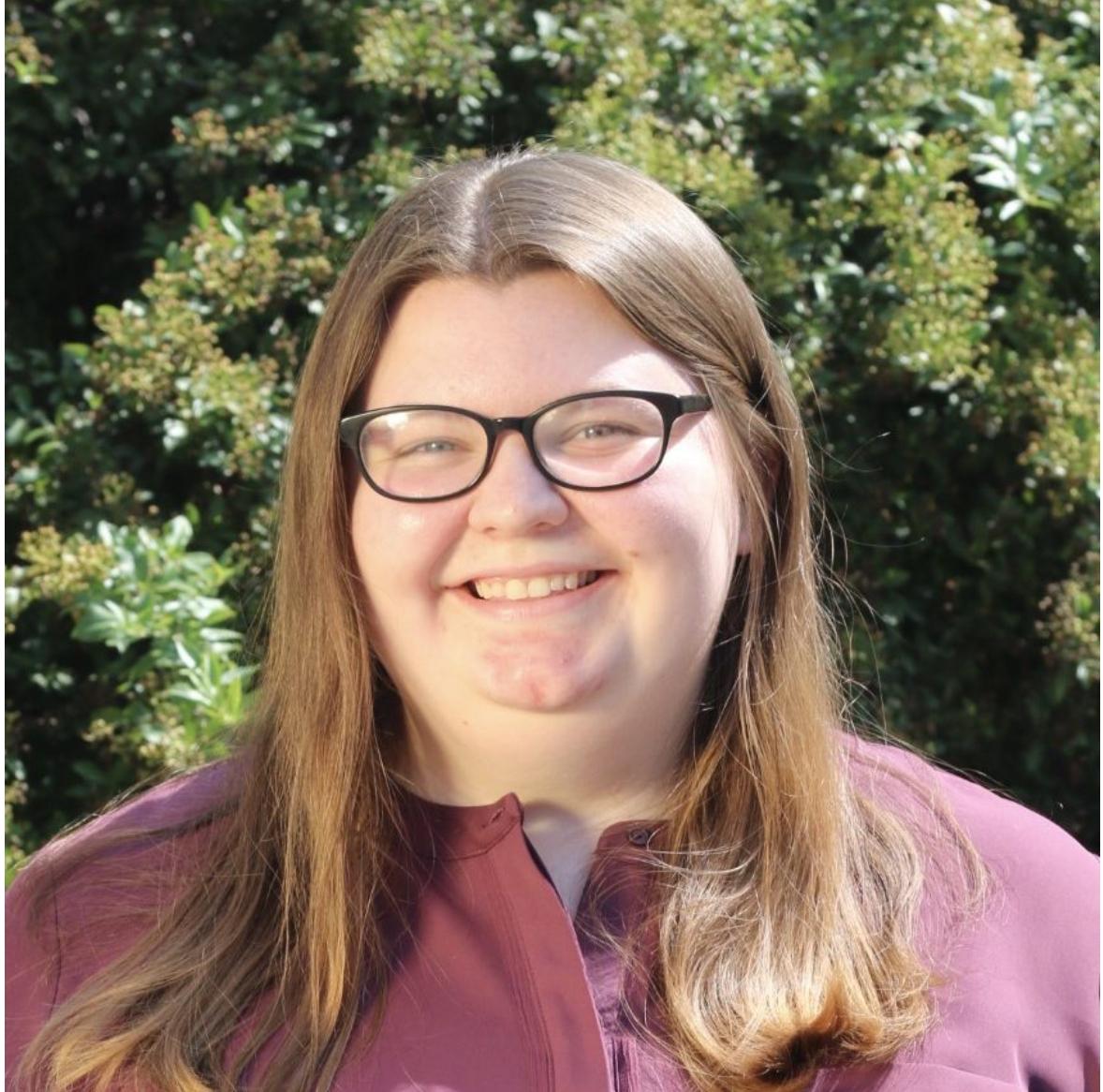
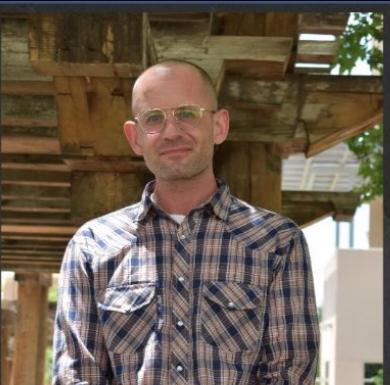
Daniel Beene
Congratulations to Dr. Daniel Beene for defending his PhD Dissertation titled “Critical Geospatial Data Science: Principles for Curating, Analyzing, and Sharing Geospatial Data” on May 23, 2024. Critical geospatial data science (CGDS) offers principles for engaging with geospatial data, methods, and translation by pulling from many complementary critical epistemologies in geography. Daniel argues that the data lifecycle is a series of decisions and presents three case studies as a brief glimpse into the possibility for CGDS to critically inform how geospatial data science is done.
Daniel has worked under Dr. Yan Lin in the Department of Geography and Environmental Studies and has a prolific publication record on work related to water quality and environmental health in Native communities. He has accepted a postdoctoral fellowship at the Johns Hopkins Bloomberg School of Public Health where he will work closely with the Environmental influences on Child Health Outcomes (ECHO) Data Analysis Center geospatial team.
|
|
Red Water Pond
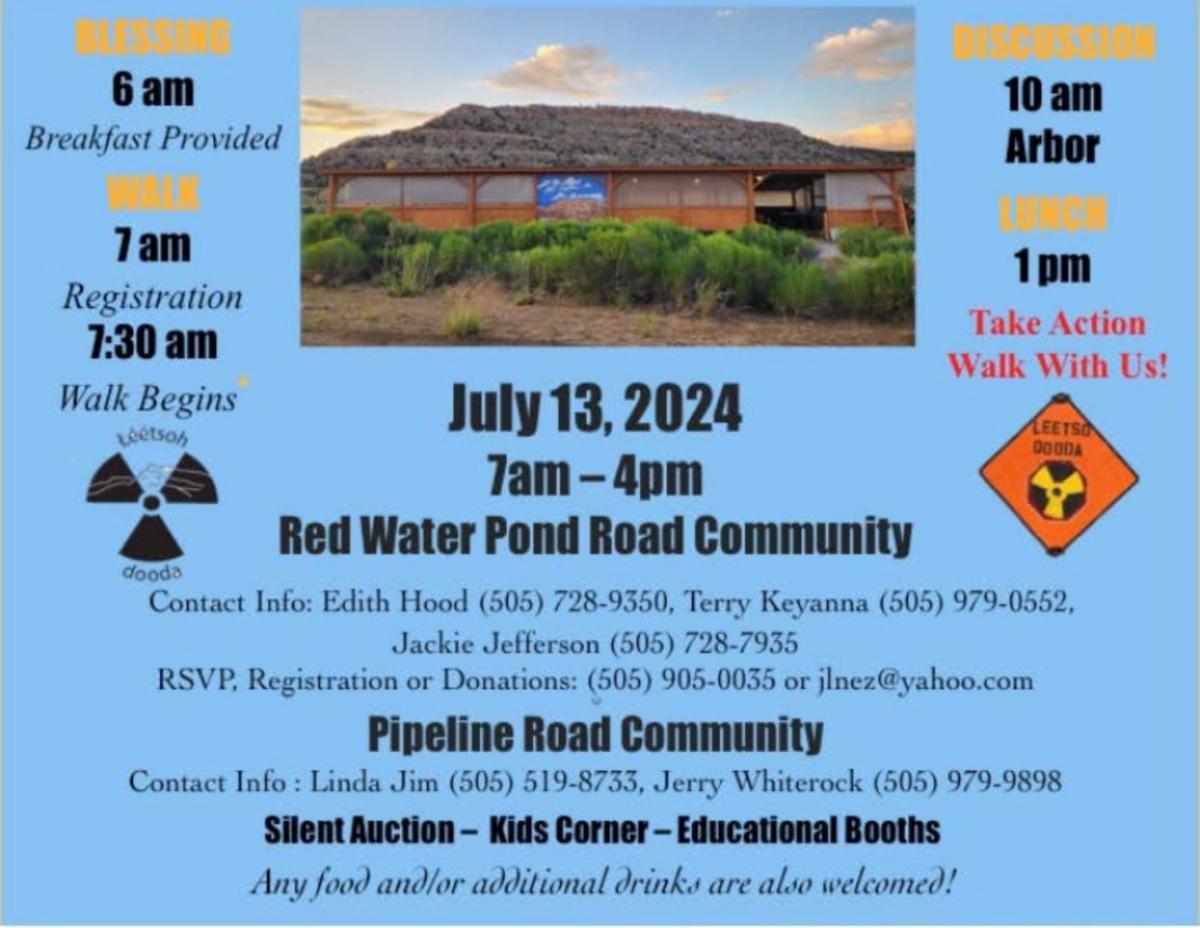
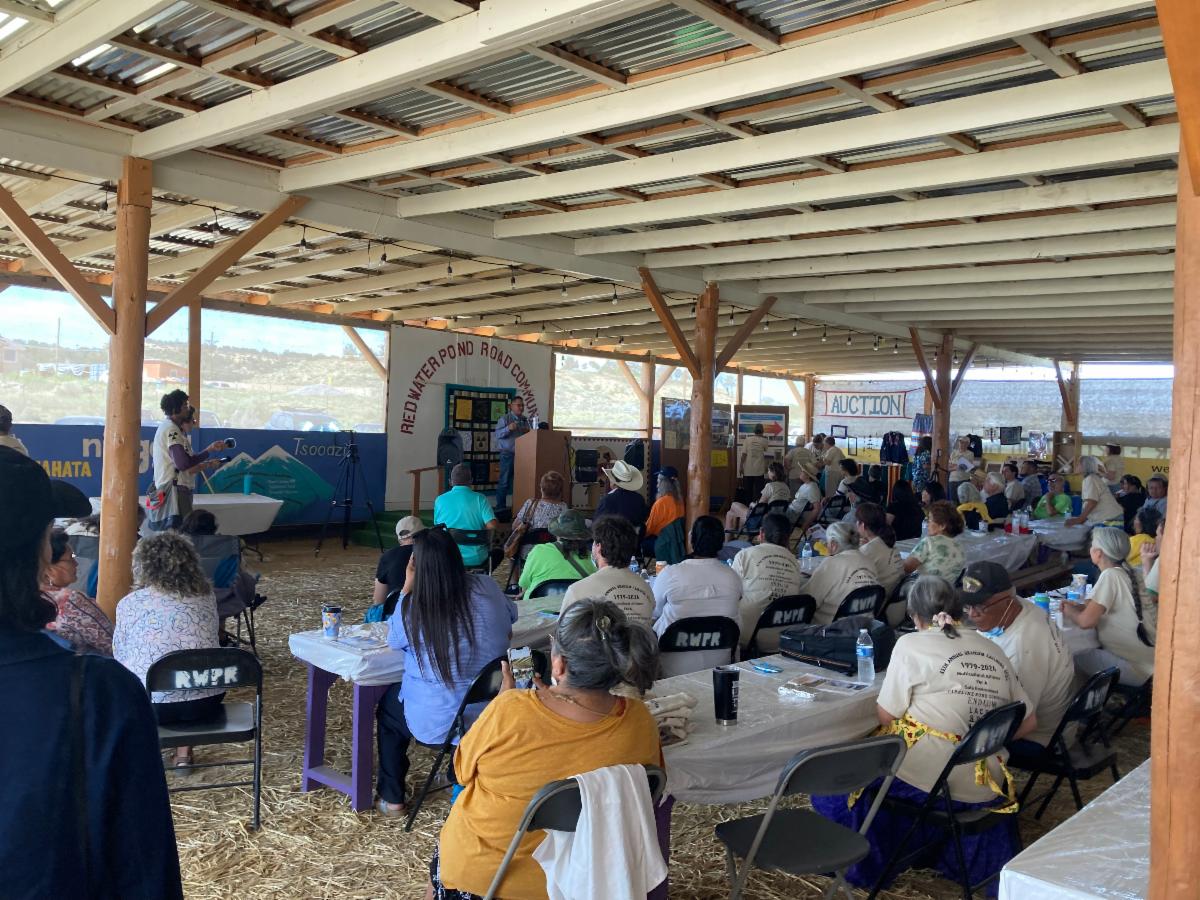
On July 13, 2024, UNM METALS researchers and community partners gathered on at Red Water Pond Road on Navajo Nation to commemorate the 45th year of the the 1979 Church Rock Spill-the biggest radioactive spill in US history. They held an all-day informational booth to bring awareness the event and participated in a walk with Diné community members to remember the event. Residents in the area are still affected from the spill and use bottled water for drinking, cooking and bathing.
|
|
Dr. Matt Campen, Deputy Director of METALS, has been promoted to the rank of Distinguished Professor, highest faculty rank at UNM. He was selected for this honor for his contributions to the world through outstanding scholarship, education, and service. We congratulate Dr. Campen for his accomplishments and for his service to the UNM Community.
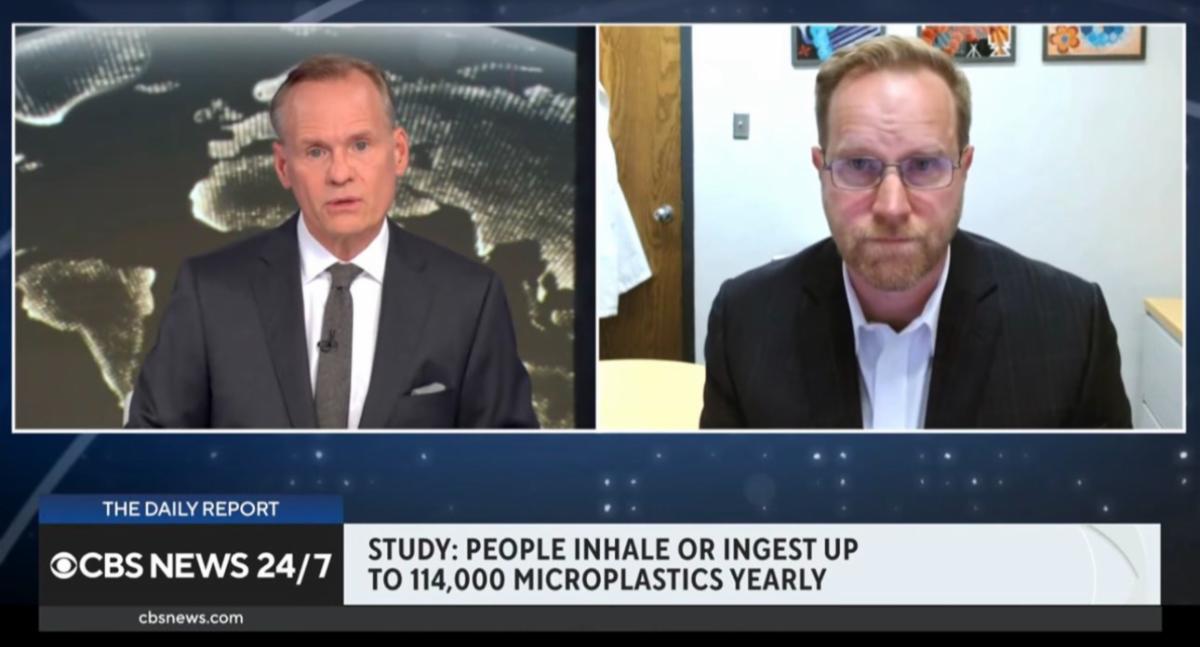
Dr Campen also recently spoke to CBS News regarding the dangers of microplastics in a recent interview titled "How dangerous are microplastics and how often do people ingest them?"
|
|
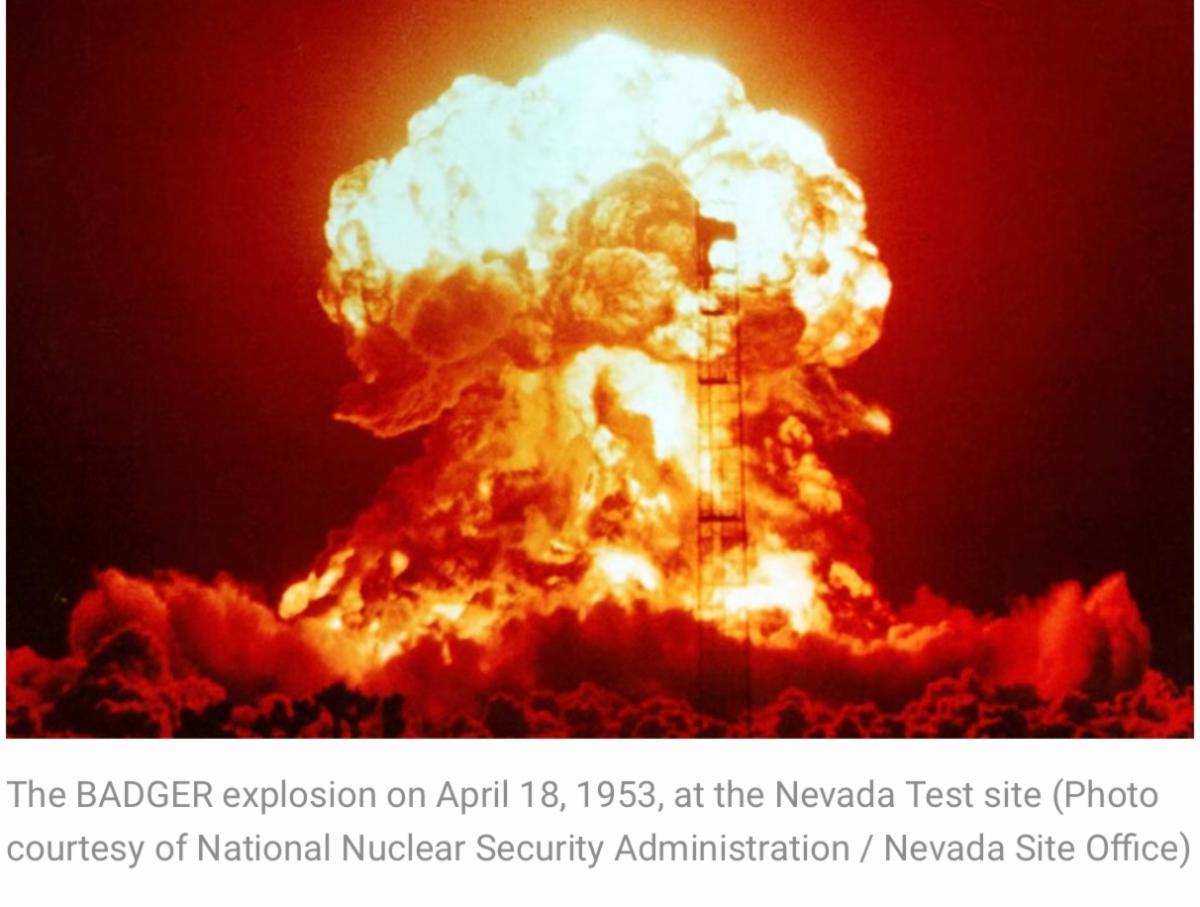
METALS researcher, Chris Shuey, spoke to Cronkite News regarding the dangers communities face living near abandoned uranium mines in an article that focused on downwinders of atom bomb tests demanding justice as Congress let RECA program lapse.
|
|
Huang Y, Gong X, Liu L, Luo L, Leng S, Lin Y. Maternal exposure to metal components of PM2.5 and low birth weight in New Mexico, USA. Environmental Science and Pollution Research. 2023 Sep;30(43):98526-35. https://doi.org/10.1007/s11356-023-29291-1
Wardhani K, Yazzie S, Edeh O, Grimes M, Dixson C, Jacquez Q, Zychowski KE. Neuroinflammation is dependent on sex and ovarian hormone presence following acute woodsmoke exposure. Scientific Reports. 2024 Jun 6;14(1):12995.
Wardhani K, Yazzie S, McVeigh C, Edeh O, Grimes M, Jacquez Q, Dixson C, Barr E, Liu R, Bolt AM, Feng C. Systemic immunological responses are dependent on sex and ovarian hormone presence following acute inhaled woodsmoke exposure. Particle and Fibre Toxicology. 2024 May 27;21(1):27. https://doi.org/10.1186/s12989-024-00587-5
|
|
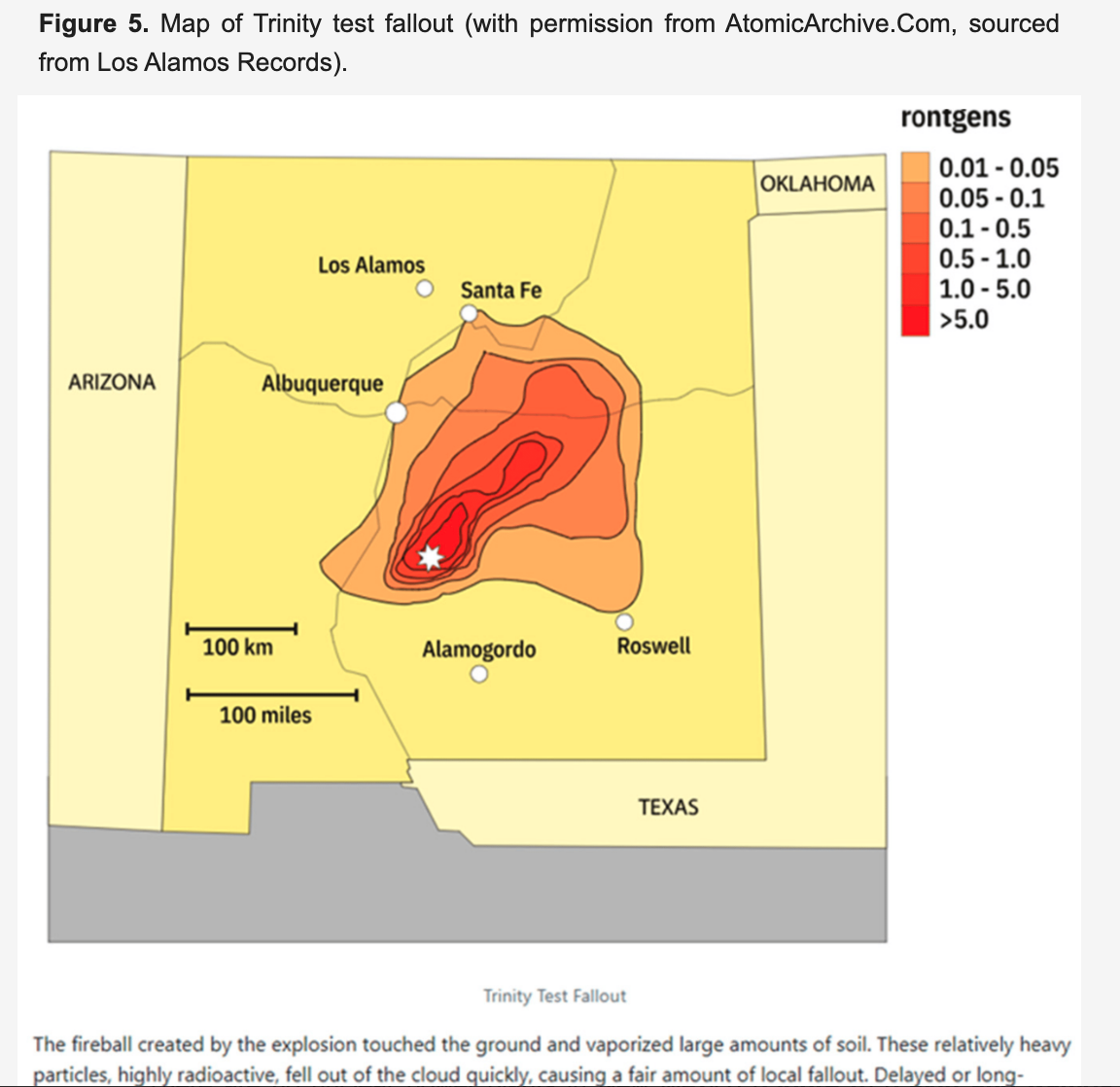
Couig MP, Lavin R, Rogers HH, Nugent SB. The Public Health Crisis Conceptual Model: Historical Application to the World’s First Nuclear Bomb Test. Social Sciences. 2024; 13(4):186. https://doi.org/10.3390/socsci13040186
|
|
|
Read Previous Newsletters
|
|
NIH/NIEHS P42 ES025589 (UNM METALS) This material was developed in part under cited research awards to the University of New Mexico. It has not been formally reviewed by the funding agencies. The views expressed are solely those of the speakers and do not necessarily reflect those of the agencies. The funders do not endorse any products or commercial services mentioned in this presentation.
|
|
|
|
|
|
|
|