|
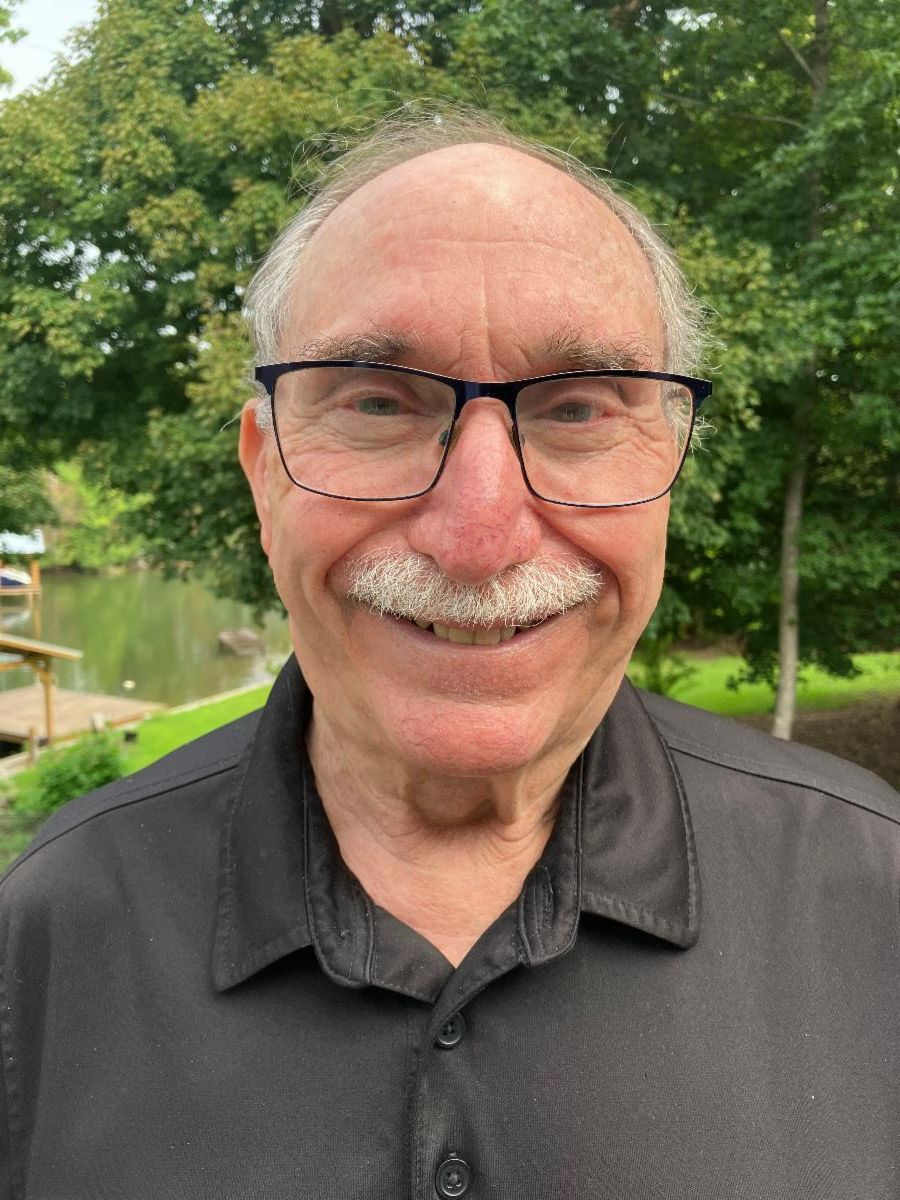
Jay Wucher is the Fine Arts Consultant for the Baldwin County Schools and a part time faculty member at Georgia College and State University. He currently chairs the Baldwin Schools Foundation of Excellence and is the Secretary of the Milledgeville Rotary Club. Jay provides support for the Fine Arts teachers in Baldwin County, coaches the Baldwin High School Sax Ensemble and plays in the Wellston Winds Community Band. He is GMEA’s Ethics and Retired Members Chair and has been a certified band adjudicator for over thirty years. He is in his fifty-third year as a member of GMEA.
He holds Bachelors and Master of Music Education degrees from the University of Southern Mississippi and a Specialist degree in Educational Leadership with an emphasis in Curriculum from State University of West Georgia. During his thirty-two years in Fulton County, he served as an elementary, middle, and high school band director, Coordinator of Music Education, Department Chair in Music Education, Director of the system’s magnet programs, Director of the system’s Charitable Fund and Acting Executive Director of K-12 Curriculum. Mr. Wucher was selected as Georgia Music Educator of the Year in 1995, and The American Music Therapy Association’s Advocate of the Year in 2002. In 2020, Mr. Wucher was the recipient of the Distinguished Career Award from the Georgia Music Educators Association. He has been married to his wife Susan for over 40 years, has four children, eight grandchildren and two great grandchildren. Mr. Wucher lives in Milledgeville on Lake Sinclair with his wife where they are active members of the Milledgville community and do volunteer work with their two registered pet therapy collies, Skye and Laddie.
What would you say is your favorite thing about teaching?
Over 50 years ago my role model and mentor Joe Kirschner taught me that you measure success from where you were to where you are. That has never changed. The sense of accomplishment I have experienced in seeing students of all ages, individually or collectively becoming better with my help and knowing that I had a part in their success in or out of music is what makes it all worth doing.
What is the biggest challenge you believe educators face today?
There are so many outside pressures and distractions for teachers today that it is a challenge to be able to continually focus on doing their job and doing the right things for the right reasons. Teaching has always been like being in a fishbowl, but it is more challenging and often less rewarding than ever before. Low pay, isolation, poor or no administrative support, constant accountability, little or no recognition, entitlement, social media and political divisiveness are but a few of the numerous inhibitors that make it difficult to constantly be a teacher who can be an effective role model and mentor to their students. It is a given that most of us as music educators set a high standard for ourselves and our students without being asked or told to. When personal accountability is not valued or supported, or undermined by power not equal to qualifications, both teachers and those individuals they impact are adversely affected. Conversely, when a teacher is supported, appreciated and recognized for the extraordinary work they do on a daily basis, their self-worth and productivity increase exponentially.
Where do you get your curriculum, and what are your favorite resources?
I have been in the unique position of having to know where to find it and knowing how to produce it. In my earlier days as a band director, I spent an enormous amount of time in other directors’ band rooms to see how they taught, rehearsed, motivated and inspired students. It was important to know what they used to teach, whether it be self-made studies, method books, literature, or any other resource. It was equally or more important to see how they taught. What did they do to trigger student success? How many different techniques or methods did they have to reach their students? As I moved into my role as a music administrator and support person, I followed the same plan on a broader scope. Whether I wanted it or not, decisions I made regarding curriculum, instruments and equipment to be purchased, resources for teacher use, and most of all the tone and attitude in providing support for teachers had and still has an impact on every teacher with whom I have come in contact.
How can educators stay involved after they retire from classroom teaching?
It is easier for me to speak for myself rather than others. I retired from the Fulton County Schools in 2004 after thirty-two years of being a teacher and administrator. In the ensuing twenty-one years I have worked part time at three different universities, a retail music store, a textbook company, adjudicated bands and orchestras, supervised fine arts teachers in two different school districts, worked for a nationally based music company and have taught countless private lessons and clinics. I continue to play in a wonderful community band, the Wellston Winds, and teach/play/coach our Baldwin High School Sax Ensemble. My volunteer activities have included being a mentor/coach for secondary and college music ensembles, chairing a school charitable foundation, an officer in the Milledgeville Rotary Club, a therapy dog owner and volunteer in the central Georgia area, and in short, actively engaged member of my community. I learned golf well enough to play in the eighties, love spending time on the lake with my family including the four-legged members, take an average of two out of state or out of country trips a year and keep up a healthy lifestyle that includes walking three miles a day and moderation or abstinence, depending on what works best for my physical and mental health. It is not my place to tell others what they should do. The truth is you won’t know what works for you until you try to do something. There is no such thing as failure when choosing how and what you do in retirement. There is, however, the option of continuous exploration until you find what works for you.
What advice would you give to someone brand new to teaching? What about for someone who's been teaching for 10-15 years? At the end of their career?
If I could get a do over, I would map out a fifty-year plan for my life that would include personal, professional, financial, social, and emotional goals, as well benchmarks that would allow me to inspect what I expect. I would then look at it every year and revise accordingly. When I started my career, and for way too long, I never thought of doing anything like that. Mistakes I made along the way may still have occurred, just not so many of them. If I had to compare a reliable way to grow, I would look at investment strategy or rehearsing an ensemble. In your younger years, be willing to take risks coupled with responsibility to yourself and to those around you. As you grow older, continue to look forward to your end goal and learn from past mistakes. If the process is honorable, the product will take care of itself.
What are some of your favorite teaching memories?
If this question doesn’t bring a smile and provide a sense of satisfaction for what I have done both personally and professionally, then it would not be worth answering. In my sixteen years of teaching band, each year had its own life and memories. It is relatively easy to keep them straight because I have a list of all the Festival/LGPE pieces I performed, and every title brings up memories of so many of the events that surrounded that yearly experience well beyond the performance itself. The next sixteen as an administrator in Fulton County and all the opportunities I had in retirement are a little more blurred. A few highlights are as follows: I can remember having conversations with renowned composers and arrangers such as Alfred Reed, Mark Hindsley, Joseph Wilcox Jenkins, Sam Hazo, and the list goes on. My band marching in one of the first Disney World Parades in 1973, marching in the first Martin Luther King Day Parade in Atlanta, playing in Washington D.C. at the Ellipse in 1976, as part of the national bi-centennial celebration, my band appearing in the movie TANK with James Garner and Shirley Jones, playing or producing programs at Atlanta’s Symphony Hall, and playing at the 1984 World Fair. They all rank right up there for great memories. Band trips to the beach or being selected to conduct, perform, or speak at GMEA, Midwest, and other events all have left their mark. The exhilaration and sense of accomplishment I shared with students whether it was an LGPE or concert performance, an all-state audition announcement, or a college scholarship audition all have memories etched in my brain forever. Playing for and attending former students’ weddings, reunions, and special events will never leave me. Just being reminded of the difference I may have made in someone’s life, and in some cases a choice to continue their life, all are and will forever be part of my being. After my teaching career was over, the memories kept coming. Developing the Visual and Performing Arts Magnet Program in Fulton County that was modeled after a research study conducted, while earning a Specialist’s degree, starting Fulton’s Music Therapy Program in 1990, to it becoming the largest program of its kind in the nation, being selected as Georgia Music Educator of the Year in 1995 and being honored with GMEA’s Distinguished Career Award in 2020 are both more recognition than I ever dreamed of. When it comes down to it, memories are only as good as the people you share them with.
Who inspired you to teach?
I never really had a role model growing up that inspired me to become a teacher. As I thought about what I wanted to do after graduating from high school, music just seemed to be the default choice. Even late in my college studies I was not convinced it was what I wanted to do. It was more a matter of what else I didn’t want to do. It really wasn’t until 1972 when I started my career as a band director at
Hapeville High School, where the students, parents, and I became a family. I had the good fortune to be mentored by my music supervisor Joe Kirschner, watched great teachers in the Fulton and surrounding county schools, and was treated as a son by the Attina family who owned a local music store, that it really sunk in that I didn’t choose to do this, it chose me. Now at the other end of the journey, I continue to be inspired by students at the secondary and college level and by the amazing teachers with whom I have worked with in the past and the ones I have the privilege of working with now.
|