| | A transportation funding solution has passed the House, now waiting for Senate action, expected in the coming weeks. With that done, we will turn to the next funding challenge: how to deal with the blows from federal actions. I started reporting on these federal cuts several months ago. The negative impact to just six state agencies so far is around $1.1 billion for this biennium. On top of those cuts, the budget/tax cut bill passed by Congress in July will reduce the state's tax revenue by about $888 million in this biennium. The total impact to only the state programs and budget is roughly $2 billion. Grants for programs administered by cities, counties, and states have been rescinded or discontinued. Grants to local organizations are disappearing. When those local groups and agencies ask for state support to fill their budget hole, we're generally not able to help because the state is facing cuts as well. Should Oregon adopt an all-cuts approach, or should Oregon be looking for (some) additional revenue? This will be a major discussion for legislators in the coming weeks and months.
With that gloomy picture looming, we still roll up our sleeves and keep working on what we can! You'll see in photos and captions below some of what I've been doing here.
These wonderful days of early fall: we are fortunate to have clear air, mild weather, and lots of people in the community collaborating, creating, volunteering, and doing good work.
| | |
photo: This is one of those lucky chance snapshots of a bird on a bird on my backyard waterfall
(real crow, metal ibis).
If you missed my latest e-news, here's the link to July.
| | |
In the sections below you'll find
- Transportation: Home stretch for the transportation funding bill
- Economic and revenue forecast; impacts of federal program cuts and tax code changes
- COVID-19 Vaccinations
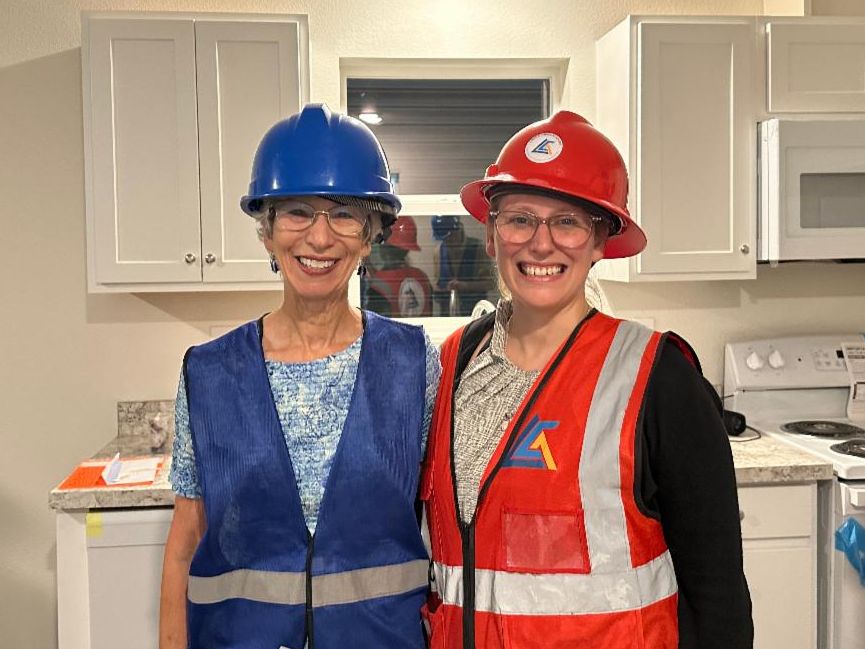
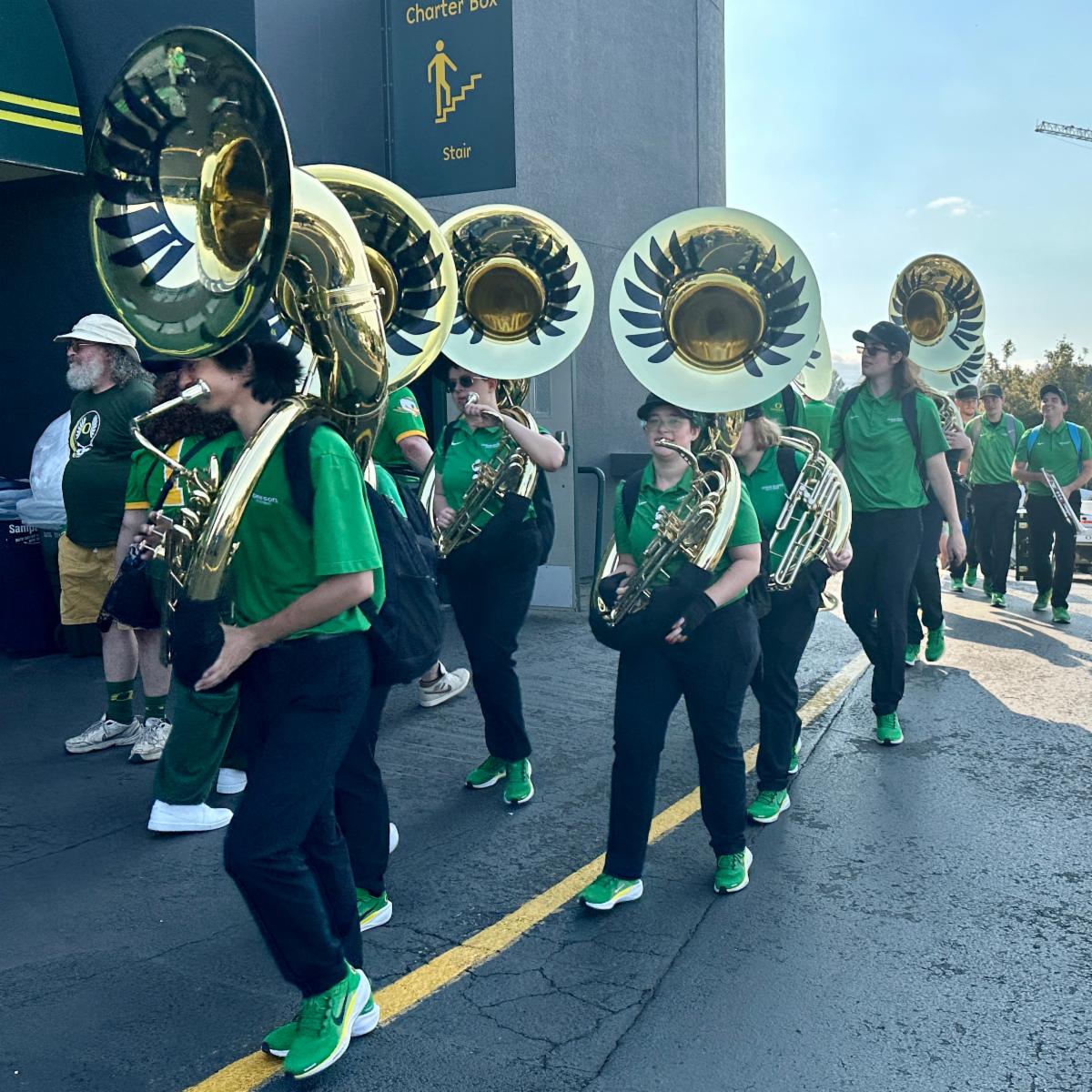
- Snapshots. Recent meetings and visits include a place that makes manufactured homes, residents at a manufactured home park who got notice of change in ownership, a program expanding to train more nurses, a Northwest Youth Corps urban forestry work crew, pickleball advocates, social security recipients, tubas, a llama ... take a look.
| | |
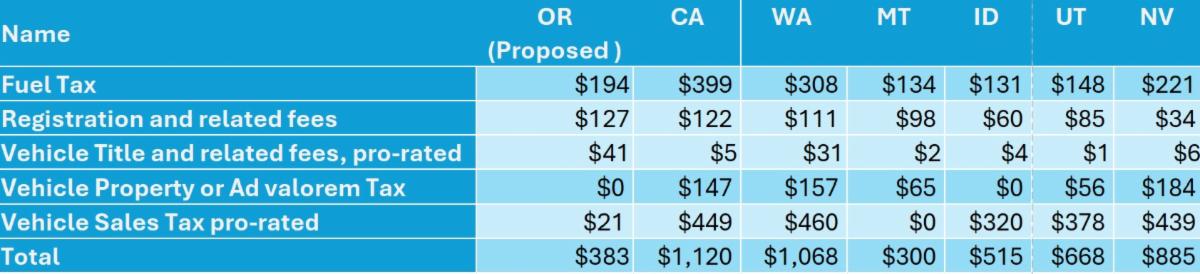
So what's the issue? Oregon’s level of taxes and fees has not been sufficient to keep up. Fees have remained largely unchanged for several - or many - years. Revenue coming in from gas tax has been steadily decreasing due to better fuel efficiency in regular vehicles, and more people driving electric or hybrid vehicles. The EVs are not buying as much gas and not contributing to the cost of maintaining roads and bridges. In the previous enews I included a chart showing Oregon's tax and fee rates, well below other western states.
After spending the summer negotiating with key stakeholders, the Governor and her team produced a bill, HB 3991, for the legislature to consider in a special session. HB 3991A would raise additional revenue, add new accountability measures, and a few other technical things. My colleagues and I met over the Labor Day weekend to consider a new proposal, after a larger proposal failed to pass in the regular session that ended in June. The House passed HB 3991A on September 1. The Senate will be considering it next.
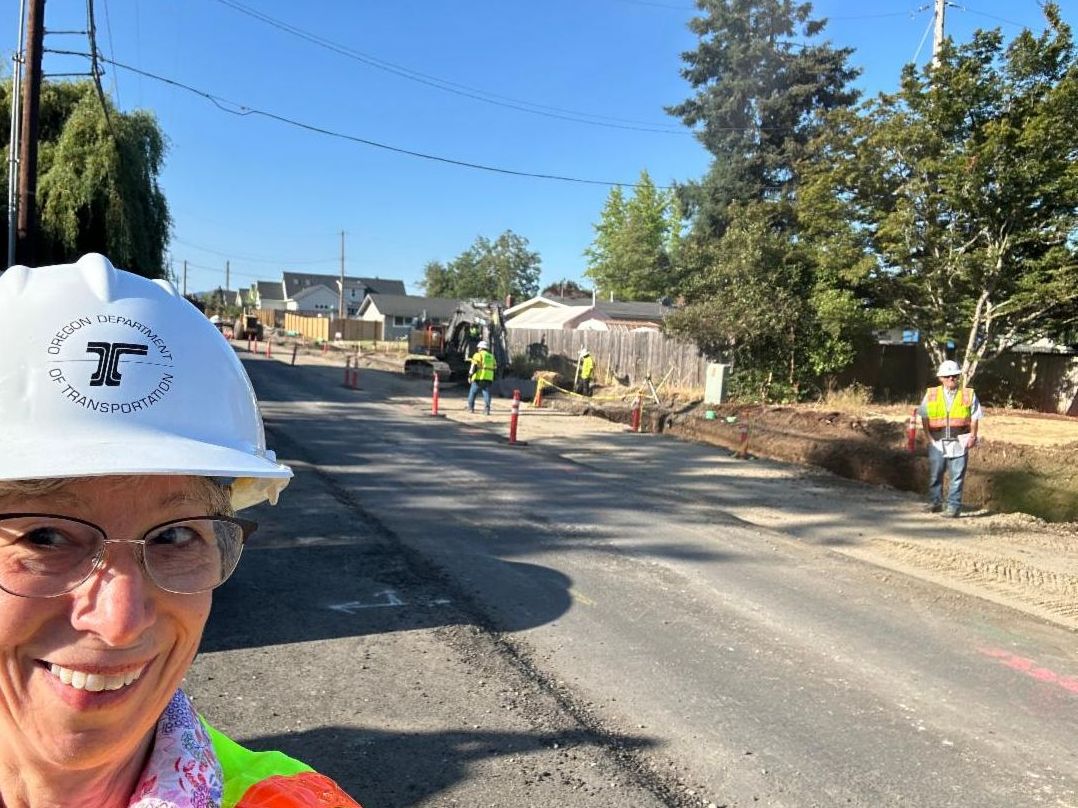
This funding measure is not just for ODOT; at least half the money goes to local transportation projects. Eugene, Lane County, and LTD all testified about the impact for our area. I walked over to visit a local road project near me; finally, after three summers, it may be finished this year. This old county road in a neighborhood filling in with hundreds of new homes had no shoulders or sidewalks. Making a safer road with a sidewalk on one side required moving major utilities (telecom, water, sewer, power) and addressing slope and water runoff for adjacent residences. Especially important for our district is keeping focused on planned improvements for traffic safety and flow in the Beltline corridor.
| | |
New revenue
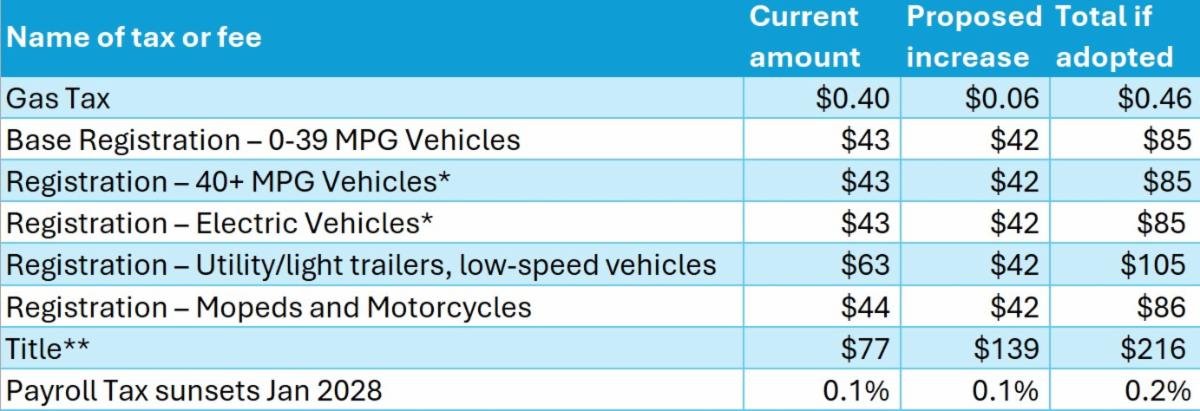
- Increases the state gas tax 6 cents (from 40 to 46 cents). Based on an average number of miles per year (9,600), the average cost for an Oregon car owner would be just a little more than $2.00 a month.
- Increases DMV fees including title and registration fees
- Implements a road use charge (RUC)
- existing EVs, beginning July 2027
- new EVs, beginning January 2028
- hybrids and plug-in hybrids: July 2028
- Increases the state payroll tax from 0.1% to 0.2%, ending January 2028 ($5 a month more for a $50,000 annual salary). This funds transit to provide a way to get to work or medical appointments or get groceries.
The details are contained in the Staff Measure Summary for HB 3991A. Tables showing the taxes and fees and comparing Oregon to six other western states are at the end of this newsletter.
Accountability. Add new accountability measures including auditing by the Secretary of State, reporting on spending, and new legislative oversight including on large projects.
Diesel fuel tax paid by trucks. Simplifies weight-mile rates from 85 separate tax rates down to 10, reducing administrative burdens on trucking companies and the state. It makes the point of taxation for diesel fuel the same as where gasoline is taxed – the point of first sale, distribution, or use in Oregon. Oregon is currently the only state to tax diesel at the pump, instead of higher in the distribution chain. This will reduce complexity, provide stronger enforcement to reduce fuel tax evasion, and align Oregon with other states.
| | Economic and Revenue Forecast | | |
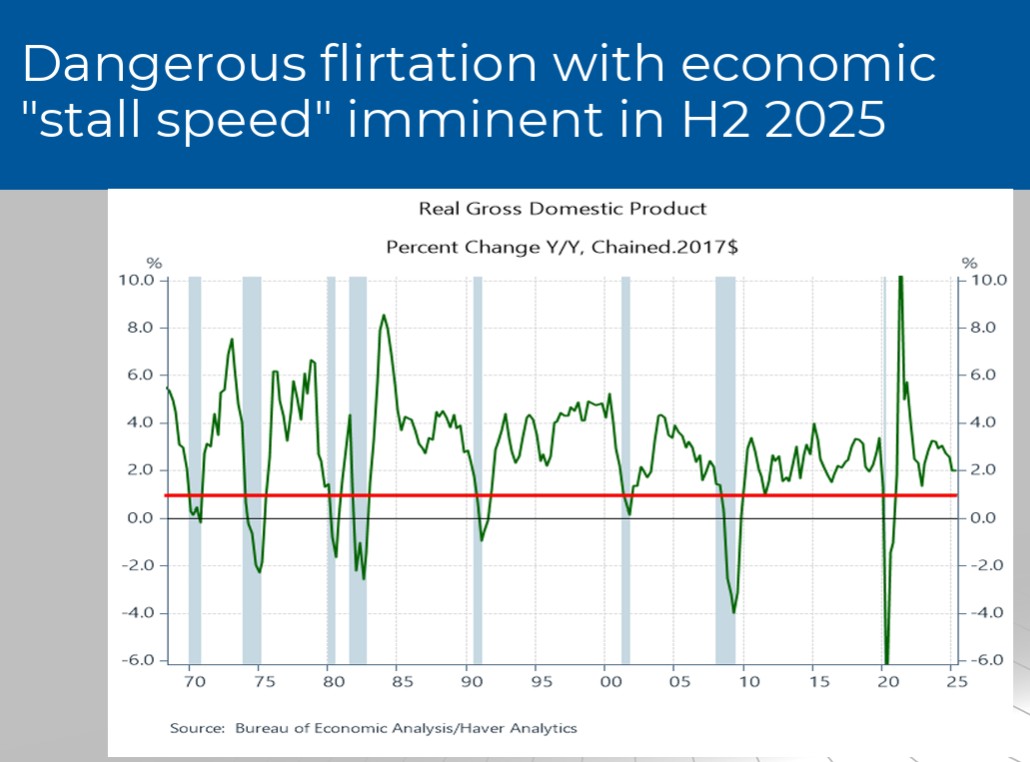
The quarterly economic and revenue forecast is usually fairly routine. It's a presentation from the state's lead economist discussing state and national economic issues and often includes demographic information which is relevant to the long term economic outlook. The economists then develop a revenue forecast: how much the state is likely to receive in tax revenue. The September quarterly forecast was not the usual. It's the first one after Congress passed H.R.1, the One Big Beautiful Bill Act.
President Trump’s budget bill and unstable economic policies will end up costing Oregon more than $880 million in tax revenue over two years. International tariffs and tax cuts for billionaires will threaten funding for critical state services. This number does not include all of the other cuts to programs and services; that will cost Oregon another $1.1 billion including SNAP for food assistance ($540 million), Medicaid ($490 m), Marine Fisheries Team, Urban Community Forestry, and Library Services Technology Act.
Before the 2025 session ended in June, the budget writers took proactive measures by setting aside $472 million to buffer the possible cuts by the federal government. We ended our session on June 27 and H.R.1 passed on July 4. The Governor’s office, state agencies, and economists have been crunching the numbers to see where budget will fall short. No state has reserves that can backfill the size of the cuts the federal government has made.
| | Federal actions: impacts here at home | | |
Organizations and local agencies are asking the state to fill gaps left from federal cutbacks – where the Trump administration took back money already granted or approved or have announced program reductions going forward. There’s no way the state can fill all those gaps, when funding to the state, too, has been slashed, and we expect less tax revenue to be coming in to pay for current services. (Note: Oregon's Attorney General Dan Rayfield as well as individual local jurisdictions continue to file appeals and lawsuits challenging federal actions.) It’s bleak. Here’s one recent request: Oregon's county District Attorneys alerted us to notices of federal reductions up to 80%. They called on us to backfill that funding which pays for safe shelter for people escaping domestic violence, forensic exams for children seeking protection, and help for domestic violence survivors. This example illustrates the pressing need for considering options to raise revenue.
Photo: I visited this safe sleep site, one of many local programs being impacted by budget cuts. A jigsaw puzzle in the common area, rows of tents.
| | Oregon is connected to federal tax code | | |
The Tax Cuts and Jobs Act (TCJA) that Trump passed in his first administration (2017) was continued and expanded: more tax breaks for business and wealthy people. Oregon like many other states is connected to federal tax law. Oregon’s income tax (both personal and corporate components) is based off of the federal definition of taxable income and other tax details. We generally keep a "rolling connection" to federal tax code. Oregon has disconnected at times in the past, entirely or to specific provisions, in order to safeguard the state's ability to collect certain taxes and maintain an adequate revenue stream.
Other states: 32 states with an individual income tax are connected to Federal Adjusted Gross Income and five are tied to Federal Taxable Income, including Oregon. Of the 32, 20 have a rolling or continuing connection to federal tax code. The other 12 are tied to a specific point in time, so federal changes do not automatically affect the state tax. (explained in the LRO report pages 10-11.)
Since Oregon has an income tax and no sales tax, we will be impacted more heavily than just about any other state.
| | |
Revenue impact of tax code changes
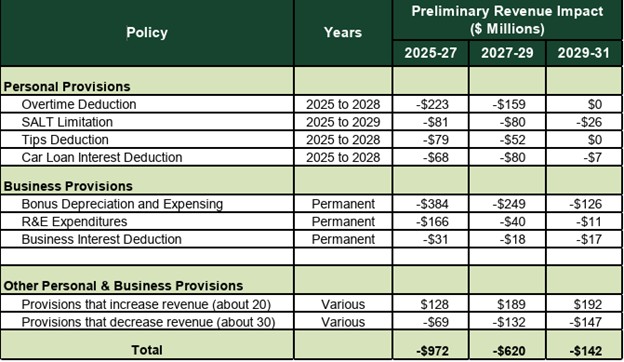
The following information is provided by the nonpartisan Legislative Revenue Office. Full report. Note that the main tax breaks for people expire in 2028; key business tax breaks are permanent. The information is a preliminary review of 155 tax code provisions in the bill; nearly 60 of those directly affect Oregon taxes.
H.R.1 has been signed into federal law; Title VII is the primary section related to taxes. Due to the ‘rolling reconnect’ policy, Oregon is continuously tied to the calculation of federal taxable income for personal and corporate income taxes.1 To the extent Title VII changes the calculation of federal taxable income, those changes automatically affect Oregon tax liability. This document is a preliminary review of nearly 60 provisions (out of roughly 115) that directly affect Oregon taxes.
| | |
Chief tax code changes that increase deductions, thereby decreasing taxable personal income:
- Overtime pay, limited to $12,500 per individual, phased out over $150,000. This benefits employers who can reduce or delay pay increases since the employee got a "raise" at public expense.
- SALT: State and Local Tax deduction limit was increased from $10,000 (joint filers) for tax years 2018-2025 to $40,000 (joint filers) for 2025 but is reduced by 30% of the amount that the taxpayer’s modified adjusted gross income exceeds $500,000. For tax years 26-29, these amounts are increased by 1% annually and then back to $10,000 beginning 2030.
- Tips: Deduction is limited to $25,000 per tax return regardless of filing status. Phases out as modified ADI increases from $150,000 to $400,000. This transfers responsibility to pay the employee fairly from the employer to the customer, since employers will point out that employees' tips aren’t taxed, reducing pressure to increase paid wage.
- Interest on a car loan.
- Business: bonus depreciation and expensing, research and experimental expenses, interest deductions.
| | |
Lane County provided the following information for us:
1- The federal government has canceled a decades-old agreement acknowledging the problem of local government receiving no property tax or other compensation for the huge amount of federally-owned (not taxable) property. Lane County has lost about $8 million already from the loss of federal Secure Rural Schools (SRS) payments. SRS payments recognize the share of timber sales on public lands. SRS has been reauthorized by Congress every two years, except in the last Continuing Resolution, in December 2024. Now, H.R.1 discontinues this program entirely, sending all timber sale receipts directly to the U.S. Treasury.
2- 60% of Lane County’s budget is comprised of federal grants, including direct federal awards and state pass-throughs. Much if not most of that is at risk. A specific example: a $19.5m EPA grant was suspended then completely zeroed out in February. Lane County submitted a letter to appeal it. It would have upgraded Florence Senior and Activities Center and community centers in Florence, Veneta, Cottage Grove, and Oakridge, and Clear Lake Elementary School. They were being planned as emergency management shelter spaces. Lane County joined in on a lawsuit deeming the freeze unlawful.
3- Lane County expects significant impacts to Medicaid and Health and Human Services Programs. Lane County Community Health Centers serves about 30,000 Lane County residents; 70% of the patients are eligible for Medicaid.
| | |
I am concerned about the lack of timely, clear direction that has historically come from the federal government on vaccine science and distribution. Respiratory virus season is upon us, and the federal government is failing us. Each state has different rules, laws, and authorities. Oregon agencies are working on solutions to mitigate interruptions to vaccine access.
Information provided by the Governor's Office
"What happened: The challenges faced by Oregonians because of limited FDA use authorization and lack of clear protocols adopted by the federal government to allow for pharmacist administration of vaccinations. Oregonians are used to going to the pharmacy to receive vaccinations in preparation for the November-January respiratory season."
Oregon entered a partnership with Washington, Hawaii and California to form the West Coast Health Alliance (WCHA) "in response to arbitrary changes to vaccine recommendations and anticipated further politicization of health care."
[See this Sept. 17 New York Times story: Western States Issue Their Own Vaccine Recommendations to Counter Kennedy. The guidelines, from California, Oregon, Washington and Hawaii, mirror those of major medical organizations.]
News from Oregon Health Authority: vaccine recommendations
This week the governors of Oregon, California, Washington, and Hawai'i announced WCHA unified vaccine recommendations for winter respiratory viruses including COVID-19, influenza, and RSV.
The WCHA recommendations are based on scientific data and informed by guidelines from trusted medical organizations, including the American Academy of Pediatrics, the American College of Obstetricians and Gynecologists, and the American Academy of Family Physicians. The WCHA believes people in our states should have access to all clinically recommended vaccinations. See the WCHA FAQ.
The bottom line: vaccinations will be available without prescription. "Effective Sept. 17, 2025, the Oregon Board of Pharmacy has changed its rules to allow pharmacists to resume vaccinating people 7 years and older without obtaining a prescription from their provider; influenza vaccines may be administered by pharmacists to children 6 months and older. OHA encourages anyone who wants a COVID-19 vaccine to first check with the pharmacy for availability and to be patient. Please recognize that it may take pharmacies a few days to implement these new protocols. COVID-19 vaccines are also available at clinics and at a providers’ office. Check with your provider on the availability of COVID-19 vaccines."
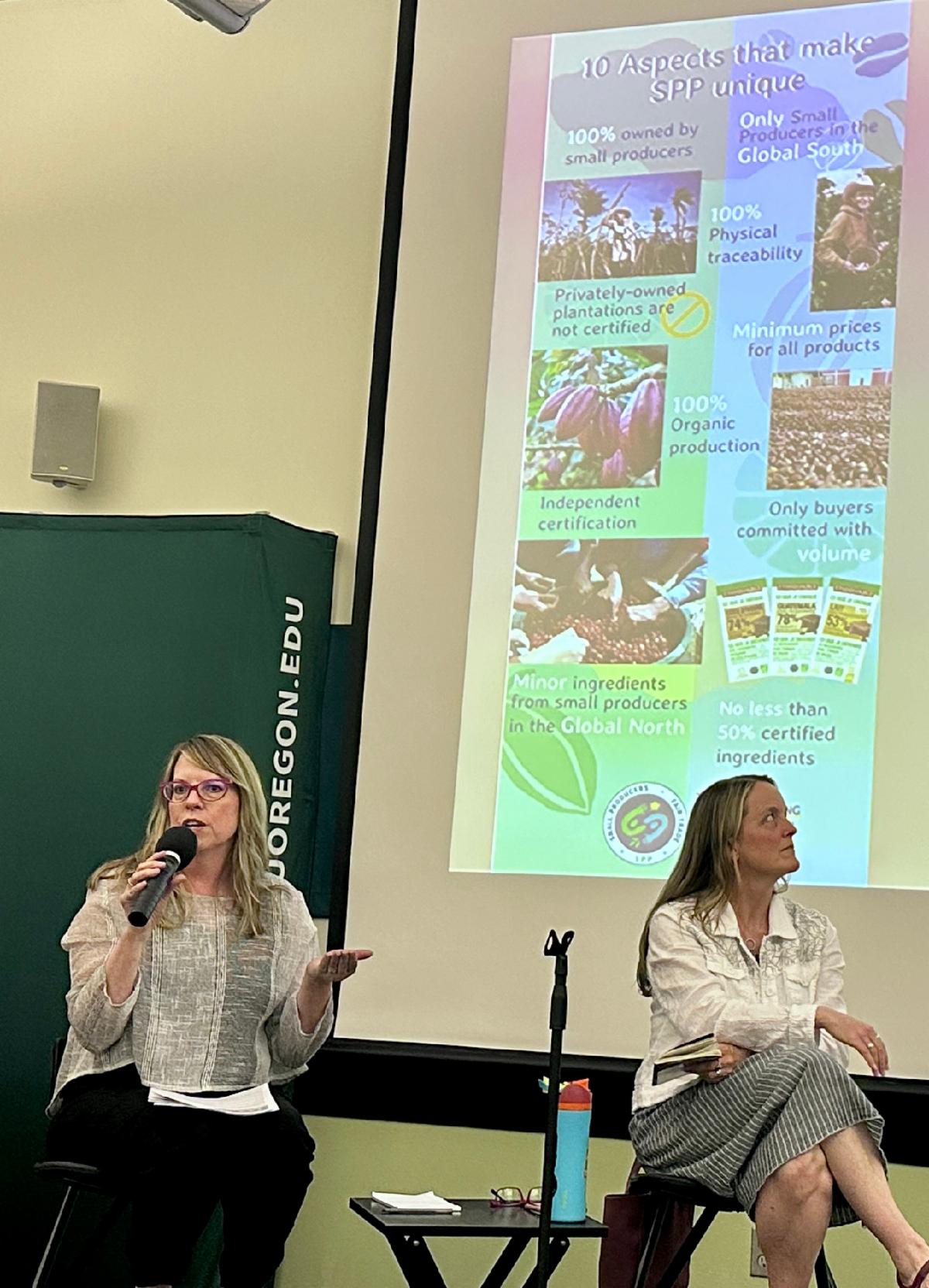
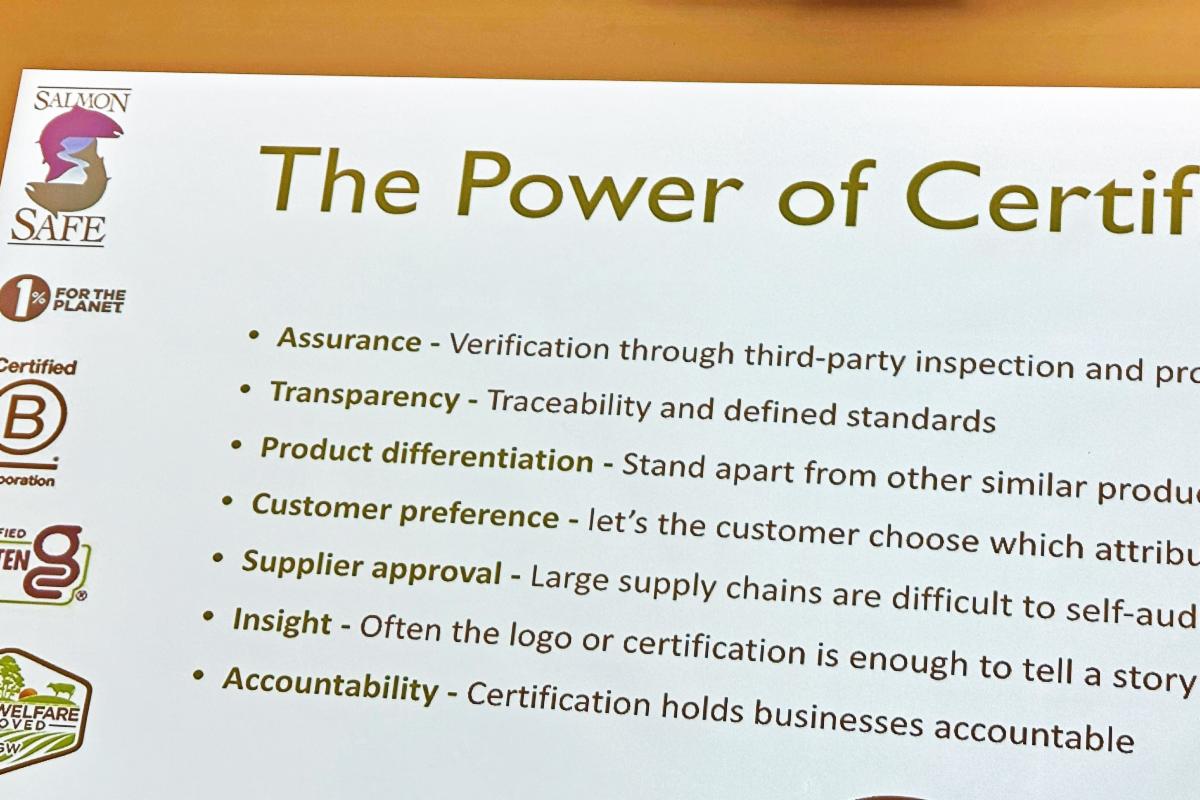
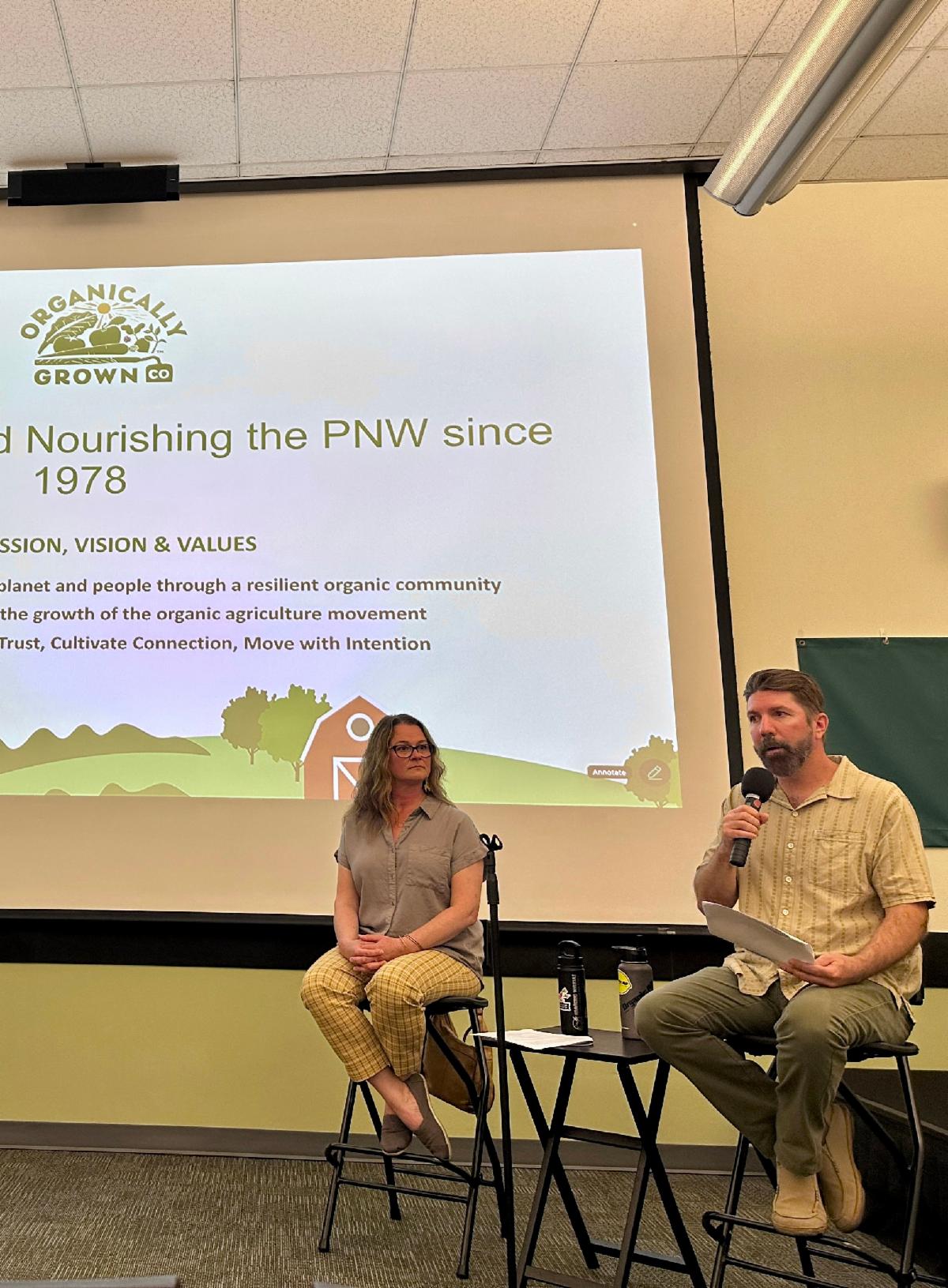
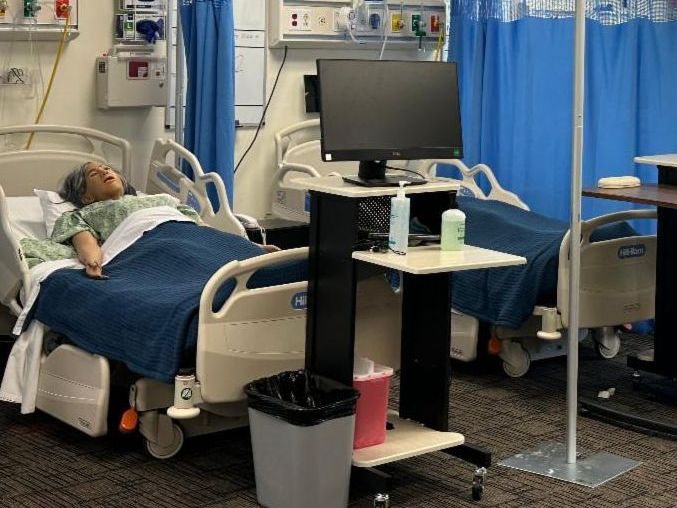
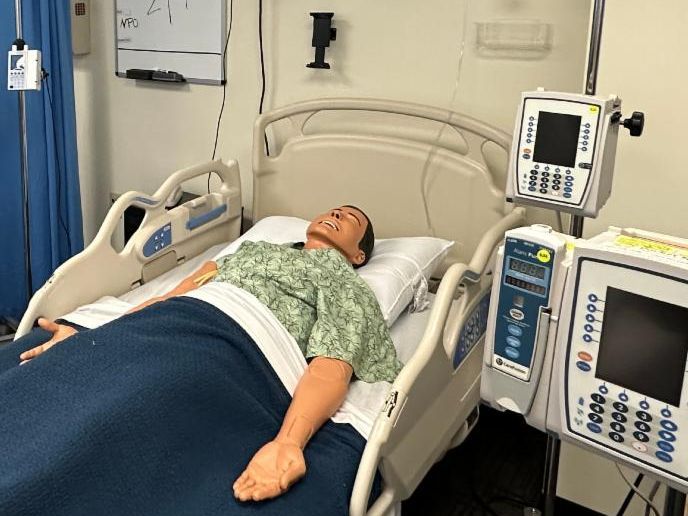
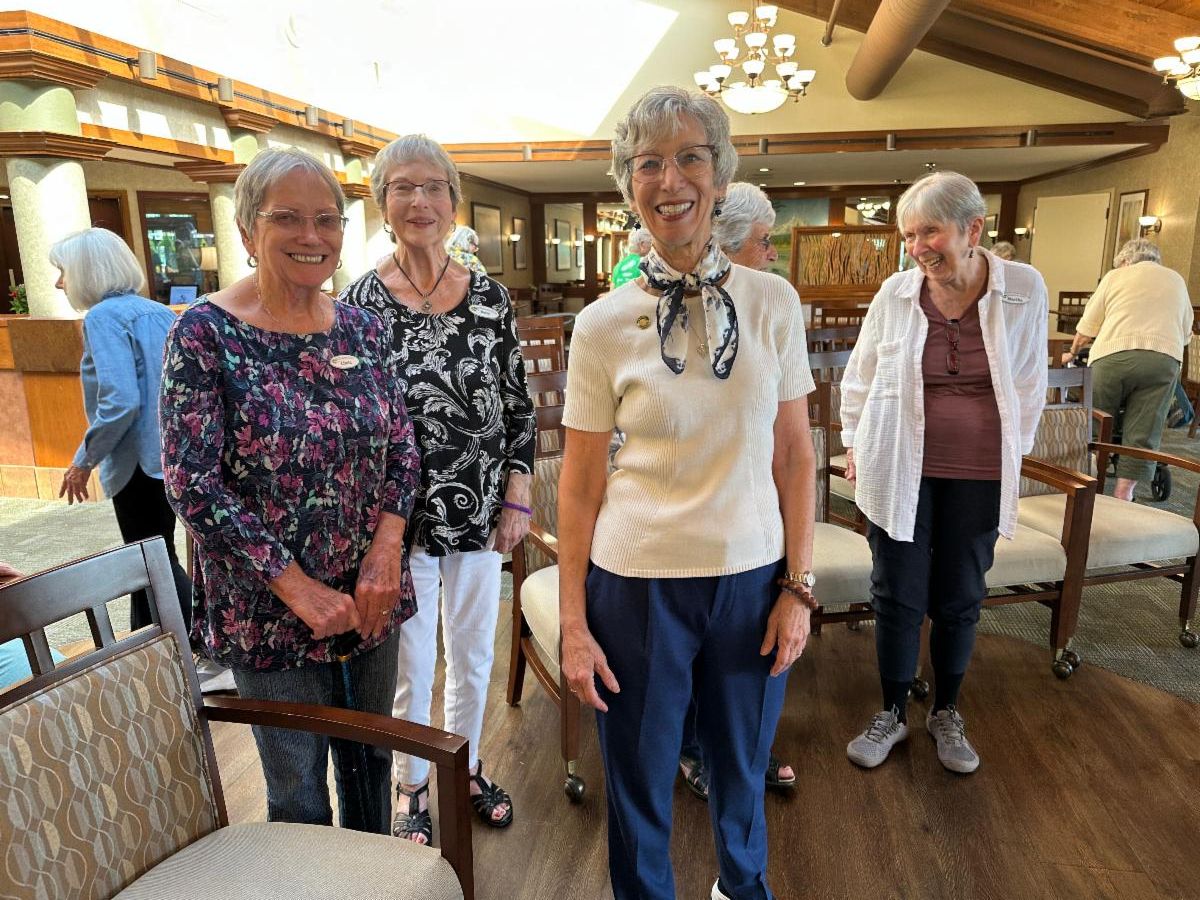
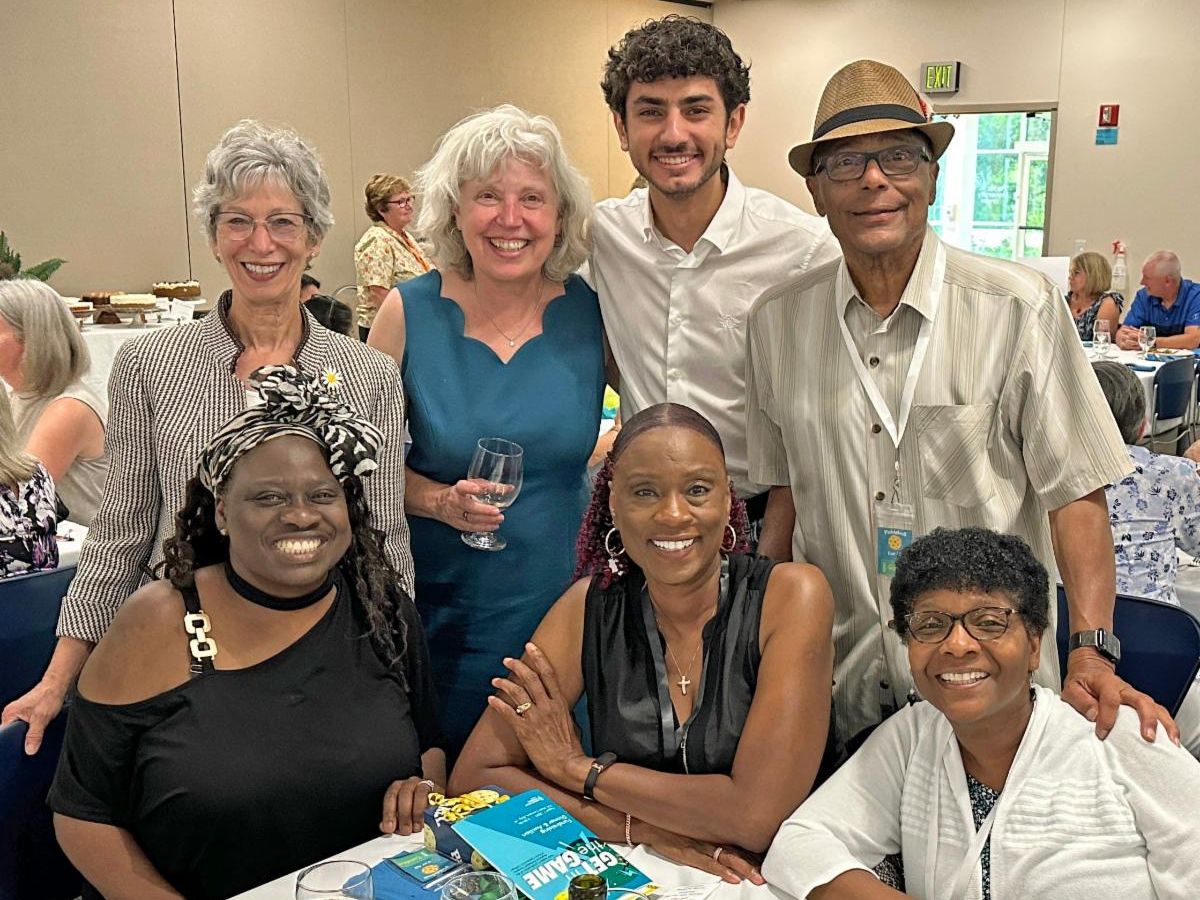
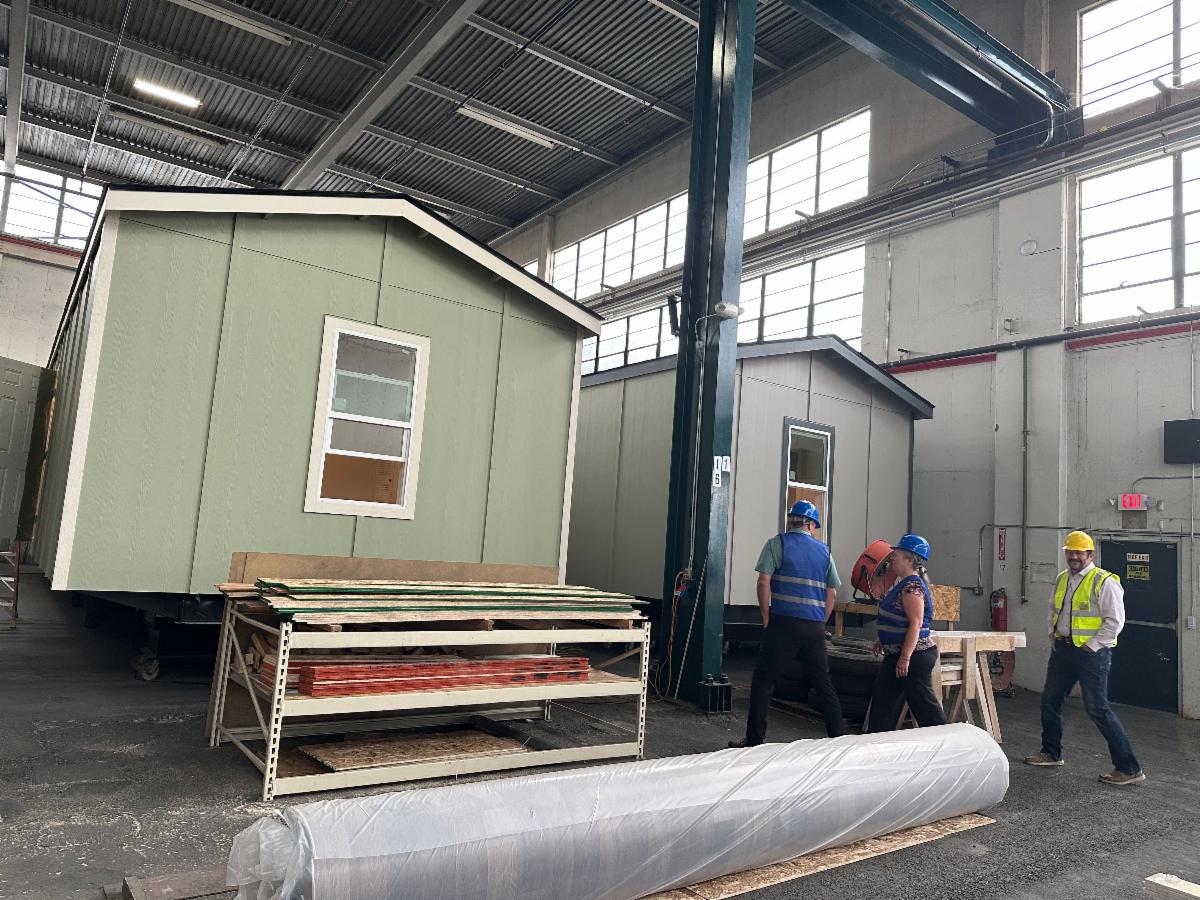
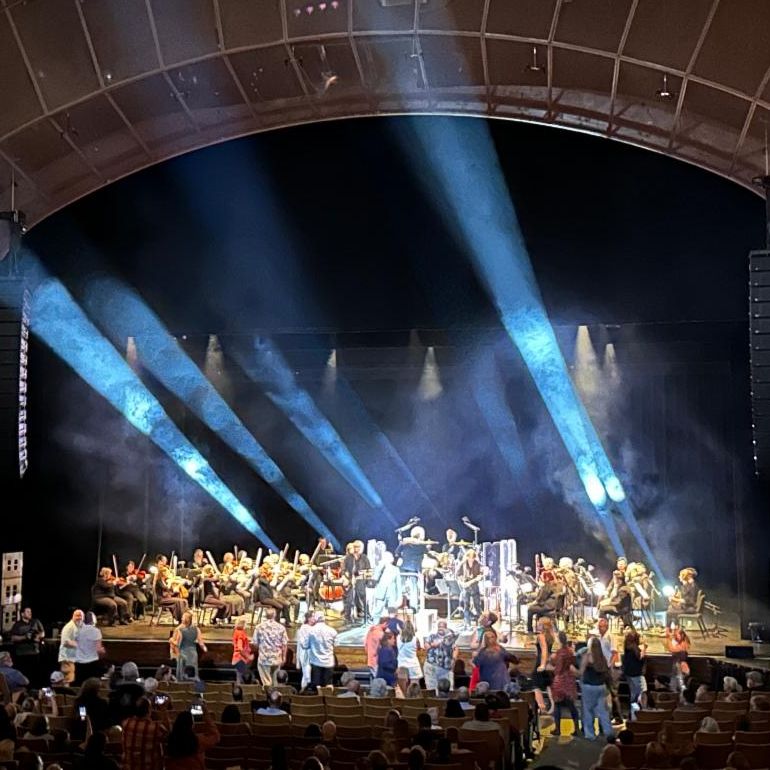
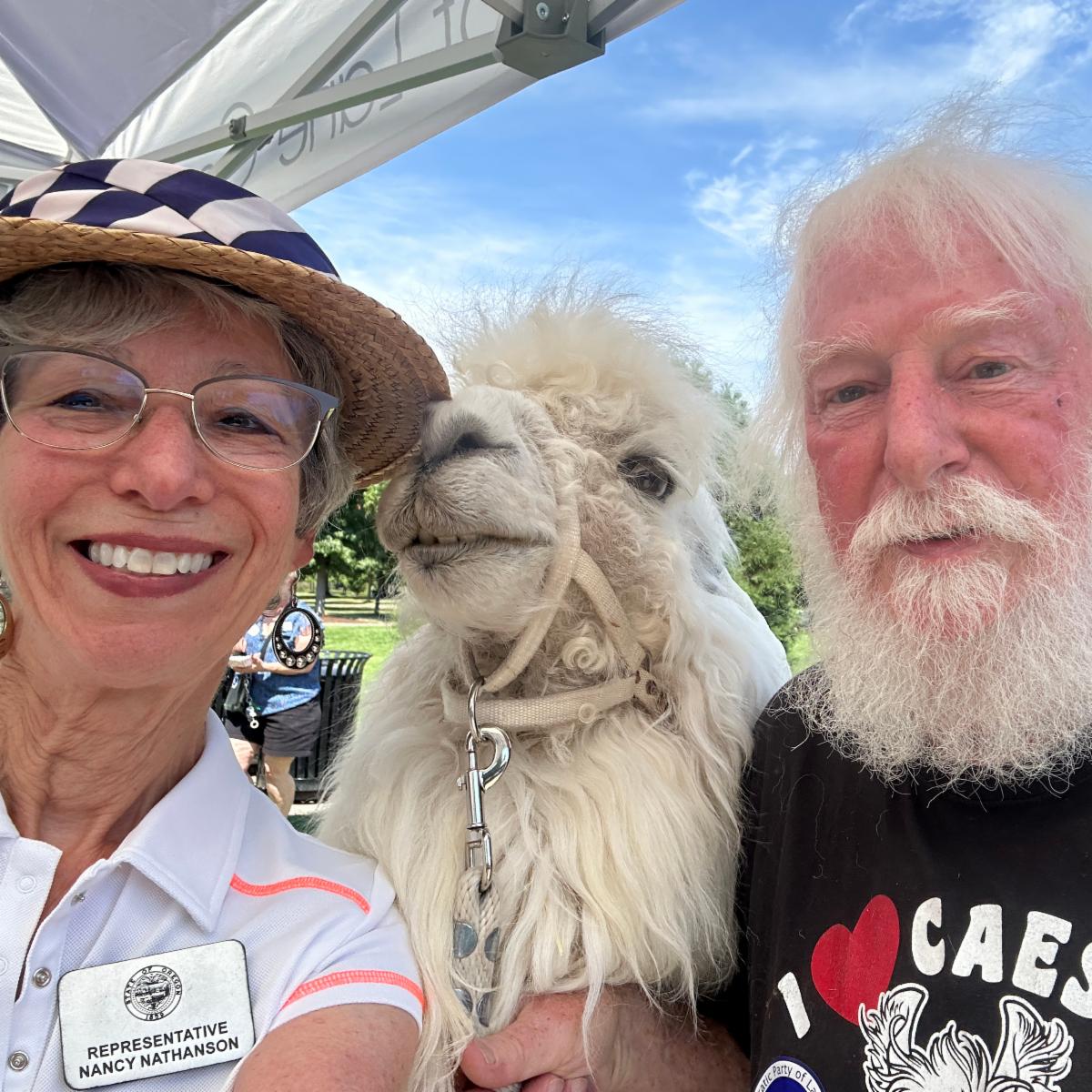
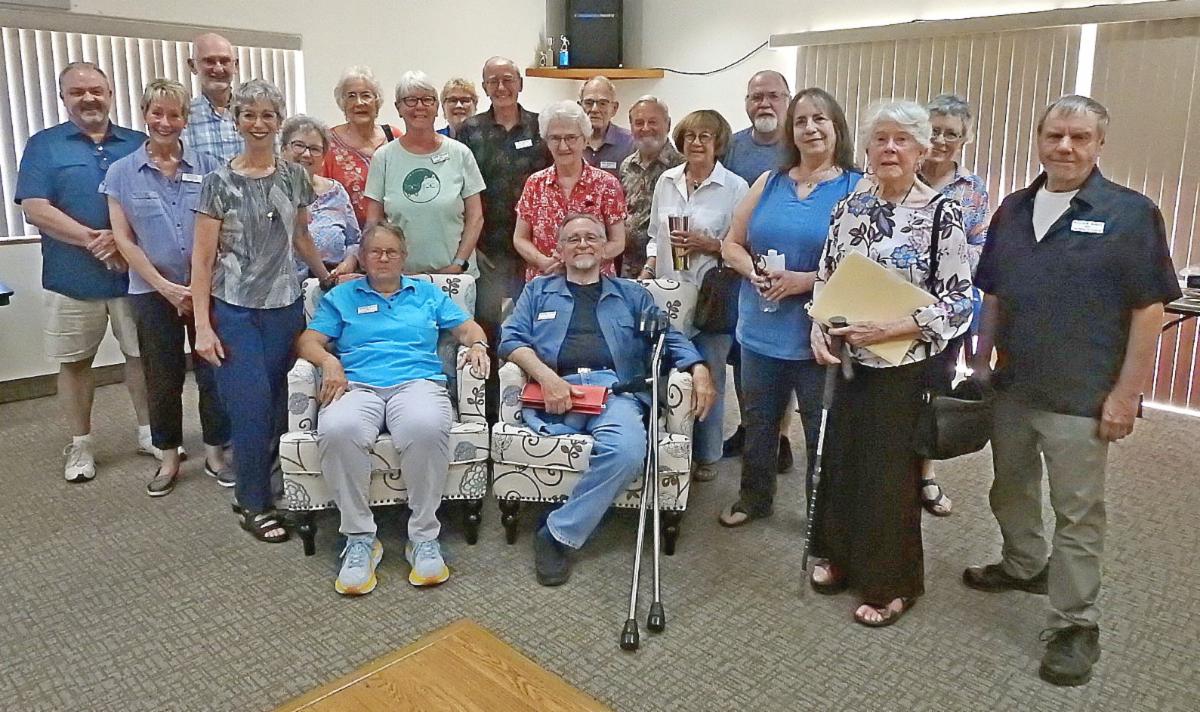
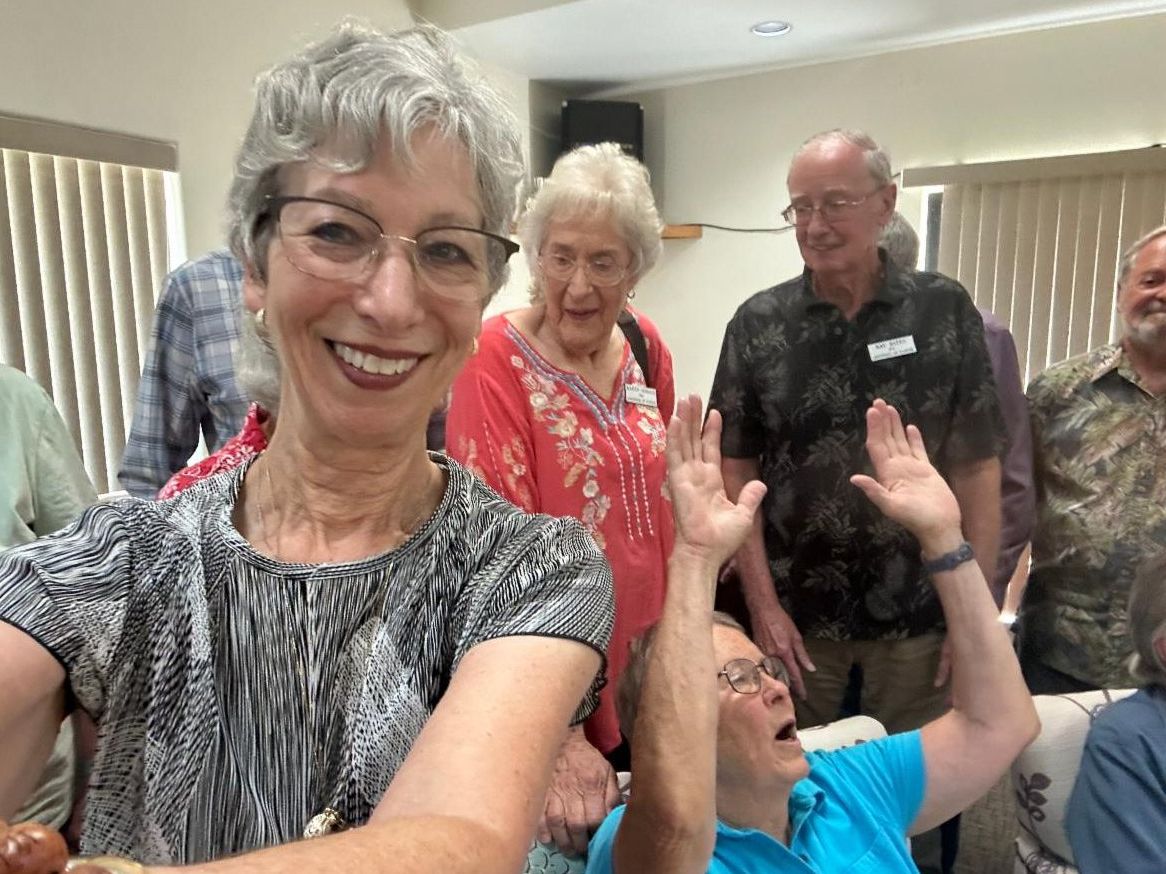
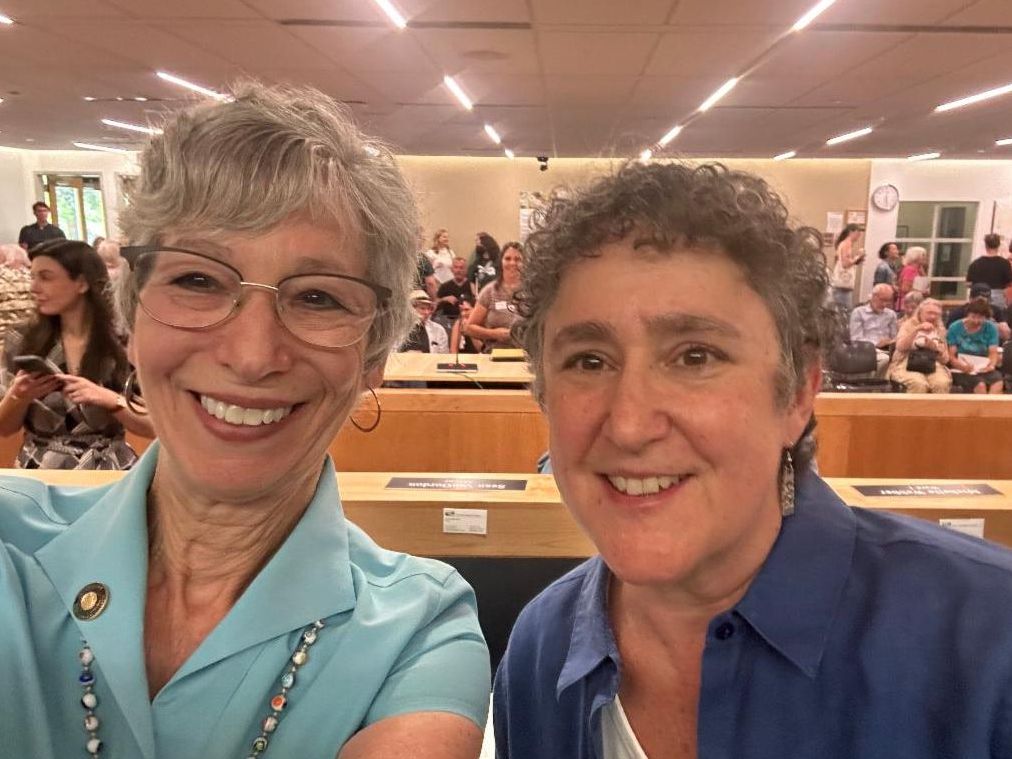
| | UO's Osher Lifelong Learning Institute (OLLI) hosted a discussion "Eugene’s Ethically Produced Product Community." The panel included representatives from Eugene companies dedicated to ensuring that their products promote an ethical production process: Café Mam Coffee, Hummingbird Wholesale, Mountain Rose Herbs, and Organically Grown Company. They discussed how they achieve environmentally safe organic products, sustainable practices, fair prices, and supply chain practices that honor human dignity. | | Bushnell celebrated its 130th Anniversary Convocation Chapel, building dedication and ribbon cutting of the newly renovated Goodrich Hall (orig. 1908). I recently visited campus to see the renovations and School of Nursing classrooms and simulation labs. This picture shows a teaching lab including reactive mock patient manikins. | | Snapped this photo after talking with Willamette Oaks residents. Following my legislative update their comments and questions included concerns about federal actions threatening vote-by-mail and health care, and pitfalls of the tax kicker law. | | A whole lot of enthusiasm raising money for a new pickleball facility at LCC! Kids, teens, and adults are already filling courts around the area. The new facility would accommodate regional competitions with room for seating and food, too. | | AARP hosted a party at Celeste Campbell Center to celebrate the 90th anniversary of Social Security, "one of the most significant achievements in our nation’s history" providing a foundation of financial stability for nearly 930,000 Oregonians. | | HOPE (Housing Options Production Enterprise): an independent non-profit enterprise established by St. Vincent de Paul Society of Lane County for making manufactured homes. Sen. Prozanski and I visited the facility on Garfield St. hearing about the manufacturing process, economics and pricing, and opportunities for apprenticeship and "second chance" employment. | | UO Ducks football game: it was sunny, the Ducks won, and fun for me was sitting in a section of good-natured fans, seeing the band up close and watching players sign autographs for kids. | | Enjoying one of of our local arts venues: Very Little Theatre. | | Symphonic rock (& dance party), the music of Journey at the Hult Center with Eugene Symphony. | | This is Caesar the "no drama" llama with Larry. | | |
Lakeridge of Eugene: City Councilor Mike Clark and I met with homeowners at this manufactured home park. They recently received notice that the park was being sold. Residents are homeowners but rent the land from the park owner, leaving them with questions about the park's future, how it's maintained, and affordability of rent. The residents ultimately chose not to make an offer to collectively purchase the park.
There are about 42 MHPs in Eugene, 16 in Springfield, and a total of 90 in the local area including Coburg, Cottage Grove, Creswell, and Junction City, providing 6,714 spaces for affordable workforce, retirement, or low-income homes. To preserve affordable housing, St. Vincent de Paul acquired parks in Springfield and Oakridge when they were in jeopardy of being lost.
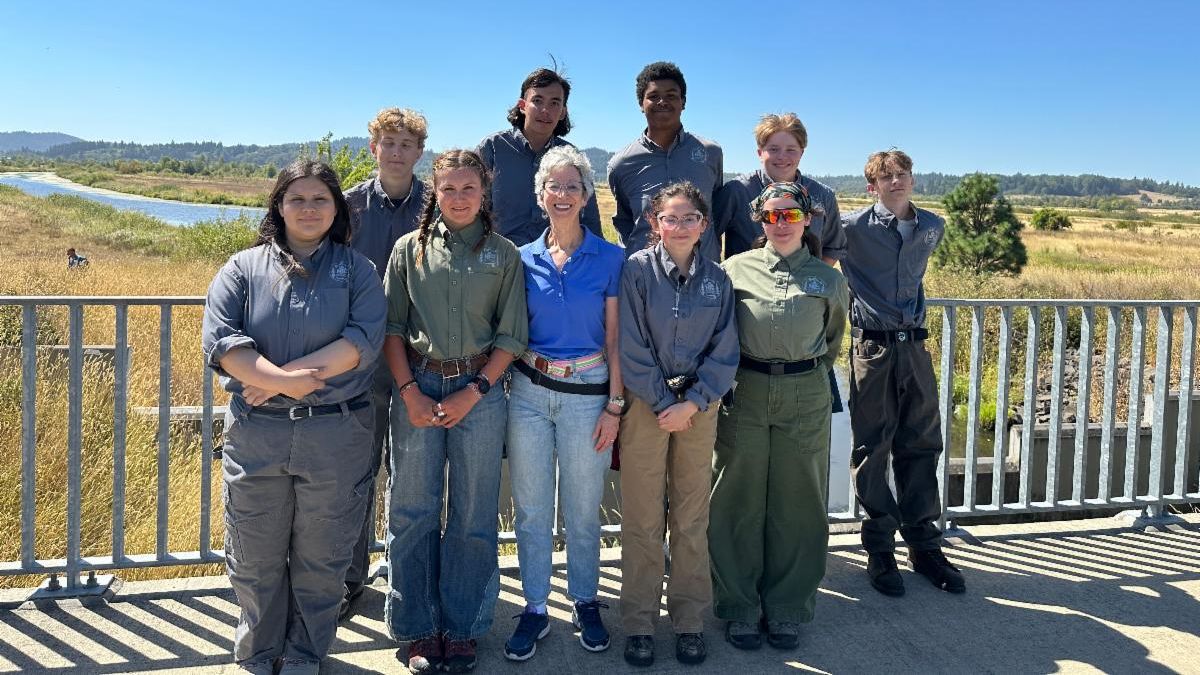
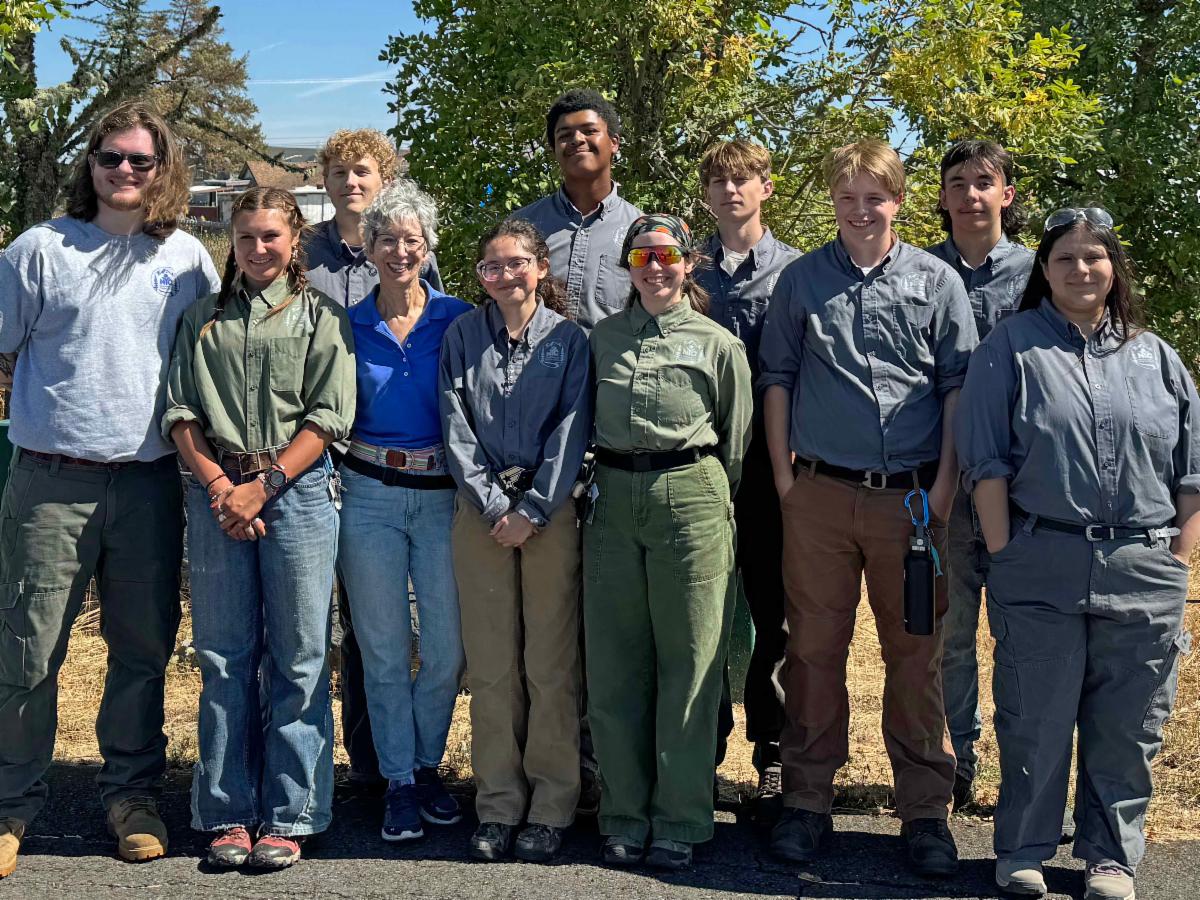
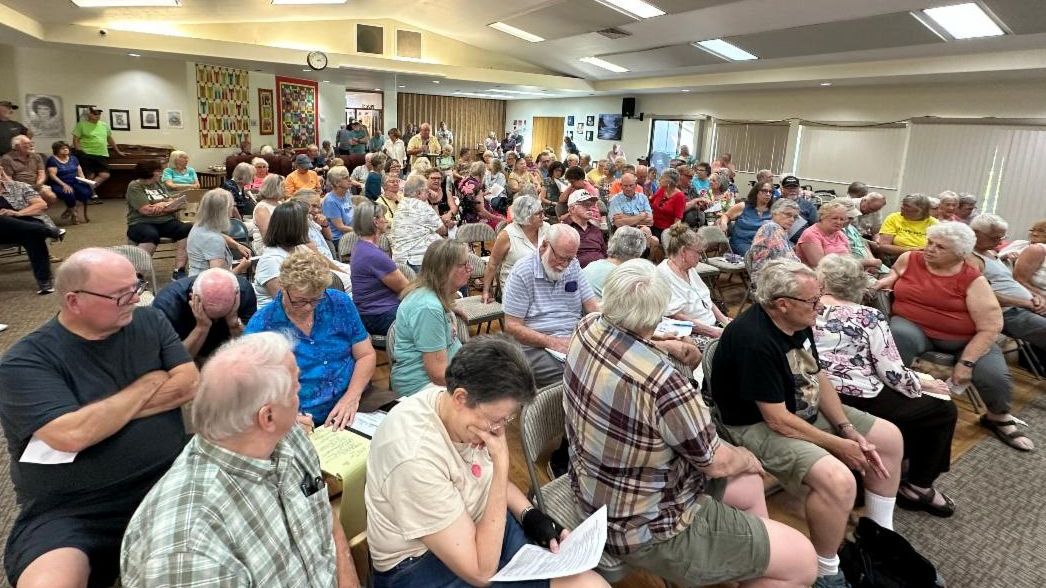
| | Northwest Youth Corps: this is an Urban Community Forestry crew working around Dragon Fly Bend Park in West Eugene. We met at the Checkermallow parking lot and talked about the important wetland restoration work they are doing. Students also shared many topics that they are concerned about including education, access to mental health services, and the high cost of college. | | Town Hall on August 23: Sen. Floyd Prozanski, Rep. Lisa Fragala and I spoke to a full room at Springfield City Hall, with Mayor Sean Van Gordon moderating. Reps. Fahey and Lively and Sen. Manning were unable to attend. | | Transportation: Proposed tax and fee increases | | Note: there are supplemental fees in addition to Base Registration and Title Fees in some circumstances based on MPG/EV, except where a Road User Charge (RUC) is mandatory for EVs and hybrids. See tax and fee details in Staff Measure Summary for HB 3991A. | | Transportation revenue: Comparing Oregon to six other Western states | | | | |