19 January 2023

Our stories match the weather: water from the sky, water from the sea, water bubbling up out of storm drains, and water that is no longer "Someone Else's Problem." In recovery, we also look east for parallels.

S C I E N C E

Define Bomb Cyclone?

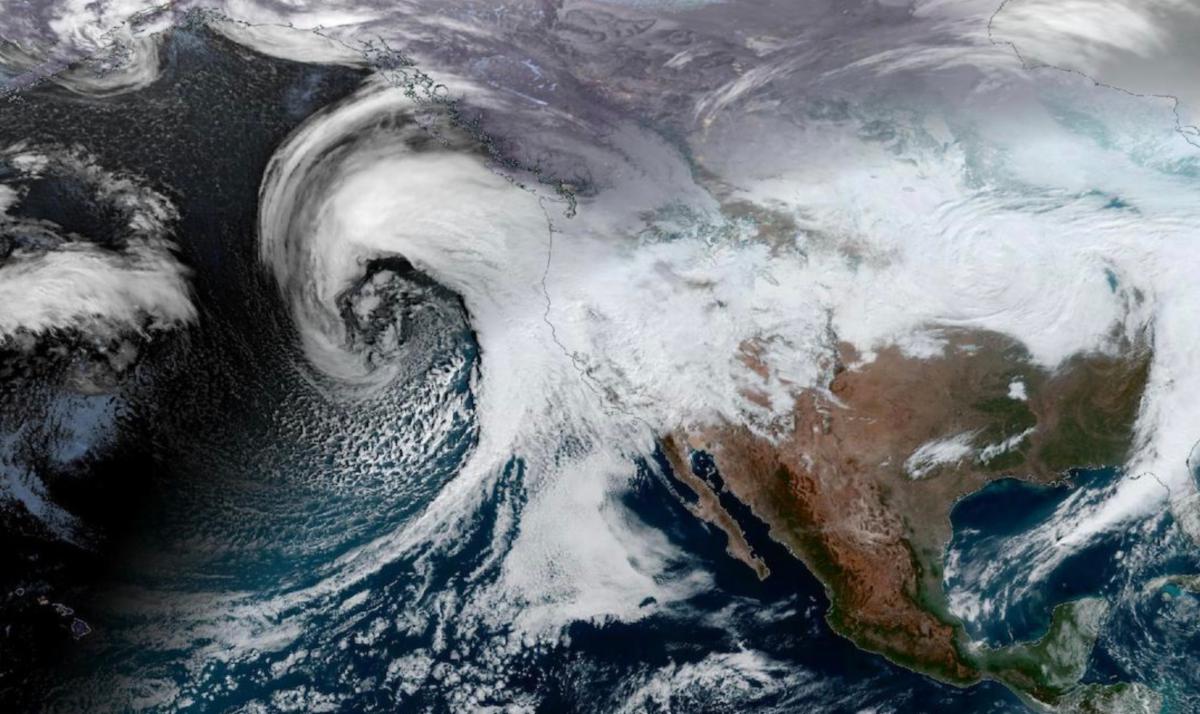
When the media warned Californians about a 'bomb cyclone' expected in the forecast on January 4th, reporter Robin Meadows restocked her pantry and emergency cabinet and begged her husband to stay home. So, when the storm came and went with little impact, she was left wondering, what exactly is a bomb cyclone? Image: NASA


Keep Reading

Mapping the Bay Area Flood Threat From Below

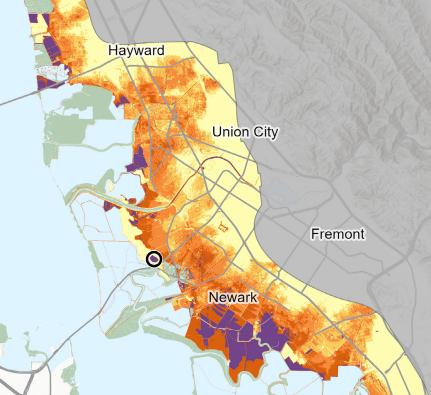
As Bay Area residents kayaked through flooded streets and bailed out buildings during California’s recent storms, they faced not only bursting creeks and pouring rain but also rising groundwater. As sea levels rise, so will Bay Area water tables. A new mapping project aims to give planners the data they need to act.


Keep Reading

No One is Safe

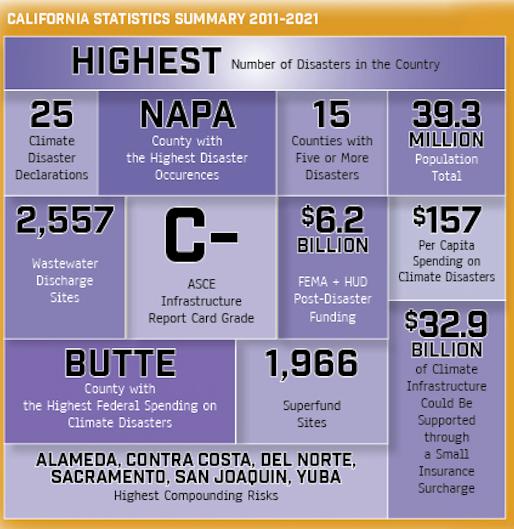
According to the Atlas of Disaster, 90% of U.S. counties have had an extreme weather event in the last ten years; California, in turn, has had more disasters than any other state. Data show that regardless of where someone is located geographically, they will be impacted by climate change in one way or another. The report also offers potential solutions for the most cost-effective path forward.


Keep Reading

Three Tales of Trouble and Triumph in the East Coast Fight Against Storm Surge


NYC Puzzles over Planning

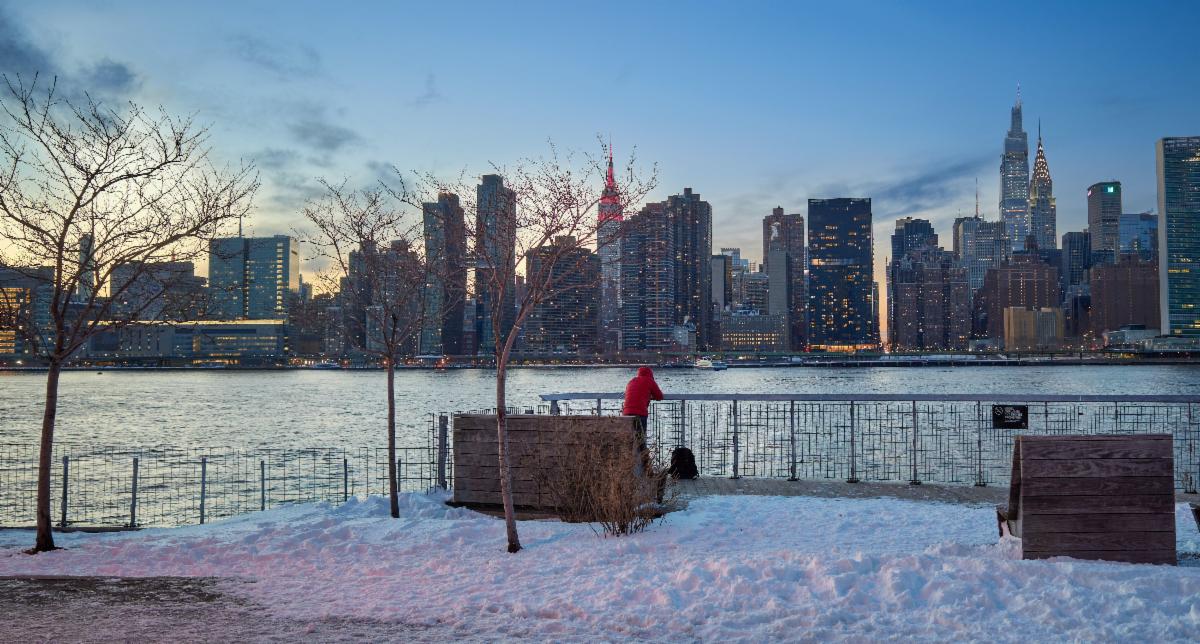
An Army Corps storm surge and flood plan for the New York-New Jersey waterfront, now going through a public comment period, could be the most far-reaching coastal resilience project the region has seen thus far. The preferred alternative, however, will only protect Manhattan and its surroundings from approximately 63% of projected damage for 50 years after it is complete. This shortfall, combined with the plethora of half-finished or controversial resilience projects around the city, is leaving advocates and community groups questioning if the government is up to the job, and if all the pieces will ever fit together. "It’s very different from the Bay Area,” says resilience planner Amy Chester. Photo by Ruoyu Li on Unsplash


Keep Reading

Corps Comfort Zone with Nature-Based Solutions

Typical flood protections rely on engineered structures like seawalls and levees. But there’s a new push at the national level of the US Army Corps of Engineers to prioritize working with nature. Implementation of nature-based solutions is uneven at the local level, however, as seen in New York, Miami and the Bay Area. Photo: City of NY


Keep Reading

Listen to this Audio Story

C O M M U N I T Y

Oaklanders Lead on Transforming Shoreline

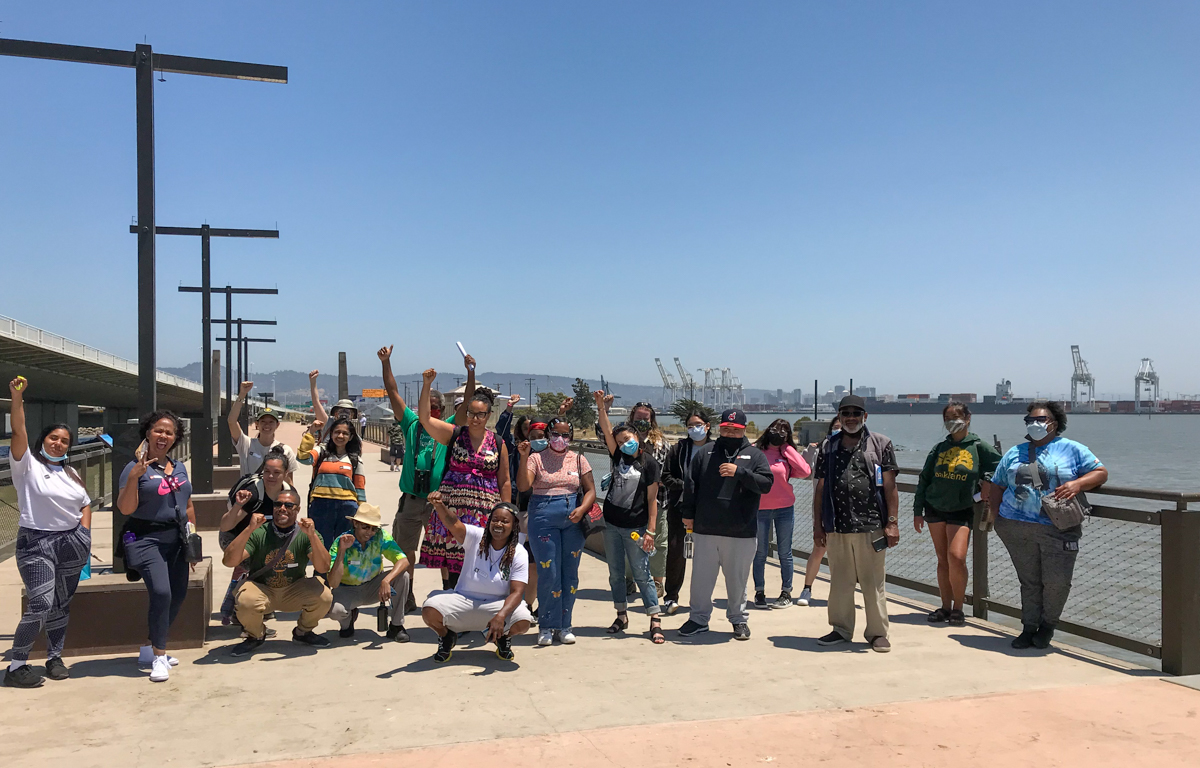
The 14 graduates of the inaugural 2021 Oakland Shoreline Leadership Academy have new skills to confront the rising tide head-on. “It’s completely changed how I look at the environment,” confesses Academy alum Shy Walker. In just over a year, the cohort has started to secure funding for their ideas, including a resilience hub in West Oakland, a sea level-resistant “sacred space” and cultural center, and shoreline field trips to get Oakland high schoolers engaged in climate justice. Photo: Phoenix Armenta


Keep Reading

Listening to Canal Communities

San Rafael’s Canal neighborhood has long struggled with inequalities. In November 2022, however, the San Rafael City Council launched the Canal Community Resilience Planning Project with a $762,000 grant from the Coastal Conservancy. Unlike many other sea-level rise planning initiatives, the Canal Project emphasizes community-based organizations playing an active role in decision-making. Image: I-Stock


Keep Reading

 C H A T T E R 

OPINION

Subtle San Francisco Greenwash


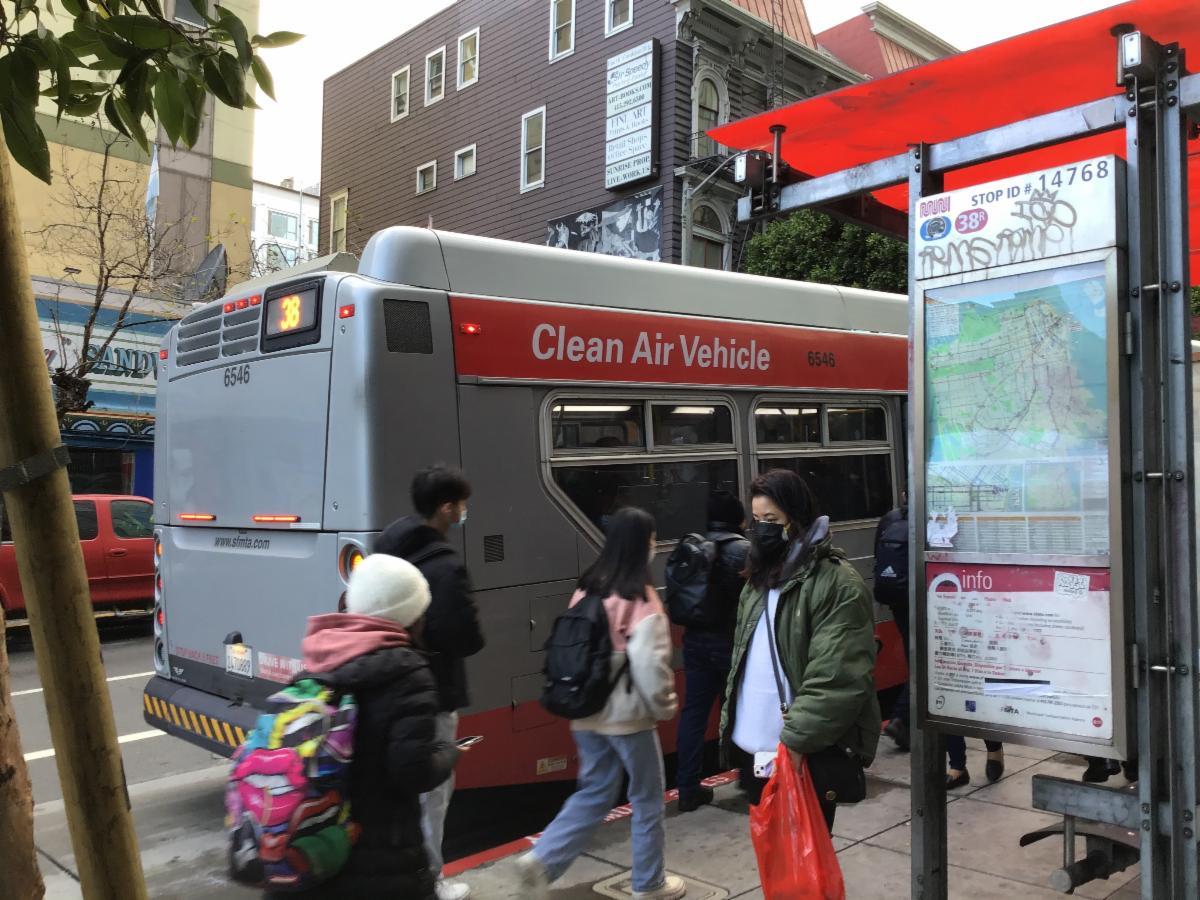
With its public support for certain environmentally-friendly policies, San Francisco is increasingly seen as a "green" city. However, the story isn't that simple. In this opinion piece, Dave Rhody and Bob Cooper dive into why San Francisco is more talk than action in the climate change conversation.

Photo: Ariel Okamoto


Keep Reading

 Picture of the Month

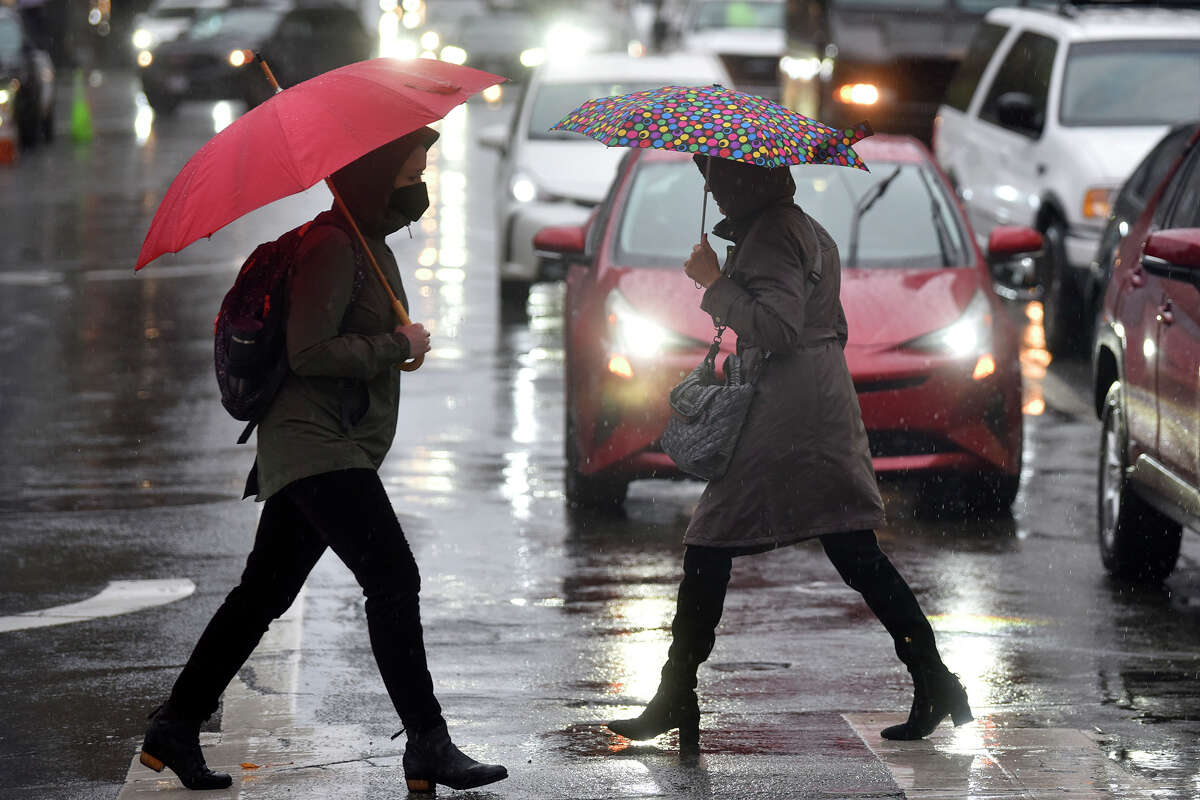
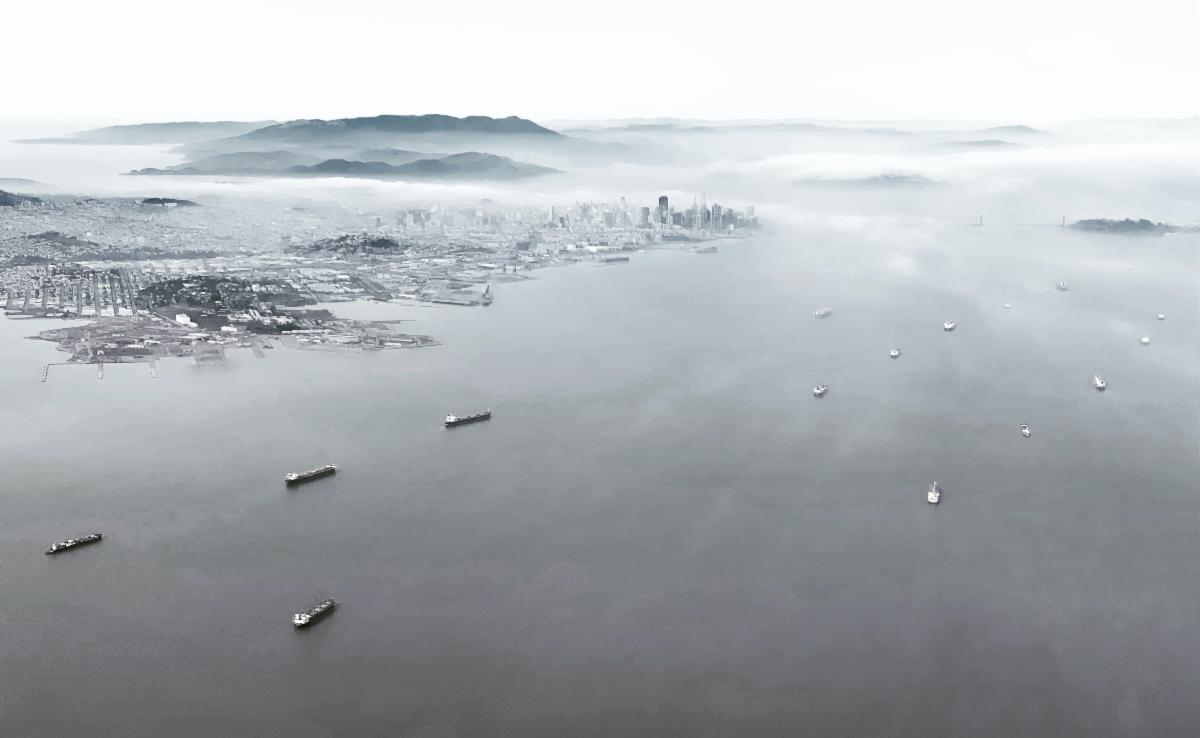
This eerie photo of San Francisco, which reporter Robin Meadows did not shoot in black and white, evokes a more peaceful day of sprinkles and mist in the weeks of grey days and atmospheric river storms over the holidays. Christmas Eve, 2022.

We want to see what climate resilience looks like to you. Tag #KneeDeepTimes or #kneedeeptimes, and your photo could be the next featured on our website!

Your Take on KneeDeep?


  1. Most memorable story?
  2. One thing you really like about the magazine?
  3. One thing we could do better?
  4. How is it different from other news outlets you follow?
  5. In what ways is KneeDeep helping the region become more resilient? Or not?
  6. Story you'd like to see in the next issue?


Email the editor your answers to any or all of these questions!


Follow us on your favorite platforms, and share KneeDeep Times with friends!
Facebook  Twitter  Instagram  

KneeDeep Times shares stories from the frontlines of climate change resilience and adaptation action.

All stories are available for republication free of charge. See our guidelines.


Views expressed are independent of all funders and collaborators.


Managing Editor: Ariel Rubissow Okamoto

Assistant/Social Media Editor: Meg Duff

Editorial Fellows: Jasmine Hardy, Isabella Eclipse, Justin Lai

Published by Estuary News Group, San Francisco, California


Send us your story ideas and subscribe us to your newsletter lists

news-team@kneedeeptimes.org

Sign Me Up for KneeDeep Times