News and information to help journalists serve the public and stay safe. |
|
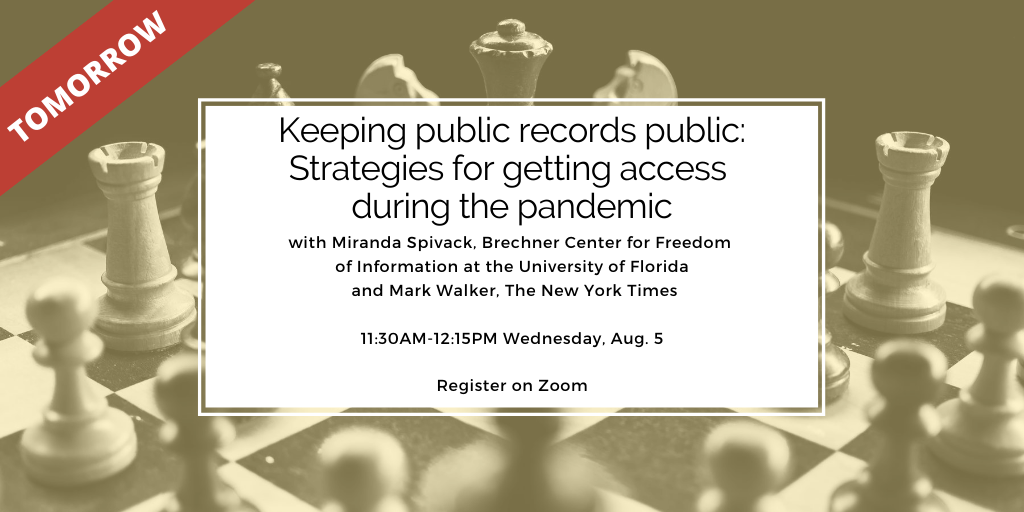
Government records belong to the public, but journalists often face delays and redactions that make it difficult to get the information they need to inform the public about significant issues. Against the backdrop of the COVID-19 pandemic, it’s more important than ever for journalists to be strategic when they are seeking government records.
Panelists Miranda Spivack, journalism fellow at the Brechner Center for Freedom of Information at the University of Florida, and Mark Walker, FOIA coordinator in The New York Times’ Washington Bureau, will cover strategies and approaches to requesting and obtaining public records using the Freedom of Information Act and state open records laws.
|
|
By Beth Hunt, director of editorial recruiting and development for American City Business Journals.
It’s not an ideal time to be looking for a job right now, especially a journalism job.
How’s that for stating the obvious?
Between a global pandemic, an economic crisis and an industry that has been teetering on the brink for years, it’s hard to feel anything but hopeless when news of a layoff, furlough or job cut arrives.
And while I can’t say when or whether things will be fine, I can say that many news publishers — traditional and otherwise — are able to take advantage of an employers’ hiring market to snap up exceptional talent available as a result of economic conditions and uncertainties.
From a talent recruiting perspective, there are things you can do to increase your chances of being noticed by hiring managers in newsrooms and news organizations, or landing a news job in another kind of company. (That’s one of things you can do, by the way: Acknowledge there are journalism jobs inside non-news companies.)
- Pick up new skills while you’re searching.
- Be sure the journalism language you speak fits the journalism of today.
- Be prepared to share specifics on how you successfully use the tools available to build your craft.
- Network like your career depends on it.
- Be realistic about how long it will take to land a job and make a plan for in between.
For details on how to do these five things well, click here to read the full article on sabew.org.
This excerpt is reprinted with permission. SABEW facilitates connections between members looking to hire and journalists seeking jobs. Please visit the Job Listings or Who’s Looking sections of our website for more information.
|
|
|
As news organizations and the nation have responded to the coronavirus pandemic and the protests following the murder by police of George Floyd, journalists have increasingly confronted the need for newsroom equity and a truer relationship with the communities they serve.
The National Press Club Journalism Institute and PEN America will co-host a program on “Equity and community in local news: Lessons learned in 2020” to identify and share takeaways from pandemic and protest coverage and to look ahead toward election coverage.
|
|
The National Press Club Journalism Institute is spotlighting the next generation of journalists, students who graduated from college or Master’s programs this spring into a challenging job market. We hope they’ll meet future bosses and colleagues here, who will reach out and support them in building journalism’s future together.
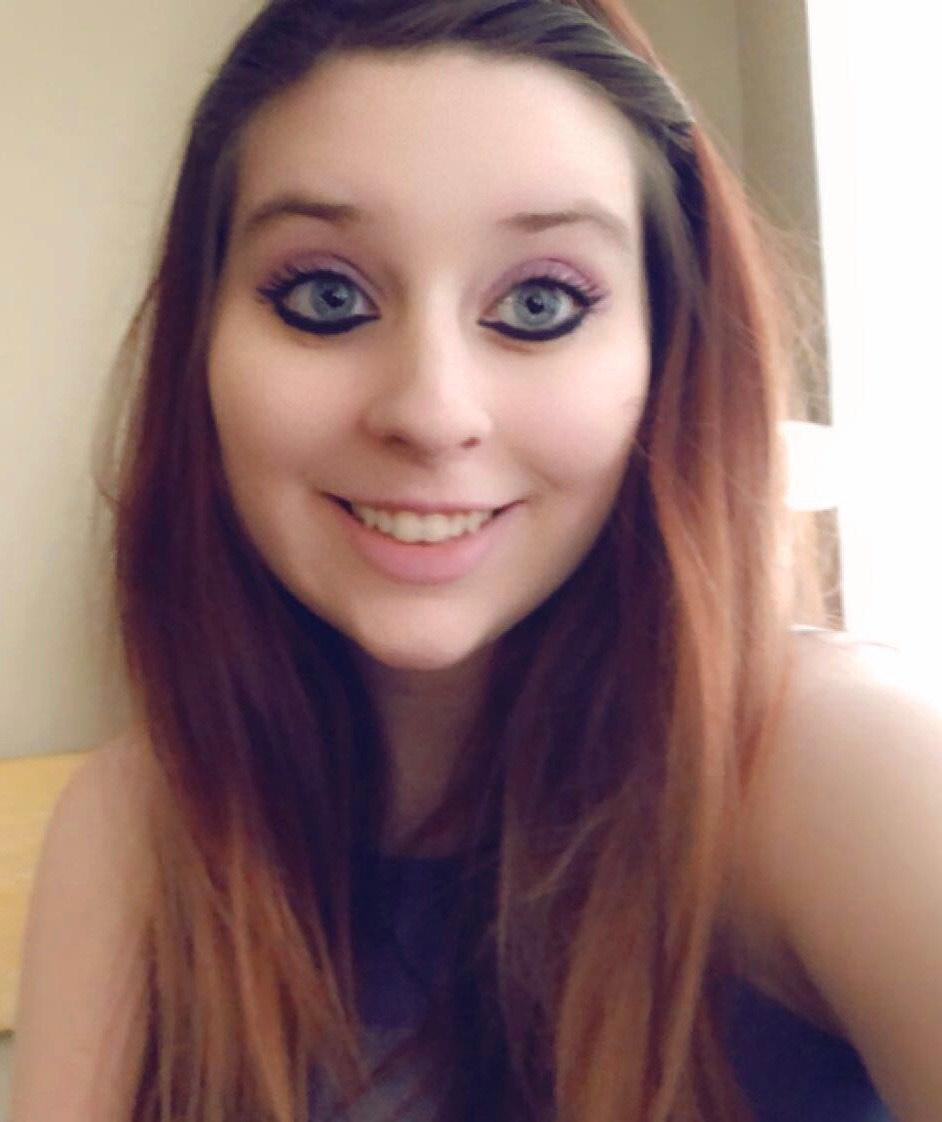
School: Kent State University
Location: Kent, OH
What do you want to accomplish in your journalism career?
Nichols: I just want to be the best writer I can be. I’ve become so passionate about writing in the past five years, and I just want to continue growing as both a writer and a person. I want to have that story someday that makes me stop and think, “This is what made all of that hard work worth it.”
If you could meet any journalist and ask for her/his advice, who would it be and why?
Nichols: Honestly, the journalist I want to meet is a character from a TV show called “The Bold Type.” Her name is Jacqueline Carlyle and she’s such a powerhouse of a woman. In the show, she’s the editor-in-chief of “Scarlet Magazine,” so I would ask her what it takes to get to where she is at and what advice would she have for a young woman just starting out in the journalism career field because I think having someone to look up to like her is so important and I want to be that for somebody someday.
|
|
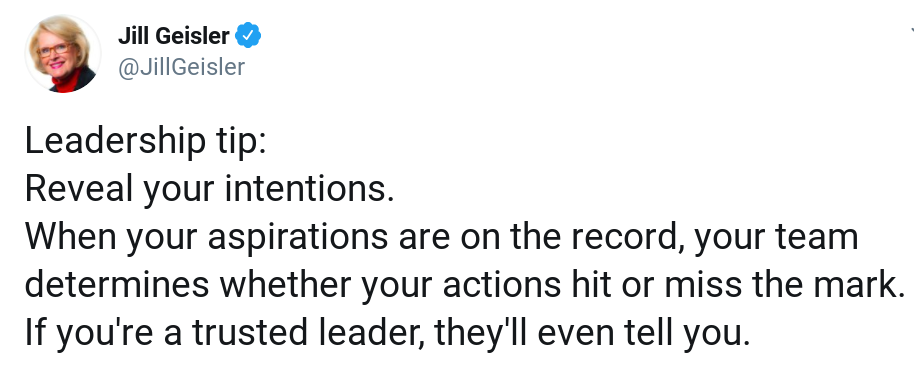
Make no secret of your goals and values; they tell your team where you’re all going and how you’ll get there. In the absence of that information, your team may ascribe intentions to you that reflect their fears more than your aspirations. Sunlight is the best disinfectant, as Louis Brandeis said.
Advice from Jill Geisler, Bill Plante Chair in Leadership & Media Integrity, Loyola University Chicago, Freedom Forum Fellow in Women’s Leadership
|
|
|
Books transport you to other places, other times. They make you think differently and redirect your focus from whatever had been preoccupying you. Even a short, 10-minute read is like a long sip of water.
Consider these reasons to keep a book within reach:
|
|
This newsletter is written & edited by the National Press Club Journalism Institute staff: Beth Francesco, Holly Butcher Grant, Jim Kuhnhenn, and Julie Moos. Send us your questions and suggestions for topics to cover.
|
|
|
|
|
|
|