Dear Angelenos:
In the same way our 2021-2029 Housing Element sets a course for addressing LA’s housing needs in a sustainable manner, we are also planning to mitigate the effects of climate change.
In 2015, we adopted the Health Element of our General Plan, which examines environmental justice and health through an equity lens. Since then, the Health Element’s forward-looking policies have advanced a number of local initiatives. Our Clean Up, Green Up Program seeks to repair the effects of pollution in underrepresented communities by establishing strong environmental protections. In our hillsides, the Wildlife Pilot Study and an analysis of the City’s ridgelines are underway, collecting information that will be key to protecting our rich ecological resources. We’re also close to completing our study on the projected impacts of sea-level rise.
Last year, we took the opportunity to strengthen our existing climate change policies through a targeted update to our Safety Element. The Local Hazard Mitigation Plan that is now part of our General Plan includes an analysis of the dangers climate change poses to Los Angeles, such as fire, flooding, sea-level rise, drought, and extreme heat. We’ve also crafted policies that encourage infill development near public transit and away from ecologically sensitive areas.
Moving forward, the City hopes to conduct a citywide assessment of vulnerability to climate change. Another priority is updating the Framework Element of the General Plan to center equity and sustainability in future planning initiatives. In the short term, we’re preparing a report back to the City Council on more immediate actions the City can take to strengthen our climate mitigation and adaptation strategies.
Together, we are Planning4LA.
Sincerely,
|
|
Vince Bertoni,
Director of Planning
|
|
|
|
Senate Bill 8 Implementation |
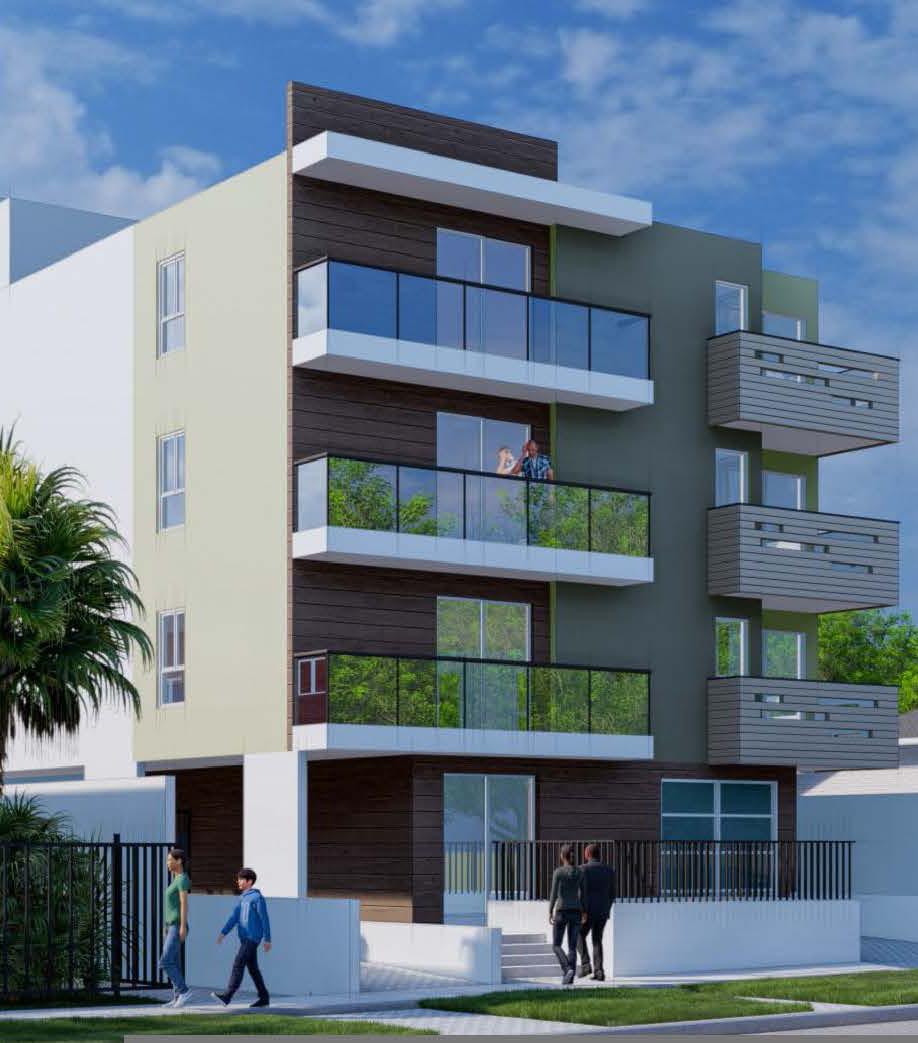
Senate Bill (SB) 8 went into effect on January 1, 2022. SB 8 marks the first major amendment to the Housing Crisis Act of 2019, which was established through the adoption of SB 330, to enhance occupant protections and replacement requirements. SB 330 aims to streamline the review of qualifying projects, in addition to limiting downzoning, as part of a concerted effort to incentivize the production of new housing units in balance with stronger preservation tools.
First and foremost, SB 8 extends the term of the Housing Crisis Act through 2030 for most projects and expands unit replacement requirements and occupant protections to ministerial projects and single-unit projects. Additional guidance and training are forthcoming in early 2022.
Applicants should contact Planning.PARP@lacity.org for general questions on the implementation of SB 8 and for any inquiries on the process for vesting preliminary application. Otherwise, LADBS.AHS@lacity.org is available to answer general questions on SB 8 implementation as it relates to ministerial projects, along with LAHD-Landuse@lacity.org for specific questions on occupant protections and replacement obligations.
|
|
|
|
Chinatown Redevelopment Plan Expires |
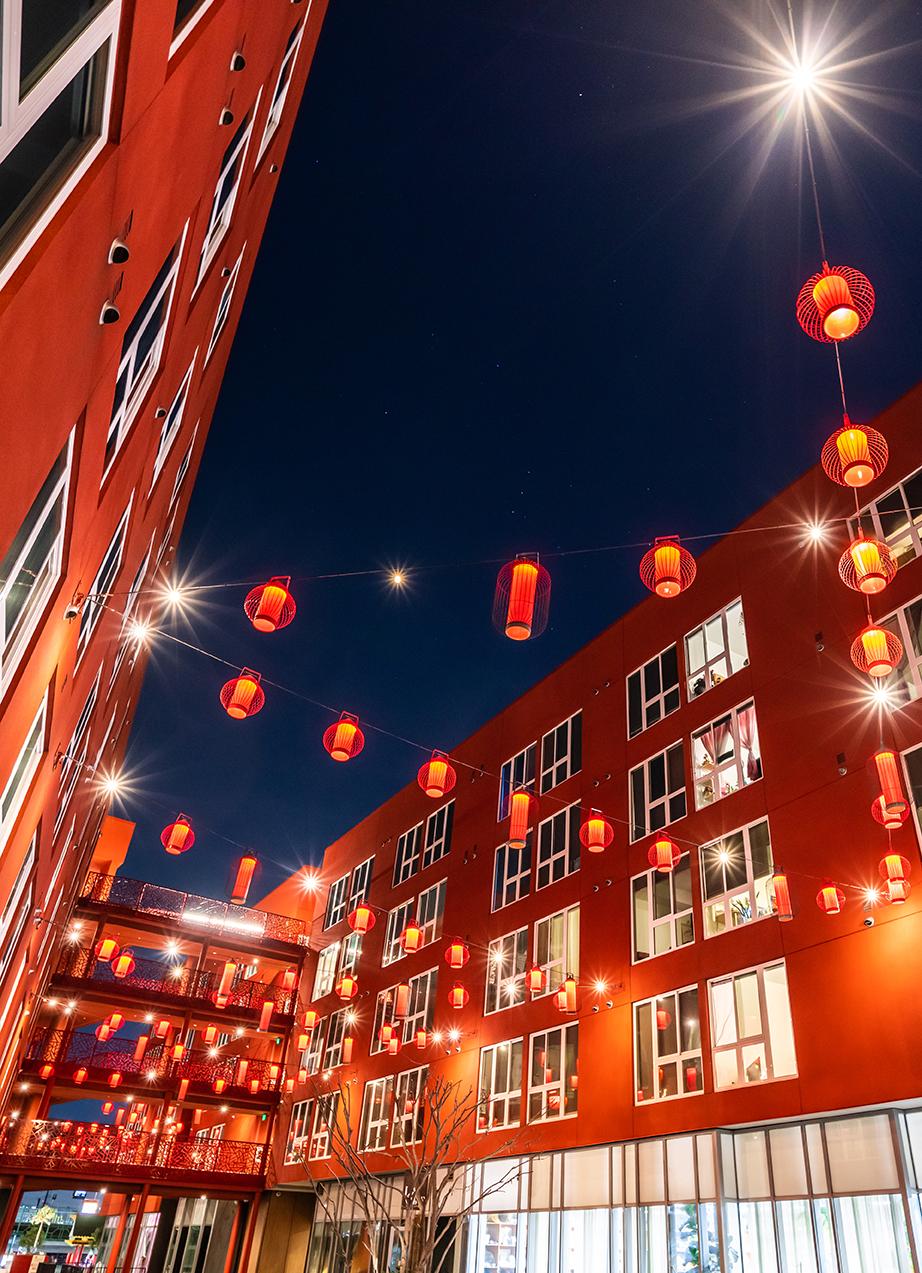
On January 23, the Chinatown Redevelopment Plan officially expired. Adopted in 1980, the plan was created to largely incentivize the development of affordable housing while promoting orderly growth and preservation of the Chinatown community’s distinctive character. New development projects will no longer be subject to the provisions of the Chinatown Redevelopment Plan, or require the approval of a Redevelopment Project Area building permit clearance or entitlement.
Projects will continue to be subject to existing zoning regulations and any applicable plan overlay. Applicants with approved or pending Redevelopment Plan entitlements may request to terminate the Redevelopment Plan entitlement, and those with a vested approval granted under the Plan may utilize the vested approval; however, they will not be able to modify their project.
For general questions, please email planning.redevelopment@lacity.org. Project-specific questions for City Planning entitlement cases should be directed to the assigned planner.
|
|
|
|
Revised Senate Bill 35 Memo |
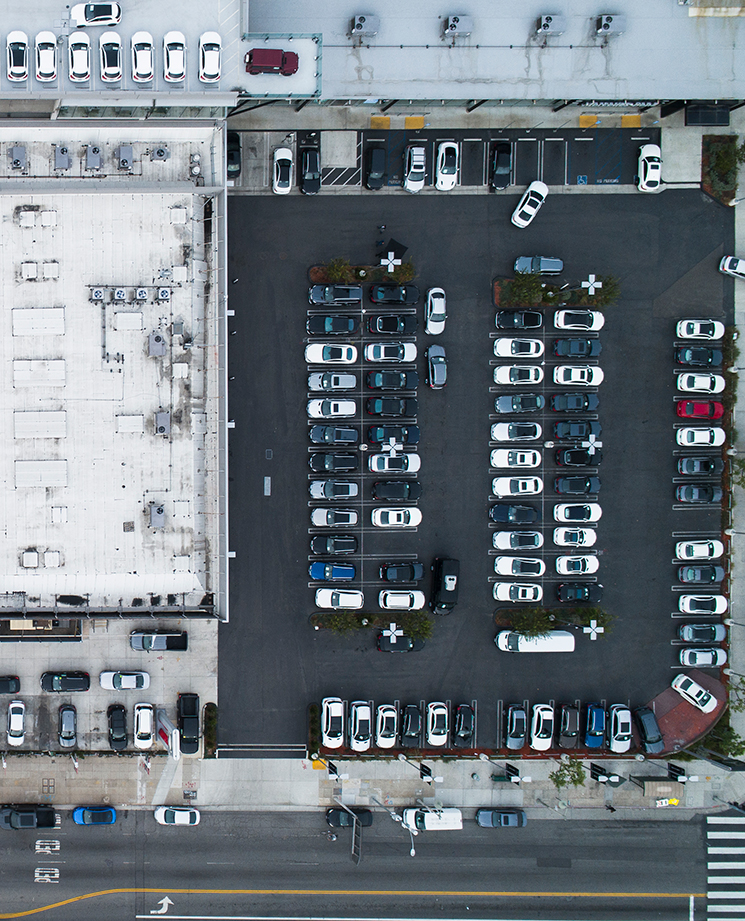
Last month, City Planning released a revised memo on Senate Bill 35 (SB 35) to replace the Department’s previous memo issued on September 16, 2021. This memo provides additional guidance on the review of SB 35 projects located within “P” Zones (i.e. Automobile Parking).
The revised memo clarifies that projects located within a “P” zone are able to take advantage of the streamlined review process, as outlined under SB 35, and utilize the maximum density of that site’s General Plan Land Use Designation without triggering the need for a Zone Change.
SB 35 was adopted by the California Legislature in 2016 to streamline housing development in cities where production levels have fallen short of their regional housing needs assessment, and to establish a ministerial review process for the review of new housing units under construction.
|
|
|
|
Mailing Notification Requirements |
As mentioned in the November 2021 monthly newsletter, City Planning updated its mailing notification procedures to require a copy of the applicable notification map and Perjury Statement at the time of case filing, with the remaining notification materials, including mailing labels, requested by Project Planning staff when needed.
Based on feedback received, City Planning has further modified its mailing procedures. As of January 1, 2022, the applicable notification map and Perjury Statement shall no longer be required at the time of case filing. Instead, a copy of a ZIMAS map identifying all contiguously owned properties shall be provided to DSC staff, and Project Planning staff will request all notification materials from the applicant approximately six to eight weeks before scheduling a public hearing or issuing the determination letter, including the applicable notification map and Perjury Statement.
Please note that procedures for notification of case filings to Neighborhood Councils remain unchanged. For detailed instructions, consult the Mailing Procedures Instructions ( CP-2074). |
|
City Planning Presents at Urban Land Institute and American Planning Association |
|
On January 18, Director of Planning Vince Bertoni and the Zoning Integration Program (ZIP) team provided an overview of the upcoming new Zoning Code to members of the Urban Land Institute (ULI) and American Planning Association (APA), in addition to answering question on the City’s proposed modular zoning system the Department has developed to better regulate the built environment and the uses permitted on-site to meet the specific needs of a community.
Los Angeles’s proposed modular zoning structure—consisting of five key modules, or “districts”: Form, Frontage, Development Standards, Use, and Density. While Form, Frontage, and Development Standards regulate the built environment, Use and Density refer to the activities allowed on a site. The new Zoning Code is organized in a clear, consistent way that is easier to navigate and constructed in a way to enhance desired outcomes through objective standards.
The new Zoning Code will be rolled out through the Community Plan Update process. Upon implementation, Los Angeles will be better positioned to evaluate buildings’ physical characteristics in relation to surrounding areas, from their height to the facade’s interaction with pedestrians and everything in between. |
|
Ventura-Cahuenga Boulevard Corridor Survey |
|
As part of the ongoing work program to update the Ventura-Cahuenga Boulevard Corridor Specific Plan, City Planning is inviting Angelenos to participate in a survey of the community’s priorities for public improvements and future fee expenditures.
The City is exploring ways to increase investment in the public right-of-way along the corridor and collecting feedback about community members’ desires for mobility, safety, and streetscape improvements. For background information about this work program, please review the video recording and slides from City Planning’s joint sessions with LADOT.
Due to the size of the Specific Plan area, the survey divides the Corridor into 13 segments. Participants are welcome to submit feedback on more than one segment of the Corridor.
|
|
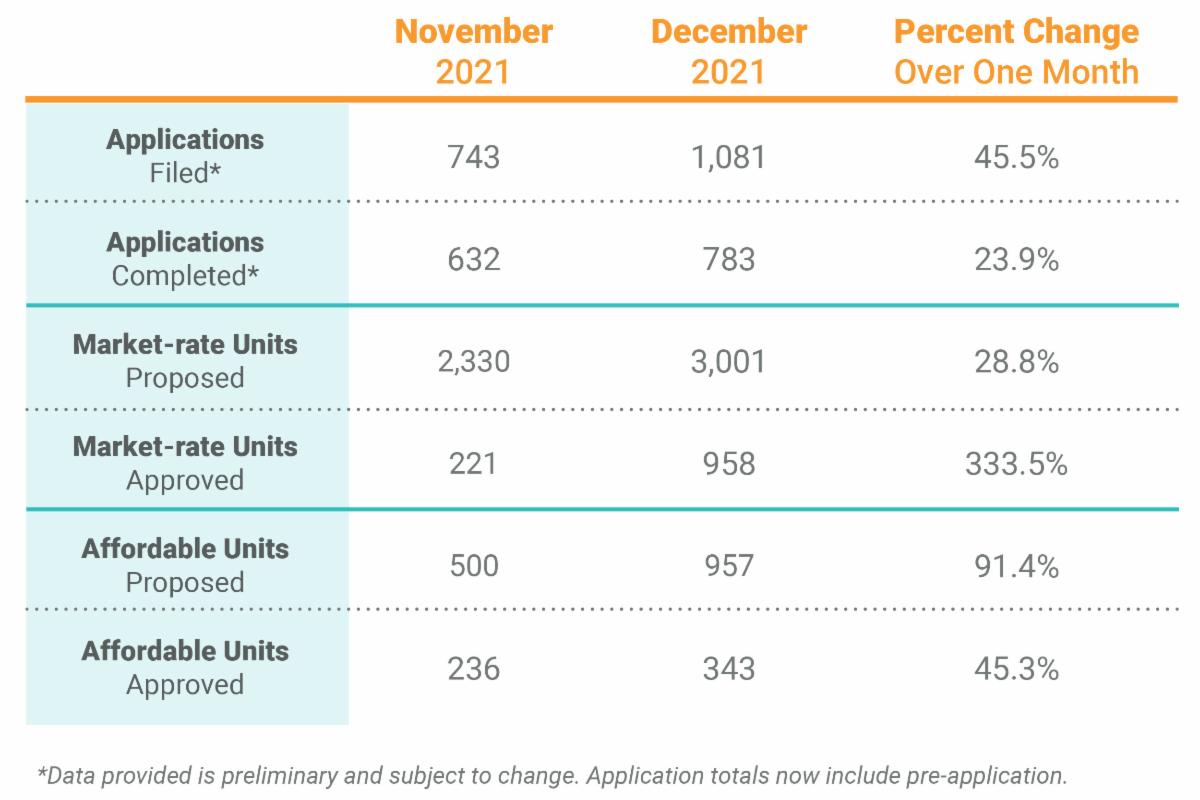
December saw a sharp increase (45.5%) in the number of applications filed. City Planning also added 957 units of affordable housing to the development pipeline in December, a more than 91.4% increase over the previous month, at a time when the need for new housing units across the City is more deeply felt than ever. |
|
|
|
- Preparing final Letter of Determination (LOD), and additionally requested studies, to be transmitted to the City Clerk in advance of presentation to PLUM Committee
- Preparing the Final Environmental Impact Report
- City Planning Commission recommended approval of the Draft Plan and Zoning in September 2021 (details here)
- Released revised materials in advance of City Planning Commission hearing, including Zoning, Plan Text, Land Use Map, and Community Benefits Program in June 2021
|
|
|
|
- Preparing Draft Zoning and EIR for the Harbor LA Community Plans Update
- Released updated Harbor LA StoryMap with new zoning info, Comment Summaries and more in December 2021
- Released the Draft Policy Document for the Harbor Gateway Community Plan in July 2021
- Released the Draft Policy Document for the Wilmington-Harbor City Community Plan in May 2021
|
|
|
|
- EIR to be initiated in Fall 2022
- Release of General Plan Land Use Map in Summer 2022
- Outreach for Ventura-Cahuenga corridor in February/March 2022
|
|
|
|
- Additional public outreach to come in early 2022 on updates to the Draft Land Use Designation Map (previously released in December 2020)
- Preparing draft Zoning and EIR for the SW Valley Community Plans Update
- Released recorded webinars of the Draft Land Use Designations in December 2020
|
|
|
|
- Refining Draft Plan Concepts
- Preparing for continuous outreach efforts to diversify and expand public participation
|
|
Nishiyama Residence/Otomisan Japanese Restaurant |
|
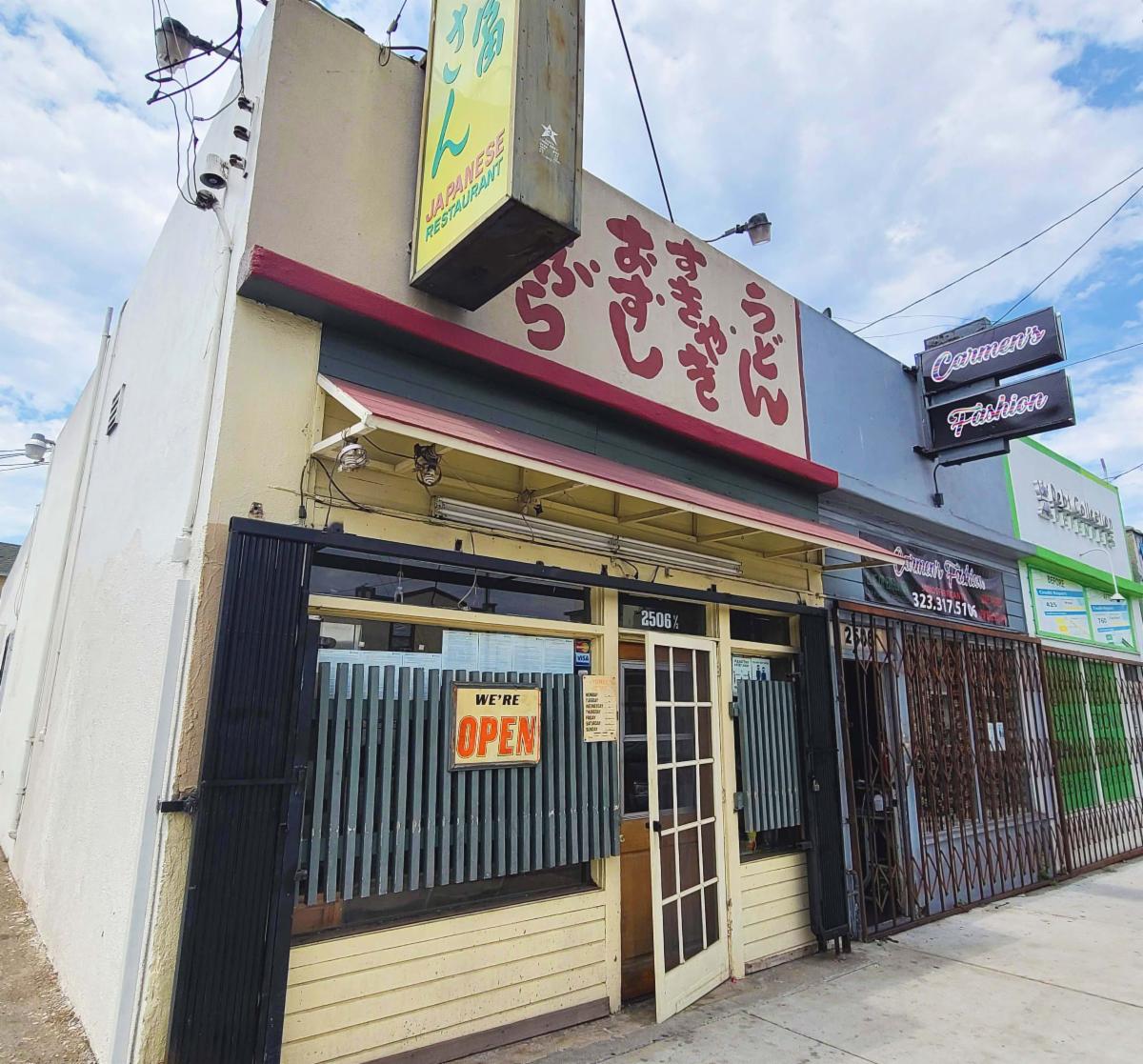
Recently designated as a City Historic-Cultural Monument, the Nishiyama Residence/Otomisan Japanese Restaurant is representative of Japanese American entrepreneurship before and after World War II in Boyle Heights. The Nishiyama family, who owned the property in 1925 and resided in the Queen Anne style house at the rear, constructed a commercial building on the lot to create economic mobility during a time when opportunities for Japanese Americans were restricted due to land ownership, housing, and job discrimination.
The commercial building originally housed a Japanese-operated grocery store, and was later occupied by a Japanese-operated florist shop and barber shop before Otomisan opened in the mid-1950s. Dining establishments like Otomisan are part of a larger history of Japanese American commercial development in Boyle Heights.
Many Japanese immigrants who settled in Los Angeles before 1900 worked in the restaurant business, and locales like this have served as important anchors of the Japanese American community in Boyle Heights for decades. In fact, this is believed to be the last Japanese restaurant serving the area. For more information on Japanese American historic places in Los Angeles, explore the Japanese Americans in Los Angeles Historic Context Statement. |
|
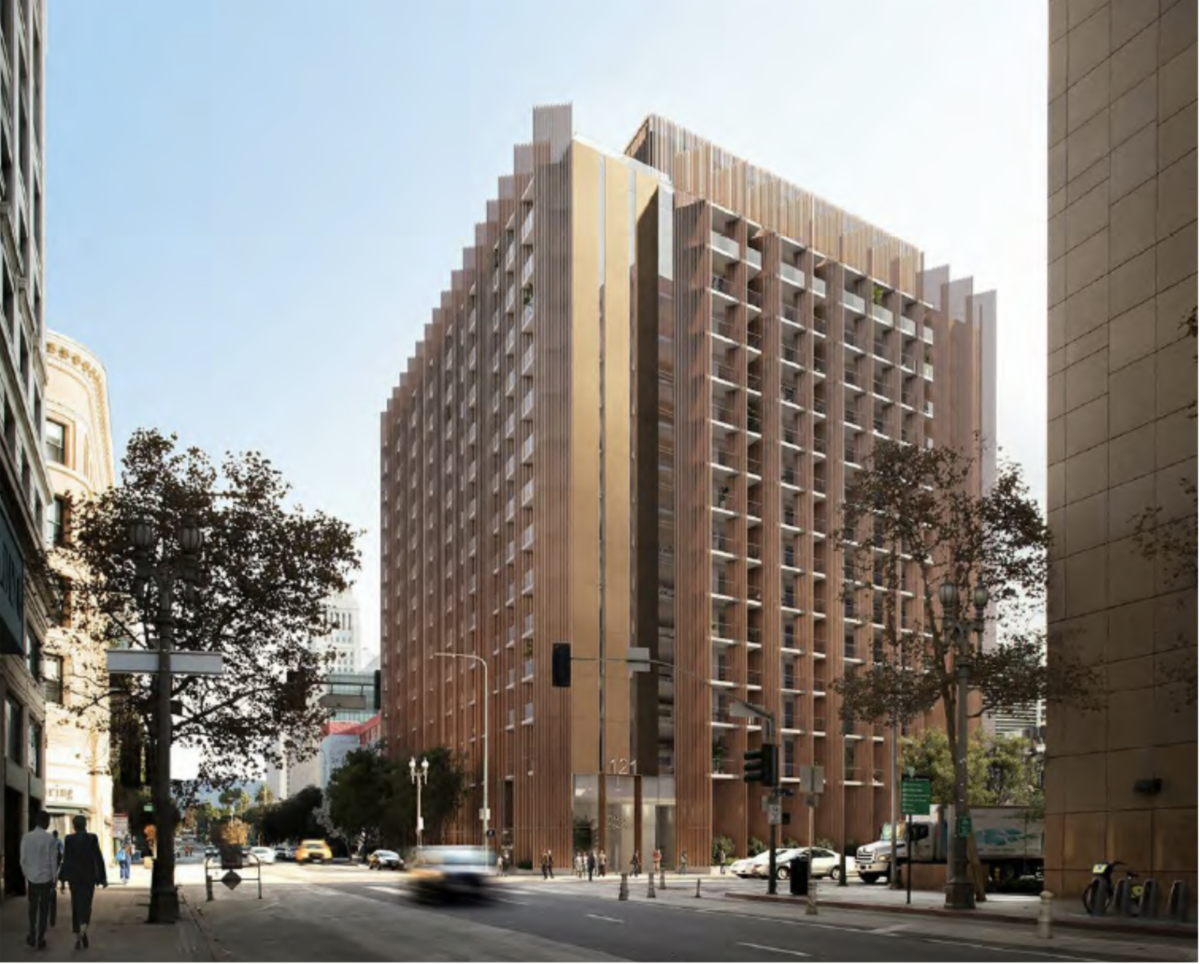
On January 13, the City Planning Commission voted to approve the construction of a 15-story, 243,973-square-foot, mixed-use building in the Central City Community Plan, at the northeast corner of West Third and South Spring Streets. The building will contain 331 modular residential units, including 37 dwelling units set aside for Very Low Income Households, along with ground floor retail uses. The residential units will include 60 studios, 216 one-bedroom units, and 55 two-bedroom units, along with over 34,000 square feet of open space for residents, including a rooftop pool, fitness center, and lounge. The project was approved as a Density Bonus project with waivers to allow an increase in height and floor area and a reduction in required parking.
|
|
February City Planning
Commission Meetings
|
|
|
February Area Planning
Commission Meetings
|
|
Central: February 8, 22
South Los Angeles: February 1, 15
South Valley: February 10
West: February 2, 16
East: February 9, 23
Harbor: February 1, 15
North Valley: February 3, 17
|
|
February Cultural Heritage
Commission Meetings
|
|
|
LOS ANGELES
CITY PLANNING
|
|
Sign up to receive citywide planning updates by email
|
|
|
|
|
|
|
|
|