|
|
Because Digestive Health Matters |
International Foundation for Gastrointestinal Disorders March 2022 eNewsletter |
|
|
Greetings!
March is recognized as National Nutrition Month. Do you notice a change in your symptoms depending on what you eat?
If so, then you are not alone. For many people living with a chronic gastrointestinal (GI) disorder, food can profoundly affect symptoms. People even find that their symptoms get worse following a meal, and certain foods may exacerbate or alleviate symptoms.
The relationship between what we eat and digestive symptoms are not always clear-cut. Often, learning how to maximize nutrition while limiting food-related symptoms can be challenging. When questions arise it is important to consider seeking support from a registered dietitian (RD) or other nutrition support specialists, such as a healthcare provider or therapist who can help you identify your triggers and design a dietary plan to meet your individual needs.
|
|
|
|
IFFGD has partnered with Coordination of Rare Diseases at Stanford (CoRDS) to create a congenital sucrase-isomaltase deficiency (CSID) questionnaire.
CSID is a genetic disorder that affects a person’s ability to digest certain sugars.
Other names for CSID include genetic sucrase-isomaltase deficiency (GSID), congenital sucrose intolerance, congenital sucrose-isomaltose malabsorption, disaccharide intolerance I, SI deficiency, or sucrase-isomaltase deficiency.
Click here to share your insight and experience. This module takes approximately 20 minutes to complete.
|
|
Chronic or recurring diarrhea (loose, watery, or frequent stools) can occur in various digestive disorders.
Someone who suffers from chronic diarrhea may find their symptoms are controlled (to some extent) and improved quality of life when they make diet and lifestyle modifications.
The suggestions provided at the link below may not work for everyone. If you have more than mild, short-term diarrhea, you should consult a healthcare provider to obtain a diagnosis and receive specific treatment tailored to your needs.
Click the button below to learn more about diet and lifestyle modifications for managing chronic diarrhea.
|
|
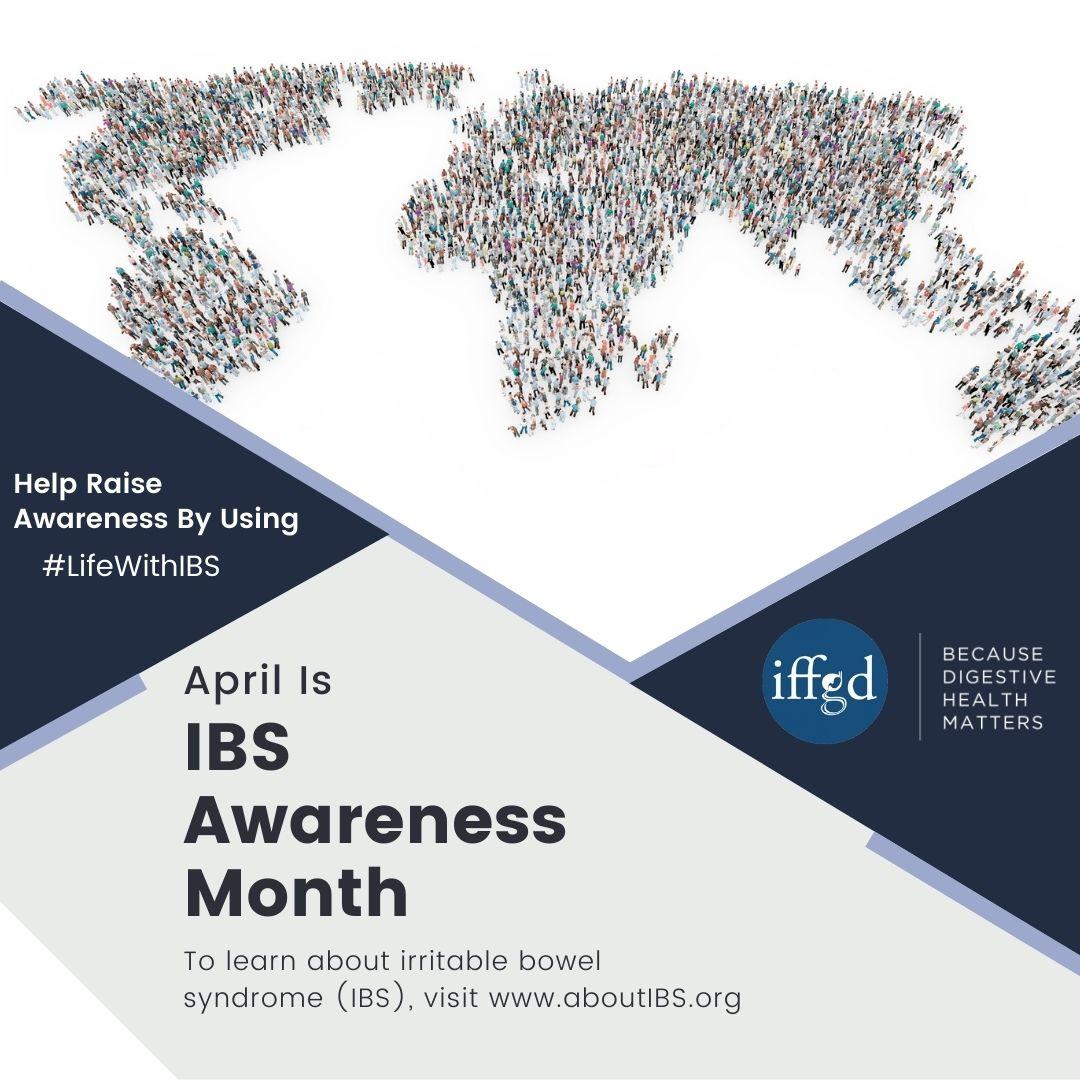
Every April, we focus on important health messages about irritable bowel syndrome (IBS) diagnosis, treatment, and quality of life issues.
The more we work together to raise awareness for IBS, the greater our ability to impact positive outcomes, such as increased research, increased educational opportunities, and improved patient care for those living with IBS.
Next month, we will focus our conversation around the different types of IBS to better understand what it is like for those who suffer from this condition and how caregivers and/or the general public can support individuals with IBS.
Click the button for information on how you can help raise awareness this April.
|
|
Irritable bowel syndrome (IBS) affects up to 10–15% of adults and has a significant worldwide prevalence.
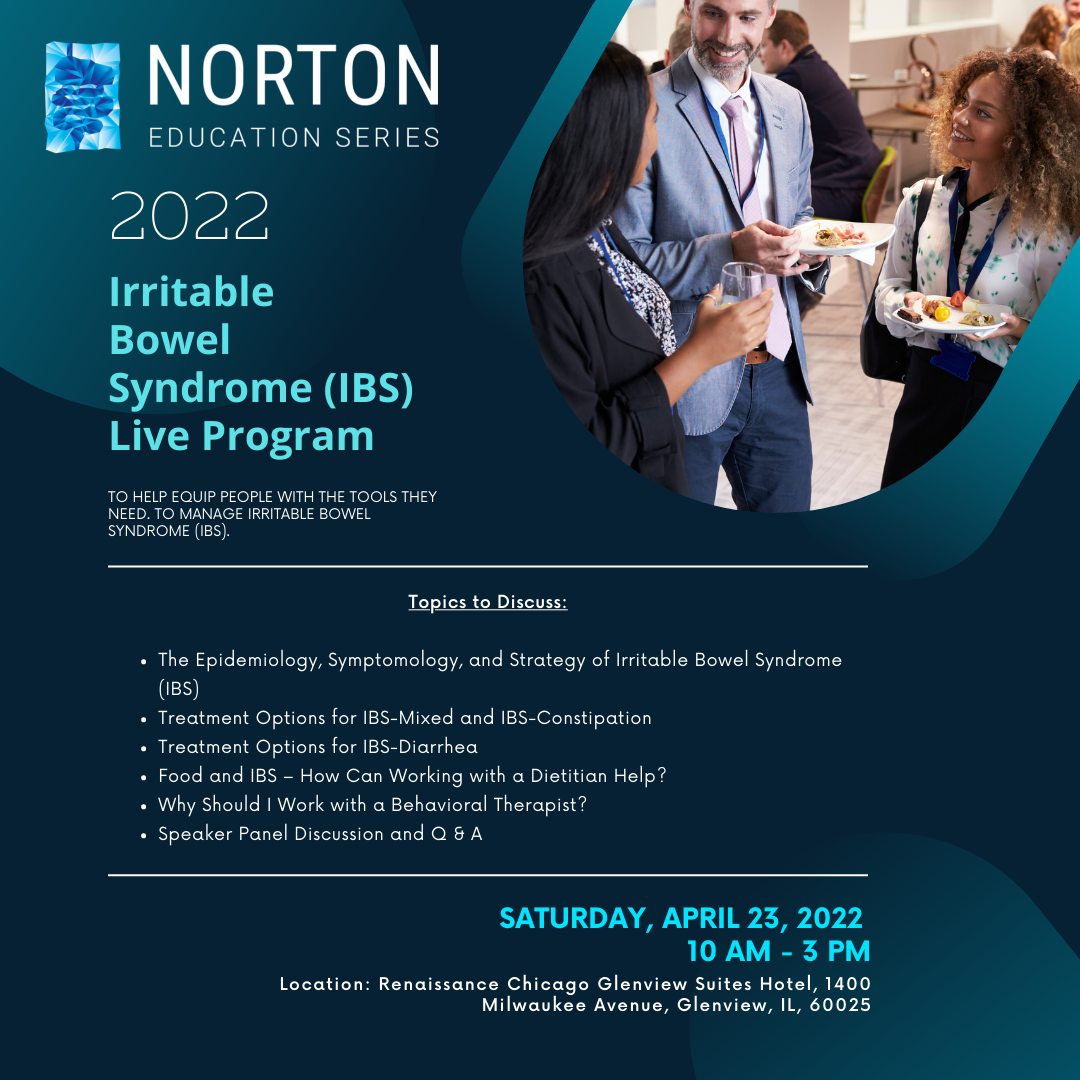
This year's Norton Patient Education Series (NES): IBS Edition is a free 1-day event featuring live educational presentations for patients and others impacted by irritable bowel syndrome. This event will be held in Chicago, Illinois, on Saturday, April 23, 2022, starting at 10:00 AM CT.
The Norton Patient Education Series: IBS Edition will equip individuals with the tools they need to manage their IBS symptoms.
Topics to Discuss:
- The Epidemiology, Symptomology, and Strategy of Irritable Bowel Syndrome (IBS)
- Treatment Options for IBS-Mixed and IBS-Constipation
- Treatment Options for IBS-Diarrhea
- Food and IBS – How Can Working with a Dietitian Help?
- Why Should I Work with a Behavioral Therapist?
- Speaker Panel Discussion and Q & A
You do not want to miss this year's event. Click here to register, review the NES event agenda, and read about our 2022 speakers.
*As we return to in-person events, we will closely monitor the CDC regulations regarding COVID19. We will implement requirements based on the CDC and the event location guidelines for this program. Lastly, we will keep all registrants informed about the requirements and protocols that we will implement for the 2022 in-person NES event. Please do not hesitate to reach out to our staff at iffgd@iffgd.org with any questions and/or concerns.
|
|
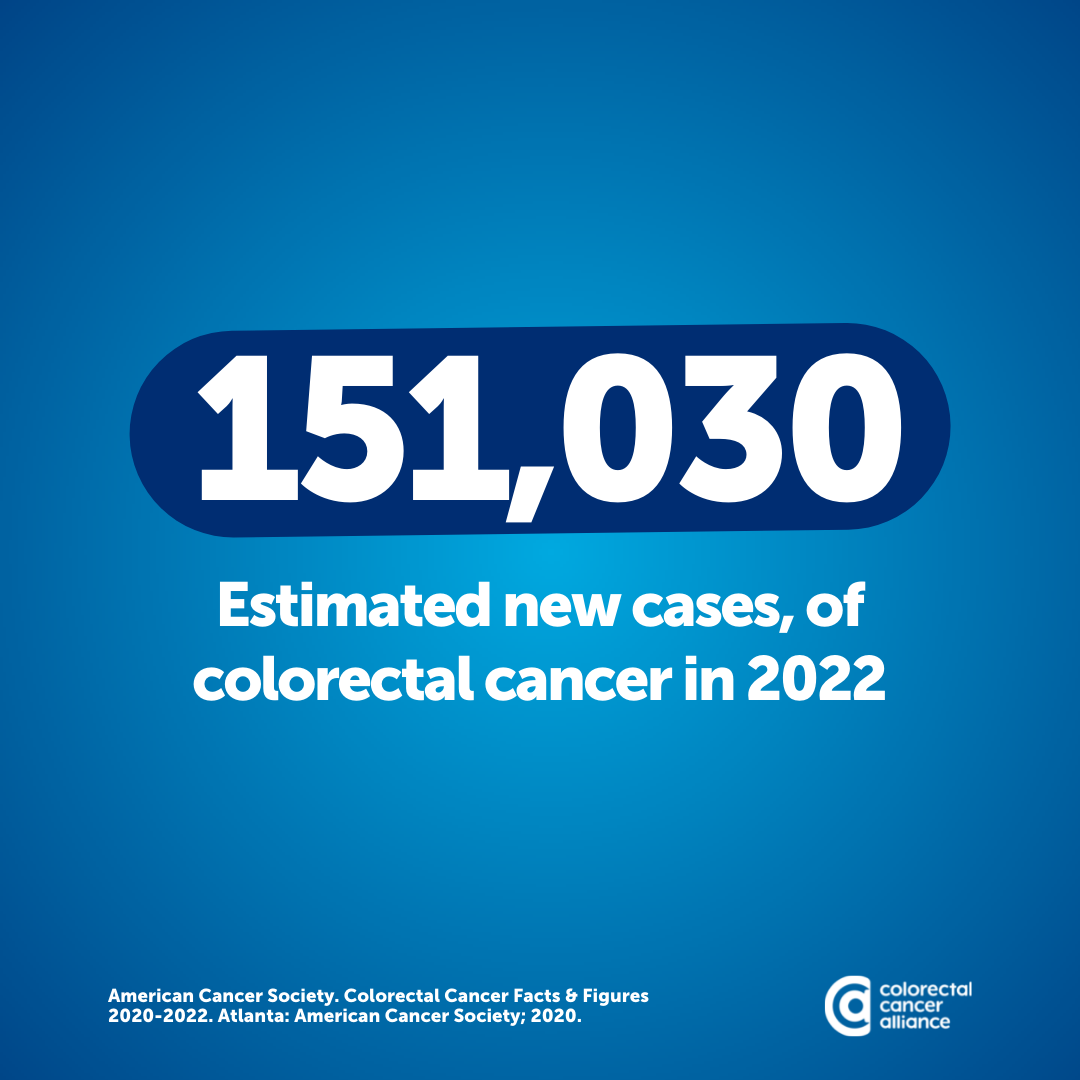
Colorectal Cancer is the third most common cancer diagnosis in both men and women and the second leading cause of cancer-related deaths.
Routine screenings can help detect precancerous polyps before they transform into cancer and allows millions of Americans to remain healthy.
Click the button below. learn more about colorectal cancer and the importance of getting screened.
|
|
Dietitians who specialize in GI disorders help educate patients about nutrition, understand their particular nutritional needs, and provide support through challenges related to diet and their symptoms.
Are you thinking about finding a dietitian to help you manage your GI symptoms with dietary modifications?
Click the button below to access IFFGD’s Dietitian Listing and search by your zip code, address, or disease state to find a dietitian in your area.
Are you a dietitian who specializes in GI disorders and would like to join our list? Email us today at iffgd@iffgd.org.
|
|
Clinical trials and research studies help to improve our understanding of the underlying mechanisms of diseases and advance the development of new and better treatment options. By participating in a study, you can help further the advancement of research and learn more about your condition.
Here are 3 studies currently recruiting participants:
|
|
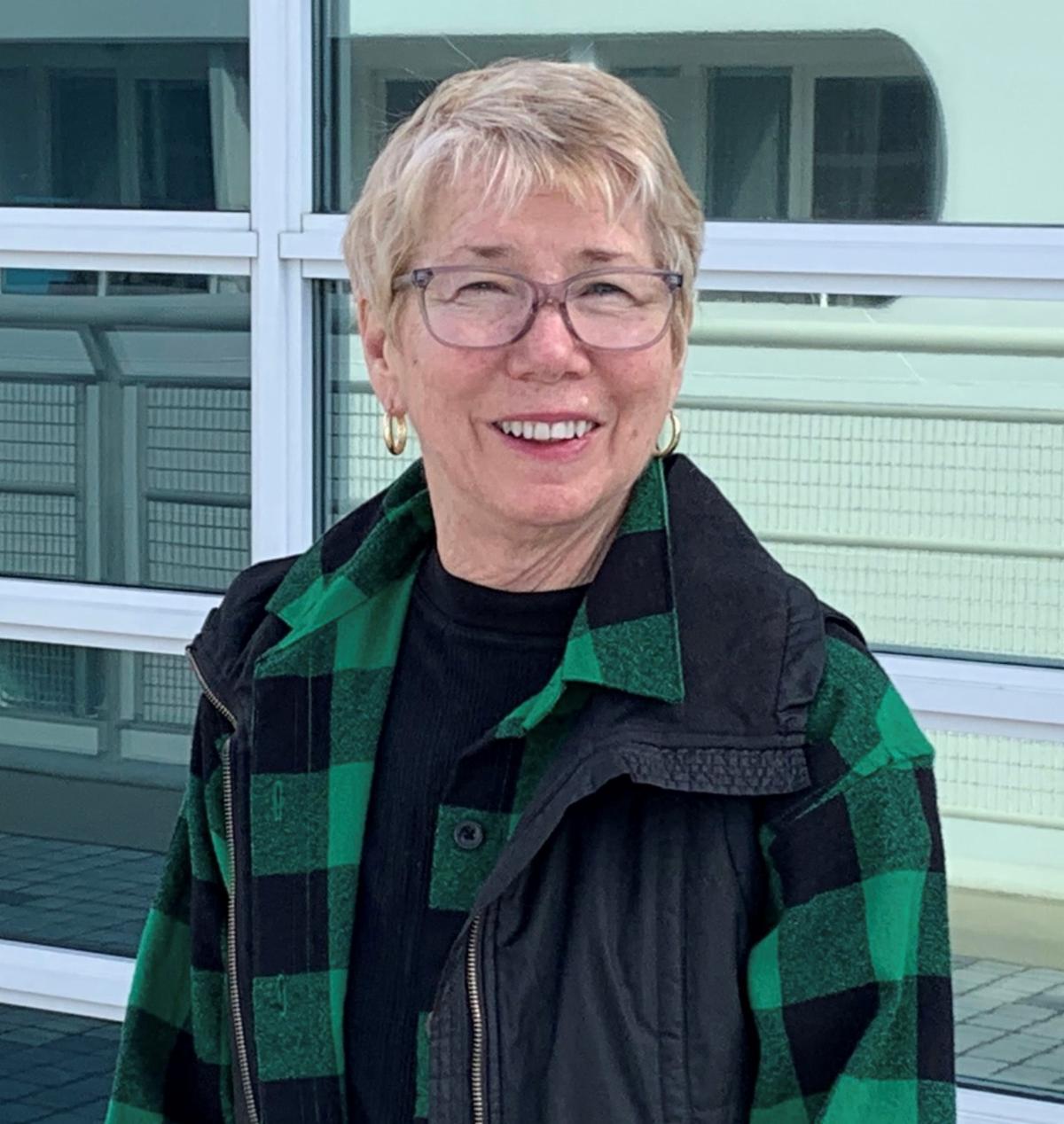
The IFFGD Officers and Board of Directors is the governing body of IFFGD that represents the general public we serve. Our Board includes physicians and healthcare professionals from various disciplines related to digestive health and incontinence and non-medical professionals from legal and business fields. This month we highlight Dianne Bach, IFFGD's Secretary/Treasurer.
Dianne Bach, 66, is retired and resides in Mount Pleasant, SC.
Dianne Bach worked for the American Gastroenterological Association (AGA) for 20 years; prior to that, she worked for Ketchum Communications for 17 years and Prevent Blindness for 3 years.
She has worked closely with IFFGD since 2017. As a volunteer, Dianne Bach assisted Ceciel (along with Dr. Michael Stolar, IFFGD BOD) in reinstating and revamping the IFFGD Industry Council. She also helped organize and facilitate meetings at ACG, DDW, and UEGW. Thanks to her support and industry knowledge, we currently have 11 companies on the council. Dianne Bach worked with Dr. Stolar and Ceciel on several projects, including a meeting in DC for 2019 with NIH, VA and, DoD.
|
|
|
Summary of Past Experiences:
AGA: Joined in 1995 Retired 2015. Responsibilities: Originally hired as VP of Communications and Marketing overseeing a department of 10. She helped increase membership from 7,000 to 17,000 over time, including a 15% increase in international members. She was promoted to Senior VP, Internal and External Affairs, then Senior VP International and Corporate Relations and Senior VP of the AGA Research Foundation. Dianne Bach launched numerous communications vehicles during that time. Along with Dr. Michael Stolar, they raised over $40 million for research and education. She managed a capital campaign that raised $10 million from members and industry. AGA assumed management of Digestive Disease Week in 2005 and, along with Dr. Stolar, Dianne Bach managed all DDW corporate sponsorship offerings, the revenue from which increased by 30%. While overseeing AGA’s international expansion, she created relationships with the following GI Societies: French, British, Spanish, Russian, Romanian, Mexican, Argentinian and Canadian. Dianne Bach helped create and manage major award-winning patient and physician education programs for AGA on topics such as ulcers, hepatitis, colon cancer and GERD. She also forged relationships with the Rome Foundation, CCFA, APhA and AAFP.
Ketchum Communications: Joined as an account executive in 1978; moved to AGA in 1995. During that time, Dianne Bach worked for various PR clients including, Bristol-Myers Squibb, Ross Labs, Abbott, the Aspirin Foundation and NACA. She managed 24 associates as SVP Group Manager of Healthcare in the Washington DC office. They created award-winning educational programs that received the highest award level by the PR Society of America.
Prevent Blindness: Joined nonprofit right out of College (University of South Florida BA Communications 1975). Dianne Bach was the area PR coordinator for five counties in Florida. She was responsible for walk at-thons and grassroots programs to raise money to support pre-school vision screening activities.
|
|
IFFGD is a nonprofit organization. We rely on donor support to fund research and to provide reliable information and support to those affected by chronic gastrointestinal disorders.
|
|
|
|
|
|
|