|
Sign Hill Stewards
Summer 2025 Newsletter
| | |
|
Greetings Sign Hill Stewards,
The winds have begun to carry upon them the sweet earthy smells of autumn and the season's earliest rainfalls have begun. With the change of weather it is a great time to share some the highlights from the past summer on Sign Hill.
We spent many of our workdays taking on some of summer’s peskiest weeds including sweet fennel, shortpod mustard, and wild radish. For some of these weeds we have made great strides bringing them under control in recent years. Meanwhile others, like sweet fennel, will require many years of work to overcome.
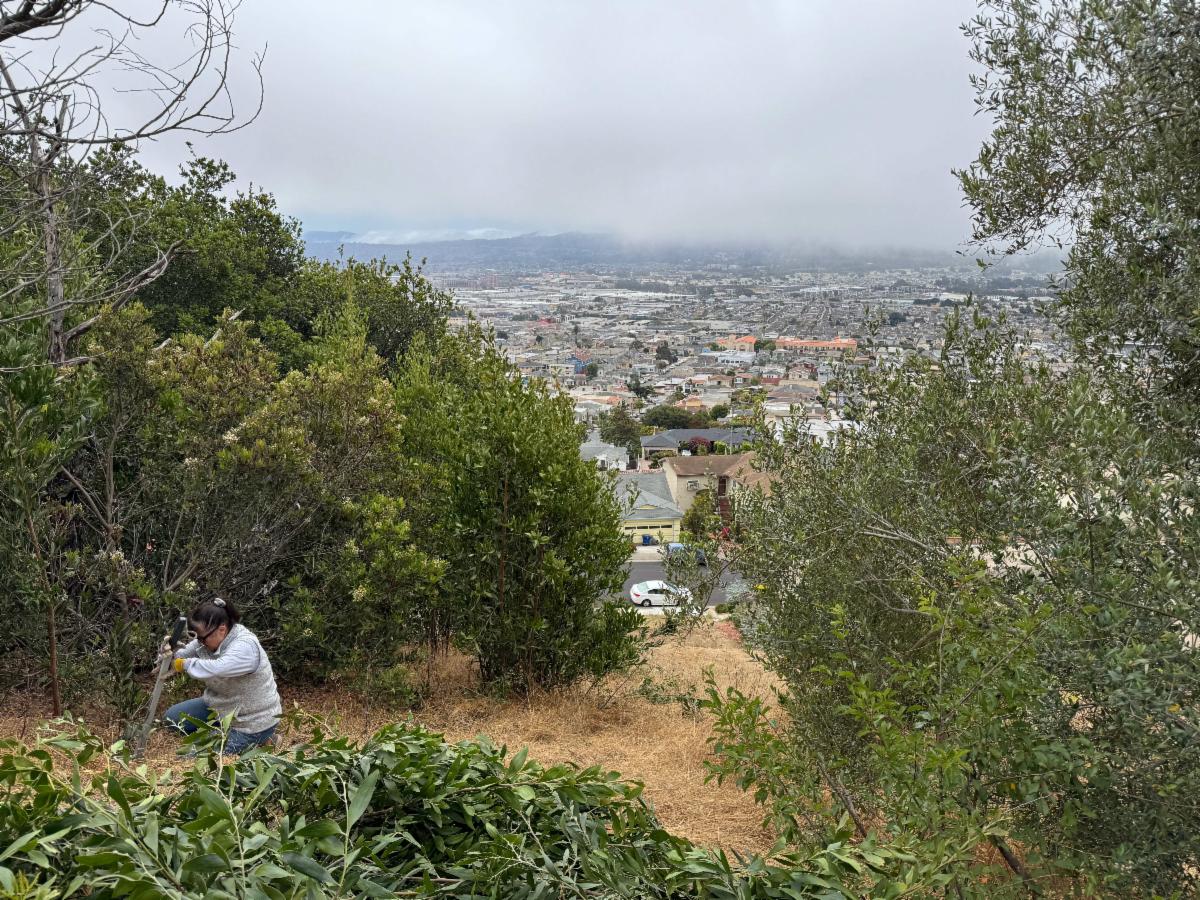
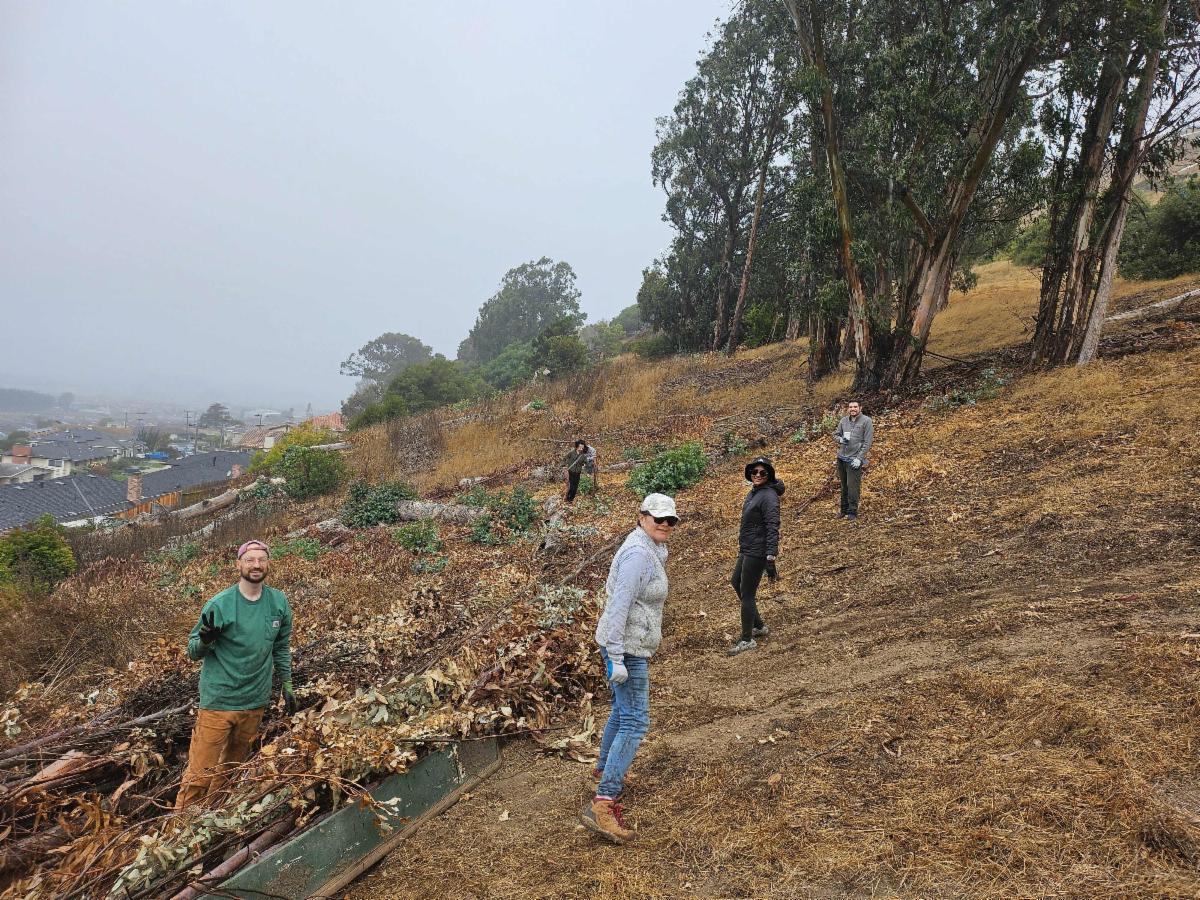
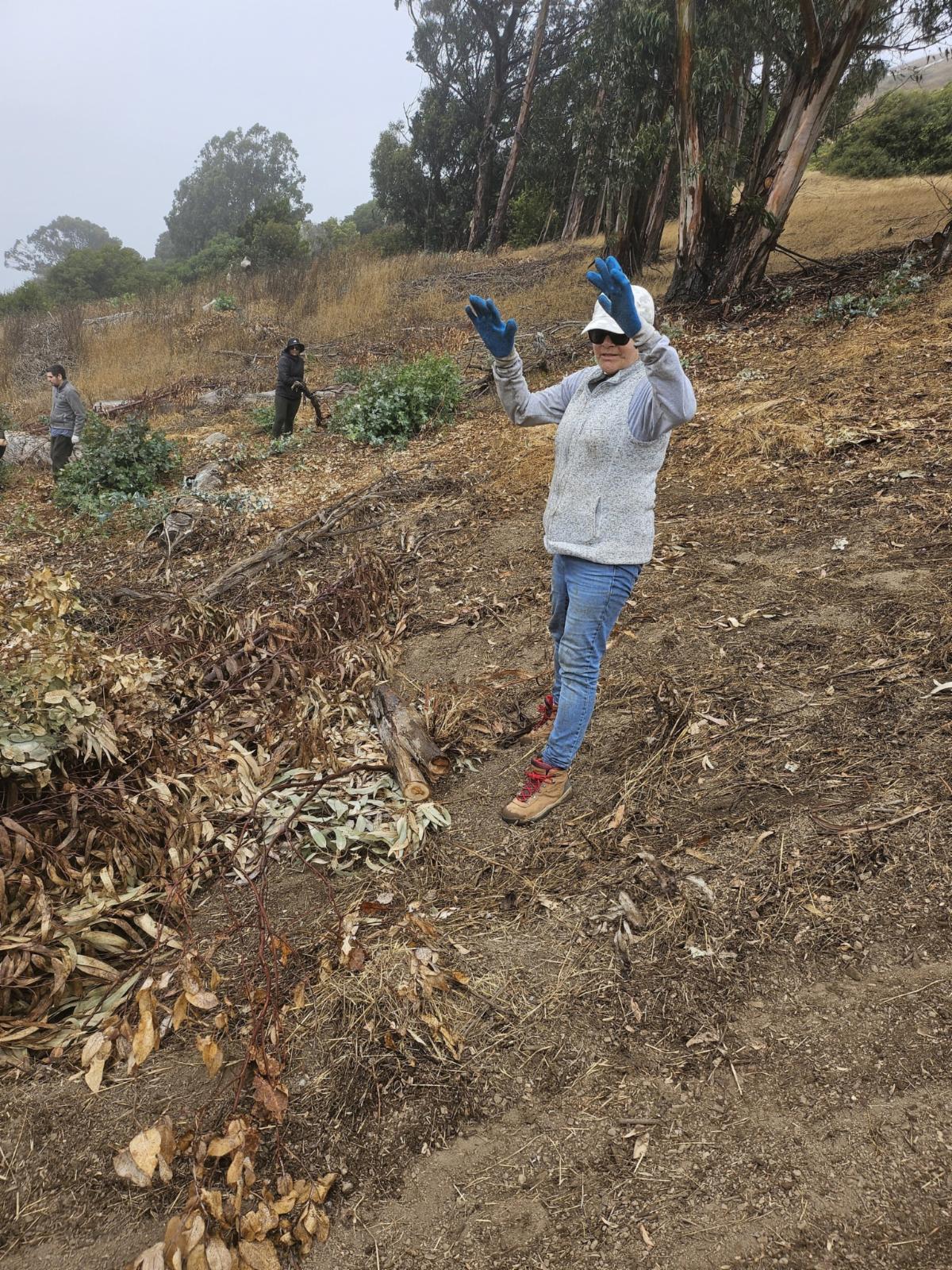
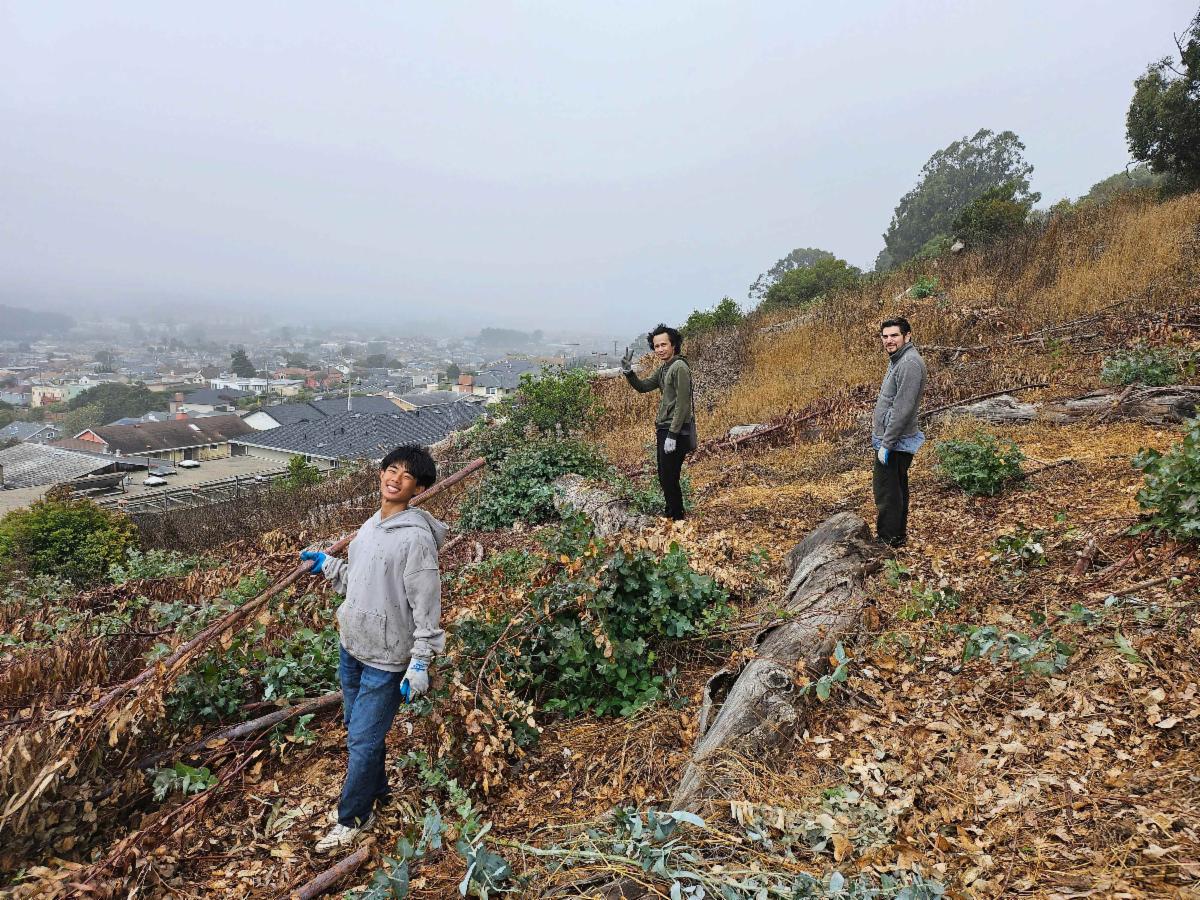
We also dedicated much of our time to combating regrowth of previously removed eucalyptus and acacia trees. These trees can grow back incredibly quickly and Sign Hill Stewards are working diligently to give these cleared areas the opportunity to reestablish as grasslands that can support native flora and fauna.
Sign Hill belongs to the community, and it takes a village to care for it. I would like to express my gratitude for the tremendous dedication of time and energy that Sign Hill Stewards have invested into the park this summer, and look forward enjoying the cooler, wetter weather together!
Candace LaCroix
Natural Resource Specialist
Leading the Sign Hill Habitat Restoration Project
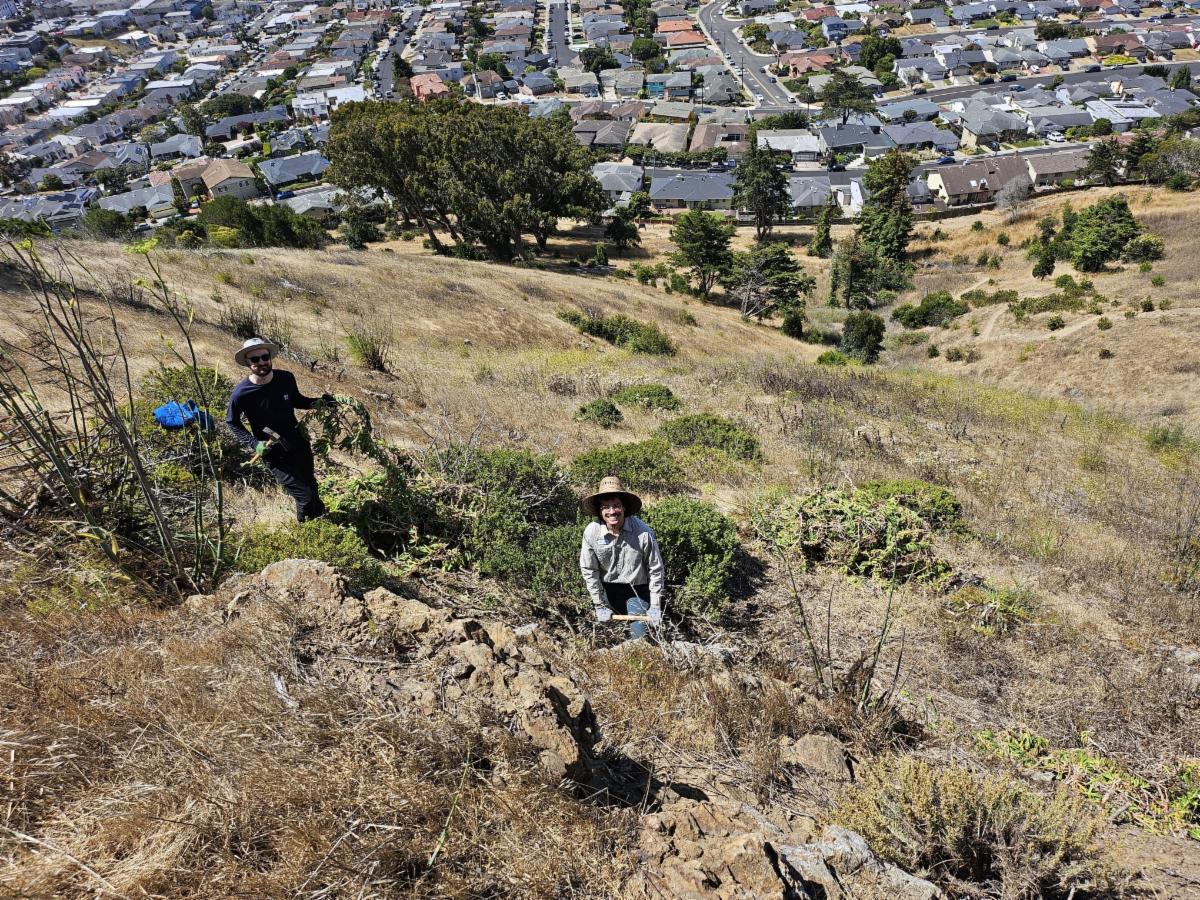
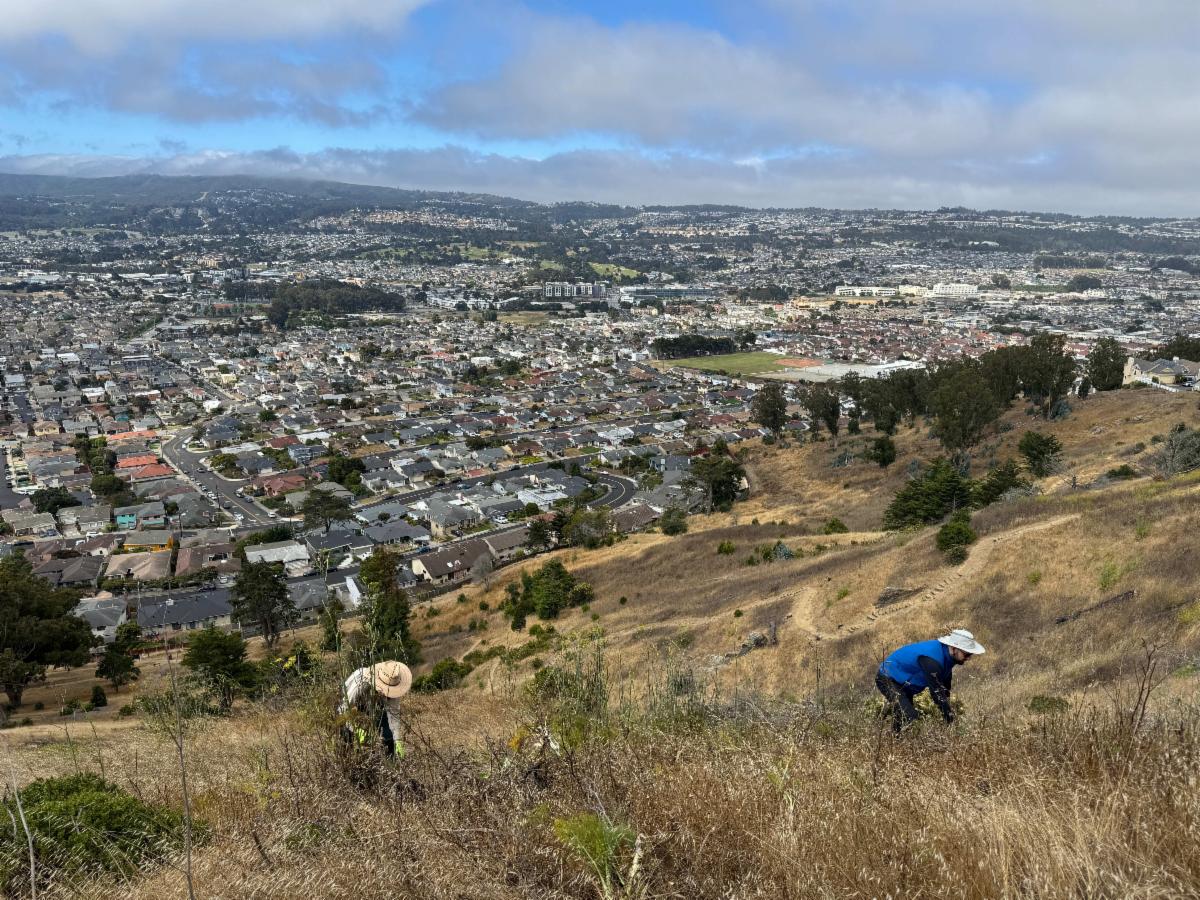
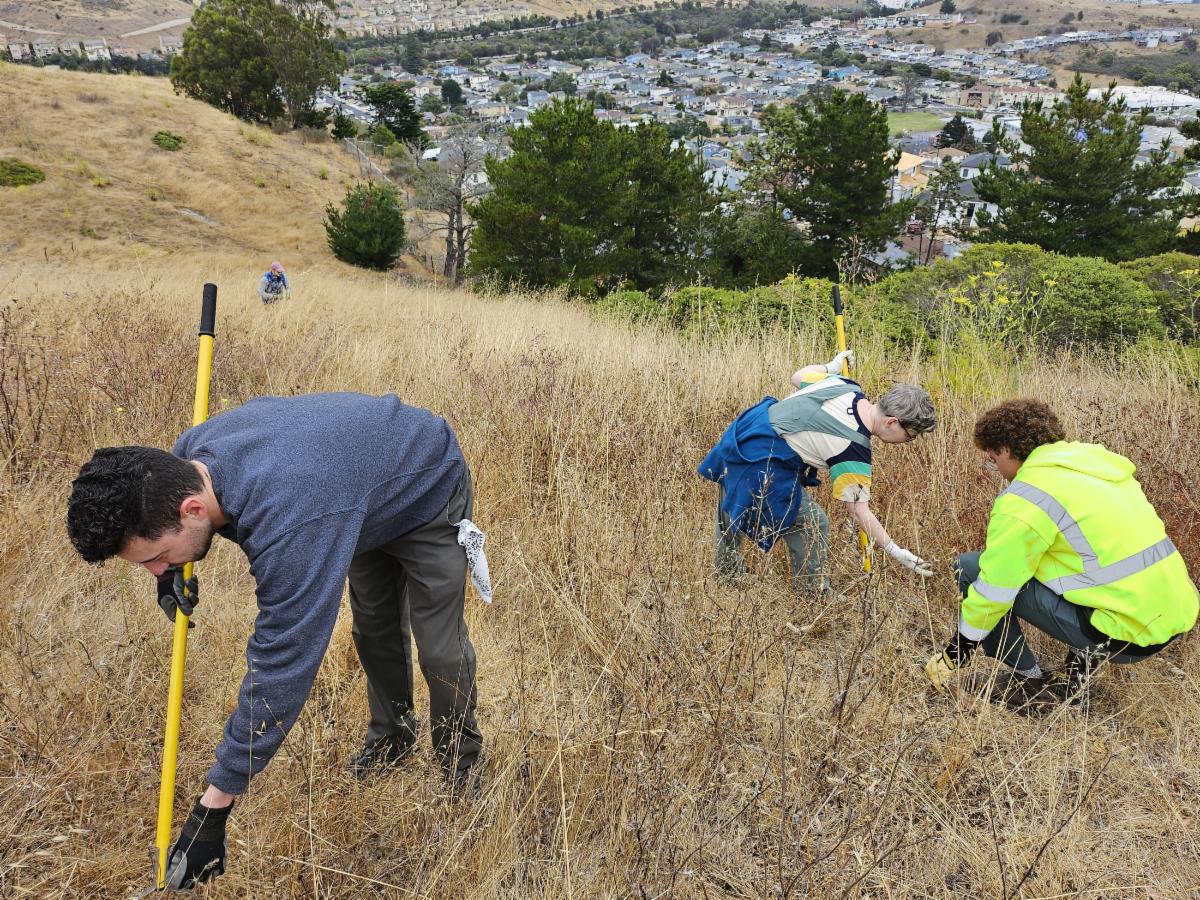
| | While spring may be when we have the greatest number of invasive plants cropping up, summer is just as important of a time for weed work. Many of these plants do not flower until summer and it is our last chance to remove them before they can set seed. | | Andrey and Joe tackle a patch of ice plant that was taking over a rocky outcrop on the southern slopes. | | Volunteers show their bravery making their way up and down Sign Hill's steep slopes. These weeds sure grow in some hard to reach places! | | |
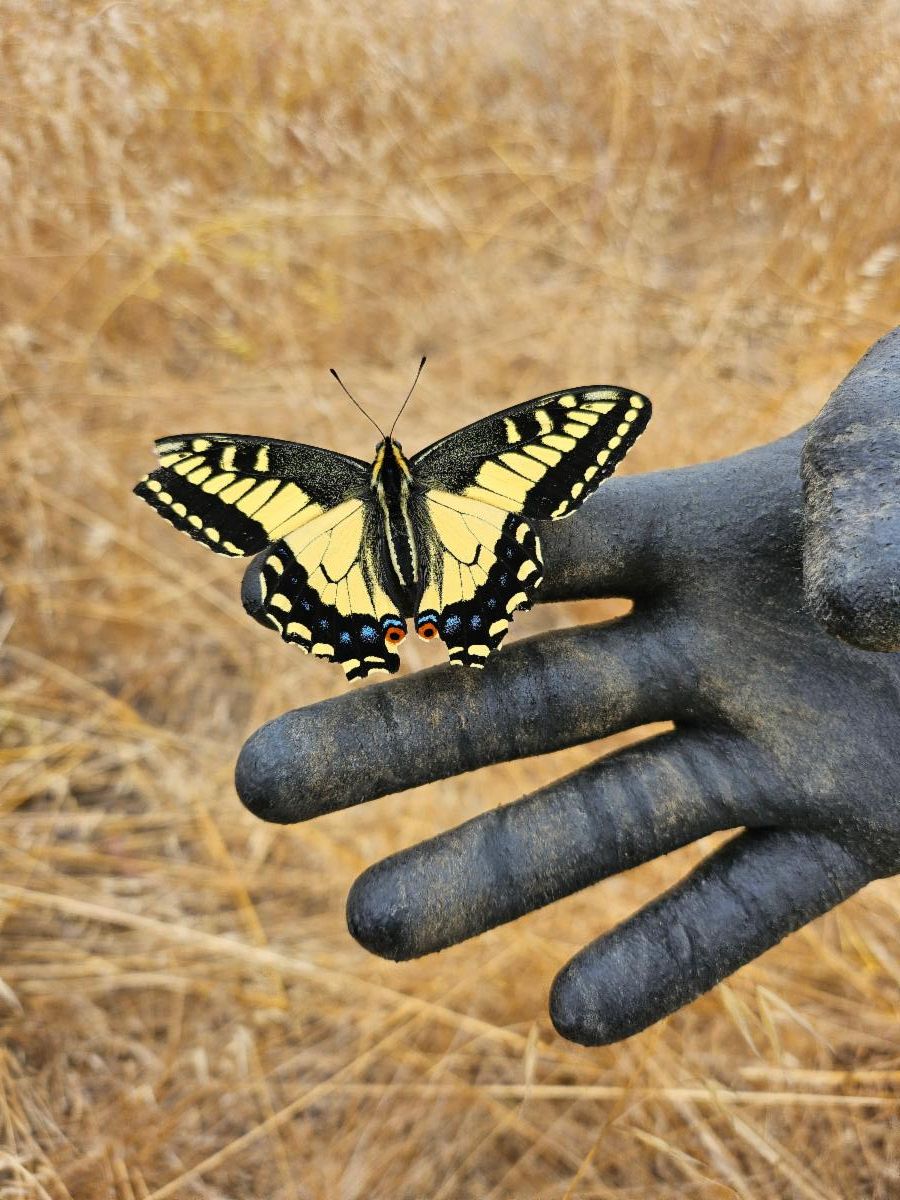
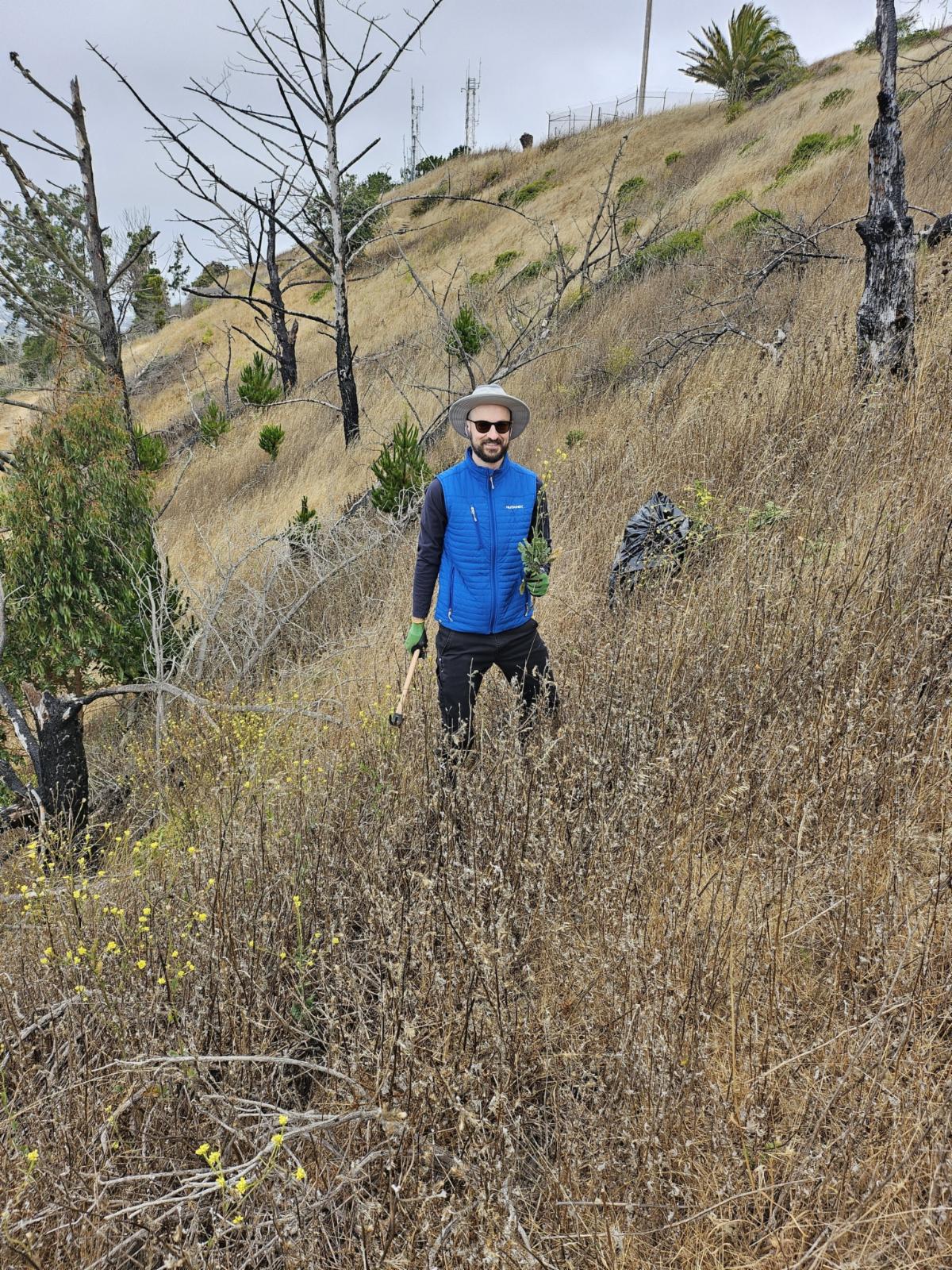
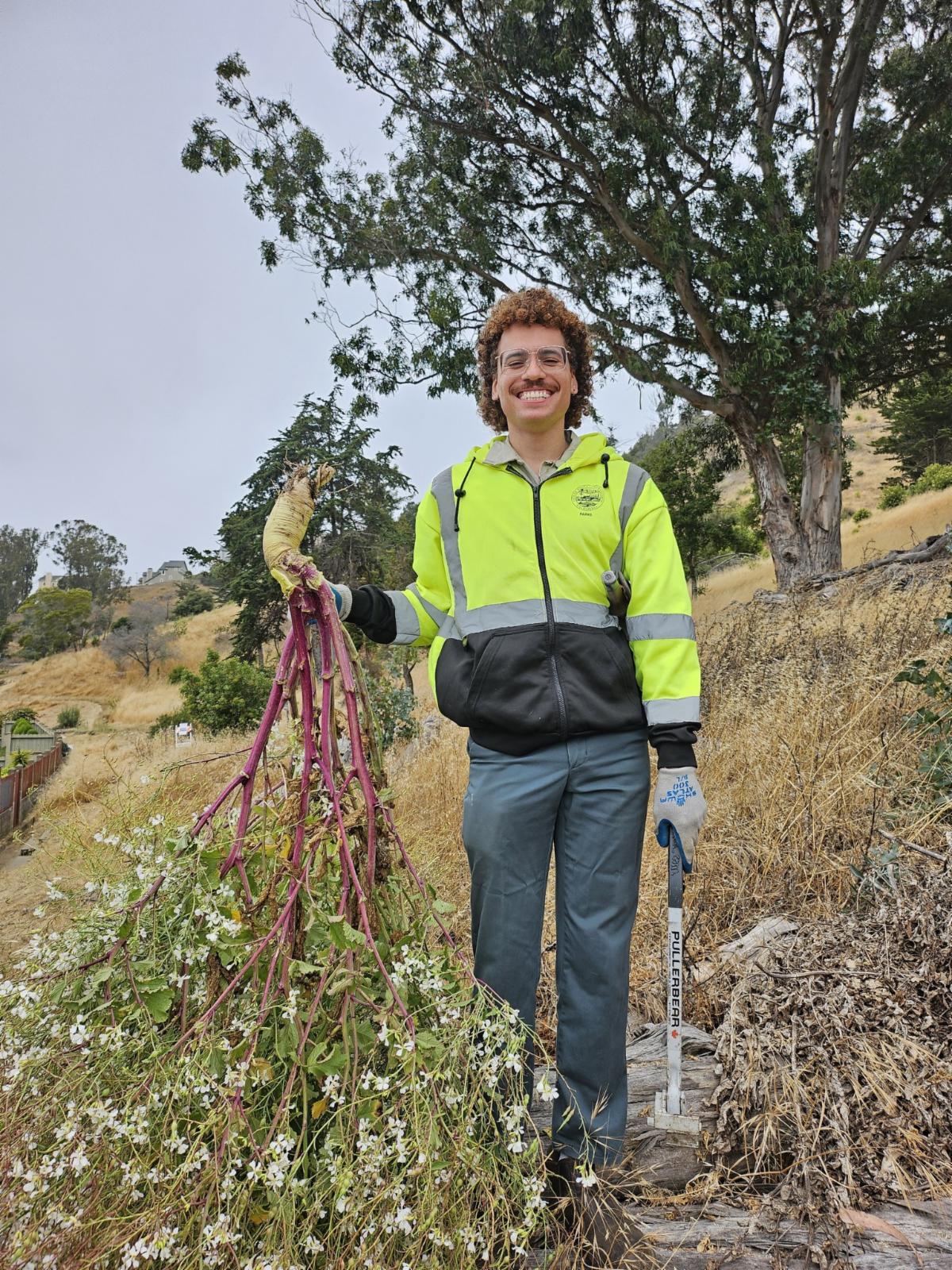
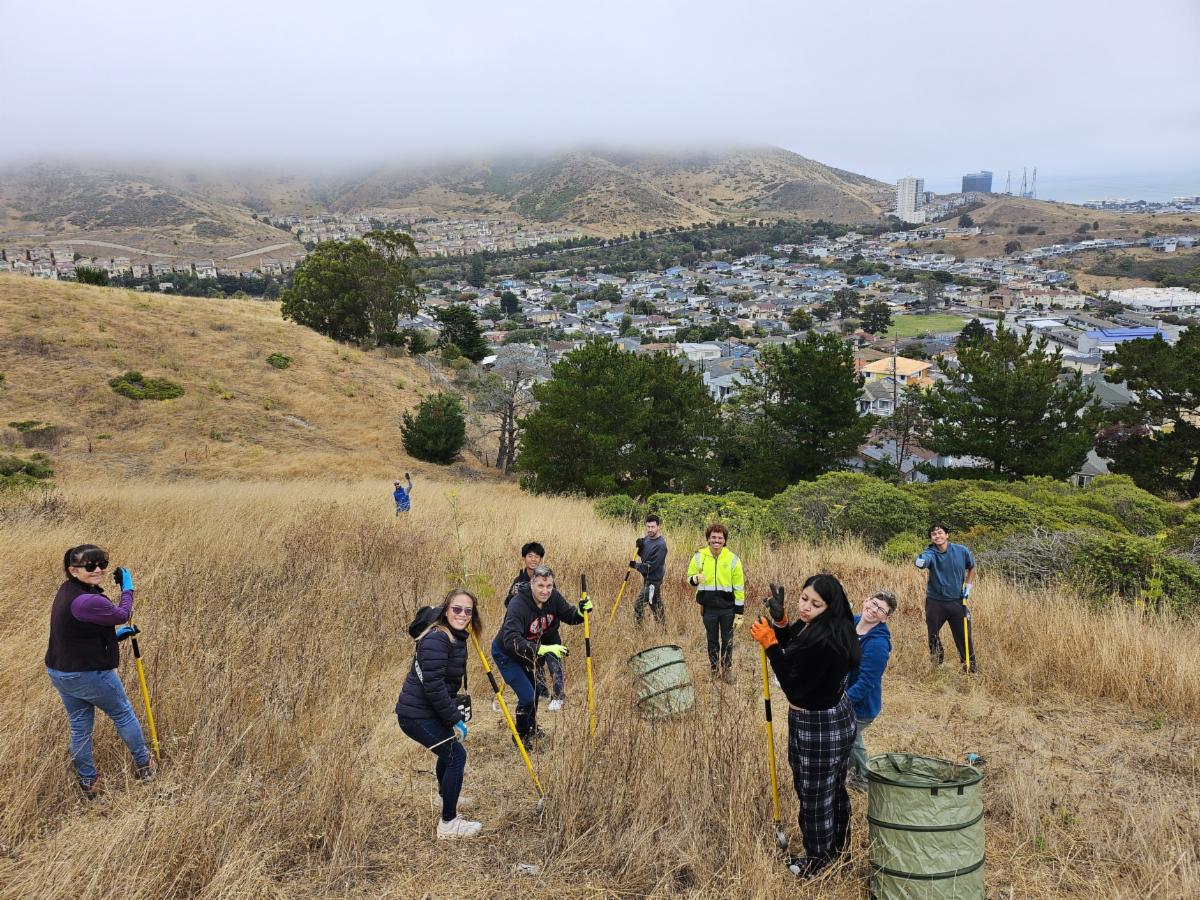
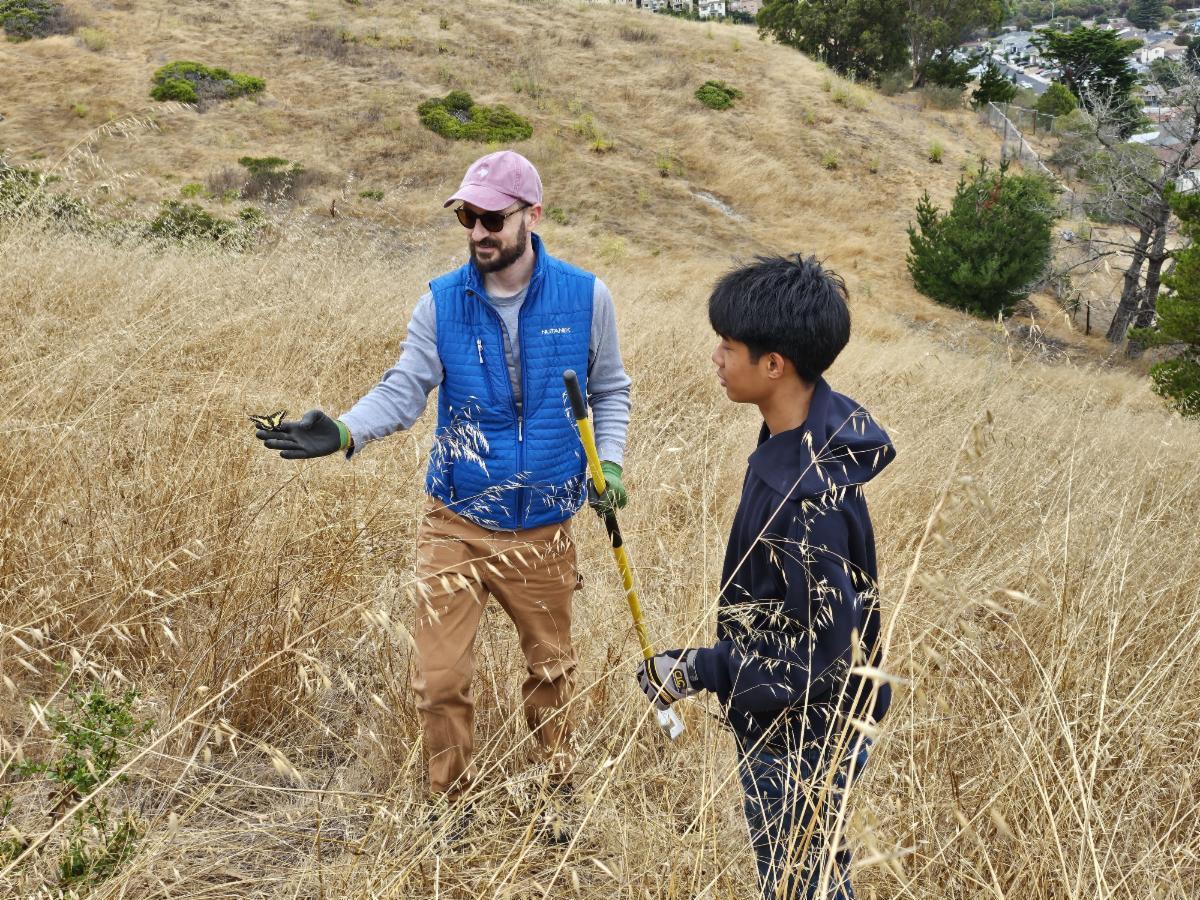
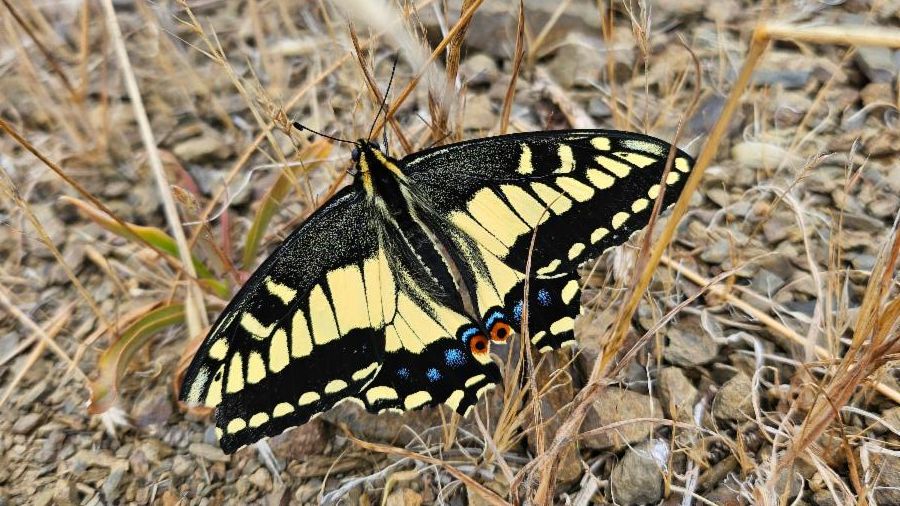
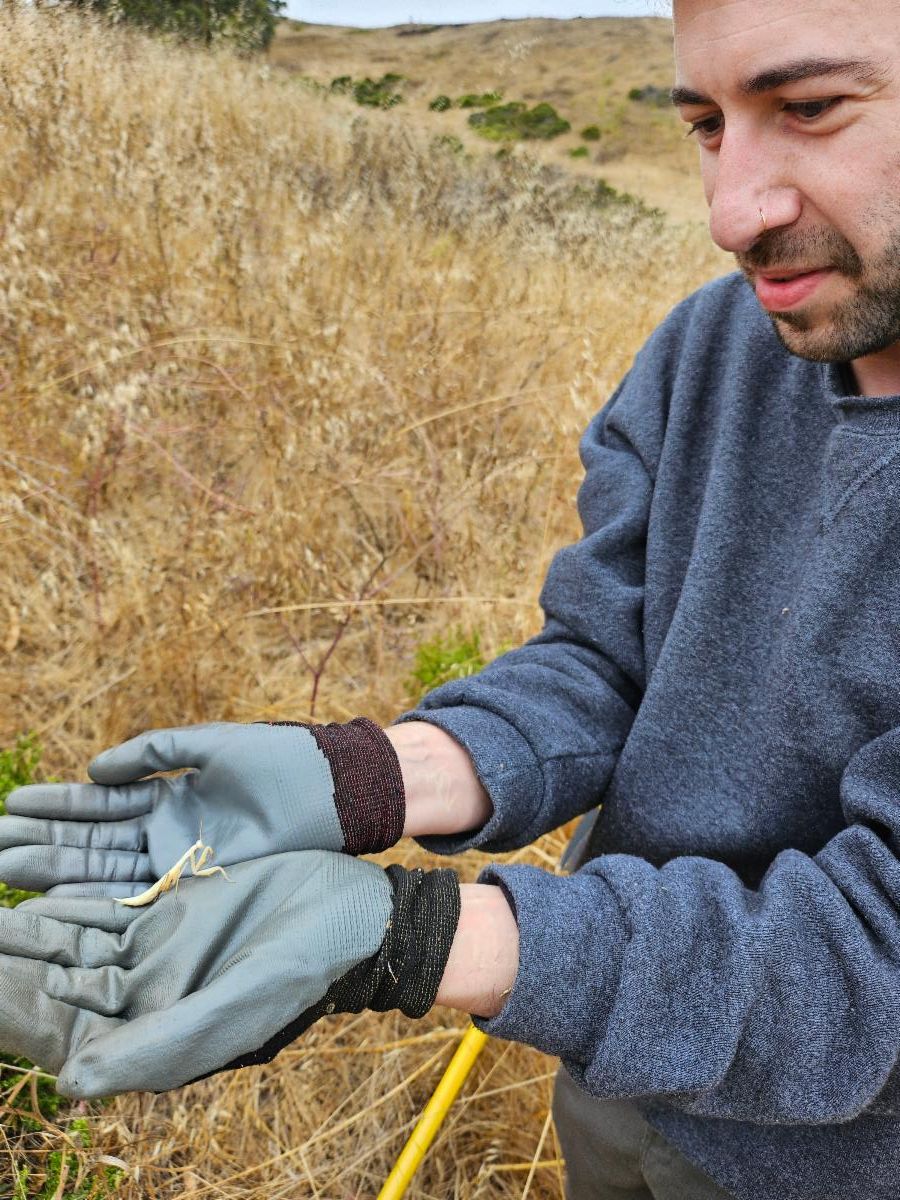
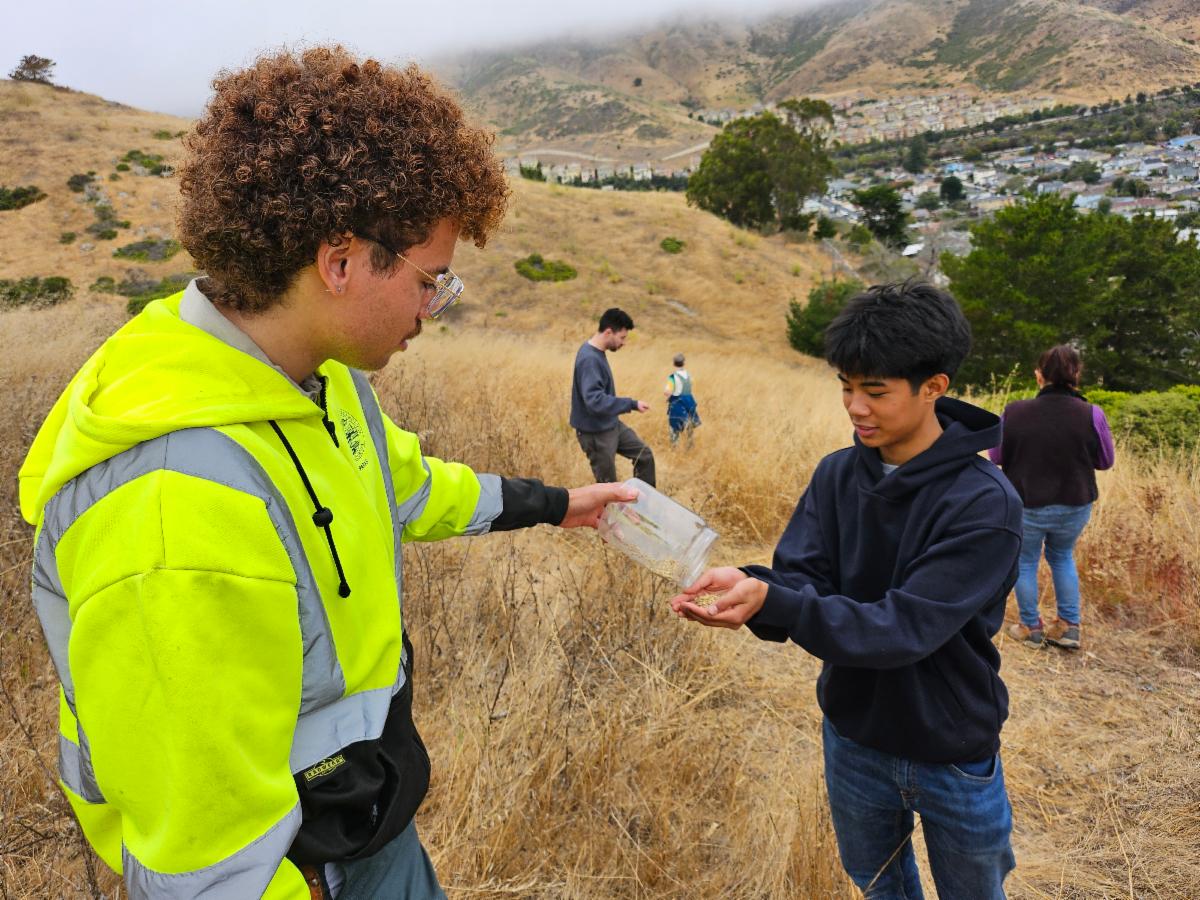
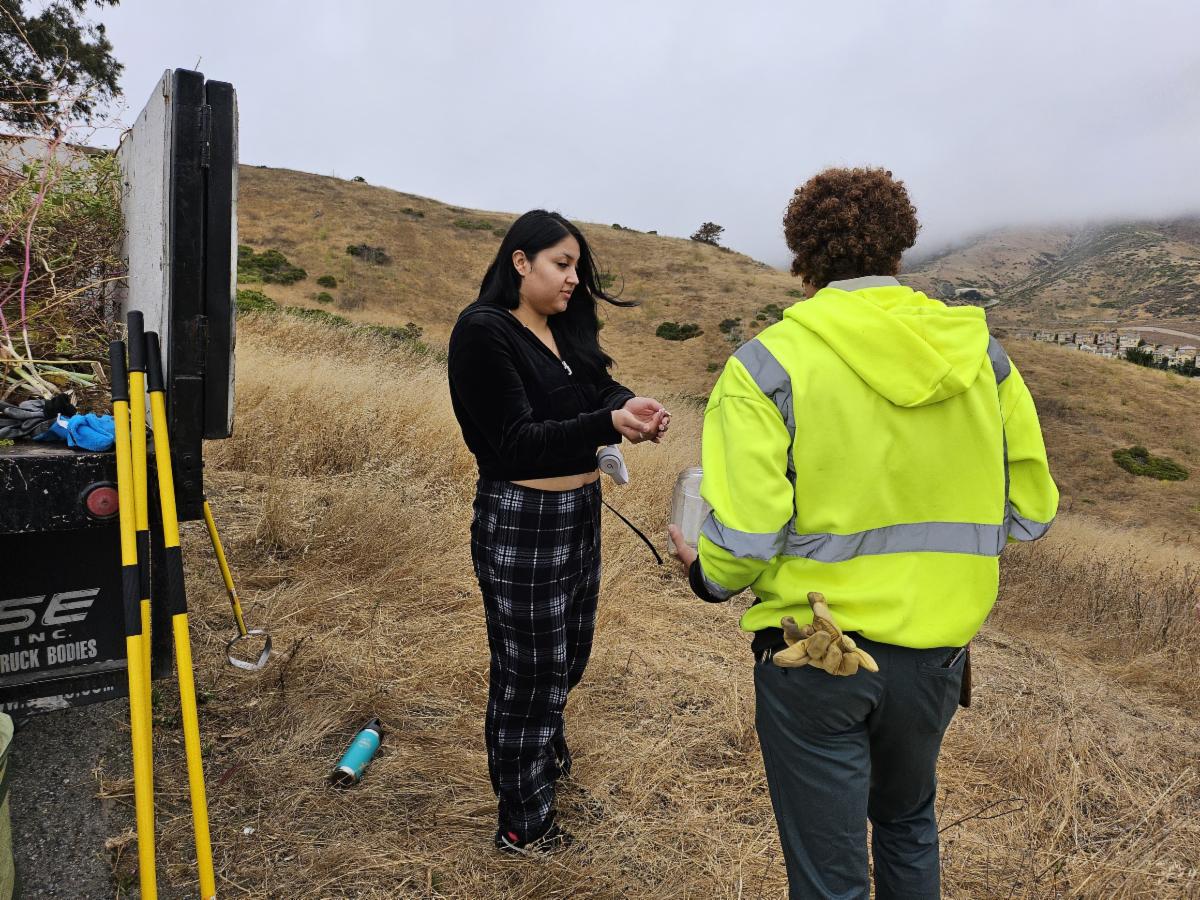
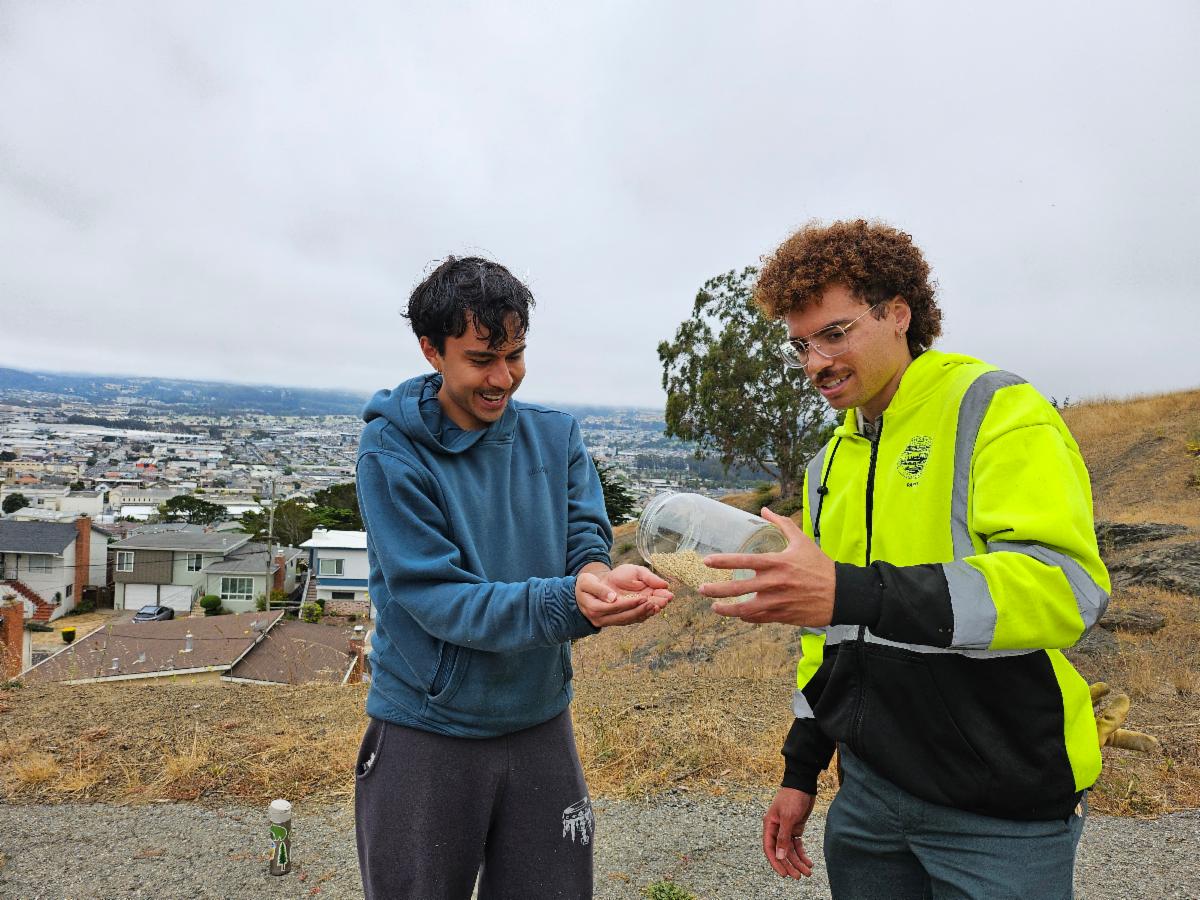
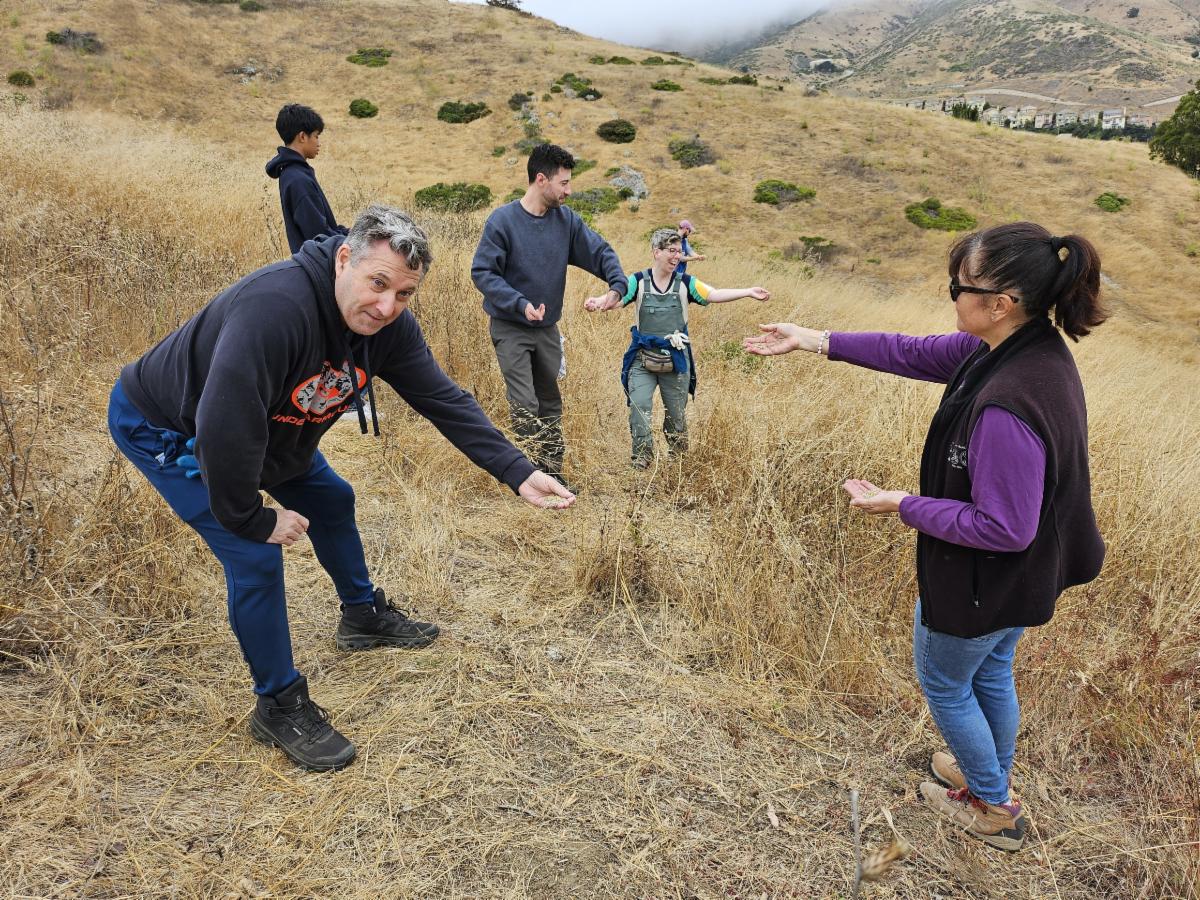
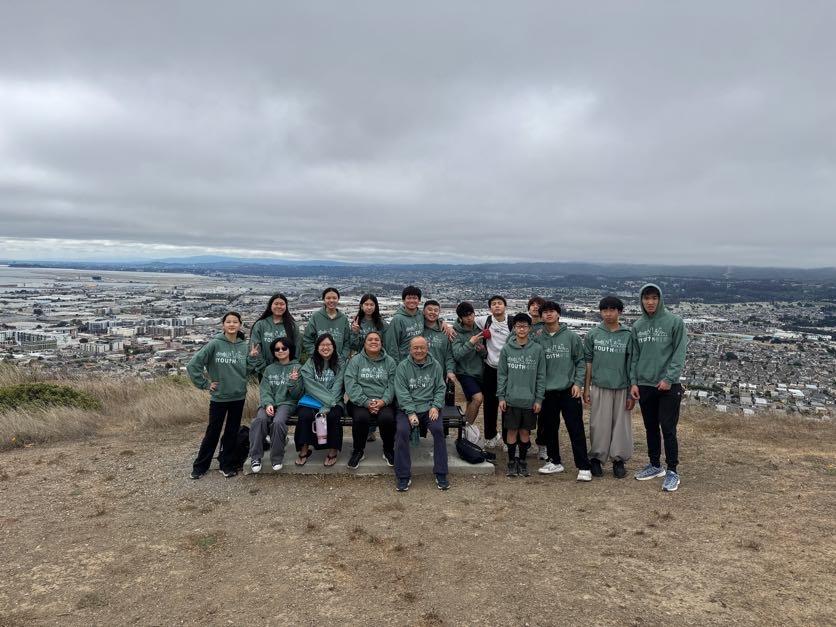
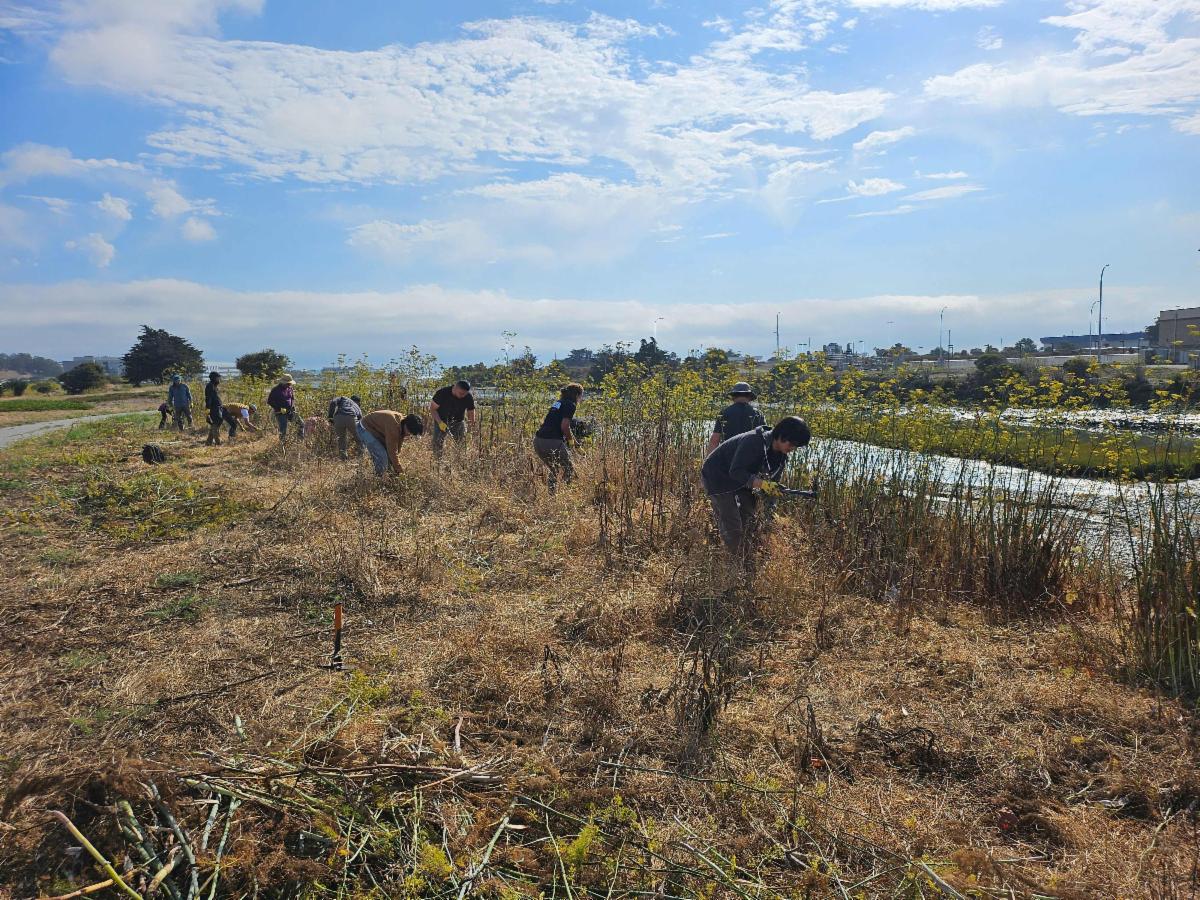
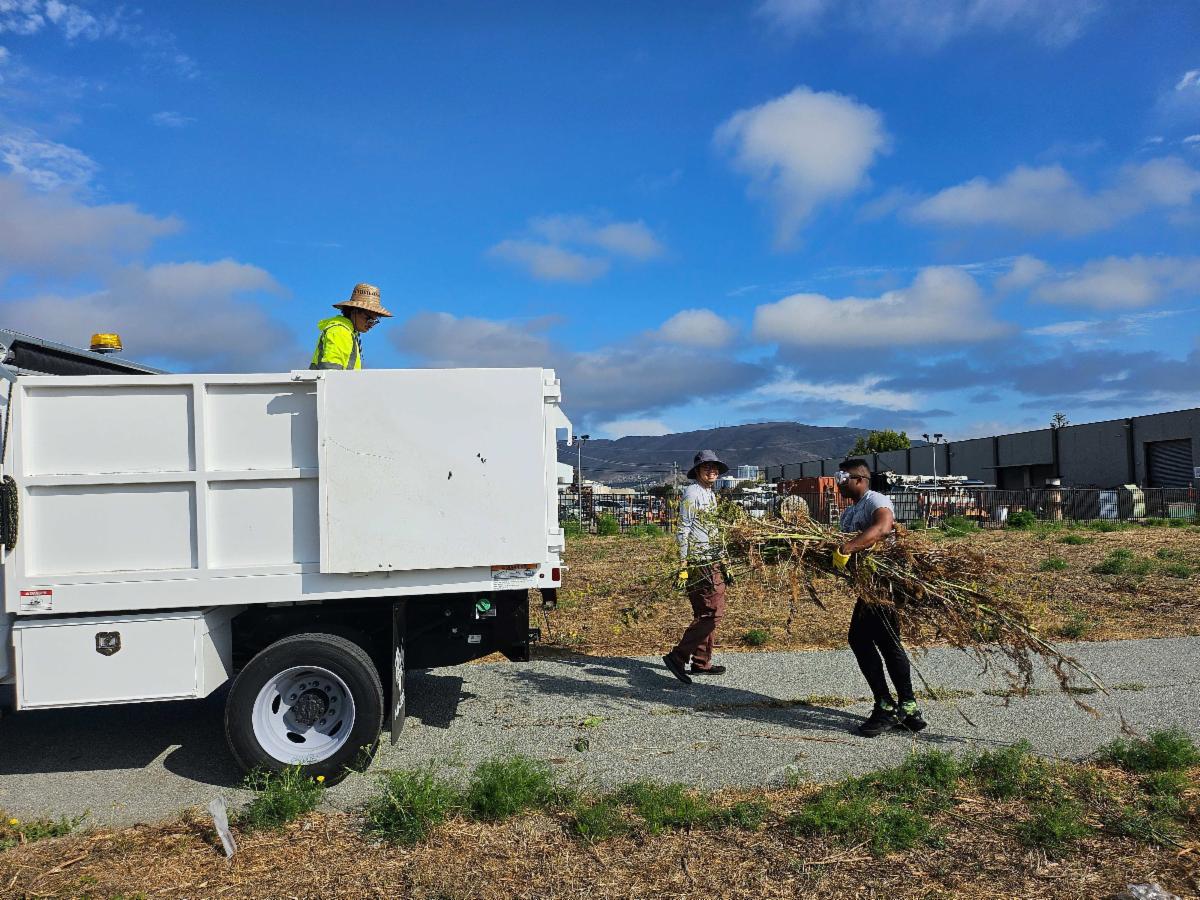
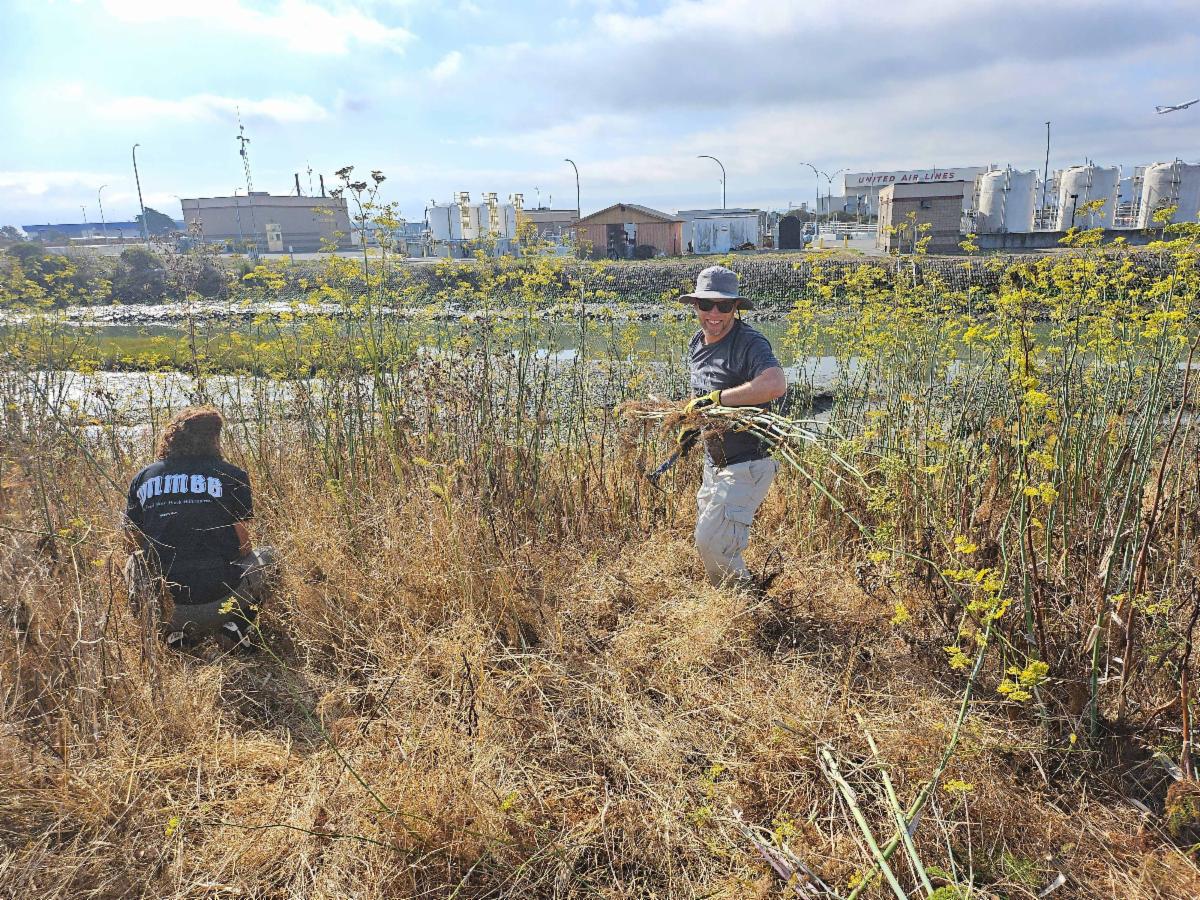
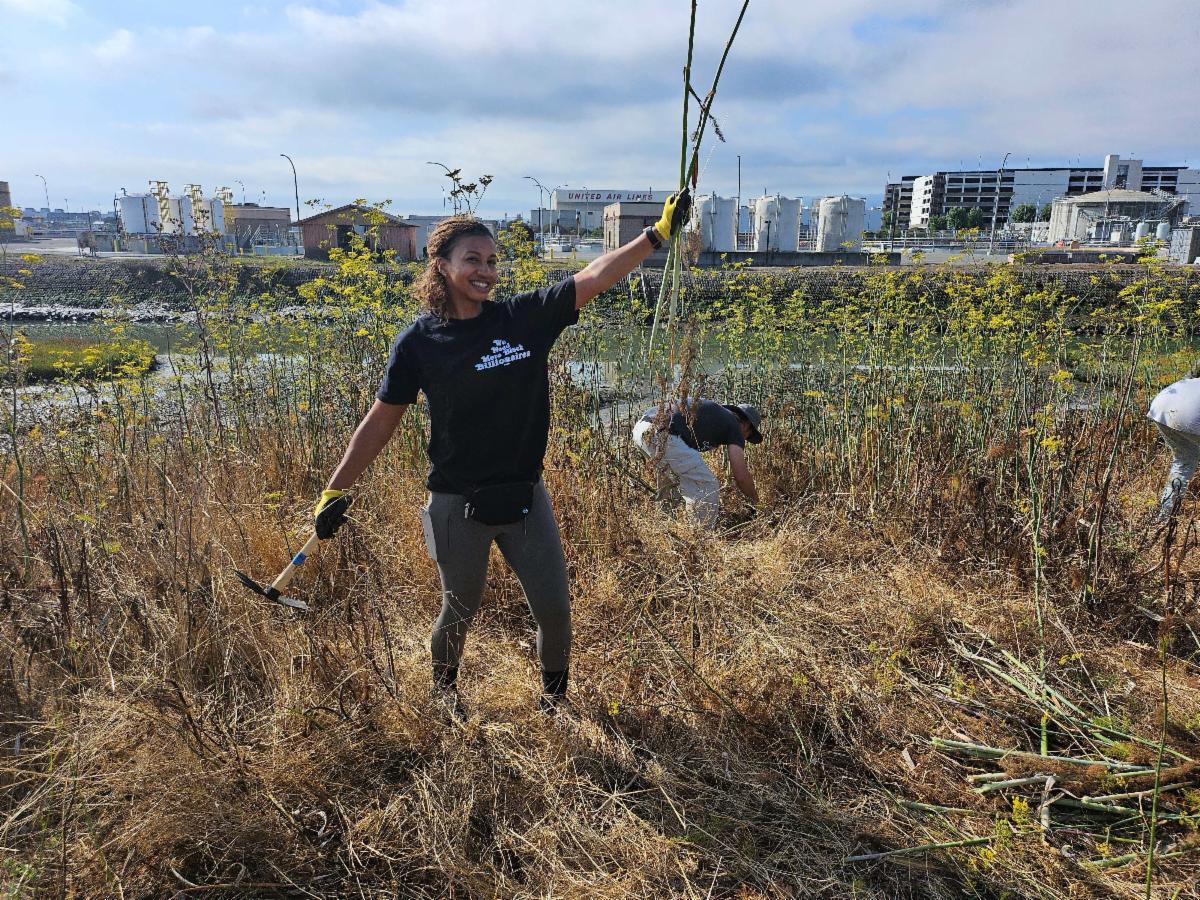
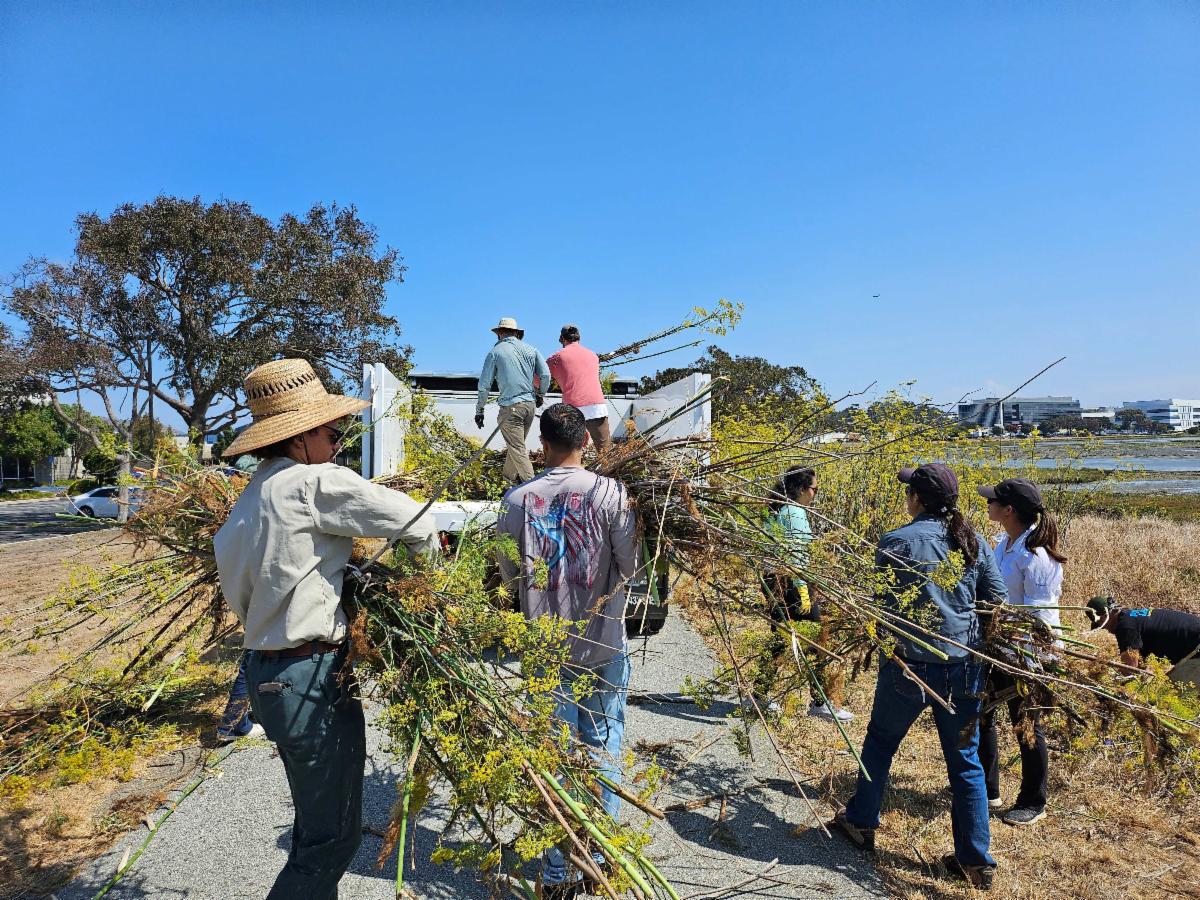
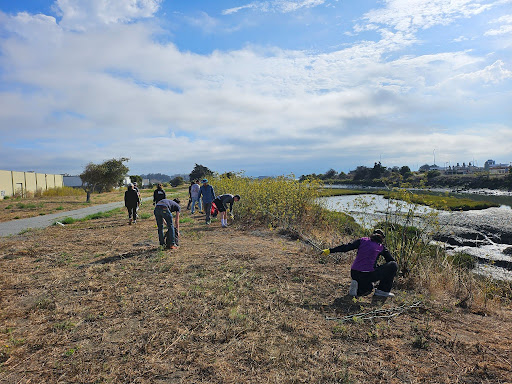
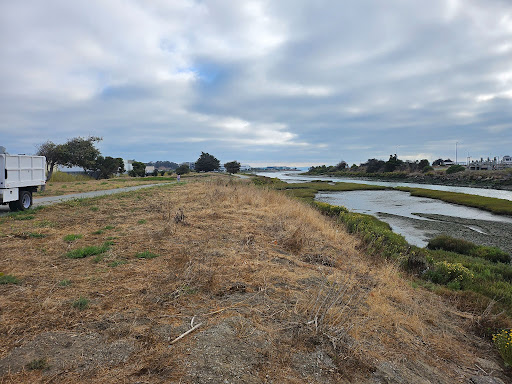
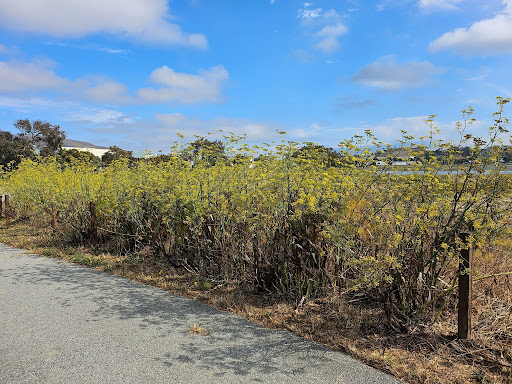
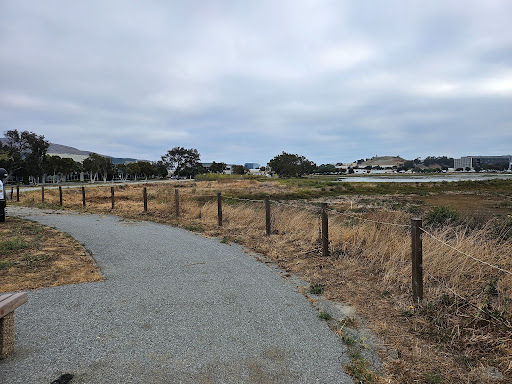
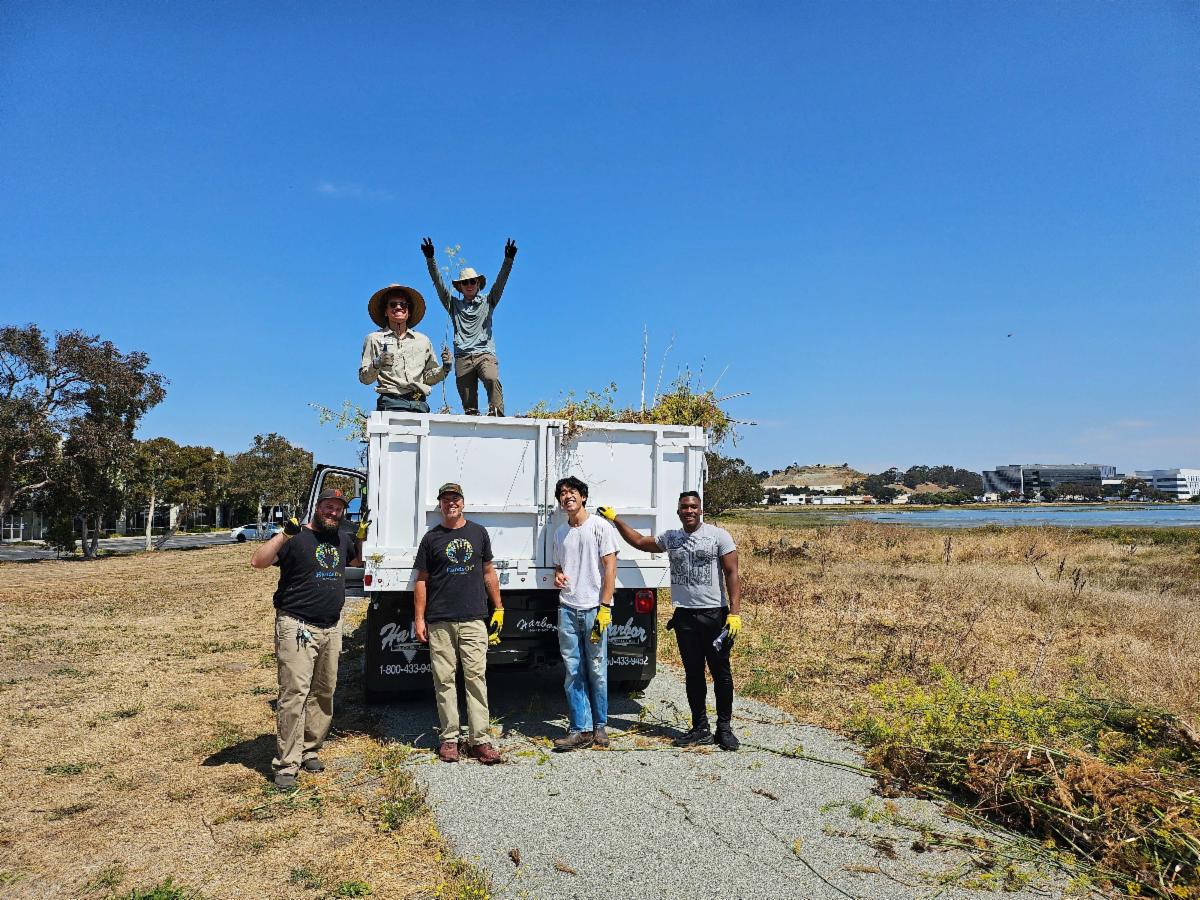
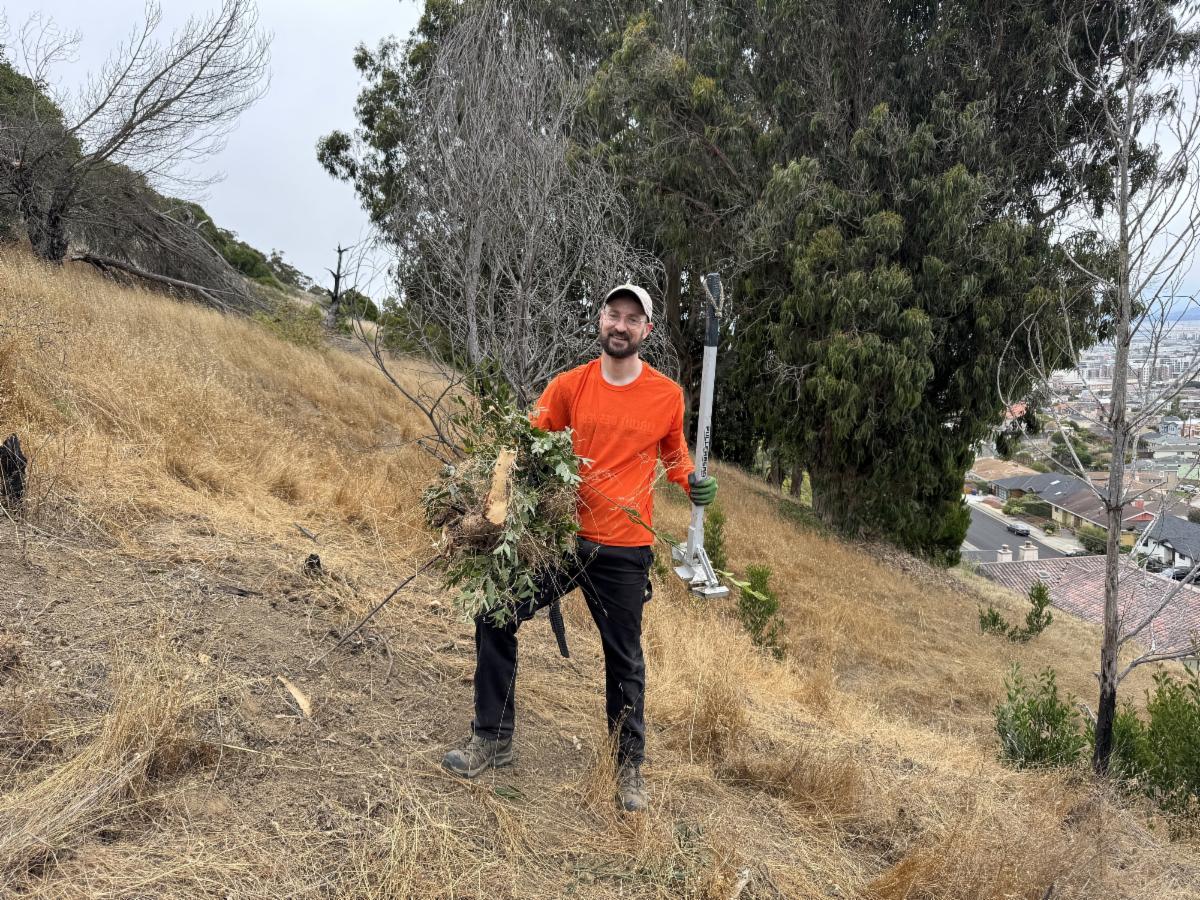
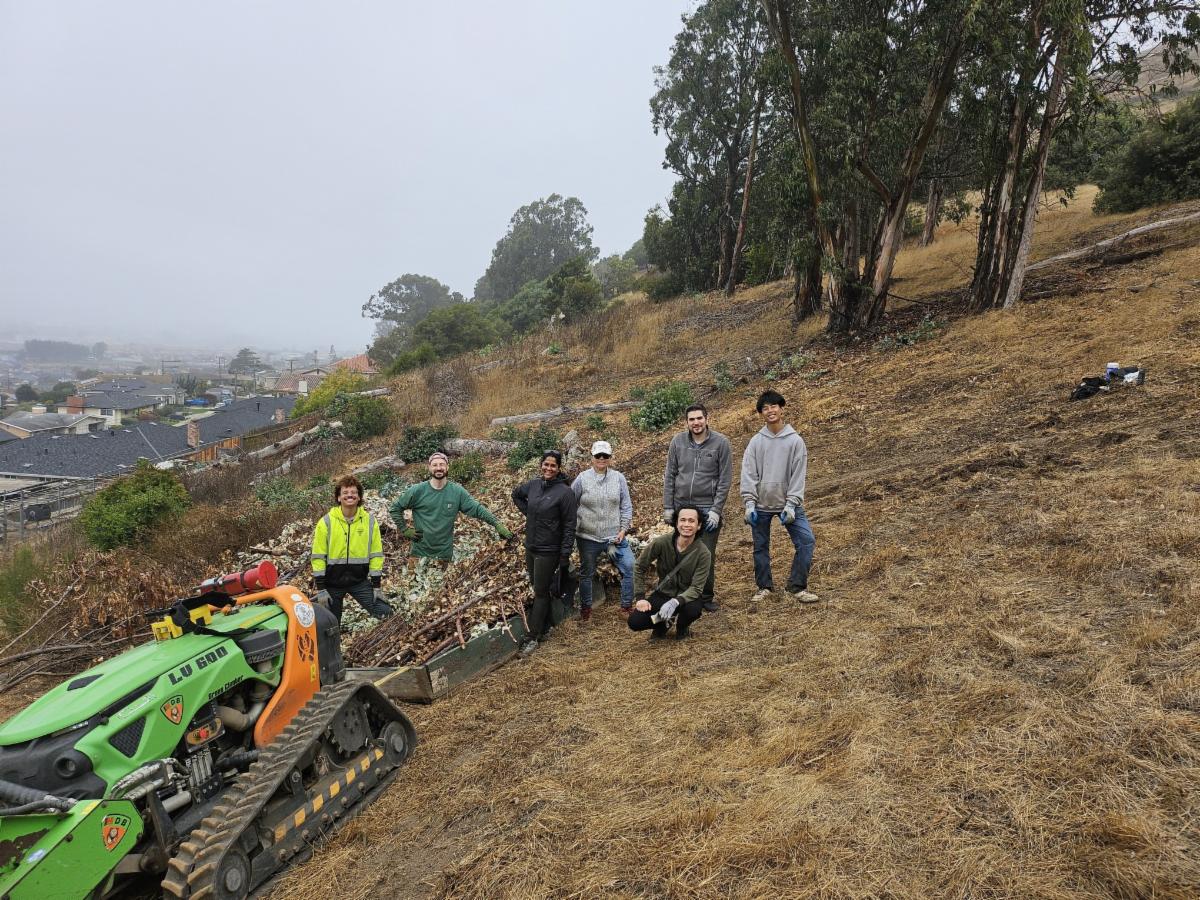
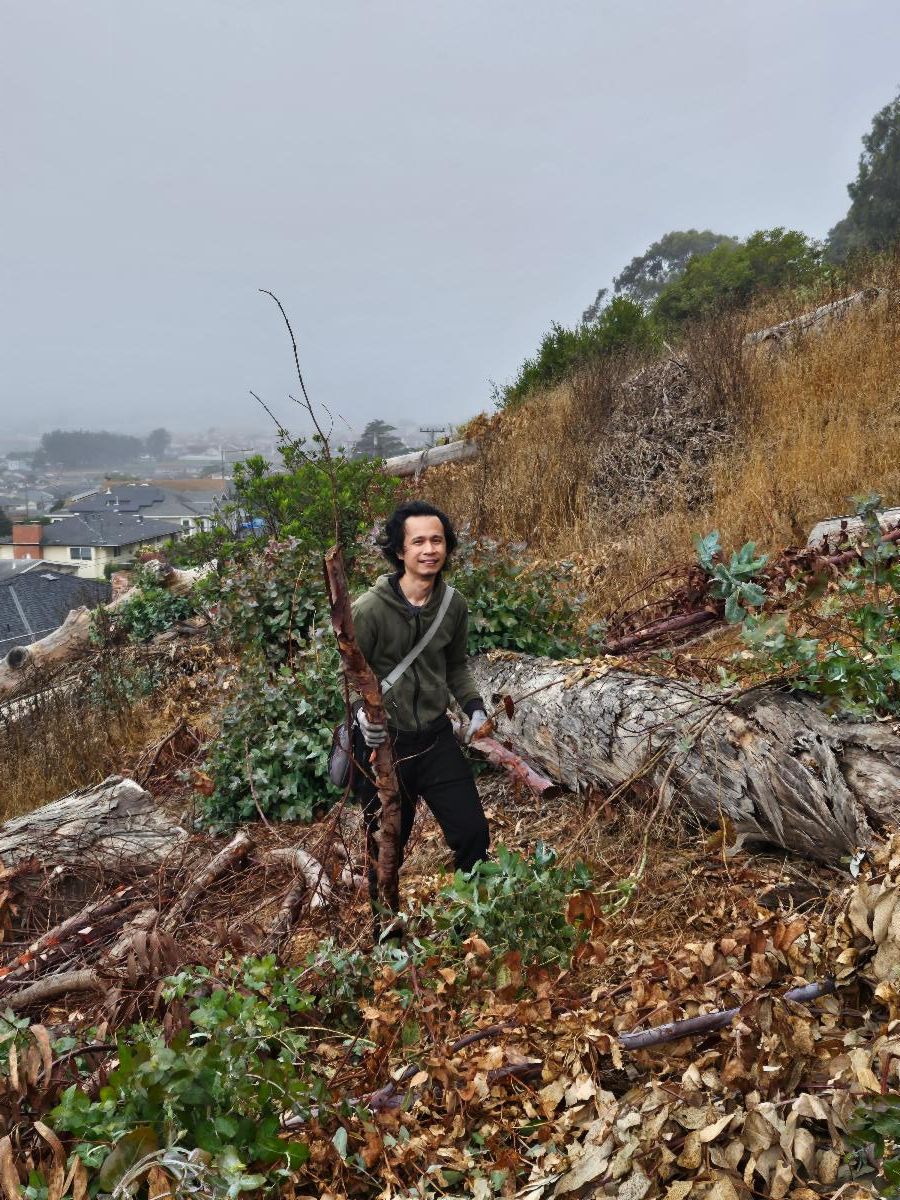
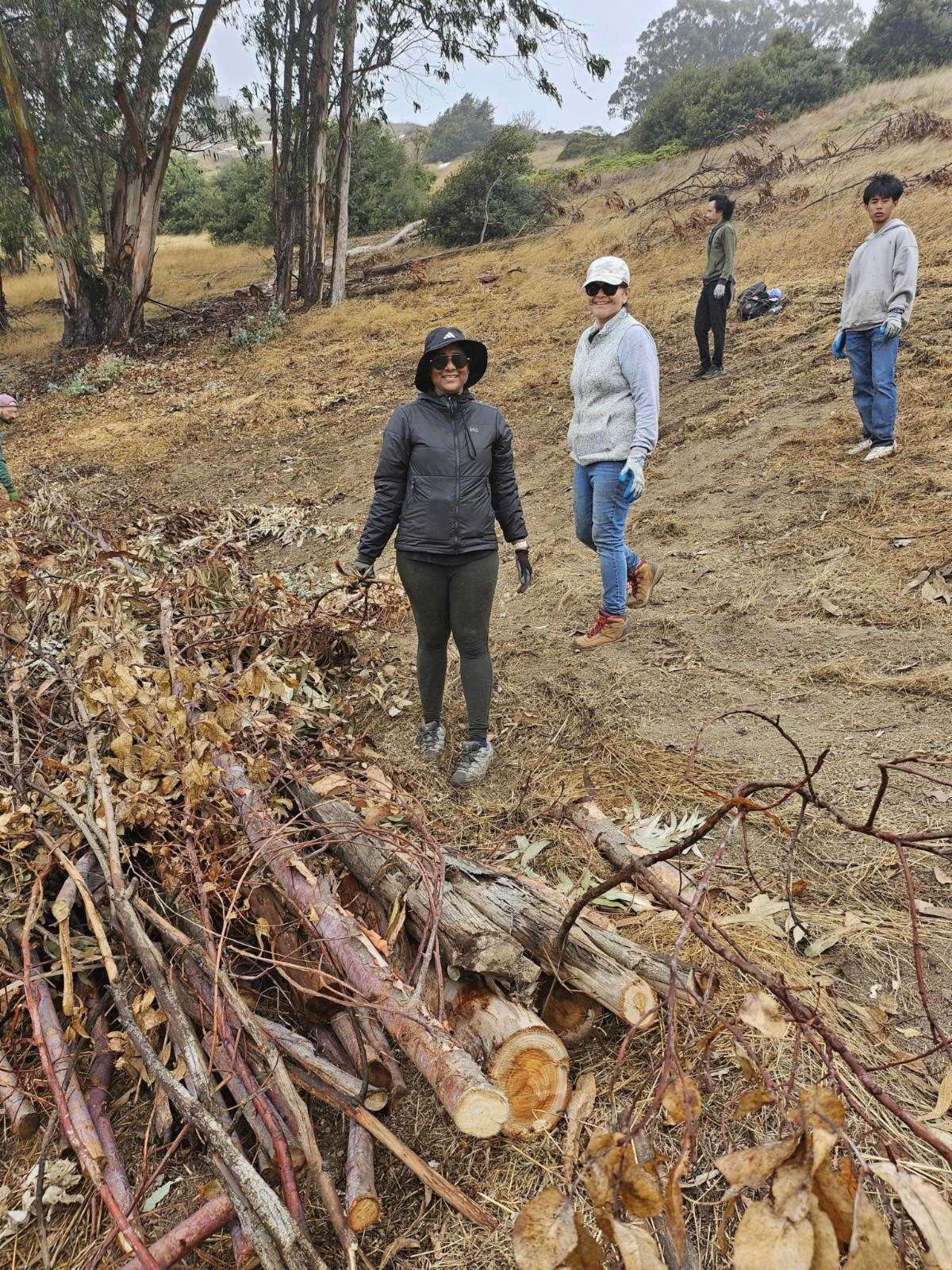
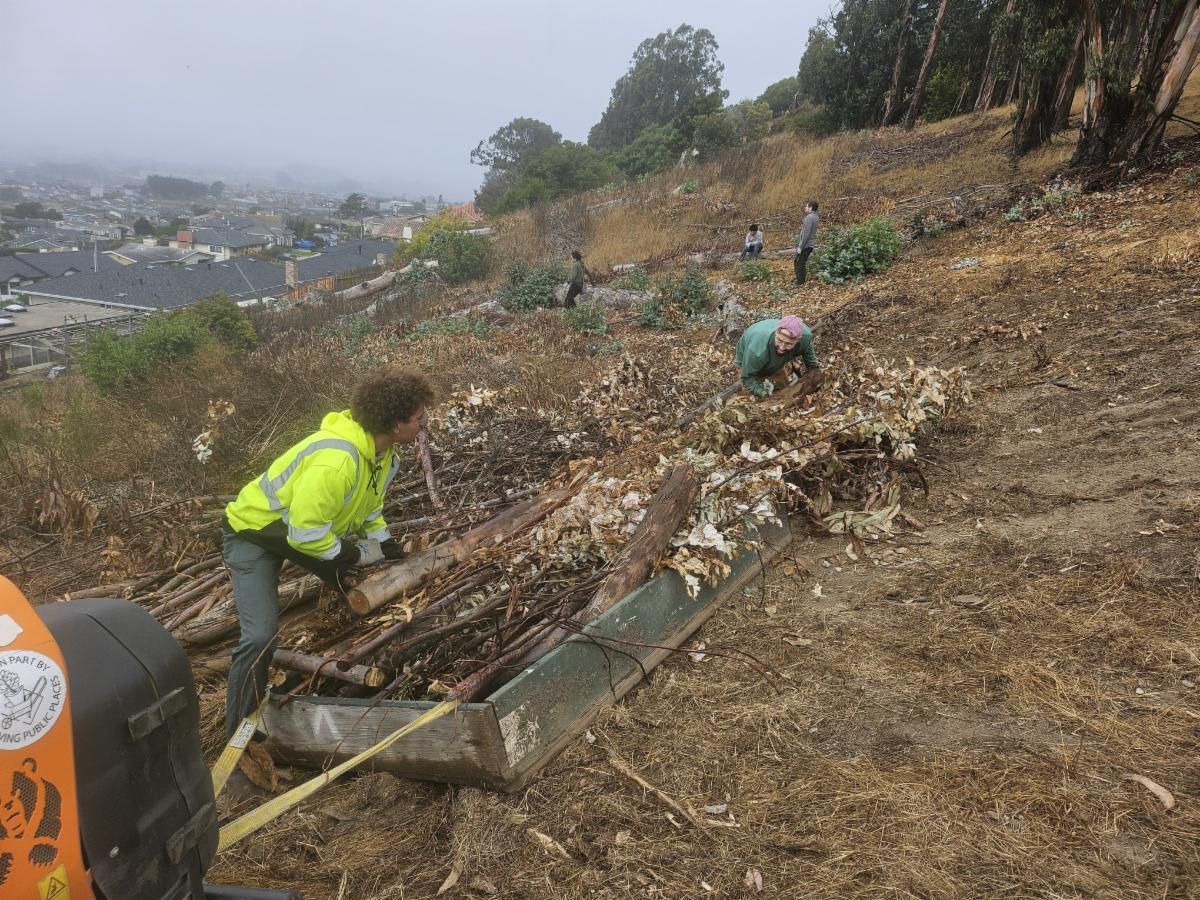
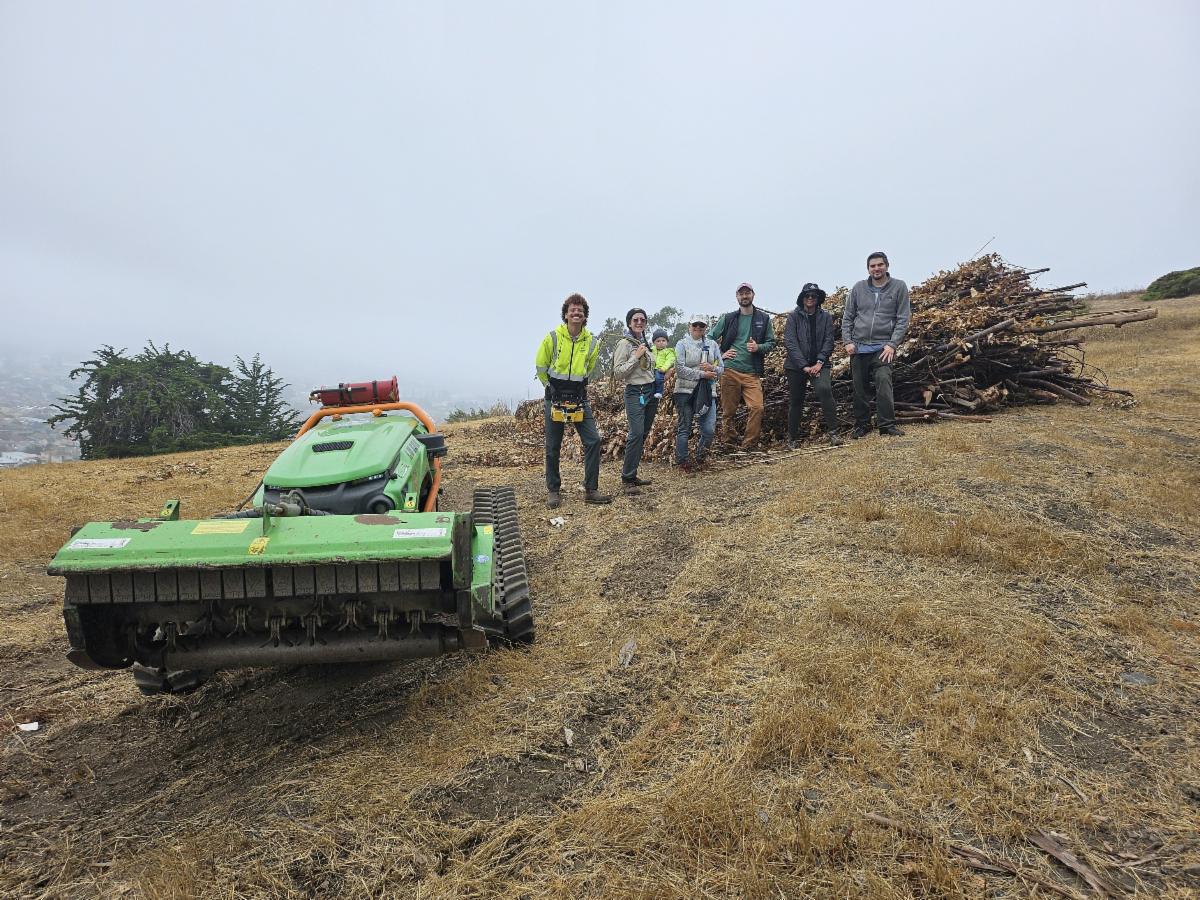
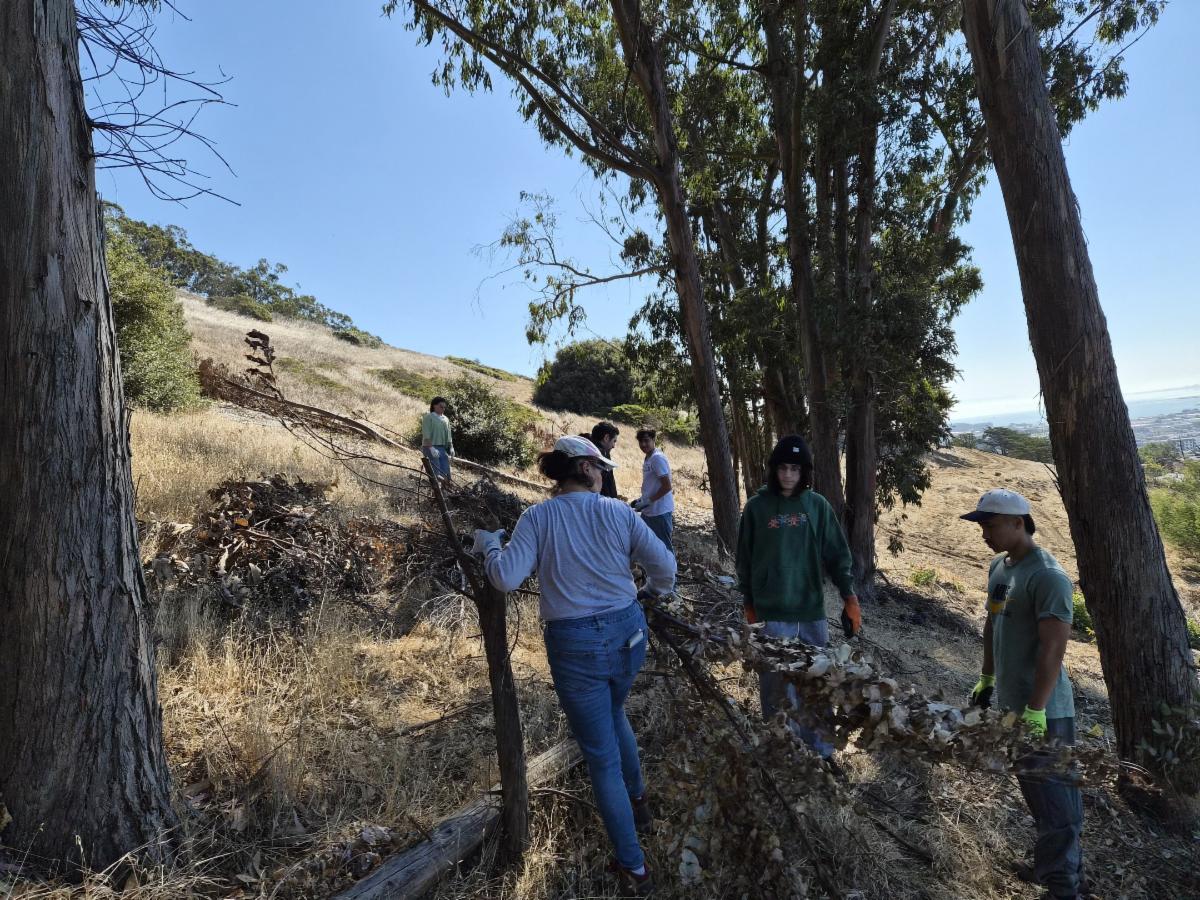
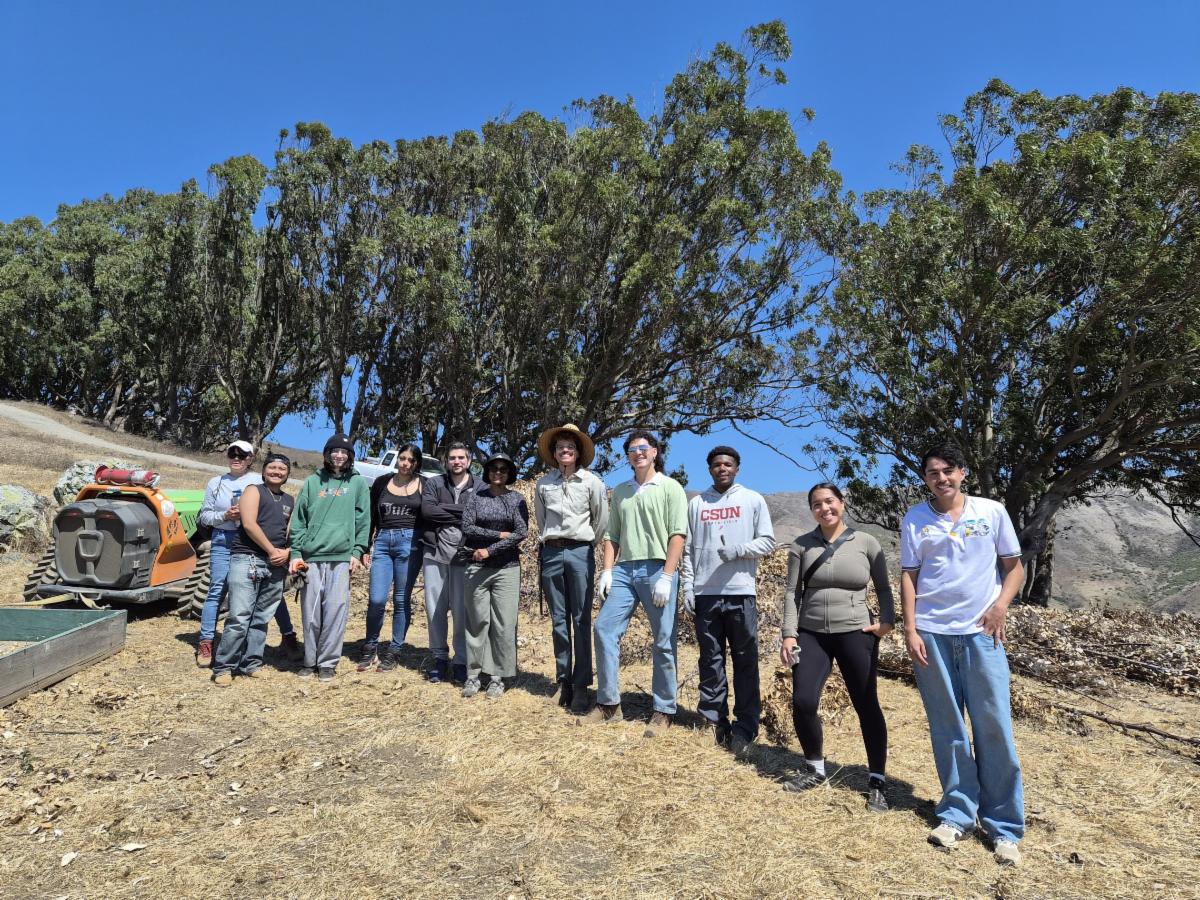
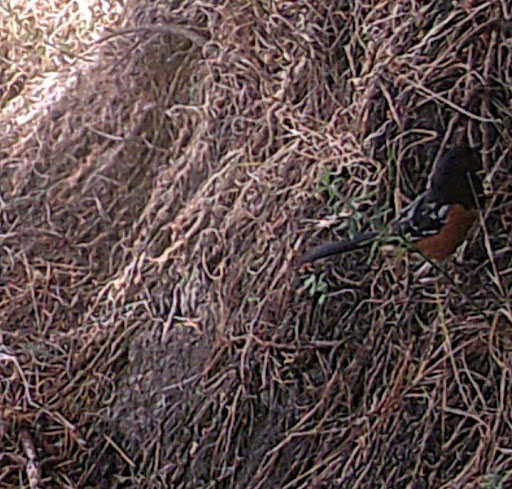
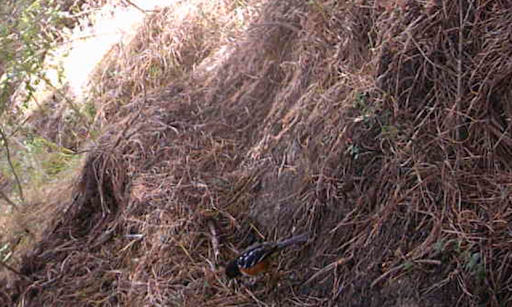
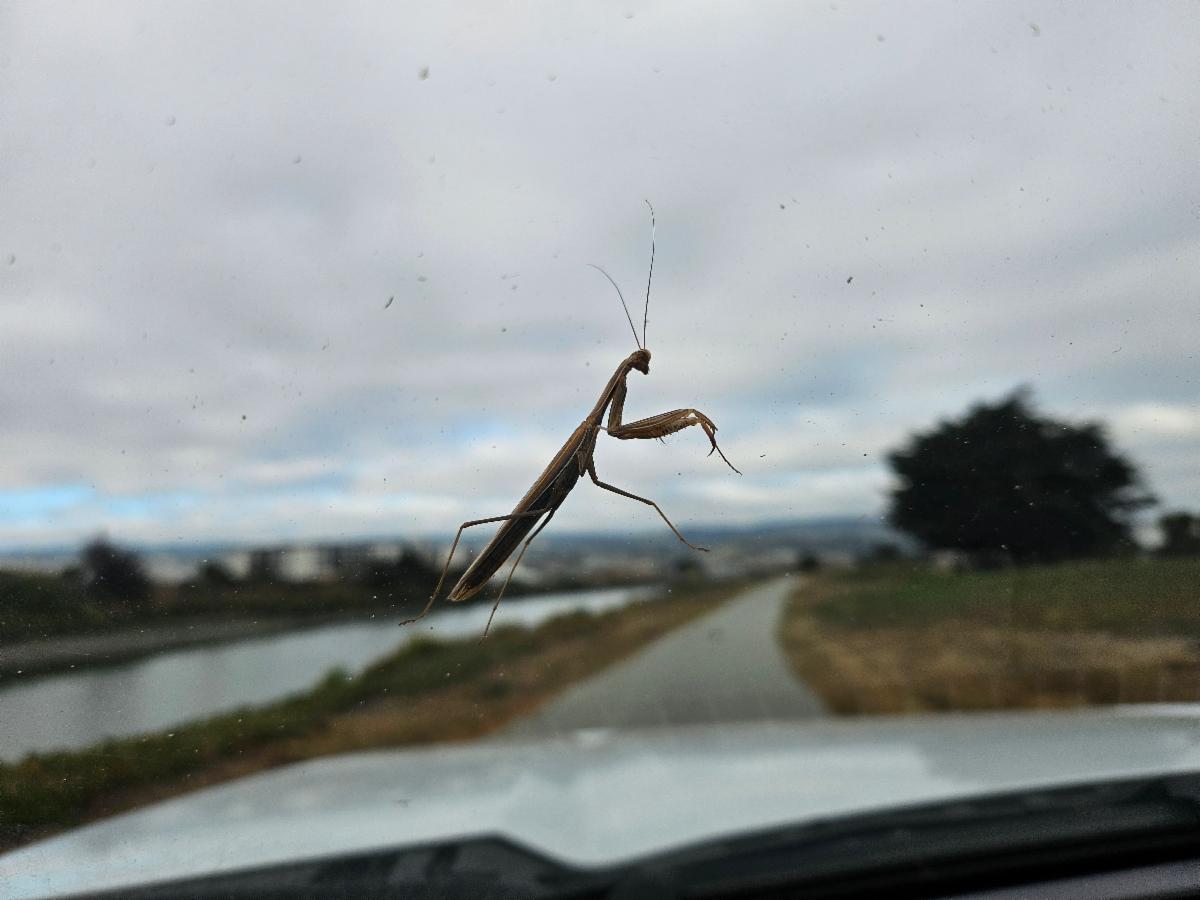
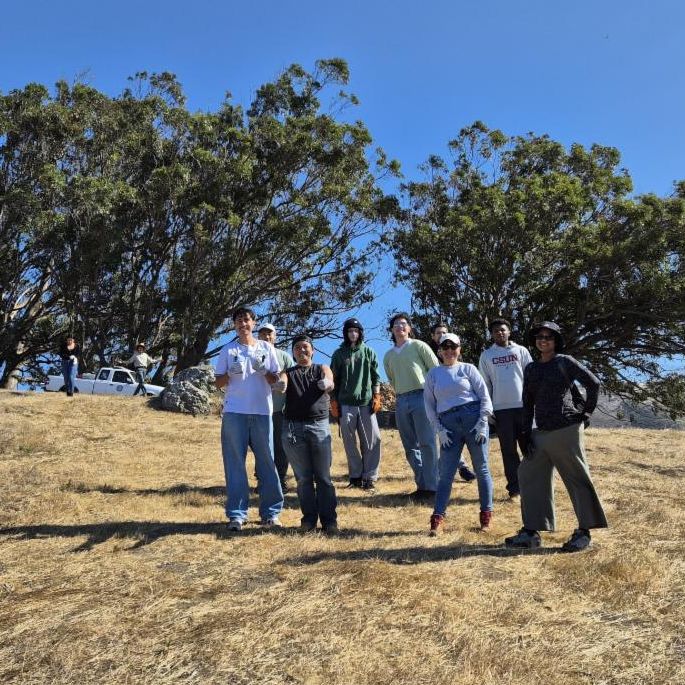
Would you look at the size of the wild radish that Joe uprooted?! | | Invasive plants come in all shapes and sizes. Our regular volunteers, like Andrey, have become adept at removing all kinds of weeds using a variety of tools. | | This summer Sign Hill Stewards tried out a gardening tool that is new to the market, the skidger. This is a long-handled with tool with a sharp, heart-shaped, metal loop that can be used to cut down weeds similarly to a garden hoe, or used to pop weeds out by the root with the pointed tip. This versatile tool has been a lot of fun to use and helps reduce the need to bend or kneel while weeding. | | Getting involved in local environmental stewardship is a great way to get in touch with nature and have special encounters with wildlife. Take a look at some of the interesting creatures that Sign Hill Stewards encountered while pulling invasive wild radish. | | Andrey came across a beautiful anise swallowtail butterfly that was moving quite slowly on a chilly and foggy morning. | Shortly after, Mauricio spotted a praying mantis that was perfectly camouflaged in the dry grass. | | | Removing invasive weeds is a great way to help heal degraded habitats and give native plants the chance to thrive. Sign Hill Stewards also like to help nature along by planting a mix of native grasses and wildflowers after we remove weeds. The recently disturbed soil provides a great opportunity for seeds to work their way into the ground and await the winter's rains. | | The City is always excited to welcome new groups of volunteers from local businesses, schools, or organizations to help us restore habitat in our open spaces. This July, we had a nice group of youth from Cornerstone Church who helped up pull short-pod mustard on Sign Hill. | | In August, we partnered with HandsOn Bay Area to host a group of over 30 volunteers from Google. The group cut down a tremendous amount of fennel from along the Bay Trail. | | This work will help keep the invasion of fennel under control and also makes for a much nicer view of the Bay. Take a look at these before and after photos! | | The incredible work that a dedicated group of volunteers can accomplish in just a few hours is nothing short of magical! | | In the latter part of the summer, Sign Hill Stewards and SSF Parks Staff dedicated a great deal of effort to controlling regrowth of invasive eucalyptus and black acacia trees. Hundreds of these trees were cut down following the 2020 Diamond Fire to help bring the park up to CalFire's defensible space guidelines. | | Much of the eucalyptus regrowth we cut down was in the Park's defensible space which must be kept clear of combustible material. Sign Hill Stewards made use of the Green Climber to tow the branches up the steep slopes using a specially designed sled built by SSF Parks Staff. | | Thank you Sign Hill Stewards for helping to restore wildlife habitat and keep Sign Hill safe for the community! | | Caught on Candid Camera: Sign Hill Wildlife | | Don't be fooled by the solemn knoll--it is teeming with wildlife! From butterflies and centipedes to coyotes and hawks, there is always something happening on Sign Hill. To monitor wildlife activity on the Hill, trail cameras have been deployed in various locations and are regularly checked by SSF natural resources staff. |
|
Bird Nerd!
Entry #1: Spotted Towhee
| | |
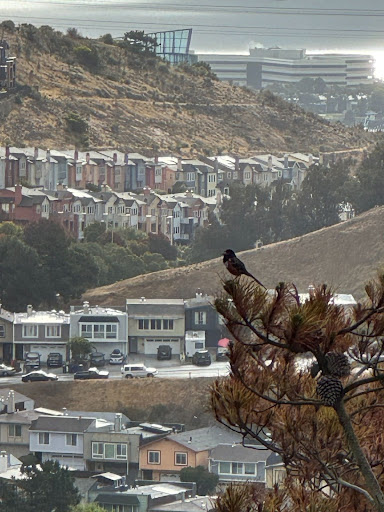
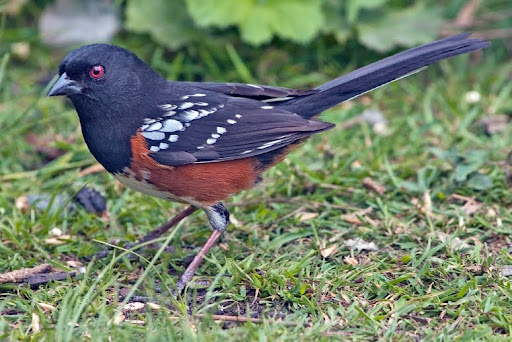
Hello everyone! Welcome to the first entry of Bird Nerd, a section of the Sign Hill Stewards Newsletter dedicated to the discussion of our avian friends on the Hill. In this entry, we will be talking about the spotted towhee (Pipilo maculatus).
Spotted towhees can be seen on Sign Hill flitting from brush to trail in pursuit of a meal. They practice a double-footed “dance”, hopping back and forth on the ground to unearth insects to snack on. When insects become scarce in fall and winter, they rely on other sources of food, such as seeds and berries. They boast a striking plumage–red eyes, glossy black heads, spotted backs, and rich rufous sides. Their call is quite distinct: a few quick notes followed by a buzzy trill, often heard from the tops of bushes to communicate with partners or alert others to potential danger.
| |
| |
Depending on how old your bird guide is, you might find that there isn’t an entry for the spotted towhee. That is because what we recognize as the spotted towhee today was once considered the same species as the present-day eastern towhee (Pipilo erythrophthalmus), under the apt name “rofous-sided towhee”. However, in 1995, they were determined to be two distinct species due to differences in plumage, genetics, and song.
It is believed that their separation initially occurred during the last Ice Age, when the continent was split by massive glaciers. Over thousands of years of adapting to unique environments, the birds gradually evolved into distinct species. This phenomenon is common in nature–it is known as allopatric speciation and occurs following the physical separation of a species.
| | |
To spot one of these handsome birds, closely watch the Hill’s brushy slopes. Listen for their buzzy chatter and watch for rustling leaves. They prefer to forage within small trees and shrubs where they can be hidden from predators, so be sure to bring some binoculars to spot them from a distance. With a bit of patience and the right timing, you may be able to catch their elusive romp.
Happy birding!
Joe Batom
Natural Resource Aide
City of South San Francisco
| | |
If you are taking a summertime hike on Sign Hill, you stand a good chance of happening upon SSF Parks staff performing some annual mowing. Invasive wild oats (Avena fatua) and other tall-growing annual grasses native to Eurasia were originally introduced to California's grasslands by cattle ranchers to feed their stock and have become dominant across the state, including on Sign Hill.
By mid-summer most of the grass has started to dry out. While eradication of these invasive grasses is likely out of reach, annual mowing we can help to break up the thick thatch which can impede the growth of some native plants. It can also give a more competitive edge to many of the native perennial bunch grasses characteristic of Sign Hill's coastal prairies. Additionally, mowing the tall grasses helps to reduce the risk of uncontrolled wildfire.
| |
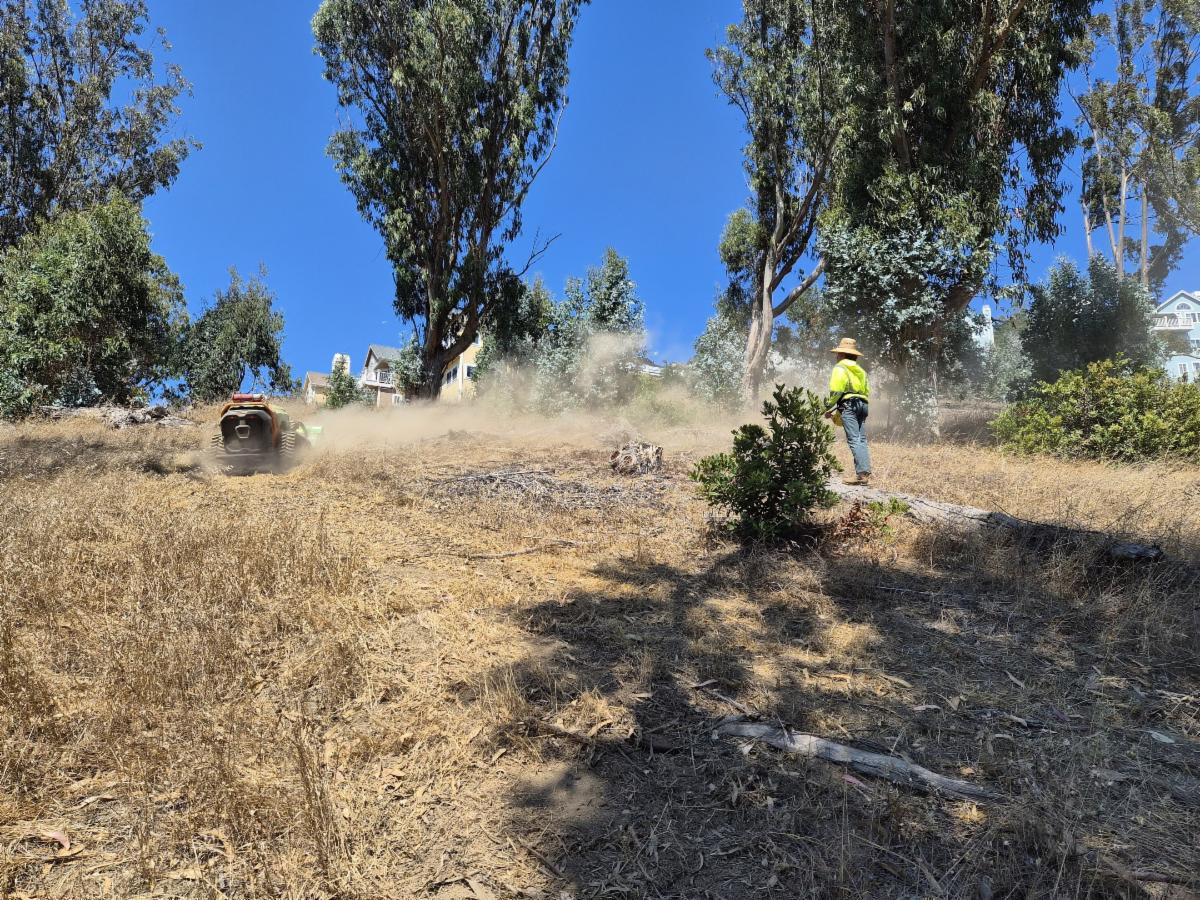
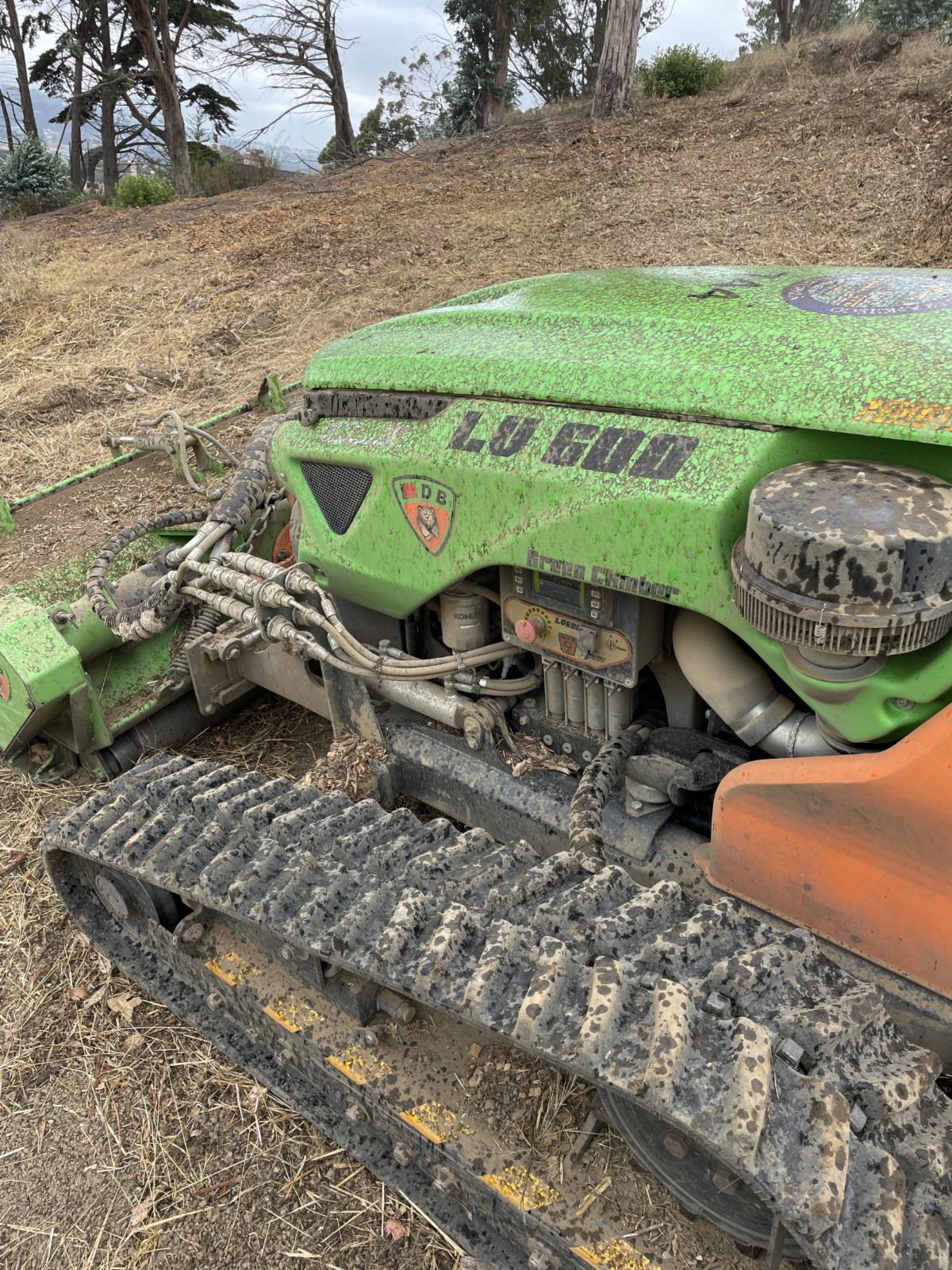
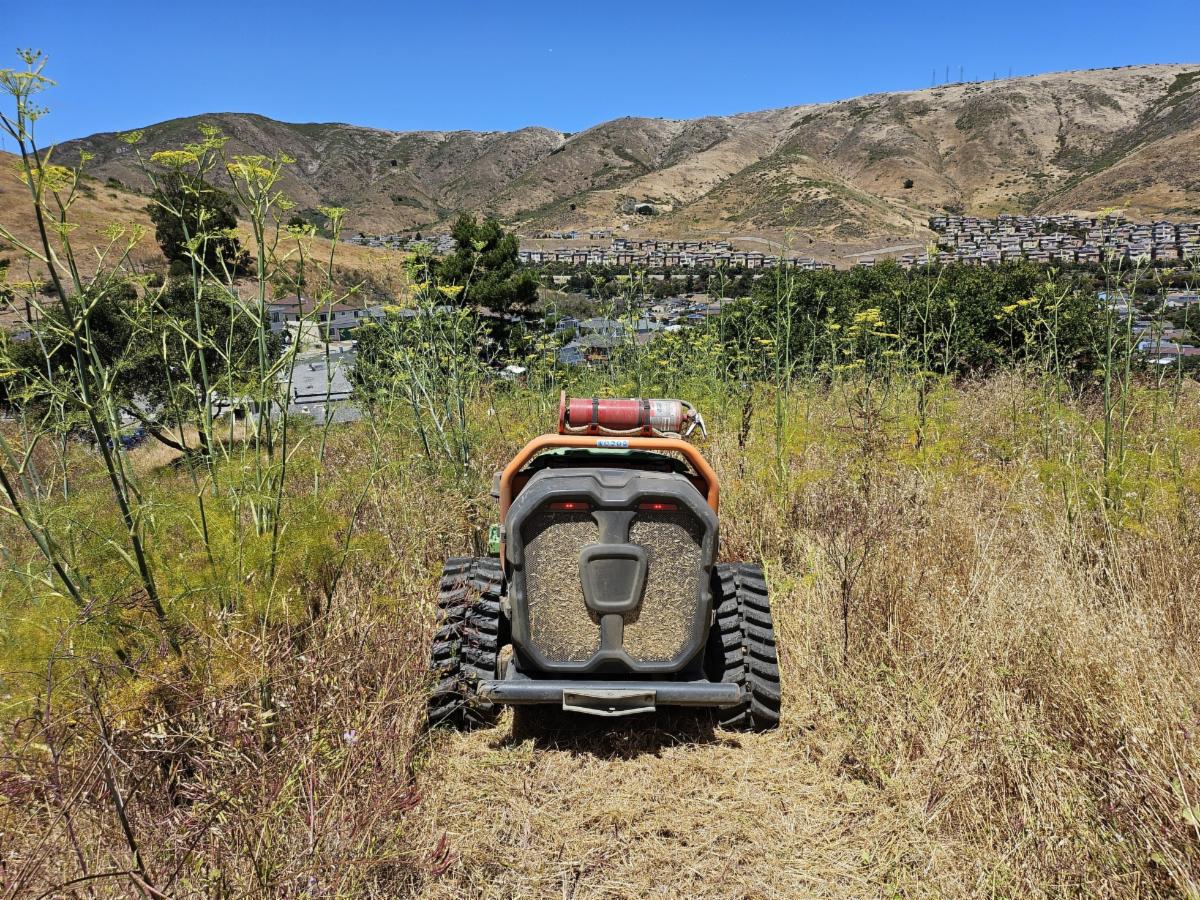
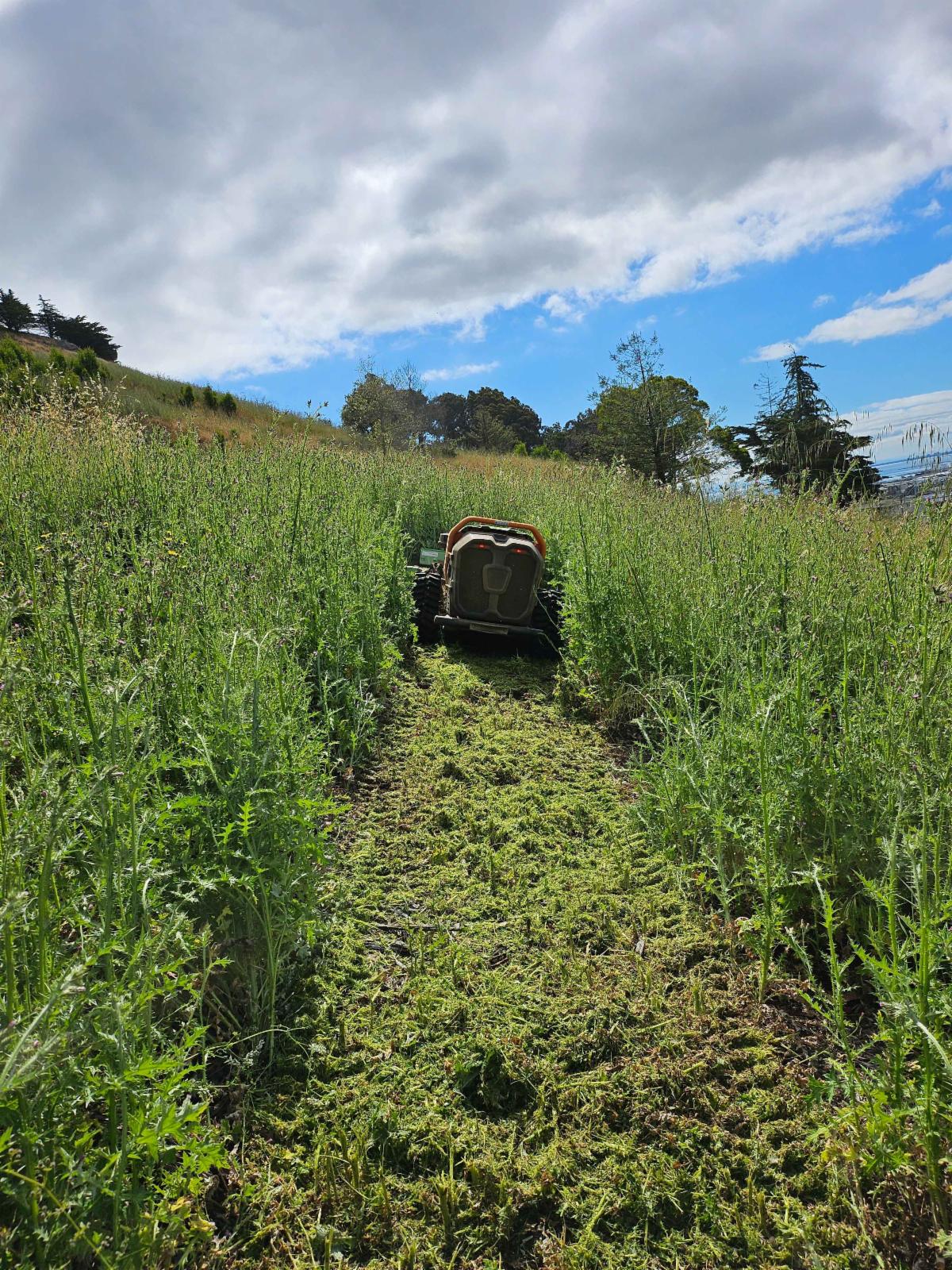
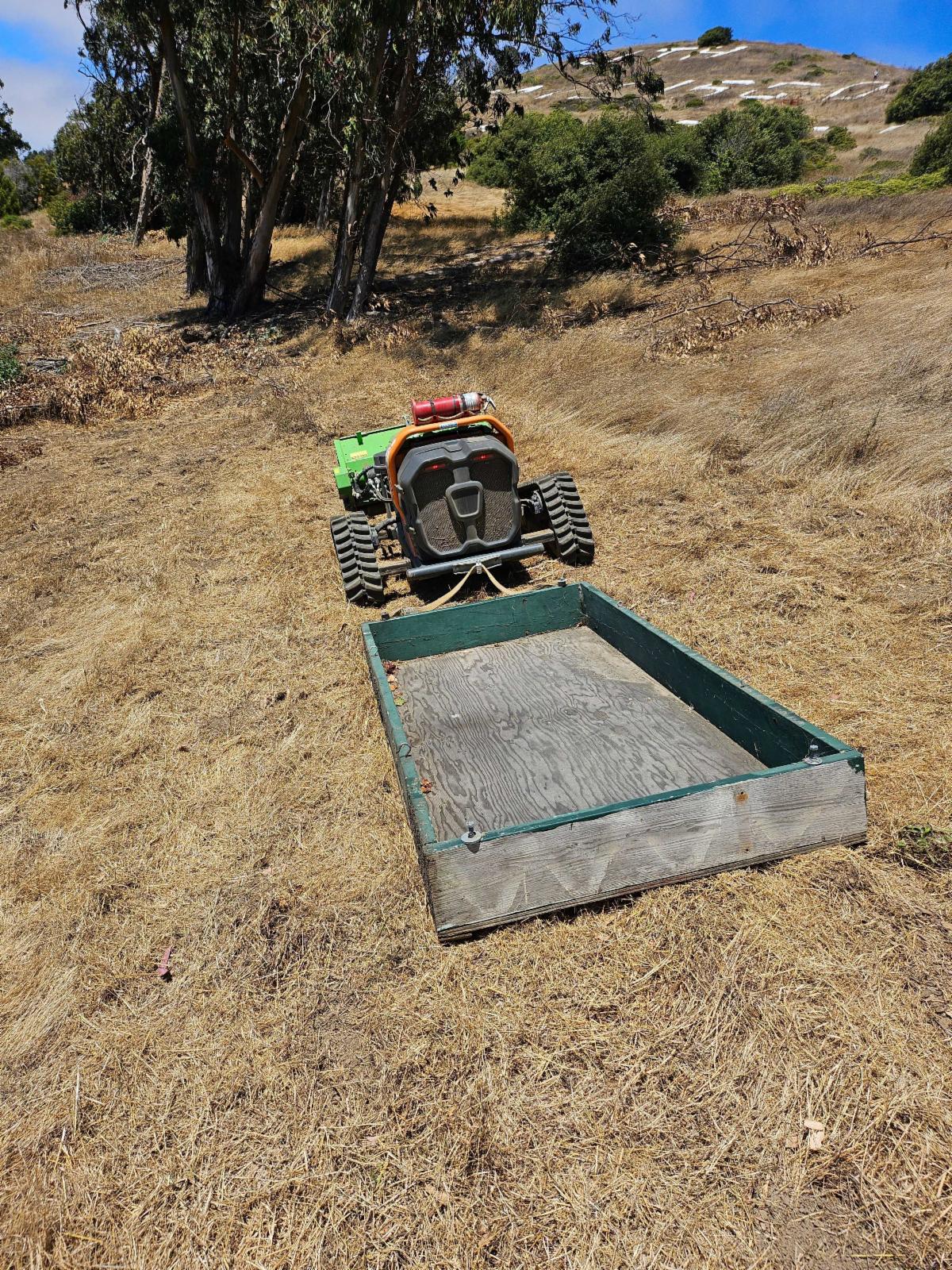
| | | Sign Hill's steep slopes are an impossible job for any standard push or riding style lawn mowers, however SSF Parks has an amazing piece of machinery that is up to the task, the Green Climber! The Green Climber is a remote-controlled slope mower that is able to traverse up to 60 degree slopes like a miniature tank. It not only makes light work of tall grasses and weeds, it can cut down and macerate dense woody plants like French broom, Himalayan blackberry, and even young trees! | | |
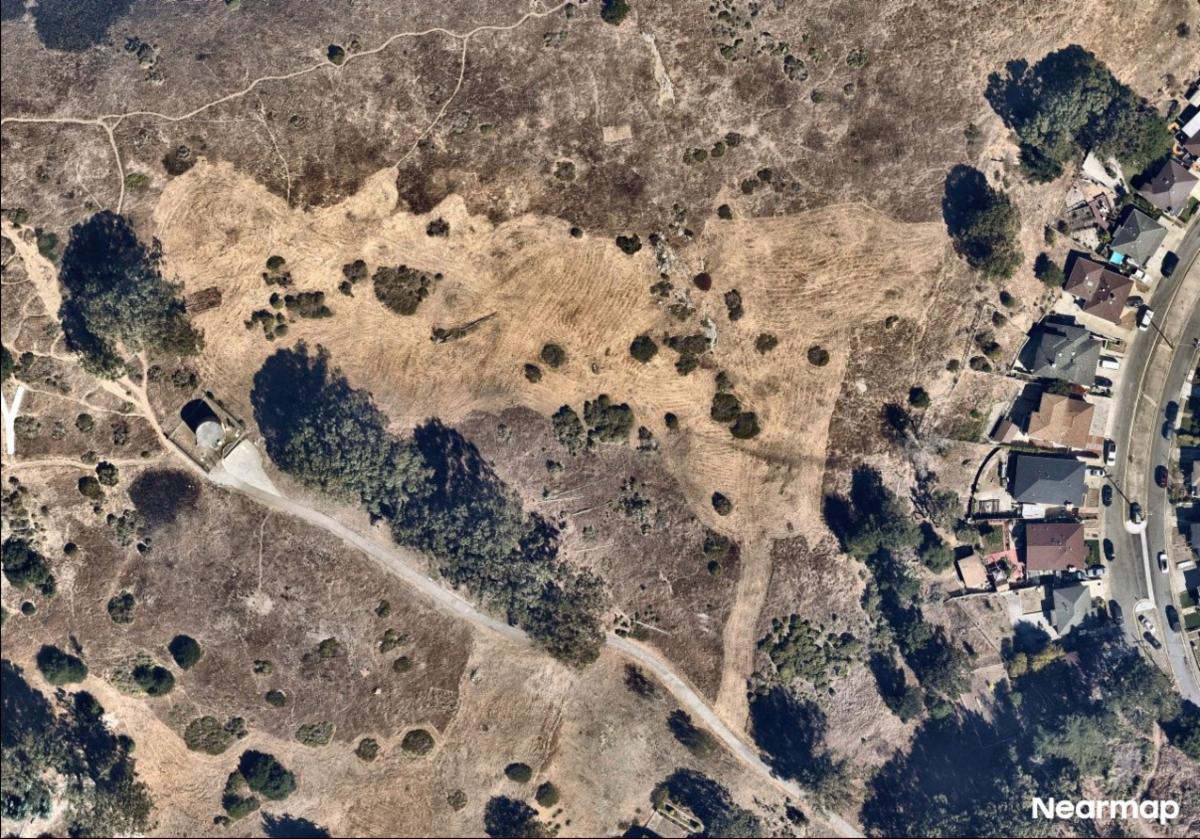
We use the Green Climber to mow large areas of Sign Hill, especially along the firebreak areas on the lower flanks. We also use it to target invasive plant infestations that are too widespread for hand removal. We tackle large swaths of sweet fennel before it has a chance to spread seeds, and we have taken on very dense patches of shortpod mustard yielding highly successful outcomes!
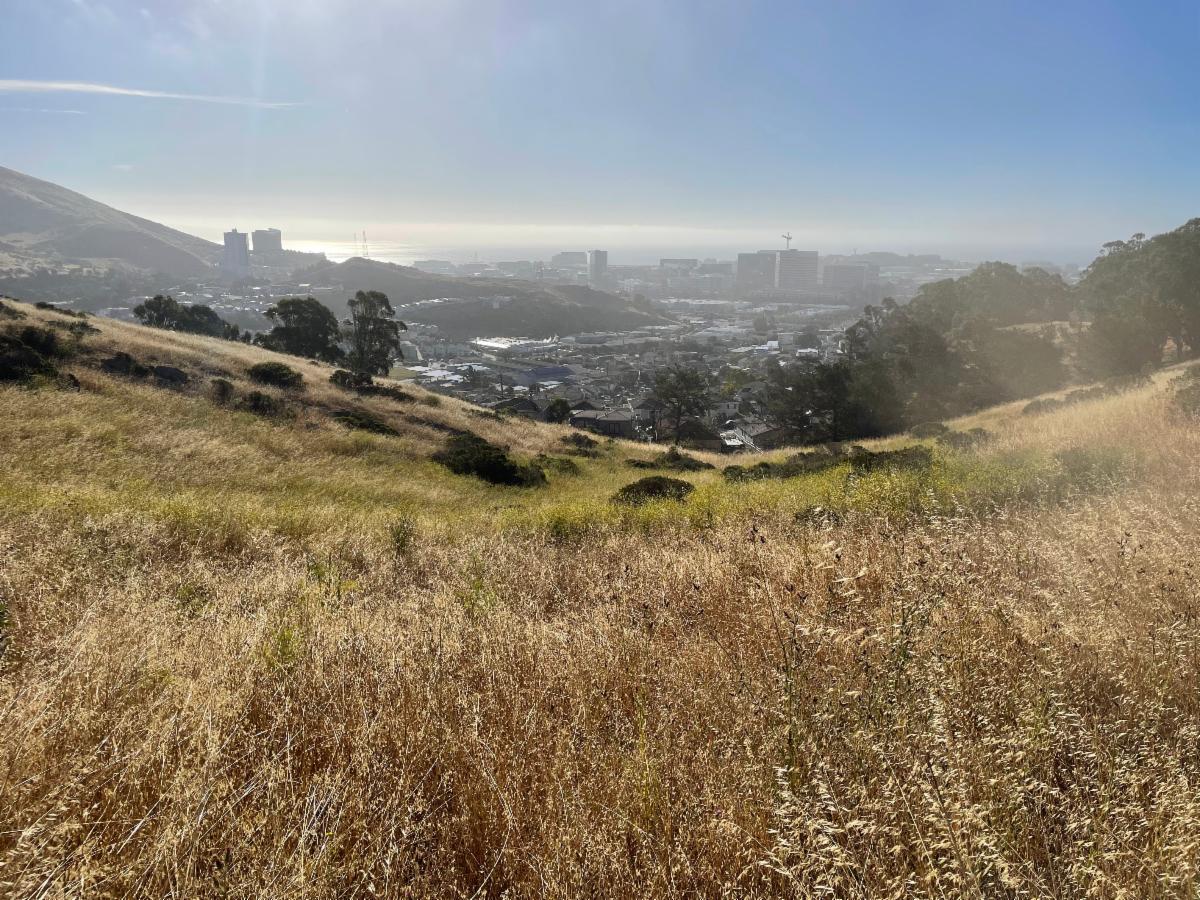
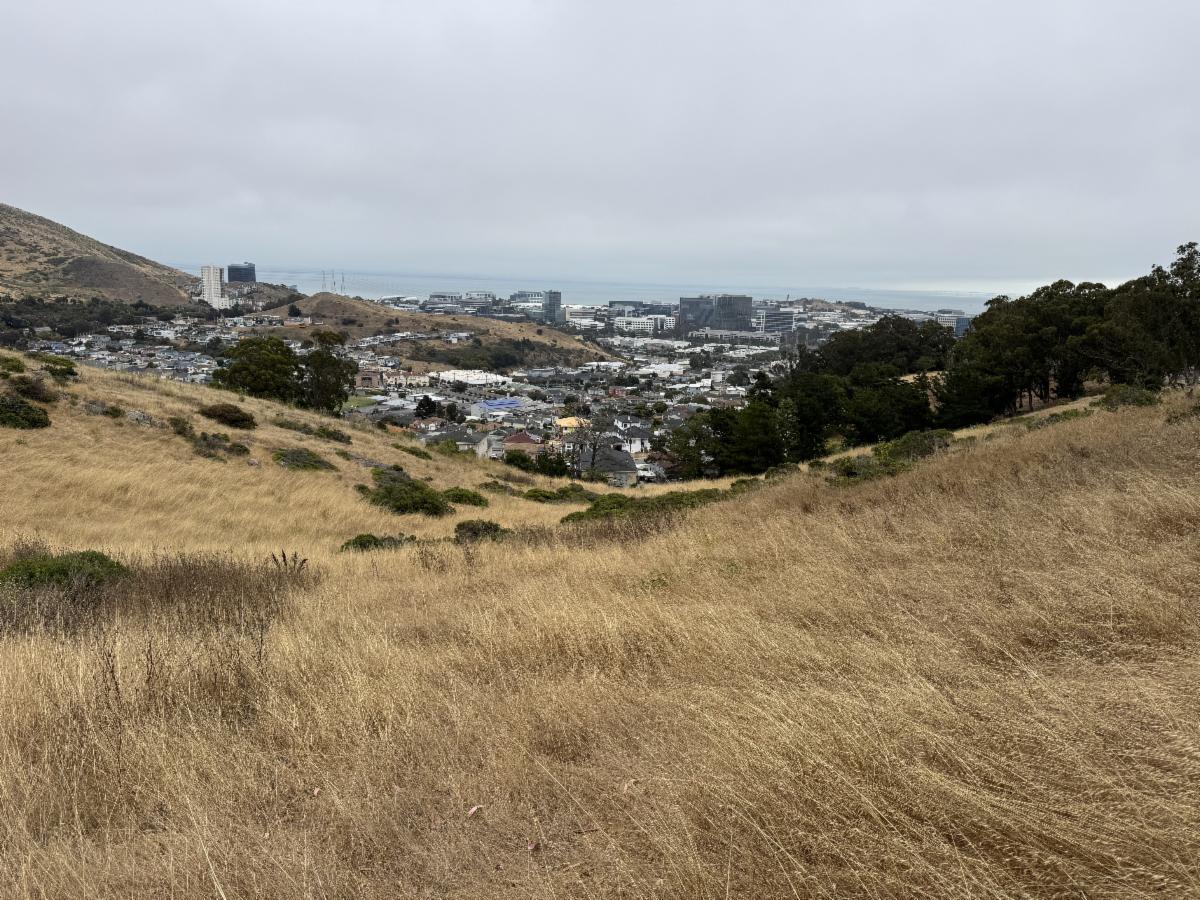
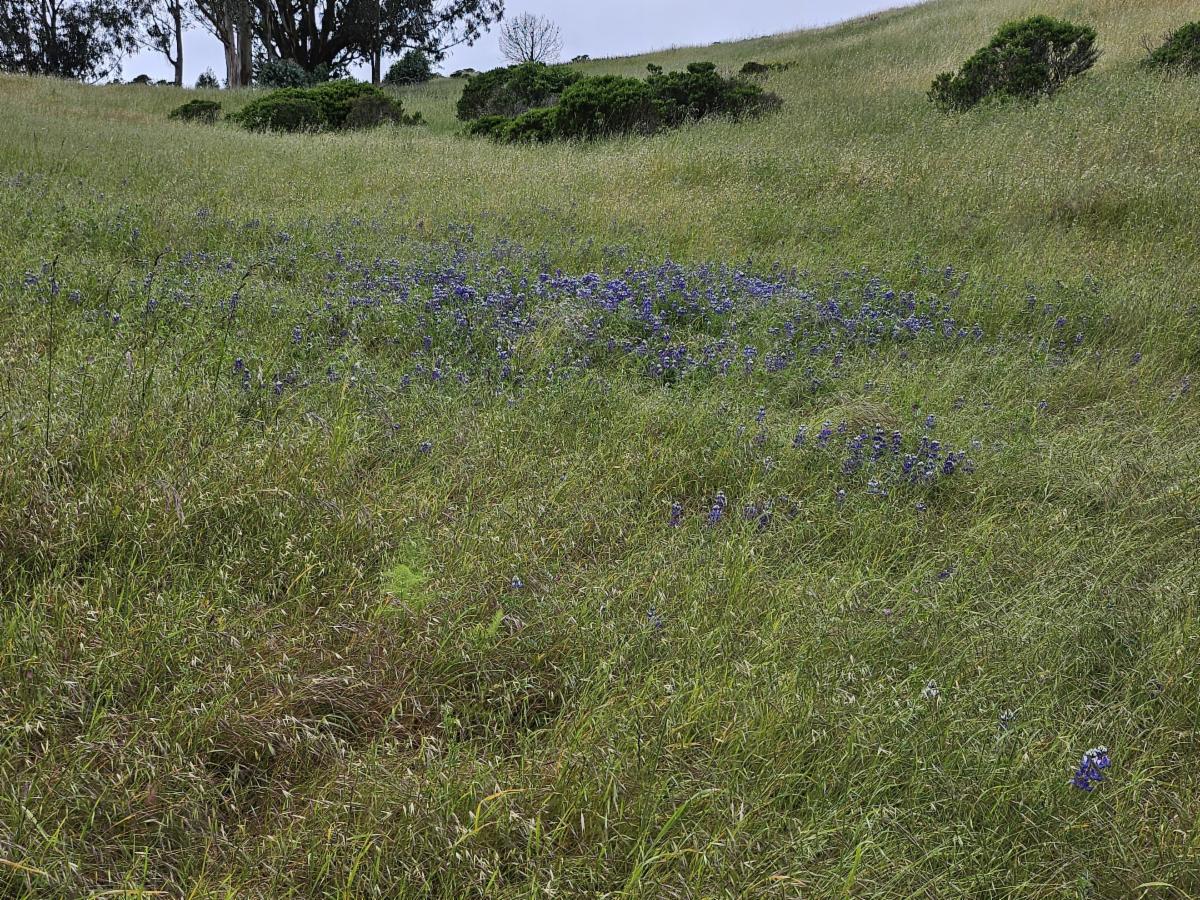
The valley below was once dominated by dense shortpod mustard. It was mowed by SSF Parks each summer from 2021-2023 and today the shortpod mustard is under control. In just thee years this valley transformed from about 80% cover of mustard to just a few isolated patches remaining.
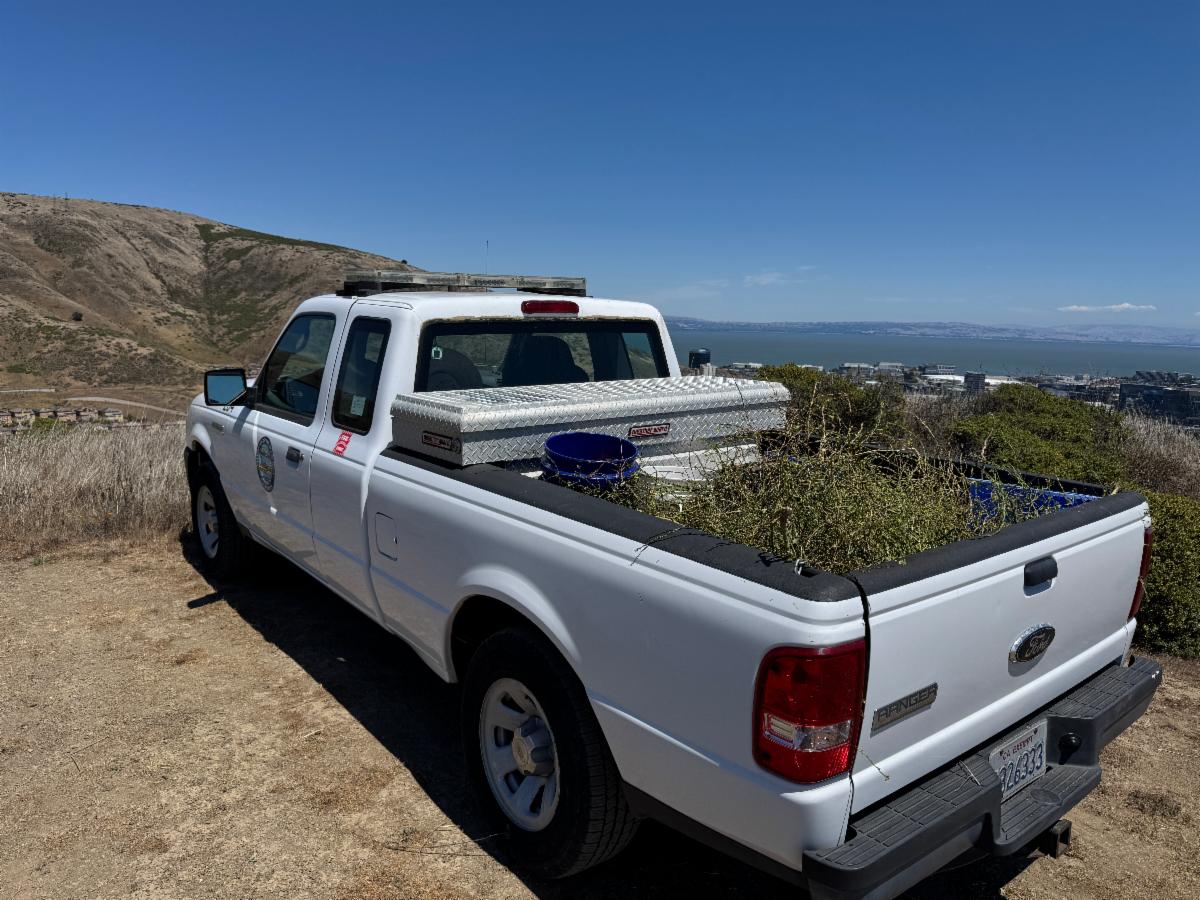
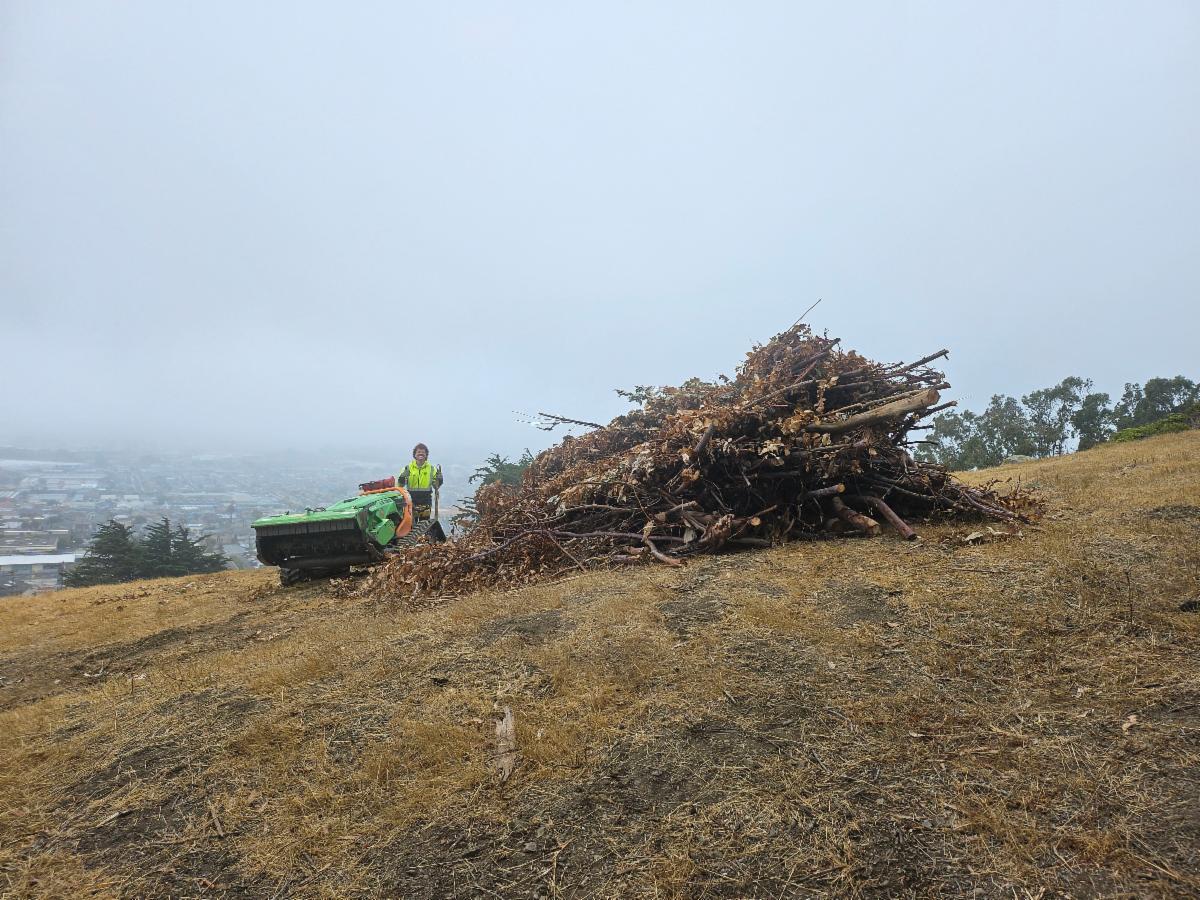
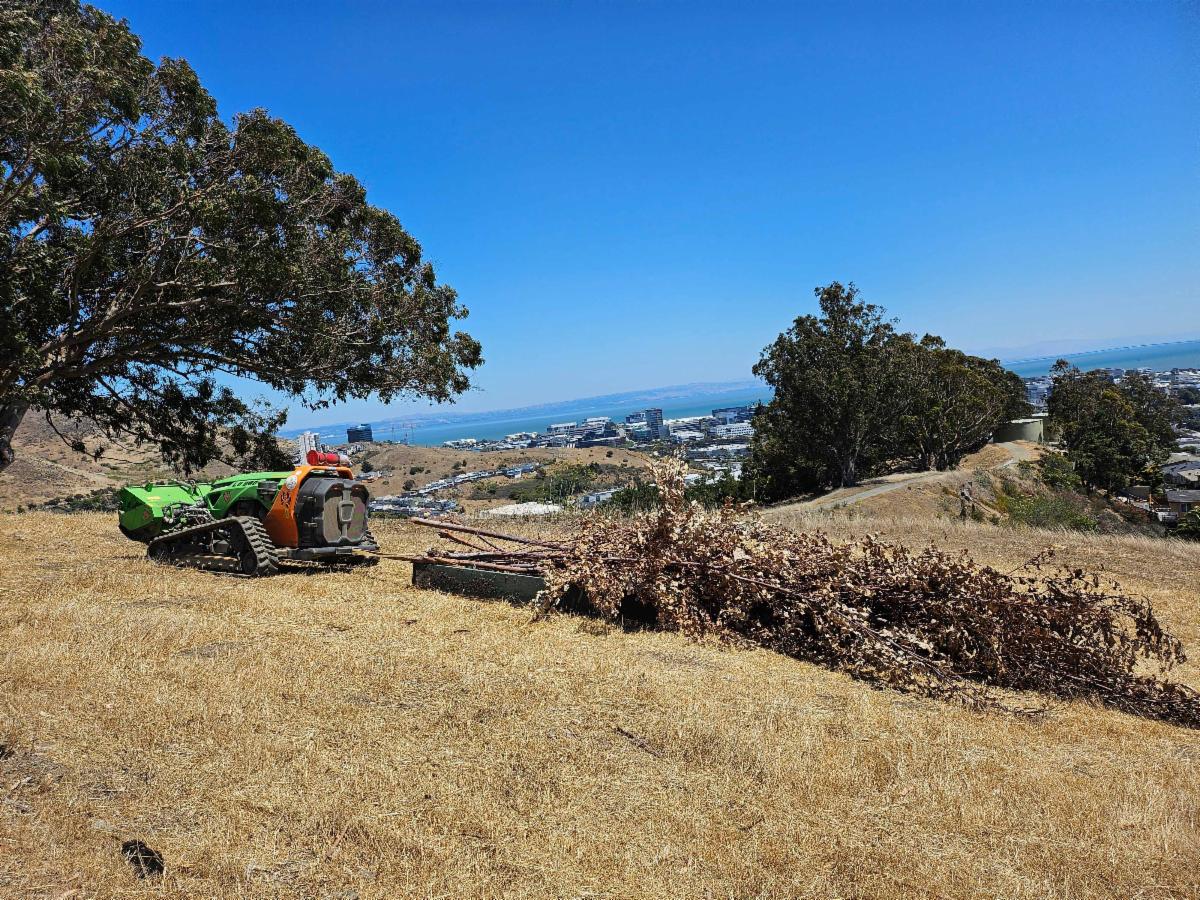
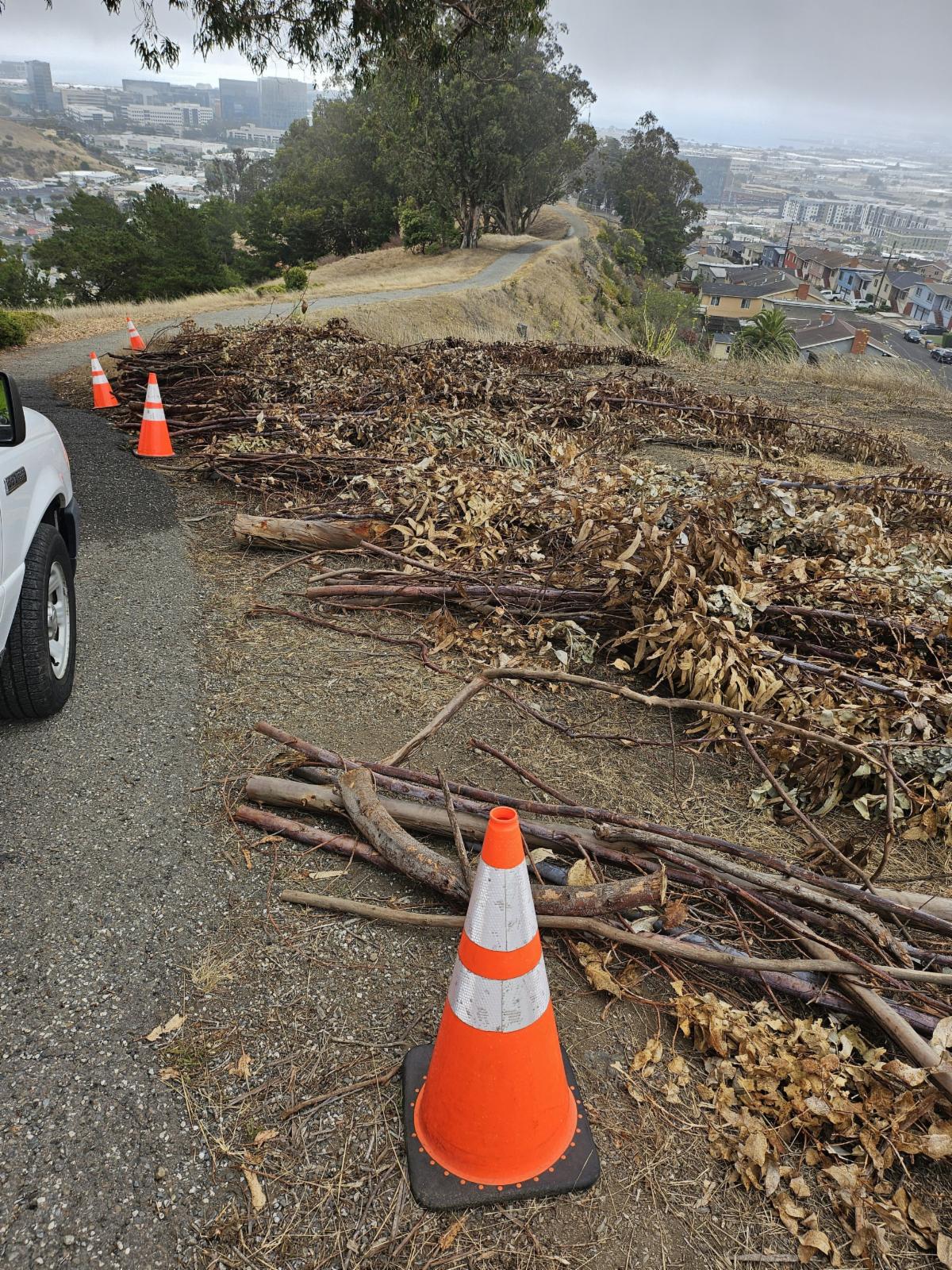
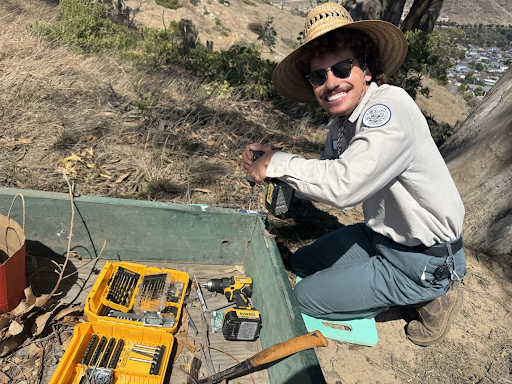
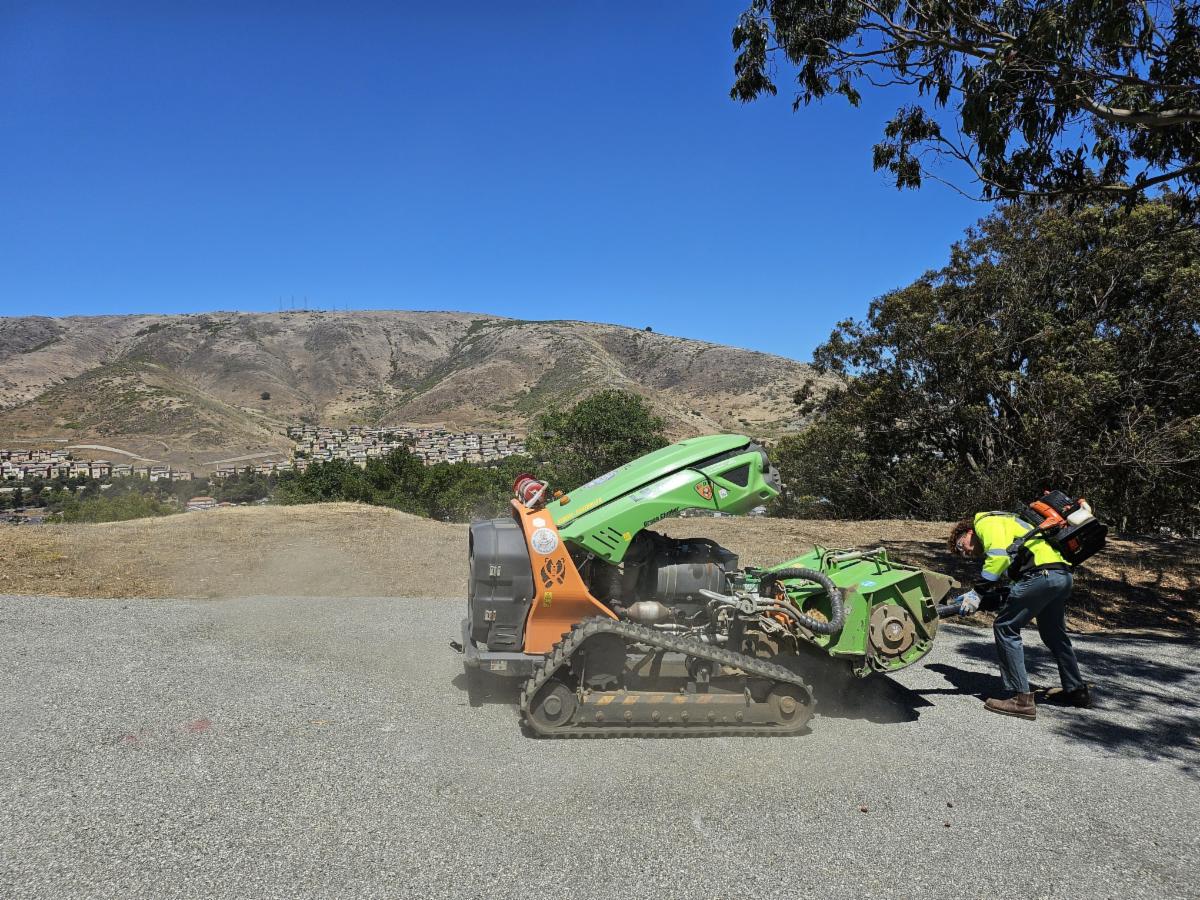
| | 2022 Shortpod mustard dominates | | 2024 Shortpod mustard under control | | Now with the tall weeds removed, we see vibrant patches of miniature lupine (Lupinus bicolor) here in springtime and many other native plants are making a comeback! | | | This summer we set the Green Climber to special task. In 2021-2022 hundreds of invasive eucalyptus and acacia trees were removed from the park to help bring the park within CalFire's defensible space safety guidelines. Many of these trees are vigorous resprouters, and SSF Parks Staff and Sign Hill Stewards have been hard at work to keep the regrowth at bay. We used the Green Climber, along with a specially designed wooden sled to move a large amount of eucalyptus branches from the defensible spaces of the parks perimeter to the access road where they could be chipped and taken offsite. | | With all of the heavy loads, we had to make some repairs and reinforcements to the sled along the way! | | In the image above Joe is blowing off the dust and cleaning the air filters on the Green Climber after long day of mowing. At SSF Parks we are grateful to have some of the most cutting edge tools at our disposal for habitat management and always make sure to stay on top of routine maintenance to keep them running smoothly for years to come! |
| |
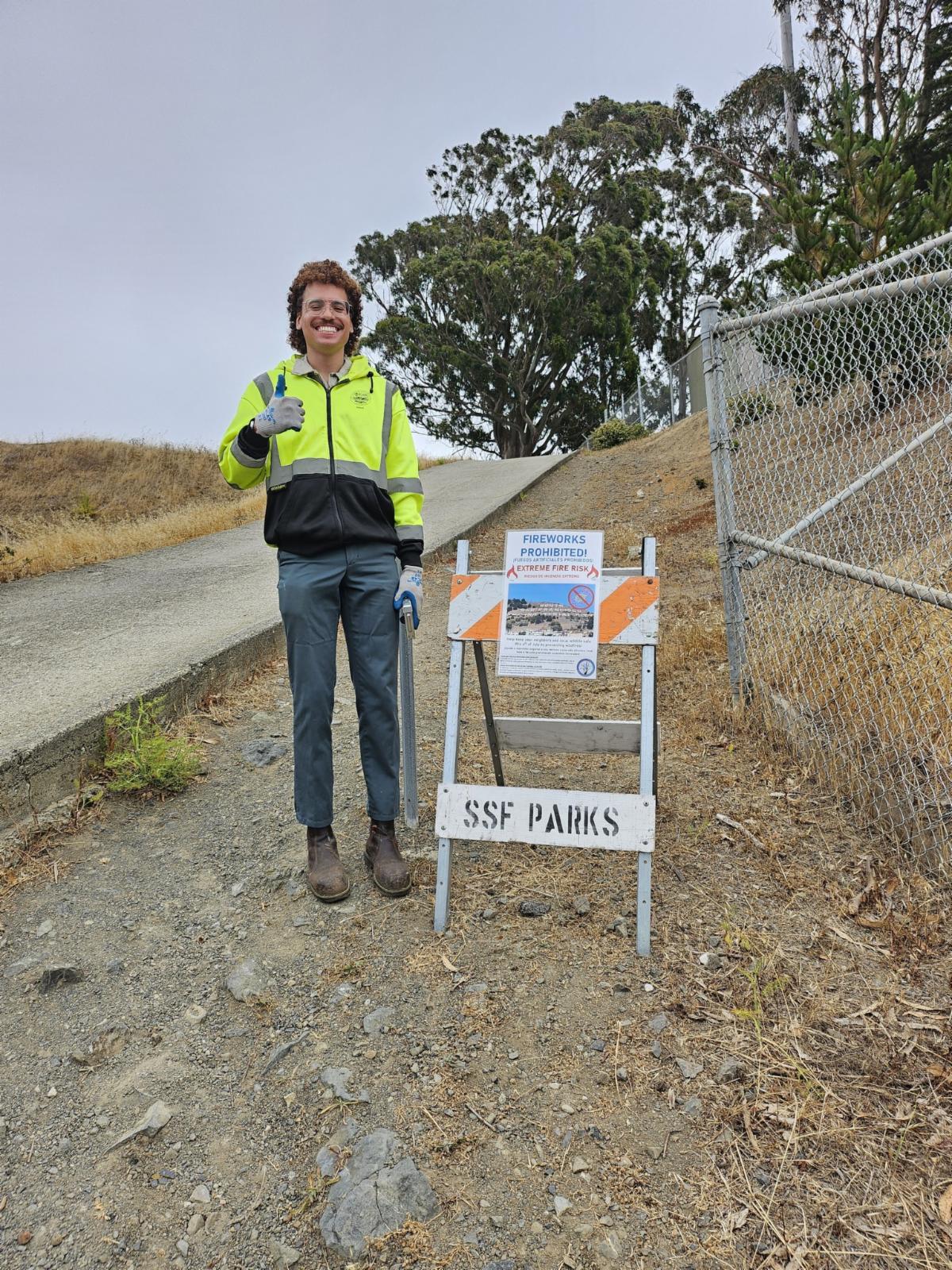
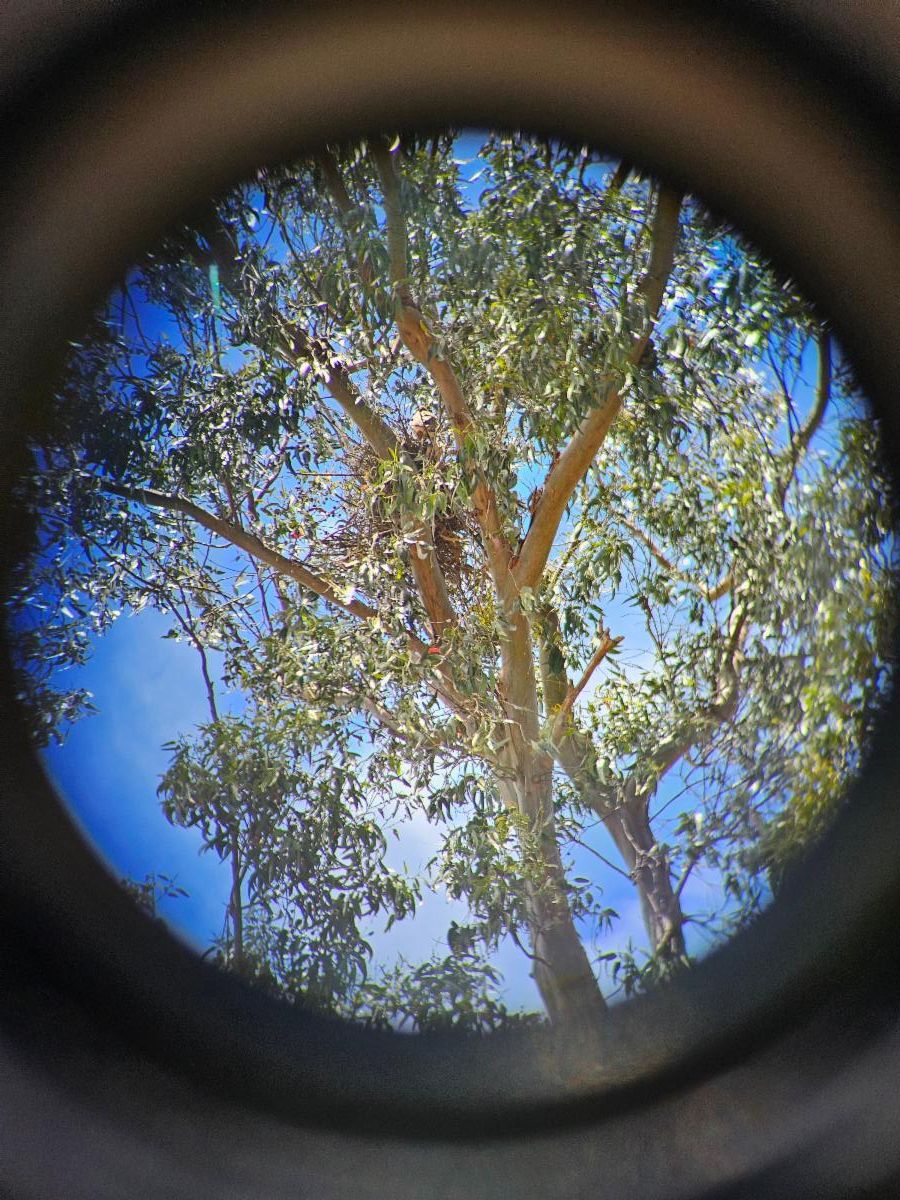
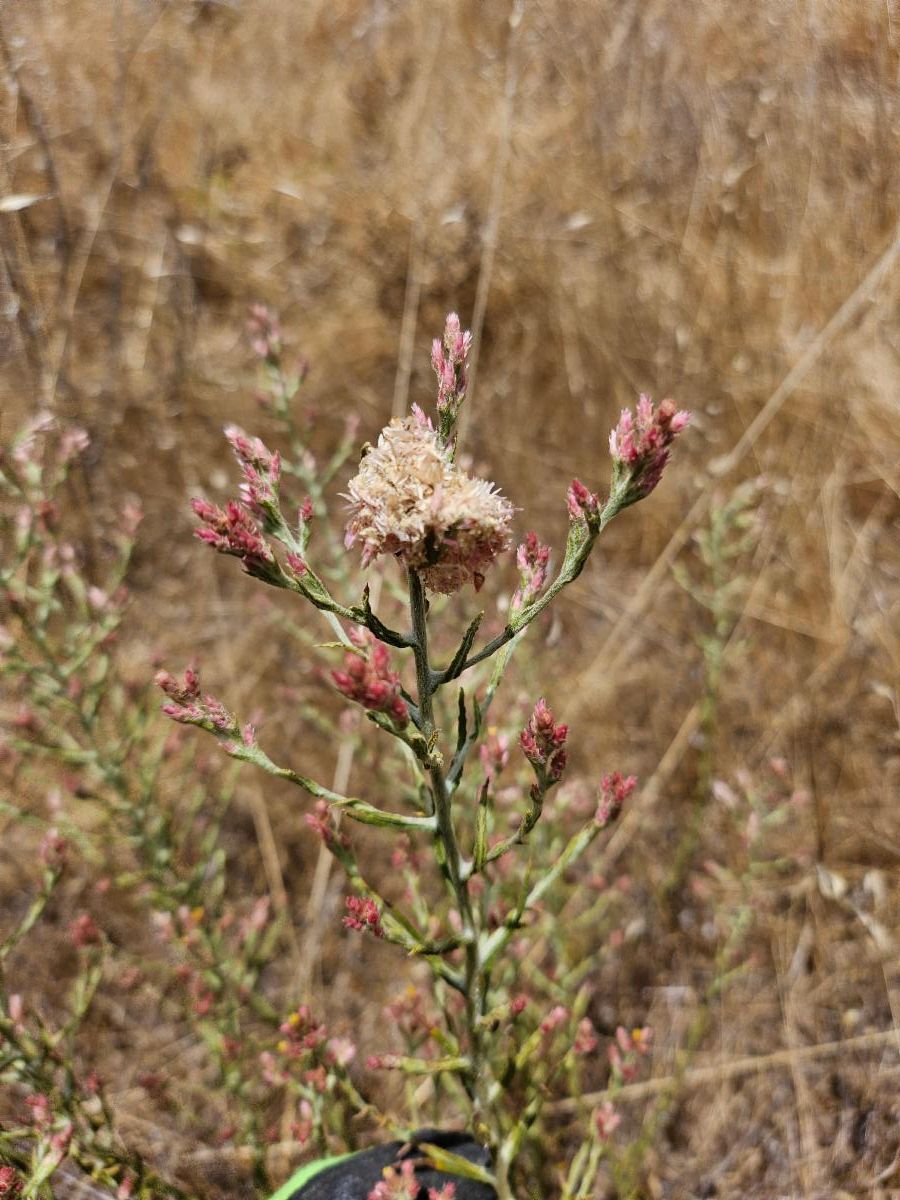
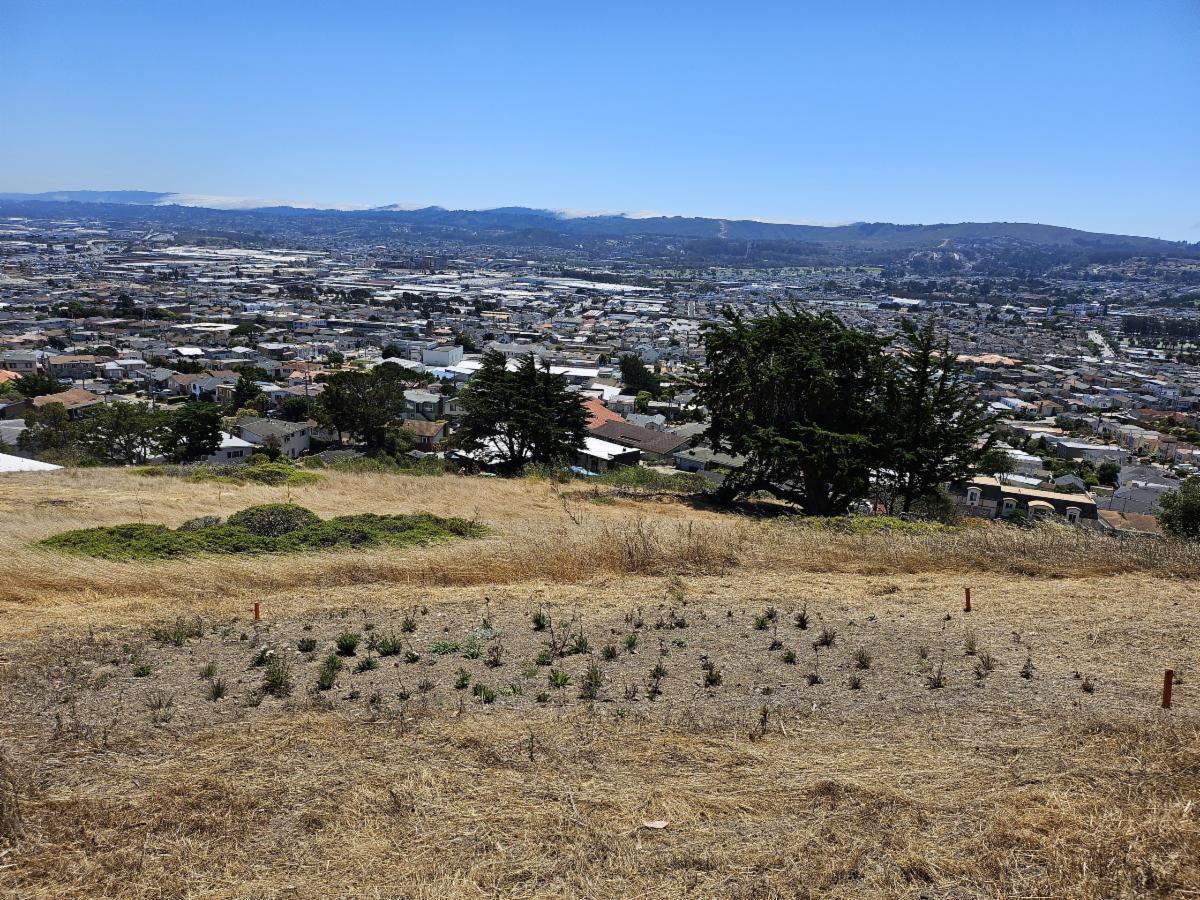
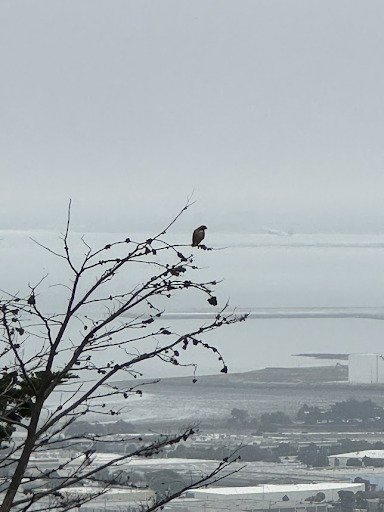
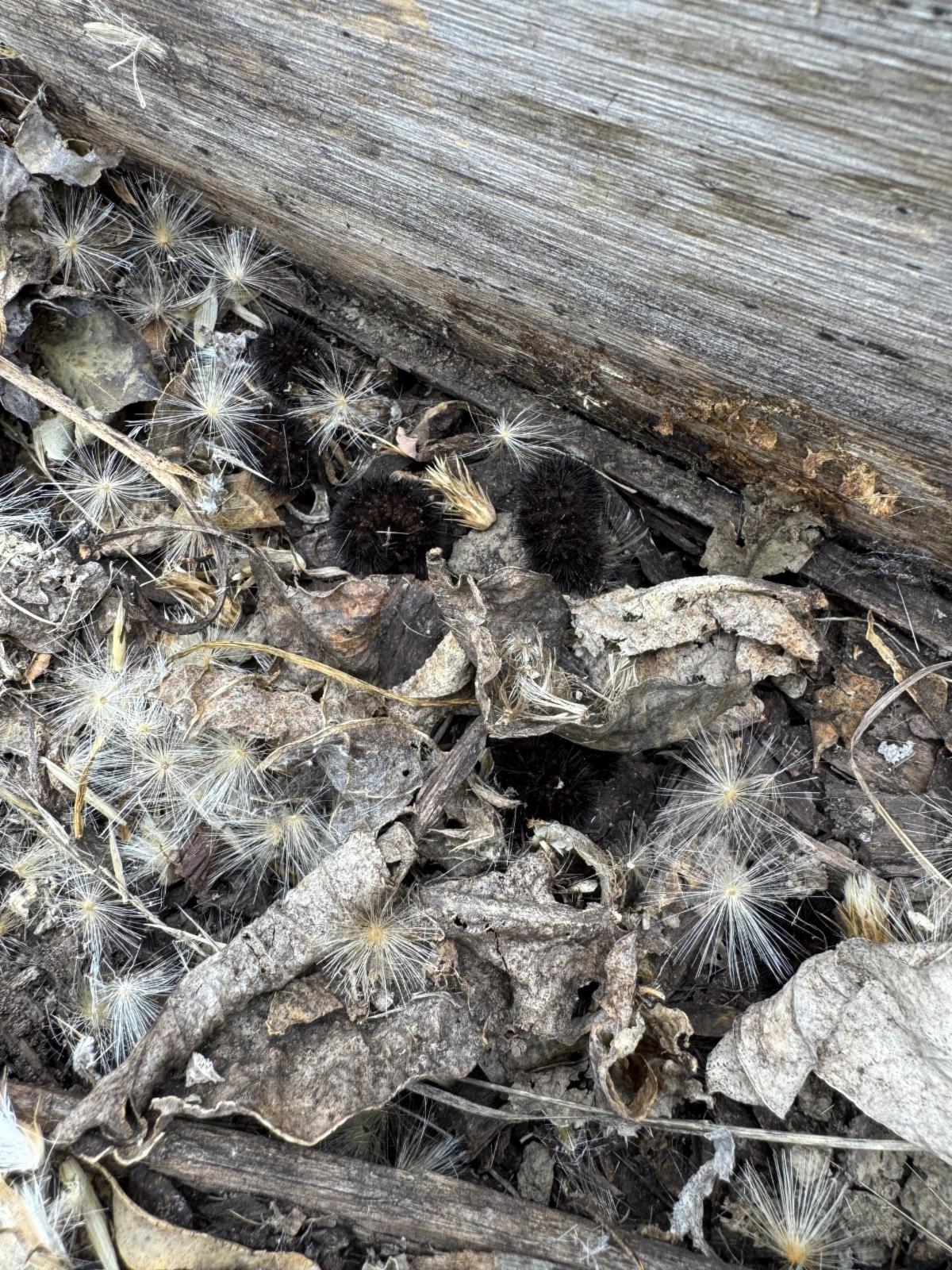
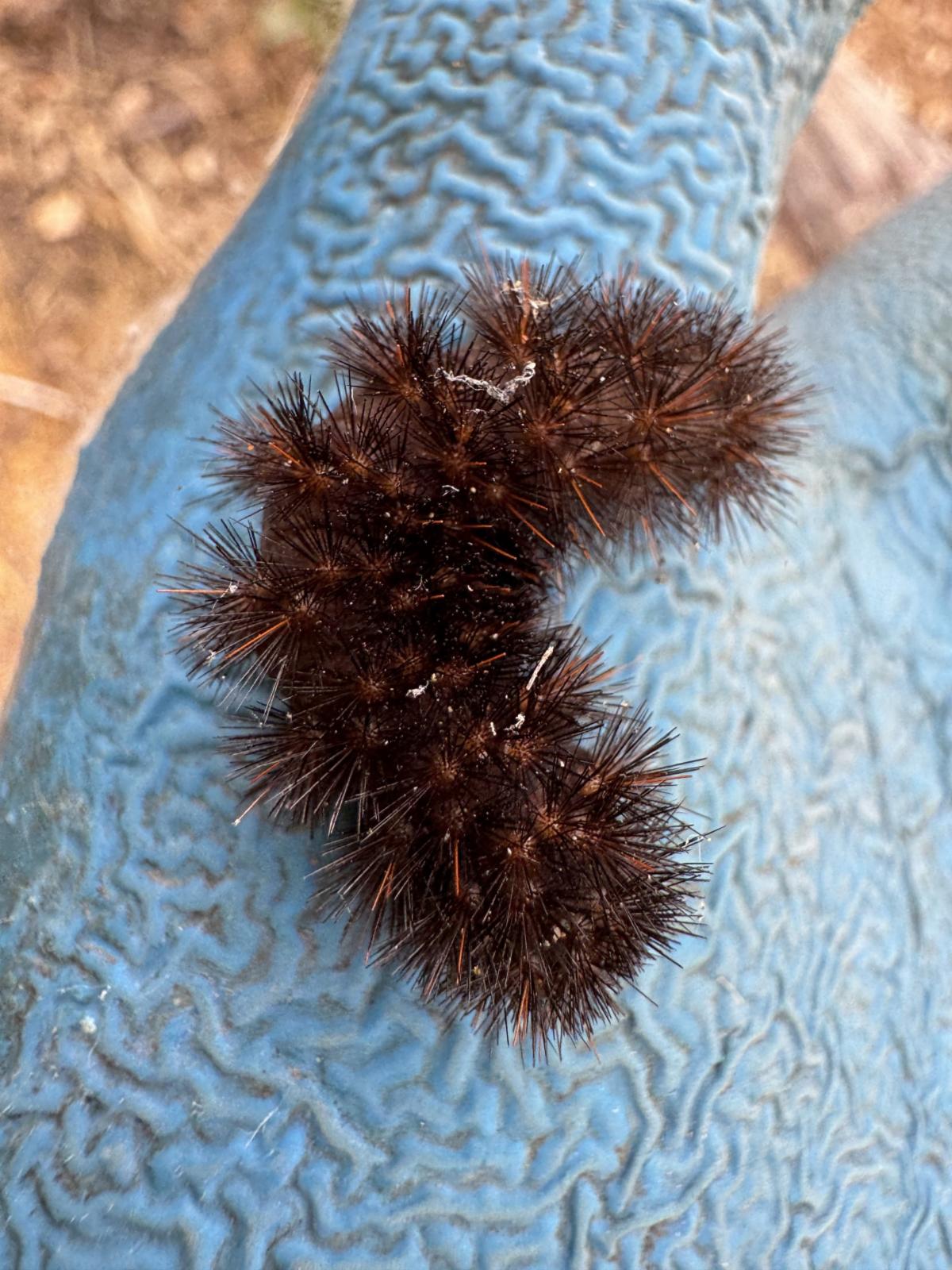
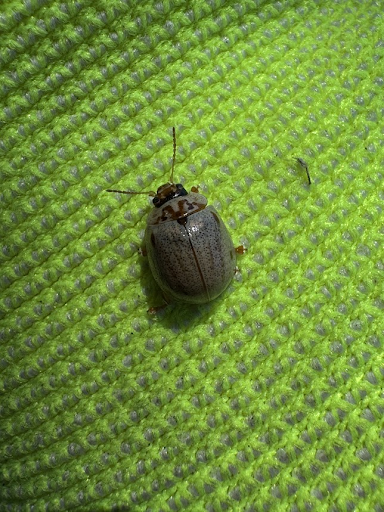
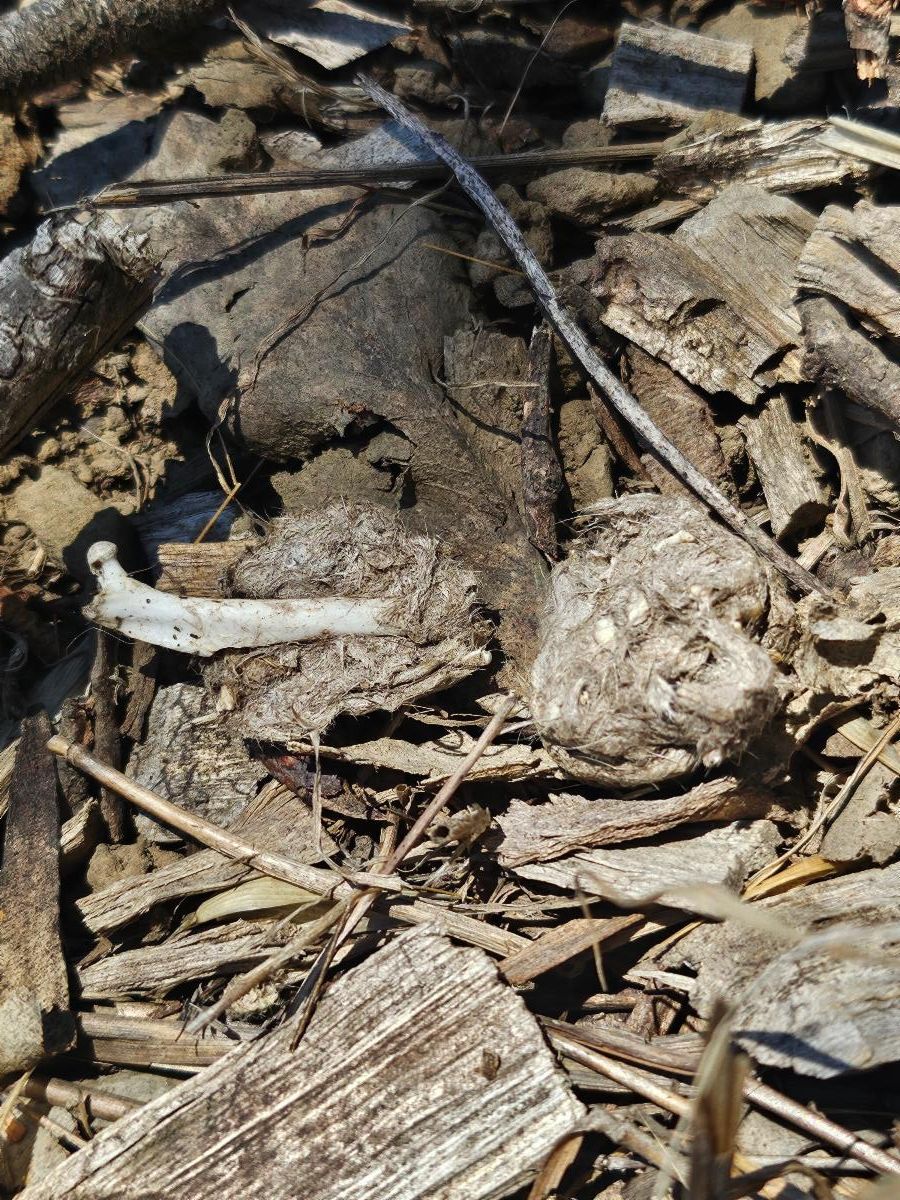
July 3, 2025 Signs are posted at each entrance to deter park visitors from bringing fireworks into the park. Sign Hill might be the worst possible place someone could use set off fireworks in South San Francisco, the risk of starting a wildfire is significant. Thankfully, the 4th of July was celebrated without incident! | | July 29, 2025 An exciting discovery! After a long-standing red-tailed hawk nest was blown down in 2024, it has been rebuilt in a neighboring branch. | | A summer-loving pink everlasting (Pseudognaphalium ramosissimum) reaches it's branches to the heavens. | | July 31, 2025 This year's planting areas are holding on through the dry months! | | August 12, 2025 A red-tailed hawk perches in the bare branches of a tree that burned in the 2020 Diamond fire. | | August 22, 2025 While cleaning up some eucalyptus branches we stumbled upon the mother load of painted tiger moth caterpillars (Arachnis picta). | | August 28, 2025 A praying mantis hitched a ride on the dump truck as we were removing fennel from along the Bay Trail. Hold on tight little buddy! | | The eucalyptus leaf beetle (Chrysophtharta m-fuscum) has become a common sight on Sign Hill feeding on the young leaves of blue gum eucalyptus. While considered an invasive pest by plant nurseries keeping eucalyptus trees, on Sign Hill they seem to be working toward the same ends as Sign Hill Stewards! | | A great-horned owl must have recently coughed up this owl pellet, what an exciting nature find! I wonder what little critter's it had eaten? | | |
When: Every other Saturday from 9am-12pm. Only cancelled for heavy rains.
Where: Volunteers will park at the Sign Hill Parking Lot nearby 964 Ridgeview Ct, South San Francisco, CA and hike with staff to the restoration site.
Registration: Registration is required. Volunteers under the age of 18 must have a youth waiver signed by a parent/guardian. Youth under the age of 16 are welcome and must be accompanied by an adult. Click the link below to RSVP.
What to bring: To prepare for working outdoors, please bring work gloves, plenty of water, sturdy shoes, long pants and long sleeves, a hat/sunscreen, and a completed waiver for each volunteer. Volunteers should expect some hiking on steep terrain.
| | | | |