|
Happy Friday, Everyone,
Saying “no” with love is one of the most important gifts you can give your child. It helps them feel safe, learn self-control, and build confidence. As parents and early childhood educators, we all want to nurture happy, resilient children, and one of the most loving ways to do that is by setting clear boundaries, even when it means saying “no.”
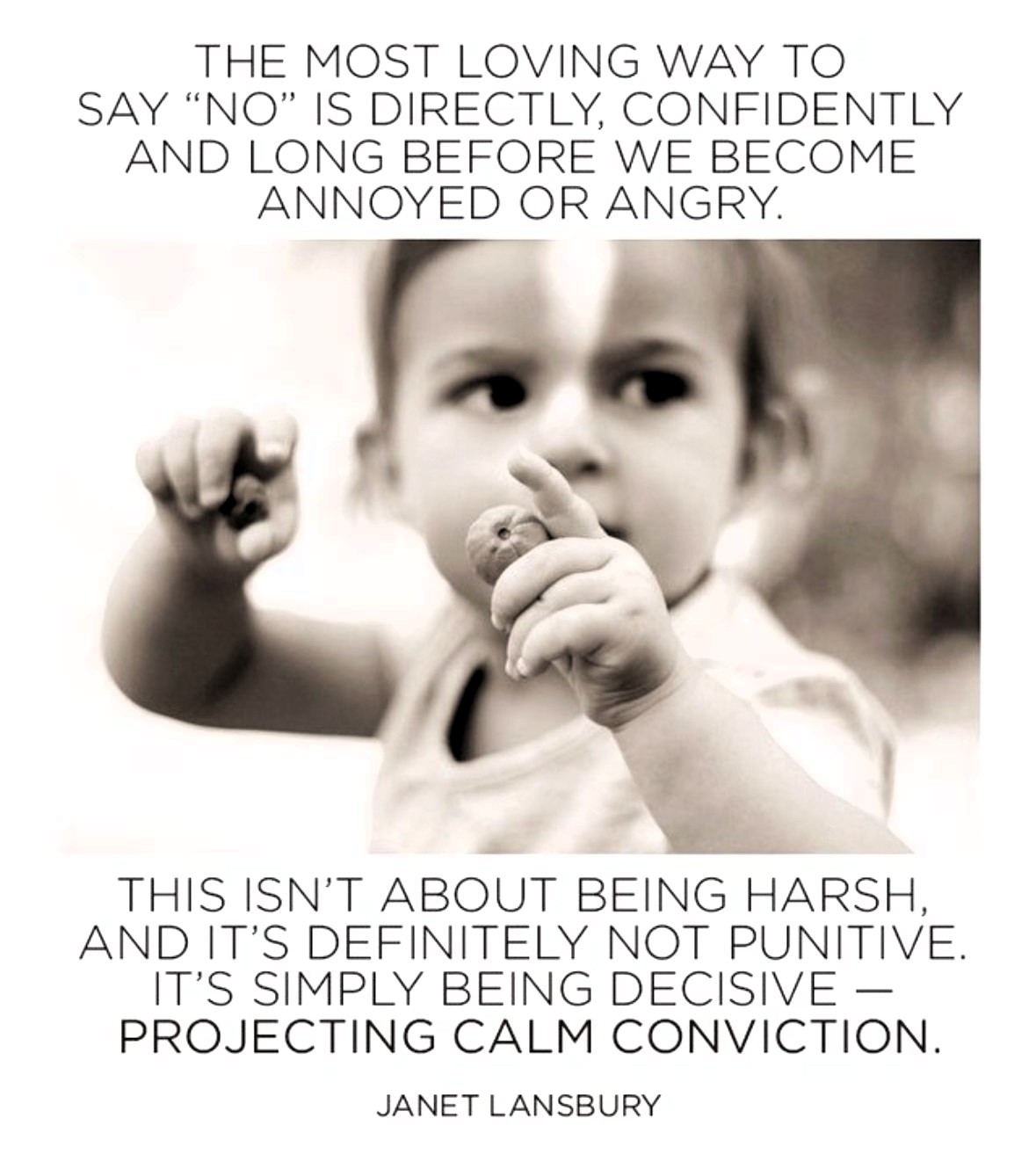
Inspired by the work of Janet Lansbury, a well-respected voice in early childhood education, and David Walsh, Ph.D., a renowned child psychologist, we wanted to share why hearing “no” is important, how it supports growth through trusting relationships, and why it can be deeply reassuring for children.
Children thrive on predictability and knowing that the adults in their lives are confidently in charge. When we lovingly and firmly say “no” to things that aren’t safe or appropriate, we’re not just setting limits; we’re teaching children they can rely on us. All learning happens through relationships, and children feel most secure exploring the world when guided by caring, consistent adults.
Janet Lansbury reminds us that children aren’t looking for constant agreement - they’re looking for leadership. Without boundaries, kids can feel overwhelmed by too many decisions or by trying to control situations beyond their capacity. David Walsh, Ph.D., emphasizes that learning to handle “no” builds resilience, emotional regulation, and self-discipline, all key life skills that start in early childhood.
Saying “no” doesn’t have to feel harsh or dismissive. It can be delivered with warmth and empathy. For example:
- “I see you really want to keep playing, but it’s time to clean up now. I can help you.”
- “I won’t let you hit your brother. I know you’re upset. I’m here to help.”
- “I know you’re upset, and that’s okay. But we can’t do that right now.”
- “I can’t let you climb on the table, but I can help you find a safe place to climb.”
- “Do you want to put your shoes on first or your backpack?”
These firm yet compassionate responses let children know their feelings are heard while the boundary remains in place. Over time, this builds trust and helps them learn patience, emotional regulation, and respect for others.
Of course, no one enjoys hearing “no” all the time, so balance is key. Offering simple choices—like “Do you want to wear your red shoes or your blue shoes?” gives children a sense of control within the safe structure we provide.
Together, we’re helping children gain the confidence and calm that comes from having loving boundaries. Thank you for partnering with us to help your children grow into confident, secure, and compassionate people. Remember, every “no” is part of the larger relationship that nurtures learning, exploration, and social and emotional growth.
For further reading, Janet Lansbury’s No Bad Kids: Toddler Discipline Without Shame and David Walsh’s No: Why Kids—Of All Ages—Need to Hear It and Ways Parents Can Say It offer wonderful insights into setting loving limits while maintaining connection.
Warmly,
Clare Carter
Preschool Director
|