Welcome to Brainstorms!, the monthly Montana STEM educators e-newsletter, brought to you by Montana State University's Science Math Resource Center. We share engaging opportunities for STEM educators across all grade levels, subjects, and settings. Stay informed about professional development workshops, grant opportunities, classroom resources, student STEM events and contests, and more! | |
Science Olympiad 2026 is Feb. 19 at MSU
The Montana Science Olympiad state tournament will be held at MSU-Bozeman on February 19, and events for Divisions B (middle school) and C (high school) are now posted online. Rules manuals are also available for download on the national website, and Montana registration will open in early October.
If you're brand new to Science Olympiad, start here to learn about this amazing program and how you can coach a team at your school.
Join us Thursday, October 2 at 4:15 pm for the 2026 Science Olympiad Coaches' Kick-off! This is a chance for potential, new and returning coaches to meet the Montana Science Olympiad staff, learn about this year's events, gain access to resources, and learn tips and tricks from veteran coaches. It will be held virtually through Webex and is free to attend. Please register using the link below to gain access to the Webex. Registration link
Note: Our Website has a new look, so bookmarked links may not work. Take a look around - you'll like it!
| |
American Mathematics Competitions coming in November for high schoolers
The AMC, organized by the Mathematics Association of America (MAA), are a series of three tests aimed at middle and high school students in grades 7-12. These tests focus on developing students' problem-solving skills and content knowledge. The Science Math Resource Center hosts these competitions at MSU at no charge to participants. AMC 10/12 are high-school level competitions, and AMC8 offers challenging questions up through 8th grade.
AMC 10/12 A: Nov. 5, 2025
AMC 10/12 B: Nov. 13, 2025
AMC 8: January 2026 - Exact dates coming soon
Registration will open this fall. To get updates on AMC and other upcoming math events, sign up for the Montana Math Circle Newsletter
| |
MSU launches QCORE Quantum Computing Facility
Montana State University officially opened its interdisciplinary research facility dedicated to the study of quantum computing Aug. 20. Called QCORE, or Quantum Collaborative Research and Education, the high-tech facility positions the university to identify and address grand challenges in quantum systems.
Part of QCORE’s mission is to nurture scientists and entrepreneurs attempting to incorporate advances in quantum technology into useful components and devices. QCORE’s mission also includes research translation, providing a business incubator for startups and developing workforce education programs for K-12 and up.
Read the MSU news article about launch week and subscribe to the Education and Workforce Development list-serv here.
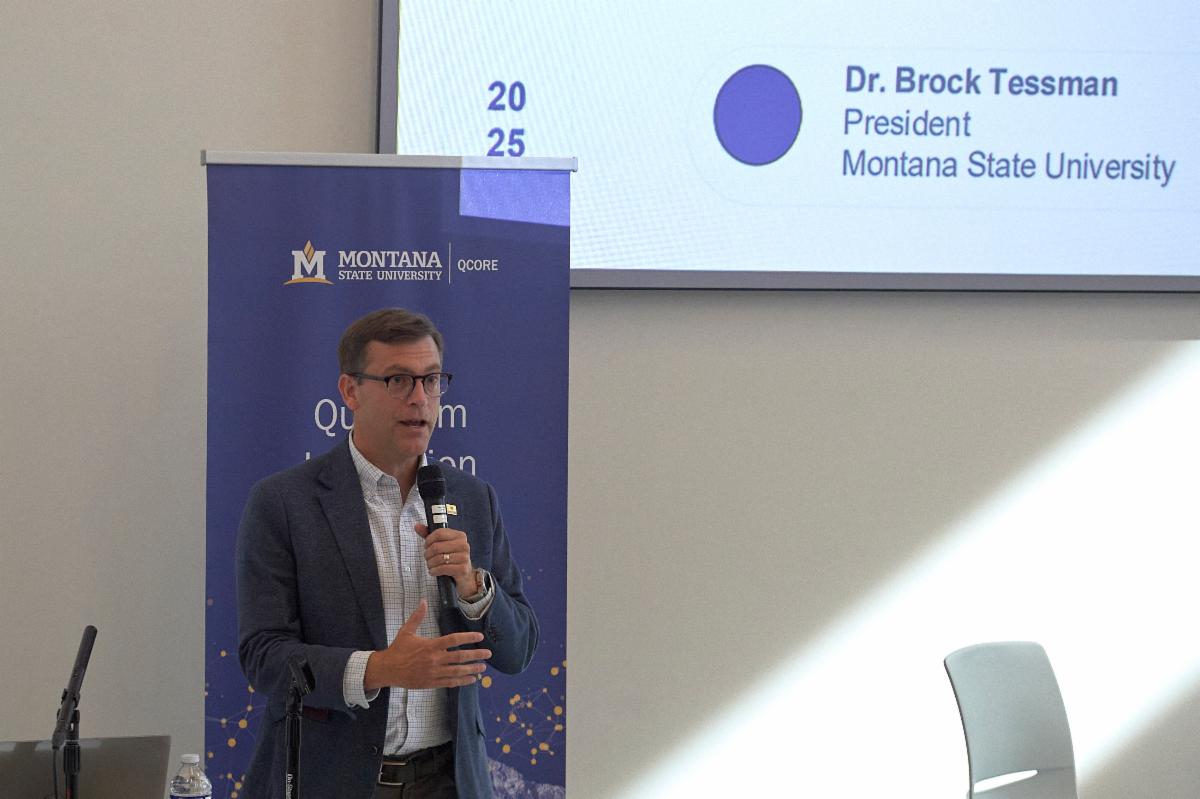
Photo: Montana State University President Brock Tessman delivers remarks at the opening of MSU's quantum computing facility called QCORE. MSU photo by Skip Anderson
| | |
Support your profession and join MSTA
The mission of the Montana Science Teachers Association is to empower teachers of science in Montana and beyond by promoting professional development opportunities for teachers and their students. Kick off your school year by becoming part of MSTA.
An annual membership is just $20, and members of curriculum groups like MSTA receive a discount of $55 off registration for the annual MFPE educators' conference, so the math pencils out on that one!
Visit MSTA
| | | | |
See you at MFPE in Missoula! Watch for a full-day fire science tour
Registration is now open for the Montana Federation of Public Employees annual educators' conference, held this year in Missoula at Big Sky High School.
- Choose from hundreds of sessions.
- Collaborate with colleagues in 16 curriculum groups, including the Montana Science Teachers Association
- Hear great discussions from keynotes.
- Earn Professional Development (Renewal) Units.
- Attend in-person or virtually.
- Register early to reserve your seats.
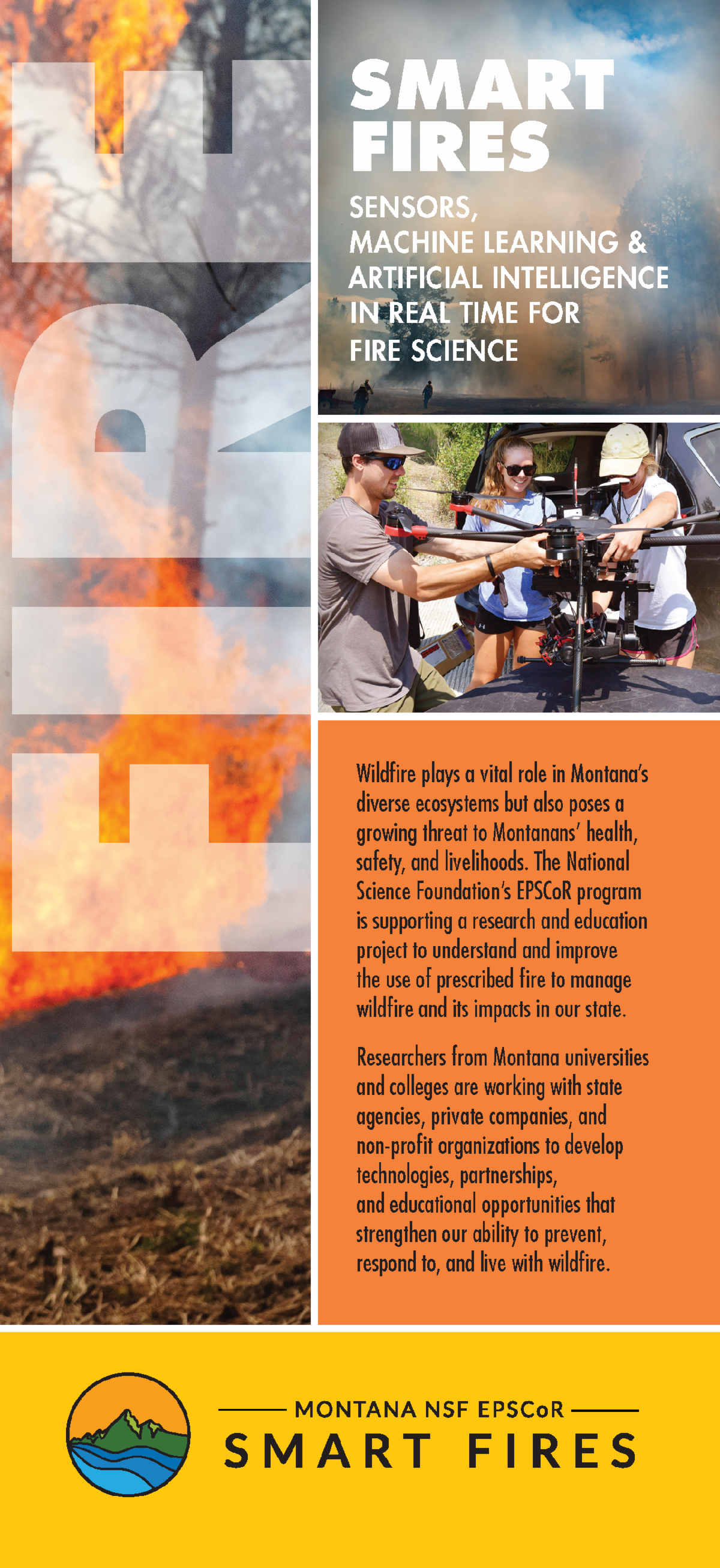
Look for a full-day session in the MSTA track on Fire Science, led by the Montana NSF-EPSCoR supported SMART FIRES project. Just 30 seats are available. Tour includes the Smokejumper Lab, USFS Fire Science Lab and a behind-the-scenes tour of controlled burn plots at Lubrecht Experimental Forest.
Learn more about MFPE // Learn about SMART FIRES
| | | |
Montana State faculty member studies impact of four-day school week on children
As a growing number of schools across Montana ponder moving to a four-day school week, a researcher at Montana State University and her colleagues are examining the impacts of such a change on children.
Among other topics, MSU’s Emily Tomayko and her collaborators have examined questions related to the impact of a four-day school week on adolescent health behaviors; physical education and obesity; and food security. They have also researched early elementary achievement and high school achievement in the four-day model. Tomayko said she is particularly interested in continuing research on the health and wellness impacts of four-day school weeks on children.
Read the MSU News article
| | |
Share your STEM opportunities across the state through the Montana STEM Ecosystem
If you host a STEM program in Montana, be sure to add it to the Montana STEM Database created by the Montana STEM Ecosystem.. The database will now include mapping features and will now:
- Showcase STEM programs and resources available to Montana youth
- Increase visibility with youth, families, educators, and community partners
- Be shared across schools, libraries, education networks, and partner websites
- Inform state and regional planning to address gaps and strengthen access
Take a moment to submit a new entry on the form below and thank you for helping us spotlight the STEM learning opportunities in our state.
Montana STEM Database.
To keep in touch with this effort subscribe to the Montana STEM Ecosystem listserv
| | Opportunities from our partners | | Get Free Air Quality Sensors for Your School Through Montana DEQ's PurpleAirs in Schools Program | | |
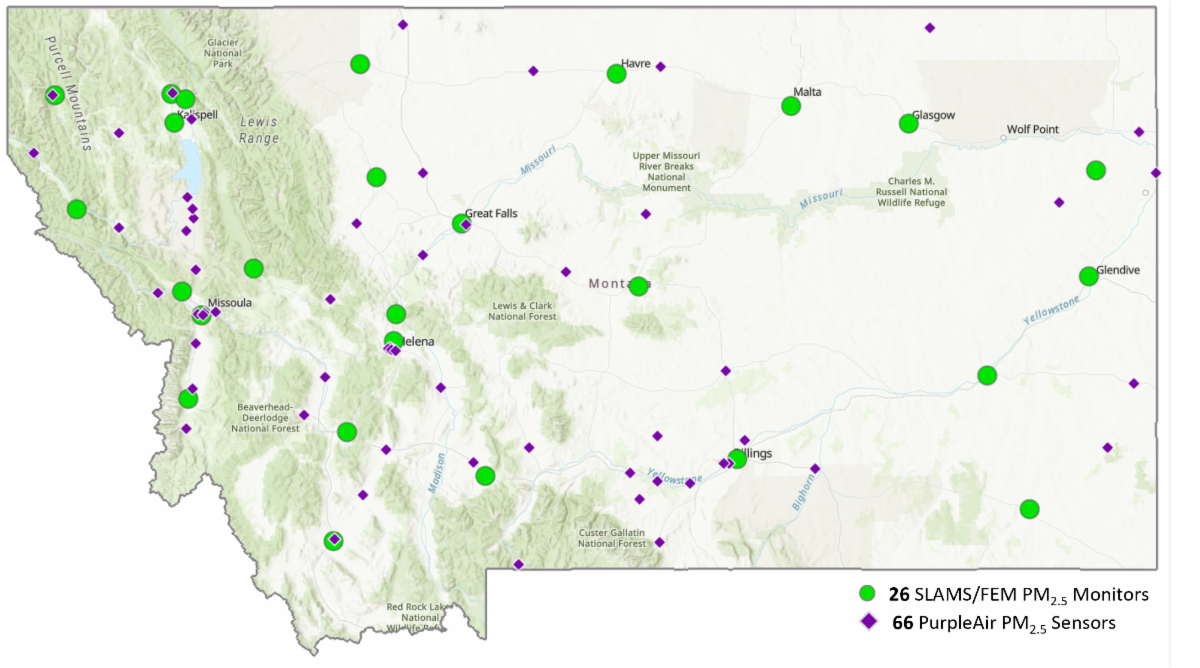
The Montana Department of Environmental Quality (DEQ), in partnership with the University of Montana’s Center for Population Health Research (UM CPHR), is offering schools across the state a unique opportunity to participate in the PurpleAirs in Schools program. This initiative provides schools with two free air quality sensors—one indoor and one outdoor—to monitor PM2.5, the air pollutant of greatest concern in Montana.
While indoor sensor data will remain private, outdoor data will be publicly available on the EPA’s AirNow Fire & Smoke Map and eventually featured on DEQ’s Today’s Air website. More than 100 schools have already signed up for the program, and around 70 schools currently have their sensors online. The program is especially focused on serving rural and underserved communities, helping to fill gaps in statewide air quality monitoring network and support better local public health messaging.
There are no reporting or enforcement requirements—just the opportunity to better protect the health of students, staff, and the wider community. For more information, contact Keri Nauman at Montana DEQ (keri.nauman@mt.gov; 406-444-6698). There is also more information available on DEQ’s website
| |
| | |
Sept. 9 from OPI: Take the intimidation out of data through mathematics
FREE: Discover new resources you can integrate into your existing curriculum to address the new data science mathematics standards. Register here.
| | | | |
NASA for Rural Educators: Sept. 11
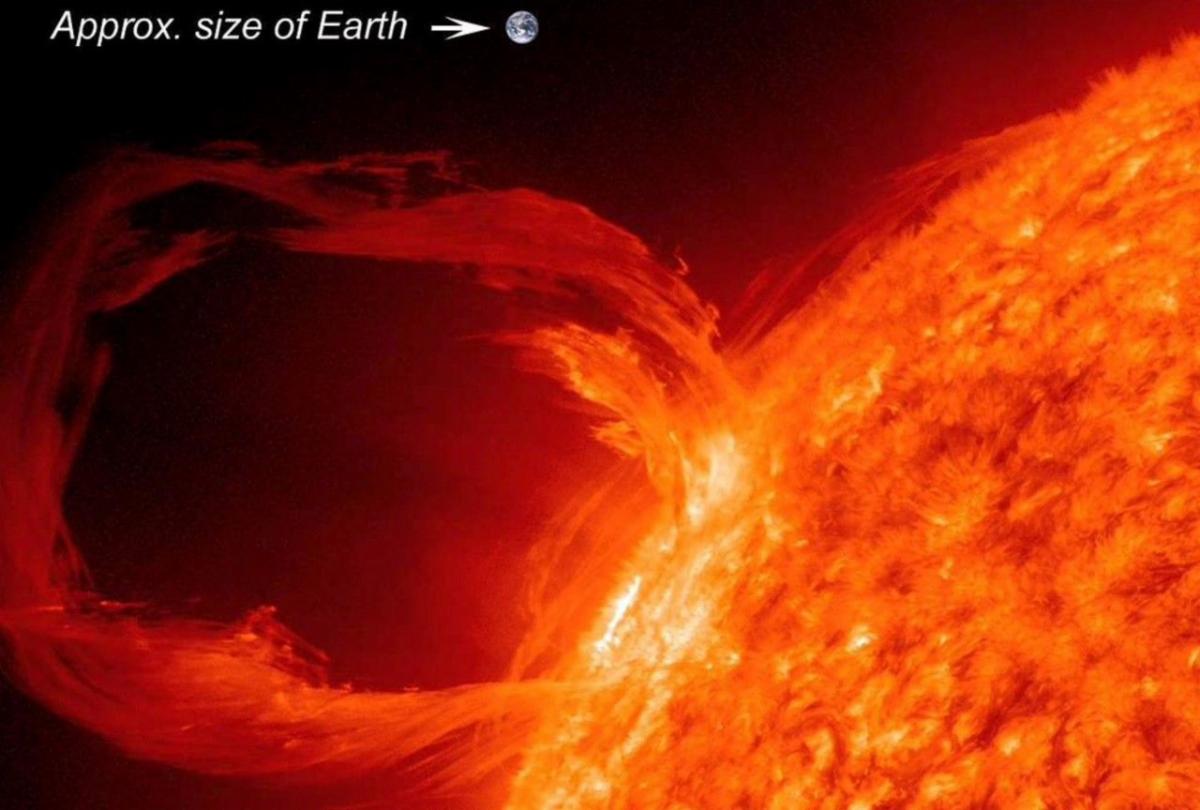
Join hosts Dr. Rachael Arens, Associate Researcher at NAU PLANETS and Luke Henke, Education Advisor for NASA HEAT, on Thursday, Sept. 11th at 6pm MT as they welcome NASA HEAT Education Specialist Christina Milotte who will discuss what's new with heliophysics resources, including everything the light touches and the sun's effects on it.
Access registration here
Access past 3-D Thursday Episodes
We are pleased to share our past episodes with you from our updated NASA SciAct Rural Page. Feel free to watch former episodes and reach out to the guests for further resource information.
| | |
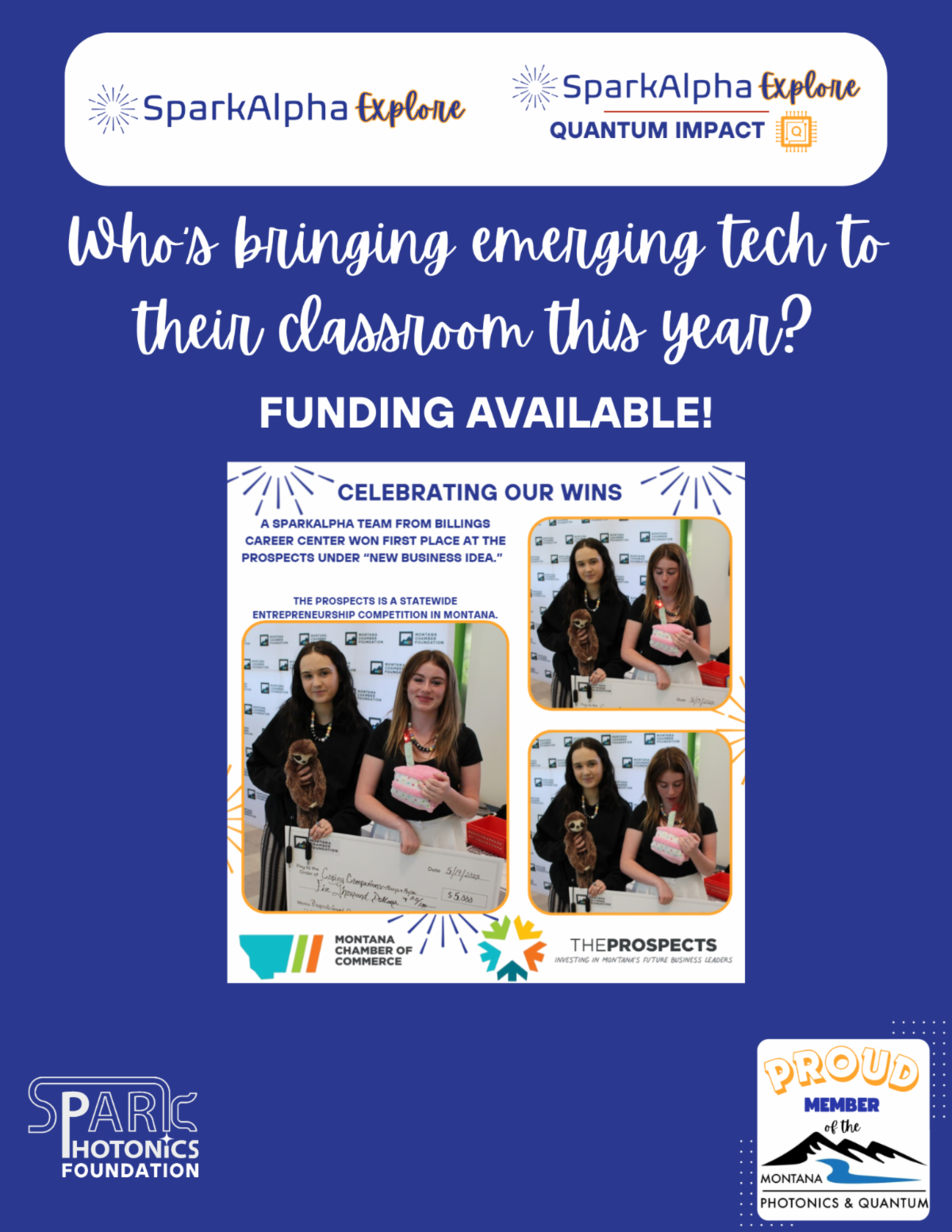
Bring real Montana careers into your classroom with SparkAlpha Explore
SparkAlpha Explore is a flexible, project-based challenge where student teams design a sensing solution inspired by photonics, semiconductors, and advanced manufacturing. It fits your schedule and goals, whether you run it over a few weeks, a quarter, or as a capstone. Teachers get quick, turnkey training and ready-to-use slides, worksheets, and rubrics in our online Community of Practice.
Why it matters in Montana: Photonics and advanced manufacturing are growing across the Headwaters Tech Hub corridor and statewide. SparkAlpha Explore helps students see where their skills connect to real jobs close to home.
New this year: SparkAlpha Explore: Quantum Impact is included. Students can complete the challenge through the lens of photonics and quantum sensing, with approachable readings, activities, and slides.
Funding is available for Montana programs.
• Learn more
• Interested? Complete this short form and we’ll follow up
| |
Starting October in the IdeaLab at the American Computer & Robotics Museum
| | More opportunities for teachers | | |
Bozeman: Sept. 24 Science Inquiry Series Talk from Gallatin Valley Friends of the Sciences
The first presentation of the Fall 2025 Science Inquiry Series is Wednesday, Sept. 24, at 6:30 pm in the Community Room of the Bozeman Public Library.
Dr. Charles Kankelborg, MSU Professor of Physics, will lead the audience on a tour of the 11-year cycle of solar activity, currently at its maximum, against the backdrop of his own journey of solar exploration in a talk titled "How the Sun Misbehaves at Solar Maximum."
The talk is free to the public, with seating on a first-come, first-served basis.
Check out https://www.gallatinscience.org to learn more.
| | |
Exploring Energy in Education Workshop
October 15, 2025 | Billings, MT | FREE
This full-day, hands-on, FREE workshop is geared towards 4th–12th Grade Science Teachers, CTE, Math, and Social Science Teachers, and Afterschool Program Leaders.
Content includes:
- The Science of Energy – Explore energy forms and transformations using the NEED Science of Energy Kit.
- Candy Collector – A fun, interactive way to understand energy resources and usage.
- Exploring Oil & Natural Gas – Dive into the journey of petroleum and natural gas from exploration to end-use with activities like the Refining Maze, Pipeline Push, and Pretzel Power.
- Energy Career Guess Who? – Discover exciting career paths in the energy industry.
- Climate Web – Understand the connections between energy and climate.
- Explore NEED Resources – Get a guided tour of the NEED curriculum and website to support your classroom.
- A Phillips 66 guest speaker will share insights and answer your questions.
In addition, breakfast and lunch are provided, reimbursements for substitute teachers are available, you'll receive a NEED Science of Energy Kit, and the curriculum is aligned with state standards.
For more information, contact Wendi Moss at wmoss@need.org or call 1-800-875-5029.
Presented by: The NEED Project – National leader in energy education
Sponsored by: Phillips 66 – Advancing energy solutions for a better tomorrow
| | |
Free tools and simulations from Harvard
LabXchange is a free online platform for science built at Harvard University with the goal of ensuring that teachers always have quick, easy, and free access to trusted science learning resources.
✅ 33,000 interactive, high-quality resources (including lab simulations!)
✅ Easy-to-use teaching guides and worksheets
✅ Content aligned to STEM subjects
🚀 We’re even building a new tool for career exploration that launches later this year.
📖 For a roundup of activities for middle and high school science, check out our latest blog post.
We’re ad-free, non-profit, and designed to keep student data safe. LabXchange can supplement a curriculum, help fill gaps, and even serve as a free professional learning partner.
| | | |
Become a Democracy in Dialogues Facilitator
Become a Smithsonian Virtual Exchange Facilitator and learn how to collaboratively design and lead place-based investigations with your students to better understand the stories emanating from your hometown. Share and reflect with another community in another corner of the country. Celebrate the commonalities and the differences.
| | | |
Entries are now being accepted for the Children’s Round of the 2025 International Chemistry & Art Competition
This exciting competition invites young people from across the globe to explore the connection between chemistry and creativity by producing an original piece of visual art inspired by a chemical concept, material, reaction, or discovery.
Whether you're a budding artist or a future scientist (or both!), this is your chance to use your imagination and creativity to show how chemistry shapes our world. Entries are accepted from Aug. 1 to Oct. 1. Visit https://www.raci.org.au/icaac
| | | |
Share your STEM lesson plan and earn a mini-grant of $500
Teachers—kick off the school year with extra support for your innovative STEM lessons! The Aerospace Corporation and Aerospace Federal Credit Union are offering classroom grants of up to $500 to help inspire the next generation of STEM professionals.
Apply by September 19
| |
Forward this issue to a colleague and encourage them to subscribe at bit.ly/smrc-news. Have questions or ideas for future issues? Reach out to us at smrc@montana.edu.
| | | | |