|
Almost everyone knows what lashon hara is, but how many of us actually avoid speaking it? We all know it’s against the Torah, and most of us feel a little guilty when we say it, but somehow it still slips into everyday conversation. In reality, you can barely walk through the halls of a high school without overhearing something that could be considered lashon hara.
The power of words is so significant that a single comment can break friendships and damage reputations, yet if we know how harmful it is, why do we still say it? Why has something so serious become so normalized? And why don’t more people truly understand the weight and impact of the words they choose to speak?
This is why I created the Anti Lashon Hara Club – so people can learn the halachot pertaining to lashon hara while also allowing people to reflect on the way they speak and how important it really is.
Every Tuesday during lunch in room 214 the Anti Lashon Hara Club takes place. The curriculum is from The Chofetz Chaim: A lesson a day; it is exactly what it sounds like. Every day I post a picture from the corresponding daily lesson in the book, and the club members and I get together to discuss what was learned in the past week and its practical applications. Regardless if you believe in Lashon Hara’s Major spiritual consequences, Shmiras Halashon will improve relationships, save reputations, and will seriously make the world a better place. In Parashas Pekudei, Moshe gives a painstaking, itemized account of every ounce of gold, silver, and copper used to build the mishkan, but why did Moshe need to do this?
The Midrash Tanchuma explains that people were whispering Lashon Hara behind his back, claiming he had enriched himself from the public funds. They would say, "Look how fat his neck is getting from our donations!"
Moshe realized that even the most holy project can be tainted by suspicious talk. By being 100% transparent, and by giving these portions of gold, silver, and copper, he taught that a leader must "be clean before God and before Israel." To build a dwelling place for God, you must first silence the "evil tongue" through integrity and clarity.
This carries on to Alshich Hakadosh’s idea of the Mishkan being compared to parts of the human organs.
The Golden Altar: Corresponds to the mouth/tongue.
The Ketoret: Just as the incense produced a sweet aroma that rose to God, our speech should be pleasant and elevating.
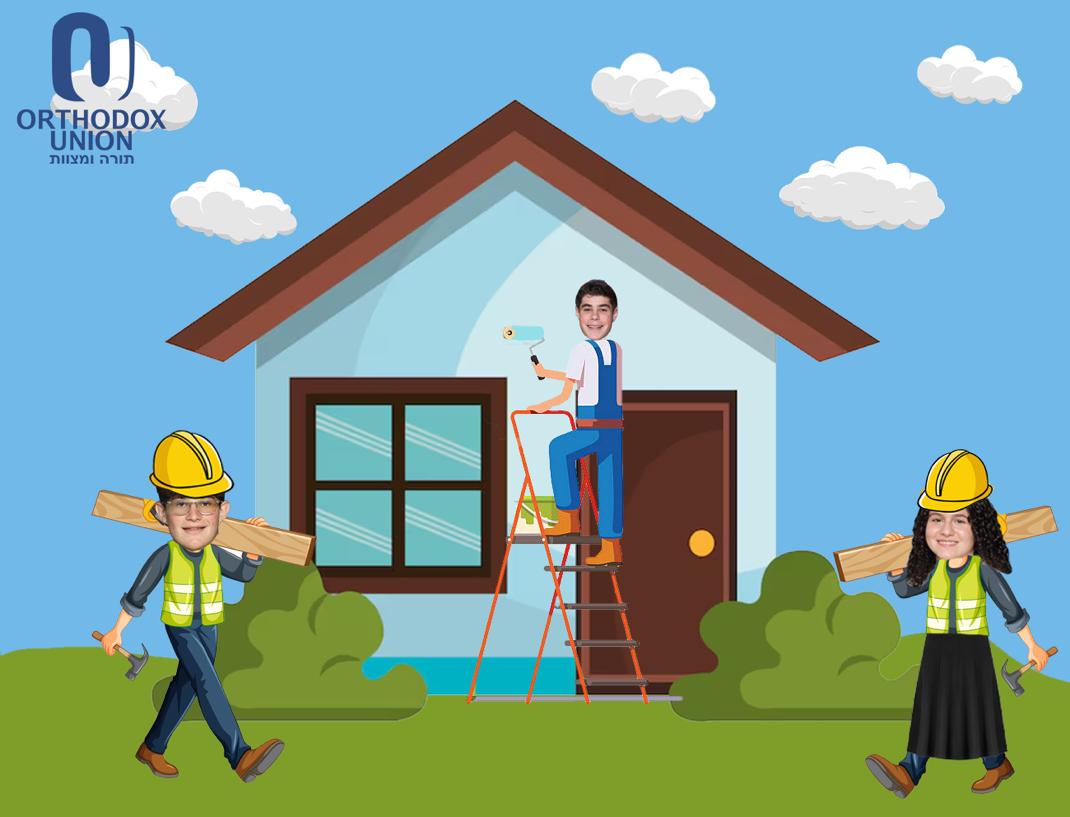
The Contrast: If the mouth is used for Lashon Hara, it is like bringing "strange fire" or a foul odor into the Mishkan. You cannot build a "Sanctuary of Wood" if your "Sanctuary of Words" is in ruins.
While the concept of Shmiras Halashon may seem so simple, its impact is so profound. Our words have the power to ruin someone's day, but at the same time are able to make someone smile – our words can have a serious positive impact just as much as a negative one. The “Anti Lashon Hara Club” is not only where we learn how to block out our negative speech, but a place where we push each other to use our speech in an uplifting and impactful way. Before shabbos, try to reflect on your words. Ask yourself: what did I say that could have hurt someone? What did I say that could have made someone's day?
May we all use our speech to spread as much light into this world as possible.
Good Shabbos,
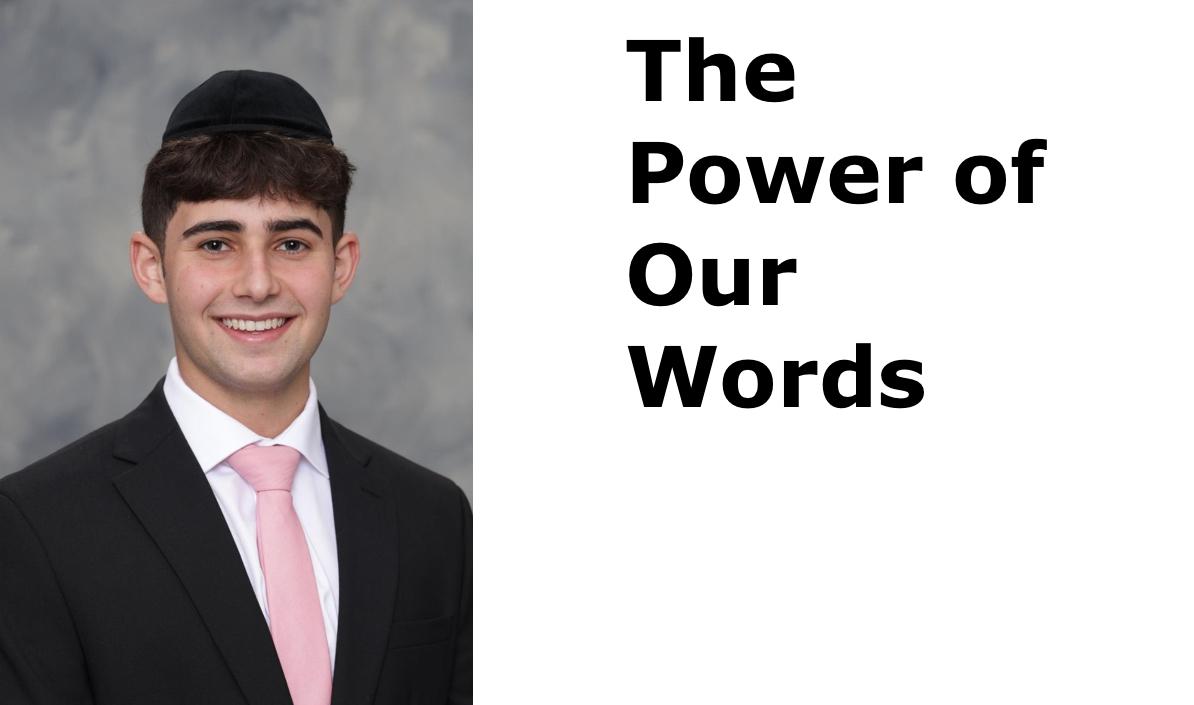
Eliav Bar ('26)
|