Rail & Labor News from RWU
| |
Weekly Digest Number 11 - March 11th, 2025 | |
Welcome to the RWU Rail & Labor News! This news bulletin is produced and emailed out each Tuesday morning. We hope you find each week's news and information useful. If so, please share with co-workers, friends, and colleagues. If you like, you can sign them up to get all the news from RWU HERE. Or forward them the link. Got a hot tip? Please forward the article and a link to raillabornews@gmail.com. Note: If you read over this news bulletin each week, you will be sure to never miss the important news of what is going on in the railroad world from a worker's perspective! | |
THIS WEEK'S RAIL AND LABOR NEWS | |
Editor's Note: Perhaps Musk should point out that a major reason the U.S. passenger rail network is so stunted and backwards is because of the fact that it must run its trains over a privately held for-profit network, something that other passenger rail networks around the world do NOT have to live with. Remember, these same private railroads once ran these trains - and they did not want to! | |
Trains Magazine / March 6th
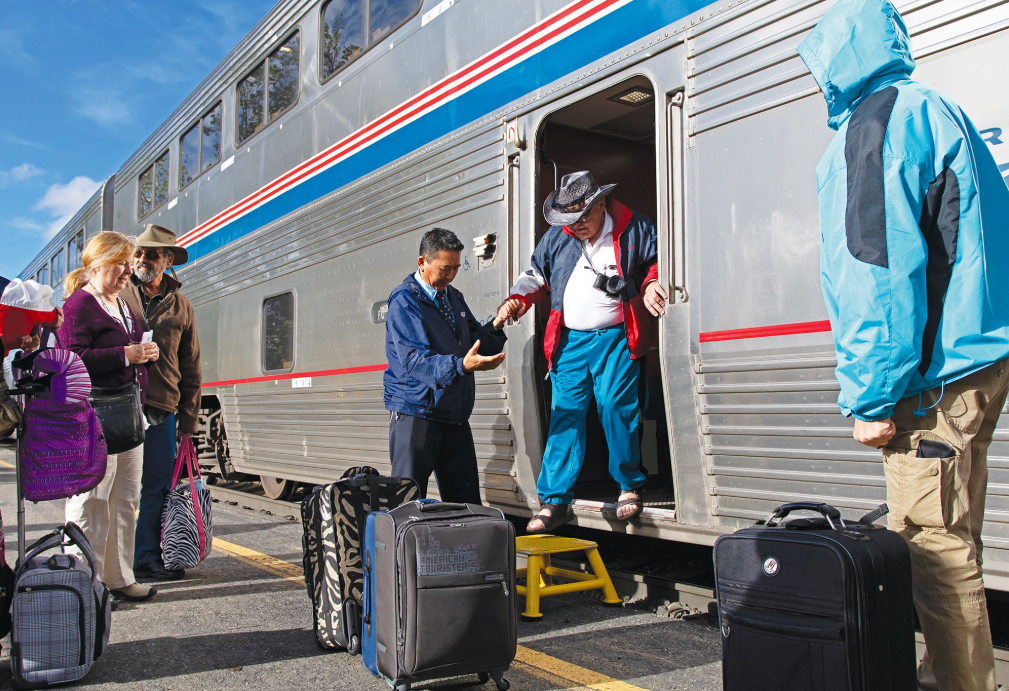
Billionaire tech entrepreneur Elon Musk, who heads the advisory “Department of Government Efficiency” as part of the Trump administration’s efforts to upend business as usual in Washington, told a tech conference this week that Amtrak should be privatized.
Musk offered no specifics on how Amtrak could be privatized or what company would be interested in running a passenger railroad that posted a $705 million adjusted operating loss in the fiscal year that ended Sept. 30.
Musk said Amtrak was an embarrassment compared to other passenger railroads around the globe. “If you’re coming from another country, please don’t use our national rail. It can leave you with a very bad impression of America,” he said.
| |
Editor's Note: Another five-year deal locked in, another step toward stability—at least on paper. With IAM’s ratification, CSX now has agreements covering nearly half its workforce, touting “equivalent” wage increases and benefits. But equivalency doesn’t always mean adequacy. As contracts stack up, the question remains: Are these deals keeping pace with inflation, industry demands, and the ever-growing expectations placed on the workforce? Stability is one thing—fairness is another. | |
Trains Magazine / March 3rd
Members of the International Association of Machinists & Aerospace Workers have ratified a new five-year agreement with CSX Transportation
The IAM vote gives CSX ratified agreements with 11 unions covering 14 work groups and 47% of its unionized workforce. The railroad says the agreements provide equivalent wage increases, health care, and paid time-off benefits.
| |
Editor's Note: Within weeks of CSX proclaiming its progress on repairing its labor relations with its workers and unions, it is mounting a full court press to further automate train operations. Ironic? Coincidence? Or all part of the same plan? Shake your hand with one while slitting your throat with the other. | |
Trains Magazine / March 6th
SMART-TD says it will ask the Federal Railroad Administration to deny CSX’s request to become the first railroad to use Trip Optimizer’s Zero-to-Zero feature, which allows the advanced cruise-control system to automatically start and stop trains.
CSX has said the goals of using automatic start and stop are to save fuel and improve safety by reducing the potential for train pull-aparts. The SMART-TD union doesn’t buy that. It sees Zero-to-Zero as a gateway to autonomous operations.
“A computer system or an algorithm cannot replace the skill, judgment, and adaptability of a trained engineer and conductor. Allowing a system that depends on flawed technology to control the train’s most essential safety feature is a dangerous gamble".
|
|
Editor's Note: When negotiations stall, the tracks go quiet. With 1,500 VTA workers walking off the job, the strike isn’t just about wages—it’s about leverage. Transit workers keep cities moving, yet too often, their demands for fair contracts are met with delays, half-measures, or outright resistance. A 72-hour notice was more than enough time for VTA to avoid this disruption. If the system grinds to a halt, it’s not because workers walked—it’s because they weren’t heard. | |
Los Altos Town Crier / March 8th
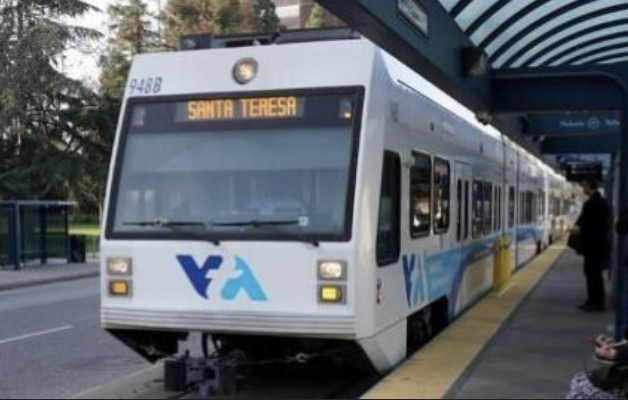
Approximately 1,500 Santa Clara Valley Transportation Authority employees went on strike on March 8th. VTA workers, including bus, light rail operators, and other frontline staff, are members of the Amalgamated Transit Union Local 265.
In recent weeks, they have been working with the VTA to negotiate a contract to avoid a strike. The union, however, sent a letter of intent to strike against VTA and gave 72 hours' notice to prepare for the strike.
| |
Editor's Note: Shippers are sounding the alarm, but railroads—through the AAR—are content to play the role of neutral observer. While tariffs threaten to snarl supply chains and disrupt cross-border trade, the industry’s official stance is little more than a reminder that railroads exist. With 38% of all rail traffic tied to trade, you’d think there’d be stronger advocacy against policies that could choke that flow. But silence speaks volumes, and once again, the railroads appear more interested in adapting to disruption than preventing it. | |
Progressive Railroading / March 5th
Trade organizations representing shippers are sounding the alarm about the impact that the Trump administration's tariffs on imports from Canada and Mexico will have on the North American supply chain and the U.S. economy. President Donald Trump announced a one-month exemption on tariffs against Canada and Mexico for cars.
The Association of American Railroads did not express an opinion on the Trump tariffs. However, a spokesperson reiterated the role railroads serve in North American trade.
"Railroads play a critical role in connecting U.S. businesses with the global supply chain with AAR analysis indicating that 38% of all rail traffic – or 11.3 million shipments in 2023 – directly tied to trade-related activity," the AAR spokesperson said.
| |
Editor's Note: Railroads love statistics—especially the kind that paint a rosy picture. A record-low injury rate sounds great, but what’s left unsaid? The FRA’s numbers may show improvement, but they don’t capture the rising fatigue, precision scheduled railroading (PSR) pressures, and reductions in workforce that have reshaped rail operations. A decline in accident rates is progress, but if safety truly came first, rail labor wouldn’t have to fight for basic protections. Numbers can be spun. Reality? Not so much. | |
|
AJOT / March 7th
Newly released 2024 data from the Federal Railroad Administration confirm that continued investments in innovation, infrastructure, and workforce expertise are making rail transportation even safer.
Railroads continue to make strides to improve employee safety with Class I railroads setting a second consecutive all-time record-low rate of injuries and fatalities last year. Additionally, the train accident rate declined for all railroads by 33% since 2005 and 15% year-over-year.
| |
Editor's Note: Metra is asking the STB to step in before Union Pacific pulls the plug on three commuter lines—a move that would disrupt thousands of daily riders. The dispute boils down to UP demanding what Metra calls “monopolistic rates” to continue service, a reminder that when private freight railroads control key passenger corridors, public transit is at their mercy. This fight isn’t just about rates—it’s about who gets to control access to essential infrastructure and whether commuter rail service should be subject to the whims of corporate pricing strategies. | |
Progressive Railroading / March 10th
Metra has asked the Surface Transportation Board (STB) to require Union Pacific Railroad to allow the Chicago commuter railroad to continue operating on three UP lines.
In its March 7 filing, Metra said it was applying for terminal trackage rights because as of July 1, UP could terminate Metra's use of the three UP lines it now serves.
Metra claims that UP has put Metra’s service at risk by demanding that the railroad pay "economically unreasonable and monopolistic rates" to continue using the UP lines for commuter service.
| |
Editor's Note: Massachusetts’ commuter rail system is once again under the microscope, with watchdogs calling out mismanagement and a lax approach to enforcing accountability. Keolis has been running the show for over a decade, yet fare collection and performance penalties remain afterthoughts. With the contract set to expire in 2027, the question isn’t just who will operate the system next—it’s whether oversight will finally take priority over rubber-stamped extensions and business as usual. | |
|
WBUR / March 5th
A pair of government watchdogs warned Tuesday about issues with the MBTA's management of commuter rail operator Keolis, calling for a renewed focus on collecting fares and charging penalties for lackluster performance.
Inspector General Jeffrey Shapiro and Auditor Diana DiZoglio each detailed overlapping concerns with the relationship between the T and Keolis, which for more than a decade has been under contract to run the commuter rail network.
The two warnings issued Tuesday could increase scrutiny on the T as the agency's leaders weigh the future of commuter rail operations. After several extensions, the contract with Keolis is set to expire in mid-2027.
| |
Editor's Note: Much of this theft is self-inflicted, as the Class Ones moved to so-called "Precision Scheduled Railroading", cost cutting in every sphere - including policing - became the order of the day. The big railroads have dispensed with more than half of their police force. What did they expect? Now they want the taxpayers in the form of state and local police to pick up the tab. Let them bring back the railroad police, fence the property and install cameras at strategic locations, and take other security measures as needed. And stop crying the blues over something they themselves have created! | |
Trains Magazine / March 4th
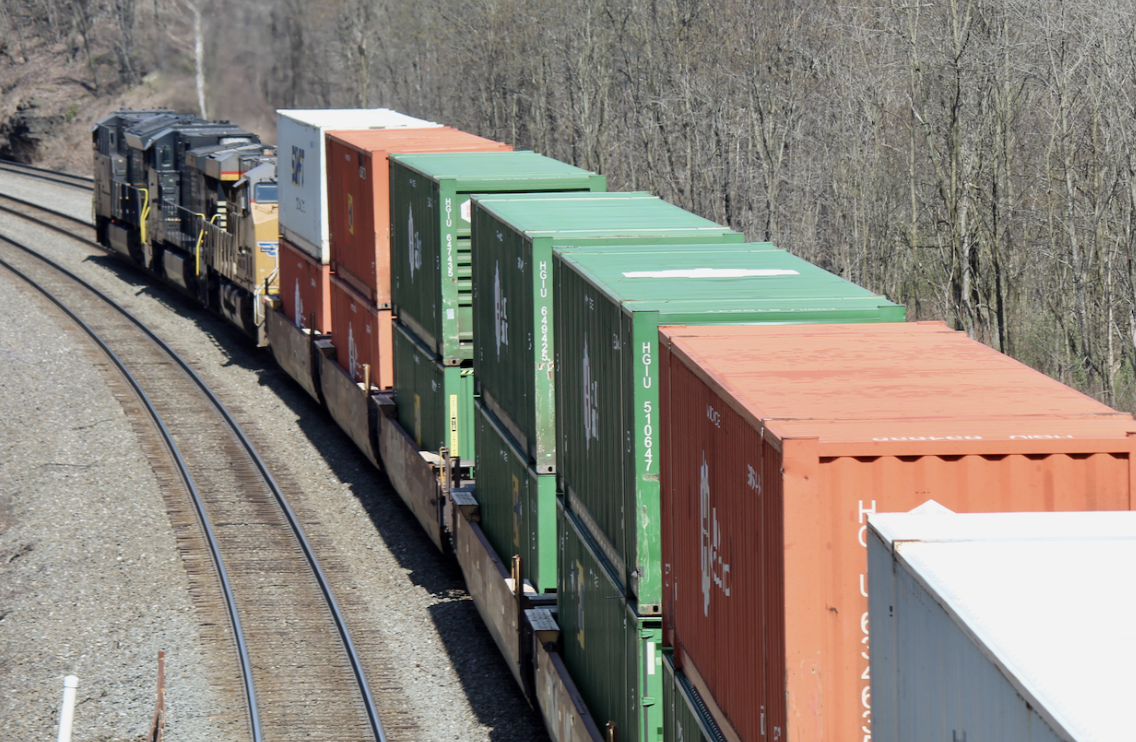
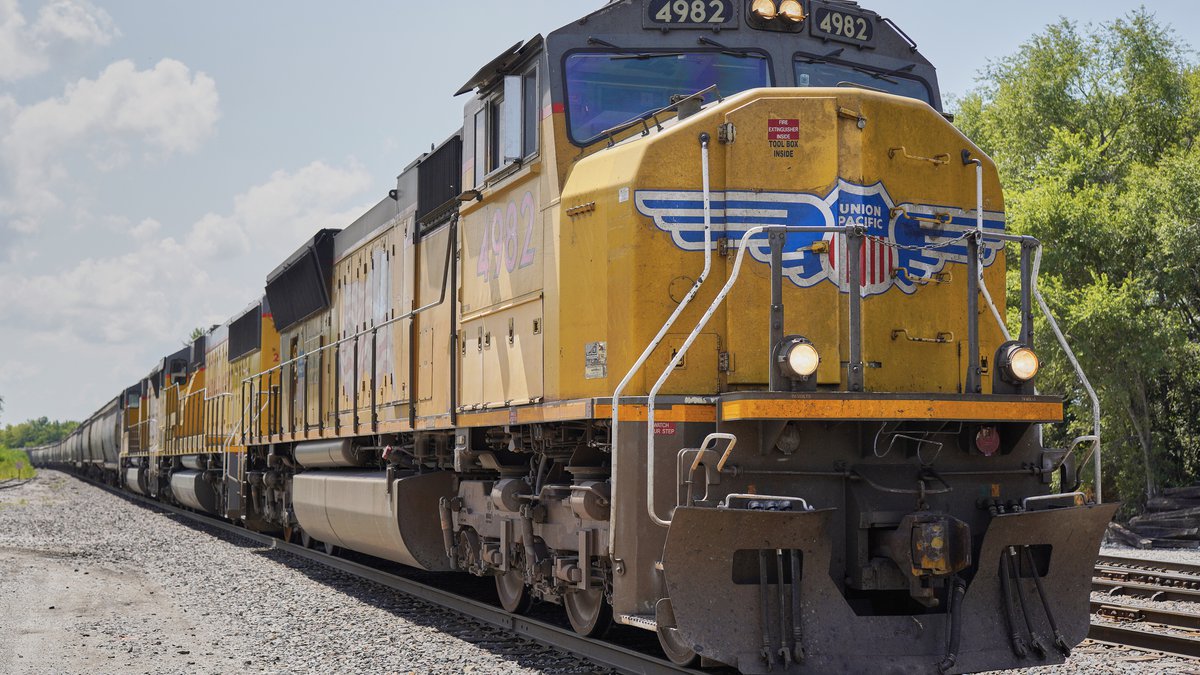
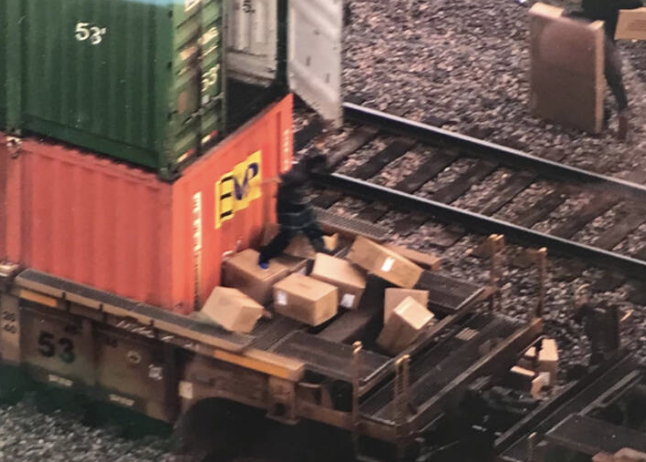
Cargo theft cost U.S. Class I railroads more than $100 million in 2024, the Association of American Railroads says, calling for more federal efforts to address the thefts and more effective prosecution of those arrested.
The AAR says that organized criminal groups are increasingly targeting freight moves, with estimates that more than 65,000 such thefts occurred in 2024. Railroads also say suspects are increasingly armed, increasing the risk of violence when attempting an arrest.
No more than one in 10 theft attempts result in an arrest, the industry says, and many of those arrested are repeat offenders; one railroad has reported arresting the same individual 17 times.
| |
Editor's Note: The Social Security Fairness Act (SSFA), which was signed into law on January 5, 2025, eliminates the reduction previously applied to the railroad retirement annuities or social security benefits of individuals who also receive pensions from work not covered by social security. The following questions and answers describe how the SSFA impacts the computation of railroad retirement annuities and provide information related to the law’s implementation. | |
Railroad Retirement Board / March 2025
The Social Security Fairness Act, which was signed into law on January 5, 2025, eliminates the reduction previously applied to the railroad retirement annuities or social security benefits of individuals who also receive pensions from work not covered by social security.
The following questions and answers describe how the SSFA impacts the computation of railroad retirement annuities and provide information related to the law’s implementation.
| |
Editor's Note: Virginia Railway Express is taking a rare step for a commuter railroad—buying control of its own tracks. With $155 million on the table, VRE will gain dispatching authority over 24 miles of the Manassas Line, shifting power away from Norfolk Southern. It’s a move that should, in theory, prioritize passenger service over freight delays. But the real test will be whether this investment translates into better reliability or just a new set of bureaucratic headaches. | |
Trains Magazine / March 8th
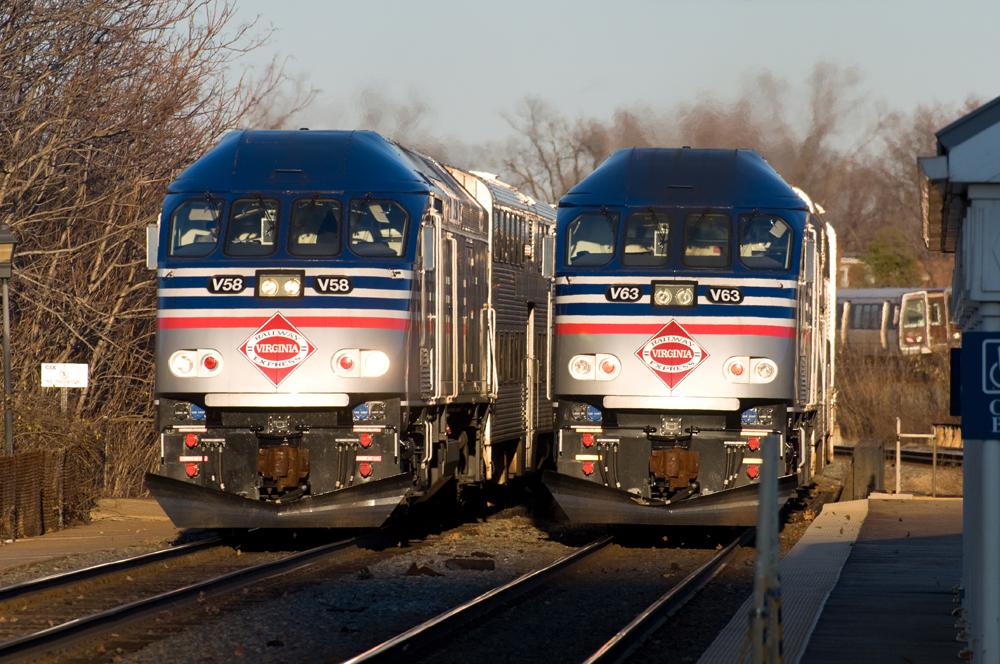
The parent agencies of Virginia Railway Express have approved a $155 million agreement to help purchase the commuter operator’s Manassas Line from Norfolk Southern.
The boards of the Northern Virginia Transportation Commission and the Potomac and Rappahannock River Transportation Commission approved the agreement in separate meetings on Thursday, March 6. The deal calls for six equal payments to the Virginia Passenger Rail Authority. VRE will control and dispatch approximately 24 miles of track.
| |
Editor's Note: Countless Americans across the continent - urban and rural, east and west, north and south, from all backgrounds, are demanding and needing a return of passenger rail. The issue is relatively non-partisan, crossing just about all demographics. Listen in to learn how folks in Montana have been mounting a worthy coalition built around reviving passenger service across the state. | |
Solutionary Rail / March 7th
The route connecting Chicago and Seattle through the southern tier of Montana holds the unique distinction of being discontinued twice in the Amtrak era.
The decision to cut the route from Amtrak’s initial system, which went into effect on May 1, 1971, caused such an uproar that trains were back up and running on the route about six weeks later. But it was not to last. The re-branded North Coast Hiawatha was discontinued once again in 1979.
Today, the route is on the verge of another comeback. The organization behind it all is the Big Sky Passenger Rail Authority (BSPRA), a public rail authority formed in 2020 by a joint resolution of 12 counties in Montana, with the stated mission of restoring service to the southern tier of the state.
| |
Editor's Note: Our friends at Solutionary Rail have started a monthly bulletin update of their activities. The group advocates a more robust dramatically expanded and improved rail network in North America through electrification. | |
Solutionary Rail / March 5th
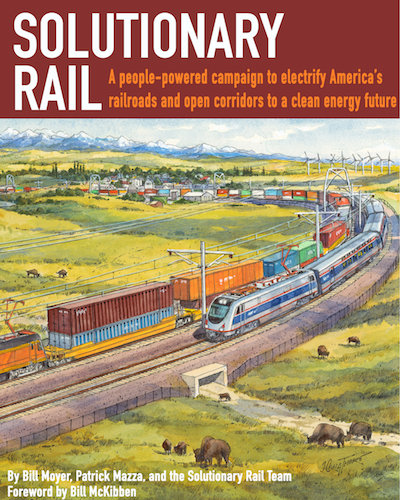
Welcome to The Buzz, Solutionary Rail's monthly newsletter where you can hear what's happening in the SR world of putting rail in service of public interests, what’s coming up, and how you can be part of the action.
This will be our first edition; so we hope you’ll read on!
| |
NEWS FROM AROUND THE LABOR MOVEMENT | |
Each week, RWU includes a few articles about advances and developments in the larger labor movement that are of interest to railroad workers. Got an artcile to submit for possible inclusion next week? Email it along to raillabornews@gmail.com. Thank you! | |
Labor Notes / March 3rd
Taking a hatchet to the federal workforce—and the work those workers perform—has been a top priority in the second Trump administration.
Enlisting Elon Musk, his so-called efficiency program, and willing agency heads, the president and his allies have attempted to create chaos in their role as the largest employer in the United States.
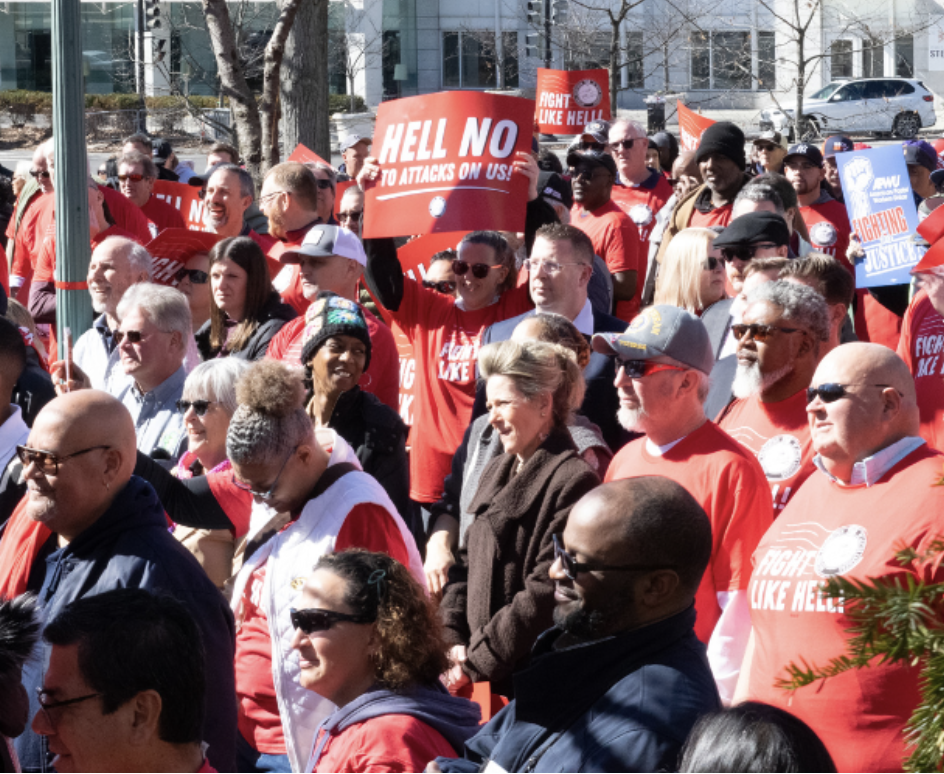
But federal workers are getting organized, and fighting back! They're organizing rallies, getting more active in their unions (or joining them for the first time), and getting connected across unions to escalate their fight.
Come hear from federal worker unionists who are stepping up to the challenge!
Date: Monday, March 17
Time: 8 p.m. to 9 p.m. Eastern (5 p.m. to 6 p.m. Pacific)
| |
Portside Labor / March 8th
Trump has become just another Republican president launching an assault on Social Security. Not even two months into his presidency, Trump is not only constantly verbally attacking the program in a way meant to justify debilitating cuts but is already actively making those cuts.
After weeks of charging that Social Security payments were going to tens of millions of dead people, Trump made the claim a major part of his address to Congress this past week, where he said there were “shocking levels of incompetence and probable fraud in the Social Security program.”
The claim took up more than two-and-a-half minutes in the speech, or four full four paragraphs, with Trump listing in tedious detail the millions of Americans in various age groups over one-hundred years old still in the Social Security databases.
| |
Labor Notes / March 3rd
Is the nation’s biggest union workforce, at the Postal Service, President Trump’s next target?
The Washington Post broke the news on February 20th that Trump was on the verge of issuing an executive order to dissolve the independent leadership of USPS and move it into the executive branch under the Department of Commerce, now led by enthusiastic privatizer Howard Lutnick, a Wall Street banker. Trump confirmed the next day that he was “looking at” this option.
One immediate threat is that moving USPS into the executive branch could provide a rationale for canceling union contracts. This might expose the Postal Service to the same kind of bloodbath that other federal agencies are enduring at the hands of Elon Musk, the world’s richest man, and his so-called Department of Government Efficiency.
| |
WEEKLY DERAILMENT DEPARTMENT | |
Each Tuesday in this news bulletin, RWU does our best to present a picture of what has been happening over the course of the previous week in terms of derailments in North America, and investigation determinations of previous accidents. NOTE: This list is by no means comprehensive. Smaller and less consequential mishaps are generally not reported here. If the wreck results in injury or fatality, or is especially damaging/extreme, a full article will appear as a feature in the dozen or so rail articles above. Know of a train wreck? Please feel free to forward a link to raillabornews@gmail.com for possible inclusion next week. Thanks! |
| | | |