For the last several years, I have been immersed in a project that has become quite dear to me—writing a biography of Sister Mary Antona Ebo, FSM. Recognized as a civil rights icon and social justice advocate, Sister Antona rose from the rigors of her childhood to become best known for her participation, in 1965, in one of the Selma, Alabama, voting rights marches following Bloody Sunday.
Sister Antona was one of the first African American women to enter her religious congregation, the Sisters of St. Mary, and was the first black woman to administer a Catholic hospital in the United States. Her brave stand in Selma has been acknowledged in the Voting Rights Museum and the Library of Congress, and her professional accomplishments have been celebrated with six honorary doctoral degrees. Preparing her biography opened the door to a universe of historical content that I had not previously known.
From the time that I first heard Sister Antona's family name—Ebo—I was curious about it. In conversation, she told me that, for years, she believed her father, a public library custodian, had chosen a simple, three-letter last name because of his inability to read and write. Finally, as an adult, she learned how she had come to have that name and, in so doing, was able to lay claim to her heritage in a way that many African Americans cannot. Sister Antona discovered that she and her paternal relatives were descendants of the Igbo tribe of Nigeria, a country on the western coast of Africa. Her father had been able to preserve, in that surname (variously spelled Ibo, Ebo, and Igbo), a central fact of the family's African heritage.
The story of the Igbo people is one that is deeply rooted in African American history, as it represents an act of resistance to chattel slavery by those who survived the Middle Passage. The Igbos were one of the African ethnic groups enslaved in the Americas; their tribe formed the majority of the slaves who were brought to Virginia, Tennessee, Maryland, Arkansas, Mississippi, the Carolinas, and Georgia. But the Igbos, who are native to south and south central Nigeria, were known to be fiercely independent. In Africa they had been traders, farmers, and artisans.
In 1803, while approaching the Georgia coast, a shipload of seized Africans, led by members of the Igbo tribe, mutinied and tossed their captors overboard. Their ship ran aground. Once ashore, having determined the involuntary toil that would await them, the Africans—under the direction of an Igbo chief—chose to walk back into the water and drown rather than to submit to slavery. Trusting in the Igbo god, Chukwu, they are said to have sung while walking, “The Water Spirit brought us, the Water Spirit will take us home.” Some have referred to this act as the first freedom march in history. Igbo Landing at Dunbar Creek on St. Simon's Island, Glynn County, Georgia, marks the spot at which this event is believed to have occurred.
The story of the Igbos is one of defiance and moral courage in the face of the evil of slavery. The lives of their descendants, as exemplified by Sister Mary Antona Ebo, continue to tell a spirited tale of determination, achievement, and resilience.
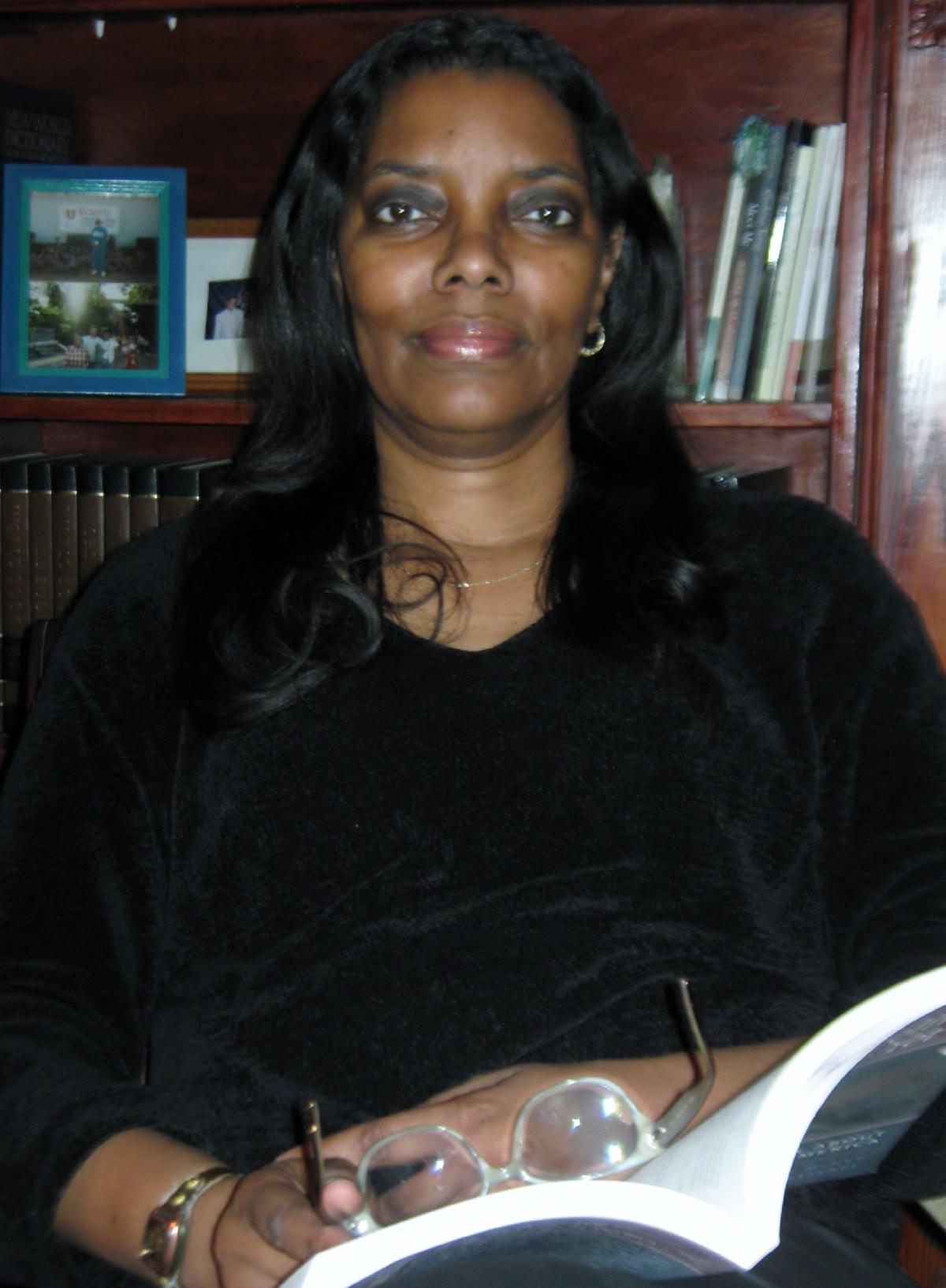
Winnie Sullivan is a parishioner at St. Francis Xavier (College) Church in St. Louis, Missouri, where she serves on the pastoral council and co-chairs the parish's antiracism team. She is a writer, editor, and publisher whose biography of Sister Mary Antona Ebo will be released later this year.