Anchorage Waterways Council

Streamline

October 2026

Kaitlan McLallen, Editor

Hello, AWC friends!


Have you heard about proposed changes to federal Clean Water Act protections that could affect Alaska’s streams and wetlands? We encourage our readers to learn more and submit a public comment before the October 9 deadline.


Alaska’s Streams and Wetlands Face New Threats


Help Protect Anchorage’s Waters


Speak up by October 9, 2026, on proposed changes to federal Clean Water Act protections.

Anchorage's streams and wetlands are essential infrastructure. These waters help absorb floodwater, filter pollution, provide habitat for fish and wildlife, and sustain the lands and waters we depend on. Unfortunately, they are under threat. Proposed federal changes could affect protections for these waters.

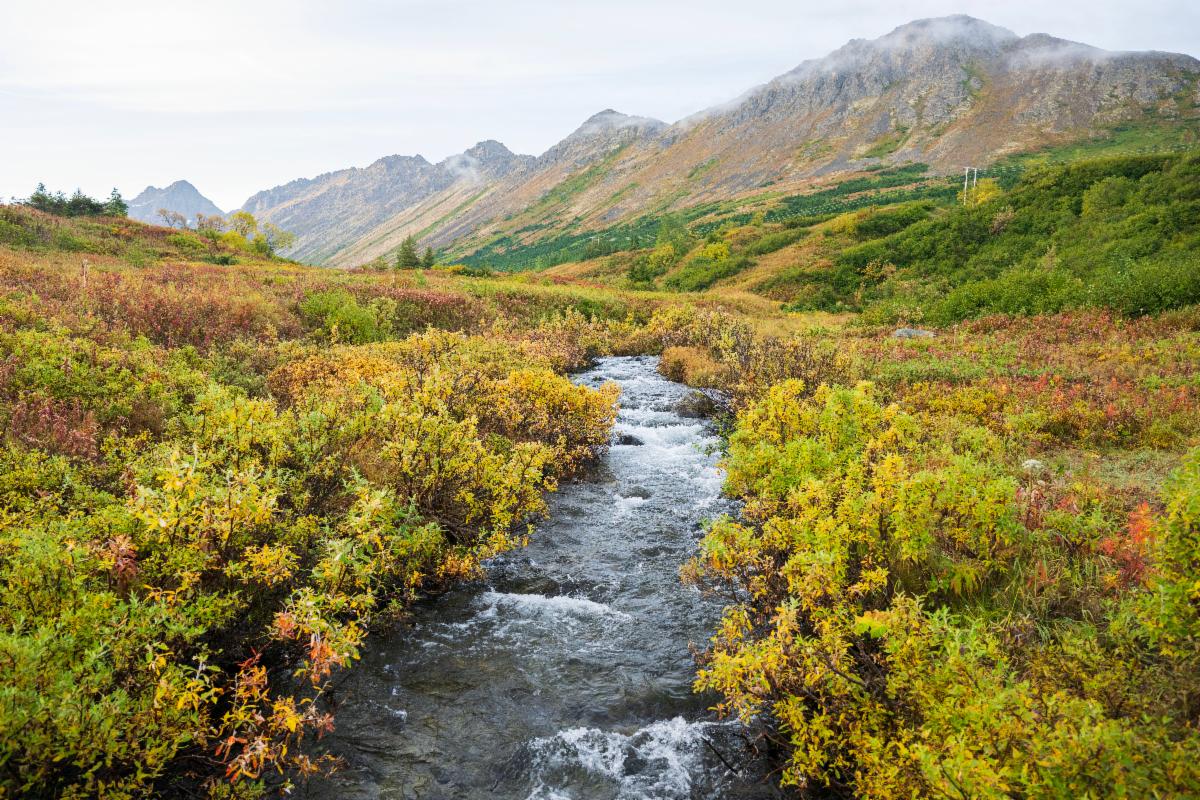
South Fork Campbell Creek in Chugach State Park

Photo credit: Kaitlan McLallen

On September 4, 2026, the U.S. Environmental Protection Agency (EPA) and U.S. Army Corps of Engineers (USACE) administration proposed changes to the Clean Water Act's definition of "Waters of the United States" (WOTUS) that would significantly narrow which streams

and wetlands receive federal protection. Previously, in 2025, the EPA applied changes to WOTUS that excluded from federal protection:


  • All ephemeral waters - those that are primarily surface water or pools that appear only during, and briefly after, direct precipitation or snowmelt and contribute at least 55% of the total discharge in the U.S.


  • Nearly 80% of the nation's wetlands.


  • An unknown number of seasonally flowing streams.


In September 2026, the EPA is now trying to redefine terms for the remaining 45% of freshwater streams. Under this proposed approach, federal protection would generally be limited to waters that flow continuously year-round, such as those defined as “perennial,” “relatively permanent,” and “continuous surface connection.”


This proposal would exclude from protection small streams, intermittent streams, ephemeral streams, and wetlands—all of which perform critical functions of the larger watersheds by filtering pollutants, storing and absorbing water, which reduces flooding, recharging groundwater, providing fish and wildlife habitat, and more.


Bottom line: The September 2026 proposal would potentially make the Clean Water Act apply to a much smaller network of waterways—excluding other important waterways that complete the entire system. These changes could have significant consequences for local water quality, wildlife habitat, and local communities. 

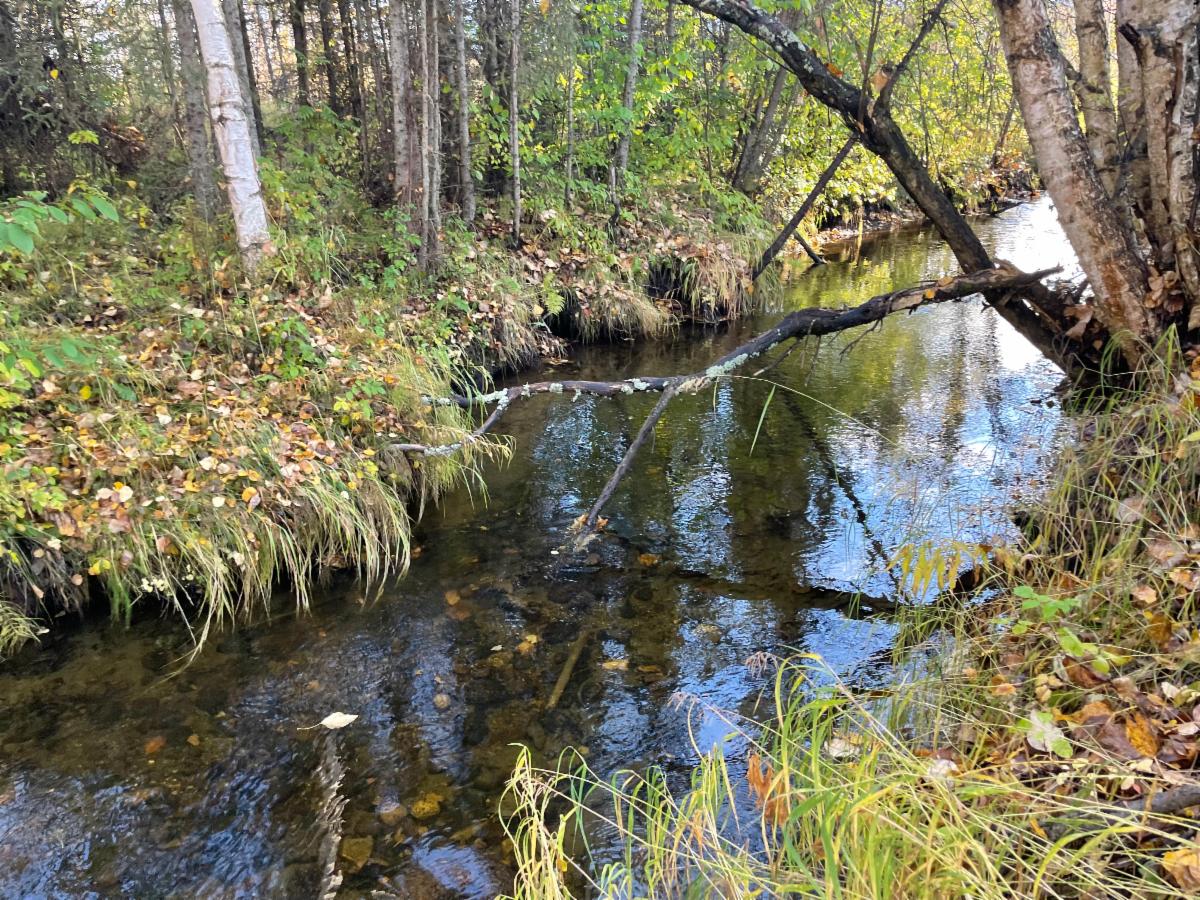
Calm stretch of Campbell Creek in the Fall

Photo Credit: Kaitlan McLallen


You can help protect our local waterways by making your voice heard. Submit a public comment by October 9, 2026 and tell federal leaders to protect our local waterways. We cannot afford weaker safeguards for the waters that sustain us.


Tell your story:

Describe a wetland, stream, fishery, river, recreation, or subsistence use that matters to you.


Explain what is at stake:

Note how wetlands reduce flooding, protect water quality, store carbon, and provide habitat for fish and other wildlife.


Make a specific request:

Urge the agencies not to adopt definitions that would exclude seasonal or intermittent streams or wetlands based on the absence of a continuous surface-water connection. All of our local waterways are vital, and all need protection from degradation. 

Reference Docket ID EPA-HQ-OW-2025-0322 when you comment through the official Federal Register notice.

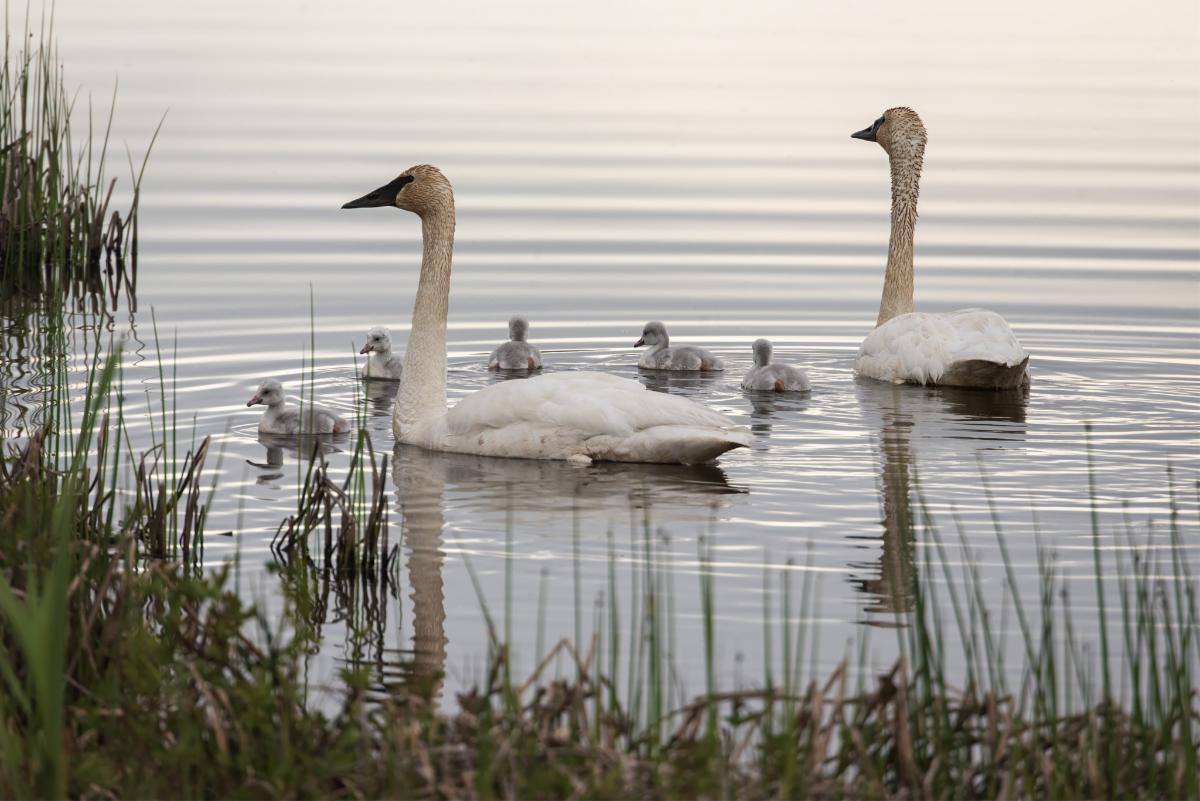
Family of swans at Potter Marsh.

Photo credit: Kaitlan McLallen

Please take a moment to personalize your message for the most impact. Customizing your message helps it stand out and ensures that it is viewed individually, rather than as one of several with the same message. Your unique voice and perspective matter; ensure that it is heard.


Comment Example:


I wish to express my concern and opposition to the proposed rule that would narrow the scope of what waters are protected by the federal Clean Water Act. I urge EPA and the Army Corps of Engineers to maintain strong Clean Water Act protections for Alaska’s wetlands and streams and adopt a clear, durable, scientific definition of “Waters of the United States”. One that is faithful to the Clean Water Act and protects all of our vital waterways.

Alaska’s landscapes are shaped by seasonal water, complex hydrology, and vast wetland systems. It is critical that we ensure the protection of Alaska's waters. These waters are essential to our communities, recreation, water quality, fish, wildlife, and traditional ways of life.

A rule that protects only waters with year-round flow or a continuous surface connection would not reflect Alaska’s unique conditions and could leave important waters vulnerable to degradation. I urge the agencies to maintain strong federal protections for Alaska’s wetlands and streams and consider Alaska’s unique hydrology when defining which waters are protected under the Clean Water Act.


Thank You for Staying Connected

We appreciate you taking the time to learn more about these proposed changes and staying connected with AWC.


Renew Your Membership or Make a Donation


Starting at $30/year

Just $2.50/month


Small commitment. Big impact.


What Your Membership Helps Make Possible

Protect habitat • Clean up creeks • Water quality monitoring

Educate about local waterways • Inspire stewardship • Build awareness


Giving Levels

$30-$99 Waterway Watcher

$100-$249 River Keeper

$250-$499 Habitat Protector

$500-$999 Watershed Steward

$1,000+ President's Circle

You can support Anchorage Waterways Council every time you shop—at no extra cost to you!


Your personal rewards, fuel points, and rebates are not affected. Once linked, Fred Meyer donates quarterly based on the total spending of members who support AWC.


Click here to learn more and get started.

Simply link your Fred Meyer card to AWC through the

Community Rewards program.


Organization number: GK663

Donate through FashionPact

In July 2021, FashionPact launched its first thrift boutique to support local non-profits. Since then, AWC has received more than $5,000 through donated goods and shopper purchases designating AWC as the beneficiary.


SHOP OR DONATE AT THEIR LOCATIONS:


E. 68th & Lake Otis Pkwy or

221 E. Dimond Blvd.


You’ll be glad you did!

Contact: 907 272-7335

awc@anchoragecreeks.org

PO Box 241774, Anchorage, Alaska 99524

Follow us on Facebook: AnchorageWaterways and ScoopThePoopAnchorage