Faulkner County Agriculture Update
October 16, 2026
| | |
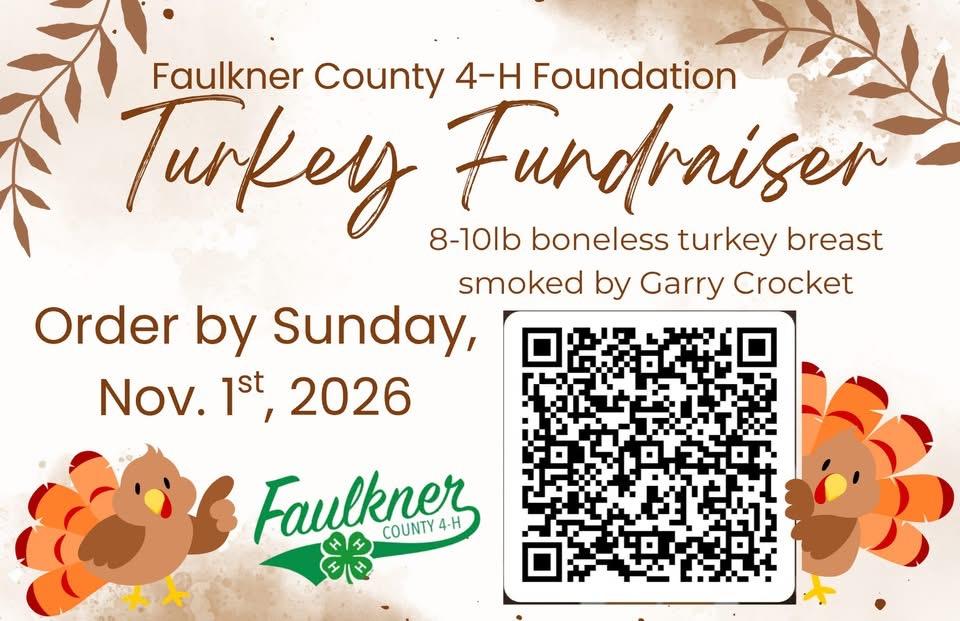
Faulkner County 4-H Foundation Turkey Fundraiser
It is time for the annual smoked turkey fundraiser from the 4-H Foundation. We need orders by November 1, so get your orders in soon because November will be here before you know it.
| | |
Weather
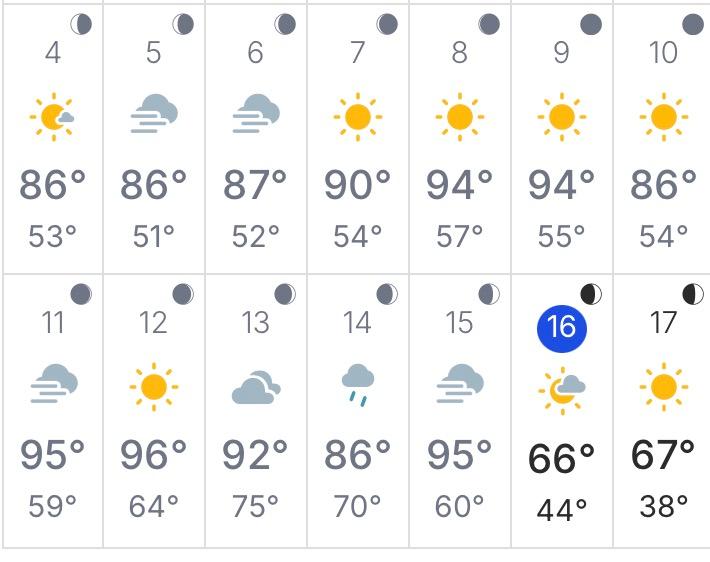
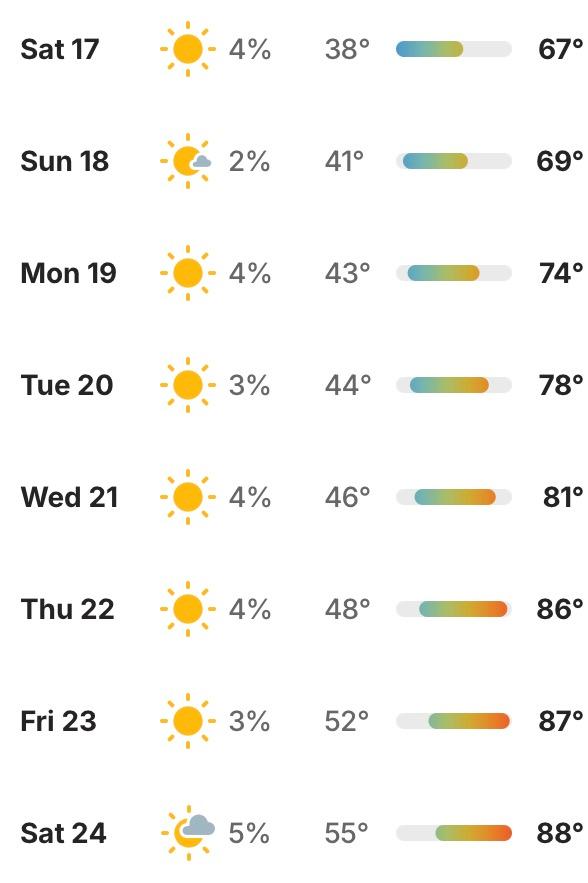
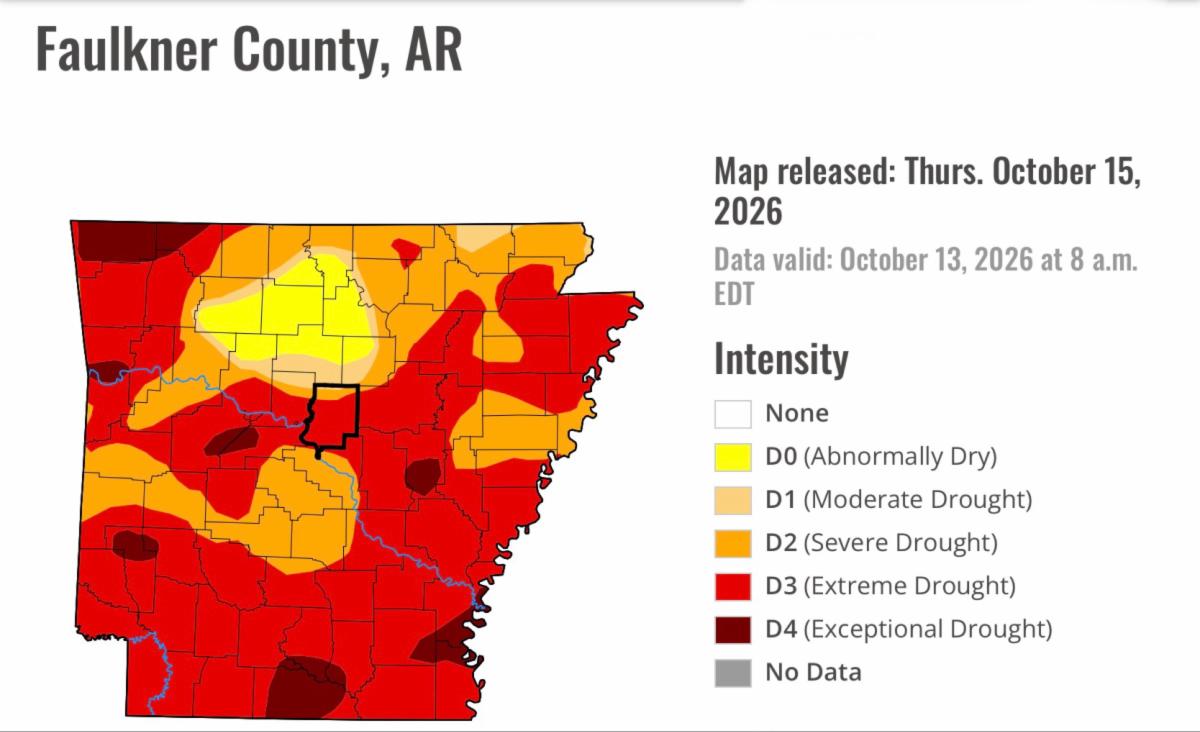
This was another week that we missed a rain chance. There was a little bit of rain around on Wednesday, but nobody really got the rain that they needed. There isn't another good chance in the next 10 days so dry conditions will continue. As we look at the drought monitor, 90% of the county is in D3 drought, and expect some D4 areas next week without rain. Temperatures will be much cooler starting today and going until next Tuesday and Wednesday.
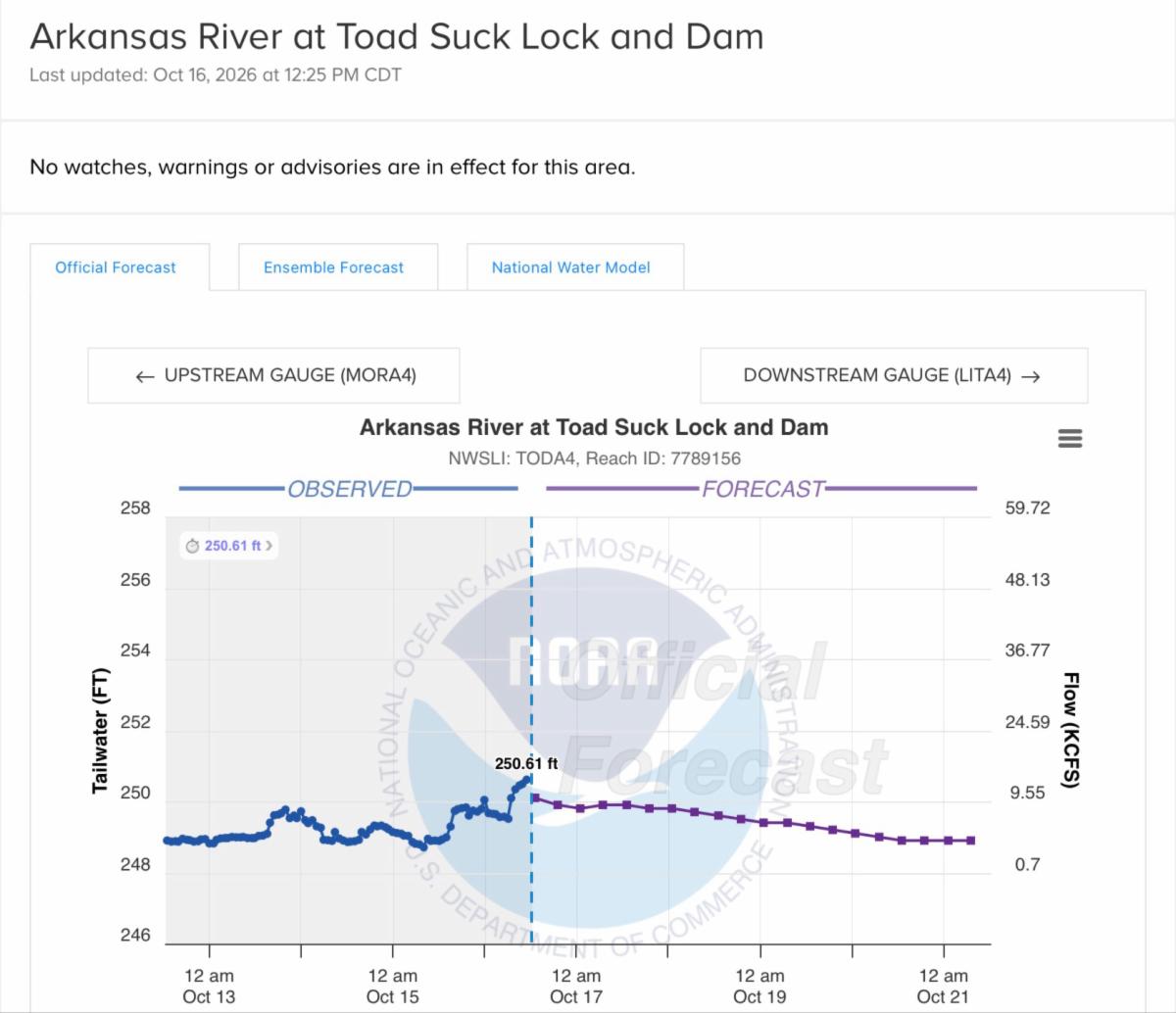
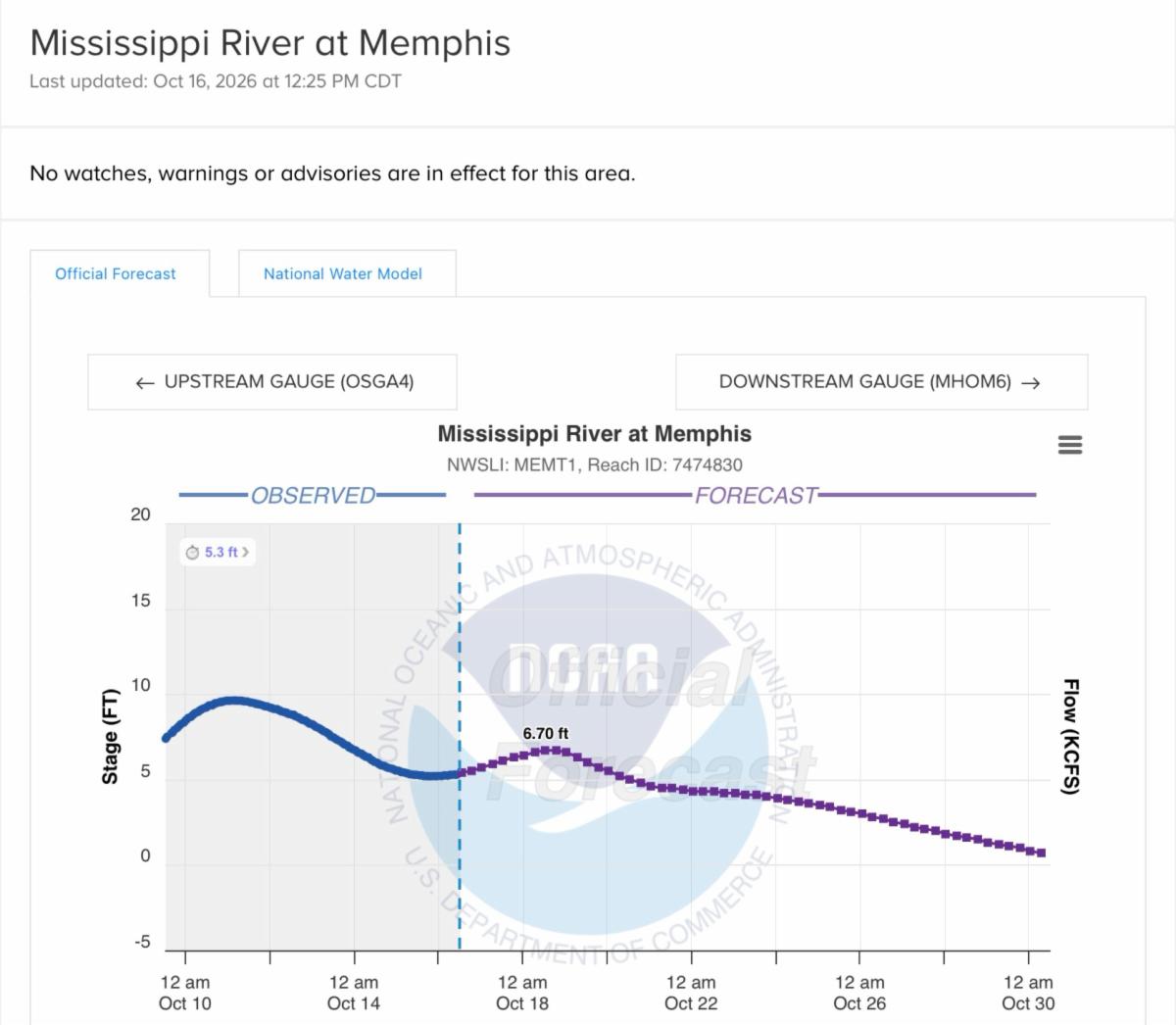
| | Arkansas and Mississippi River | | Variety Trial Information | | All of the variety trials can be found on our newsletter and publication webpage. The link is located below. | | | |
Winter Production Meetings
Soybean & Corn - January 29, Rice - March 4
| | |
Analyzing the ARC and PLC Decision
for the 2026 Crop Year
Hunter D. Biram, Assistant Professor and Extension Economist, University of Arkansas
H. Scott Stiles, Extension Economist, University of Arkansas
2026 and 2027 election deadlines.
The Agriculture Risk Coverage (ARC) and Price Loss Coverage (PLC) election deserves careful consideration. Producers can make their 2026 ARC/PLC election and enroll from September 16 through December 11, 2026. Of key importance, if no election is submitted by December 11, the farm's 2025 election remains in place but the farm is ineligible for a 2026 ARC/PLC payment. Program enrollment can be handled online via USDA FSA ARC/PLC Portal or at local county FSA offices. The enrollment period for the 2027 crop year opens on November 2, 2026, and runs through March 15, 2027. Making ARC/PLC decisions for the 2027 crop year will be more challenging without the benefit of USDA price projections or yield estimates.
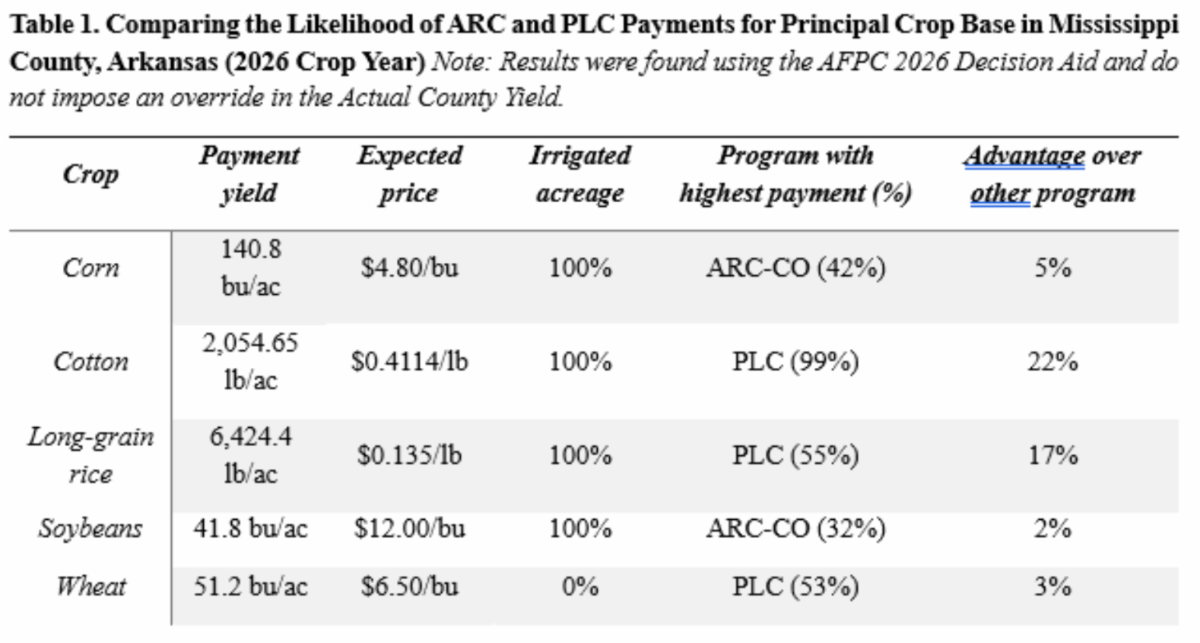
It may be helpful to use the Texas A&M Agricultural and Food Policy Center (AFPC) 2026 Decision Aid Tool (Fischer et al., 2026). This is a free, web- and mobile-compatible tool that allows you to input farm specific data from the FSA-156EZ form and hopefully take some of the guesswork out of the ARC/PLC selection. We provide a breakdown of results generated by the AFPC 2026 Decision Tool for corn, cotton, long grain rice, soybeans, and wheat in Table 1 below. The results are for an example farm from Mississippi County, Arkansas, using Mississippi County average PLC Payment Yields and the latest Marketing Year Average (MYA) Prices from the September 2026 WASDE report. We note these payments are estimates and will not be finalized and received until October 2027.
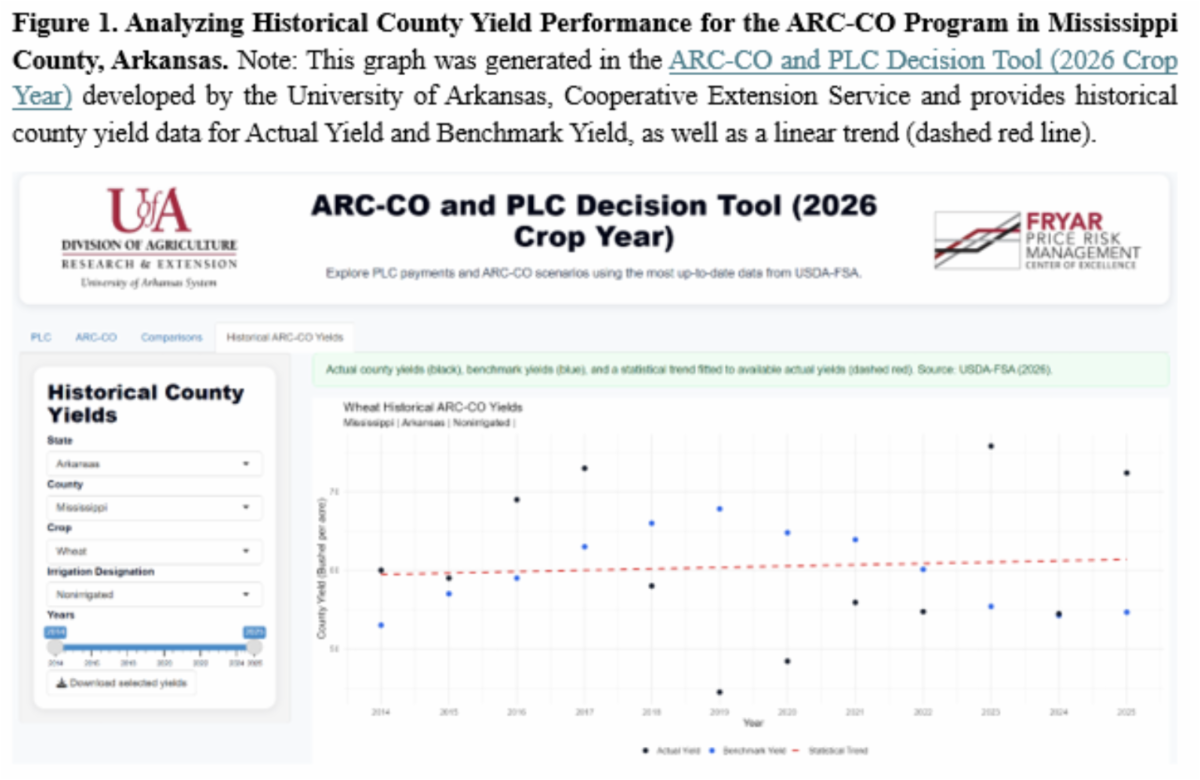
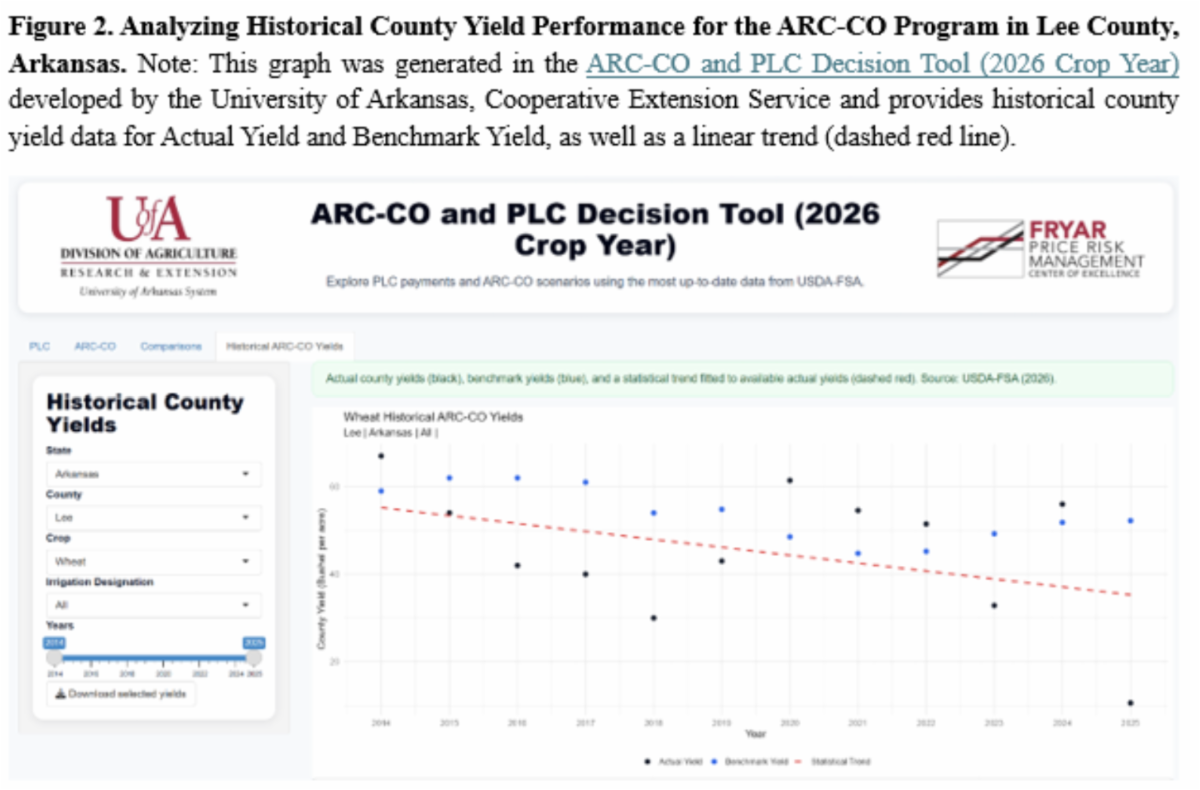
| | We note that while enrolling Wheat base acres in PLC carries a 3% advantage over ARC-CO, it is important to consider the historical performance of county yields in the county a farmer plans to enroll their base. For instance, Actual Yields determined for Mississippi County have remained mostly flat over the 2014-2025 period (see Figure 1 below). Further, Actual Yields have fallen below Benchmark Yields in 5 of the last 12 years and have tended to be about 2% higher than the Benchmark Yield. Conversely, Actual Yields in Lee County have trended lower by nearly 2 bushels per year since 2014 (see Figure 2). Actual Yields in Lee County have fallen below Benchmark Yields in 7 of the last 12 years and have also been 15% lower than Benchmark Yields. Using the “Projected Actual County Yield Override” option in the AFPC 2026 Decision Tool, we assume the Actual Yield for Lee County to fall 15% relative to the Benchmark Yield, or 47.25 bushels per acre (i.e., 55.59 bushels per acre x 85%). Under this scenario, ARC-CO has an 80% chance of payment and carries a 27% advantage over PLC. | |
ARC/PLC Decisions & Historical Arkansas Logic
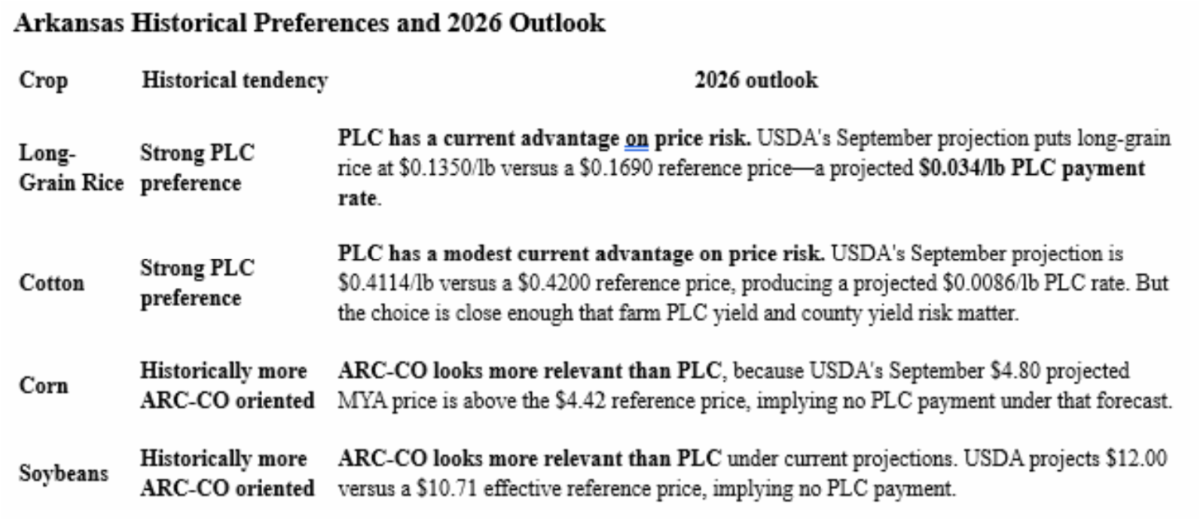
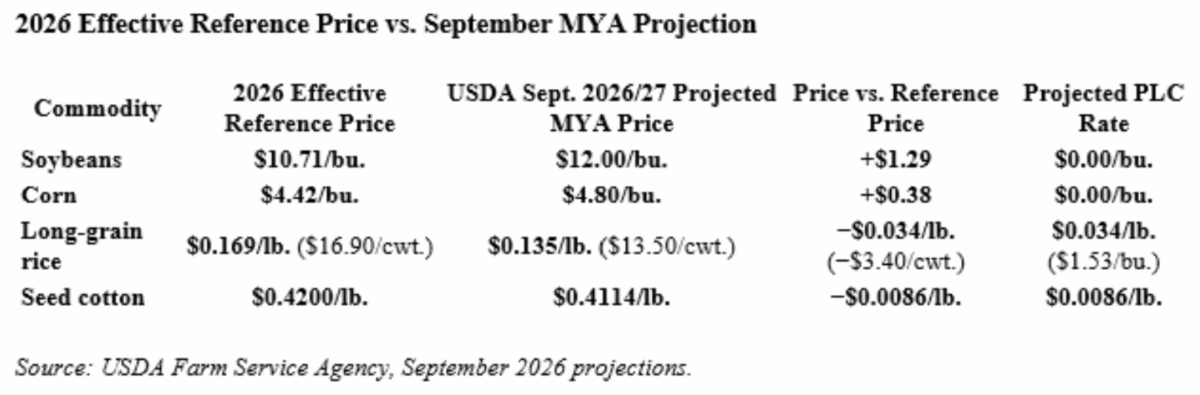
Historically, Arkansas growers have tended to make very crop-specific ARC/PLC choices, reflecting the different price and yield risks of rice, cotton, corn, and soybeans. The 2026 decision is somewhat different because the new farm legislation raised reference prices and increased ARC-CO protection. Current USDA price projections indicate no PLC payment for corn and soybeans but meaningful potential payments for long-grain rice and, to a lesser extent, cotton.
| | |
Considerations for 2026
Recent changes have provided ARC-CO with a stronger safety net. The ARC revenue guarantee increased from 86% to 90% of benchmark revenue, and the maximum payment increased from 10% to 12% of benchmark revenue. Another significant 2026 change allows producers to purchase Supplemental Coverage Option (SCO) or Enhanced Coverage Option (ECO) coverage regardless of whether they elect ARC-CO or PLC. Lastly, effective reference prices have also increased under the new legislation, which enhances the PLC price safety net.
| | |
One important caveat: these are projections, not guaranteed payments. The final 2026 MYA prices will ultimately determine PLC, while ARC-CO depends on both MYA price and the county's actual yield. The historical Arkansas ARC/PLC preferences can be summarized as:
rice and cotton → PLC
soybeans and corn → ARC-CO
For 2026, that pattern could become more pronounced as long-grain rice appears to have the strongest PLC case, while soybeans and corn have stronger ARC-CO cases under current price projections. Cotton is the closest call with the 2026 effective reference price at $0.42/lb., compared with USDA's September 2026 projected MYA price of $0.4114/lb. This offers a modest PLC opportunity if the projected price is realized. However, cotton producers may now give more consideration to the interaction with crop insurance. A farm that enrolls seed-cotton base acres in ARC or PLC is ineligible for STAX on planted cotton acres for that farm. However, producers can now purchase SCO or ECO regardless of the ARC/PLC election.
In summary, producers should make ARC/PLC decisions specific to each program commodity. It may be advisable to review the October and November USDA WASDE/Crop Production reports before finalizing the 2026 election decision. In addition, review FSA farm records, PLC payment yields and USDA’s benchmark yield and revenue for your county before the December 11, 2026 deadline. USDA's ARC/PLC data page provides ARC county benchmark yields, revenues, reference prices, and PLC payment-rate information needed to assist in making the most informed program election decisions.
| | Beef, Small Ruminants, & Forages | | |
Faulkner County Cattlemen's Meeting
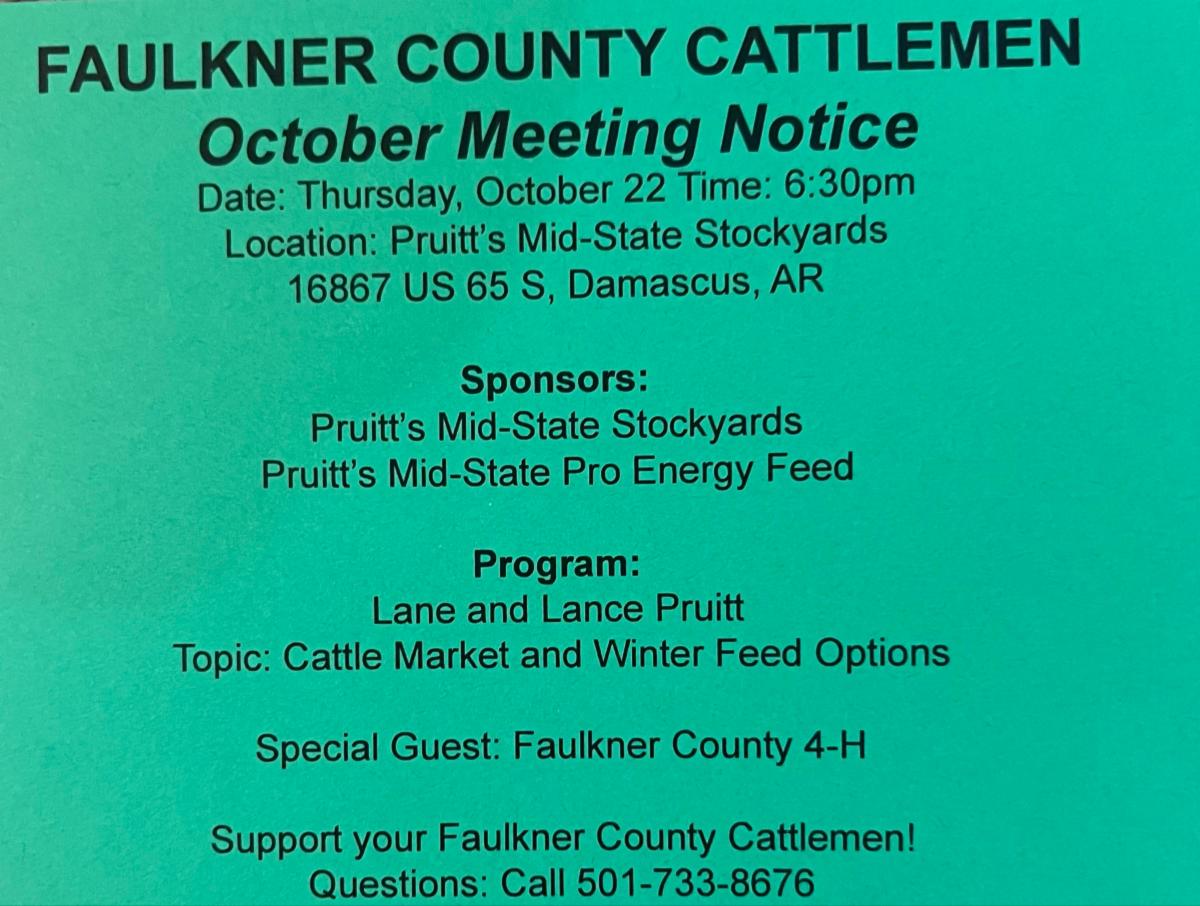
The next Faulkner County Cattlemen's meeting will be held on October 22 starting at 6:30 at Pruitt's Mid-State Stockyards in Damascus. Lane and Lance Pruitt will be talking about the cattle market and winter feed options, and we will have some of the Faulkner County 4-H'ers there.
| | |
Body Condition of Cull Cows Affects Market Price
Paul Beck, Oklahoma State University Beef Cattle Nutrition Specialist
Cull beef cows make up about 10% of the U.S. beef supply and provide 15 to 20% of the gross revenue of typical cow-calf operations. Effective marketing of cull cows can have a large impact on the profitability of cow-calf operations. Cull Cow pricing is determined by live animal grading and cull cows are priced based on their body condition, dressing percentage, and expected lean meat yield. Cull Cows are sorted into 4 primary carcass grades: Breaking Utility are 75 to 80% lean and generally are BCS 7 or greater and have the greatest dressing yield 52 to 55%; Boning Utility are intermediate fleshed with BCS of 5.5 to 6.6 and commonly have dressing percentage of 50%; Lean are thinner cows with 85 to 90% lean with BCS of 4.5 to 5 and 48 to 49% dressing percentage; Lights/Canners are the leanest with BCS <4.5 and 48% dressing percentage. Breakers are the most valuable with a $3 to 5/cwt premium over Boning Utility cows and over $10/cwt premium over Lean and Light cows. The current slaughter cow prices are available from the USDA AMS at https://www.ams.usda.gov/mnreports/ams_1823.pdf.
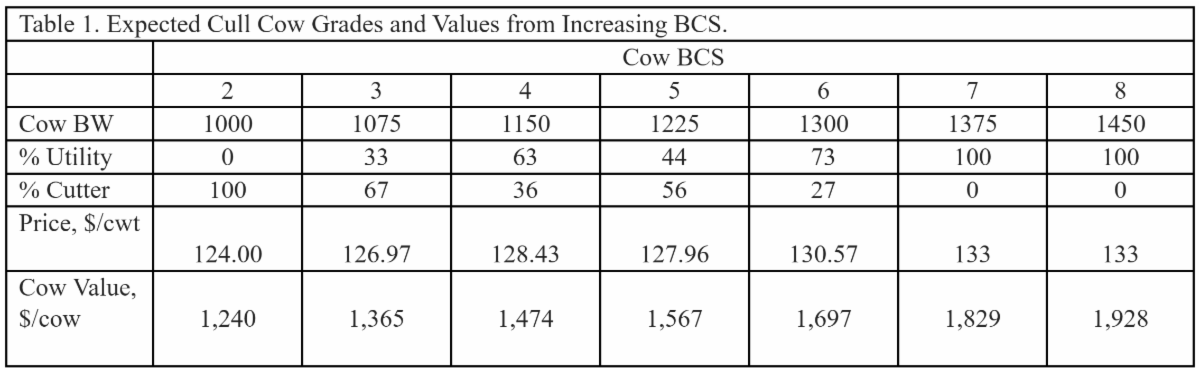
Beef cutout research (Apple and others 1999 https://doi.org/10.2527/1999.77102610x) indicated that cows in BCS 4 were 64% in the Boning or Breaking Utility grade while cows in BCS 6 and 7 were 73 and 100% Boning or Breaking Utility. So, condition of cows at market has a large impact on returns for cull cows. The following Table shows the value of cull cows using current cull cow prices, expected weight changes between BCS, and the expected cull cow grades. I used cull cow BW at 1225 at a BCS 5 and adjusted live weight by 75 pounds for each BCS change. Prices for Boning and Breaking Utility were $133 and for Lean/Cutting were $124/cwt.
Increasing BCS 4 to BCS 8 at marketing increased cull cow value by over $450, while increasing BCS from extremely thin BCS of 2 to BCS 8 increases cow value by nearly $700. This increase in value comes from both added body weight and increasing market price through increased quality.
| | About 60% of cull beef cows are marketed in the Utility grade with 20 to 25% in the USDA Cutter and 5 to 15% in the Canner grade. Feeding thin cows to higher BCS before marketing can make a large difference in their value. When we consider that the prices of cull cows typically hit their lowest point in the fall, substantial gains can be made by feeding cows to heavier weights and marketing in a higher market. Next week’s article we will explore the ideal market endpoints of cull cows and feeding programs to get there. | | |
ArFGC Fall Forage Conference
“Recovering forage systems”
Has drought got you down? Figure out your next steps! Pastures provide essential forage for livestock; however, severe drought has negatively impacted production throughout the state. The 2026 Arkansas Forage and Grassland Council Fall Forage Conference, themed “Recovering forage systems” will be at the CrossRoads Cowboy Church in El Paso on October 30th. Doors will open at 8am, with the program starting at 8:30.
This year’s conference will focus on practical strategies to reduce these impacts with sessions designed to address the unique challenges facing forages in Arkansas. Educational topics include weather outlook, reviving drought stressed pastures, drought mitigation strategies, as well as reporting local conditions.
You will hear from Arkansas meteorologists, university experts, as well as local producers. Attendees will also have an opportunity to hear from Tim Schankenburg, University of Missouri Southwest Region Field Specialist in Agronomy.
These conferences bring producers, agencies, organizations, and private industry together to promote and advance forages in agriculture. The conference is recommended for forage and livestock producers seeking to mitigate drought impact.
Early registration by October 19 is encouraged for planning purposes.
The pre-registration fee is $40 per person. Students who pre-register may attend at no cost. Registration will be available day of the event $45/person and $20/student. Registration is payable by cash, card, or check.
To pre-register, scan the QR code or contact: Addie Stamps at addie.stamps@arfb.com or 501-607-8978.
Crossroads Cowboy Church is located at 3071 Highway 5 in El Paso, AR 72045.
| |
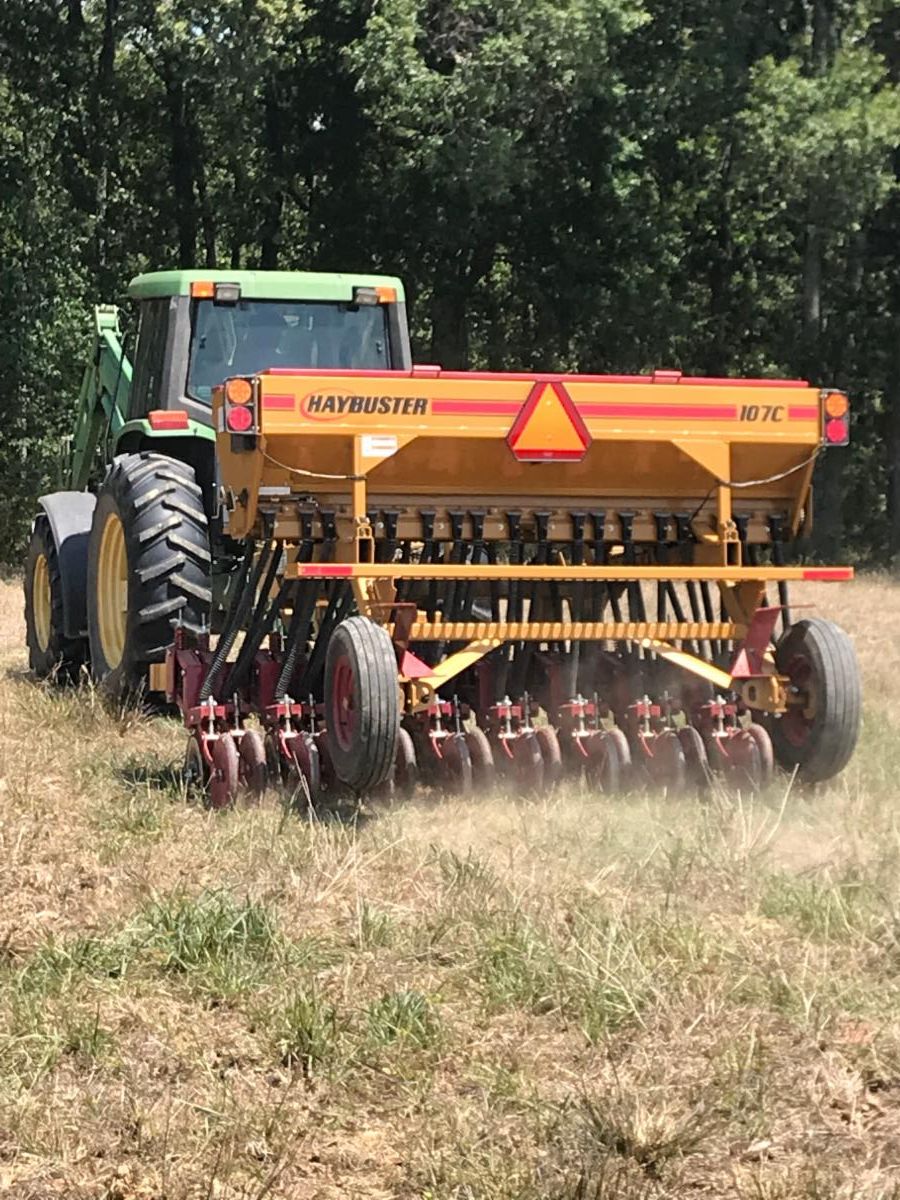
Winter Annuals
I have added the plant back and postemergence restrictions on cool season forage crops to the other publications about winter annuals. The links below are some good information if you think you want to plant some annuals for fall and winter grazing.
| | |
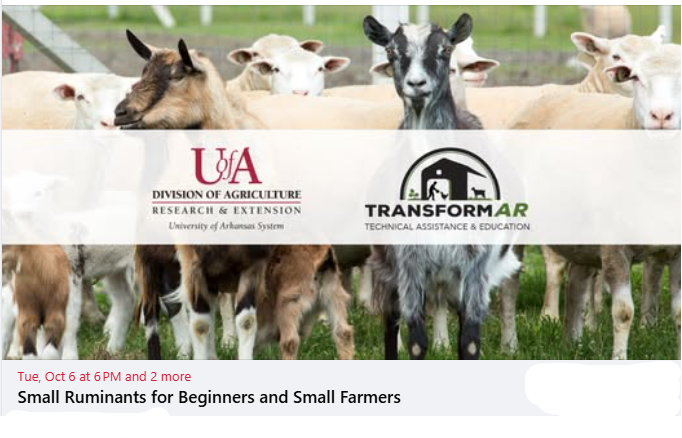
Small Ruminants for Beginners and Small Farmers
Join us for an introduction to small ruminant production for beginning and small-scale farmers. Topics include an overview of the industry, breed and genetic improvement, reproduction, health management, facilities, pasture management, nutrition, marketing, and the production of meat, milk, and fiber. October 6, 13, and 20, 2026, 06:00 PM (Central Time).
Registration: https://uada.zoom.us/.../register/WN_rOqHFbpXTbmII6X3u-KPSQ
Speakers:
Dr. Dan Quadros, University of Arkansas, Small Ruminant Specialist, Department Of Animal Science - UA
Dr. Kirsten Midkiff
University of Arkansas, Animal Health & Wellbeing Specialist, Department Of Animal Science - UA
Dr. Ian Daniel
University of Arkansas Pine Bluff, Livestock Specialist, School of Agriculture, Fisheries and Human Sciences
Tanya Feagin
President of the Arkansas Shepherds Association - Sheep Community (www.arshepherds.com)/Owner of Rocking TLC Farms LLC (https://rockingtlcfarms.com/).
Leigh Brandon
President of the Arkansas Goat Producers Association (www.argoatproducers.com)/Owner of Happy Bottoms Farm (www.happybottomsfarm.com).
Dr. Sibtain Ahmad
Fulbright Research Scholar, University of Arkansas/Associate Professor at the University of Agriculture, Faisalabad, Pakistan.
Dr. Andrew Milsom
Former Postdoctoral Research Associate, University of Arkansas/PhD Lincoln University, New Zealand.
Emily Reynolds
Master's Degree candidate, University of Arkansas, Animal Science.
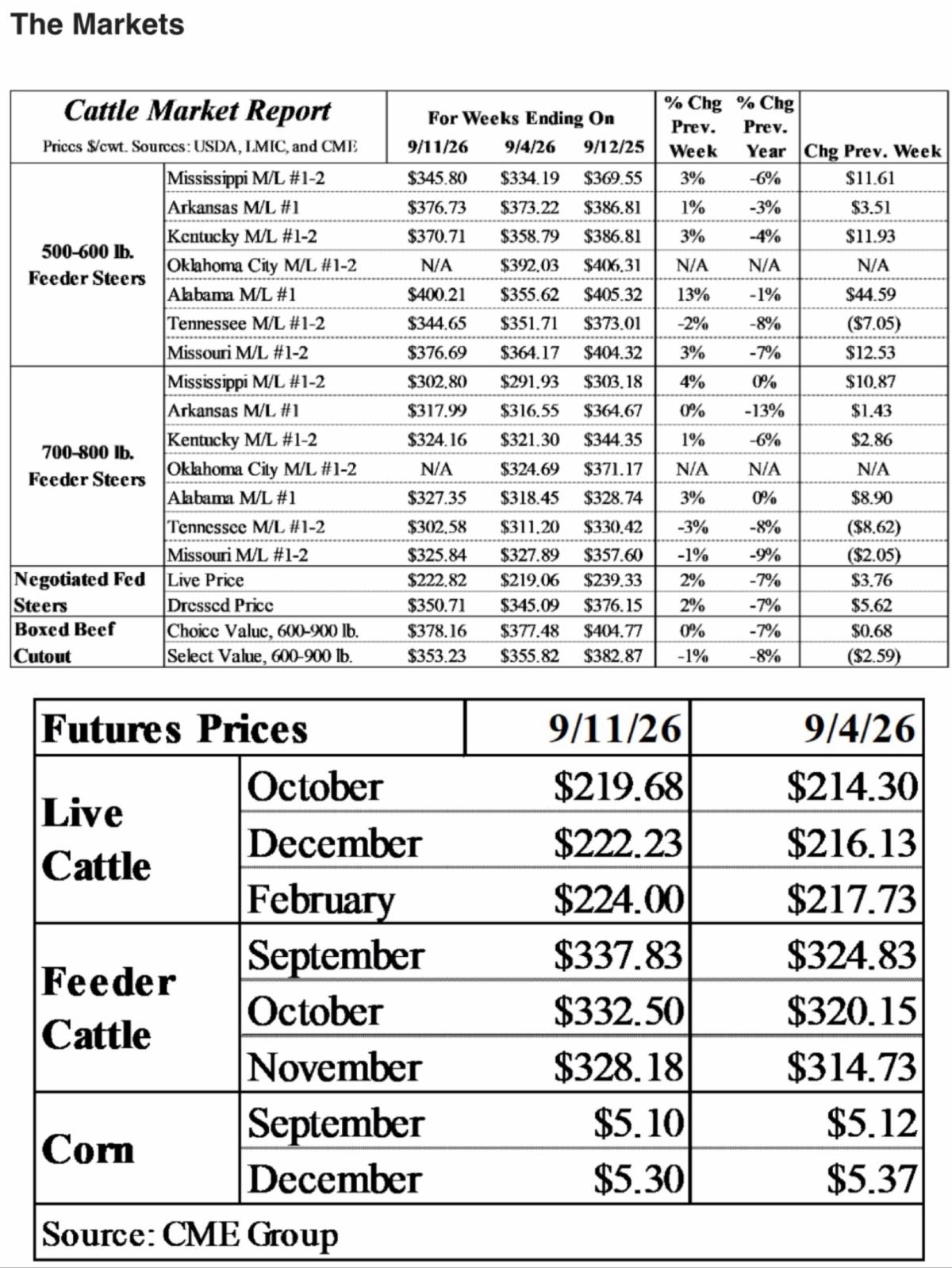
| Here is this weeks Cattle Market Notes Weekly | | |
Pesticide Applicator Trainings
There will be no more in person Pesticide Applicator Trainings until this winter. If you need a license you can still do the training online. There is a link below for the online training and a link to check your license status.
| | |
Livestock Market Report
The following links are for the weekly livestock market report from the Arkansas Department of Agriculture website and the Livestock Auction Dashboard from USDA. Both sites have marketing data for all livestock sold at Arkansas Sale Barns.
| | |
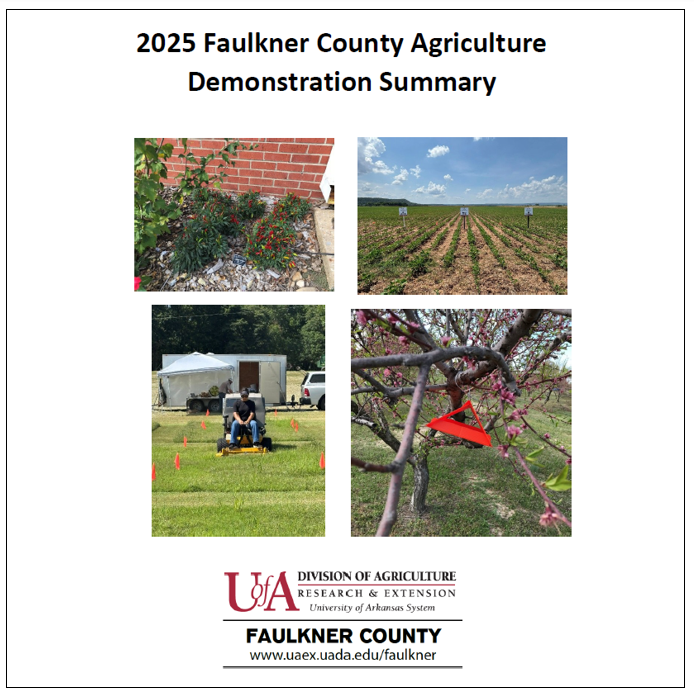
2025 Faulkner County Agriculture Demonstration Summary
The 2025 Faulkner County Agriculture Demonstration Summary is now available at the link below.
The 2025 Faulkner County Demonstration Summary is a collection of on-site demonstration results conducted in Faulkner County by local County Agents. Demonstrations are the cornerstone of the University of Arkansas System Division of Agriculture Cooperative Extension Service’s mission which is:
“We strengthen agriculture, communities, and families by connecting trusted research to the adoption of best practices.”
On-site demonstrations allow producers and homeowners to see firsthand how Extension recommended varieties and best management practices work in their counties and surrounding area.
| | |
Sign up for Text Alerts
You can now sign up for text alerts from me throughout the year. I have two areas you can sign up for which includes Faulkner Livestock or Faulkner Ag (Row Crop Updates). To sign up you can follow one of these links or use the QR Codes below.
| | Pursuant to 7 CFR § 15.3, the University of Arkansas System Division of Agriculture offers all its Extension and Research programs and services (including employment) without regard to race, color, sex, national origin, religion, age, disability, marital or veteran status, genetic information, sexual preference, pregnancy or any other legally protected status, and is an equal opportunity institution. | | | | |