Welcome to this issue of the C-DIAS newsletter! Please share with colleagues, friends, and anyone else you know who might be interested in our work and encourage them to subscribe to our newsletter. | | |
Isn’t autumn the best time of year? For many of us, whether we are in academic settings or not, fall represents the start of something new. A reset. Another chapter. The next phase of a journey. One feels an amalgam of excitement and apprehension. New things, and new people.
This was the first September in some time that the C-DIAS community did not gather together in Half Moon Bay. We missed you here on the Northern California coast. It has become a delightful annually recurrent retreat. New things, and new people.
Because this is the final year of our NIDA P50 grant, we elected to postpone the annual meeting until April 2027. The grant officially ends at the end of May 2027. We did not recruit for a fourth cohort of C-DIAS fellows. Although we anticipate being able to continue some center activities beyond next spring, the focus will be on celebrating our collective achievements and on transitioning.
Transitioning to what?
We have several exciting and promising opportunities in the works. This spring, we will know with more certainty what the future will hold for the C-DIAS community. More will be revealed!
I am confident that we will persist in our mission to use the methods of implementation science to improve the care and outcomes of people who suffer addiction. We are grateful to all of you for joining us and finishing strong.
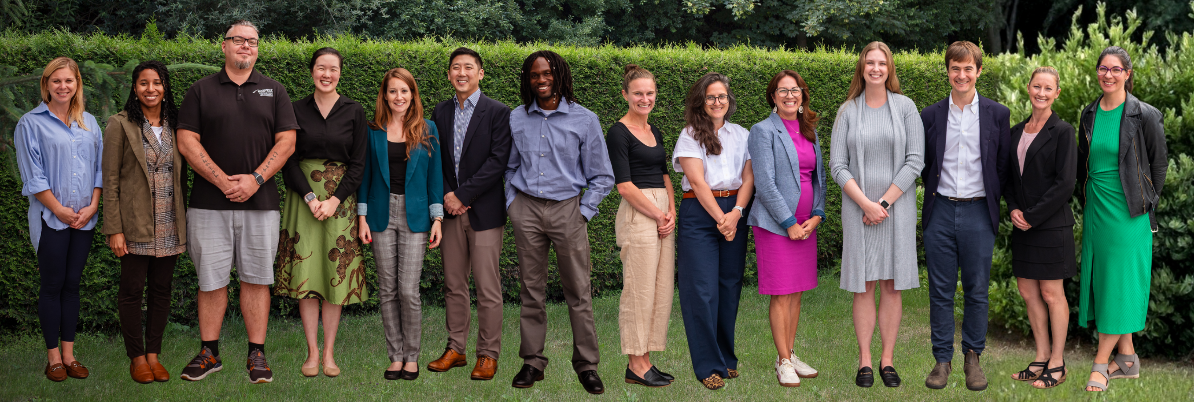
| | AHSR Featured Presentations | | C-DIAS faculty, fellows, and staff traveled to Salt Lake City for the Addiction Health Services Research (AHSR) Conference, held Oct. 5–7. The team presented or contributed to more than two dozen sessions and posters, joining researchers, decision-makers, and treatment providers working to improve access, effectiveness, and implementation in addiction services. | |
Symposia
-
Gracelyn Cruden, Erika Crable, Lisa Saldana, and colleagues presented a symposium on challenges and solutions for data-driven decision-making in substance use service delivery, design, and policy.
-
Mark McGovern, Jay Ford, Elena Rosenberg-Carlson, Hannah Cheng, and colleagues presented a five-part symposium on Stagewise Implementation-To-Target – Medications for Addiction Treatment (SITT-MAT), an adaptive implementation trial to expand access to medications for opioid use disorder (MOUD) in primary care and specialty addiction programs. The talks covered primary outcomes, strategy costs, internal facilitation, and a research-public health partnership in Washington state, with contributions from Jane Kim, Orrin Ware, and Lisa Saldana.
-
Mark McGovern led a symposium on integrated care for alcohol-associated liver disease and alcohol use disorder. Randy Brown presented trends and management approaches, and Andrew Quanbeck shared lessons from more than a decade of digital health implementation research.
Workshops
-
Noa Krawczyk, Joe Glass, Lindsey Zimmerman, and colleagues co-led a workshop on modeling methods that turn substance use disorder (SUD) treatment data into actionable practices for health systems.
-
Beth McGinty, Erika Crable, Jonathan Purtle, Noa Krawczyk, and colleagues co-led a workshop on policy dissemination and implementation research to advance evidence-based health policies.
-
Kathryn McCollister and colleagues co-led a workshop on statistical methods and best practices for conducting economic evaluations alongside SUD clinical trials.
-
Danny Almirall and colleagues co-led a workshop on methods for adaptive and personalized SUD prevention, treatment, and recovery services.
Presentations and posters
-
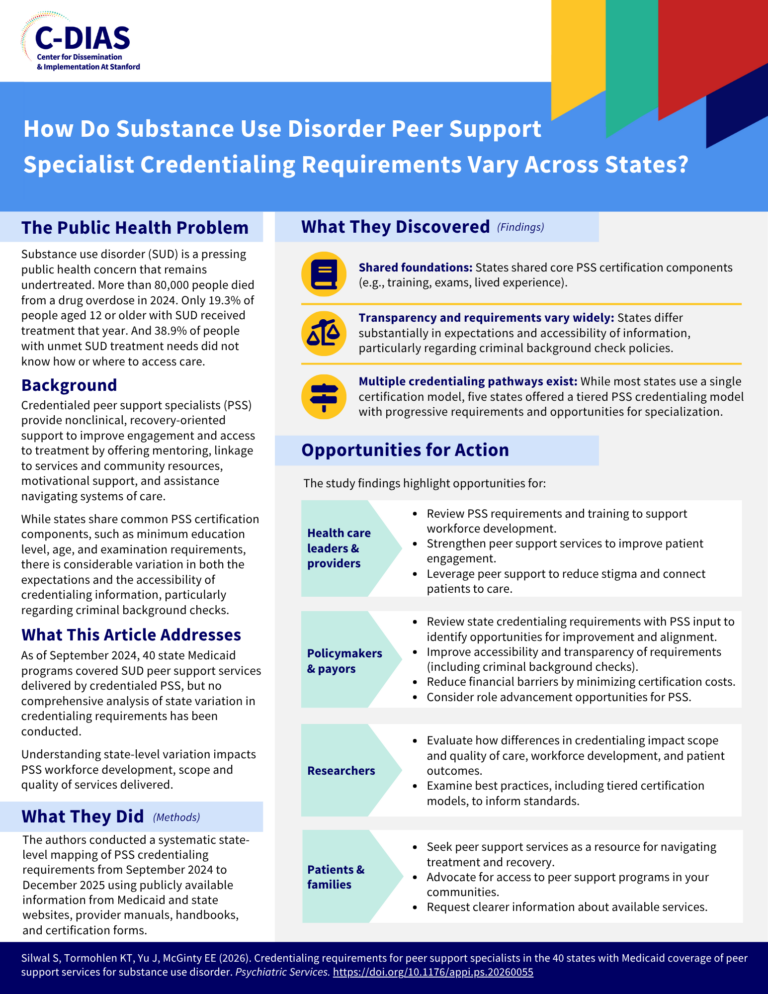
Beth McGinty gave three oral presentations on how policy shapes substance use treatment, covering medical cannabis laws, telehealth expansions in Medicaid, and Medicaid peer support services.
-
Jessica Magidson presented results from a hybrid effectiveness-implementation trial of a peer-delivered behavioral activation intervention in methadone treatment in Baltimore.
-
Greg Aarons shared how the Leadership and Organizational Change for Implementation-System Level (LOCI-SL) strategy improved leadership and organizational climate for implementation.
-
Alice Zhang examined which demographic and social factors predict what people take from harm reduction vending machines.
-
Wayne Kepner presented a secret shopper framework for evaluating compliance with state MOUD policy, drawing on a pilot study of California’s SB 184.
-
Berkeley Franz presented a poster on anticipated stigma as a barrier to buprenorphine prescribing among primary care professionals.
-
Ally Dir mapped the substance use care cascade for parents in the child welfare system, from screening to service referrals.
-
Natasha Ludwig-Barron shared how participatory mapping and engagement with local partners can improve care for people who use drugs in Ciudad Juárez, Mexico.
-
Lia Chin-Purcell presented a poster on an AI-assisted system that grounds summaries in coded interview excerpts, making qualitative addiction research more transparent and verifiable.
-
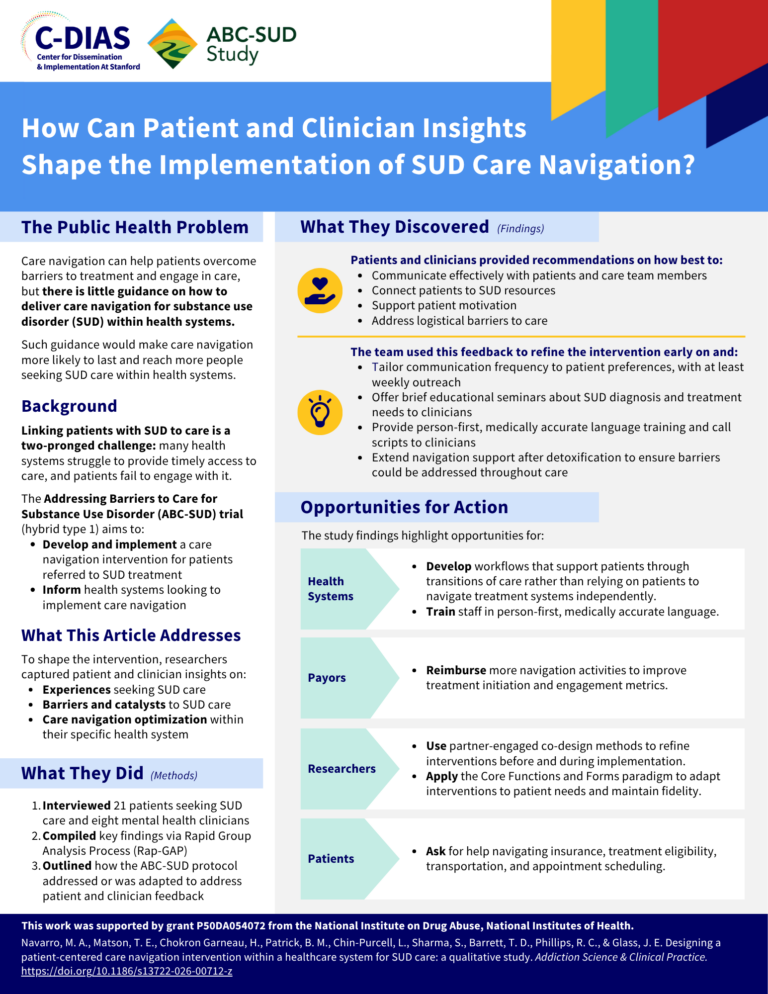
Tessa Matson presented preliminary implementation outcomes from the Addressing Barriers to Care for Substance Use Disorder (ABC-SUD) trial of a care navigation intervention.
-
Will Garneau shared a qualitative assessment of the contextual factors that shaped care navigation during a pilot feasibility study.
-
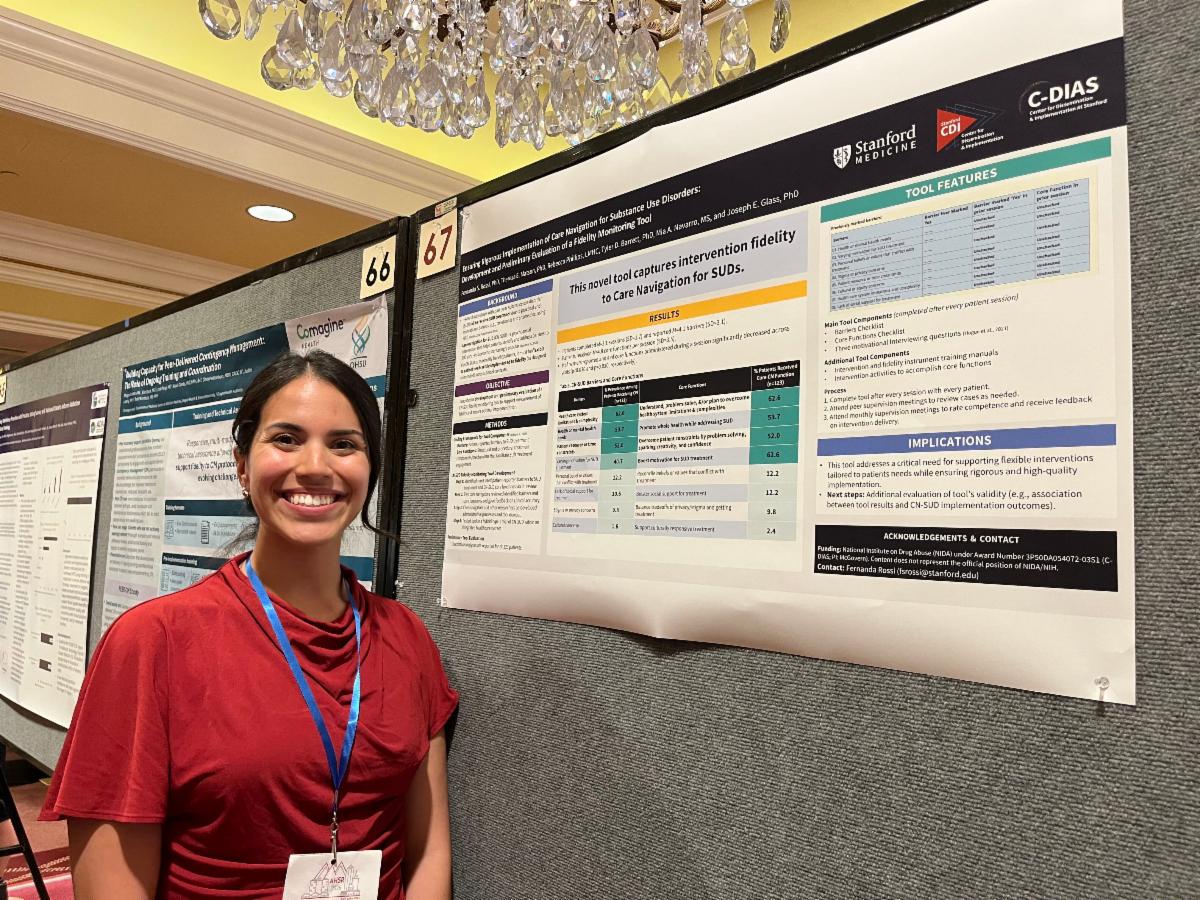
Fernanda Rossi showcased the development and validation of a pragmatic fidelity tool for behavioral health and addiction treatment interventions, along with its adaptation for an SUD care navigation intervention.
Thank you to all of the presenters for representing C-DIAS so well.
| | C-DIAS Fellow Examines Differences in Access to Opioid Use Disorder Treatment | | |
Berkeley Franz, PhD, a member of the first cohort of fellows at the Center for Dissemination & Implementation At Stanford (C-DIAS), is the first author of a study in the Journal of Addiction Medicine examining access to medications for opioid use disorder (MOUD) across primary care clinics, specialty addiction treatment programs, and the communities they serve.
Franz discussed the findings with co-author Mark McGovern, PhD, director of the Stanford Center for Dissemination and Implementation, on the American Society of Addiction Medicine's (ASAM) "Addiction Medicine: Beyond the Abstract" podcast. Franz is an endowed professor of community and behavioral health at the Ohio University Heritage College of Osteopathic Medicine. The analysis draws on data from two large implementation studies in California and Washington, including the SITT-MAT study, which McGovern co-led.
Specialty addiction treatment programs had lower MOUD adoption than primary care clinics, a result Franz called "really surprising" given their focus on addiction. The study also compared where clinics were located. Most were in urban areas, and the urban-rural mix was similar across both settings. The bigger difference was community need. Specialty programs tended to be in counties with higher overdose rates and unemployment, fewer buprenorphine prescribers, and longer travel distances to treatment. Franz said that makes them a priority for implementation support because many sit in treatment "deserts." One in five programs "didn't have a single prescriber on staff or somebody eligible to prescribe," she said.
Primary care faces different barriers. Many clinicians have little addiction training and low confidence treating it. Yet roughly a third of primary care patients had a substance use disorder in the past year. "Primary care providers just aren't screening," Franz said. "We really need to tailor strategies for each of these settings." For specialty programs, that could mean telehealth or partnerships with outside prescribers. In primary care, Franz focuses on peer mentorship, connecting clinicians with colleagues in similar rural or underserved settings.
| | |
Visual Tools to Disseminate Your Work
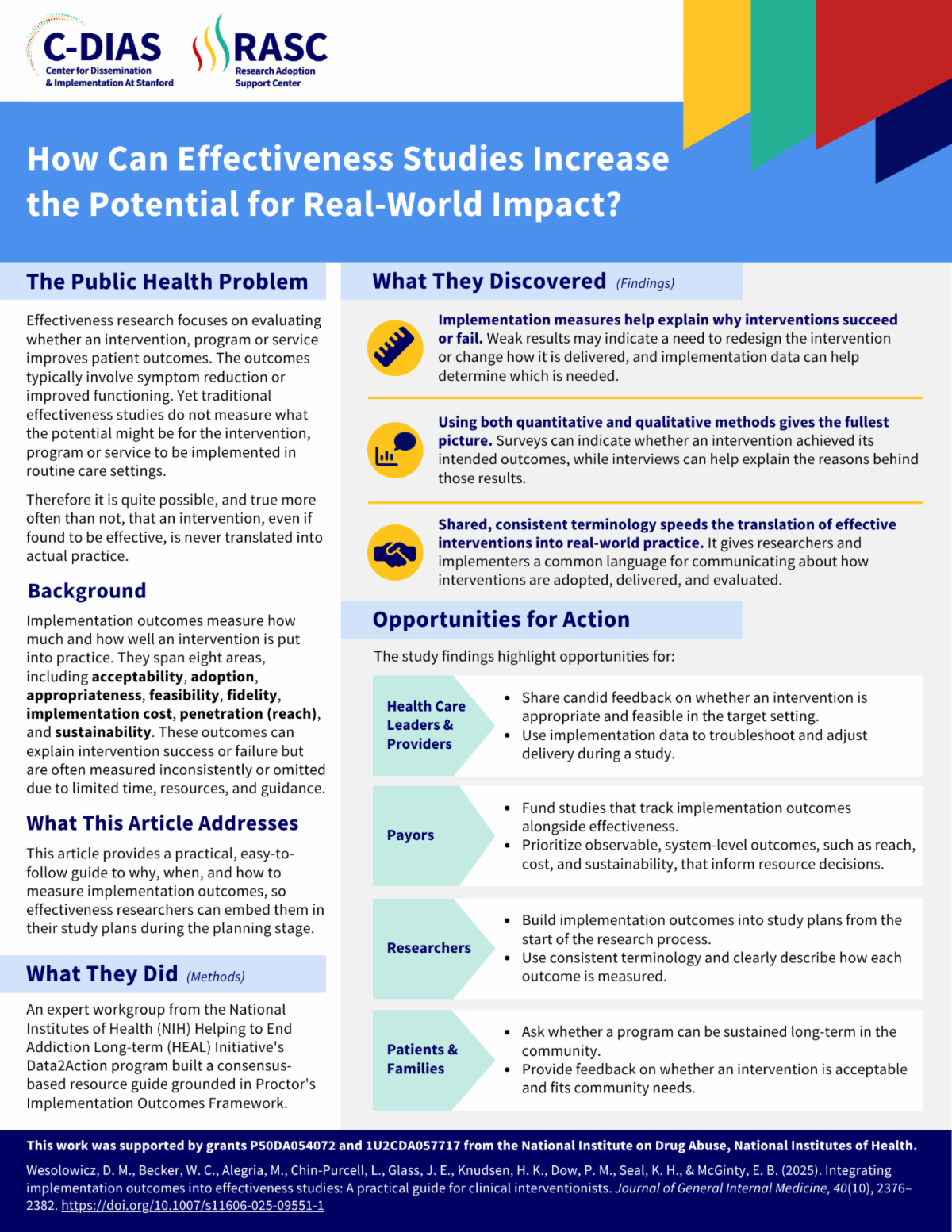
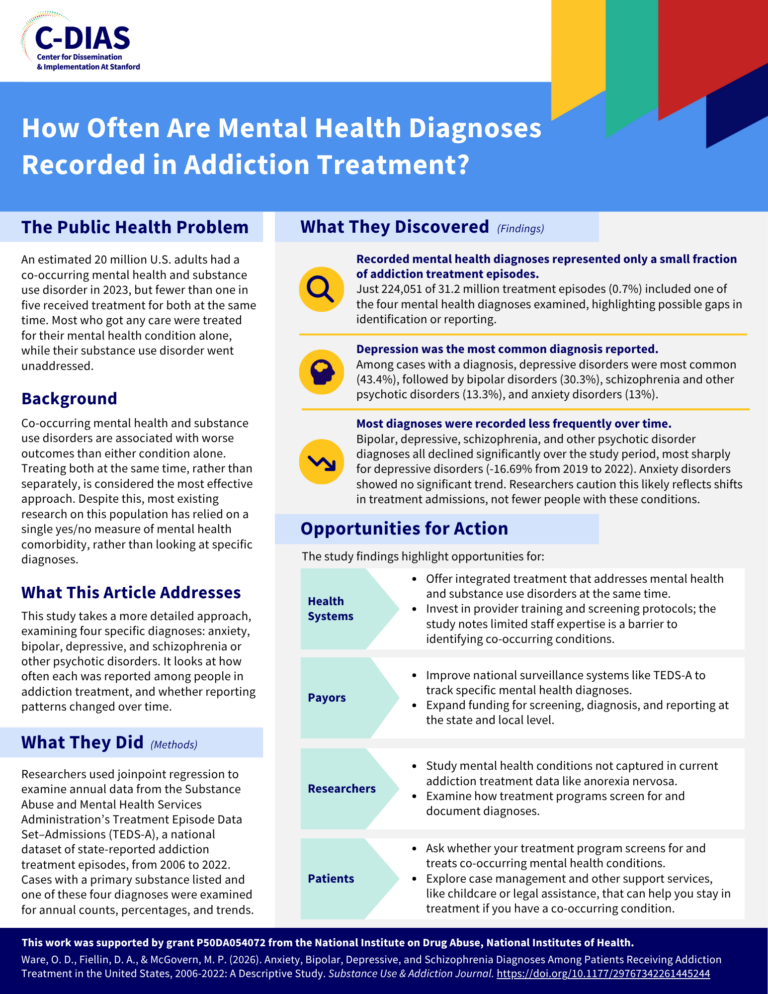
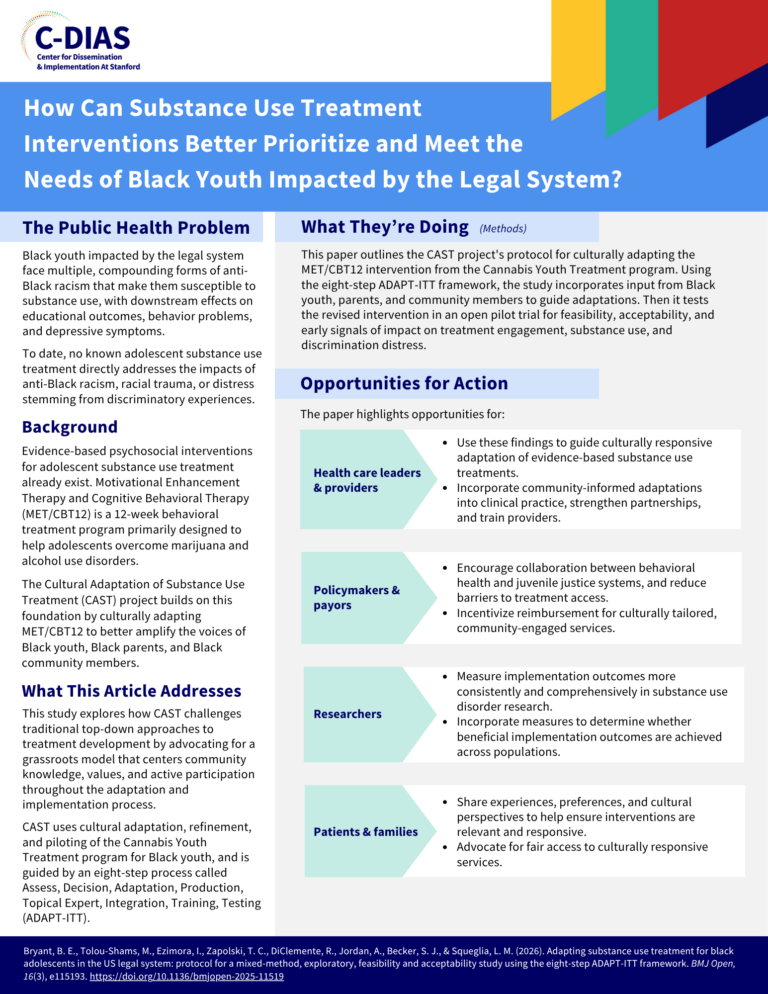
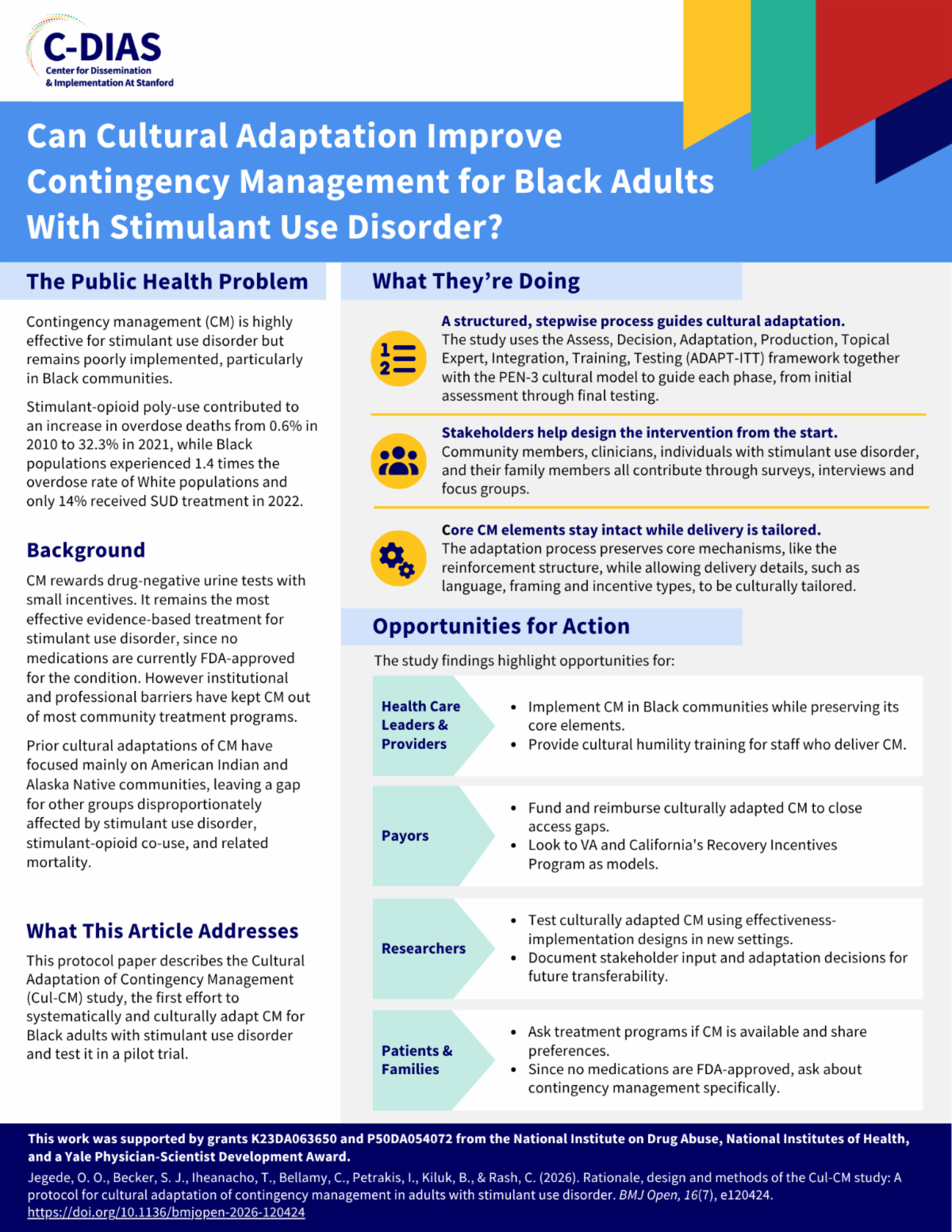
C-DIAS infographics are clear, visual tools designed to distill key research findings and promote access to the best treatments for all. These infographics serve as practical resources to help promote actionable steps across stakeholders in health systems.
Infographics translate implementation science into action by offering concrete recommendations to guide treatment adoption, shape decisions, and engage partners.
Check out our newest infographics on the C-DIAS website.
| | |
Our Fellow Spotlight Series continues to profile the people driving implementation science forward — highlighting how fellows are translating evidence into practice across addiction treatment, mental health, and health systems.
The most recent spotlights include Fernanda S. Rossi and Ally Dir. Together, these stories offer a closer look at the lived experiences, research paths, and real-world challenges shaping the field today.
| | |
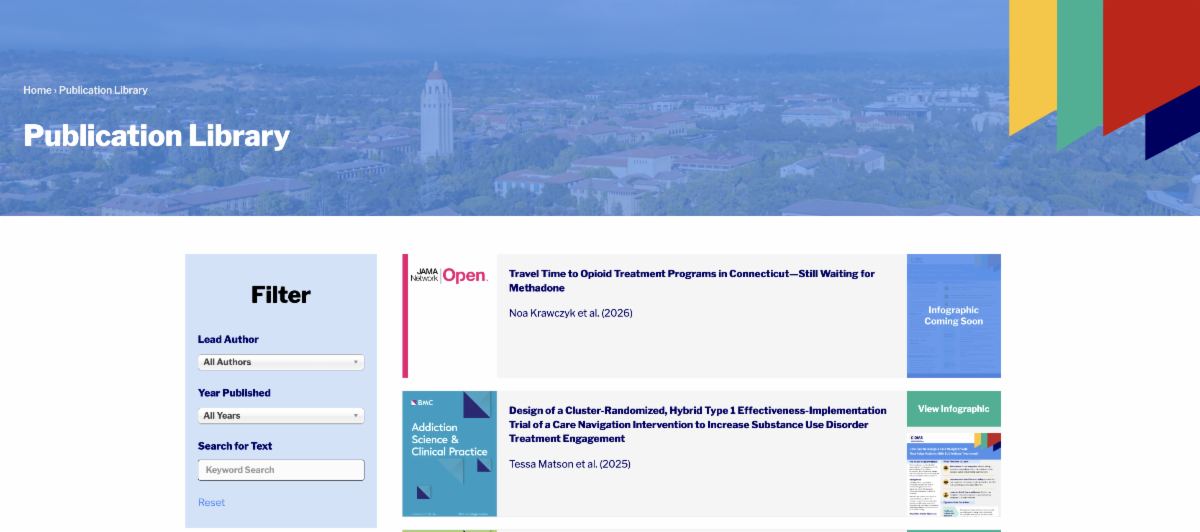
The C-DIAS Publication Library serves as a central hub for the center’s published research and visual resources on implementation science. It brings together peer-reviewed articles and infographics developed by C-DIAS faculty, fellows, and collaborators, making it easier to explore and share work focused on implementing evidence-based practices in addiction care.
If you’re looking for clear, accessible visuals that translate research findings into practice, the Publication Library offers a one-stop resource for learning, teaching, and dissemination.
Current titles include:
-
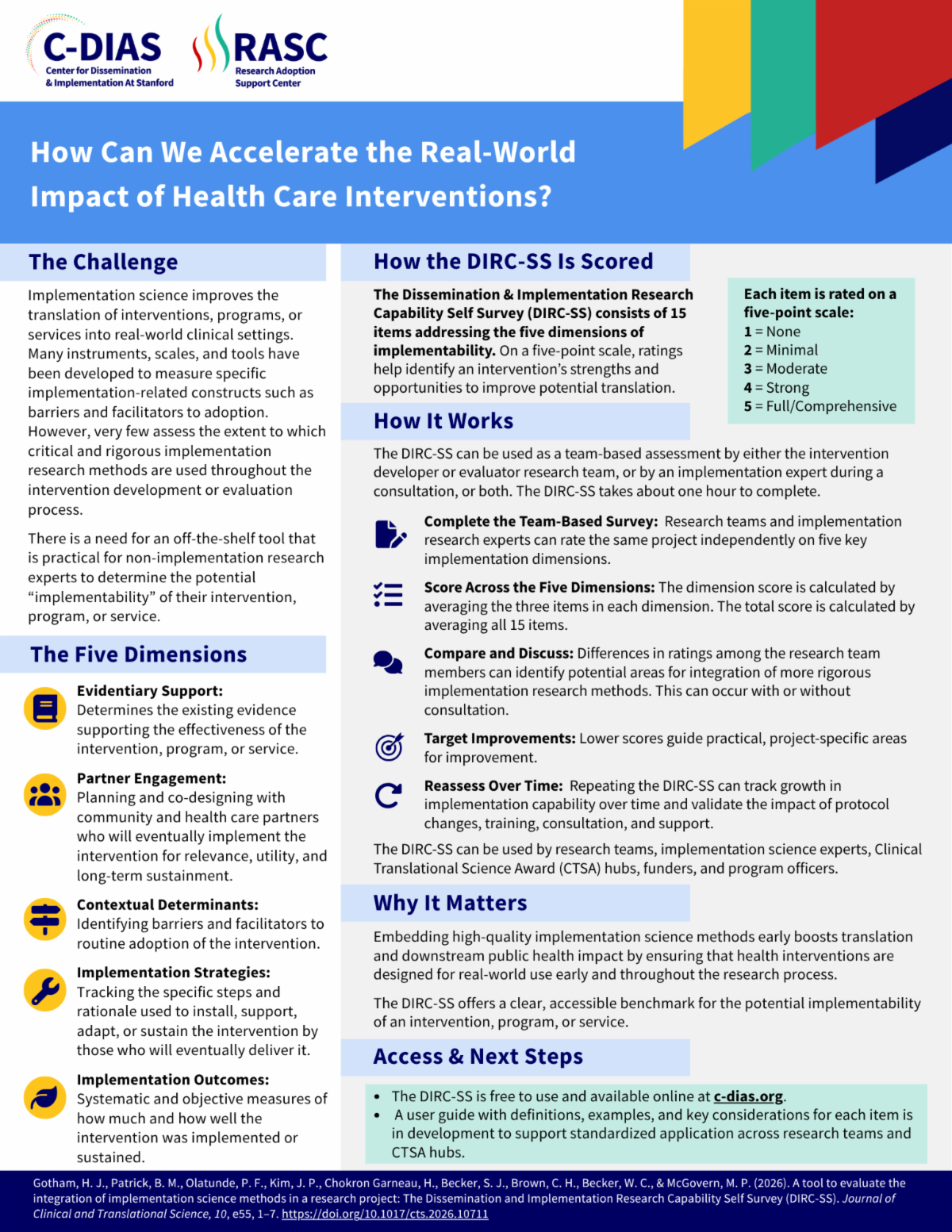
A tool to evaluate the integration of implementation science methods in a research project: The Dissemination and Implementation Research Capability Self Survey (DIRC-SS). Journal of Clinical and Translational Science, 10(1), e55. https://www.c-dias.org/publications/a-tool-to-evaluate-the-integration-of-implementation-science-methods-in-a-research-project-the-dissemination-and-implementation-research-capability-self-survey-dirc-ss/
-
Anxiety, Bipolar, Depressive, and Schizophrenia Diagnoses Among Patients Receiving Addiction Treatment in the United States, 2006-2022: A Descriptive Study. Substance Use & Addiction Journal, 29767342261445244. https://www.c-dias.org/publications/anxiety-bipolar-depressive-and-schizophrenia-diagnoses-among-patients-receiving-addiction-treatment-in-the-united-states-2006-2022-a-descriptive-study/
-
Rationale, design and methods of the Cul-CM study: A protocol for cultural adaptation of contingency management in adults with stimulant use disorder. BMJ Open (2026). https://www.c-dias.org/publications/rationale-design-and-methods-of-the-cul-cm-study-a-protocol-for-cultural-adaptation-of-contingency-management-in-adults-with-stimulant-use-disorder/
-
Building Bridges, Breaking Silos: A Social Network Analysis of Collaboration in an Implementation Science Center for Addiction Health Services. Translational Behavioral Medicine, 16(1). https://www.c-dias.org/publications/building-bridges-breaking-silos-a-social-network-analysis-of-collaboration-in-an-implementation-science-center-for-addiction-health-services/
| | Celebrating C-DIAS Cohort 2! | | |
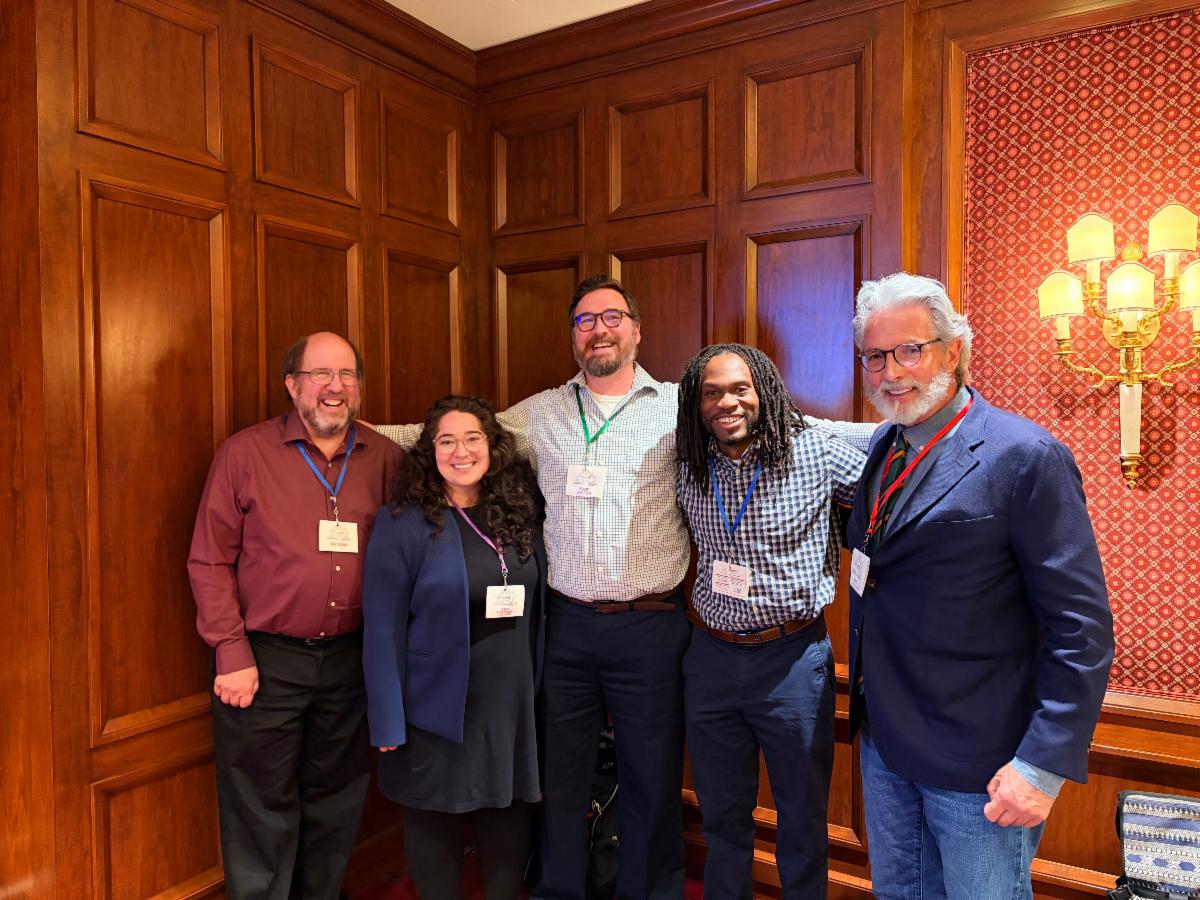
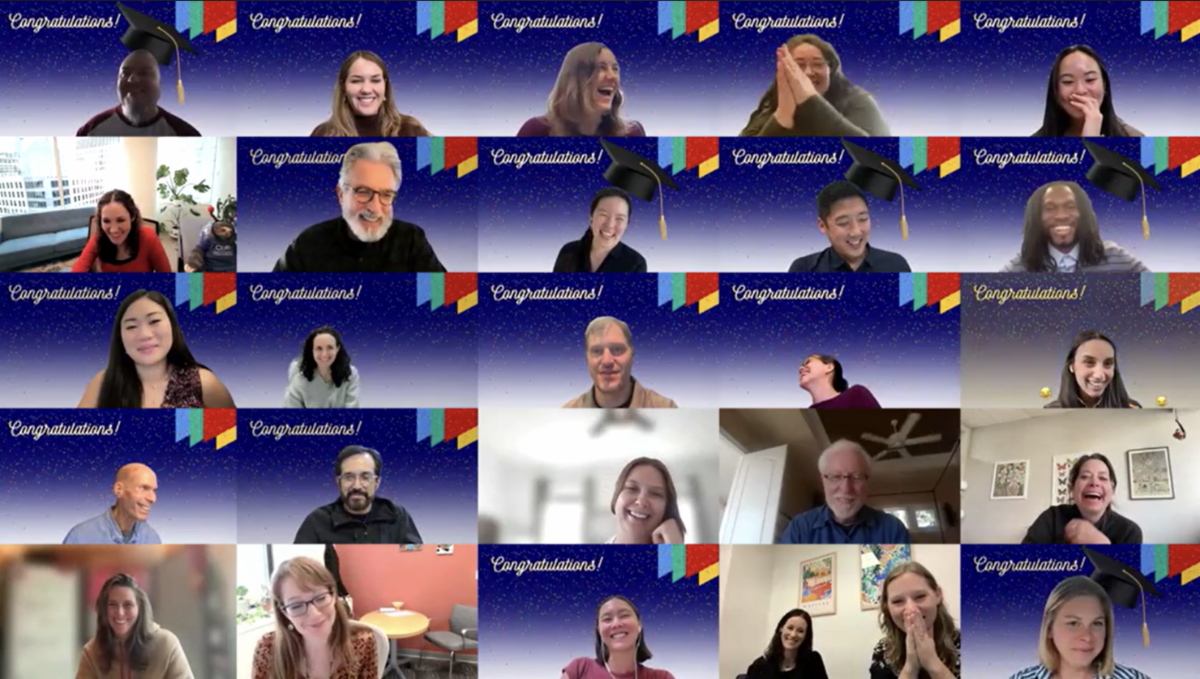
On Oct. 29, the C-DIAS community came together to celebrate the graduation of our 2024–2026 Cohort 2 fellows: Damian Chase-Begay, PhD, MS; Howard Kim, MD, MS; Noa Krawczyk, PhD; Orrin D. Ware, PhD, MPH, MSW; Alice Zhang, MD, MPH; Ally Dir, PhD, HSPP; and Milan F. Satcher, MD, MPH.
Fellows and mentors reflected on two years of growth, including first implementation science papers, new grants, national awards, and lasting collaborations.
Having witnessed the exceptional talent, thoughtfulness, and commitment of this cohort, we’re convinced that the future of implementation science is in very good hands. Congratulations, Cohort 2!
| | New Study Brings Implementation Science to Mobile HIV and Substance Use Care | | |
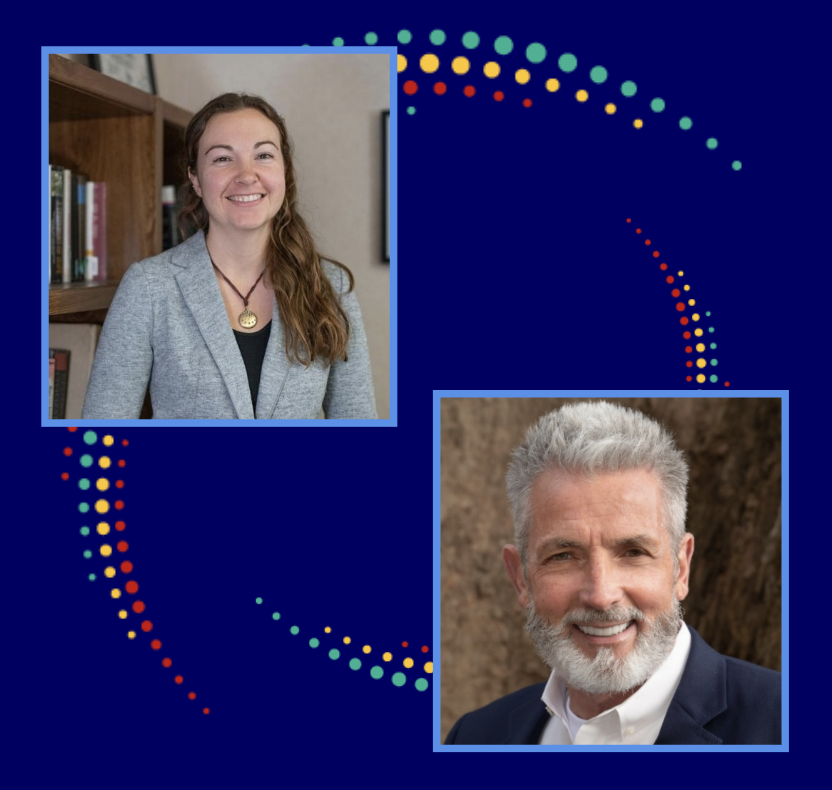
Mark McGovern and Elena Rosenberg-Carlson are contributing implementation science expertise to GEO IMPACT, a new study funded by the National Institute on Drug Abuse to expand access to HIV and substance use prevention and treatment.
McGovern joins a multidisciplinary team studying how mobile pharmacies and clinics staffed with community health workers can reach people who use drugs and are living with or at risk for HIV. The project combines geographic modeling to identify community needs with mobile services that bring care directly to those communities.
Rosenberg-Carlson leads McGovern’s implementation science team, examining barriers and supports that affect service delivery and evaluating strategies to address them. The team’s findings will guide adaptations and improvements throughout the study.
Their work will help the broader research team understand how these approaches function in practice and what changes could improve access to care.
| | Announcing the Association for Addiction Health Services Research | | |
The Association for Addiction Health Services Research (AAHSR) is a new professional organization for the addiction field. It welcomes addiction researchers as charter members.
AAHSR addresses the need for stable infrastructure to ensure the annual Addiction Health Services Research (AHSR) Conference continues and to support the field’s growth. For 20 years, committed volunteers have planned and hosted the conference. Under the current model, the host university assumes upfront expenses and financial risk. That approach is no longer viable. A member-based model is a practical and timely next step.
Annual dues of $200 for regular members and $100 for early-career members will help provide financial stability for the conference. Beginning with the 2027 conference in St. Louis, members will receive a registration discount equal to their annual dues. They will also have access to members-only content and events and be eligible to serve in AAHSR leadership positions.
AAHSR’s founders have been working to establish the organization. Learn more about becoming a charter member or complete the AAHSR membership application, hosted by the University of Utah.
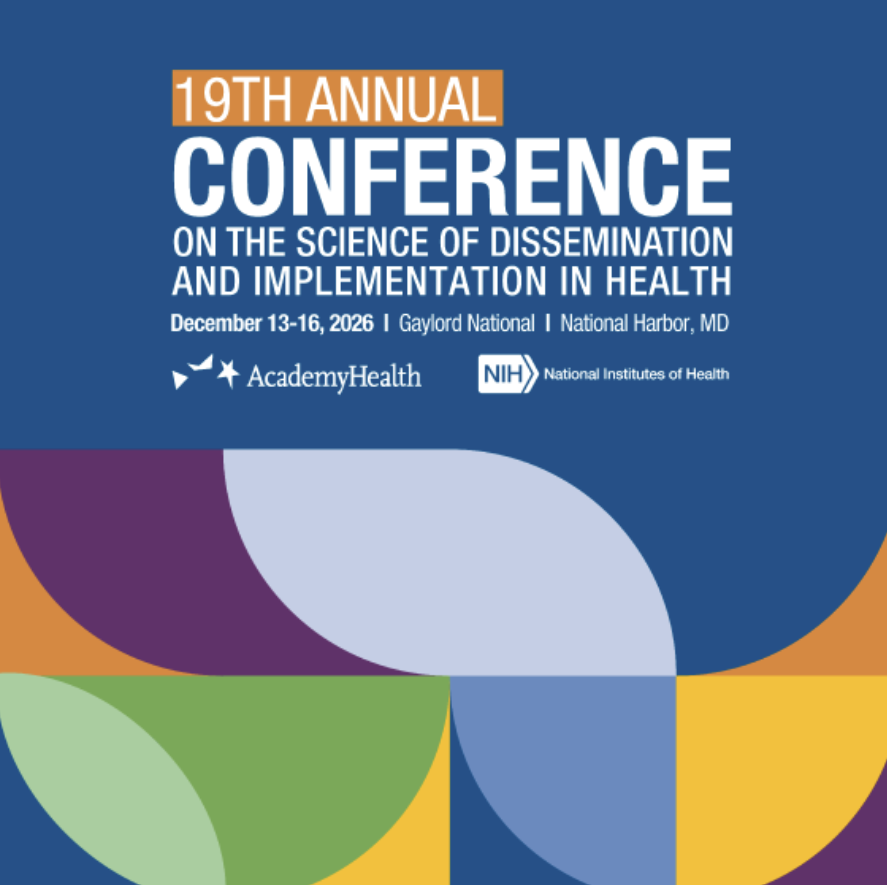
| | Upcoming Events, Deadlines, and Important Dates | | 19th Annual Conference on the Science of Dissemination and Implementation (D&I) in Health | |
We Want to Hear Your Voice!
Did you learn something new or hear something inspiring during a talk, presentation, or event that you recently attended? We want to hear from you! Please submit your thoughts, musings, or quotes to info@c-dias.org.
| |
Let's Stay in Touch
You are receiving this email because you either subscribed to receive updates from us or someone you know thinks you'd be interested in our work. If this email was forwarded to you, please subscribe to our newsletter so you can continue to stay connected.
Also follow us on LinkedIn for more frequent updates.
| | | | |