Center for Dispute Resolution
ADR Quarterly - Spring 2022
|
|
USC Gould School of Law Center for Dispute Resolution offers one of the nation’s longest-standing programs in arbitration, mediation, and negotiation. While educating dispute resolution professionals from around the world, it endeavors to create positive impact within the industry and community. |
|
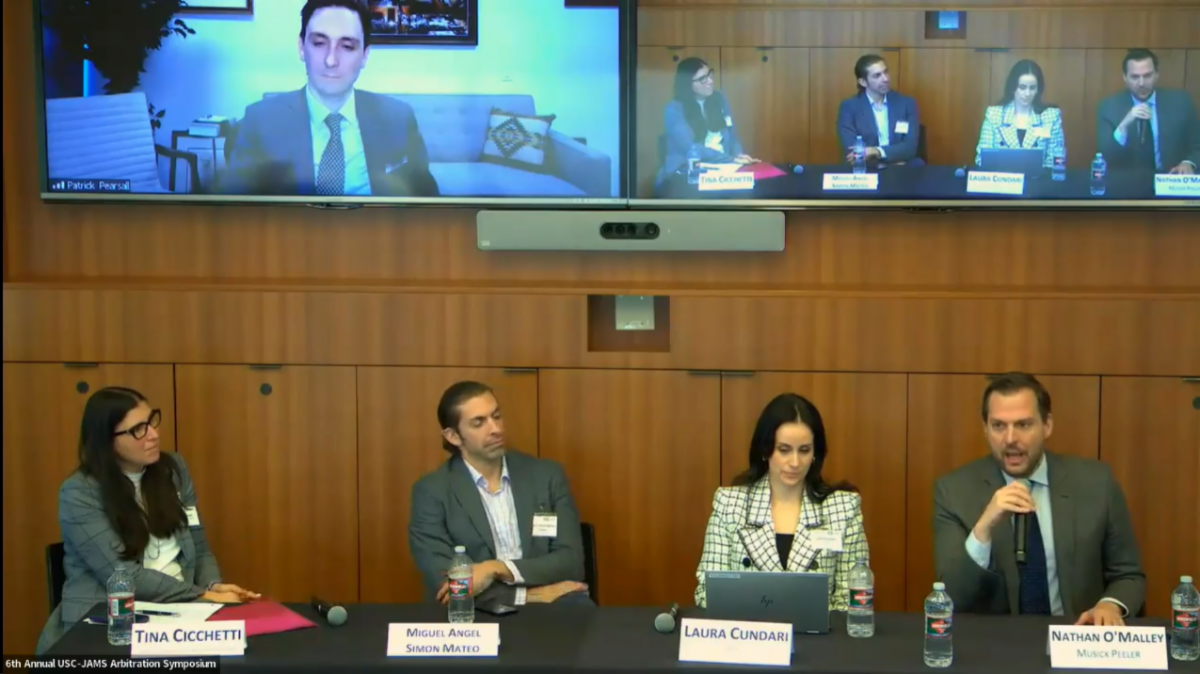
On March 17, 2022, the USC Arbitration Institute and JAMS hosted the Sixth Annual USC-JAMS Arbitration Symposium: A World Forever Changed in hybrid format at the offices of Gibson Dunn in downtown Los Angeles. The Symposium is recognized as the largest arbitration conference in California and featured a sold-out in person crowd attending the full day of interactive and substantive programming that tackled some of the most complex and interesting issues arising in international dispute resolution. The 2022 Symposium was featured as the keystone event of the inaugural California International Arbitration Week, a week of thought leadership and arbitration focused programming presented by the world´s leading arbitral institutions.
This year’s keynote address by Professor Gary Born, Chair of the International Arbitration Practice Group at Wilmer Hale in London was titled “The Past Present and Future of International Arbitration” and guided participants through a lauded history lesson on the motions of international arbitration through time, and what the future holds for the practice. In response to the keynote, Steven E. Sletten, Partner at Gibson Dunn moderated a panel featuring Richard Chernick, Mediator & Arbitrator, Vice President & Managing Director of Arbitration Practice at JAMS and Chair Emeritus of the USC-JAMS Arbitration Symposium Committee, Steven L. Smith, Of Counsel at Jones Day, and Dana Welch, Mediator & Arbitrator at Welch ADR.
The second panel discussion was titled “Disruptors in the Global Entertainment Industry” and was moderated by Amb. (Ret.) David Huebner, C.Arb, International Arbitrator and Mediator at JAMS. Featured speakers were Susan Abramovitch, Partner at Gowling WLG, Cheryl Buysse Lynch, Head of Business Affairs & Scripted Formats at Sony Pictures Television, James Sammataro, Partner and Co-Chair of Media + Entertainment at Pryor Cashman and Christina Scelsi, U.S. General Counsel of Wargaming (USA).
The third and final panel of the day titled “Turning Toward the Sun and Wind: Exploring Issues in Renewable Energy Arbitration” was moderated by Tina M. Cicchetti, Independent Arbitrator at Vancouver Arbitration Chambers. Our featured speakers were Laura Cundari, FCIArb, Partner at Blakes, Patrick Pearsall, Partner at Allen Overy, Miguel Ángel Mateo Simon, Partner at Hogan Lovells and Nathan D. O'Malley, Partner and Head of International Arbitration & Litigation at Musick Peeler.
Participants also participated in live interactive polls, examining how dispute resolution practices shift in times of global crisis and within particular industry verticals.
The event schedule, materials, and recordings of each session can be accessed here.
|
|
Special Education Mediation
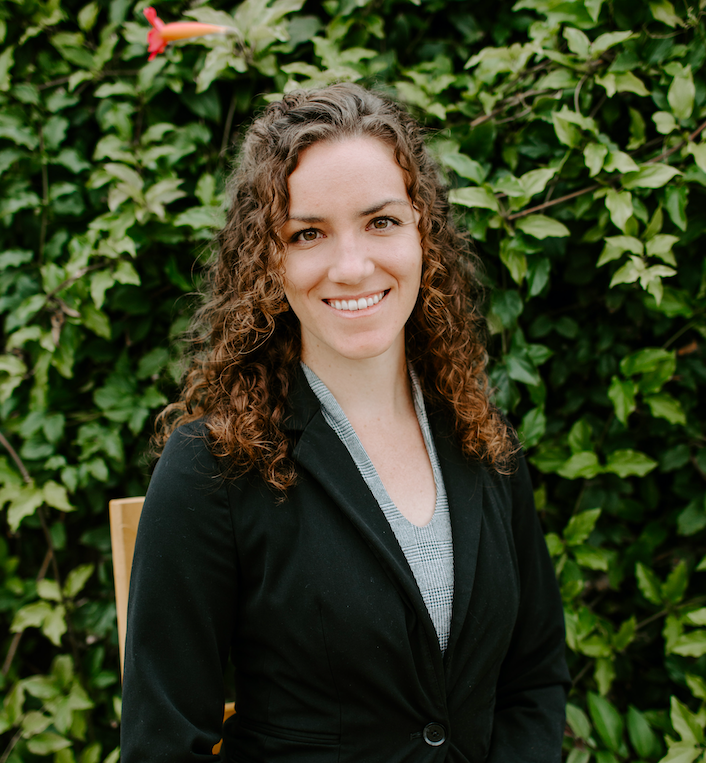
In the Q&A below, Ashley Rosenthal (MDR Class of 2021) shares what had urged her to pursue a legal education in dispute resolution and how her studies have shaped her current work within K-12 education.
|
|
What sparked your interest in ADR?
Four words: “My teacher hates me.” — A declaration my high school students would announce as they entered my office. As the Director of Student Support at a local high school, my office became a space for homework help and conflict management alike. Prior to completing the MDR program at USC Gould, I was equipped with few resources other than typing “how to help a teenager through conflict” as a Google search. Therefore, I quickly learned to listen… really listen. The litany of bombastic statements took me on a discursive journey into my students' inner worlds, revealing a constellation of feelings, needs, and interests brewing just beneath the angsty surface.
Given the number of concerns my students brought to my attention on a daily basis, I recognized the need to acquire an entirely new skill set. My goal was to empower them with the ability to share their lived experiences, use empathetic listening to gain new perspectives, and ultimately resolve their own conflicts.
My first exposure to Alternative Dispute Resolution and its profound impact in special education was in an Individual Education Plan (IEP) meeting. In my 15 years of special education experience, I have stories to tell. But one particular meeting is memorable because the tension could be felt in every monosyllabic response, awkward seat shift, and crossed arm. Then it happened…the conversation took a turn and the parents stood up, yelling, crying, and making a move for the door. But instead of shying away from the emotion, the facilitator created space for it. This was a pivotal moment in the meeting; the emotions became the path forward rather than something to quell.
How has the MDR degree at USC Gould expanded your work in special education?
Cross-cultural work within ADR is imperative to creating space for people to tell their stories, offering critical counternarratives that work towards equity and deepening understanding across K-12 schooling spaces.
My doctoral work at USC Rossier School of Education focused on teacher perspectives of dis/ability within the K-12 classroom along intersecting lines of identity markers. This experience laid critical groundwork for me to better understand stakeholder needs and the influence socialization has on our meaning-making processes. The USC Gould MDR program further refined these skills and put this knowledge into action. Gould’s focus on interactive learning and critical reflection allowed me to dig deep into the content. Learning from those in the field contextualized my learning in a way that brought theory to life.
Can you tell us about your current work in dispute resolution?
I am very excited to be working as a special education mediator with Richard Erhard and Associates, LLC. In this capacity, I mediate cases between school districts and families as an alternative to due process. Professor Erhard and I are currently running an early dispute resolution training for a California Special Education Local Plan Area (SELPA). The philosophical underpinning of this program is a reimagination of professional development for K-12 educators. Specifically, we are implementing an ADR mediation mindset training that is not only reflexive but has the potential to crack open a liminal space between due process and the IEP meeting.
In conjunction with this, I am also an IEP facilitator and conflict management coach. In both of these roles, I work directly with K-12 school sites in South Los Angeles to co-design IEP meetings using the ADR skills I learned at USC Gould.
Recently, I was invited to the board of directors at the Southern California Mediator’s Association (SCMA) and Kids Managing Conflict (KMC). Additionally, two of my Gould classmates, Anthony Keen-Louie (MDR 2021) and Liliana Cervantes (MDR 2021), created an incredible program for emerging mediators and I’ve had the opportunity to work with them on bringing this project to life.
What advice do you have for students who may be interested in following a similar path to yours?
Imposter syndrome is no joke. As a non-attorney mediator, my inner monologue would at times creep in and ask…”Um, am I in the wrong program?” Honoring these feelings allowed me to dialogue with them in transformative ways. These introspective conversations, coupled by open dialogues with mentors like Professor Jason Harper and Professor Richard Erhard have been critical in my journey into mediation.
Conflict has taught me and continues to teach me a lot. I’ve learned transmutation occurs when we heat things up. I would invite students to consider this “heat” as an alchemical opportunity for local and systemic change.
|
|
Furthering Career Development |
|
The Practical Mediation Skills Clinic – Transforming Theory to Practice
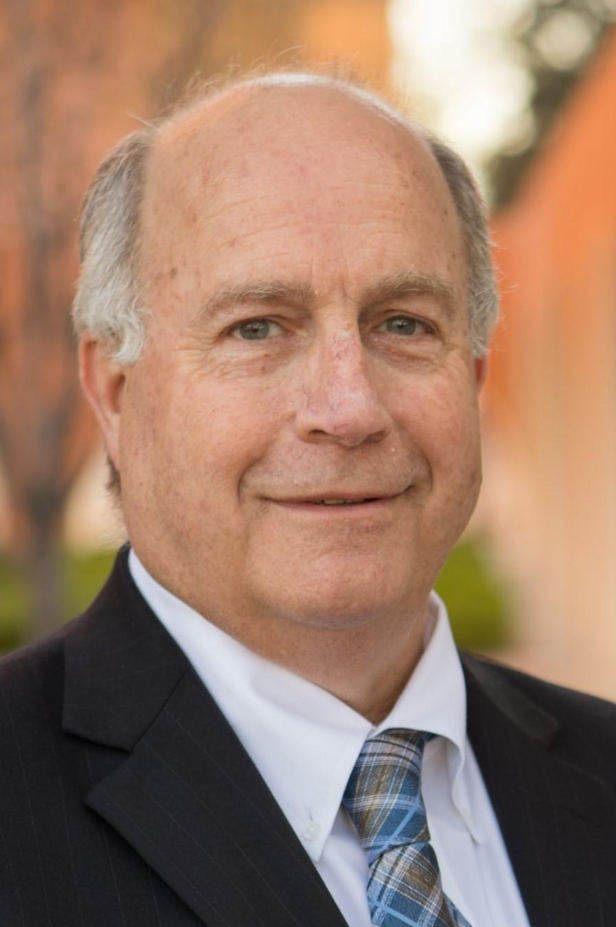
Richard Peterson
Director of the USC Gould School of Law Center for Dispute Resolution
|
|
Dispute resolution courses at the Gould Center for Dispute Resolution are highly interactive in that while learning about the theories and processes of dispute resolution, students are also actively engaged in applying what they have learned by taking part in structured simulated conflicts. In these activities, students alternate playing the role of dispute resolution practitioner and party disputant. An example of such a course is Mediation Theory and Practice. We are fortunate to have Dr. Jack Goetz, an exceptional mediator as well as a highly regarded expert in dispute resolution education with decades of experience as the instructor for that course.
Mediation Theory and Practice provides the training necessary for student enrollment in the Center’s Practical Mediation Skills Clinic (PMSC). Here student experiential learning is elevated from simulated conflict to mediating actual disputes in the Los Angele County Superior Court. After a pandemic inflicted two-year closure of the Los Angeles courts to in-person mediations, this semester PMSC students are excited to finally be back in courtrooms, serving the public (and the courts) by mediating real disputes in small-claims and civil harassment cases in courts throughout Los Angeles County.
As we meet together weekly to review cases mediated the week before, and to make assignments for the following week, I am able to observe the evolving transition of students to practitioners. After decades of observing students as they journey through the clinical component of experiential learning, I am always energized and inspired by the enthusiasm, confidence, and sense of accomplishment they convey when discussing their dispute resolution work.
Professor Michael Karagozian, himself an excellent example of the student to practitioner transition discussed above, assists in directing the work of the PMSC. Professor Karagozian is a practicing attorney who graduated from Gould in 2019, with an LLM in ADR. He has become a skilled and effective mediator, an excellent teacher, and a valued mentor, greatly respected by our students.
Those participating in the PMSC this semester recently expressed their perspective about the impact this clinical experience has had on their educational experience here at USC. Joshua Christian, an LLM in ADR candidate, practicing lawyer, and former staff attorney at the Legal Aid Foundation of Los Angeles, wrote, “The clinic gives students an opportunity to go out in the community, practice our skills, and see how much value the mediation process can create for both the litigants and the courts.”
Walter Gonzales, an MDR candidate wrote, “The Practical Mediation Skills Clinic has been significantly helpful in building my confidence as I have been able to apply what I learned in my mediation course to mediating actual disputes in the small claims court.” Recently, Walter shared an experience where he was able to assist disputants in court by his ability to converse with them in their native Spanish language because he was fluent in the language and culture of the disputing parties.
Isabelle Blackwell, another LLM in ADR candidate also reflected on the opportunity the PMSC provides, “…to implement practical skills gained throughout the [mediation] course…”
Speaking of her clinical experience, LLM in ADR candidate, Anne Lageson, wrote: “I have found that the [PMSC] provides an invaluable opportunity to learn from highly skilled mediators while gaining hands-on experience working in courtrooms throughout L.A. County. This real-world experience has allowed me to develop and hone my own mediation skills while also offering a valuable service to the community.” LLM in ADR candidate, Michael Duenas said, “…the mediation clinic has been phenomenal. Being able to participate in real-life mediations has been a priceless experience."
Mohammed Alghamdi, an international LLM in ADR candidate, spoke of the “extraordinary” opportunity he has had to contrast the ADR processes of the courts in Los Angeles with the processes utilized by courts in his own country of Saudi Arabia. An LLM in ADR candidate, Fadi Kassis, commented, “As a practicing attorney, I find USC’s Center of Dispute Resolution … continue[s] to strengthen my practical skills and shed light on developing and innovative strategies in alternative dispute mediation. My participation in the clinic, through the LLM program, sharpens my understanding of ADR as ADR grows rapidly in the legal practice.”
Now, as the spring semester is coming to an end, we look forward to the next group of students who will carry on the work and service of the Practical Mediation Skills Clinic, and like other students before them, continue to connect the theories and simulation experiences of the classroom with the actual practice of resolving real disputes as they are played out in the courts of Los Angeles County.
|
|
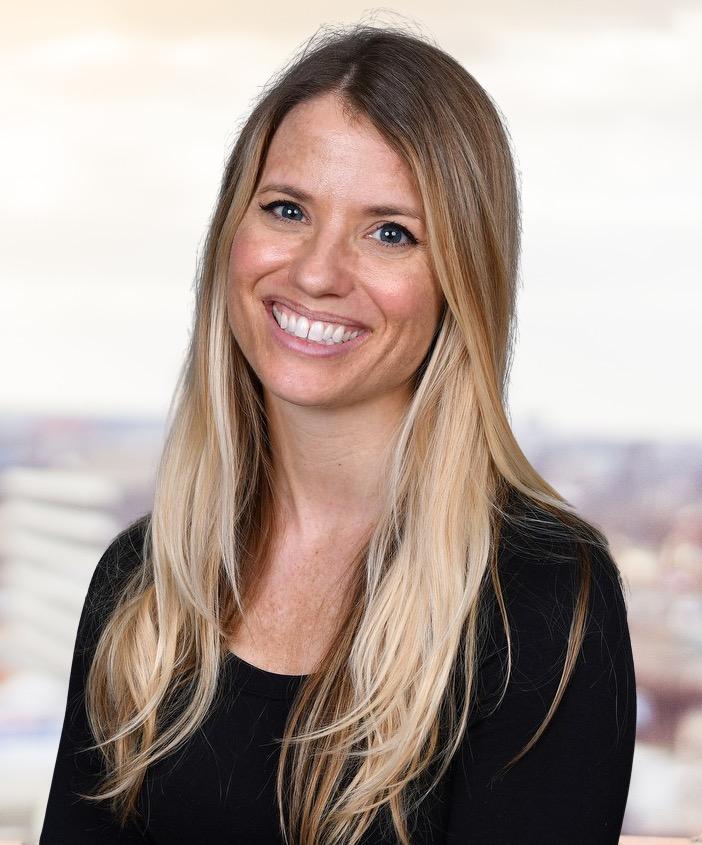
Q&A with Amanda Thyden, G&IP Academic and Career Advisor (Former Mediator and Attorney)
Meet Amanda Thyden, G&IP’s newest Academic and Career Advisor. Amanda joins us after working as a mediator, restorative justice facilitator, and an attorney for economically disadvantaged clients in Southern California. She looks forward to working with many of you in the coming months.
|
|
What did you enjoy most about serving as a mediator and restorative justice facilitator?
I appreciate the open-minded and collaborative nature of mediations and restorative justice sessions. When someone agrees to an alternative means of dispute resolution, they often show up ready to negotiate for a mutually-agreeable outcome. The inter-party dynamic is dramatically different in the courtroom where, culturally, we view one side as the “winner” and one side as the “loser”. In my experience, participants frequently offered solutions upon which a judge could not feasibly rule.
Why did you become an attorney if you were interested in alternative dispute resolution?
As a mediator I witnessed how much client representation takes place outside of a courtroom, such as one-on-one negotiations or mandatory settlement conferences. In my mediations, I implemented best practices for engaging in productive and healthy dialogues with opposing counsel and clients. But, after law school I wanted to experience direct client representation in a courtroom.
My mediation skills translated seamlessly to a successful law practice, where I represented minors and economically disadvantaged communities in Southern California. I successfully resolved many cases without contentious hearings, which meant less anxiety and cost for my clients.
What is the most important attribute of a mediator?
My answer here is a bit nuanced because I think empathy is the ultimate strength of any successful mediator. Under the empathy umbrella, there are two key strategies mediators can implement to have a positive mediation: (1) actively listening to the participants, and (2) maintaining an open mind.
-
When opposing parties (and attorneys) engage in a dialogue, there may be pent up frustration that can hinder progress. A good mediator will allow parties the time to vent, and then ask questions about the history of the issue at hand: What brought them here? What are they looking for in a resolution? Is an in-court resolution really the best answer? A good mediator connects with the parties to help them discover their underlying objectives.
- It is key to remember that a mediator is not bound by the same limited rulings of the judicial system. A successful mediator is acutely aware that sometimes parties passively share resolutions they may not have fully considered. The mediator can draw out unique ideas and bring them to light.
What do you think is the most compelling area of alternative dispute resolution?
Without a doubt, I view the incorporation of restorative justice and community healing in K-12 institutions as the most exciting area of dispute resolution. When a child harms another child or person at school, the traditional way of resolving an issue was to punish the child with a suspension and tell them they were “bad” for acting out. But I have seen, and in fact mediated, many restorative justice sessions where a child met with the person they harmed and heard the consequences of their poor decision. Giving a child the opportunity to be a partner in their own restorative actions can change their perspective on personal accountability. For example, “If I steal lunch money from another student, I get an extra $10.00” turns into “If I steal lunch money from Sally, that means Sally doesn’t eat lunch and goes hungry that day.”
Isn’t this what we hope to instill in the next generation? We hope to raise a generation that has personal accountability and a desire to support each other. Their creative resolutions never ceased to amaze me. From volunteer work to paying for replacement items, if children are given a chance to do better, often they will.
What advice do you have for students looking to become arbitrators and mediators?
Keep an open mind about what your career as an alternative dispute resolution professional may look like. Because this area is expanding so rapidly, all backgrounds and professional experience is valuable. For some, opening their own mediation or arbitration practice may be ideal, others may want to join larger dispute resolution firms, but there is also space in all sectors for effective communicators and negotiators. So, if you do not secure your dream job as an international arbitrator right out of your program, apply for positions that will still allow you to utilize your dispute resolution skills to set you up for your next role.
|
|
Jeff Brockmeier
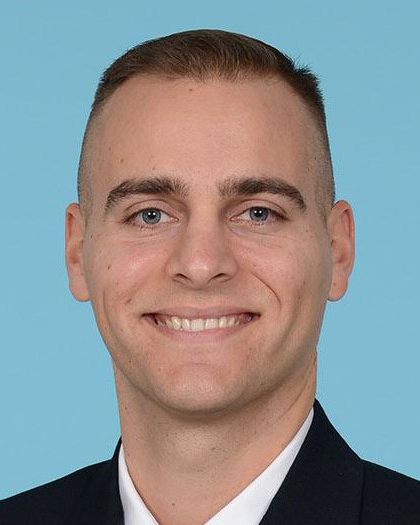
After successfully transitioning from active-duty military to a federal civilian job with the Department of Defense, Jeff Brockmeier (LLM in ADR, 2021) now works for a DoD subagency, the Defense Contract Management Agency (DCMA) in Santa Ana, practicing federal procurement and acquisition law. ADR is an official policy of his agency and is often used in bid protests and other contract disputes.
|
|
Maria De La Garza
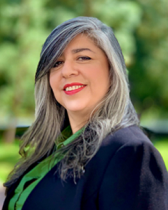
Maria De La Garza (MDR, 2021) has been promoted to Director of Human Resources and Personnel Management at USC Gould. Over the years, her duties have expanded, and her promotion acknowledges her work and contributions in a variety of areas, including work force planning, executive search recruitment, and faculty affairs.
|
|
Toya Rajae Hasia-Welch
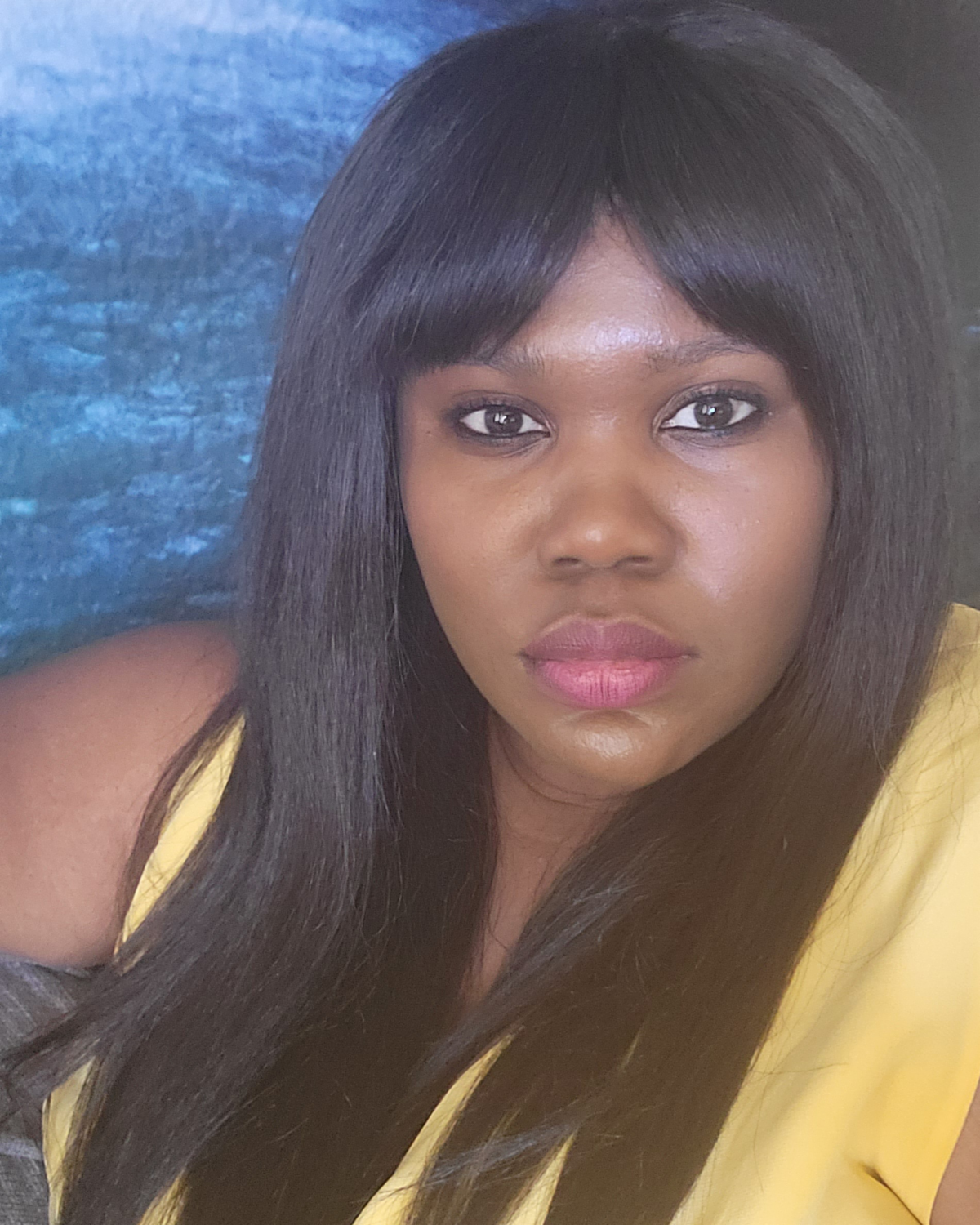
Toya Rajae Hasia-Welch (MDR, 2022) was recently hired as an investigator for Disability Rights California, a disabilities protection and advocacy law firm, after a 10-week interview process.
|
|
Taruna Jaiswal
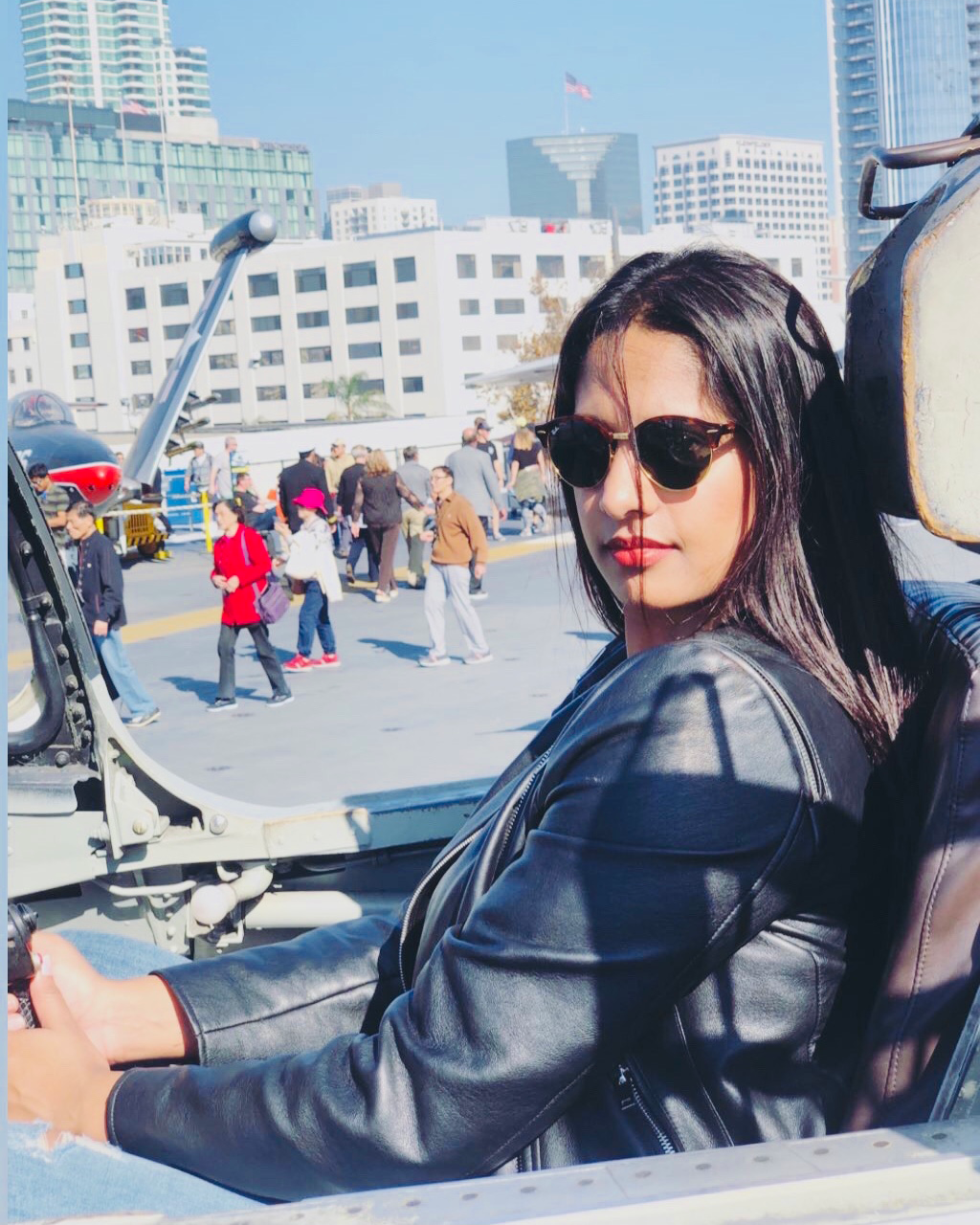
Taruna Jaiswal (LLM in ADR, 2020) is on faculty at National University of Study and Research in Law in Ranchi, Jharkhand, India.
|
|
Matthias Sieber
Matthias Sieber (MDR, 2021) has co-founded Loxe Inc. and is serving as its CEO. Among its work, LOoxe Inc. has collected $350,000 in grants (so far) to build a decentralized, functional, ledgered ecosystem for conflict transformation.
|
|
|
|
|
|
|