Rail & Labor News from RWU
| |
Weekly Digest Number 37 - September 10, 2024 | |
Welcome to the RWU Rail & Labor News! This news bulletin is produced and emailed out each Tuesday morning. We hope you find each week's news and information useful. If so, please share with co-workers, friends, and colleagues. If you like, you can sign them up to get all the news from RWU HERE. Or forward them the link. Got a hot tip? Please forward the article and a link to raillabornews@gmail.com. Note: If you read over this news bulletin each week, you will be sure to never miss the important news of what is going on in the railroad world from a worker's perspective! | |
THIS WEEK'S RAIL AND LABOR NEWS | |
Editor's Note: Another young worker has been killed on the job. As more information comes out, RWU will keep you updated on exactly why this fatality has occurred. | |
|
Trains / September 9
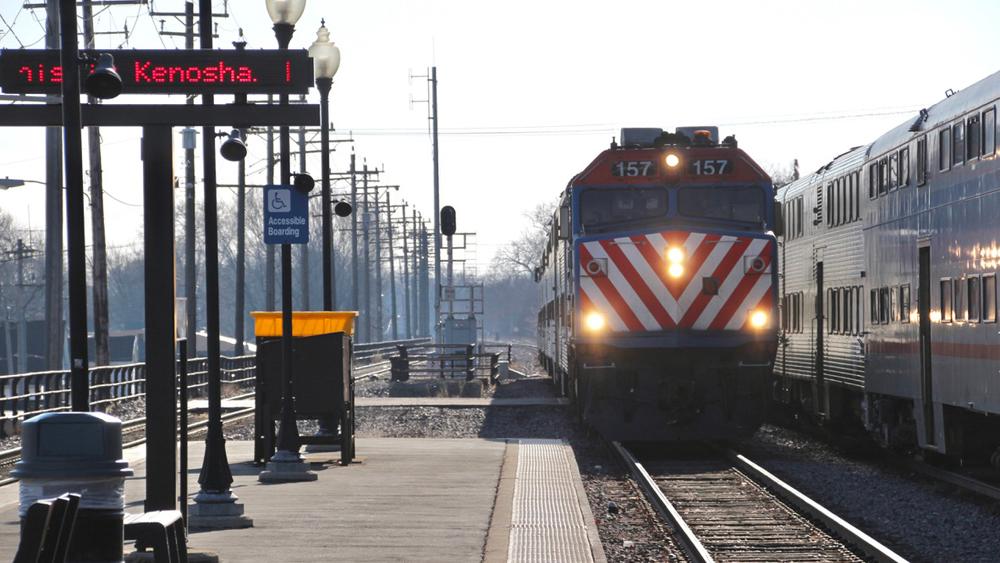
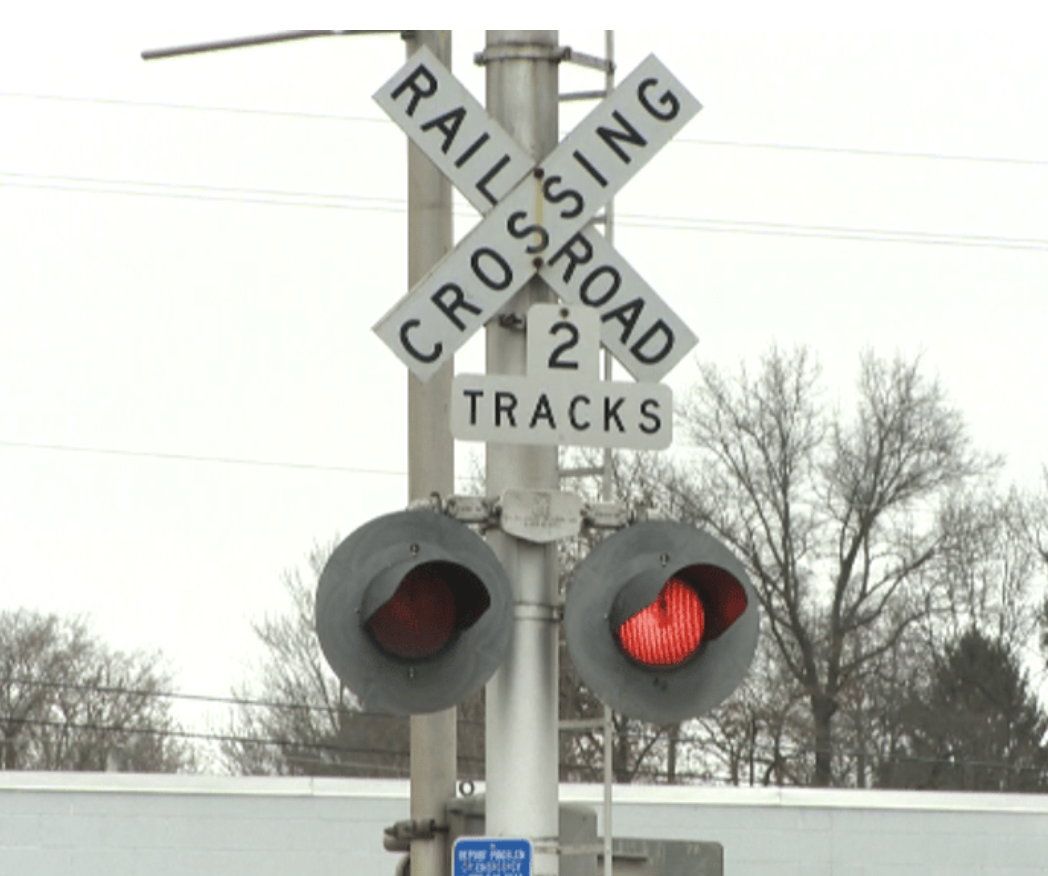
A Union Pacific worker was struck and killed on September 4th by a Metra commuter train in Kenosha, Wisconsin. The incident occurred about 12:17 p.m. near 13th Avenue and 69th Street, about a half-mile south of the Kenosha Metra station. The worker killed has been identified as 34-year-old Austin Scott Raysby of Burlington, Wis. Union Pacific said in a statement that it was “saddened by the loss of a Union Pacific family member” and “extends its deepest sympathies to his family and the employees who worked alongside him.” The National Transportation Safety Board said this evening in a post on X.com that it will investigate the incident. Investigators are en route to the scene and are expected to arrive on Thursday.
| |
Editor's Note: The recent recommendations from Presidential Emergency Board 251 for NJ Transit engineers fall far short of addressing the true inequity faced by these workers. Despite the specialized skills and knowledge required for locomotive engineers, the Board’s decision aligns with NJ Transit’s unsustainable fiscal claims, ignoring the long standing wage disparity. Engineers remain the lowest-paid among the nation’s commuter railroads, and these terms fail to recognize their contributions. As the fight for fair wages continues, it’s clear that rail labor must stand united to challenge such inadequate proposals and ensure workers get their due. | |
Trains / September 5
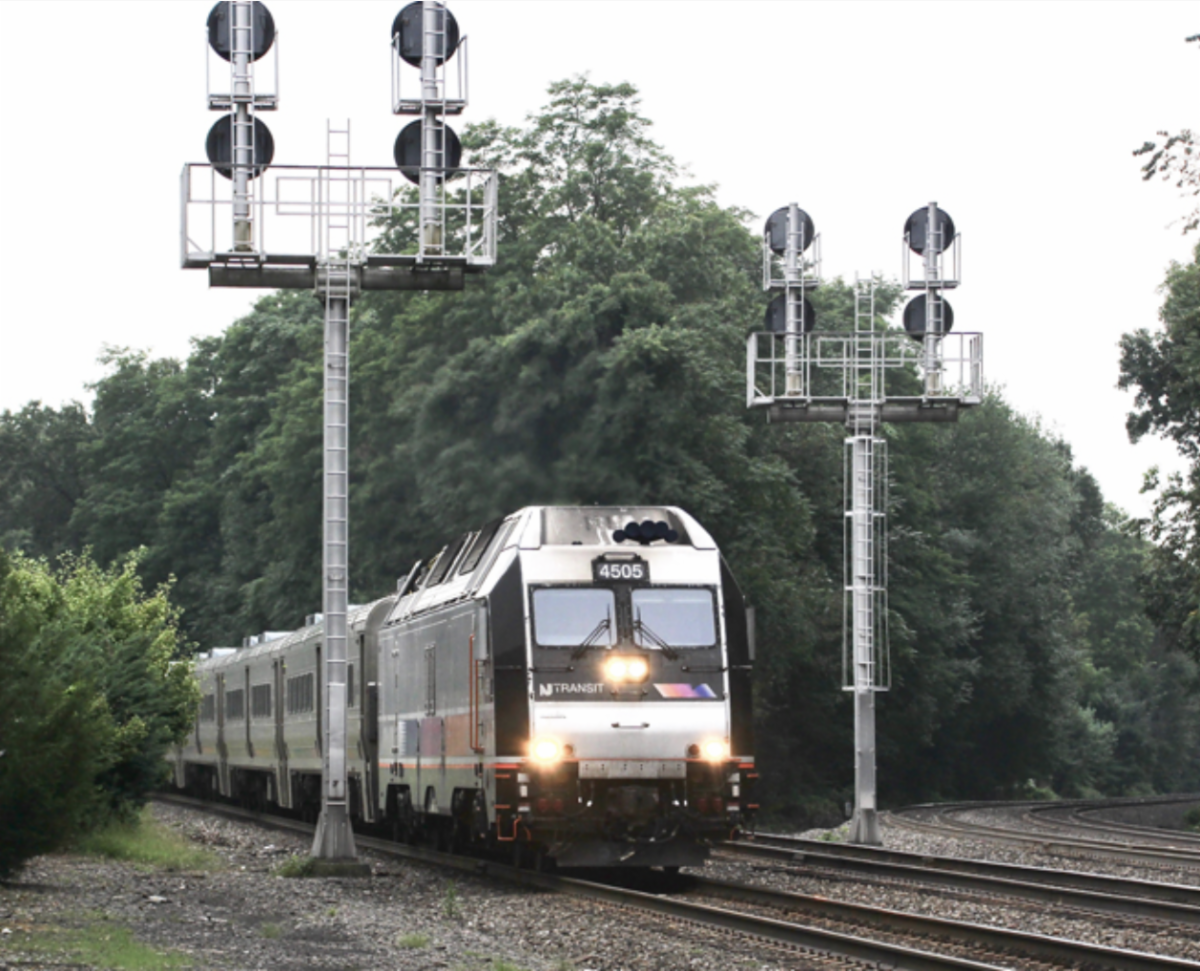
A Presidential Emergency Board appointed to address a labor dispute between NJ Transit and the union representing its engineers has recommended that engineers receive the same raises that other unions have agreed to. Three members of Presidential Emergency Board 251 supported NJ Transit’s argument in support of the raises accepted by 14 of the transit agency’s 15 rail unions — raises amounting to 12%, uncompounded, over a 4½ -year term through June 30, 2024. The board’s report says that a higher wage increase “could have an unsustainable fiscal impact” on NJ Transit, which does not have “surplus or discretionary funding to cover this additional cost” and cannot borrow to address the expense. The union sought a 15.36% “wage equity adjustment as of Dec. 31, 2022, on top of the raises offered by NJ Transit, and three years of additional 3% raises, making for a wage increase of 36.36%, uncompounded, over a 7½ term. The board’s recommendation, along with the NJ Transit terms through June 30, 2024, would include the three years of additional 3% raises and two lump-sum payments of $1,500 in 2024 and 2025, for a 21% wage increase over a 7½ term. It also proposes a 6% wage increase as of July 1, 2027. The board’s recommendations are non-binding but can be a starting point for further negotiations.
| |
Editor's Note: Norfolk Southern’s tentative agreements with SMART-TD and other unions come ahead of the next bargaining round, signaling a push to secure labor peace. However, the proposed 3.5% annual wage increase and minor benefit enhancements fall far short of what rail workers deserve. While NS touts progress, these agreements still fail to address the deeper issues facing the workforce. Rail labor must stay vigilant and push back against settlements that prioritize corporate interests over workers' well-being. | |
Progressive Railroading / September 5
Norfolk Southern Railway has reached tentative labor agreements with the final general committee of the International Association of Sheet Metal, Air, Rail and Transportation Workers–Transportation Division (SMART-TD), NS officials announced yesterday. SMART-TD is NS’ largest union, representing all NS train conductors across the Class I's 22-state network.
The tentative agreement comes four months ahead of the next collective bargaining round. Over the past two weeks, NS has reached tentative agreements with nine of 13 of its unions, officials said. These early agreements cover approximately 65% of NS’ total union workforce. If ratified by union members, the agreement calls for a 3.5% average wage increase per year for the next five years, more vacations earlier in workers' careers, and health-care benefit enhancements.
|
|
Editor's Note: CSX’s recent tentative agreements with the Boilermakers and Transportation Communications Union seem more like a strategy to secure labor compliance than a genuine effort to address the needs of workers. The uniform terms across these agreements suggest CSX is focused on corporate efficiency rather than truly improving conditions for its workforce. With over 50% of its unionized employees now covered, rail labor must remain on guard and fight for agreements that reflect the real value and contributions of its members. | |
Progressive Railroading / September 4
CSX has reached tentative five-year collective bargaining agreements with the International Brotherhood of Boilermakers, Iron Ship Builders, Blacksmiths, Forgers & Helpers, and the Transportation Communications Union, the Class I announced on Aug. 30. The tentative agreements are pending ratification by union members. The agreements were reached four months before the current collective agreements become amendable under the federal Railway Labor Act, company officials said in a press release. In recent weeks, the railroad has announced tentative agreements reached with 11 labor unions, covering 15 different work groups, amending 20 collective agreements covering more than 50% of its unionized workforce. The terms of agreements with the unions align, providing equivalent improvements to wages, health care, and paid time off benefits broadly across unions whose members work at CSX.
| |
Editor's Note: This past Labor Day marks a significant triumph for G&W Train Dispatchers, who have now unionized with the American Train Dispatchers Association (ATDA). For too long, these workers navigated an ever-growing rail network without representation, but their collective strength has brought that era to an end. By organizing, they’ve taken a stand not just for better wages and benefits, but for dignity on the job. As negotiations begin, their contest symbolizes the broader struggle of workers everywhere—solidarity is the key to securing a future where labor’s voice is heard and respected. Now, let's organize the dispatchers on Union Pacific! | |
|
American Train Dispatchers Association / September 4
On September 4, 2024, the National Mediation Board (NMB) announced that Train Dispatchers from the Genessee & Wyoming Railroad (G&W) have voted to unionize with the American Train Dispatchers Association (ATDA). Based at the American Rail Dispatching Center (ARDC) in St. Albans, Vermont, the G&W Dispatchers control railroad traffic in 43 states and over 13,000 miles of short-line track. Negotiations will begin soon between ATDA and G&W to establish the group’s first Collective Bargaining Agreement. Commenting on the successful unionization vote, ATDA President Ed Dowell said, “We are ready to sit down with G&W leadership and negotiate a historic first agreement for the ARDC train dispatchers. Furthermore, we are ready to build trust and a working relationship between their leadership and ours. Just as important, however, we are eager to build trust with the train dispatchers. They are now part of a fraternal organization of members across this great nation, doing the same job, facing the same struggles as they take care of their families, working to pay bills, and dealing with stressful work. From this day forward, we will stand with them in solidarity as we fight for better pay, better benefits, and better quality of life.”
| |
Editor's Note: Arizona’s new law bringing stricter penalties for assaults on transit workers is a positive step for worker safety. This legislation highlights the importance of protecting those who ensure public transportation runs smoothly. It’s a reminder that when workers advocate for their rights, real progress can be made to secure safer working conditions across the board. | |
SMART-TD / September 4
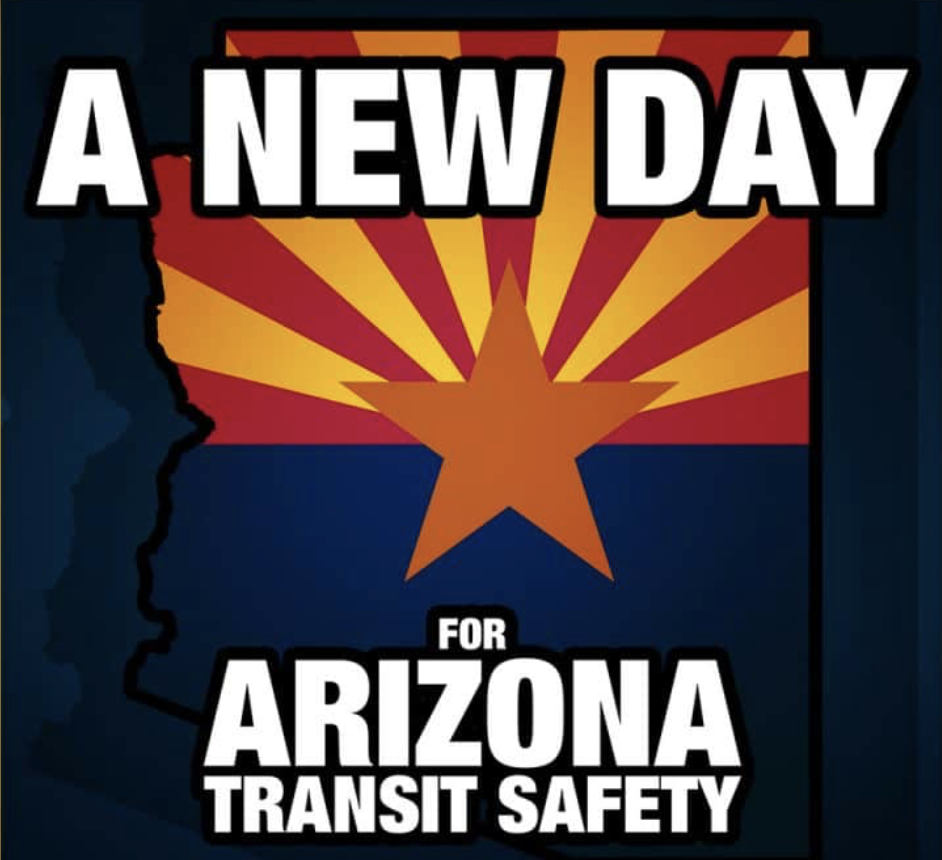
In a significant victory for transit workers across Arizona, the state has enacted a new law, signed in July, which brings strict penalties for assaults on transit workers. “Our transit workers play an essential role in our communities, ensuring safe and reliable transportation every day,” said Scott Jones, Arizona's SMART-TD transit union Safety and Legislative Director (SLD). “When it comes right down to it, my legislative board is sick and tired of people assaulting our brothers and sisters and getting away with it with just a slap on the wrist.” Jones supported his crucial legislation by sponsoring Sen. Justine Wadsak (17th District) and Rep. Consuelo Hernandez (D-21st District).
| |
Editor's Note: The investigation into Norfolk Southern’s CEO, Alan Shaw, highlights the imbalance we’ve come to expect in corporate governance. While the board takes its time investigating, workers are often held to stricter and swifter standards. This, coming after major failings like the East Palestine derailment, raises questions about who is really held accountable in times of crisis. The rail industry’s leadership has a long history of protecting its own, but workers and the public deserve real transparency and fairness, no matter how high up the ladder the allegations go. | |
CNBC / September 8
Norfolk Southern’s board is examining allegations that CEO Alan Shaw engaged in an inappropriate workplace relationship, according to three people familiar with the matter. The company confirmed late Sunday evening it was probing Shaw over “possible conduct” that violated the company’s code of ethics and that it had hired outside legal counsel to investigate. The probe is in its early stages. The company is working with outside legal advisors on the probe, two of the people said. Shaw did not return phone calls or text messages requesting comment. Norfolk Southern, a $57 billion company, is one of just a handful of Class 1 railroads left in the United States. Class 1 railroads haul huge amounts of commodities and freight, and are critical to the nation’s economy. Norfolk Southern’s operations span 22 states across the Eastern U.S.
| |
Editor's Note: The joint campaign launched by the FTA and FMCSA to promote grade-crossing safety serves as a much-needed reminder of the dangers at crossings. With over 2,200 incidents reported in 2023 alone, this initiative aims to curb these preventable tragedies through public education. While the campaign emphasizes driver responsibility, it’s a reminder that true safety improvements will come when the entire industry, from railroads to transit agencies, commits to stronger safety standards across the board. | |
Progressive Railroading / September 6
The Federal Transit Administration (FTA) and the Federal Motor Carrier Safety Administration (FMCSA) jointly this week launched a grade-crossing safety campaign. Through a video game-themed educational video and by sharing online resources, the administration’s campaign amplifies the message: “Don’t get sidetracked; obey signs, stay alert, and expect trains.” In 2023, the transit industry reported 624 crossing collisions and 2,210 crossing incidents, the FTA shared. The campaign aims to reduce that number through public education and reminders. The FTA and FMCSA websites host a library of resources for motor vehicle drivers, commercial drivers, transit agencies, and railroads, including best practices, safety bulletins, and transit safety pledges. "One of the initiatives the Federal Motor Carrier Safety Administration is undertaking to save lives on the nation's highways is to intensify our focus on highway-rail grade crossing safety,” said FMCSA officials on their designated awareness resource page.
| |
Editor's Note: Amtrak’s $1.3 billion project to replace the aging Connecticut River Bridge marks another crucial investment in the Northeast Corridor’s modernization. With plans to significantly improve speed and efficiency, this project highlights the necessity of updating outdated infrastructure for the benefit of both passengers and freight. While the bridge won’t be completed until 2031, the long-term benefits—faster service, fewer delays, and safer crossings—reinforce the importance of continued investment in the nation’s rail network. This is a reminder that rail’s future depends on meaningful improvements, not just maintaining the status quo. | |
Progressive Railroading / September 6
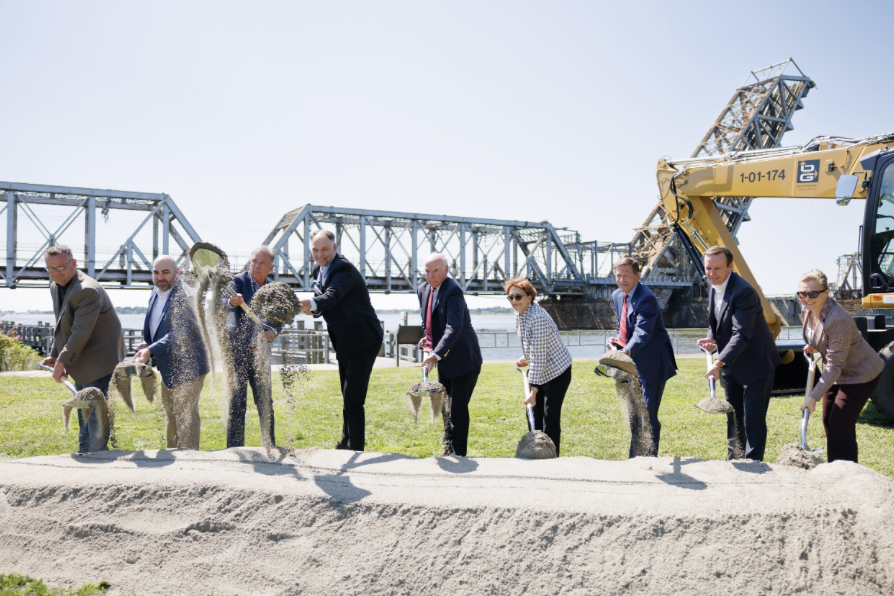
Amtrak, federal, state, and local governments met to mark the start of construction of Amtrak's new Connecticut River Bridge between Old Saybrook and Old Lyme, Connecticut. The existing bridge, which opens for maritime traffic several times daily in peak boating season, was completed in 1907. It now serves more than 50 daily Amtrak Northeast Regional and Acela trains, CTrail Shore Line East commuter trains, and freight trains. The aging bridge’s failure to open and close consistently can result in cascading delays to rail and maritime traffic, Amtrak officials said in a press release. The new moveable bridge will feature a trunnion bascule span design with modern track, signal, catenary, power, communication and other supporting rail infrastructure. It will support a maximum train operating speed of 70 mph, a 55% increase from today’s maximum speed of 45 mph. Maritime navigation and safety will also improve due to the increased vertical clearance of the new bridge compared to the existing bridge.
| |
Editor's Note: The railroad engineer in this interview spoke at the Railroad Workers United Convention this past April in Chicago. | |
The Real News Network / August 15
There are always two sides to the Olympics: the glamor of the games broadcasted throughout the world, and the gritty reality of evictions, anti-homeless sweeps, and securitization faced by local working people. The Paris 2024 games have been no exception to this uglier side, but it's also been an occasion for French unions to score victories. Dave Zirin of Edge of Sports TV speaks with Axel Persson, General Secretary of the CGT Rail Workers Union in Trappes, who explains how French workers used the impending Olympics to their strategic advantage in collective action, and how workers in Los Angeles can draw on these lessons ahead of the 2028 Olympics.
| |
Editor's Note: Despite years of technological advancements, railroads remain burdened by inefficiencies. Precision Scheduled Railroading (PSR), often touted as a solution, has only deepened the focus on short-term profits at the expense of long-term reliability and service. The issues we face today mirror those of decades past, showing that real change won’t come through profit-driven models. Public ownership could be the answer, refocusing priorities on service, safety, and the public good, instead of perpetuating a system that serves Wall Street more than it serves the people. | |
Trains / August 28
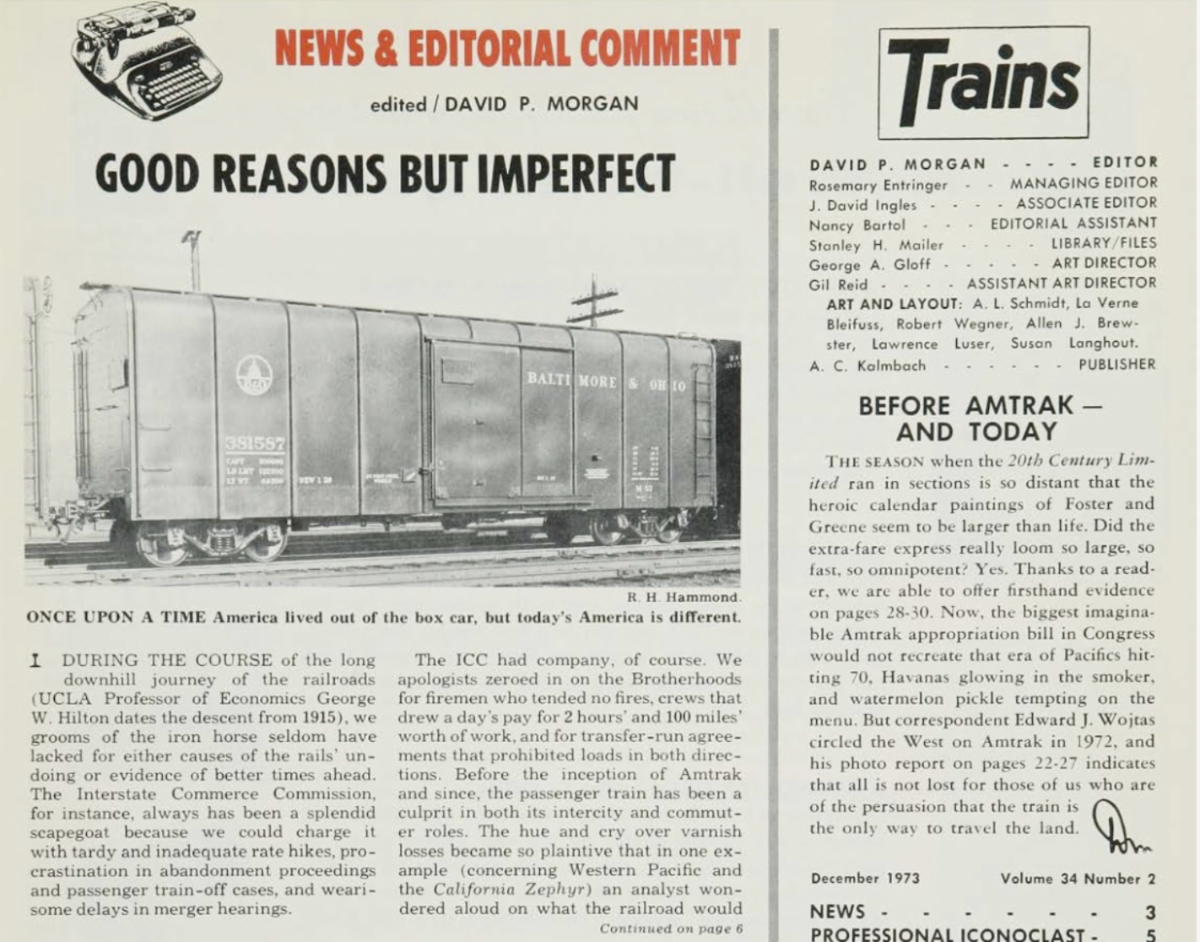
While searching the Trains archives the other day, I stumbled upon a December 1973 commentary by Editor David P. Morgan, who was pondering the future of railroading. I was struck by how many of the same concerns that he raised during one of the darkest periods in rail history still ring true today as the Class I railroads struggle to grow. Morgan’s undoing category included onerous Interstate Commerce Commission regulations that tilted the playing field in favor of trucks, barges, and airlines while saddling railroads with unprofitable routes and services. He placed the blame on rail union featherbedding and lamented that a new Amtrak system didn’t pay host railroads enough to cover the costs of operating its passenger trains. What has changed in the 51 years since Morgan wrote those words? Well, everything. And nothing.
| |
Editor's Note: The Public Rail Now Campaign has begun to issue regular updates as the Campaign progresses. Learn about the latest developments and how you can get involved in this important effort to bring the rails under public/worker control. | |
Public Rail Now / September 4
Over the past 18 months, the Public Rail Ownership campaign has accomplished the following. Developed a comprehensive national campaign strategy. Created a railroad worker PRO strategy. Hired both part-time and full-time national organizers Launched a website and added a YouTube channel for our webinars. Wrote and produced the scholarly white paper: “Putting America Back on Track: The Case for a 21st Century Public Rail System”. And finally, commissioned an economic feasibility study on public rail ownership to be published in early September. With every campaign, there are several meetings to brainstorm the best way to move forward toward our goals. Several of us have been meeting to discuss mapping out our movement spaces and identifying key locations with support to grow the campaign. We are sending an email to the campaign's endorsers and recruiting more organizations to actively participate in our monthly meetings. Our next Public Rail Now meeting is planned for September 18 at 7 p.m.Central time. We will, of course, send out a reminder to the email list.
| |
Editor's Note: Amtrak’s persistent delays in August reveal the same familiar issues—freight interference, mechanical breakdowns, and infrastructure limitations. The severe delays, like the 14-hour hold-up on the Empire Builder, highlight the urgent need for improved rail infrastructure and better cooperation between freight and passenger services. These ongoing disruptions make it clear that without serious investment, passenger rail will continue to be plagued by inefficiency, ultimately affecting the reliability of the system for both workers and riders alike. | |
Trains / September 4
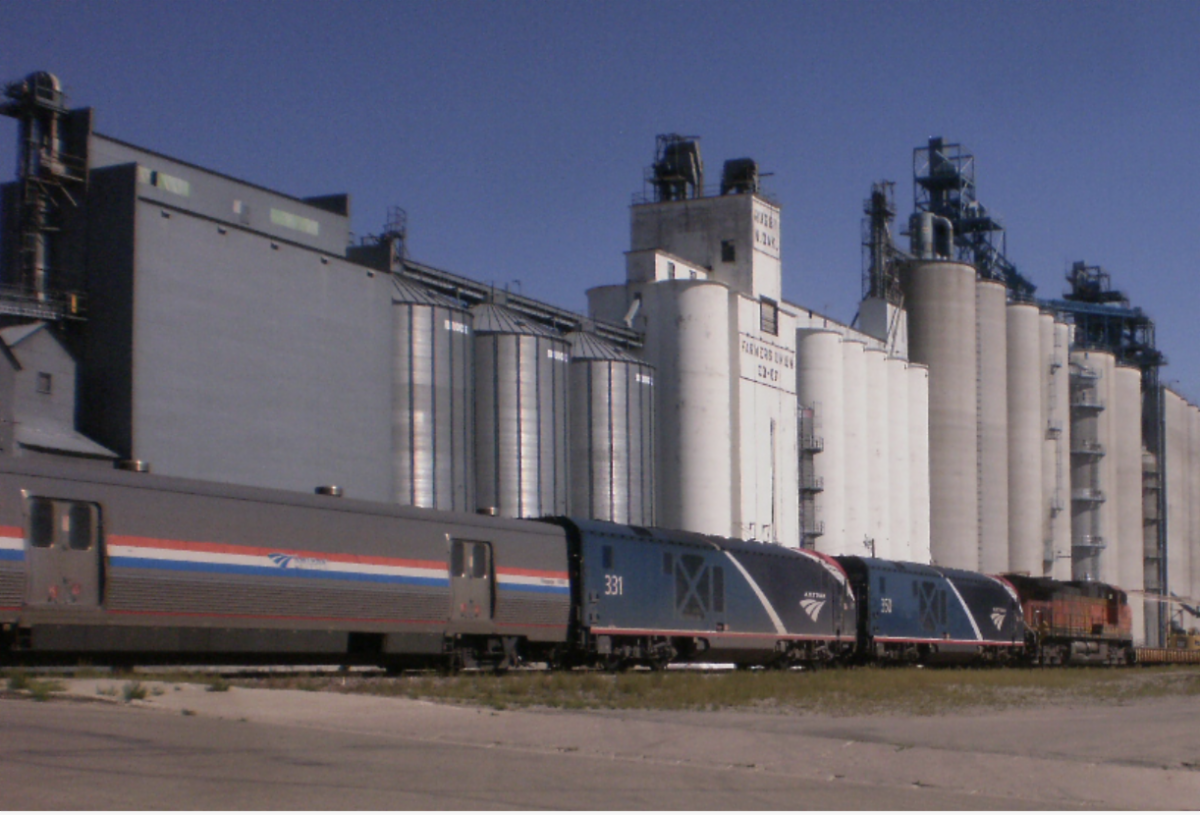
Amtrak’s Empire Builder departing Seattle on Aug. 30 got off to an on-time start but was spotted over Labor Day weekend exiting Rugby, N.D., 13 hours, 29 minutes late at 1:18 p.m. on Sunday, Sept. 1 instead of 11:49 p.m. on Friday, Aug. 31. It would lose more time because a borrowed freight locomotive is not geared to attain 79 mph maximum speeds. The straggler rolled into Chicago Union Station Monday at 6:53 a.m., 14 hours, 8 minutes off the advertised. At least at that hour, Amtrak was spared the need to find holiday weekend Windy City hotel rooms for a trainload of passengers. What happened? Both of the train’s new Siemens ALC-42 Charger locomotives became disabled east of Ephrata, Wash. Including the need to secure replacement motive power and most likely transport a new train crew to the site, the train lost more than 9 hours and stopped overnight. Both the Surface Transportation Board and the Justice Department are currently collecting mountains of data exploring reasons and responsibilities for delays to the Sunset Limited and Crescent, respectively.
| |
NEWS FROM AROUND THE LABOR MOVEMENT | |
Each week, RWU includes a few articles about advances and developments in the larger labor movement that are of interest to railroad workers. Got an artcile to submit for possible inclusion next week? Email it along to raillabornews@gmail.com. Thanks! | |
Editor's Note: RWU conducted our 9th biennial Convention in Conjunction with the Labor Notes conference in Chicago this past April. Here is a new video to give folks an idea of what all went down at that important conference. | |
Editor's Note: While labor is on the ascendancy compared to previous years, it is hardly a mobilization on par with the uprising of the 1930s. What can we do to push the movement forward to realize its true potential in this historic moment? | |
|
A close look at data suggests unions could be doing a lot more to organize and build the labor movement in this moment.
| |
|
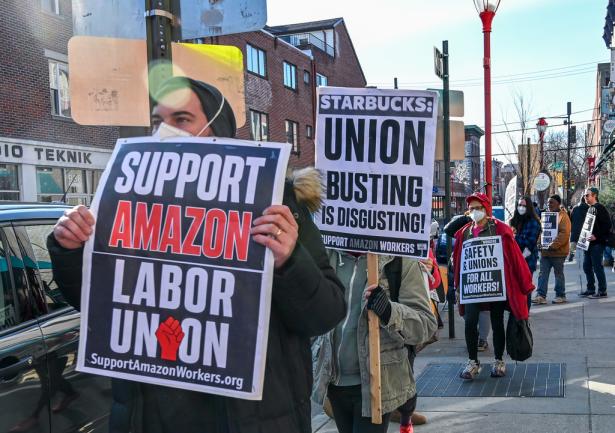
On Tuesday, the AFL-CIO hosted its second annual “State of the Unions” Labor Day event. According to Liz Shuler, President of the AFL-CIO, unions are “on the rise,” “battle-tested,” and “building organizing capacity” like never before. Maybe, but what do the data really tell us about the health and vibrancy of organized labor in 2024 and its nascent efforts to reverse forty years of decline? Let’s look at four key metrics: organizing new workers, collective bargaining and strikes, union finances, and labor democracy and governance.
| |
Editor's Note: This is an article of interest to all workers about the history and nature of trike breakers. Rail tycoon Jay Gould was known to have bragged, "I can kill one half of the working class to kill the other half." Our job as union men and women is to organize across race, gender, national original, craft and otherwise to keep the rich and powerful from realizing Gould's dream. | |
|
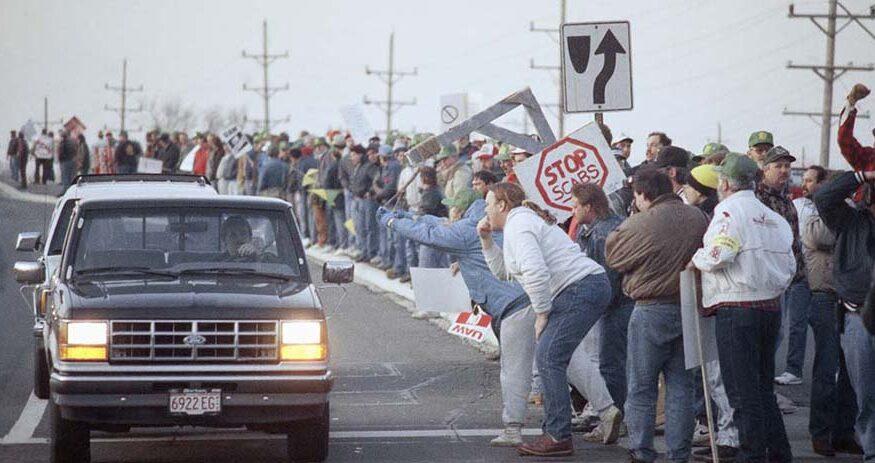
Over its long history, the American labor movement has displayed a remarkably rich vocabulary for shaming those deemed traitors to its cause. Some insults, such as “blackleg,” are largely forgotten today. Others, such as “stool pigeon,” now sound more like the dated banter of film noir. A few terms still offer interesting windows into the past: “Fink,” for example, was used to disparage workers who informed for management; it seems to have been derived from “Pinkerton,” the private detective agency notorious for strikebreaking during mass actions like the Great Railroad Strike of 1877. No word, however, has burned American workers more consistently, or more wickedly, than “scab.” Any labor action today will inevitably lead to someone getting called a scab, an insult used to smear people who cross picket lines, break up strikes or refuse to join a union.
| |
WEEKLY DERAILMENT DEPARTMENT | |
Each Tuesday in this news bulletin, RWU does our best to present a picture of what has been happening over the course of the previous week in terms of derailments in North America, and investigation determinations of previous accidents. NOTE: This list is by no means comprehensive. Smaller and less consequential mishaps are generally not reported here. If the wreck results in injury or fatality, or is especially damaging/extreme, a full article will appear as a feature in the dozen or so rail articles above. Know of a train wreck? Please feel free to forward a link to raillabornews@gmail.com for possible inclusion next week. Thanks! |
| | | |