Trees Virginia Newsletter

Fifth Edition

January 12, 2024

treesva_logo_small.jpg

Our Mission: To enhance the quality of life through the Stewardship of our Commonwealth’s urban and community trees.

Happy 2024, friends of Trees Virginia, and welcome to the fifth edition of our quarterly newsletter!


The Board was busy and productive in 2023 – we planned and hosted several roundtables and workshops, filmed insightful videos and edited content for the tree stewards manual, attended our annual Board retreat, and published our new website, just to name a few. In this edition you will find our continuing newsletter features on native and invasive vegetation; be sure to check out the articles on native boxelder and the pesky invasive winter creeper. Also, be on the lookout for upcoming announcements on future events and workshops planned for 2024 – we would love to see you there!


Lastly, I am excited to announce that I am stepping into the role of President, after serving as Vice President in 2023. I am eagerly looking forward to what Trees Virginia has in store for 2024 (pardon the rhyming)!


Adam Lipera

President

Trees Virginia

Virginia Native:

Acer negundo (boxelder)


Compiled by: Anna Aquino


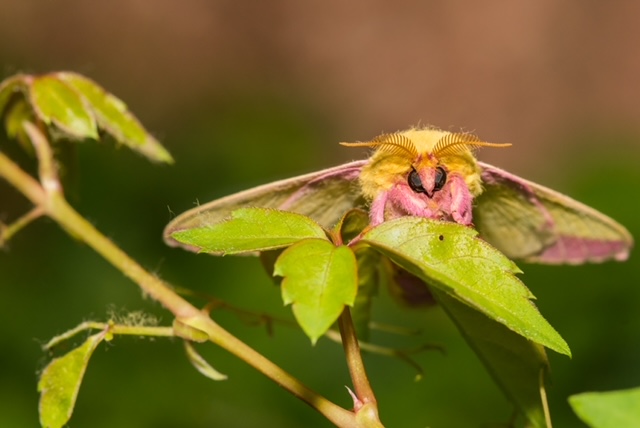
Photo (right): Rosy Maple Moth by Jason Ondreicka (iStock)


"Box elder is host to upwards of 300 species of moths and butterflies, including the banded hairstreak, the maple twig borer moth, the Eastern box elder twig borer moth, the Northern box elder twig borer moth, the American dagger moth, the banded tussock moth, and perhaps the prize of the box elder—the rosy maple moth. 90% of our songbirds rely on caterpillars and insects to fledge their nestlings, conveying great import on the lowly box elder."

READ FULL ARTICLE


Invasive plant:

Euonymus fortunei (Winter Creeper)


Compiled by: Meg Turner


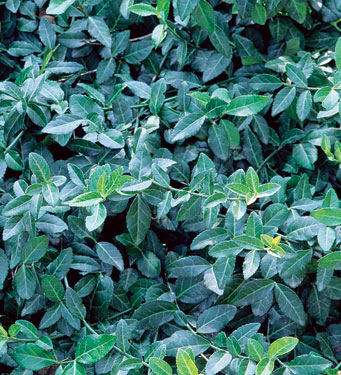
Photo(left): Plant Invaders of Mid Atlantic Natural Areas


"Winter Creeper (Euonymus fortunei) is a semi-evergreen vine that grows horizontally, quickly forming a thick ground cover (often mistaken for small periwinkle (Vinca minor)), and vertically, climbing trees, shrubs, walls, or anything in its path. Its leaves are small, oval, opposite, dark green, and slightly toothed (this helps distinguish it from Vinca minor). It thrives in sun and shade, and in all but heavy wet soils."

READ FULL ARTICLE

BOOK REVIEW:


Read Anna Aquino's book review of The Nature of Oaks by Douglas W. Tallamy.


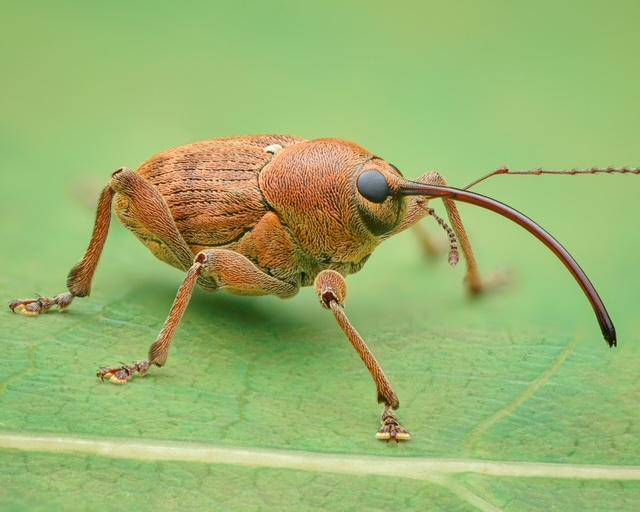
Photo (left): Acorn Weevil. Rasmus Allesoee (iStock)


"Have you ever read a book and so relished every word that when you finished it, you immediately read it again? I hadn’t, until The Nature of Oaks by Douglas W. Tallamy. Wanting to indelibly cement the information into my brain, no problem to overwrite some of the frass that’s occupying space, I immersed myself in Dr. Tallamy’s oaks. After the second go round I hated to have to move on to other things, but refer to it continually, so many answers in those pages. Why is it such a compelling book? From tiny acorns do mighty oaks grow. Are we the tiny acorns?"

READ FULL BOOK REVIEW


Tree Steward Corner


Trees Virginia would like to welcome Anne Little to the Board of Directors! She will be filling the role of Treasurer on the Executive Team as well as serving in the Tree Steward Seat. Anne has been a Tree Steward and leader in the community for many years and co-founded Tree Fredericksburg in 2008. We'd also like to thank Martha Orton for her invaluable service previously serving as the Tree Steward Seat.


Learn more about Tree Stewards


The FINAL Tree Steward Manual Video is complete! Thank you to those who helped make this video possible. Watch below.


VIDEO: Trees and People in the Community


Urban Wood Column


Compiled by: Joe Lehnen

Photos: Joe Lehnen


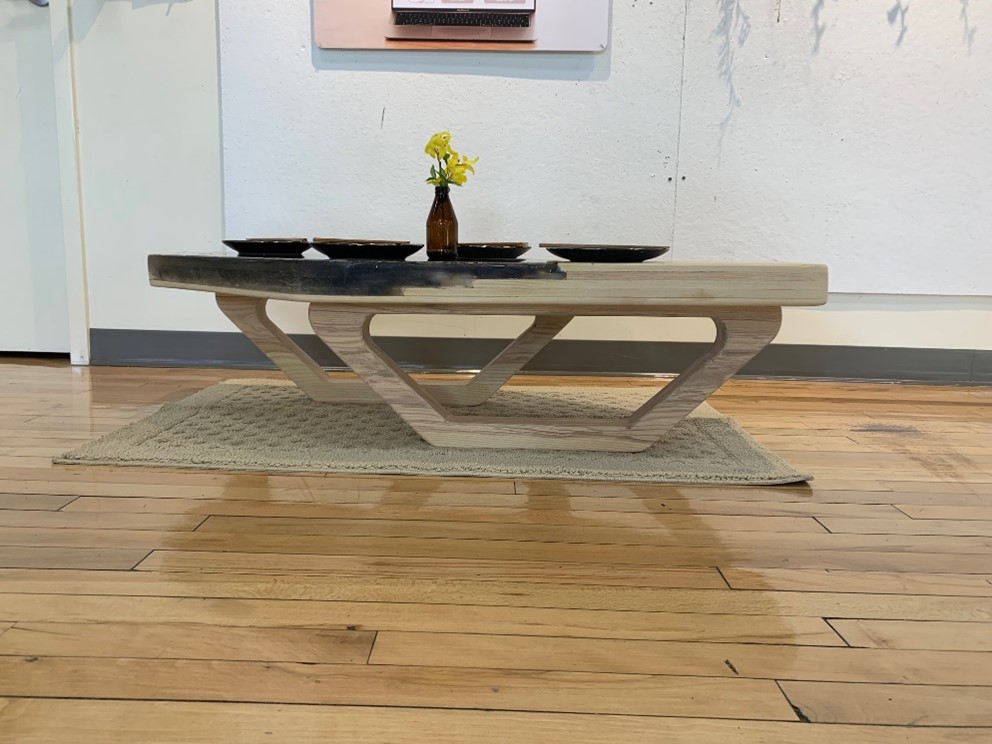
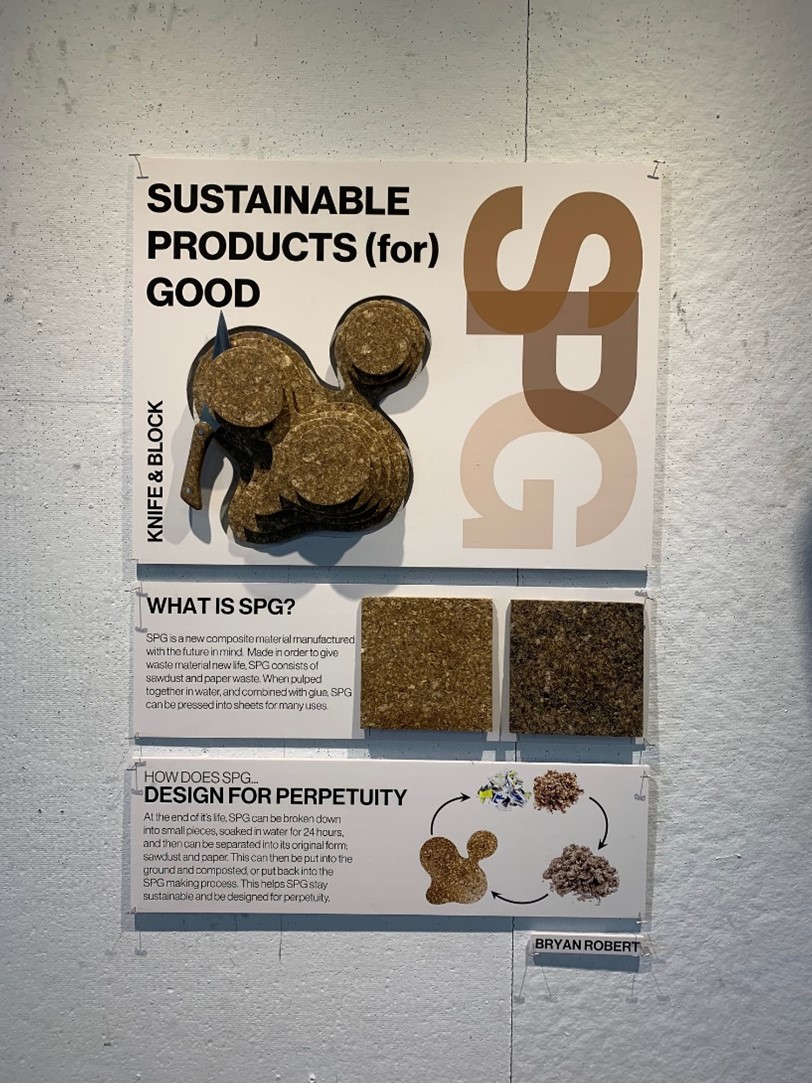
Last month we attended the end-of-the-semester project review for an Industrial Design class at James Madison University. The students created amazing projects utilizing urban wood resources and developing new products from recycled materials – both project areas firmly rooted in sustainability and innovation. The urban wood programs of the Va. Dept. of Forestry and the City of Harrisonburg provide support and serve as advisors to the JMU Industrial Design program.


Japanese style table created from Harrisonburg ash.

SPG is a new composite material made from sawdust and paper, which can be easily composted via ground contact. 


Note: Any photo/image without a credit source listed is sourced from Constant Contact stock images.

New Board Members!


Trees Virginia would also like to announce Karen Tavakoli (Horticulture/VNLA Seat) and Luke McCall (Utility Seat) as new members of the Board! Welcome, Karen and Luke!


UPCOMING EVENTS


Save the date for the

Roanoke Tree Care Workshop

More details will be available on our website in the coming weeks.


Tuesday, March 12, 2024

Virginia Western Community College

Trees Virginia Website
Donate to Trees Virginia