Every Day is Earth Day at SCDES | | |
While April is Earth Month, every day is Earth Day for the South Carolina Department of Environmental Services (SCDES).
Our team of dedicated environmental experts is on the ground, in the lab, and behind the scenes ─ working year-round to protect South Carolina’s air, land, water, and coast for all South Carolinians, now and for future generations.
Through science-driven solutions, collaborative partnerships, and an unwavering commitment to Science, Service and Sustainability, we’re building a healthier, more resilient South Carolina.
Here’s how our five environmental bureaus make an impact every day:
-
Air Quality: protects the air we breathe and promotes clean air strategies
-
Coastal Management: safeguards our beaches, tidelands, and delicate coastal ecosystems
-
Land & Waste Management: oversees waste disposal, supports recycling, and helps guide brownfield restoration
-
Regional & Lab Services: monitors and samples ambient air and water, and responds to releases that can impact the environment.
-
Water: ensures clean, safe water for drinking, swimming, fishing, and more
We don’t just celebrate Earth Day ─ we live it!
Check out our commemorative SCDES Earth Day poster and find simple ways to support a resilient environment all year-long with our Earth Month resources.
| |
South Carolinians Recycled Safely During Earth Day Battery Drop-off Event
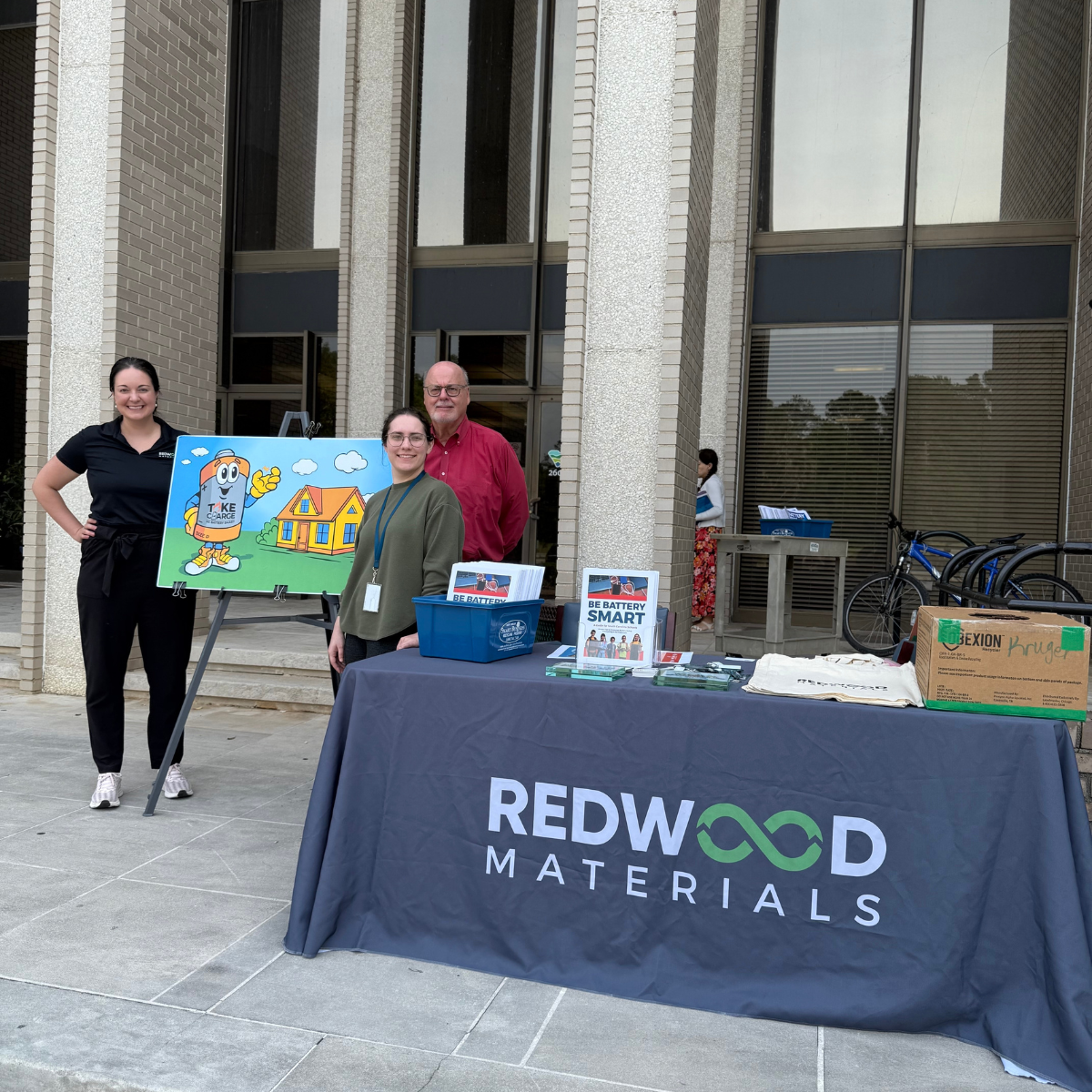
South Carolinians took advantage of a free rechargeable battery drop-off event held on Earth Day, April 22, through a partnership between the SCDES and Redwood Materials.
The event focused on collecting devices powered by lithium-ion rechargeable batteries, which are commonly found in smartphones, tablets, laptops, electric toothbrushes, power tool batteries, rechargeable vacuums, and more.
Rechargeable lithium-ion batteries should never be placed in household trash or curbside recycling bins due to the risk of fires and safety hazards. These batteries require special handling and recycling to prevent potential incidents.
To find out if local programs are available, residents were encouraged to visit des.sc.gov/RecycleHereSC.
| |  | |
SCDES GIS Team Recognized for Support of Hurricane Helene Info Tool Development
The SCDES GIS Team's collaborative work with the S.C. Emergency Management Division (SCEMD) was featured in a recent article of ESRI Magazine.
During the emergency response to Hurricane Helene in September, SCDES provided SCEMD with critical data about emergency debris drop-off locations that were activated in counties in heavily impacted areas.
In addition, Jeannie Eidson, SCDES's Bureau of Water Geospatial Developer, led the development of Pre- and Post-Dam Inspection GIS dashboards that helped emergency personnel quickly assess dam conditions, aiding in rapid decision-making during recovery operations.
Ken Compton, SCDES's Geospatial Program Manager, also was a lead on these innovative GIS projects.
| | | Preserving Water Resources: Public Asked to Provide Input on Water Use Planning at WaterSC Listening Sessions | | | |
In April, SCDES hosted a series of WaterSC Listening Sessions across the state, inviting community members to share their thoughts on water use, conservation and management in South Carolina. Sessions were held:
- April 8 at the historic Penn Center on St. Helena Island
- April 9 at the Clemson Pee Dee Research and Education Center in Florence
- April 10 at Renewable Water Resources (ReWa) in Greenville
These interactive events gave attendees the opportunity to learn more about South Carolina’s water-use planning efforts, engage directly with WaterSC experts, and voice their ideas and hopes for the future of water preservation in the state.
Public feedback gathered during these sessions will help guide decisions and shape strategies to protect and sustain South Carolina’s water resources for generations to come.
Those unable to attend in person were encouraged to share their input online by visiting des.sc.gov/watersc.
SCDES thanks all participants for making their voices heard and for playing a part in building a more sustainable water future for South Carolina.
| | |
Tiny Creatures, Big Impact: Families Dive into Water Quality Education
Environmental Health Managers Madeleine Kellett and Hannah Herlong brought science to life as they engaged families with live aquatic macroinvertebrates collected from healthy local streams.
Their interactive display wowed visitors of all ages, offering a hands-on look at the small but mighty organisms that help scientists assess water quality.
Guests learned how these tiny critters —such as mayflies, caddisflies, and the crowd-favorite dobsonfly larvae — can indicate whether a waterway is clean, fair, or in poor condition. A fun guessing game challenged attendees to match species with their water quality levels, sparking curiosity and conversation around freshwater health.
| | | |
SCDES Promotes Smart Habits During Food Waste Prevention Week
In recognition of Food Waste Prevention Week, SCDES encouraged residents across the state to take action to reduce household food waste — saving money, conserving resources, and supporting neighbors in need.
Each year, up to 40% of the U.S. food supply goes uneaten, resulting in a staggering $218 billion in losses. In fact, food is the number one item discarded by Americans — and South Carolinians — each year.
Through the Don’t Waste Food SC initiative, SCDES is working to raise awareness and help households make simple, sustainable choices to prevent food waste. Visit des.sc.gov/dwfsc and follow @dontwastefoodsc on Instagram and Facebook.
| | | | |
Solid Waste and Recycling Team Talks Trash at Earth Day Events
Our Solid Waste and Recycling Team staffed informational booths at several Earth Day events this month. At schools and farmers markets, our employees talked with students and community members about the importance of recycling, food waste prevention, composting, and the properly recycling of common household batteries.
| | |
|
SCDES and USDA Collaboration Leads to Soil Training Program
Collaboration between SCDES and the United States Department of Agriculture (USDA) led to the development of a soil training program for the Bureau of Regional and Laboratory Services’s Onsite Wastewater Staff. This training was presented by Kristine Ryan, South Carolina State Soil Scientist, along with USDA/Natural Resource Conservation Service Soil Scientists Jason Jennings and Lance Brewington.
The training focused on various aspects of soil, including soil morphology, genesis, landforms, particle size, texture, permeability and seasonal water movement. Key elements discussed included hue, value, chroma, redoximorphic features, Long Term Acceptance Rate and the Seasonal High-Water Table.
| | | Help Document South Carolina’s King Tides | |
King Tides are back, and South Carolinians have a unique opportunity to contribute to science and stewardship!
The South Carolina King Tides Initiative invites you to photograph the effects of King Tides in your community. Whether it’s street flooding, beach erosion, or changes to marshlands, your photos help scientists, planners, and policymakers better understand coastal vulnerability.
Upcoming King Tide dates:
📸 May 25–27
Here’s how you can participate:
-
Visit mycoast.org/sc
- Use the MyCoast: South Carolina mobile app to submit your King Tide photos directly from your phone.
- Tag your submissions with #KingTides and include the location and time for accurate reporting.
| | | |
SCDES Begins Seasonal Ozone Forecasts
SCDES provides daily ground-level ozone forecasts to help residents prevent potential health impacts from ozone during the spring and summer.
Ground-level ozone is a pollutant formed on hot, sunny days that can cause breathing issues, especially for children, seniors, and people with asthma. Forecasts help residents adjust outdoor activities when ozone levels are high.
“We want to help South Carolinians make healthy choices when air quality is impacted,” said Rhonda Thompson, Chief of the SCDES Bureau of Air Quality.
Stay informed:
-
Sign up for alerts at enviroflash.info
- Download the EPA AirNow app
- Follow @SouthCarolinaDES on social media
Learn more at des.sc.gov/ozone and help keep South Carolina’s air clean!
| | |
May Begins Seasonal Water Quality Monitoring at S.C. Beaches
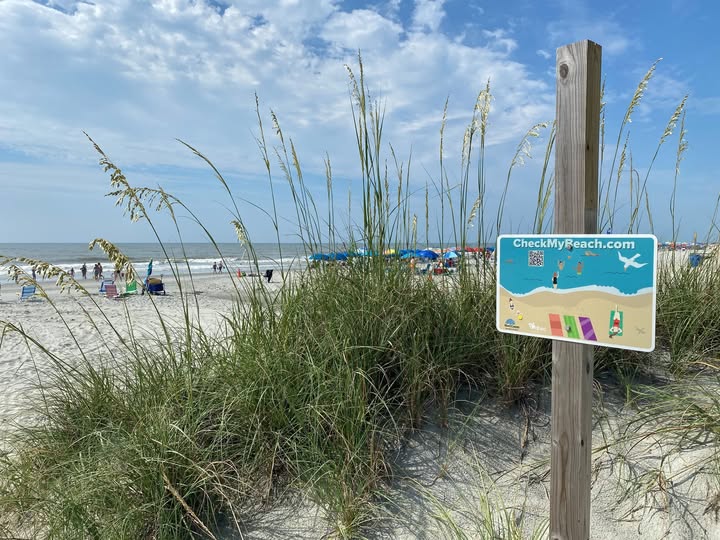
SCDES will begin its seasonal ocean water quality monitoring on May 1, testing water at 122 sites from Cherry Grove to Hilton Head through October 30.
Samples are tested for Enterococci bacteria, which can indicate potential health risks. If levels are high, short-term swim advisories are issued to alert the public, often lasting just a day or two. Long-term advisories are issued in areas with an increased possibility of high bacteria levels, which are usually due to stormwater runoff.
“Our goal is to help keep beachgoers safe and informed,” said Courtney Kemmer, SCDES Aquatic Resource Monitoring Manager.
Track current beach advisories and learn more at: des.sc.gov/beachmonitoring. Check local water quality with the S.C. Beach Access Guide or visit CheckMyBeach.com.
| |
| |
SCDES Staff Volunteer for Community Litter Pick-up
To celebrate Earth Month and give back to our neighbors, several SCDES employees from our main Columbia office spent a rainy Saturday participating in PalmettoPride's SC Sweep initiative.
Employees collected 18 bags of trash! PalmettoPride makes it easy to host a litter clean-up event in your community.
| | | | Where Passion Meets Preservation | | As the state agency that protects and preserves South Carolina's environment, SCDES seeks talented individuals to join our team. We are scientists, engineers and inspectors as well as collaborators, educators, and public servants who work to ensure all South Carolinians have a healthy environment. | | | | |