News & Updates on Portland Harbor Restoration | | Birds, Amphibians, and Fish, Oh My! | | |
Summer is winding down here in Portland. Vegetation is growing and critters are active, and we have monitoring updates from the past year to share about the four restoration sites, followed by a special feature on lamprey monitoring, in Portland Harbor.
Following years of industrial pollution in Portland Harbor along the Willamette River, the Trustee Council is working to restore habitats that benefit various fish, wildlife, and native plant species. Four ecological restoration projects have been constructed by independent project developers and are overseen by the Trustee Council. These project sites have gone through another year of monitoring and we are excited to showcase another year of success. During 2025, biologists surveyed, photographed, and collected data from the project sites, finding thriving plant communities and continued usage by diverse fish and wildlife species. We've included the best photos of 2025 in this update; browse the photos and read more about each site below!
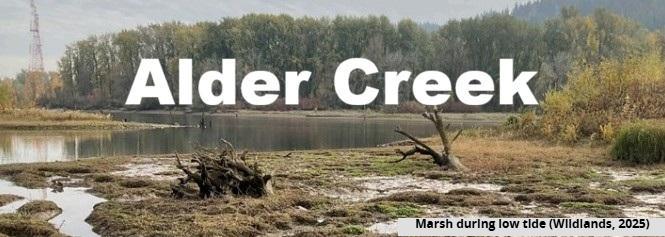
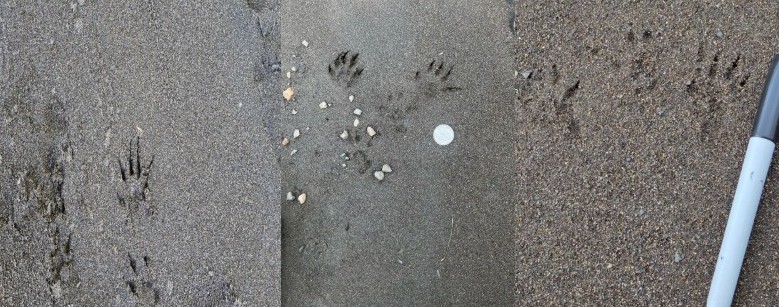
| | Built in 2015 by Wildlands PNW, the Alder Creek ecological restoration site has now reached its 10th year of monitoring. Located on Sauvie Island at the divergence of the Multnomah Channel from the Willamette River, the site continues to show significant ecological progress. | | Possible Mink Tracks (Turnstone Environmental Consultants, July and August 2025) | | |
During the 2025 monitoring period, biologists recorded a total of 33 bald eagle sightings and 84 sightings of other raptors using the site. Frequently observed species include osprey, red-tailed hawks, and American kestrels,
with occasional sightings of
Cooper’s hawks.
Wildlife activity remains diverse. Mink tracks were found along the shorelines
of both the Willamette River and Multnomah Channel during the summer, but the animals themselves were not caught on camera. Aquatic surveys also yielded positive results, with juvenile coho salmon and other salmonids observed on two separate occasions, suggesting the restored channels are effectively serving as resting and feeding habitat.
As the native vegetation continues to develop and mature, Wildlands will continue to monitor the site to ensure
its overall success until it is ready to
be protected with a conservation easement. Learn more about the site
on our website here.
| |
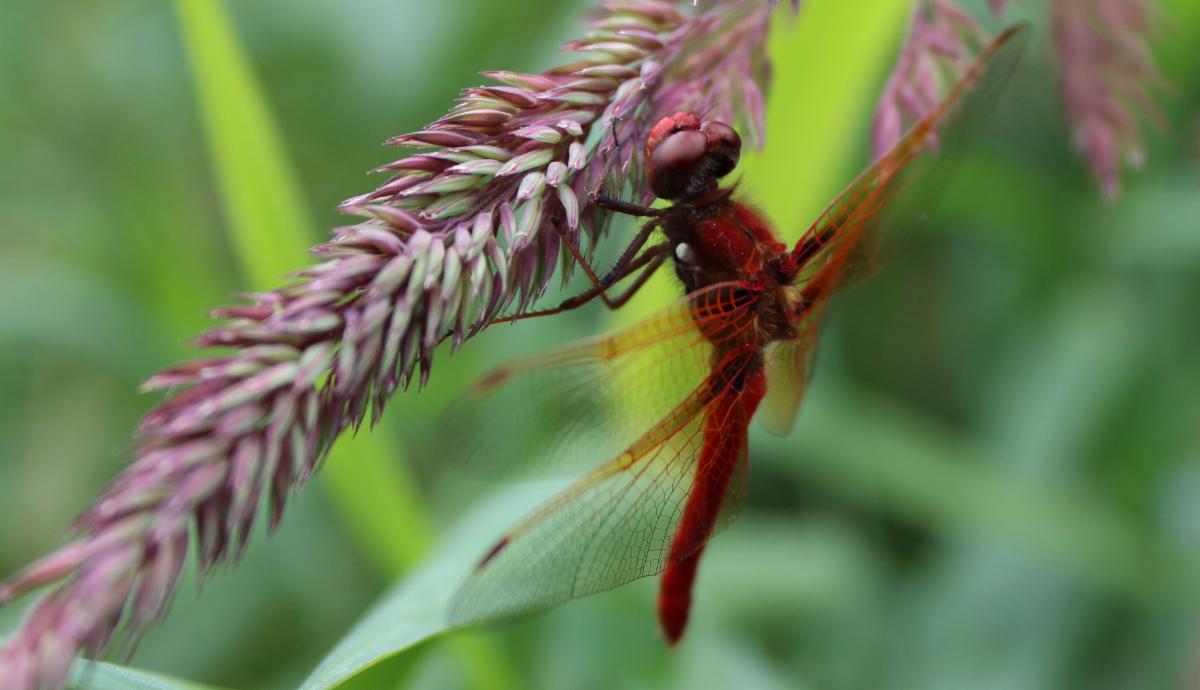
Cardinal Meadowhawk Dragonfly
(Wildlands website, n.d.)
| | |
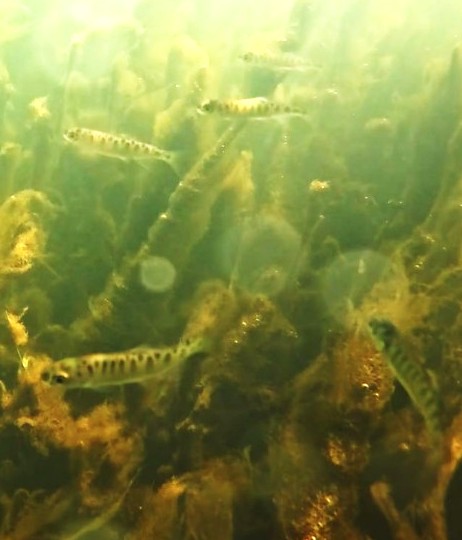
Underwater Photo of Juvenile Salmonids
(Turnstone Environmental Consultants, April 2025)
| |
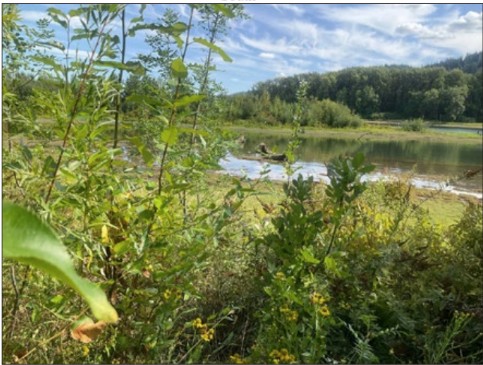
Dense Vegetation at the Alder Creek Site
(Wildlands, August 2025)
| | |
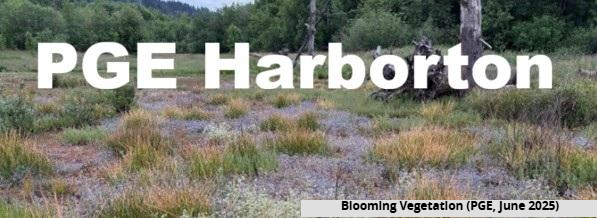
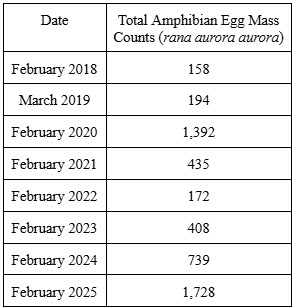
PGE Harborton, built by Portland General Electric in 2021, is in its 5th year of monitoring. Located along the west bank of the Willamette River, PGE Harborton is unique in that it hosts Northern Red-legged Frog breeding habitat. Each year egg masses are surveyed and counted for productivity, and in 2025, egg mass counts jumped by almost 1,000 compared to the previous year and have been trending upward since 2022. The table to the right summarizes the egg mass findings over the past 8 years.
Native plant communities in established habitat areas are thriving. During fish surveys, biologists documented wild coho salmon and wild Chinook salmon using the site among other species.
| | | |
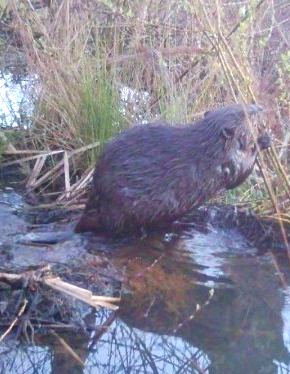
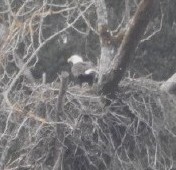
A bald eagle nest, built in 2024 within the mature cottonwood tree stands, continued to be carefully monitored through the summer of 2025. Over 267 identified plants, birds, fish, mammals, amphibians, reptiles, and insects have visited or are established at PGE Harborton. In our last newsletter we shared a photo of a small dam a beaver built within the side channel, and that beaver is still active. Learn more about the project site on our website here.
| | |
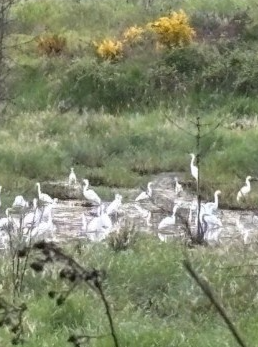
Congregation of Great Egrets
(PGE, May 2025)
| | |
Beaver Working on a Dam
(PGE, 2025)
| | |
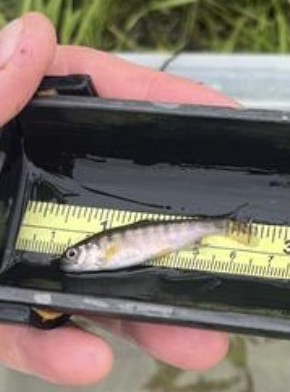
Measuring a Juvenile Salmonid
(PGE, 2025)
| | Linnton Mill, also located along the west bank of the Willamette River, was built in 2019 by RestorCap and is in its 6th year of monitoring. RestorCap reported that all performance standards required in 2025 were successfully met. Specific fish and wildlife monitoring is not required during the 6th year, but field cameras continue to capture extensive activity, demonstrating that the site is providing vital foraging habitat for diverse wildlife species. | | |
Recorded visitors include
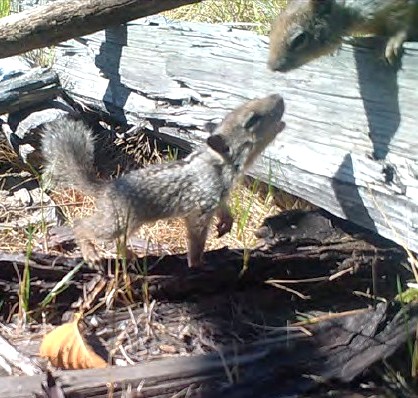
deer, coyotes, ground squirrels, herons, and
eagles. Beaver activity is particularly prominent; they continue to chew down
snags and have established
a semi-permanent beaver
dam within the side channel without blocking fish
passage, indicating
ecological site success.
Native vegetation is filling in, providing habitat for invertebrates, which are essential to the site ecosystem, and the spring season brought in some magnificent colors in both 2025 and 2026. To ensure that future performance standards continue to be met, RestorCap installed 260 additional container plants and native cuttings in 2025 to increase canopy cover. Learn more about the project site on our website here.
| | |
Squirrel Friends Caught on Camera
(RestorCap, June 2024)
| |
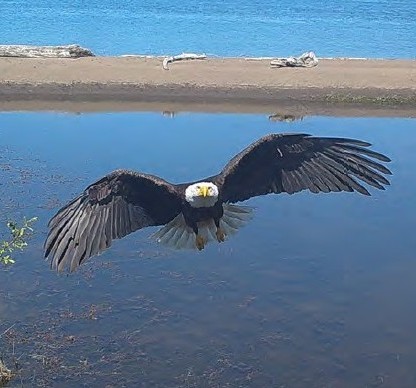
Bald Eagle Taking Flight
(RestorCap, June 2024)
| | |
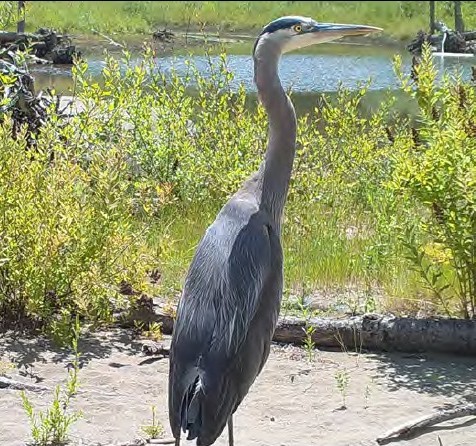
Great Blue Heron
(RestorCap, June 2024)
| |
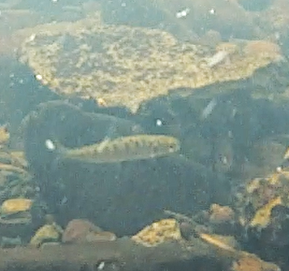
Juvenile Salmonid
(RestorCap, April 2026)
| | |
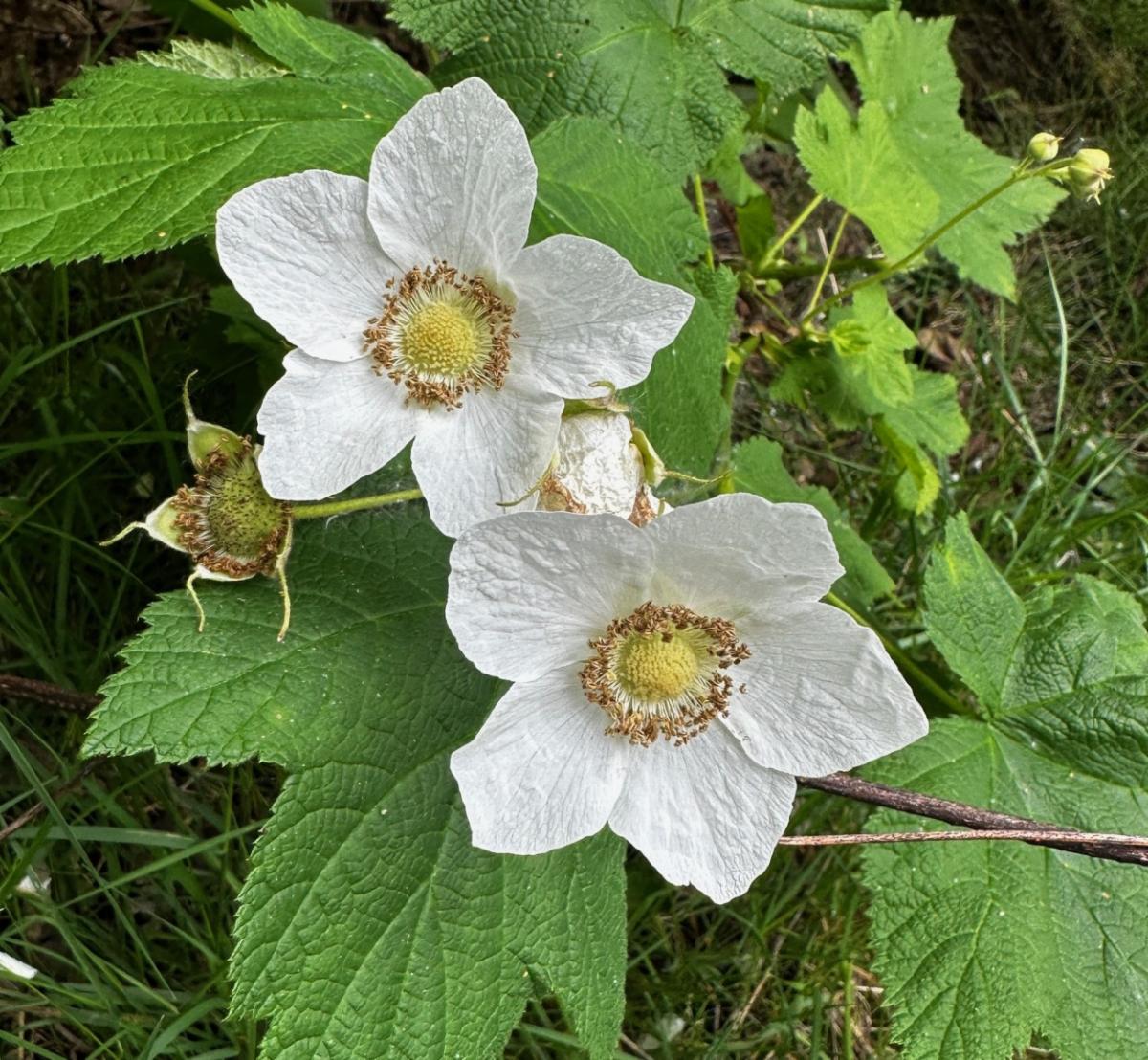
Thimbleberry Flower
(NOAA, 2026)
| | |
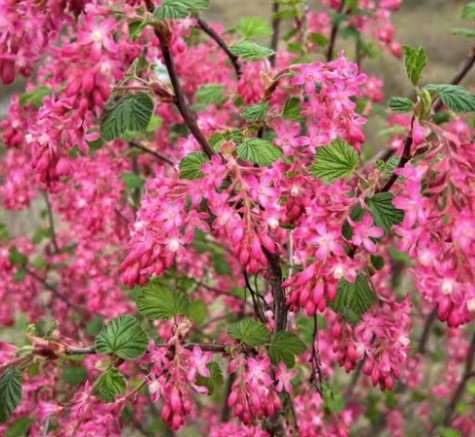
Red Flowering Currant
(RestorCap, 2025)
| | |
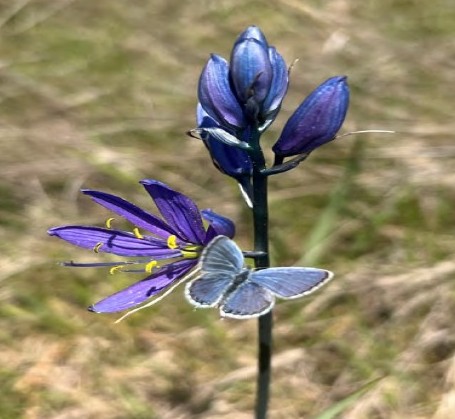
Camas with a Blue Butterfly
(RestorCap, 2024)
| | |
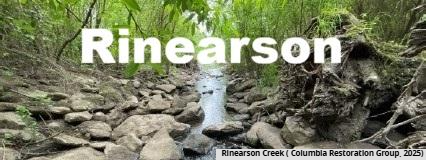
Rinearson Natural Area is located in Gladstone on the east bank of the Willamette
River near Meldrum Park. Built in 2018 and managed by the Columbia Restoration Group,
it is in its 7th year of monitoring. Rinearson contains a pond that provides habitat for several species including fish, otters,
beaver, turtles, and mink. No mink were observed during the 2025 monitoring period, but the presence of skunks and beavers indicates that the site provides suitable
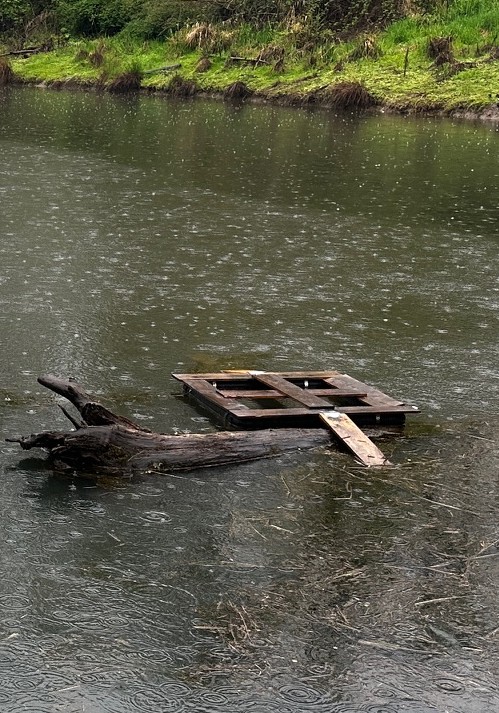
habitat for wildlife with niches similar to mink. New turtle basking structures, installed in 2025, will provide more basking room for turtles at several locations around the pond.
The site also serves as an active territory
for bald eagles; annual surveys observe them perching and hunting on site. Environmental DNA (eDNA), a tool used to monitor for the genetic presence of a species in the environment, is being used to survey for fish in the Rinearson site. Positive eDNA results in 2025 found fish using all aquatic habitats at the site, including in Rinearson Creek above the pond. Several were identified as rainbow trout, coho salmon, or pacific lamprey. Learn more about the project site on our website here.
| |
Nesting Bald Eagle Near Rinearson Natural Area
(Columbia Restoration Group, 2025)
| | |
New Turtle Basking Structure
(NOAA, April 2026)
| |
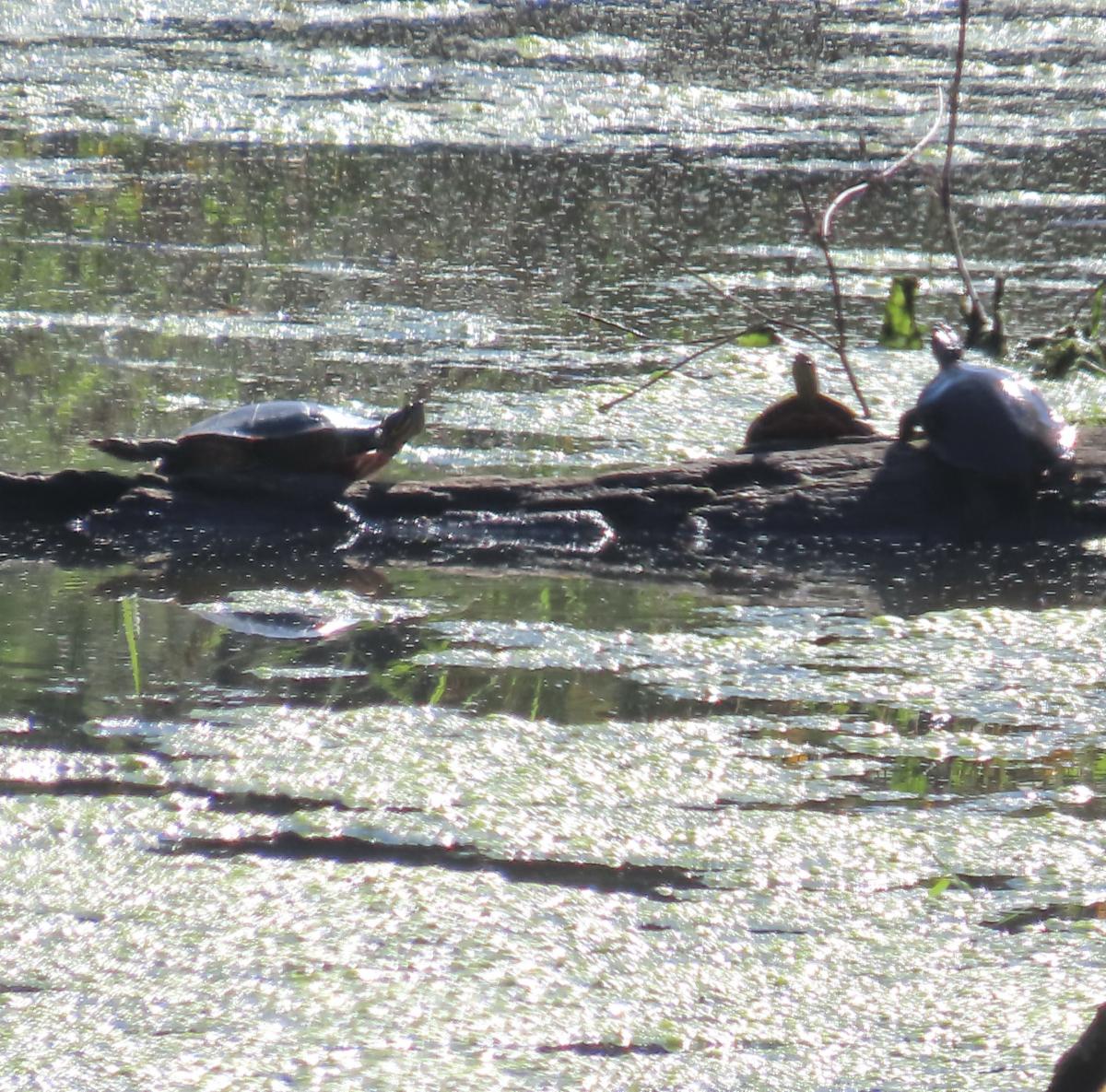
Basking Western Painted Turtles
(NOAA, September 2025)
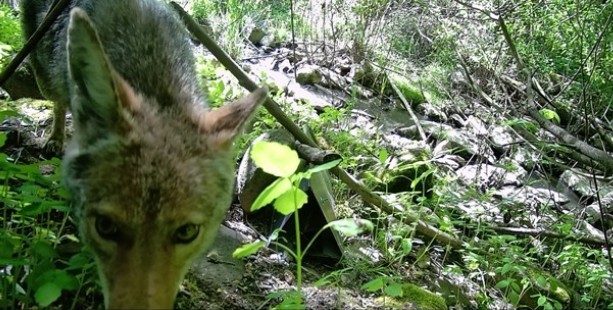
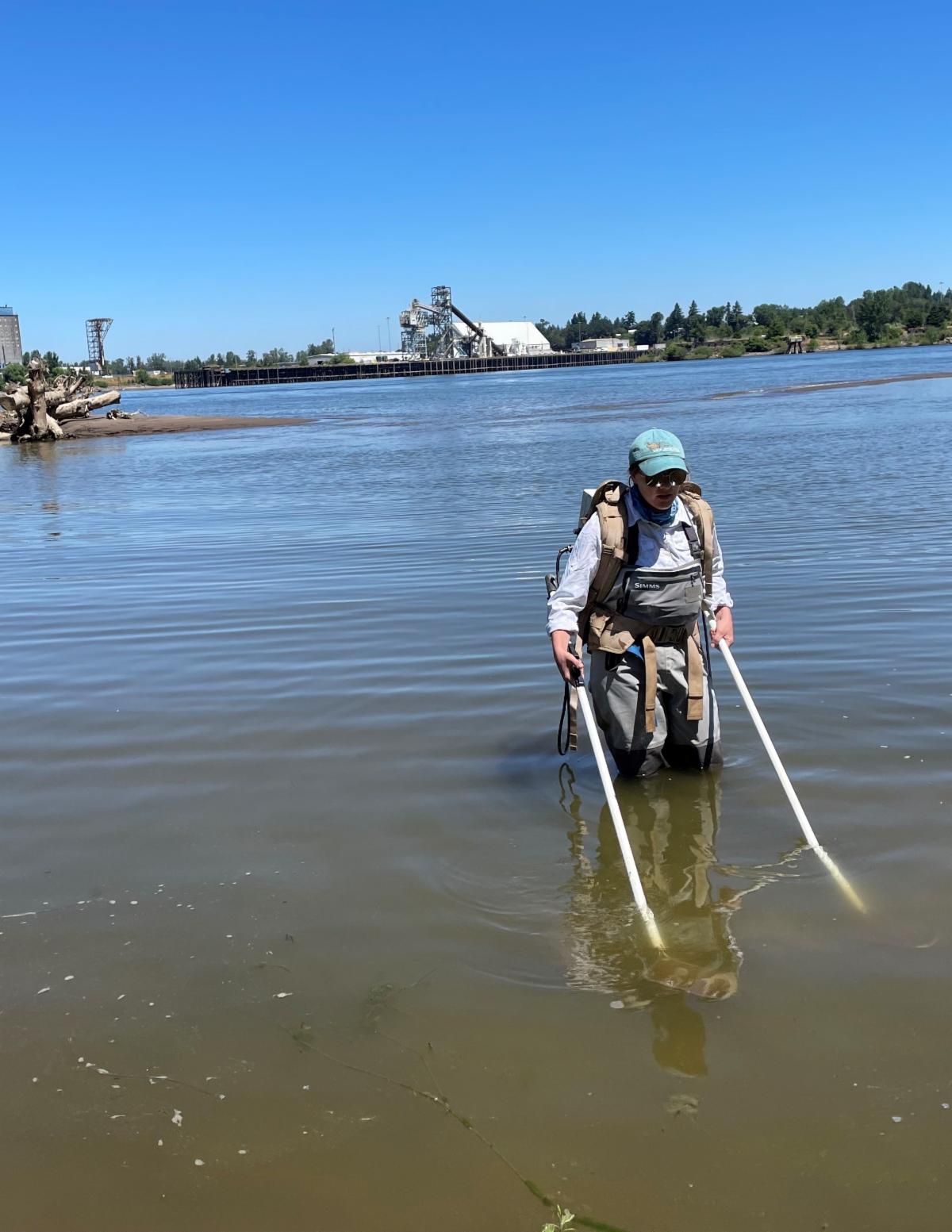
| | Curious Coyote at Rinearson Natural Area (Columbia Restoration Group, April 2024) | | Special Feature: Lamprey Monitoring at Portland Harbor | | Pacific lamprey, an ancient, eel-like fish native to the Pacific Northwest, is of special importance to the Five Tribes who are members of the Portland Harbor Natural Resource Trustee Council. These anadromous fish, which live in the ocean but return to freshwater to spawn, feature prominently in traditional stories and histories, are honored through feasts and ceremonies, and help connect younger tribal members with vital cultural activities and knowledge. As such, lamprey are an irreplaceable part of tribal cultural traditions, practices, foodways, and identities. However, Pacific lamprey populations have declined to a fraction of historical levels, and contamination has further reduced consumption by tribal members. To better understand lamprey populations in the Willamette River and the potential actions that could contribute to their recovery, the Five Tribes are involved in two separate but related monitoring programs. | | | First, restoration projects that created and restored off-channel habitat, shoreline habitat, and native vegetation along the Willamette River offer a rare opportunity to learn about the population and health of lamprey in the river. Beginning in 2014 and expanding in scope over time, the U.S. Fish and Wildlife Service (FWS) has been monitoring the four natural resource damage assessment (NRDA) restoration projects and numerous reference sites along the lower Willamette River. Monitoring is designed to answer questions such as, “are lamprey occupying newly created habitats” and “what is the health and condition of lamprey found at restoration sites and other locations within the region?” To date, FWS has found healthy larval lamprey, including Pacific lamprey and Occidentis spp. (e.g. Western Brook Lamprey) at each restoration site and reference site. Although it is too early to identify any trends in the number of larvae that may be related to the restoration projects, future data collected throughout the 20-year monitoring program should provide additional insights. | | |
Electrofishing for lamprey at Linnton Mill
(US Fish and Wildlife Service, n.d.)
| | | |
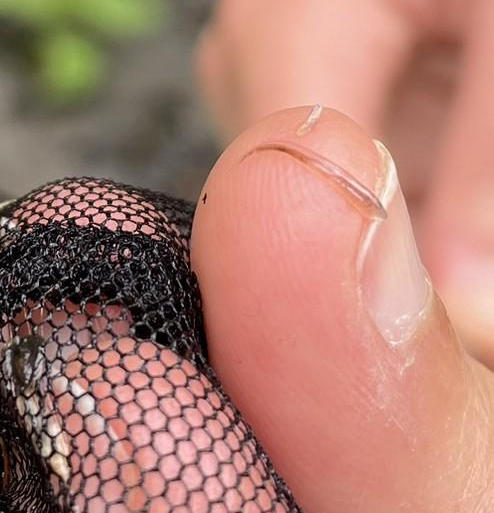
Pacific lamprey ammocoete (Young Lamprey)
(US Fish and Wildlife Service, 2024)
| | Second, beyond specific project areas, it is important to the Five Tribes to better understand lamprey habitat use and occupancy throughout the lower Willamette River (i.e., “harbor-wide”), which can help inform an understanding of the effects restoration may have on these populations. Previous FWS work documented lamprey presence in the river prior to NRDA restoration efforts. Then in 2024, approximately 10 years following construction of the first restoration project (Alder Creek), FWS began three years of monitoring to understand harbor-wide lamprey occupancy. This research investigates questions including, “are larval lamprey distributed throughout the lower Willamette River” and “what is the probability of detecting them?” | | | |
Additional sampling, planned for years 18 through 20 post- restoration, will provide greater insight into the nature of lamprey populations within the river and their relationship to Portland Harbor NRDA restoration activities. Collectively, the harbor-wide and
restoration-site specific monitoring programs will inform an understanding of how the suite of NRDA restoration projects may contribute to the long-term viability of lamprey populations in the Willamette River.
FWS is documenting the results of lamprey monitoring efforts in a series of annual reports, which are available to the public by request.
| |
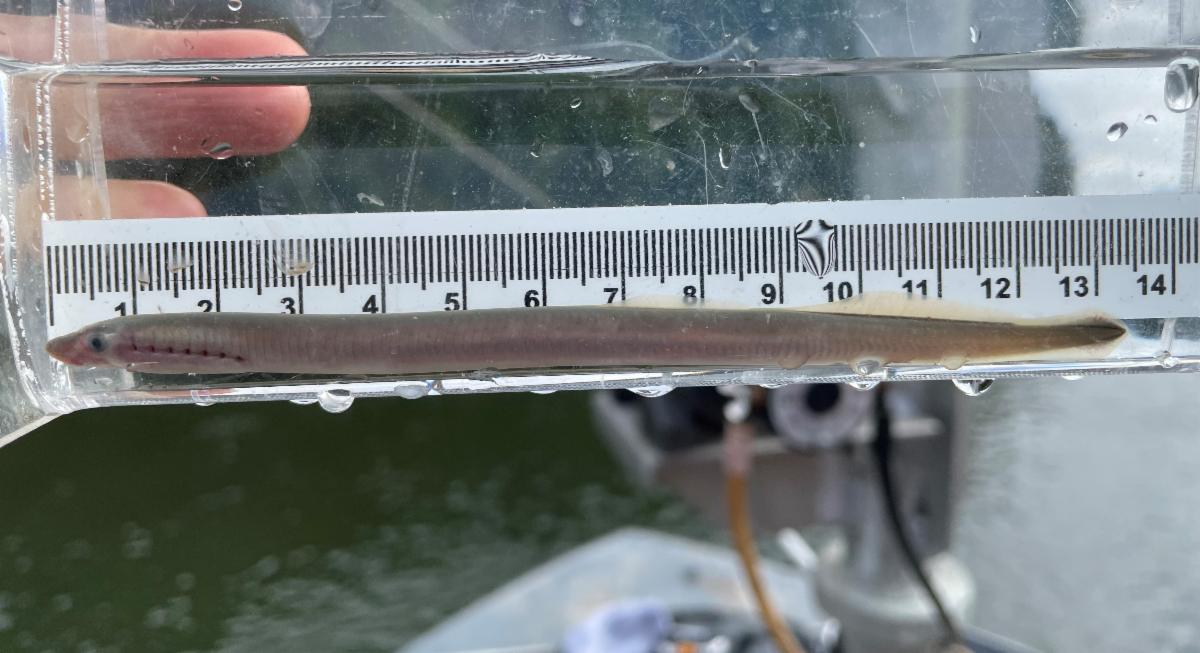
Measuring a Pacific Lamprey
(US Fish and Wildlife Service, 2023)
| | | |
Portland Harbor Collaborative Group Public Meetings
September 9th, 6:00PM-8:00PM. (Rescheduled to October 21st) The purpose of the Collaborative is to provide an inclusive forum for interested and affected parties to share and receive updates, provide feedback, and make individual member recommendations to the Environmental Protection Agency (EPA) and Oregon Department of Environmental Quality (DEQ) regarding the Portland Harbor Superfund Site cleanup process. Everyone is welcome to observe the quarterly Portland Harbor Collaborative meetings, though participation will be focused on Collaborative members. Find out more information as it's updated here.
| | |
Portland Harbor in the News
| |
The Portland Harbor Natural Resource Trustee Council is responsible for restoring natural resources that have been impacted by contamination in the Portland Harbor Superfund site. The purpose of this newsletter is to share information about the Trustee Council's work with those who are interested in our assessment and restoration efforts.
| | | | |