|
As storm season approaches, it’s important to take proactive steps to protect your business and keep operations running smoothly. Severe weather is responsible for nearly half of all power outages in the United States, making preparation not just a best practice but a necessity for maintaining uptime and protecting critical systems.
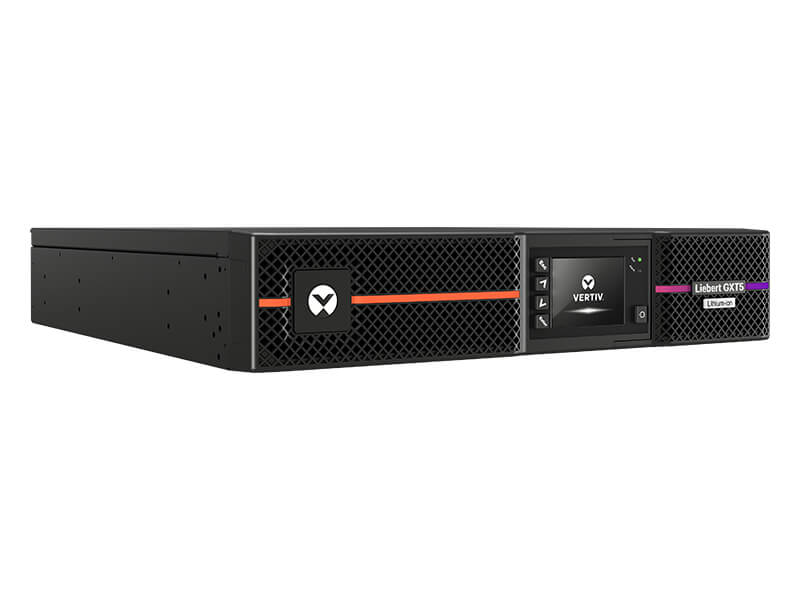
One of the most important areas to review is your power protection strategy. Uninterruptible Power Supply (UPS) systems should be tested to ensure they are functioning properly and that batteries are in good condition. Over time, batteries degrade, and without proper maintenance, they may not perform when needed most. It’s also important to review cooling systems, power distribution, and monitoring tools to ensure your infrastructure is fully supported during an outage.
Power disruptions don’t just cause inconvenience they can be costly. Industry estimates show that downtime can cost organizations thousands of dollars per minute, and over the course of a year, outages can result in significant financial impact. Taking preventative measures now can help reduce risk and avoid unexpected losses. According to Gartner, the average cost of network downtime equates to $5600/minute based on industry surveys. If you remove large organizations and outliers, the average cost of network downtime equates to $1200/minute for the average midsize company according to BizTech Magazine. When coupled with the fact that companies suffer 16 to 20 hours of network, system, or application downtime per year (on average). Therefore, it is important to take preventative measures when dealing with your business’
In addition to equipment checks, organizations should revisit their Disaster Recovery (DR) plans. This includes validating recovery time objectives (RTO) and recovery point objectives (RPO), identifying critical systems, and ensuring key contacts and processes are up to date. Regular testing of your DR plan at least annually or after major changes helps ensure your team is prepared to respond effectively when disruptions occur.
Finally, consider whether your current environment has adequate failover protection. This may include implementing backup power solutions such as UPS systems for network closets, data centers, or even remote work setups. These solutions can provide the necessary time to safely shut down systems or maintain operations during short term outages.
|