|
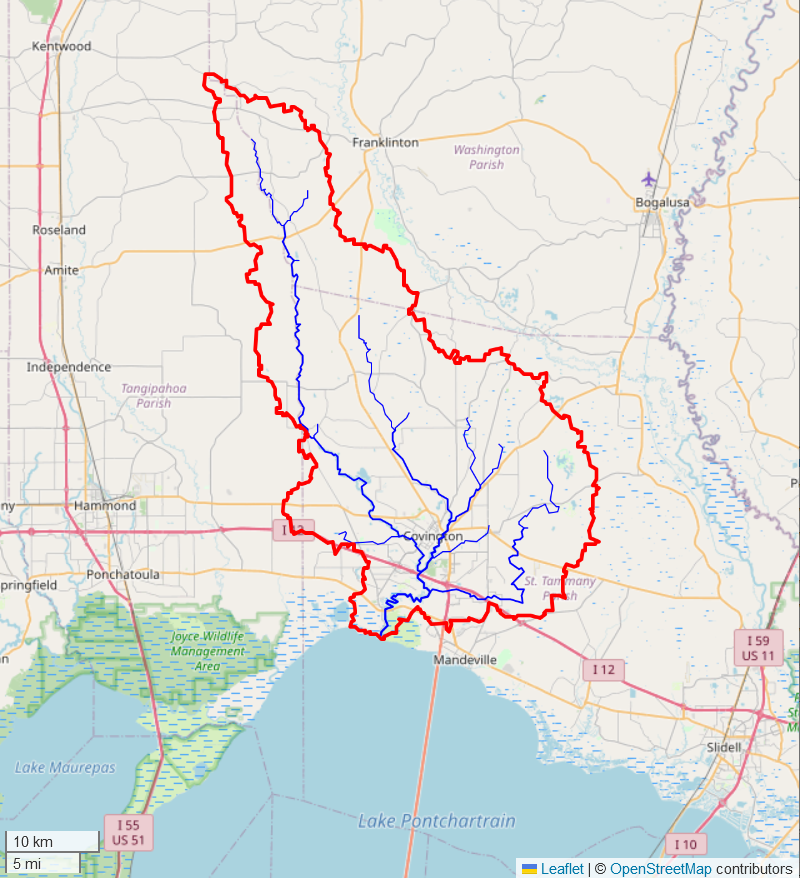
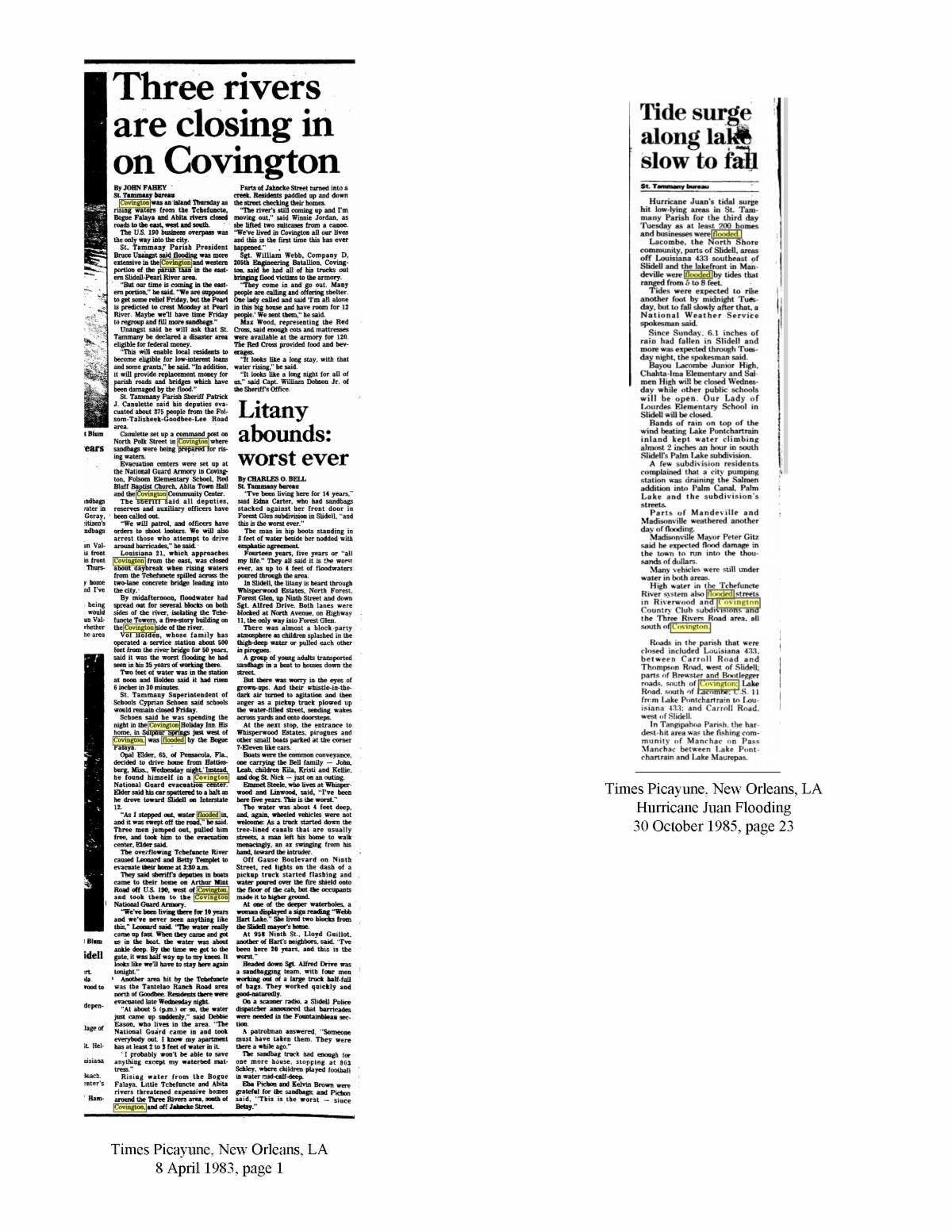
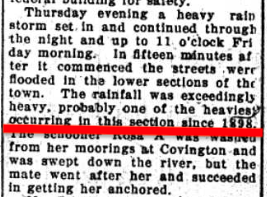
#1: When it comes to drainage, the City's #1 priority is to avoid water in houses / structures. In general, we are successful with this. In certain major rain events, there are homes that take on water … and that is never a good thing.
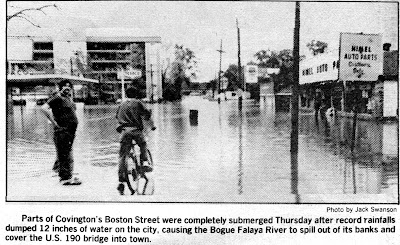
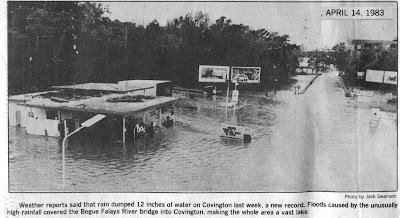
#2: Mitigate street flooding (which impacts emergency vehicle responses). Continued routine maintenance of our drainage tributaries and detention ponds help with this.
#3: Mitigate yard flooding. The goal here is to have the water recede within 12 hours AFTER the rain has stopped. Please do not assume it will recede while it is still raining.
#4: Ditches holding water long after it has stopped raining. Ditches that hold water after a rain are a personal pet peeve of mine. Unfortunately, Covington is flat. Quite flat. There is very little fall across the city. This means the bottom of a ditch slightly out of whack, a blocked culvert or a culvert set at the wrong elevation 70 years ago can cause ditches to hold water. Public Works is tackling this city wide problem by digging fewer ditches deeper when they don't drain and by "blowing out" more culverts. In certain cases, they have made nice progress. In others, we continue the battle … much like whack-a-mole.
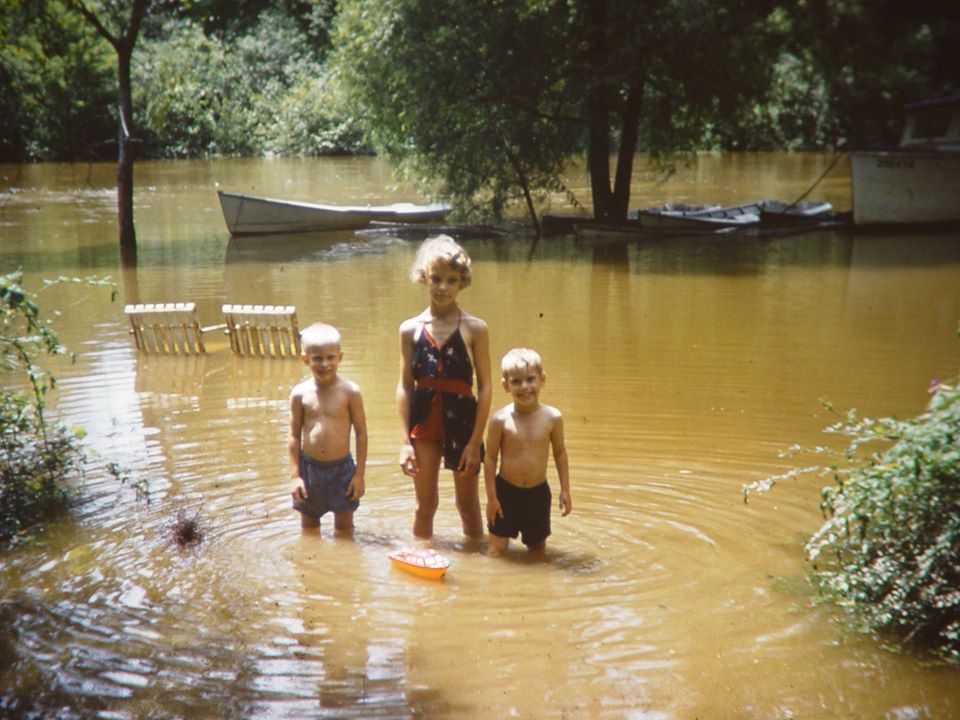
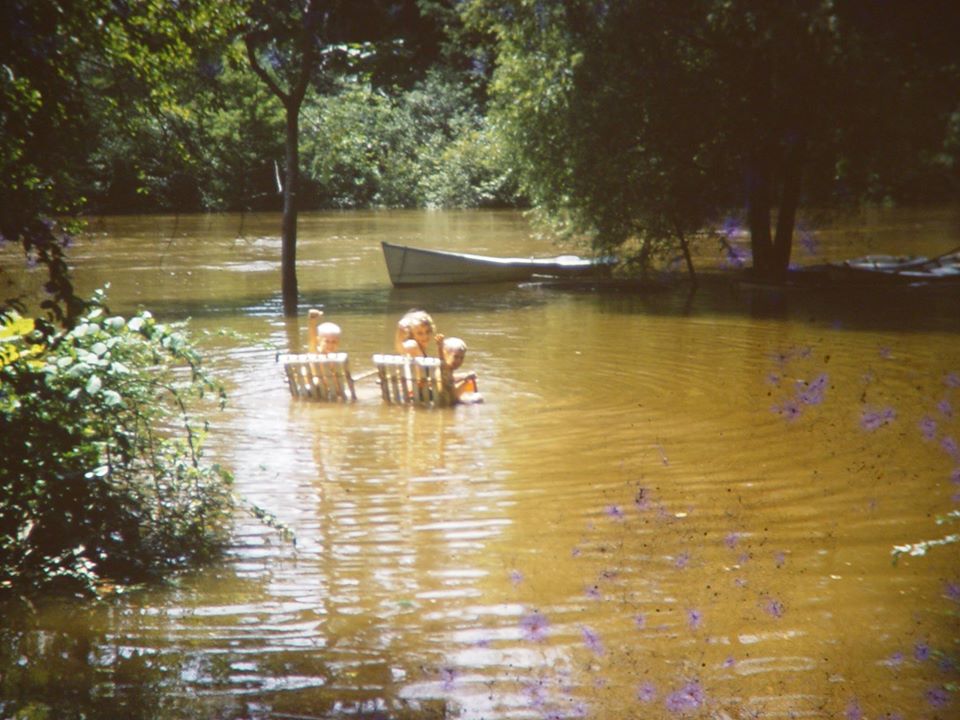
Side note: Structures in our area that flood tend to have two things in common: 1) They are constructed in a flood zone and 2) They are not raised i.e. built flat on the ground.
Side note #2: A flood zone is a zone of land that floods. If one's home is located in a flood zone, then yard and street flooding should be expected.
Side note #3: One should avoid driving on flooded streets. However, if one must, please do so slowly without creating a wake. Often times, the difference between a home or garage getting water and not getting water is some jerk driving his or her big truck quickly through the water … throwing off a wave that rolls into the structure.
|